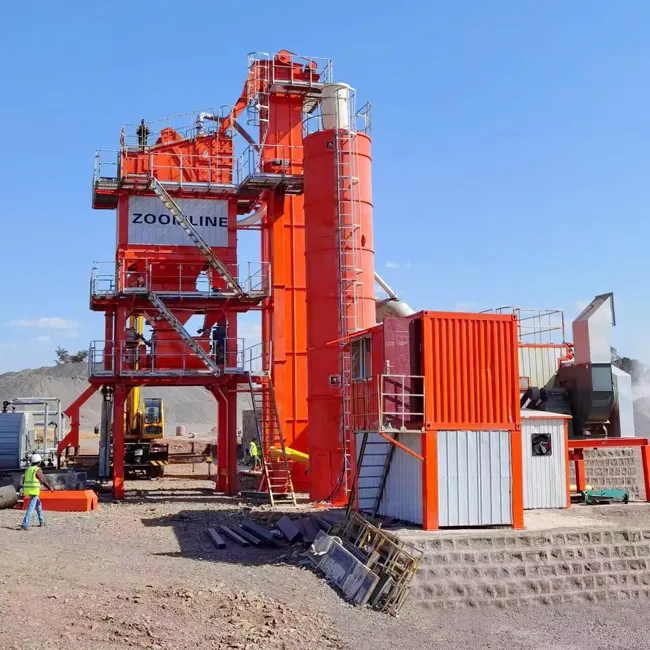
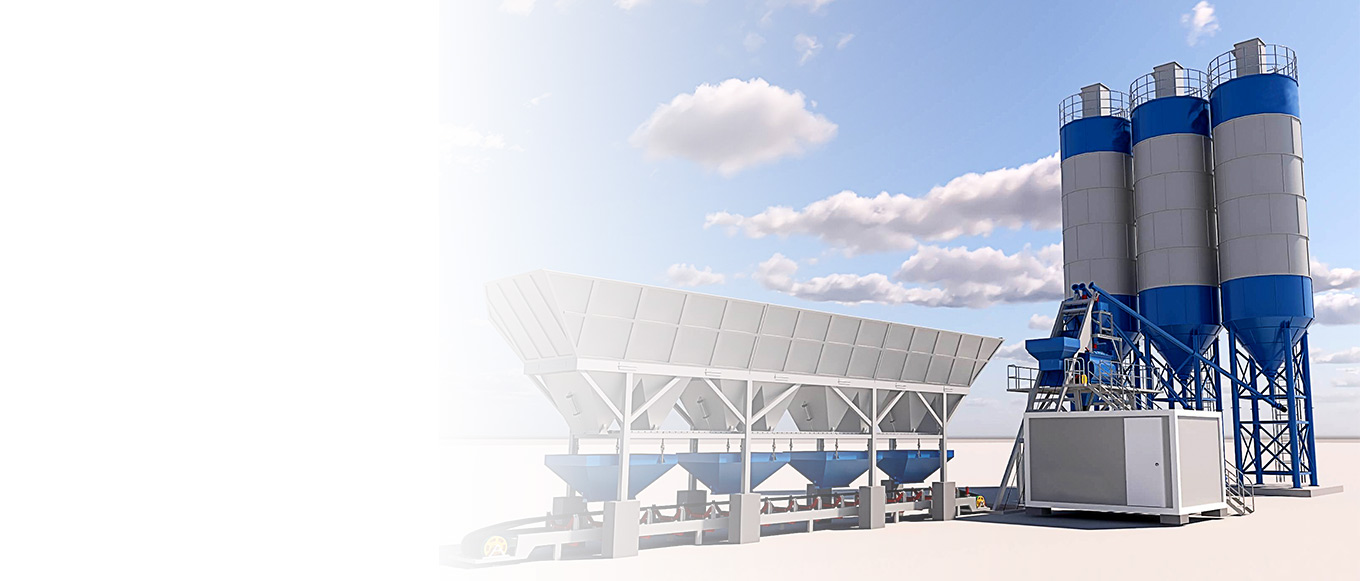
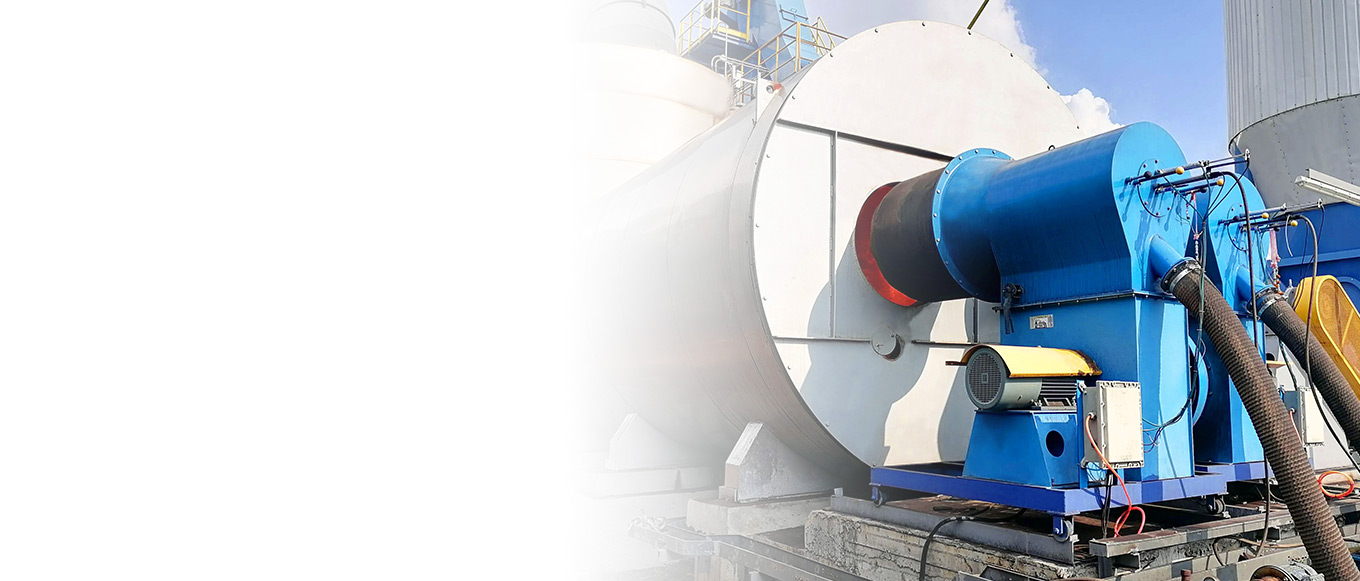
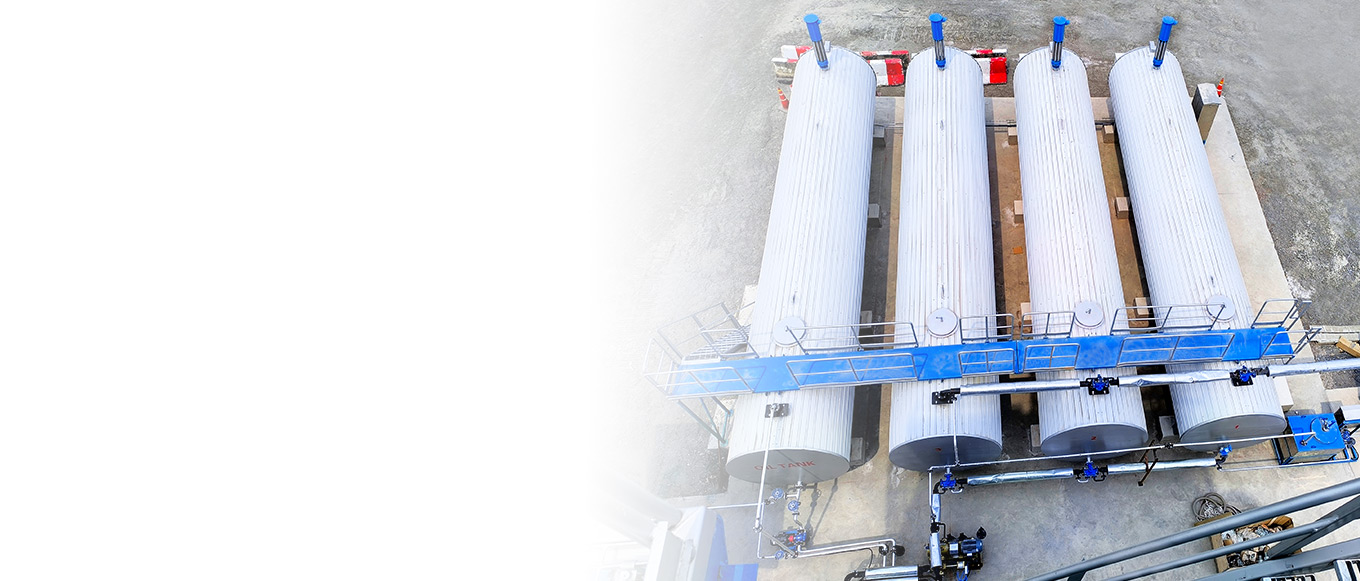
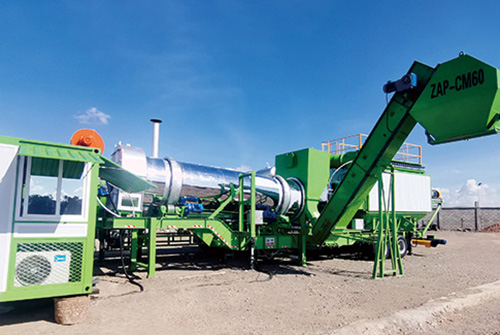
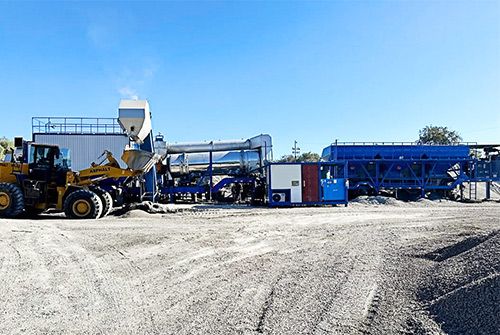
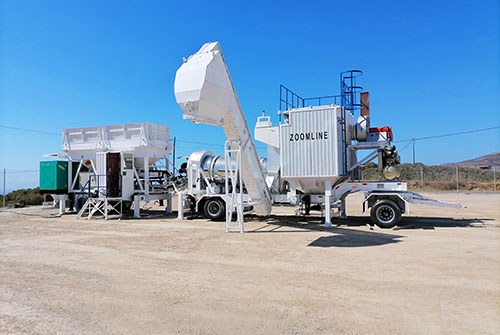
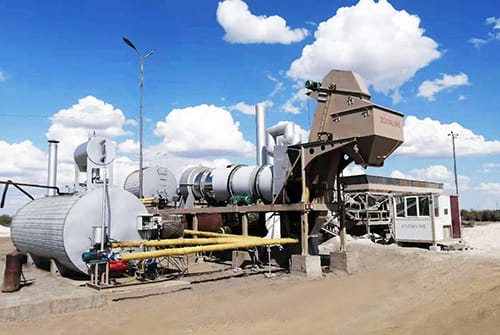
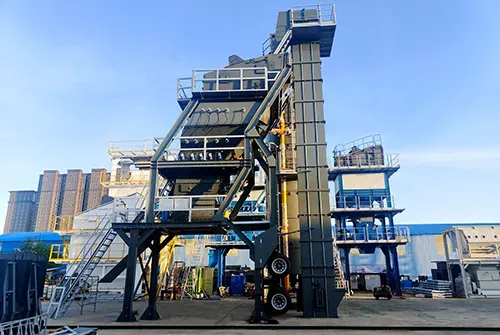
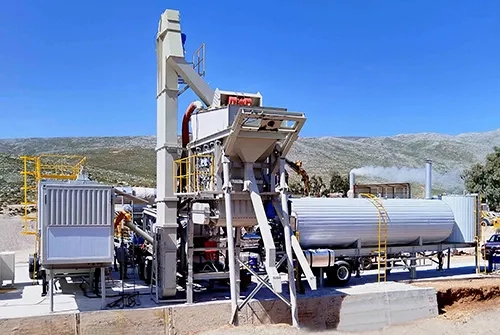
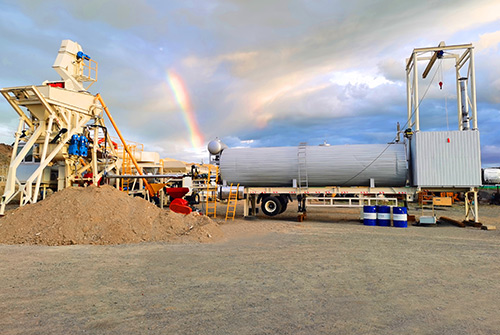
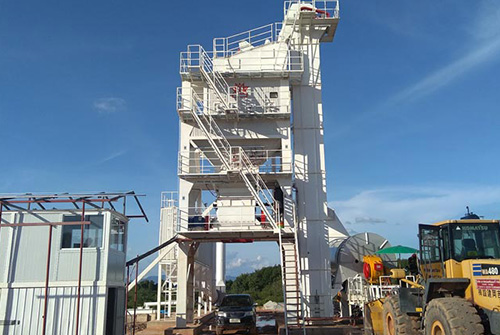
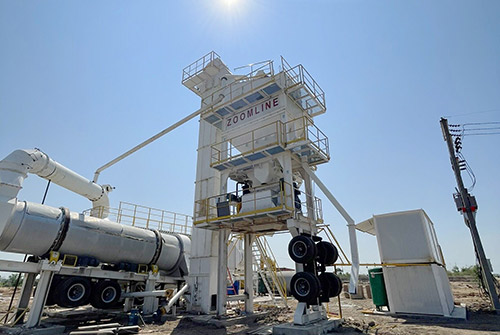
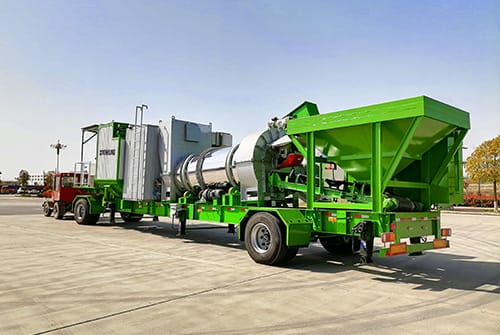
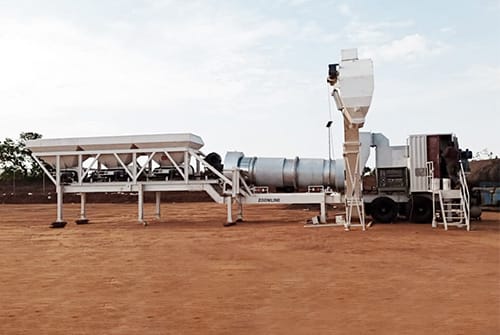
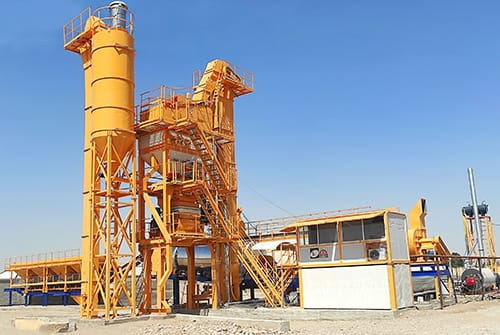
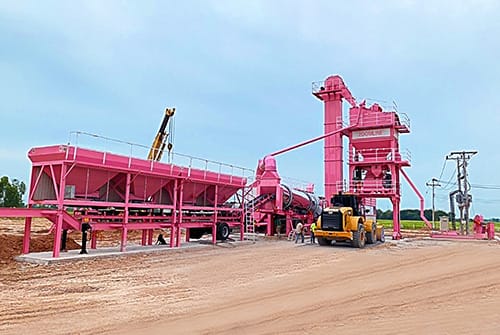
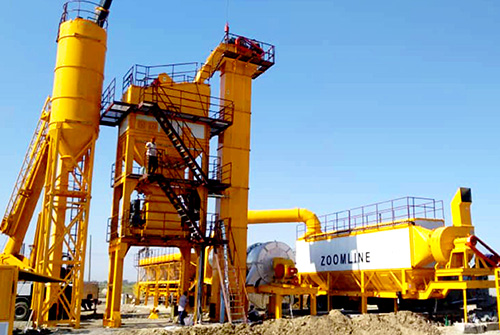
Regular maintenance is the core premise to ensure the efficient and reliable operation of mobile asphalt mixing plant, and it is the key measure to extend the service life of the equipment, reduce the operation cost and avoid sudden failure affecting the construction progress. Mobile asphalt mixing plant as the core equipment for on-site production, long-term high-intensity, high-load operating conditions, and more in the outdoors, remote sites and other complex environments, susceptible to dust, asphalt residue, temperature changes and mechanical wear and tear and other factors, such as the lack of standardized, regular maintenance, is very likely to parts aging, frequent failures and other problems, not only lead to production interruptions, delays in the work schedule, but also increase the cost of equipment maintenance, and even shorten the overall equipment costs, and even reduce equipment maintenance costs. Equipment maintenance costs, and even shorten the overall service life of the equipment. Therefore, construction companies must establish a perfect equipment maintenance system, the strict implementation of the maintenance work to ensure that the equipment is always in the best operating condition, for the continuity and stability of asphalt production to provide a strong guarantee of its main maintenance work can be divided into cleaning, lubrication, inspection of the three core aspects of the work of each need to standardize the operation, down to earth.
Cleaning is the basis of equipment maintenance, but also to prevent equipment failure is an important part of the need to follow the “regular cleaning, comprehensive no dead ends” principle, combined with the frequency of equipment operation and site environment, to develop a reasonable cleaning cycle. After the end of daily production, the surface of the equipment should be cleaned up in a timely manner of dust, aggregate residues and asphalt spatters, to avoid the accumulation of dust blocking the equipment cooling port, pipeline interfaces, and to prevent asphalt residue from solidifying and adhering to the surface of the equipment components, which affects the cooling and normal operation of the equipment; for the equipment, focus on the cleanup of the cold aggregate feeding silo, drying drums, mixing drums, weighing equipment, and dust removal system and other core components of the internal debris and asphalt residue, for example, regular cleaning, such as regular operation frequency and site environment, to develop a reasonable cleaning cycle. Asphalt residue, for example, regularly clean up the knots on the inner wall of the mixing drum to avoid the accumulation of residue affecting the uniformity of mixing, and clean up the dust on the surface of the filter bag of the dust collector to ensure the effect of dust removal and smooth ventilation of the equipment. At the same time, the cleaning process need to pay attention to the operating specifications, avoid the use of corrosive detergents, to prevent damage to the surface coating of the equipment and components, cleaning completed in a timely manner after the drying of the surface of the equipment, to prevent corrosion of the components, the full range of protection of the appearance of the equipment is clean and the internal smoothness of the equipment to lay the foundation for the stable operation of the equipment.
Lubrication work is to reduce mechanical wear and tear of equipment, reduce the incidence of failure of the key, the core lies in the “accurate lubrication, continuous protection”, according to the operating characteristics of the mechanical parts of the equipment, load conditions and manufacturer requirements, select the appropriate lubricant, and strictly in accordance with the prescribed cycle of lubrication operations. The core lubrication parts of the mobile asphalt mixing plant include mixing drum bearings, conveyor chains, vibrating screen bearings, elevator gears and other wear and tear, high load mechanical parts, these parts will produce a lot of friction during operation, if the lubrication is not in place, it is very easy to parts wear, jamming, rattling and other problems, which can lead to serious damage to the parts, equipment downtime. Lubrication operation, you need to clean up the lubrication part of the dust, debris, to ensure that the lubrication surface is clean and free of impurities, and then evenly coated or injected lubricant, to avoid excessive or insufficient lubricant – excessive will lead to the accumulation of oil, adsorption of dust, affecting the operation of the components; insufficient can not play an effective role in lubrication. At the same time, the need to regularly check the state of the lubricant, if found that the lubricant deterioration, emulsification or loss, need to be replaced in a timely manner to ensure that the mechanical components are always in a good lubrication state, reduce friction loss, to ensure that the equipment of the smooth operation of various institutions, extend the service life of the components, reduce equipment maintenance costs.
Inspection work is a key means to timely detect hidden problems of equipment and prevent the expansion of failures, which should follow the principle of “regular inspection, comprehensive investigation and timely treatment”, and carry out all-round and multi-level inspection work in combination with the operating hours and maintenance cycle of equipment. The inspection scope focuses on covering the electrical system, mechanical system and core functional components of the equipment, of which the electrical system is mainly to check the wiring harness, motor, heater, control system, etc., to check whether the wiring harness is aging, broken, loose, poor contact and other issues, whether the motor is running normally, whether there is no abnormal noise or overheating phenomenon, whether the heating effect of the heater is up to standard, whether there is any leakage of hidden danger, to ensure that the electrical system power supply is stable, The mechanical system mainly checks whether the connection parts are firm, loose or off, whether the mixing drum, vibrating screen and other components are running smoothly, whether there is any abnormal vibration or noise, whether the conveyor, elevator and other equipment are running smoothly, whether there is any jamming phenomenon. During the inspection process, detailed records should be made, and small problems such as minor wear and tear, aging or loosening found should be fastened, repaired or replaced in time to avoid small faults from expanding into big problems, which may lead to equipment shutdown or more serious damage; at the same time, it should strictly follow the maintenance schedules and operation guides provided by the manufacturer, and flexibly adjust the checking frequency and focus in combination with the actual operation of the equipment, and carry out the maintenance and checking in a standardized way to ensure that the equipment is always in a stable and reliable condition. At the same time, it should strictly follow the maintenance schedule and operation guide provided by the manufacturer, flexibly adjust the frequency and focus of inspection, and standardize the maintenance and inspection work to ensure that the equipment is always in a stable and reliable operation state, and provide a guarantee for the smooth progress of construction production.