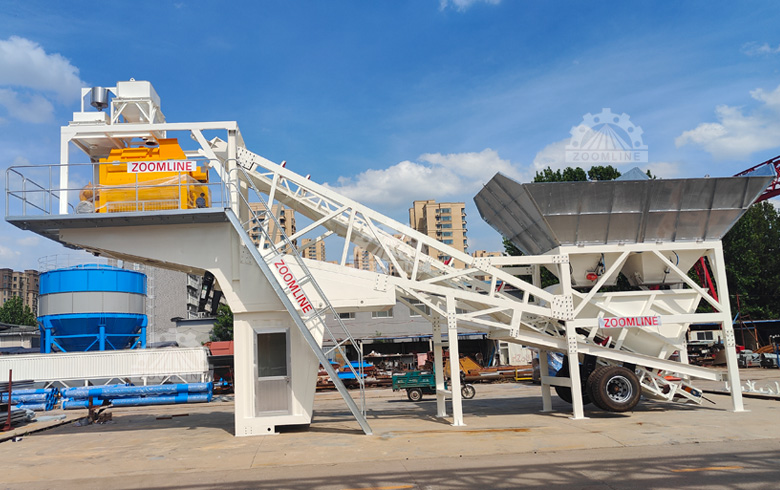
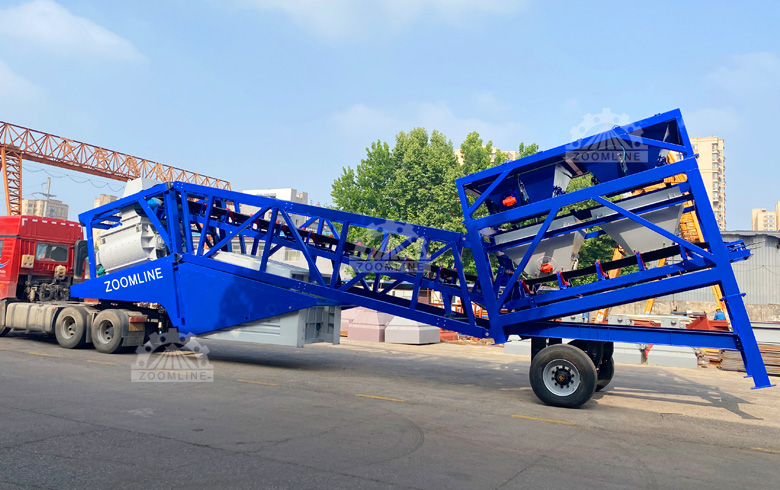
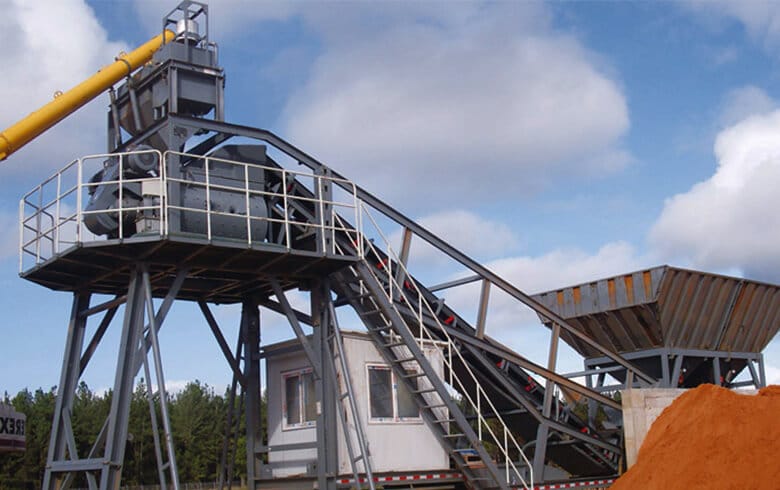
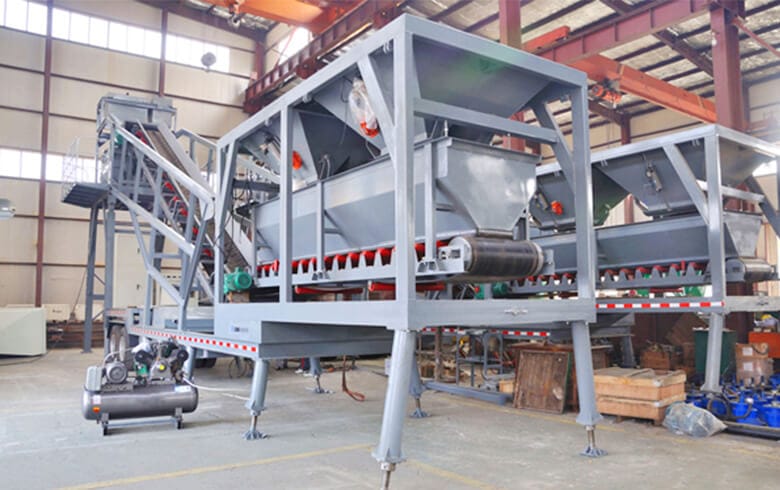
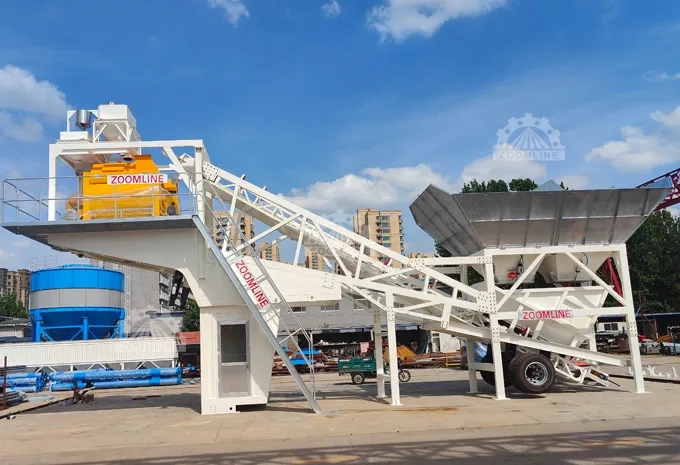
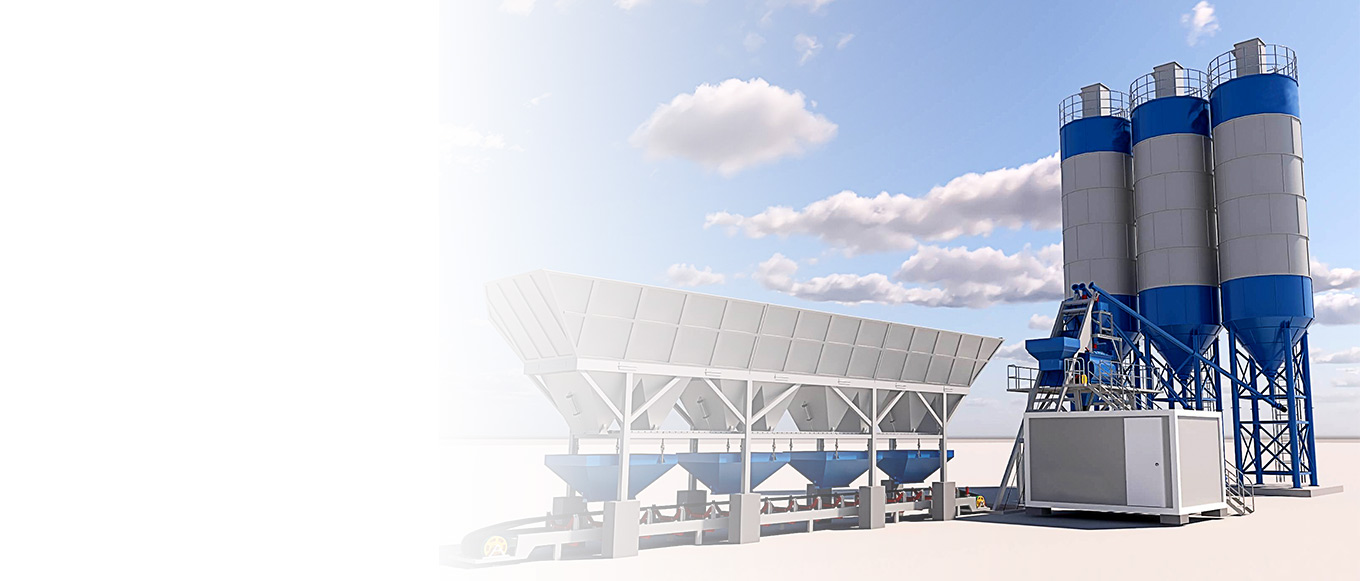
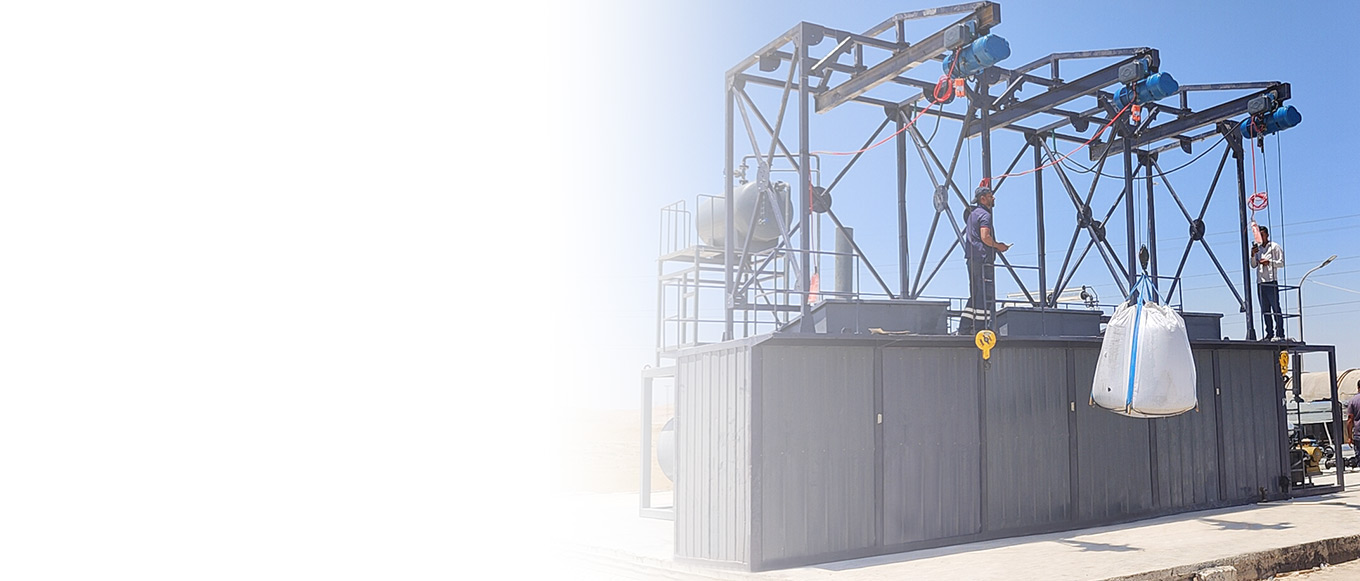
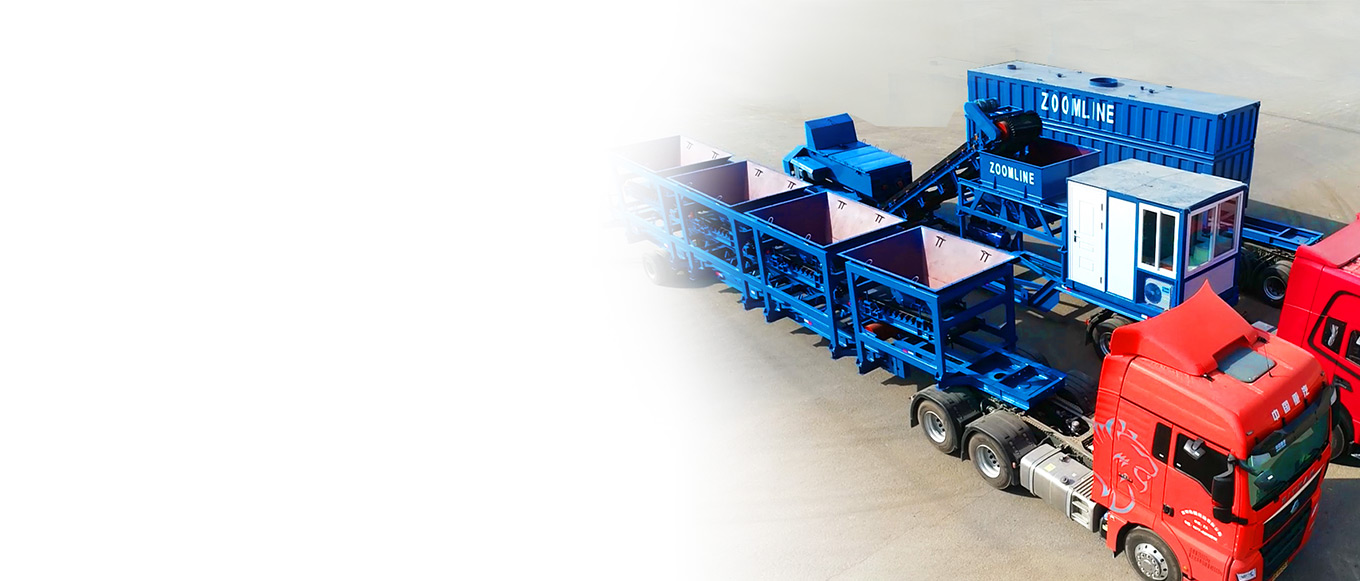
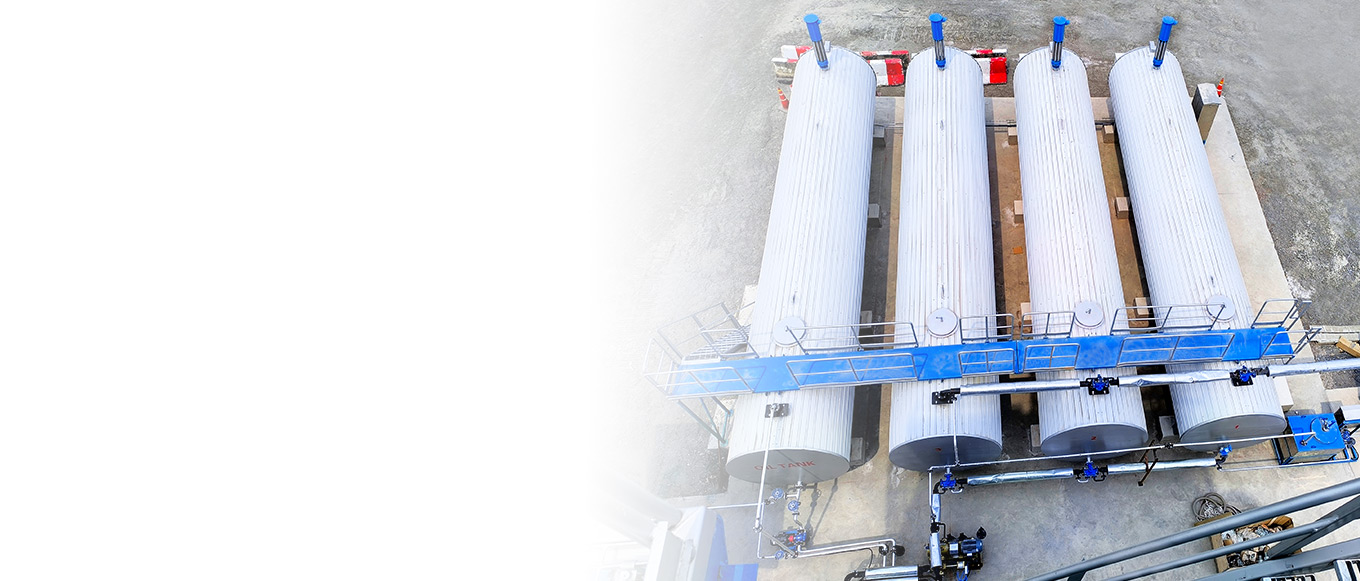
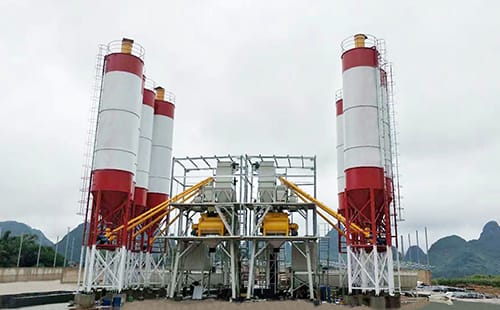
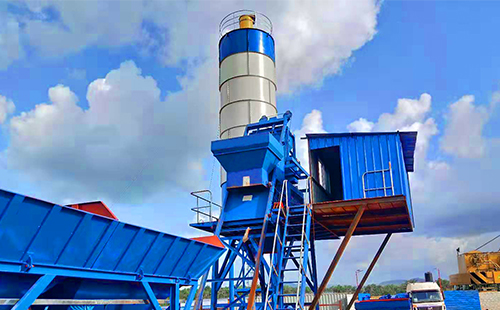
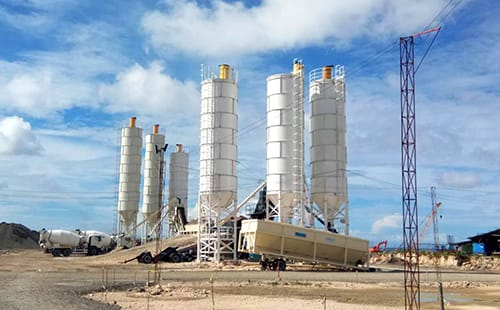
A mobile concrete batching plant integrates the main functional units of a traditional stationary batching plant onto one or more mobile chassis, facilitating rapid relocation and installation. Its main components include:
Batching System
Aggregate Batching Machine: Used to store and measure aggregates of different specifications, such as crushed stone, gravel, and sand. Multi-bin design adapts to different aggregates. Metering methods include belt scales and volumetric metering.
Cement Silo: Used to store cement. It features a sealed structure for moisture protection and is equipped with a screw conveyor to transport cement to the metering device.
Fly Ash Silo (Optional): Used to store fly ash and other admixtures. Its structure and conveying method are the same as the cement silo.
Water Metering System: Flow meters or weighing systems accurately control the amount of water used in mixing.
Admixture Metering System (Optional): Metering pumps or weighing systems accurately measure and proportion various admixtures.
Conveying System
Aggregate Conveyor: Transports aggregates from the batching machine to the mixing unit, typically using a belt conveyor.
Cement/Fly Ash Conveyor: A screw conveyor transports powder materials to the mixing host.
Mixing System
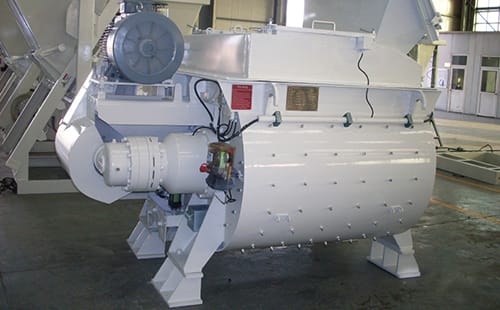
Mixing Host: The core component of concrete mixing; common types include twin-shaft forced mixers and planetary mixers.
Unloading System: The unloading gate is opened and closed pneumatically or hydraulically to discharge finished concrete.
Control System
Control Room/Control Cabinet: The control center of the mixing plant, containing a PLC control system, industrial computer, display screen, and operation buttons. It controls the batching, conveying, mixing, and unloading processes, coordinating the entire automated operation.
Weighing Control Instruments: Displays and controls the metering data of various materials.
Mobile Chassis
Trailer Chassis or Self-Propelled Chassis: The foundation of the mobile mixing plant, integrating all components. Trailer-mounted chassis require a tractor unit, while self-propelled chassis are self-powered.
Other Auxiliary Equipment
Air Compressor: Provides compressed air for pneumatic components.
Water Pump: Responsible for water supply.
Dust Removal System: Reduces dust pollution.
Lighting System: Supports nighttime construction.