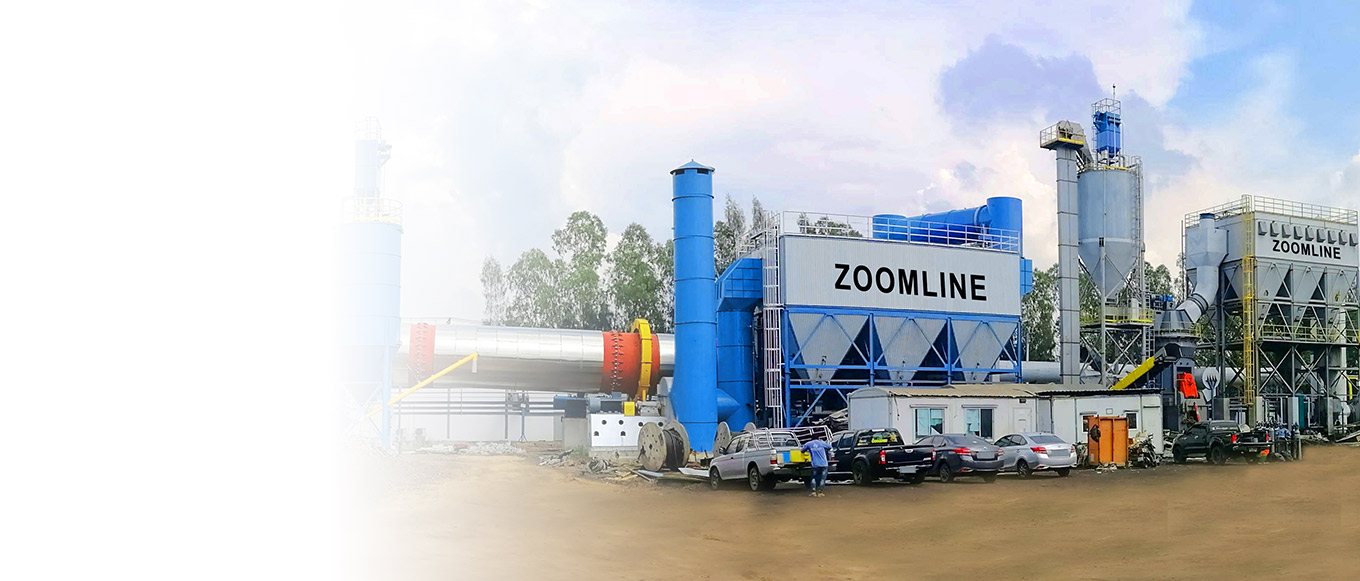
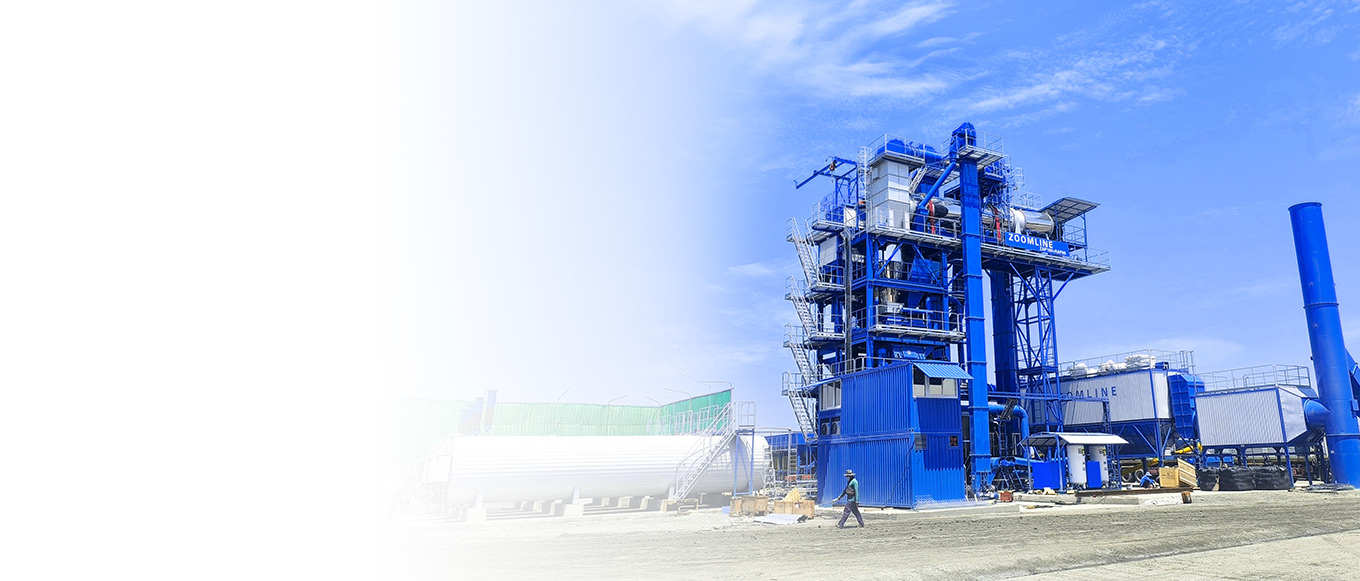
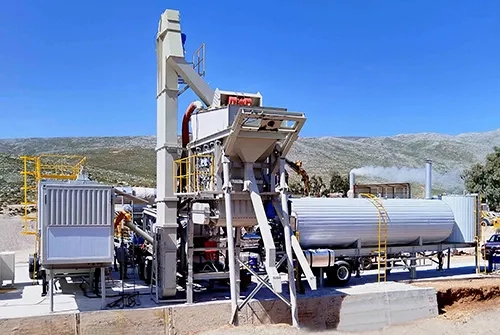
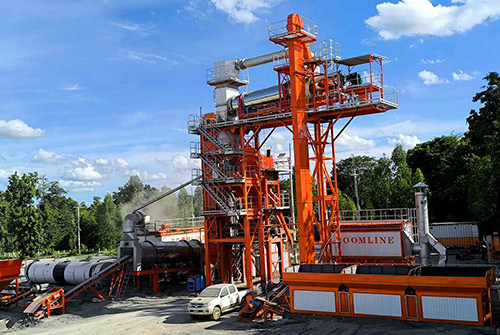
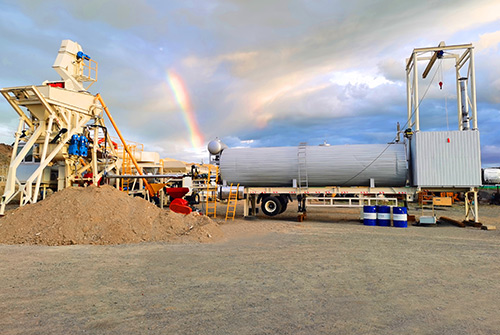
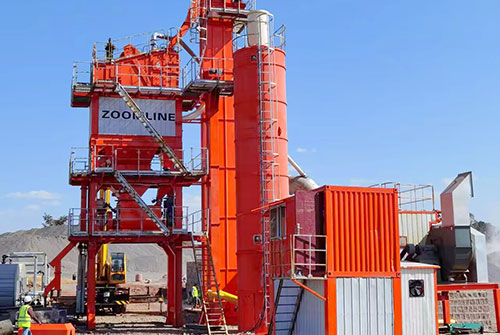
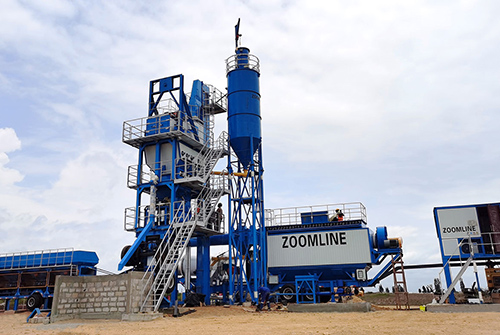
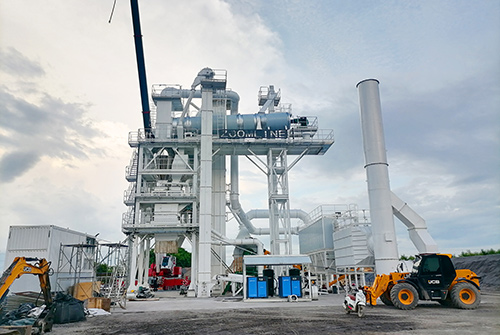
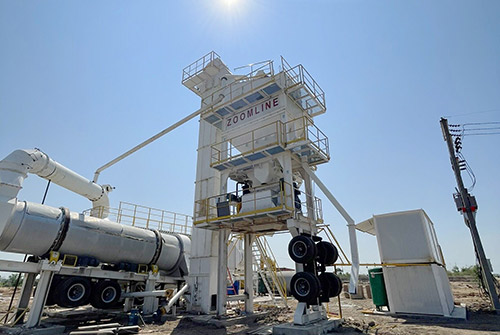
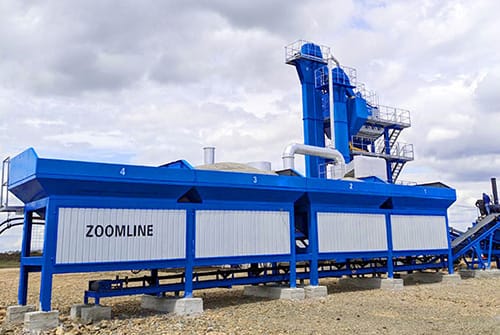
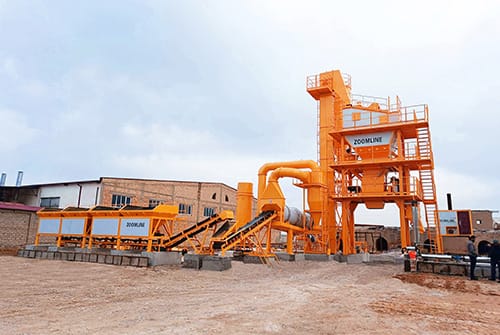
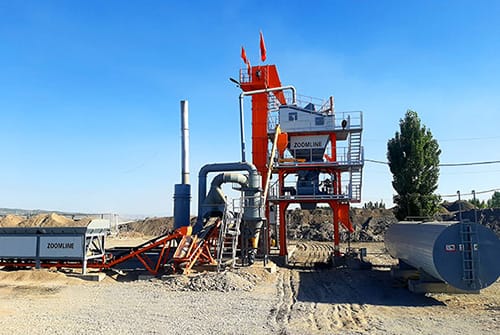
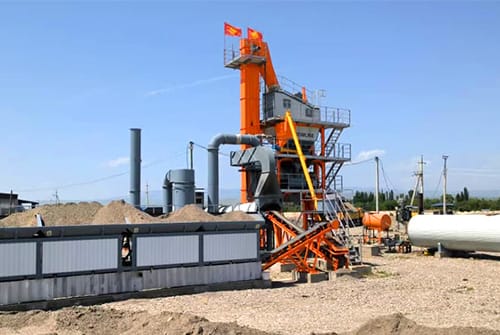
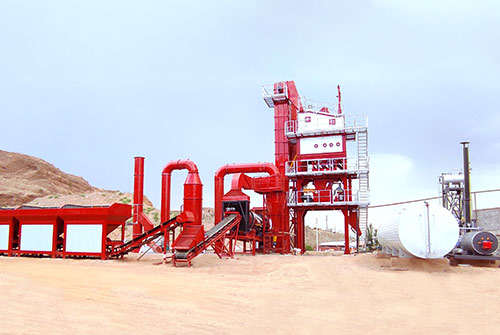
The production process of a cold-mix asphalt plant may seem simple, but in reality, every step affects the quality of the mix. The core process consists of six key stages, offering full process control and user-friendly operation, making it easy even for beginners to get up to speed:
Raw Material Preparation
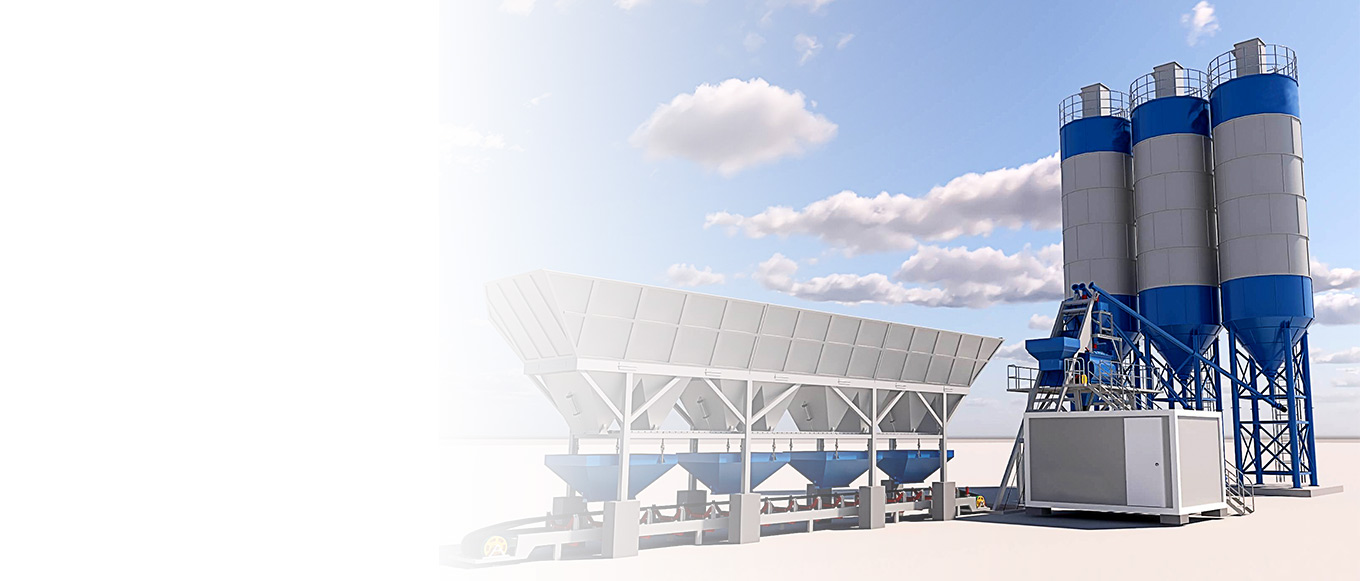
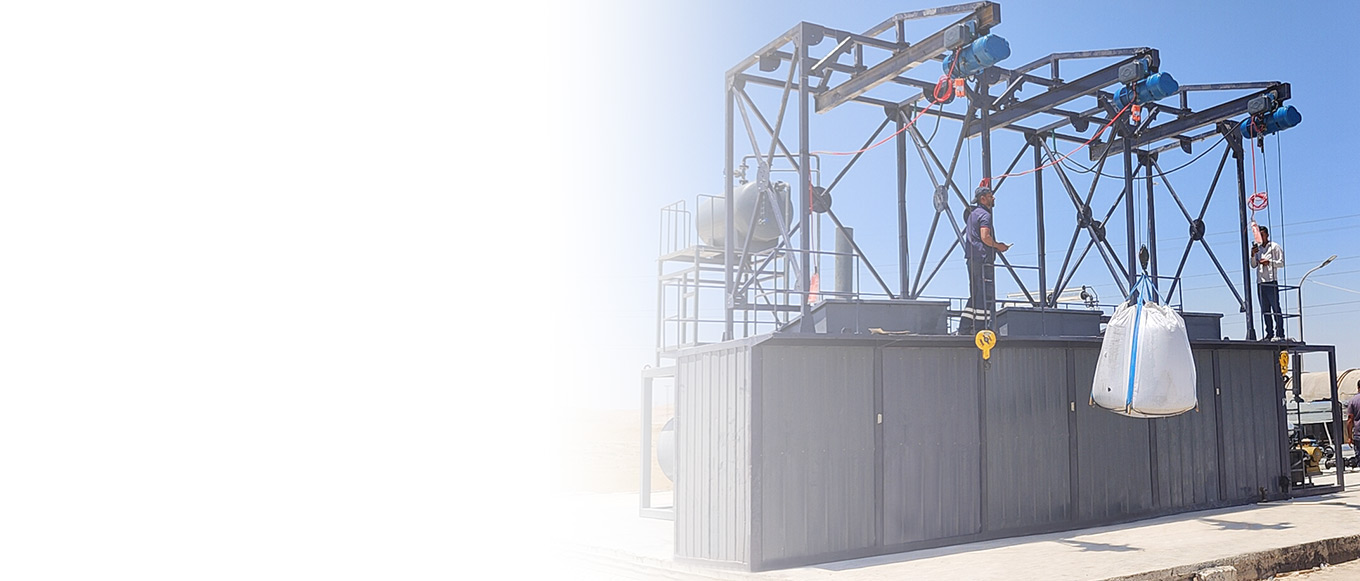
Aggregates of various specifications (such as gravel and sand) are screened and washed before being stored in aggregate silos to ensure they are free of impurities and have uniform moisture content. At the same time, asphalt emulsion (made by mixing asphalt, water, and an emulsifier) and additives (such as cement and lime, which can be added according to project requirements) are prepared.
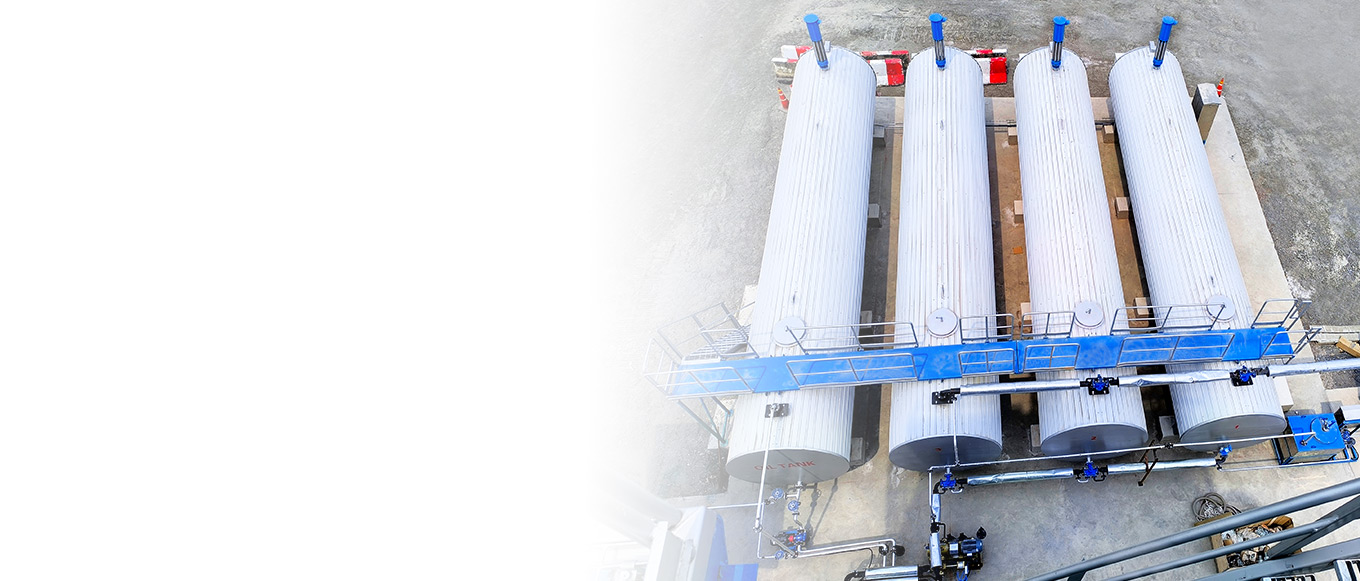
Asphalt Emulsion Preparation
Using the equipment’s emulsion system, asphalt, water, and emulsifiers are mixed in precise proportions to produce a stable asphalt emulsion, ensuring its bonding strength meets standards and that it uniformly coats the aggregates.
Precise Batching
Using a PLC/SCADA control system, the quantities of aggregate, asphalt emulsion, water, and additives are precisely measured to prevent imbalances in the mix ratio from affecting the quality of the mixture, achieving “on-demand batching and precise control.”
Uniform Mixing
The prepared ingredients are fed into a twin-shaft continuous mixer (Pugmill mixer, the core component of the cold mix plant). Through high-speed mixing, the asphalt emulsion uniformly coats every aggregate particle, forming a homogeneous cold-mix asphalt mixture. The mixing time can be flexibly adjusted based on the characteristics of the raw materials.
Quality Inspection
During mixing, real-time sampling is conducted to test indicators such as the mixture’s cohesion and uniformity, ensuring compliance with construction standards. Simultaneously, the control system monitors parameters such as moisture content and mixing time to guarantee consistent product quality.
Storage and Conveyance
Qualified cold-mix asphalt mixtures can be stored directly in silos or transported to construction sites via conveying equipment. They require no additional heating and can be used immediately for paving or repair work. Additionally, they can be stored for extended periods, minimizing material waste.
Compared to the complex heating and drying processes of hot-mix asphalt plants, the production process of cold-mix asphalt plants is simpler. It does not consume large amounts of fuel and reduces pollution caused by asphalt volatiles, thereby lowering production costs and improving production efficiency.