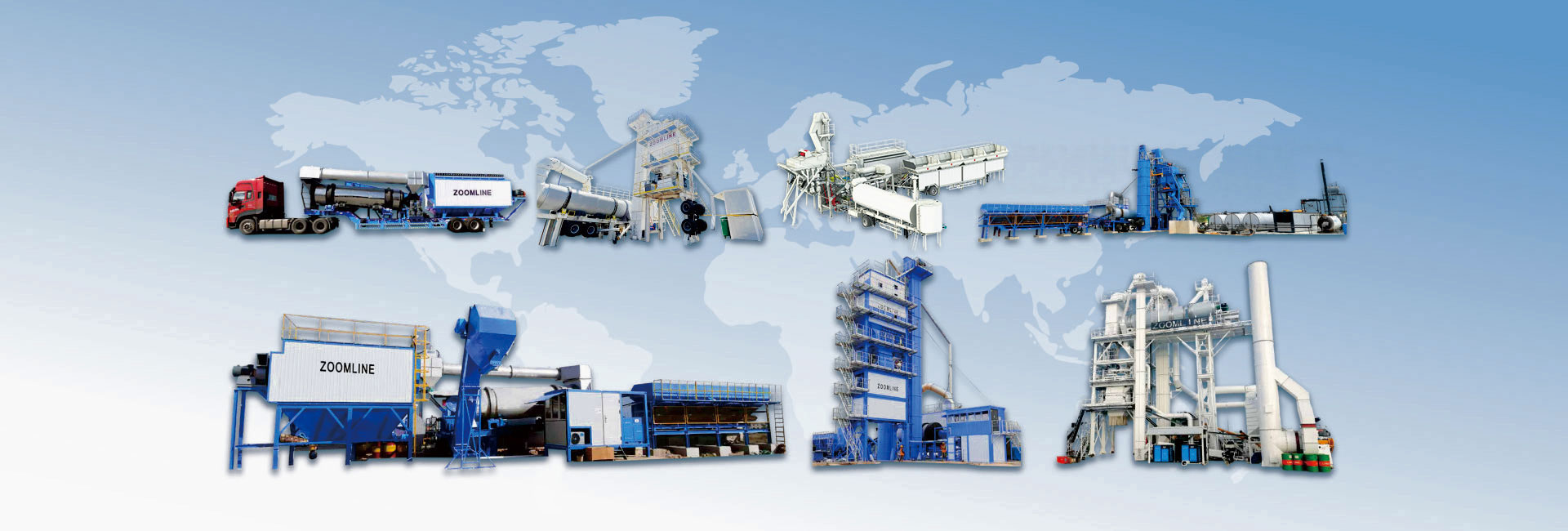
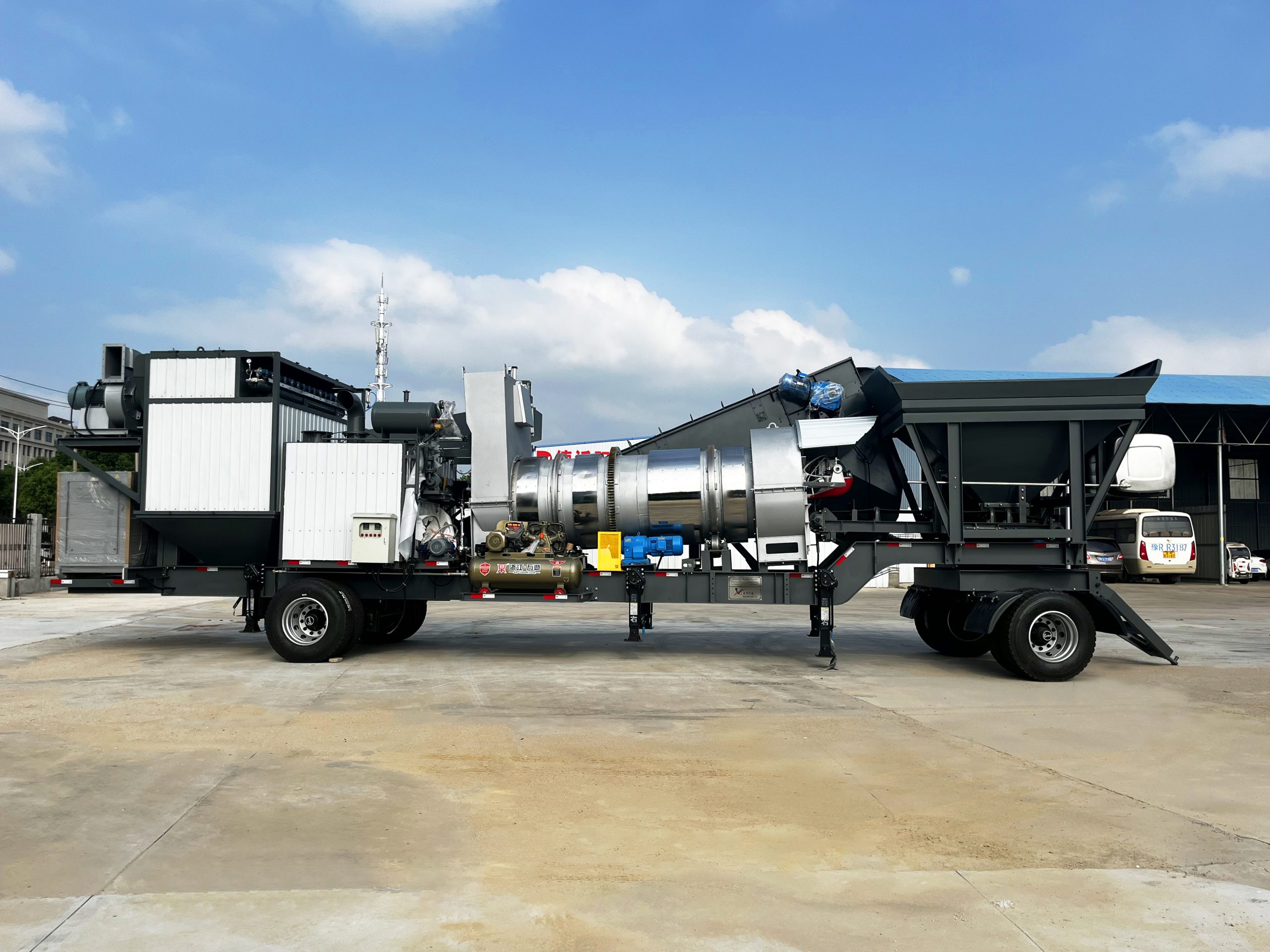
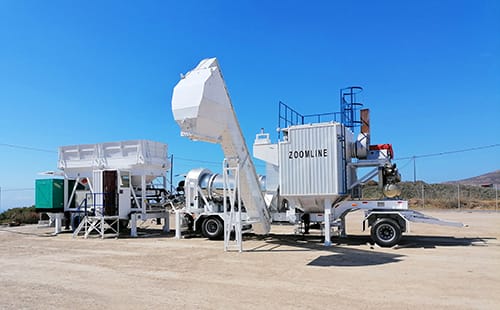
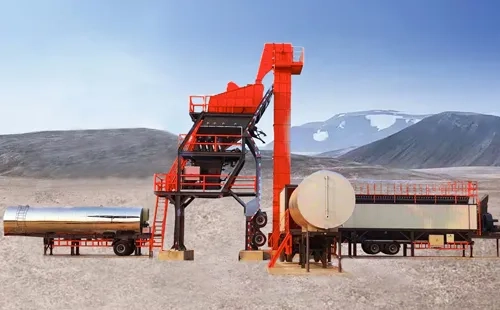
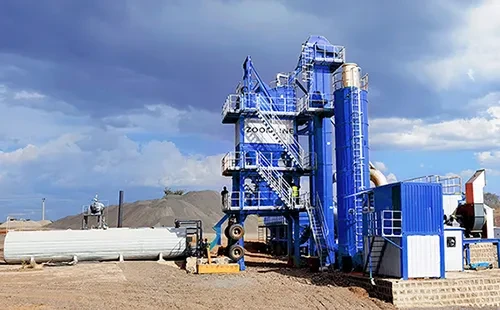
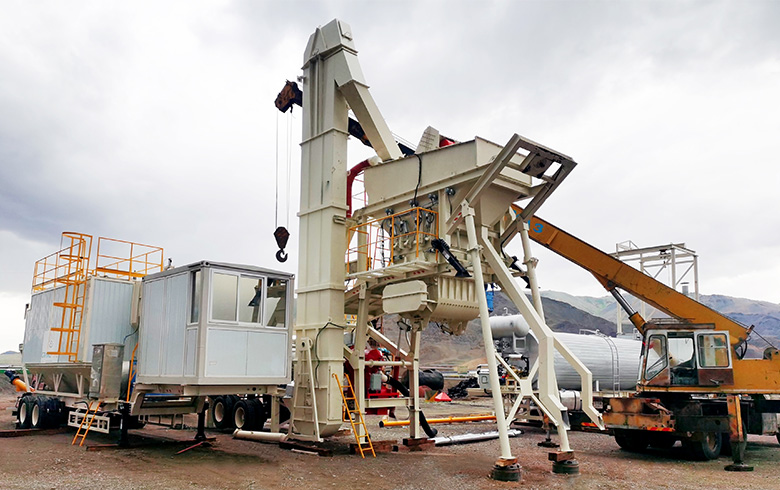
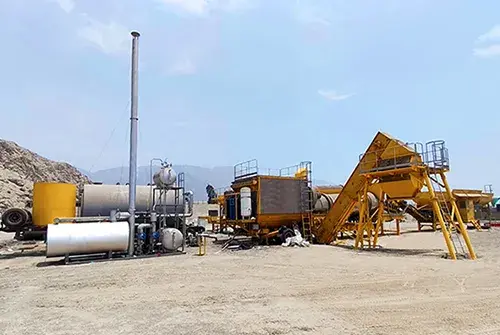
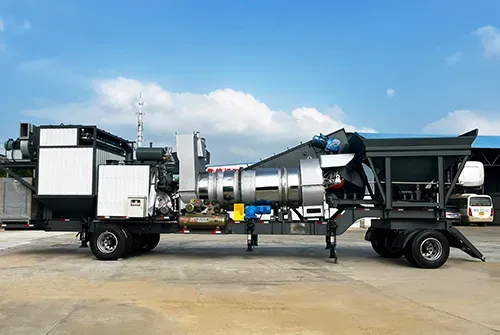
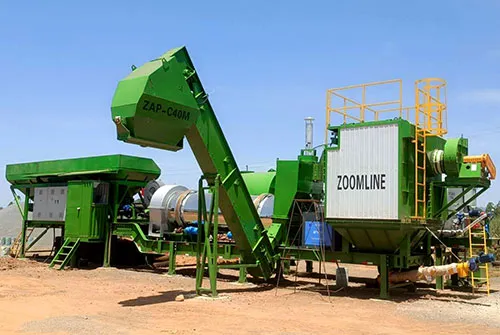
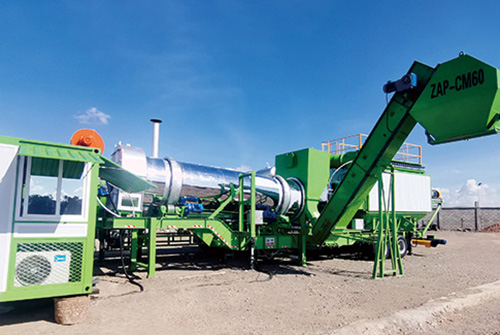
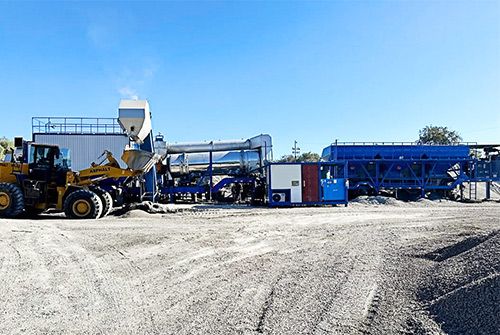
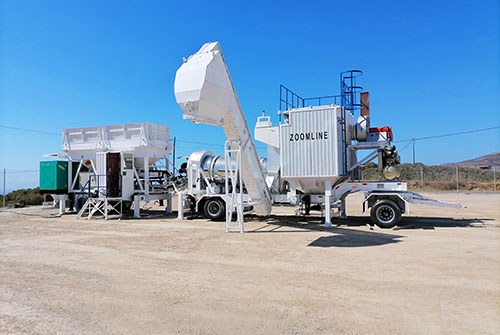
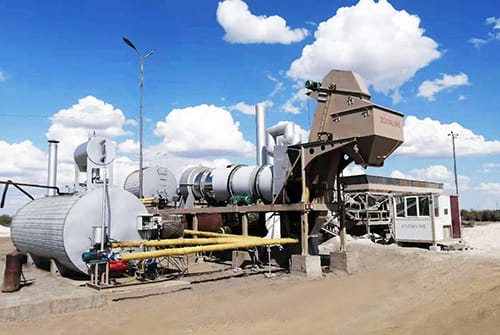
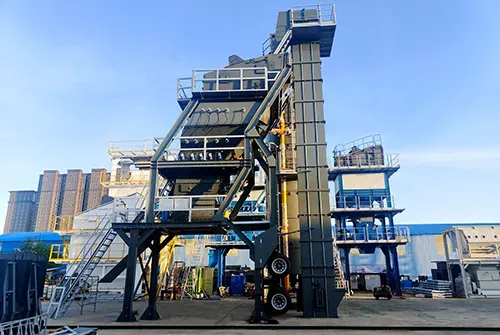
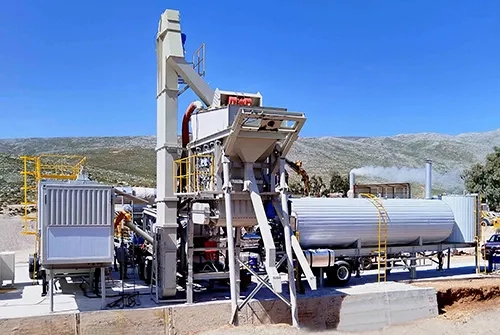
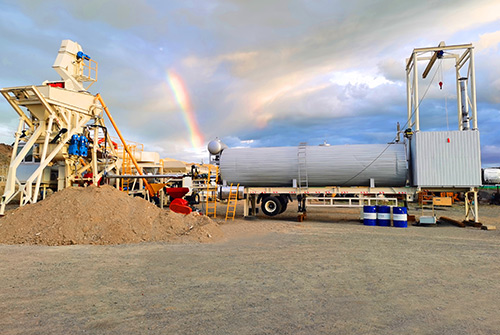
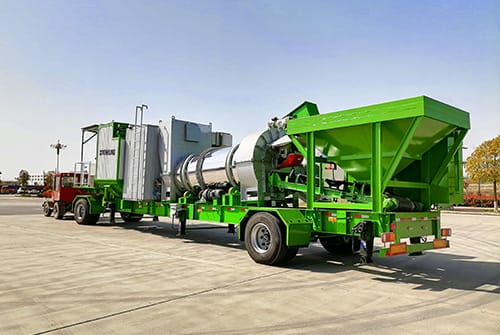
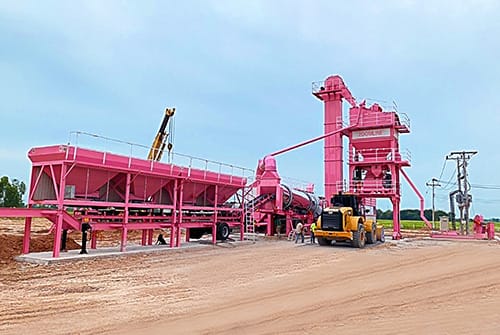
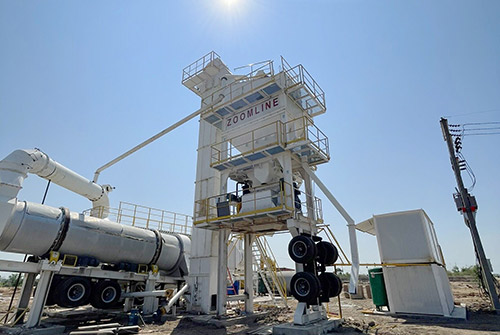
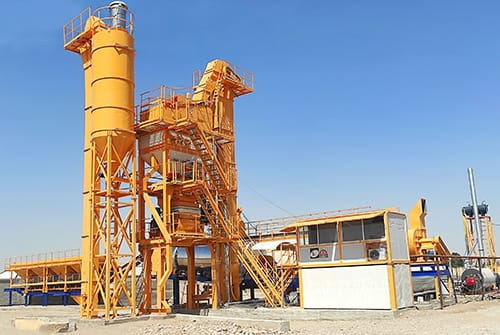
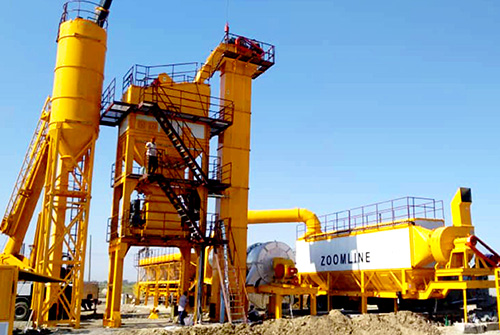
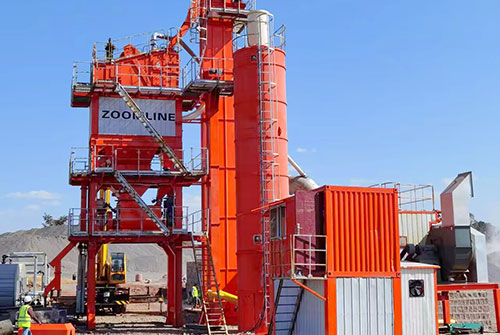
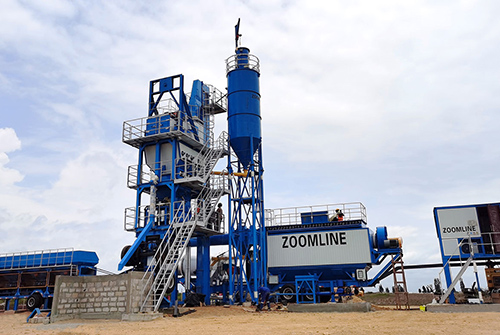
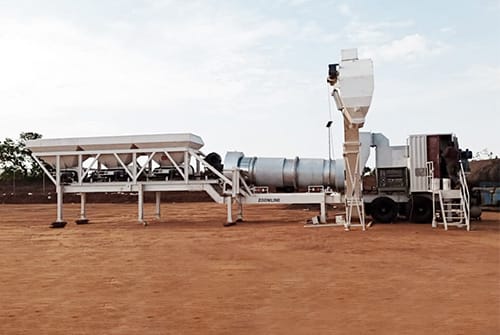
The core operational logic of portable asphalt mixing plants integrates the entire asphalt production process—including cold aggregate feeding, drying, screening, weighing, mixing, and dust removal—onto a compact, mobile chassis. This enables rapid on-site asphalt production without transporting raw materials to fixed processing sites, significantly boosting construction efficiency. Based on production methods, portable asphalt mixing plants are primarily categorized into batch-type and continuous-mixing types, each featuring distinct operational workflows tailored to different construction requirements.
Batch-type Portable Asphalt Mixing Plant
The batch-type portable asphalt mixing plant is currently the most widely used type. Offering high precision, it is suitable for projects with stringent asphalt quality requirements. Its workflow primarily consists of seven steps.
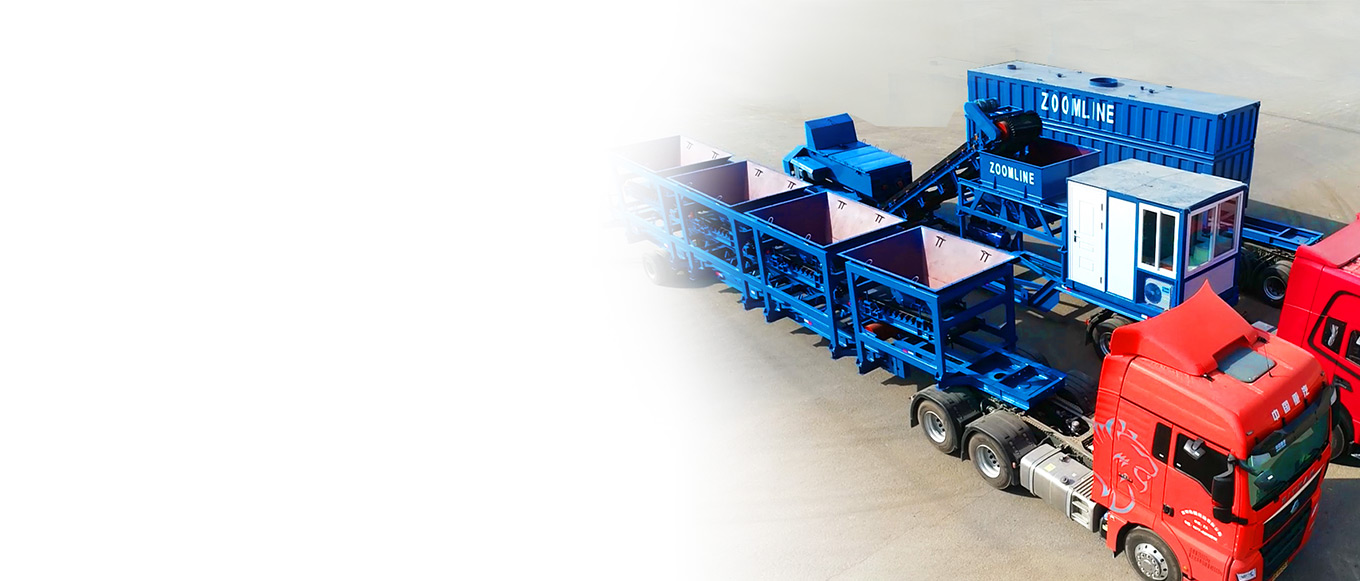
Step 1: Cold Aggregate Feeding and Preliminary Metering: Loaders transfer graded cold aggregates (crushed stone, sand, gravel, etc.) into separate cold aggregate bins. Variable-speed conveyors beneath each bin measure aggregates by volume or weight before transferring them to the main conveyor belt, ultimately delivering them to the drying drum.
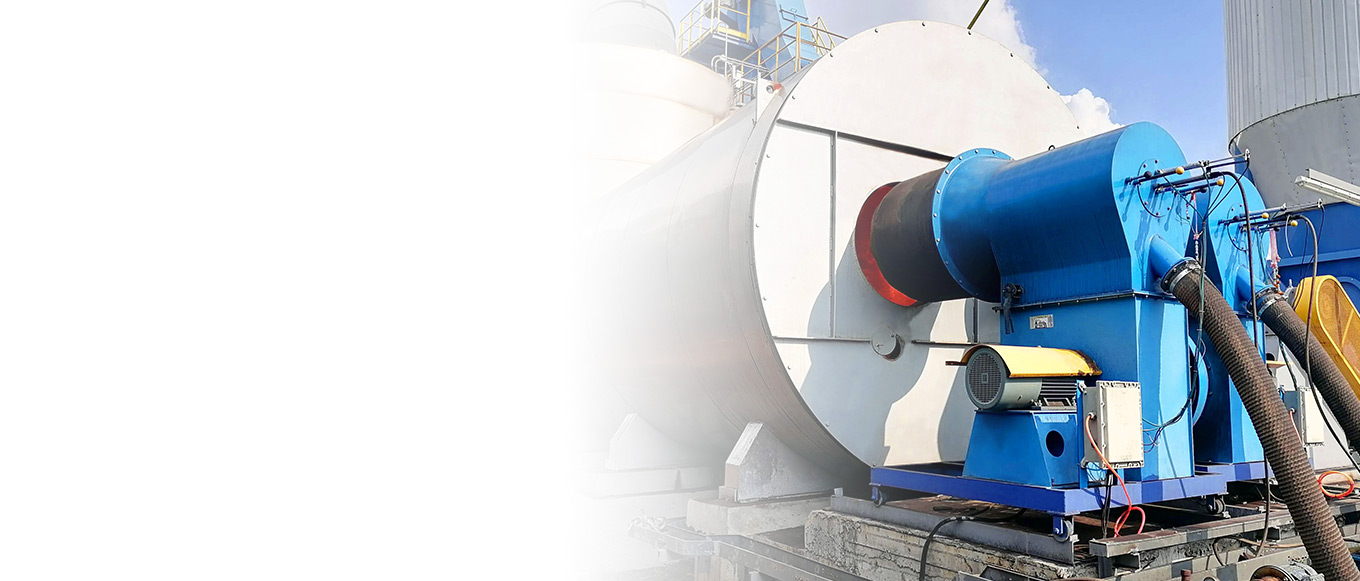
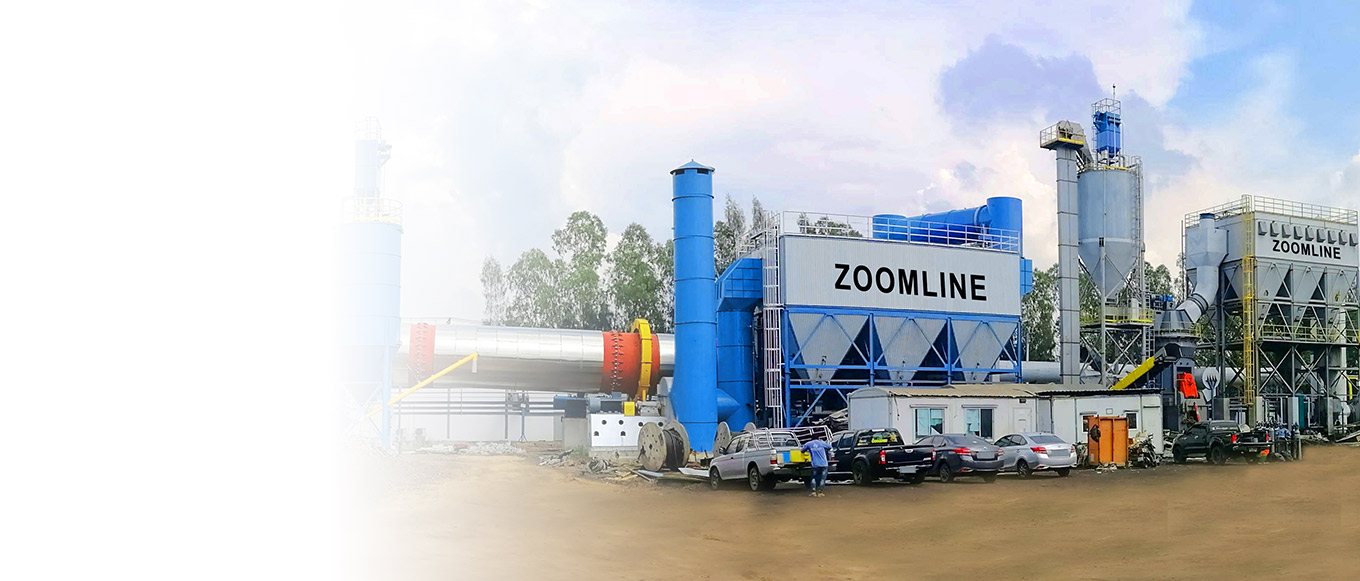
Step 2: Drying and Heating: Cold, damp aggregate enters a rotating drying drum heated by burners (fueled by diesel, natural gas, or fuel oil). Hot air flows countercurrent to the aggregate, evaporating moisture and heating the aggregate to the specified temperature. Dust and exhaust gases generated during heating are drawn into a baghouse dust collector for filtration, meeting environmental emission standards.
Step 3: Hot Aggregate Elevation and Screening: The heated aggregate is conveyed via a bucket elevator to a vibrating screen. The screen classifies the aggregate by size, and the screened aggregates of different specifications are stored in corresponding hot aggregate silos for precise blending later.
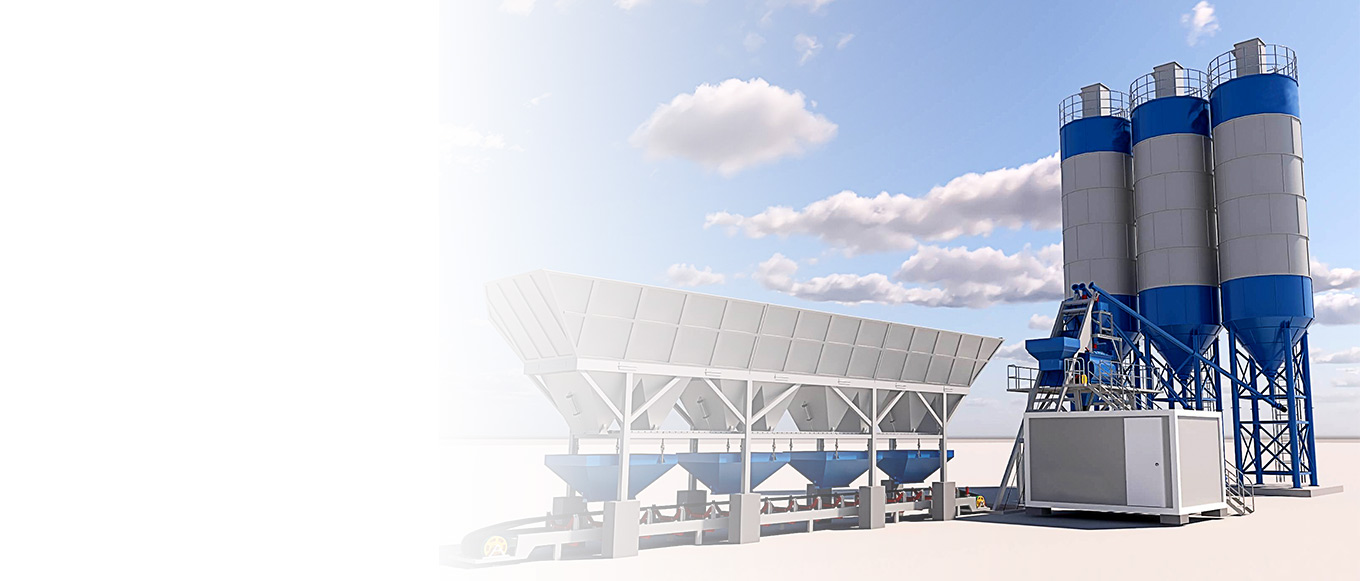
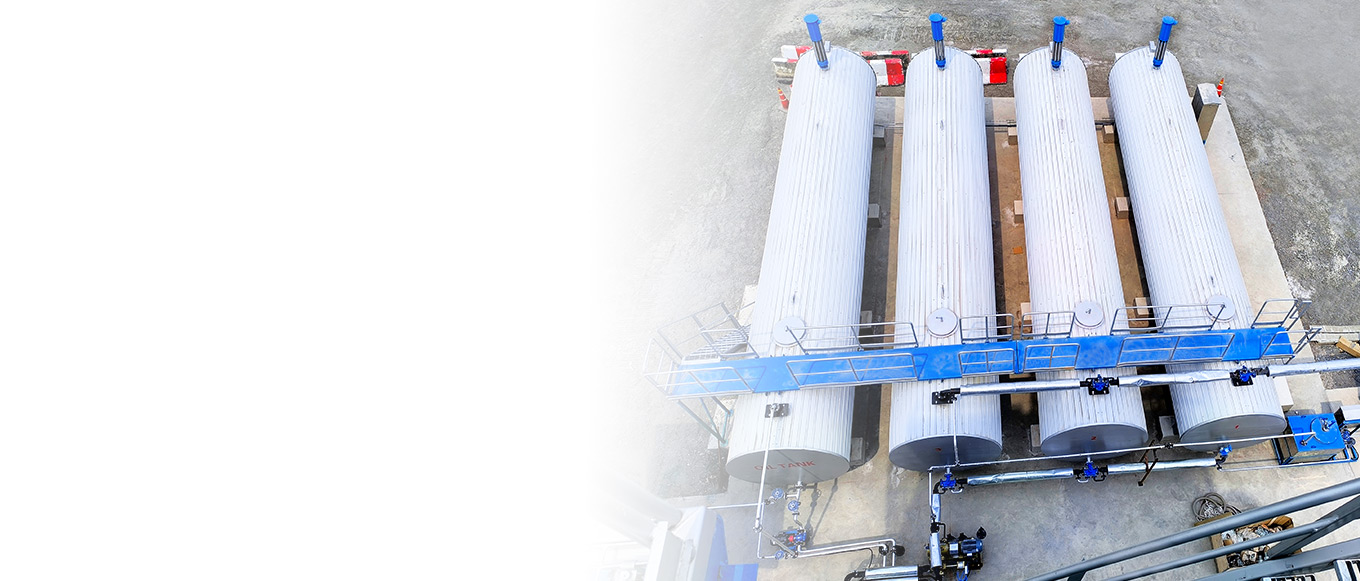
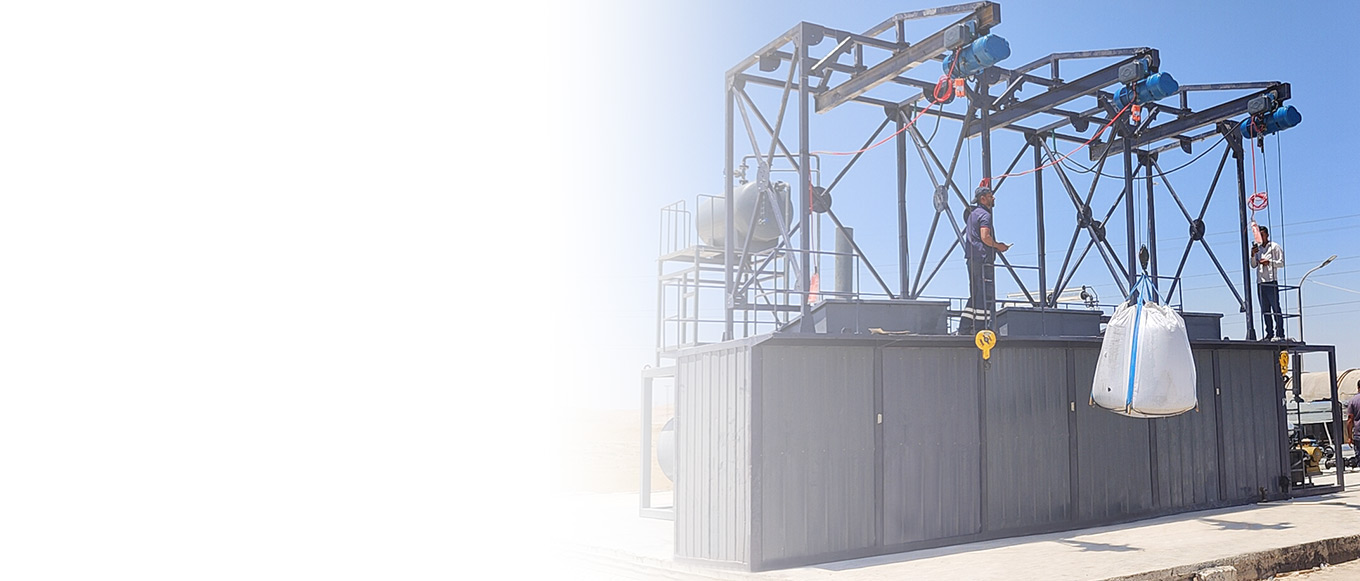
Step 4: Precise Weighing: According to the production formula requirements, aggregate from the hot aggregate silos is discharged into weighing hoppers for electronic precision weighing. Simultaneously, fillers are conveyed from filler silos to the weighing device. After weighing, they enter the mixing stage alongside the aggregates. Heated liquid asphalt is drawn from insulated storage tanks, weighed, and held ready.
Step 5: Mixing: The weighed aggregates, fillers, and asphalt are discharged into a twin-shaft mixer. Through thorough mixing, a uniform hot-mix asphalt mixture with qualified cohesion is produced.
Step 6: Discharge and Storage: The finished asphalt mixture can be directly discharged into an insulated finished product silo for storage, or transferred directly to dump trucks for transport to the paving site, ensuring the asphalt temperature meets paving requirements.
Step 7: Mobility and Deployment: The entire unit features a trailer-mounted design, enabling transportation to various construction sites without requiring fixed foundations. Installation and deployment can be completed within hours, allowing rapid commencement of production.
Drum-type Portable Asphalt Mixing Plant
The drum-type portable asphalt mixing plant employs a simplified design with high production efficiency, making it suitable for large-scale, fast-paced construction projects. Its core feature is the integration of drying and mixing within a single drum, streamlining the process. Cold aggregate enters an inclined long drum. As the drum rotates, the aggregate moves toward the burner end, where it is heated and dried. Near the discharge end, heated asphalt is injected into the drum, mixing with the hot aggregate. The finished asphalt mixture is continuously discharged without batch weighing, enabling continuous production. This significantly boosts efficiency and suits short-term large-scale projects with high output demands.