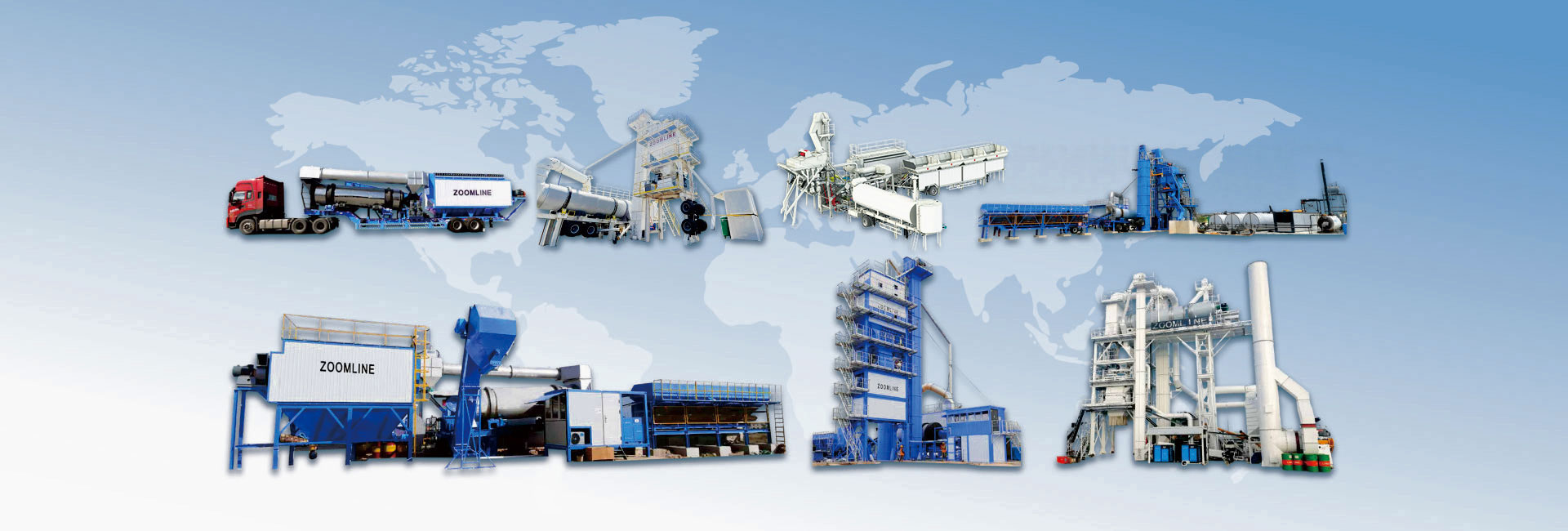
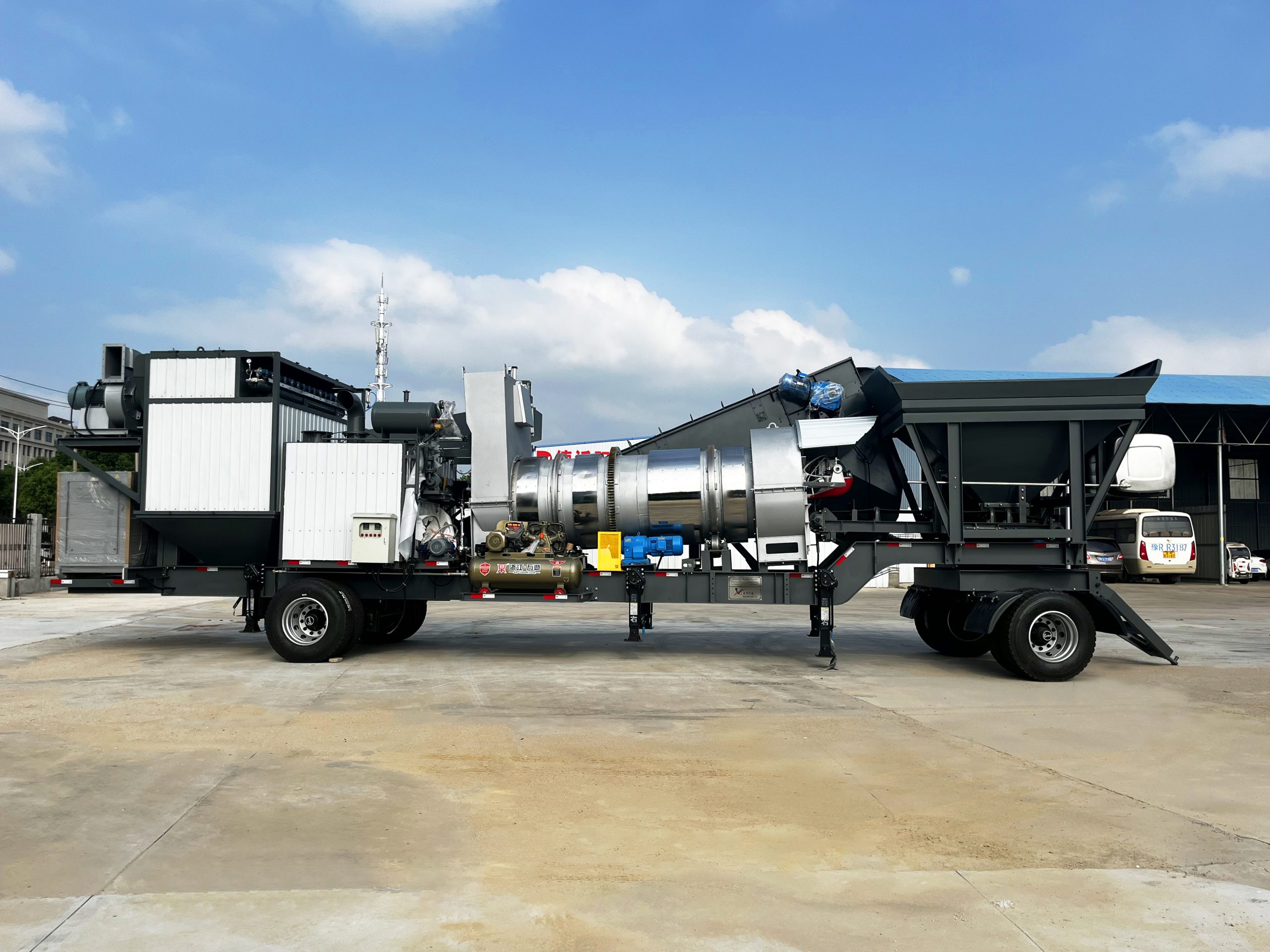
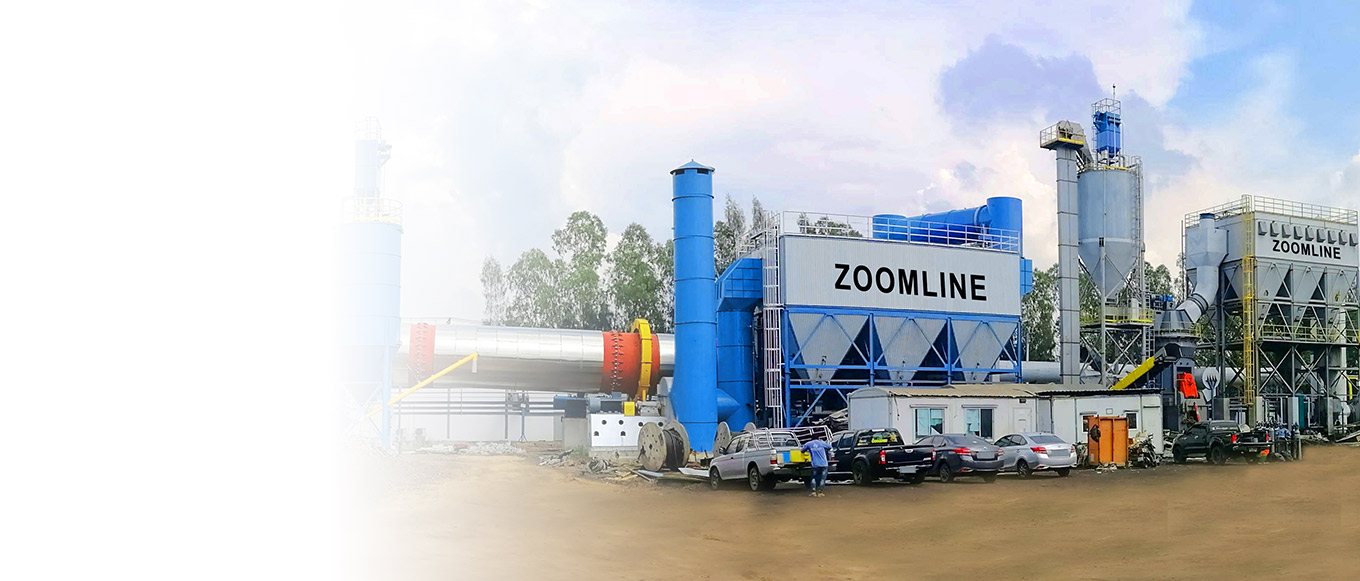
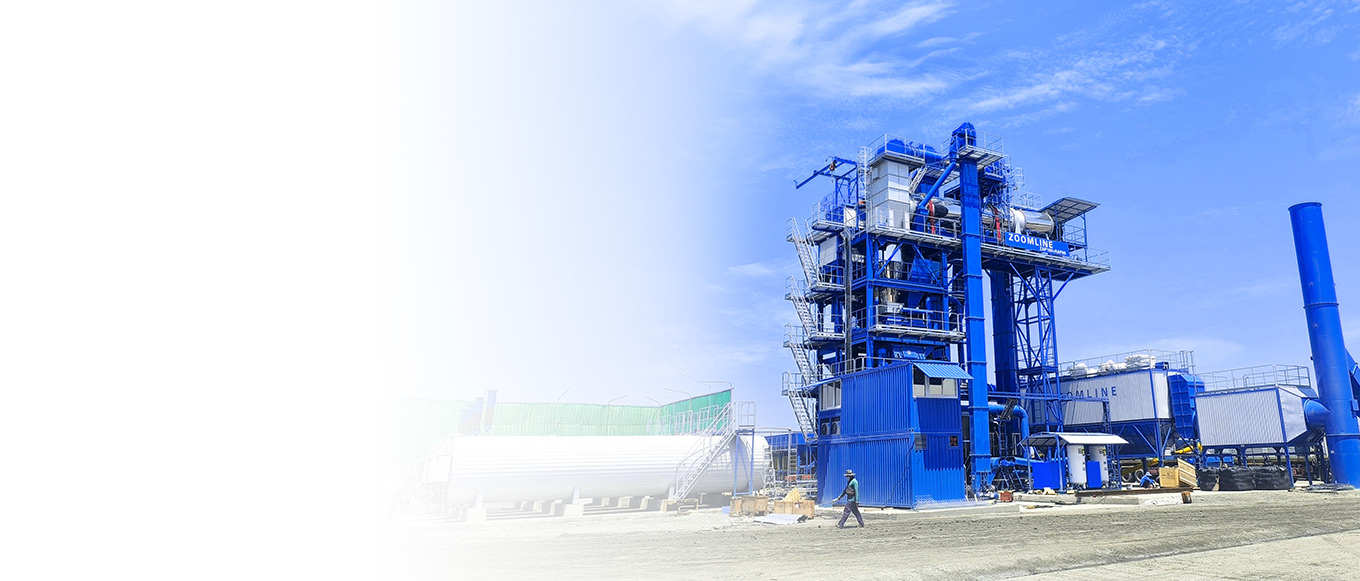
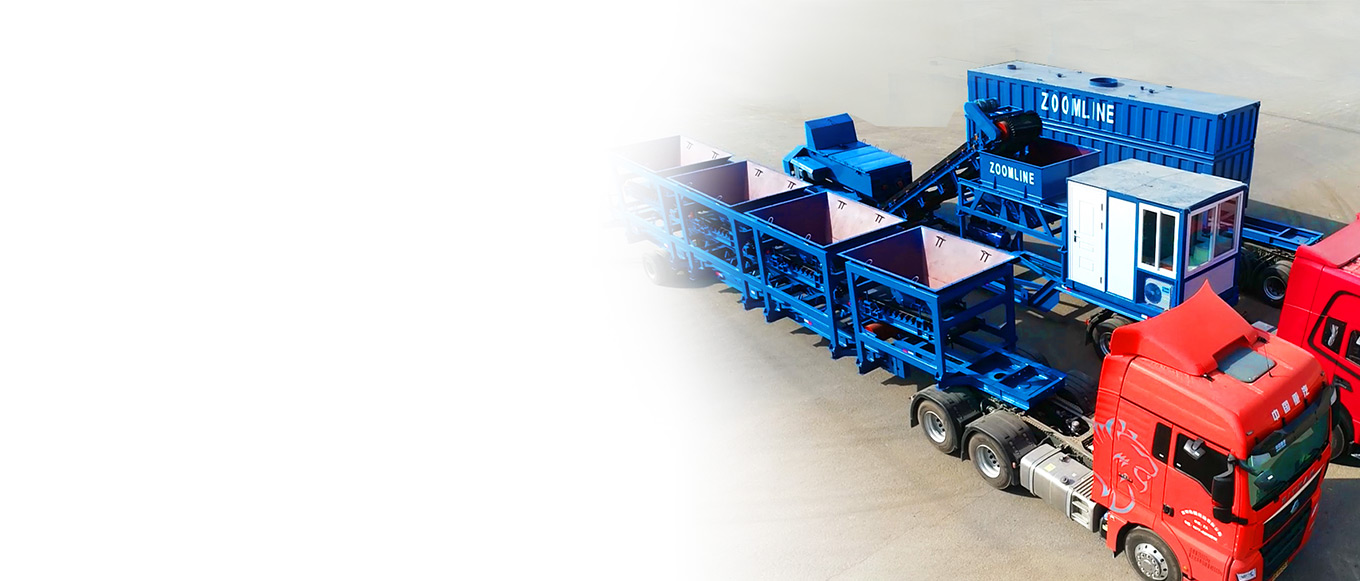
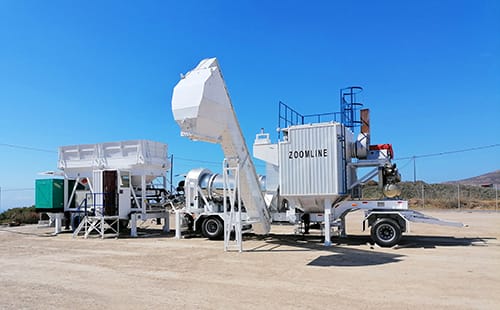
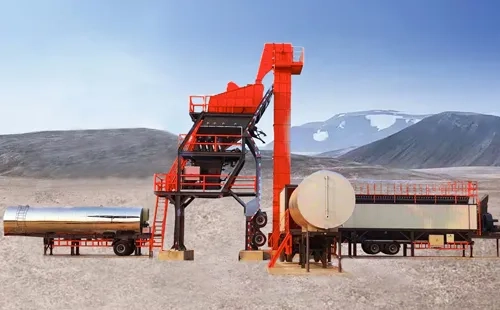
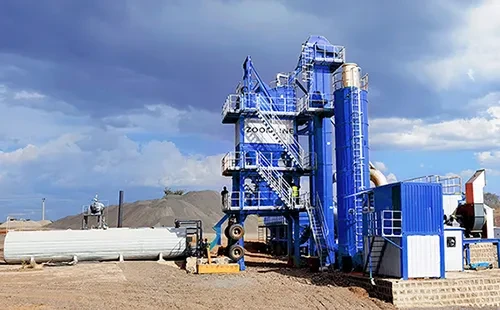
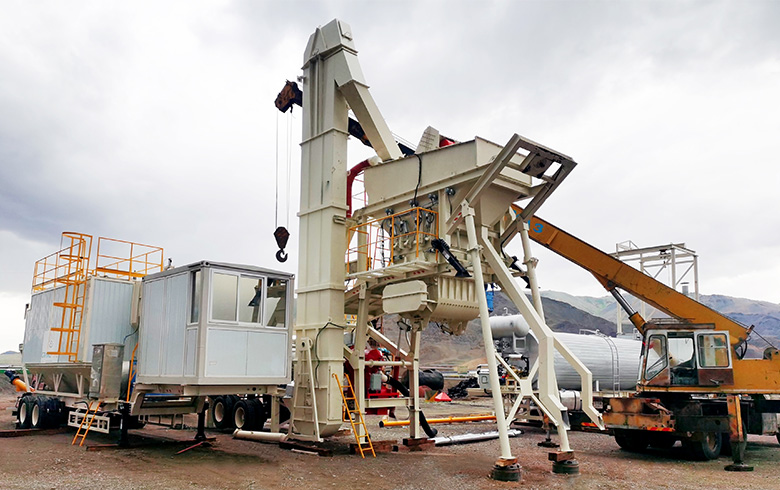
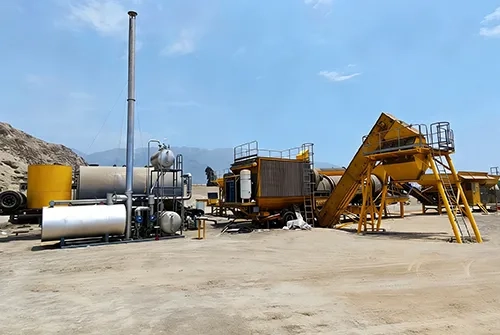
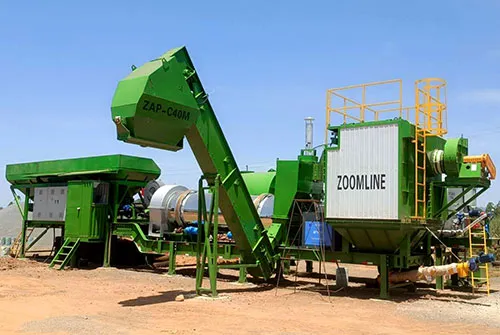
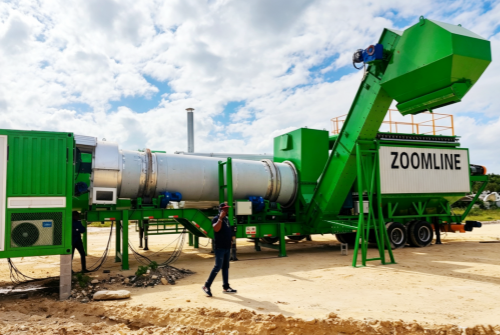
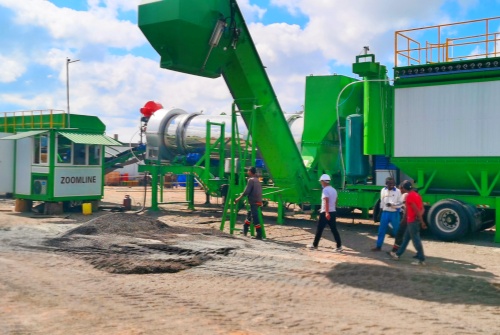
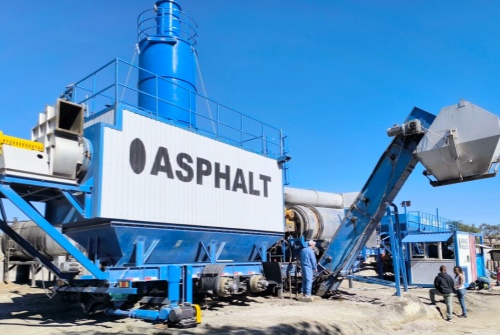
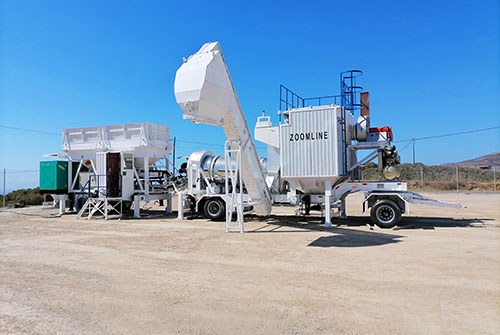
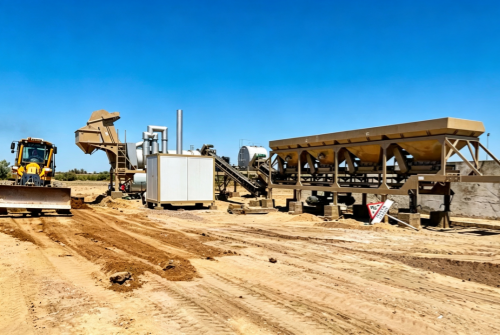
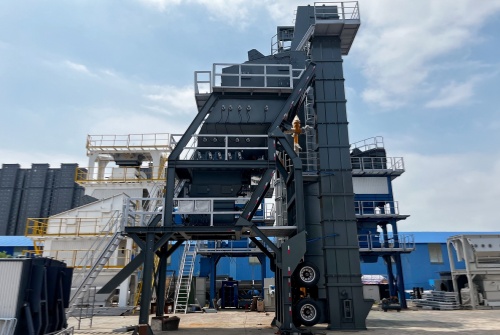
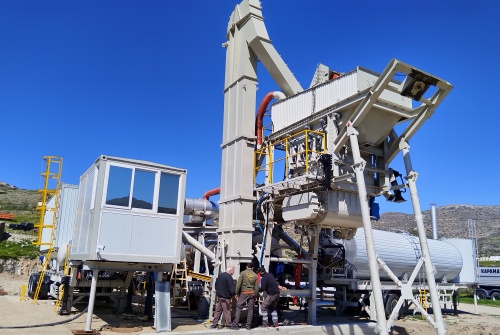
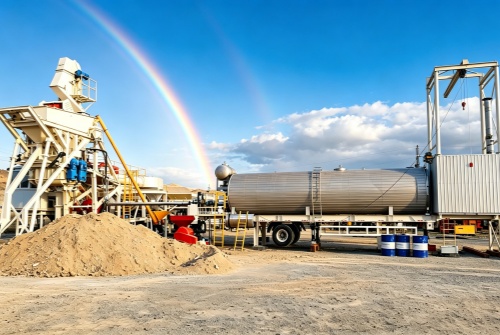
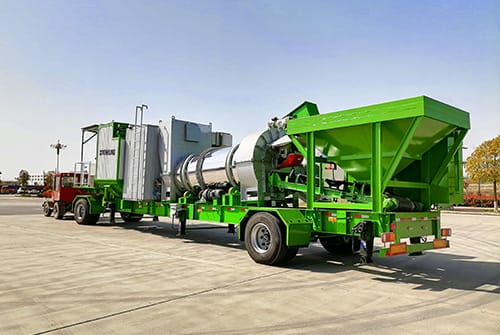
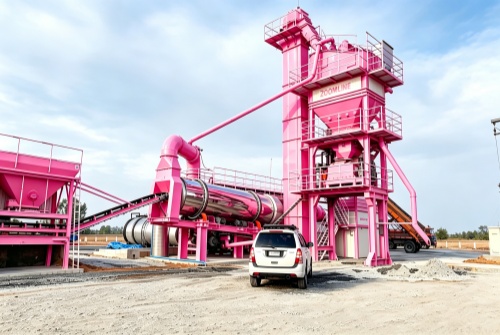
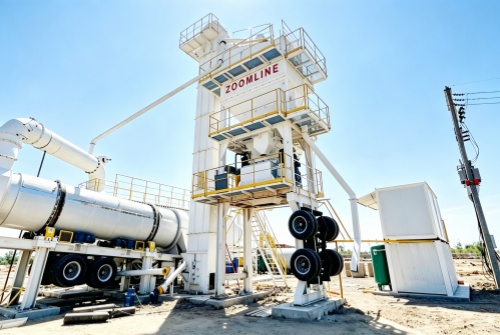
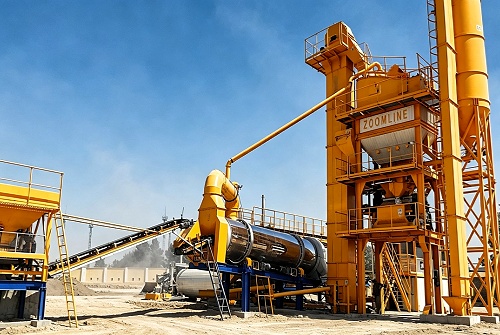
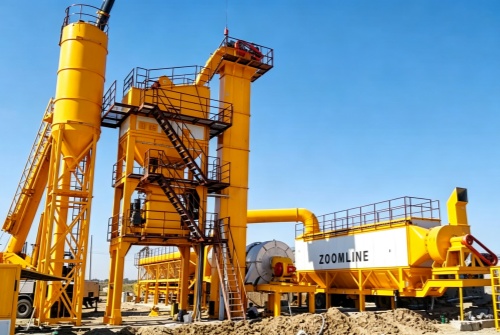
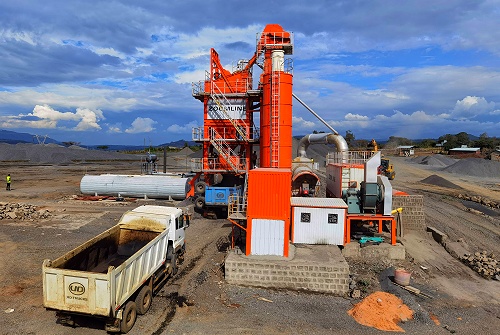
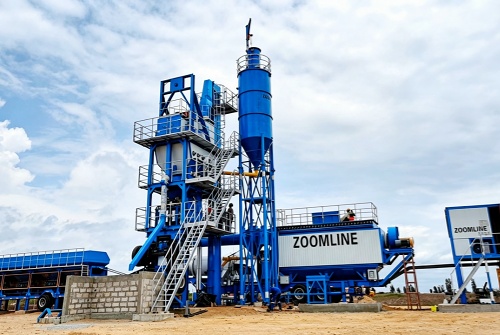
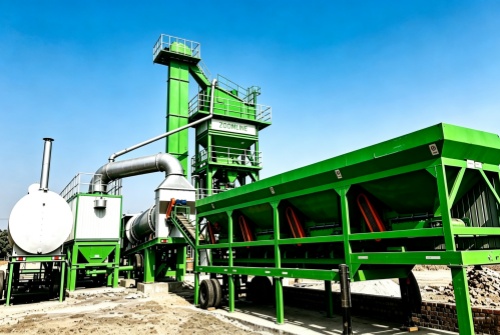
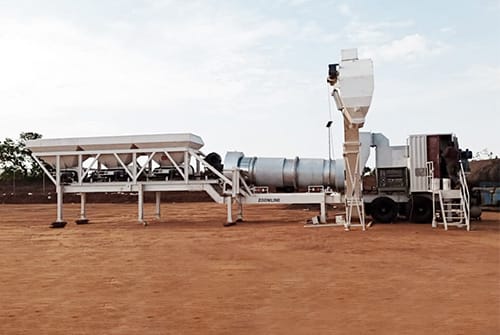
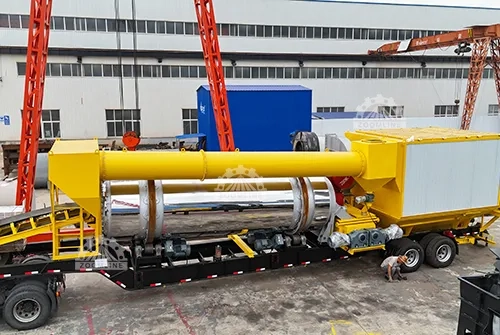
The core working logic of the portable asphalt mixing plant is to integrate the whole process of asphalt production – cold aggregate feeding, drying, screening, weighing, mixing, dust removal, etc., into a compact and movable chassis, realizing rapid on-site production of asphalt, eliminating the need for raw materials to be transported to a fixed site for processing, and significantly improving construction efficiency. According to the different production methods, portable asphalt mixing plant is mainly divided into two kinds of batch type and drum type, the two workflow has its own characteristics, suitable for different construction needs.
Batch Type Portable Asphalt Mixing Plant
Batch type portable asphalt mixing plant is currently the most widely used type, high precision, suitable for asphalt quality requirements of the project, its workflow is mainly divided into seven steps.
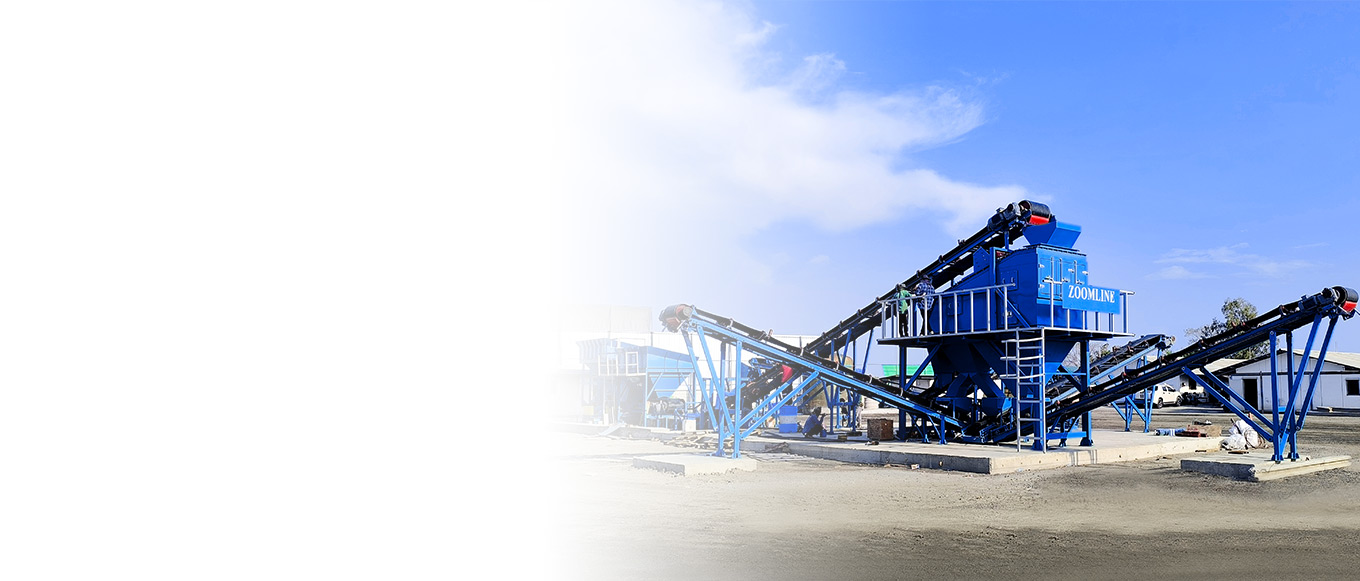
Step 1, Cold Aggregate Feeding and Initial Measurement: The graded cold aggregate (crushed stone, sand, gravel, etc.) is poured into different cold aggregate bins by a loader. The variable speed conveyor belt under each cold aggregate bin measures the cold aggregate by volume or by weight, and then transports it to the main conveyor belt for final delivery to the drying drum.
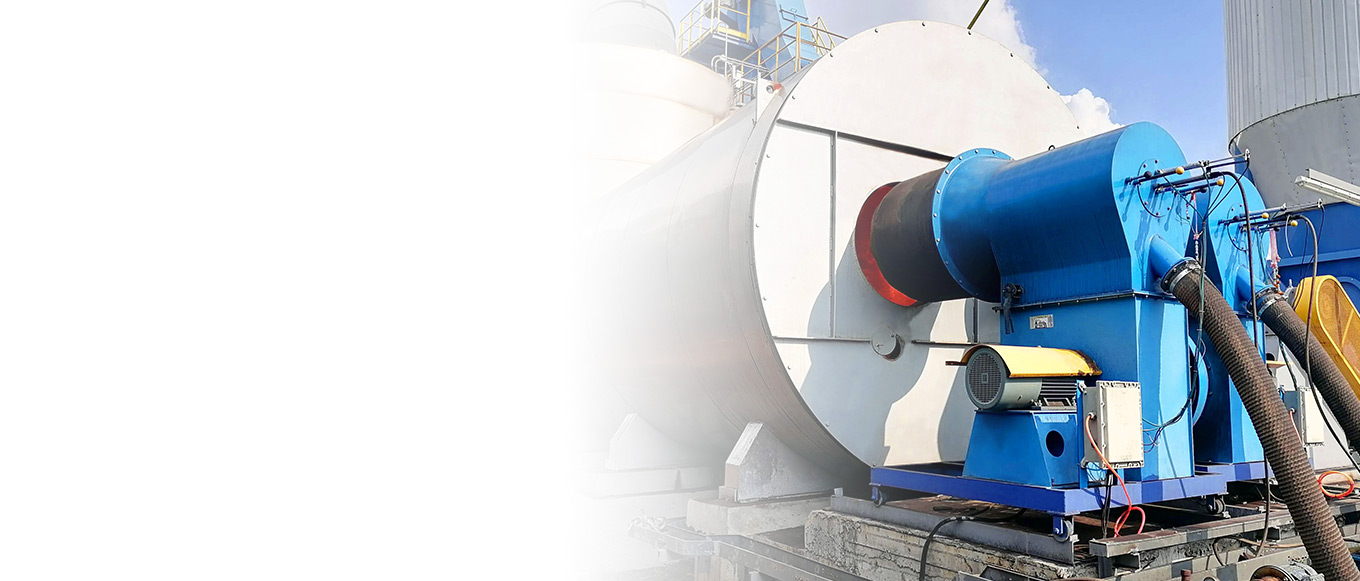
Step 2, Drying and heating: The cold and wet aggregate enters the rotating drying drum, which is heated by a burner (diesel, natural gas or fuel oil can be used). The hot air flow is counter-current with the aggregate, evaporating the moisture in the aggregate and heating it to the specified temperature. The dust and exhaust gases generated in the process of heating are sucked into the cloth bag dust collector for filtration and treatment, so that it can meet the requirements of environmental protection and emission.
Step 3, Hot aggregate lifting and screening: the heated aggregate is transported to the vibrating screen through the bucket elevator, the vibrating screen classifies the aggregate according to the size, and the screened aggregates of different specifications are deposited into the corresponding hot aggregate silo for storage, which facilitates the subsequent accurate proportioning.
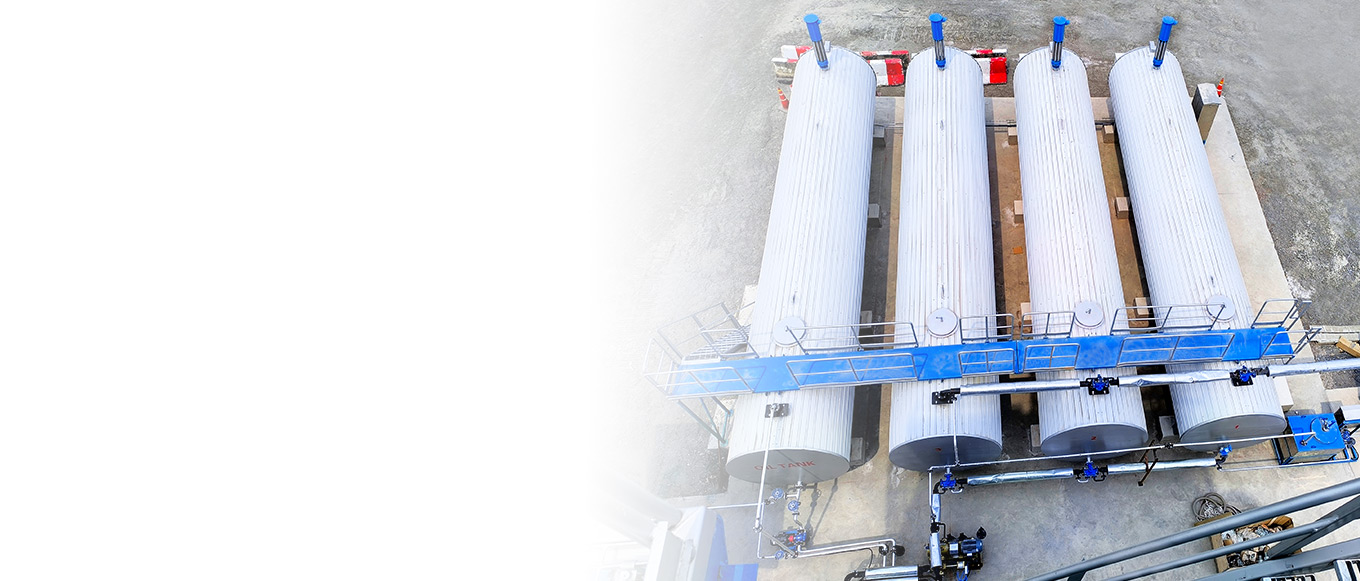
Step 4, Accurate weighing: according to the requirements of the production formula, the aggregate in the hot aggregate bin is discharged into the weighing hopper for electronic accurate weighing; at the same time, the filler is transported from the filler bin to the weighing device, and enters into the mixing process together with the aggregate after completing the weighing process; the heated liquid asphalt is pumped from the heat preservation tank, and then stands by after weighing.
Step 5, Mixing: the weighed aggregate, filler and bitumen are discharged into the twin-shaft mixer together, and after sufficient mixing, the output is uniform and the bonding degree of qualified hot mix asphalt mixture.
Step 6, Discharge and Storage: The finished asphalt mixture can be directly discharged into the insulated silo for storage, or directly transferred to dump trucks for delivery to the paving site to ensure that the asphalt temperature meets the paving requirements.
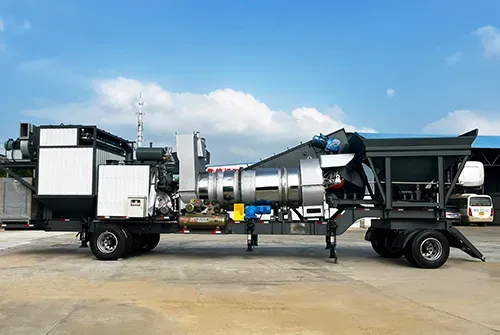
Step 7, Move and Deploy: The whole portable asphalt mixing plant adopts trailer design, which can be towed to different construction sites without fixed foundation, and can be installed and deployed in a few hours to put into production quickly.
Drum Type Portable Asphalt Mixing Plant (Continuous Mixing)
The drum type portable asphalt mixing plant is a simplified version of the design, with high production efficiency, suitable for large-scale, fast-paced construction projects. Its core feature is that the drying and mixing are done in the same drum, which makes the process more concise. Cold aggregate is fed into the long tilted drum, and as the drum rotates, the aggregate moves toward the burner end and is heated and dried in the process; near the discharge end of the drum, heated asphalt is injected and mixed with the hot aggregate in the drum, and the finished asphalt mixture is continuously discharged without the need for a batch weighing process, which realizes continuous production and greatly improves the production efficiency, and it is suitable for short-term and large-scale projects with high requirements for output. It is suitable for short-term and large-scale projects with high output requirements.