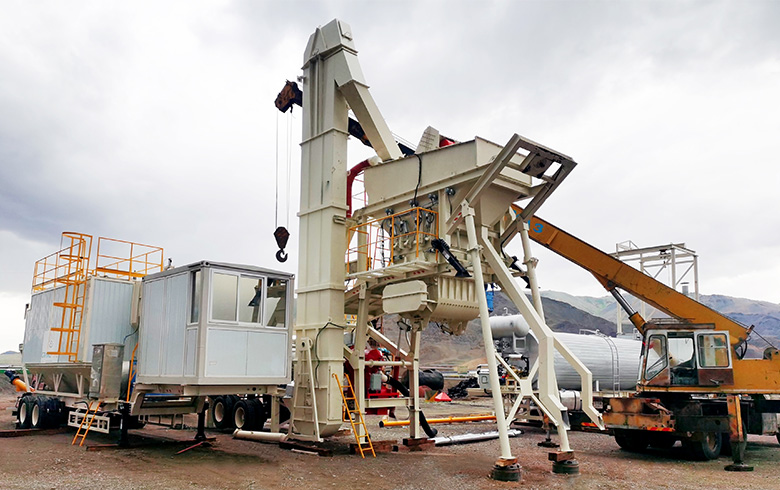
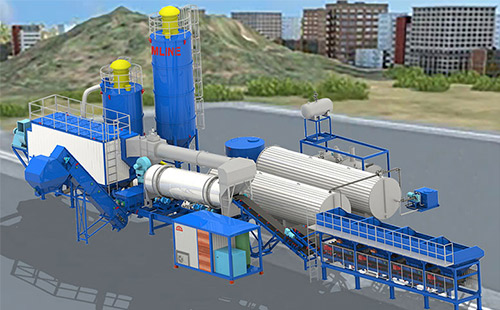
Selecting the right blacktop premix plant is key to ensuring road construction quality, controlling project costs, and improving construction efficiency. Construction professionals must consider the project’s actual needs and evaluate multiple factors—including project scale, mobility, energy consumption, environmental impact, and manufacturer capabilities—to avoid making a hasty decision:
Consider Project Scale
Project scale is the core factor determining equipment capacity. Equipment with the appropriate capacity should be selected based on the total aggregate demand and construction timeline:
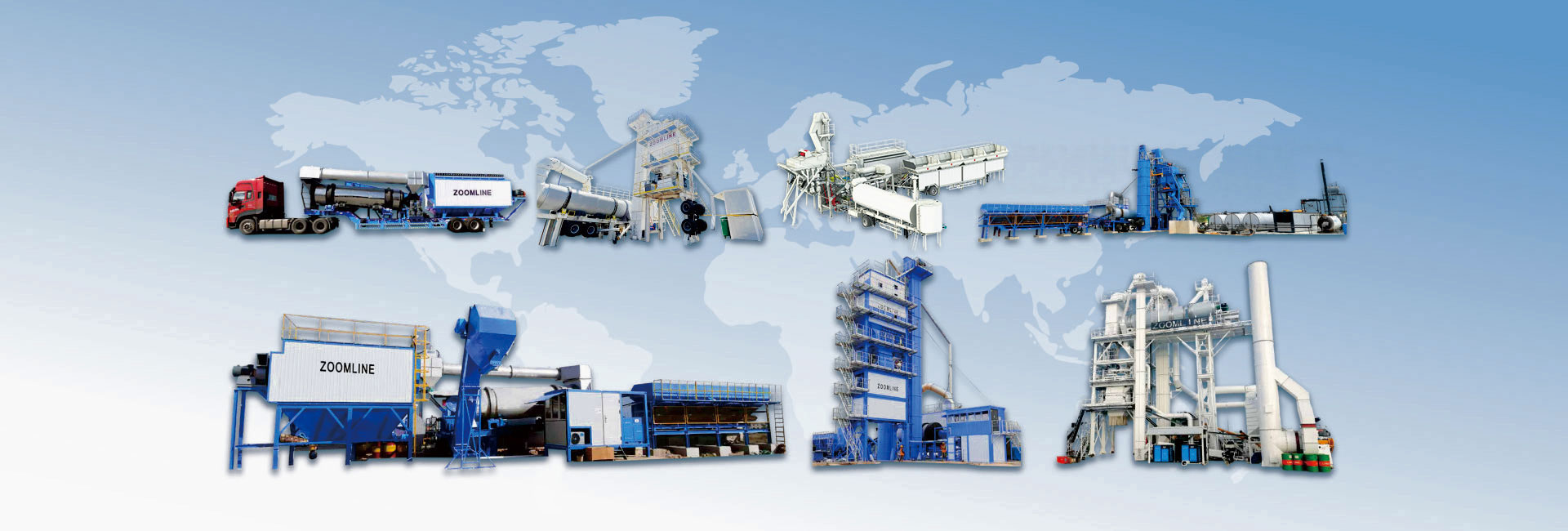
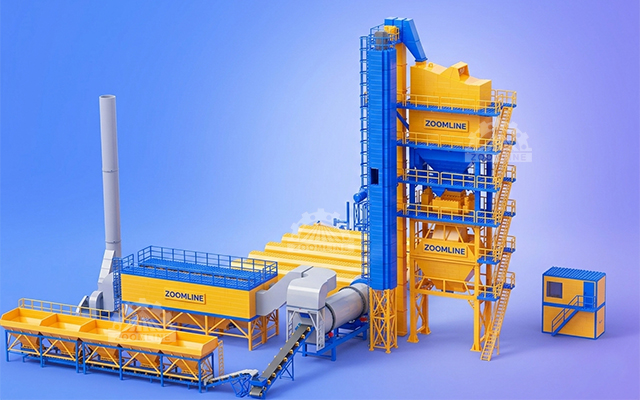
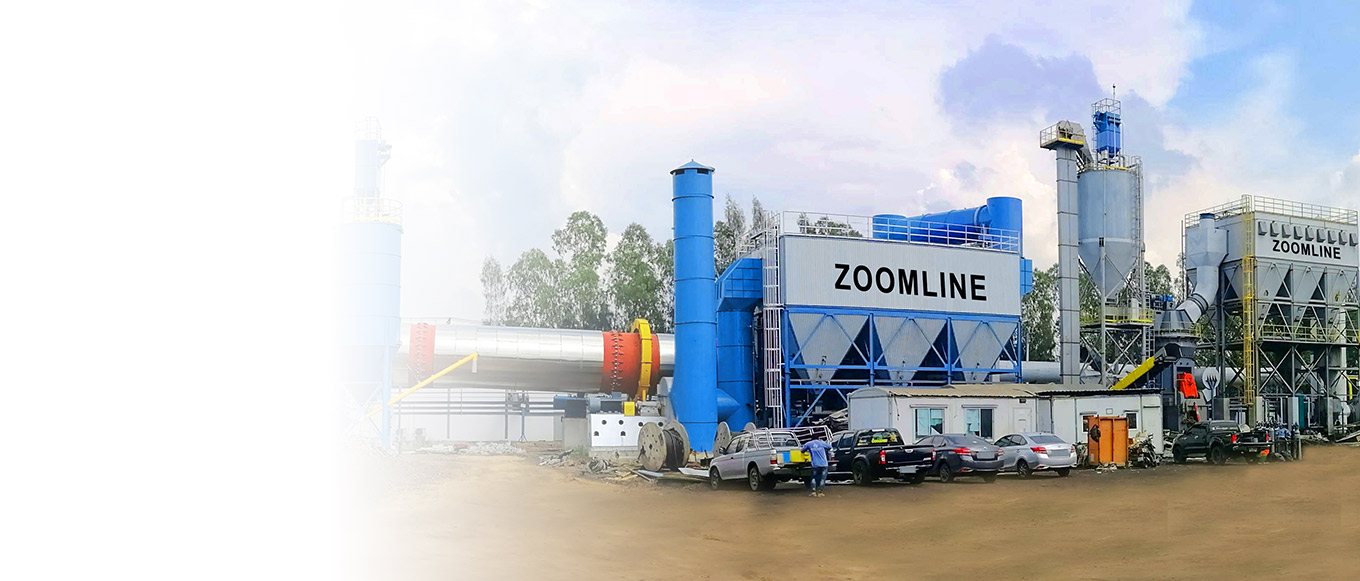
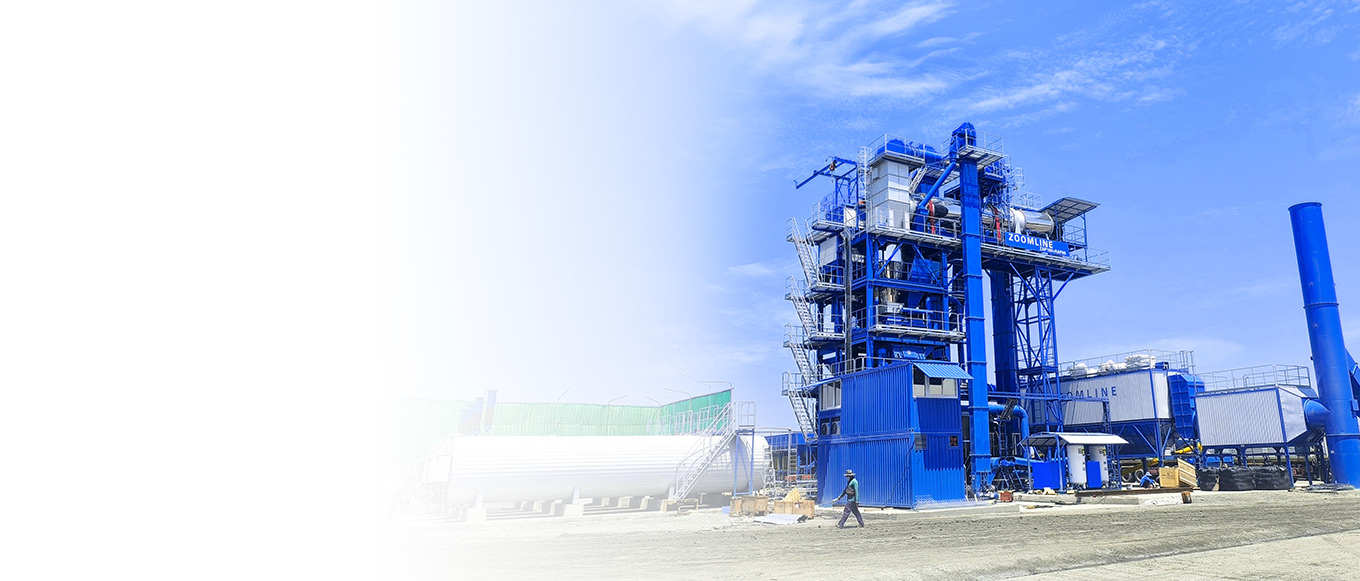
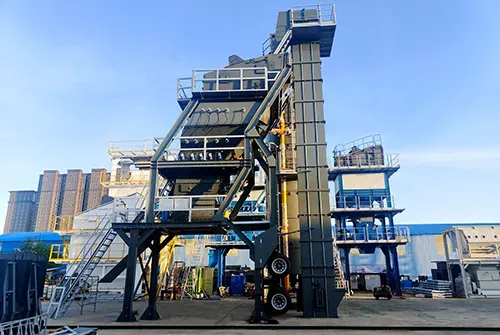
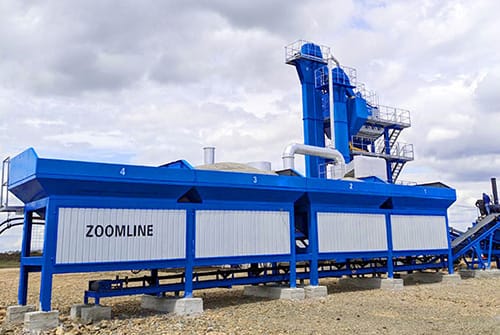
For large-scale projects such as highways and airport runways, which involve high aggregate demand and extended construction periods, it is recommended to choose large-scale stationary equipment with a capacity of 120–320 TPH to achieve large-scale production and reduce unit costs;
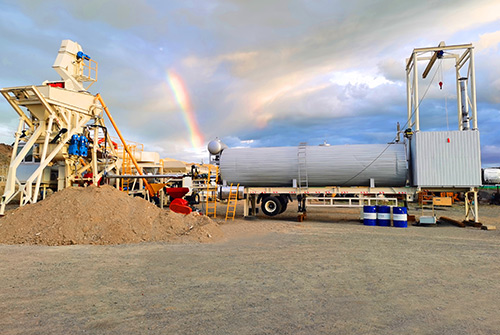
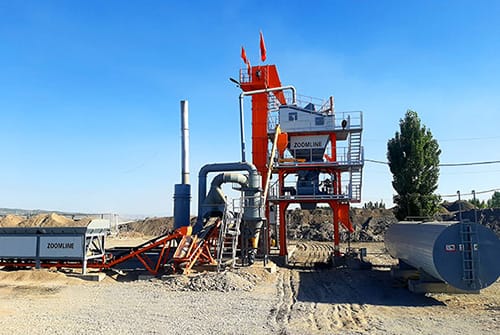
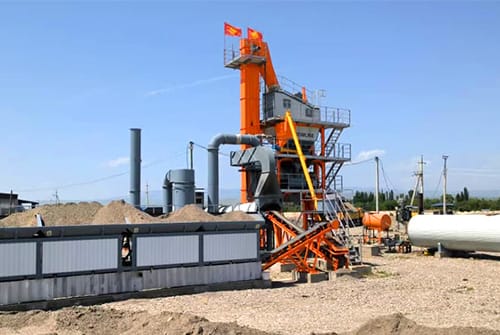
For small-scale projects such as municipal road maintenance and rural road construction—which involve low aggregate demand and dispersed construction sites—we recommend selecting small-scale equipment with a capacity of 40–60 TPH to balance production efficiency and investment costs;
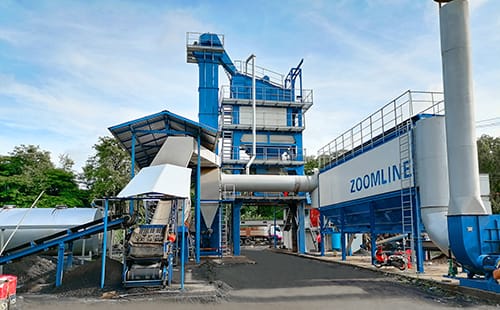
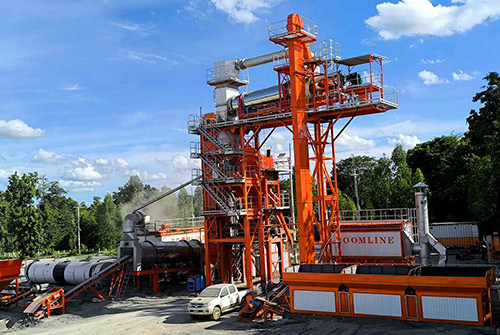
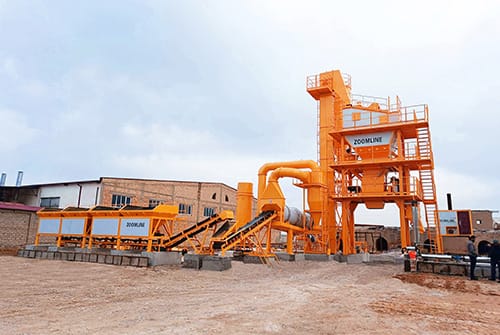
For medium-scale projects such as the renovation and expansion of urban arterial roads, we recommend selecting medium-scale equipment with a capacity of 80–160 TPH to meet moderate production volume requirements.
Evaluate Mobility Requirements
Assess equipment mobility needs based on the number and distribution of construction sites:
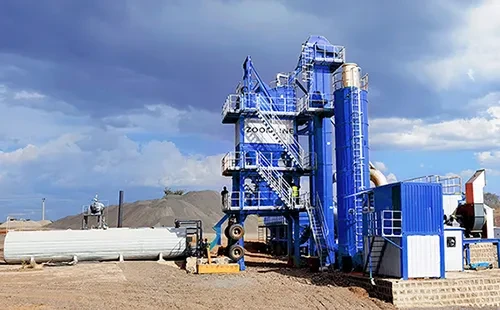
For projects with a single construction site and long-term operations, choose stationary equipment, which offers high stability, high production efficiency, and comprehensive supporting facilities;
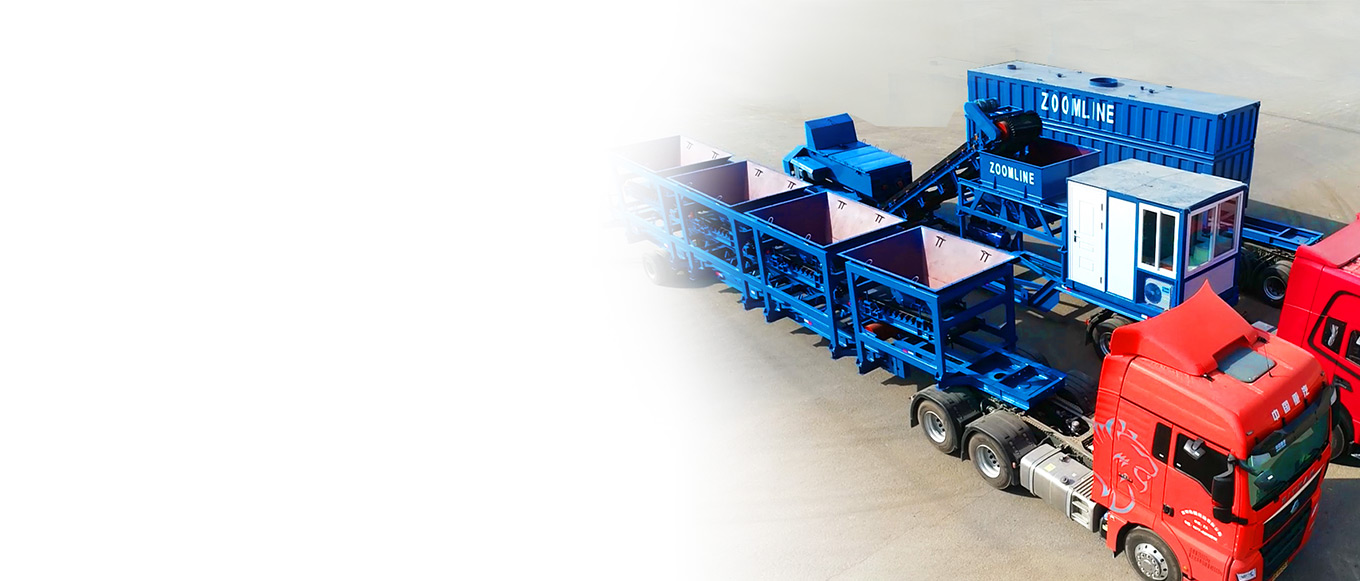
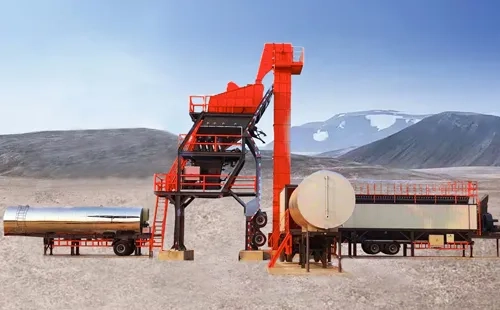
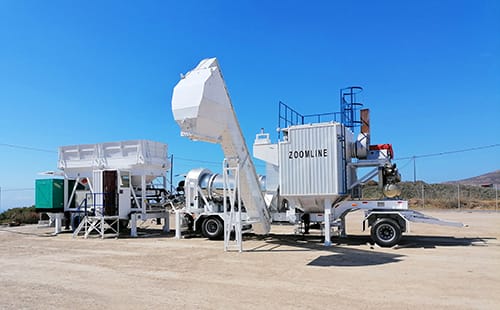
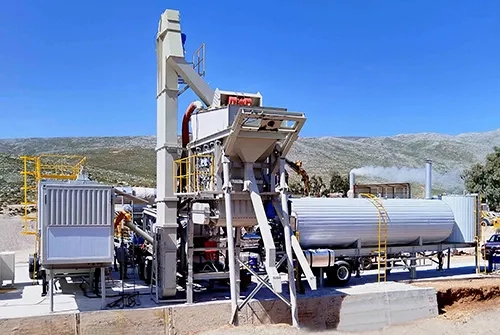
For projects with multiple construction sites or cross-regional operations—such as multi-site municipal road maintenance or contiguous rural road construction—select mobile equipment, which facilitates easy relocation, enables on-site production of mix, and reduces transportation costs and heat loss.
Check Energy Consumption
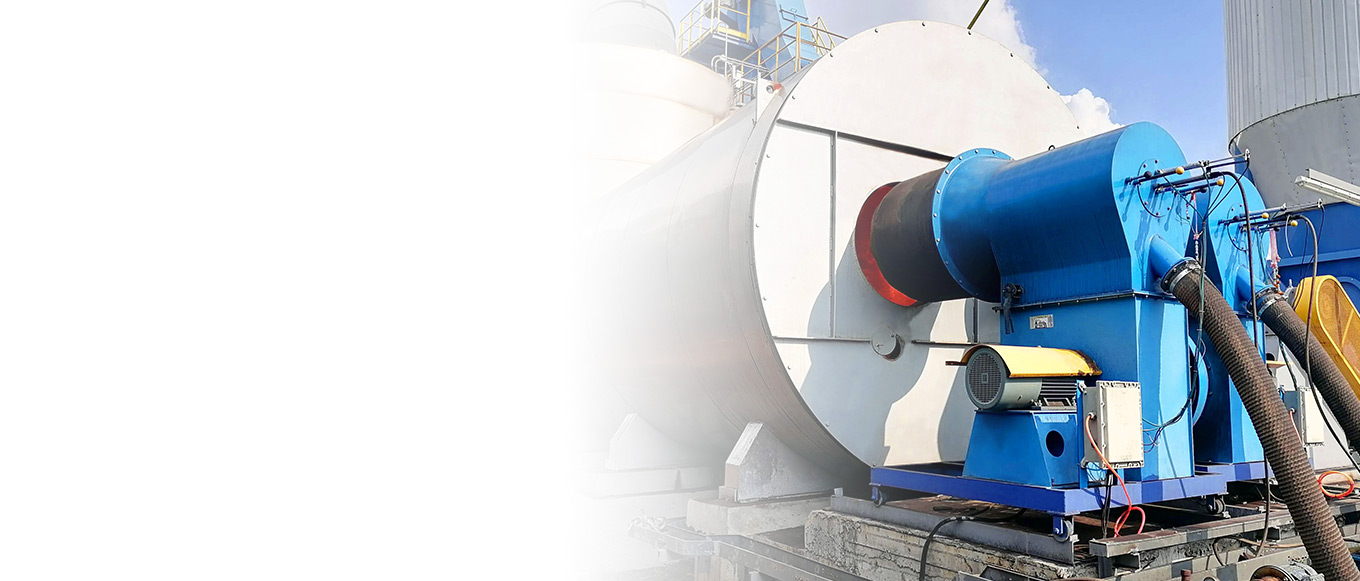
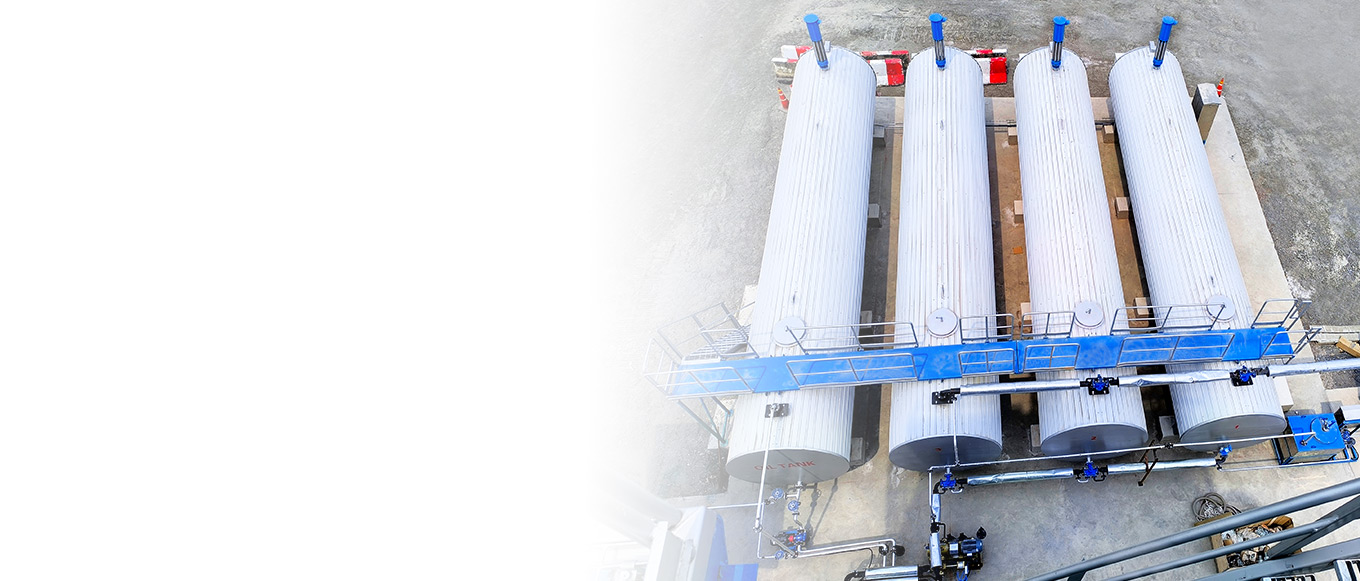
Energy consumption directly impacts equipment operating costs. It is recommended to select equipment equipped with high-efficiency, energy-saving burners, counter-flow drying drums, and insulated asphalt storage tanks. Such equipment effectively improves thermal energy utilization and reduces fuel consumption. Additionally, consider the motor power and level of automation to avoid energy waste caused by poor equipment design.
Review Environmental Compliance
Environmental protection is a mandatory requirement in modern construction projects. When selecting equipment, ensure it complies with local dust and exhaust emission standards:
Prioritize equipment equipped with a two-stage dust collection system (cyclone separator + baghouse filter) and exhaust gas treatment devices, with dust removal efficiency of 99% or higher;
If local environmental requirements are stringent, consider equipment compatible with warm-mix asphalt technology to further reduce exhaust emissions and energy consumption.
Choose a Reliable Manufacturer
Equipment quality and after-sales service directly determine the subsequent user experience and construction progress. When selecting a manufacturer, focus on the following three key points:
Project Experience
Choose manufacturers with extensive experience in producing road construction equipment and a track record of successful projects; their equipment design and quality will better align with actual construction needs;
After-Sales Service
Comprehensive after-sales support—including on-site installation, commissioning, operator training, as well as post-installation troubleshooting and regular maintenance—can effectively minimize equipment downtime;
Spare Parts Support
The manufacturer’s ability to promptly supply spare parts prevents prolonged equipment downtime due to missing components, thereby ensuring construction progress.