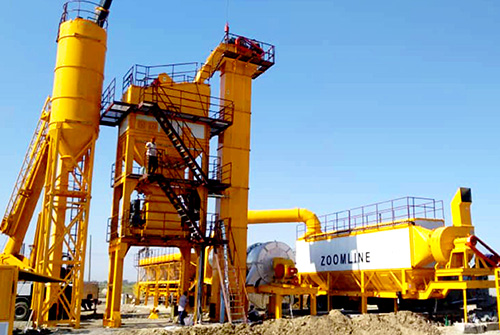
Currently, the asphalt mixing plant market in Bangladesh is primarily divided into four major segments, each with distinct positioning and strengths. Among them, Chinese brands dominate the market due to their high cost-effectiveness.
Local Manufacturers: Primarily Targeting the Mid-to-Low-End Market
Bangladeshi local manufacturers (such as Bangladesh Engineering Company and Rangs Group) primarily engage in equipment assembly and rely on imported core components. Their production capacity typically falls below 60 TPH, and their lower prices make them suitable mainly for small-scale rural road projects. While they offer the advantage of convenient localized service, their equipment lacks technical stability and advanced features, making it difficult to meet the demands of large-scale key projects.
Chinese Brands: Dominating the Market with High Cost-Effectiveness
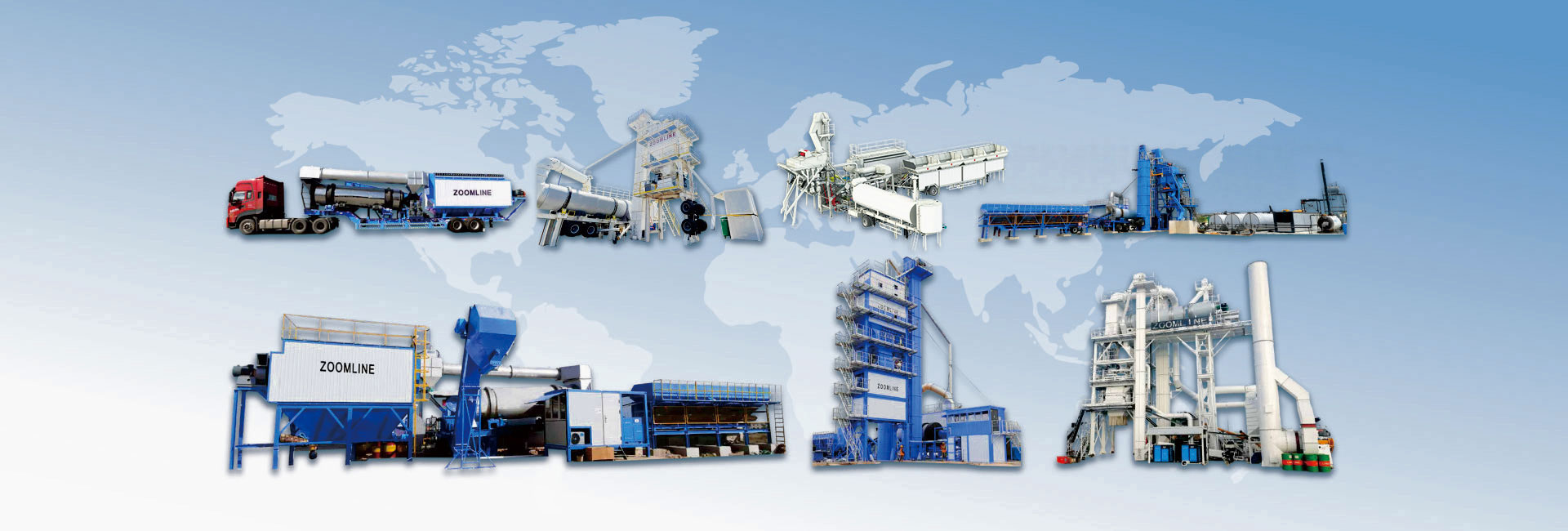
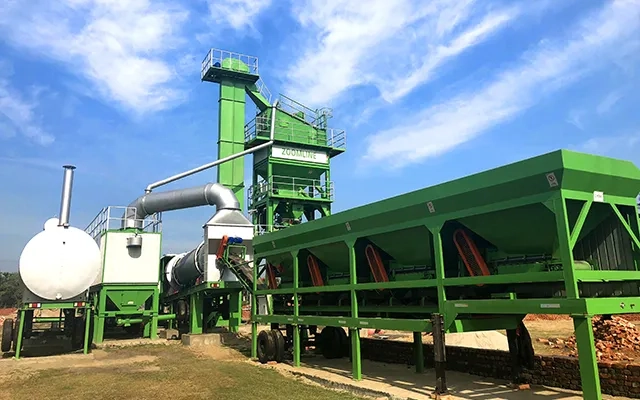
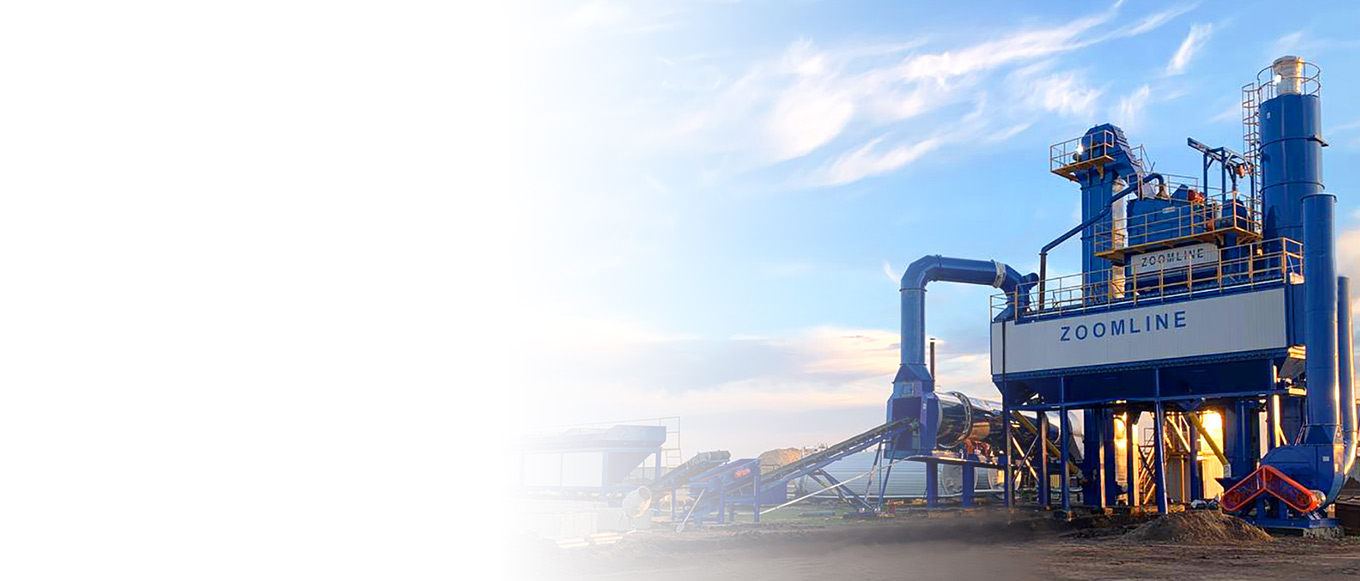
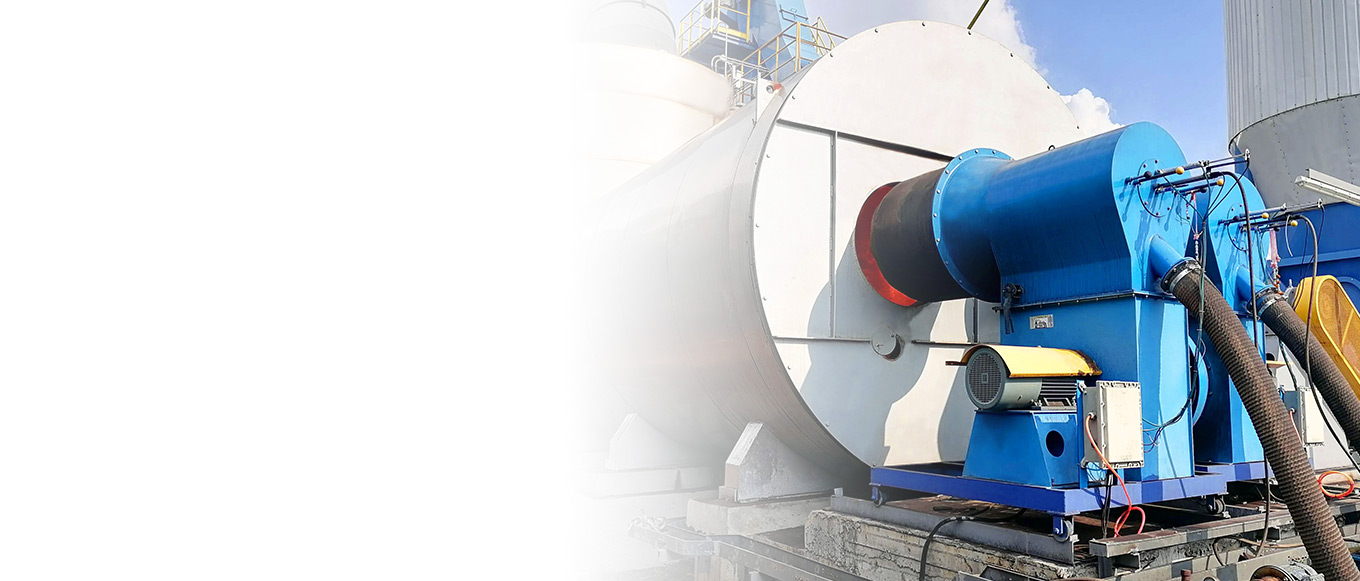
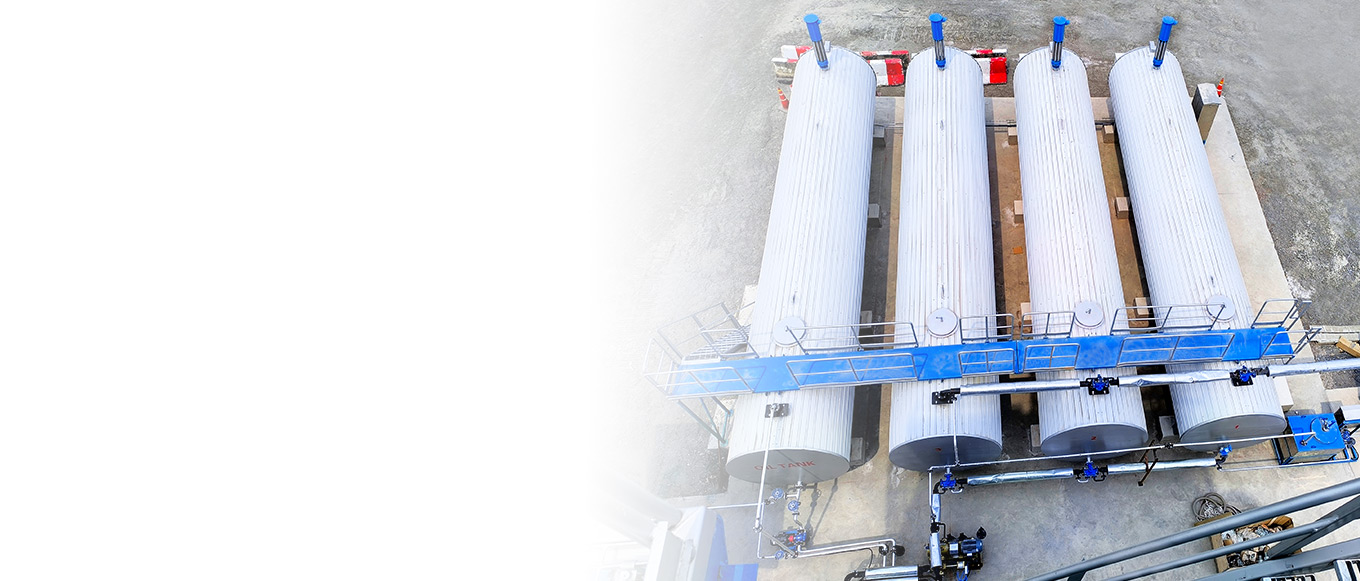
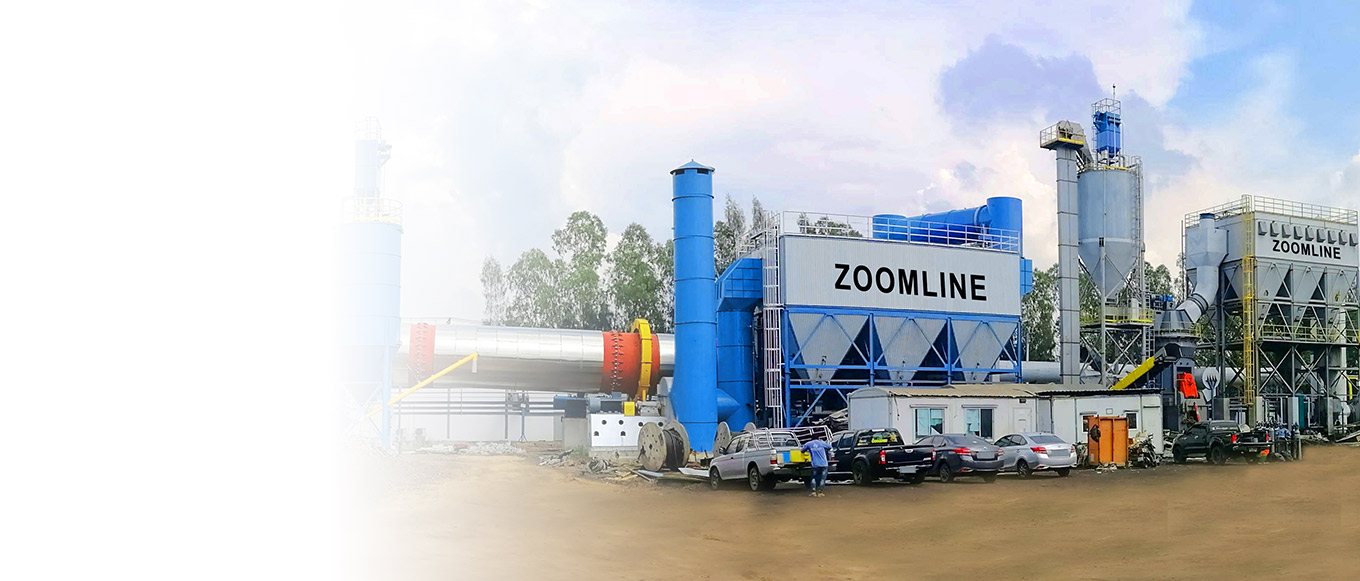
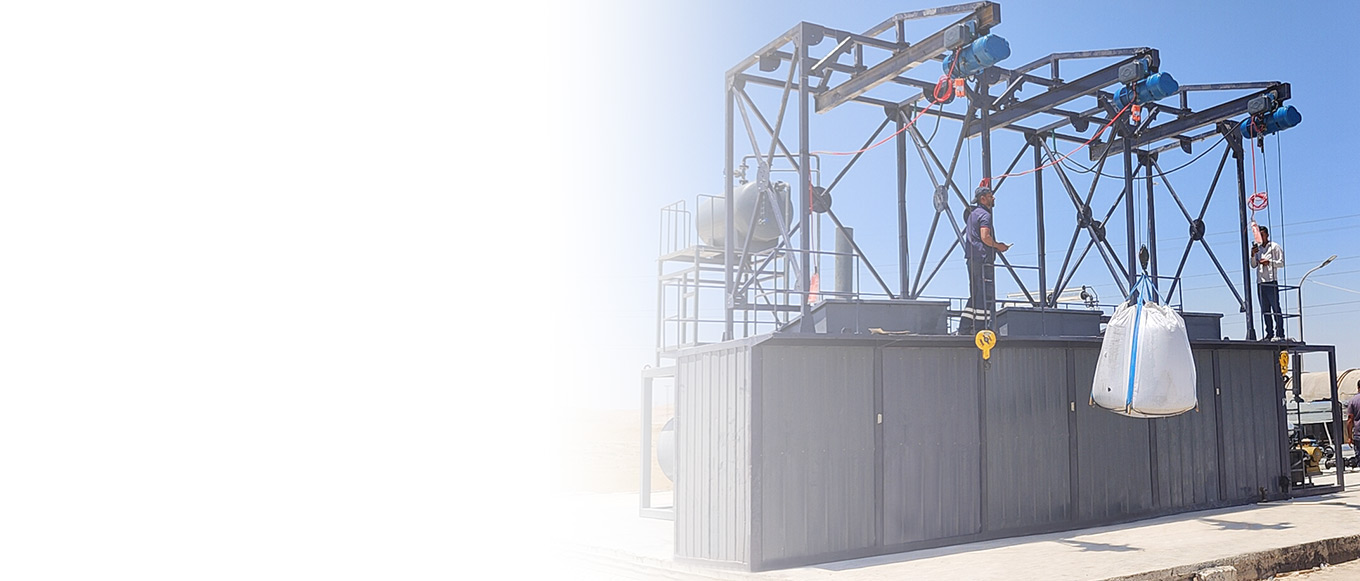
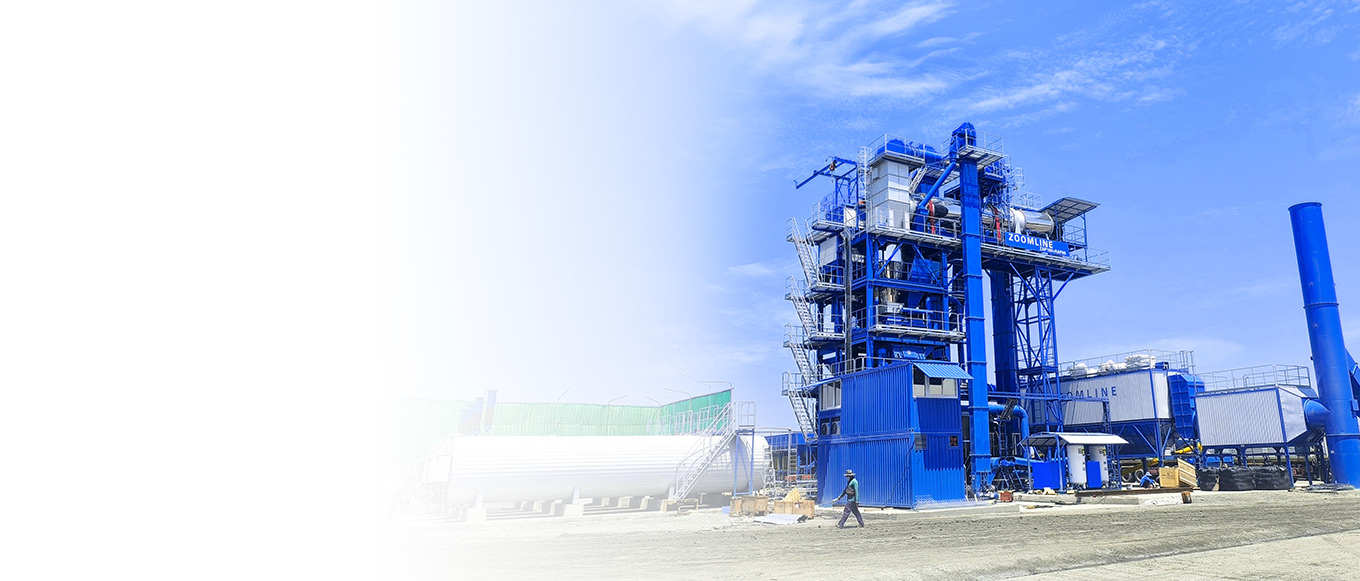
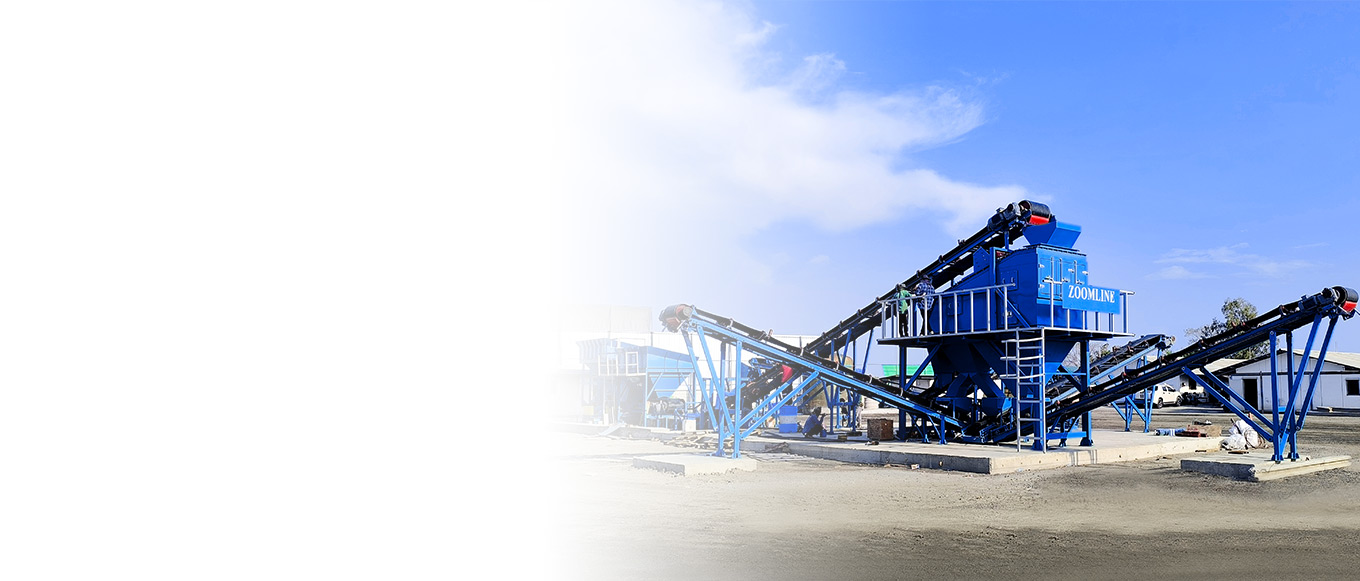
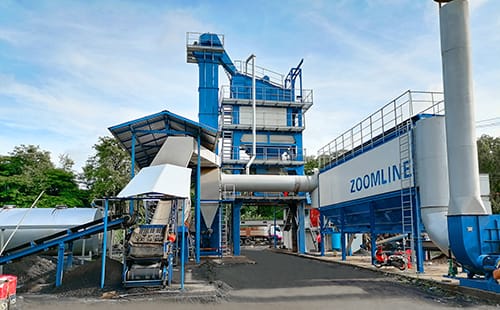
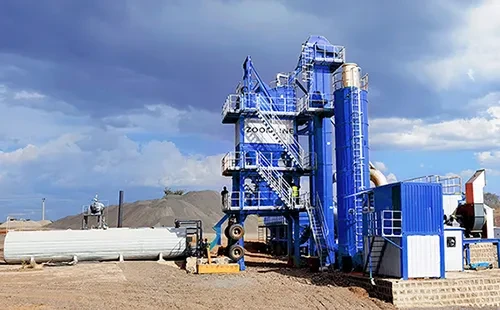
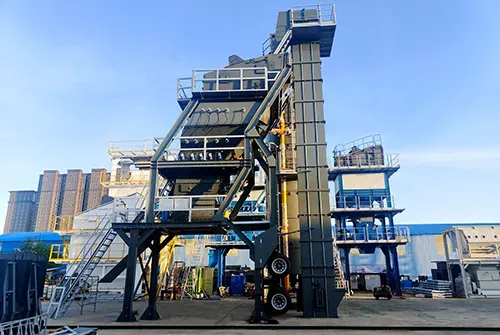
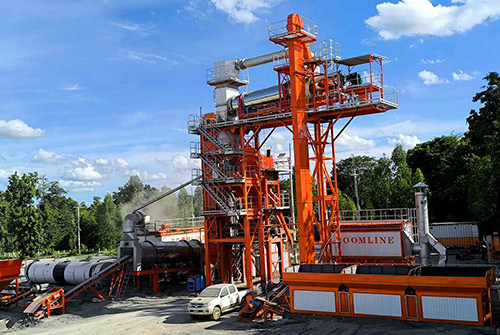
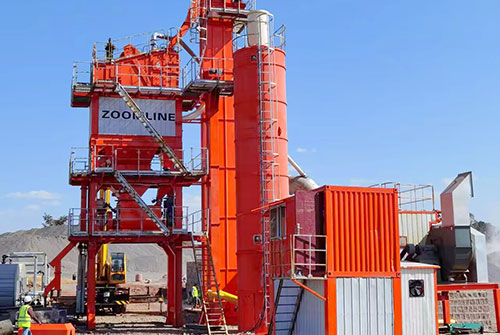
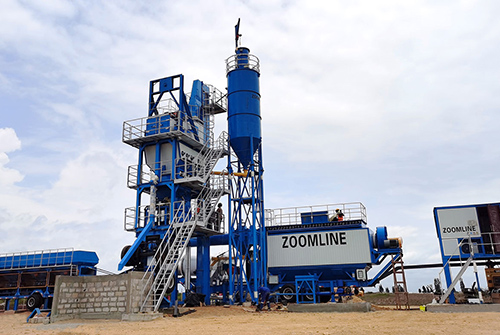
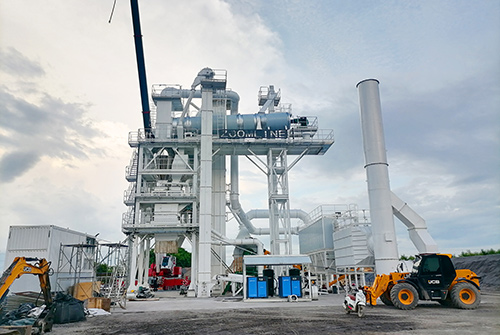
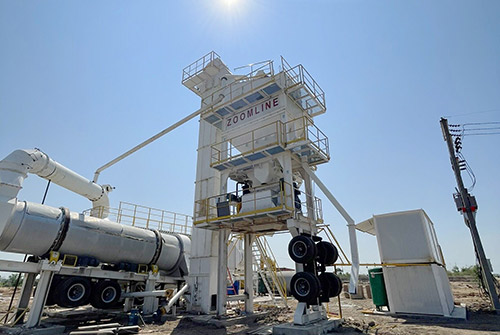
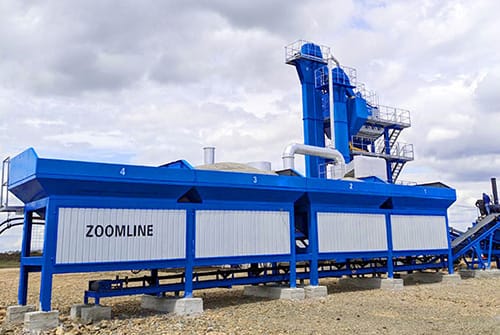
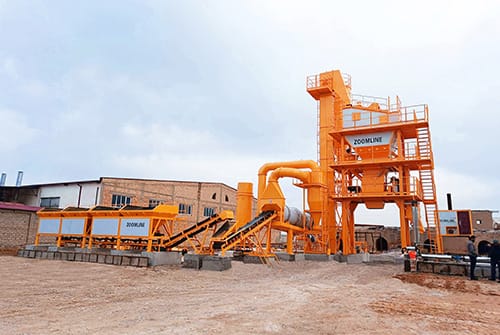
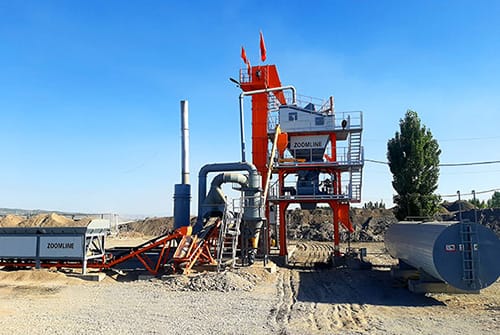
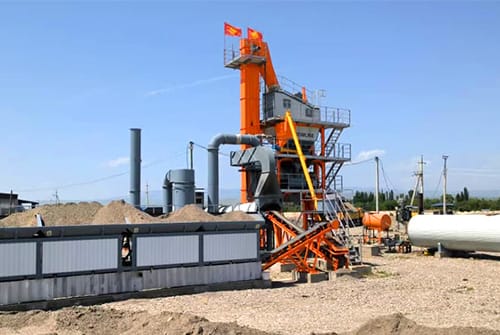
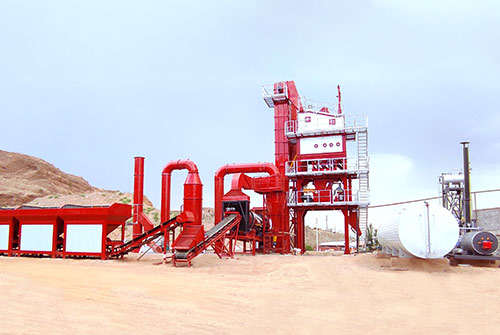
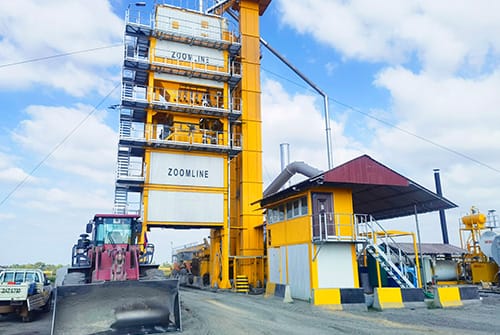
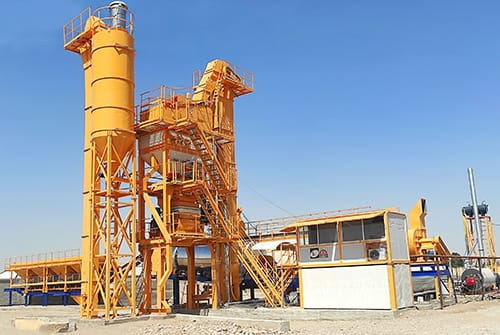
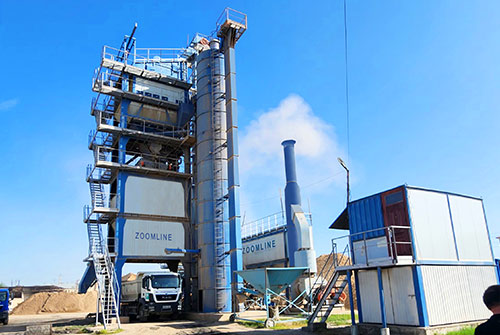
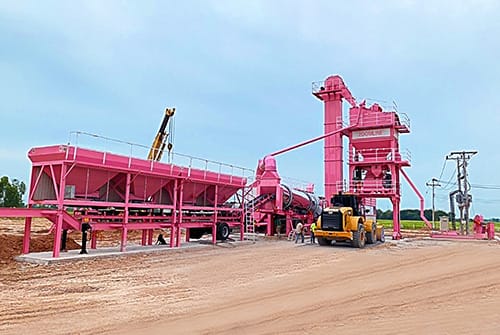
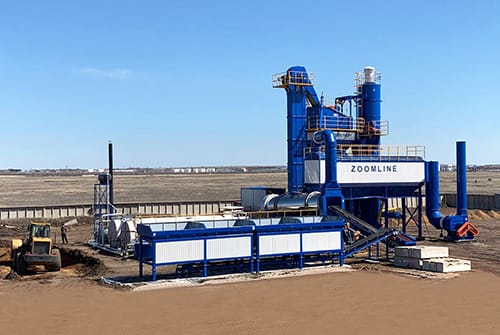
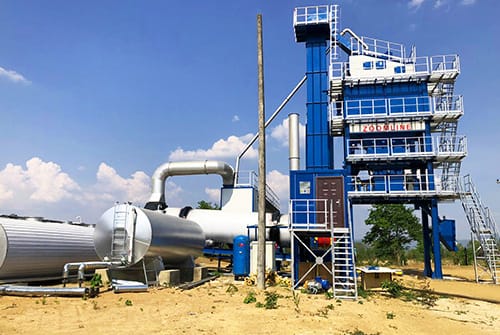
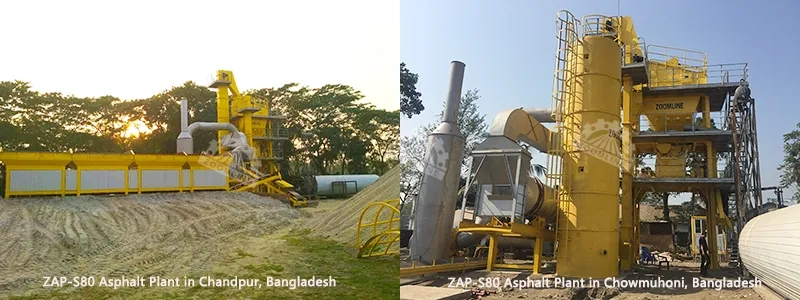
Chinese brands (such as ZOOMLINE) have become the mainstream choice in the Bangladeshi market, capturing over 50% of the market share, thanks to their mature technology, reasonable pricing, and comprehensive after-sales service. Among them, ZOOMLINE Company, as a leading enterprise in China’s asphalt mixing plant industry, has been deeply rooted in the Bangladeshi market for many years. With reliable equipment quality and extensive project experience, it holds a significant share of the Chinese brand market in Bangladesh and has become a trusted partner for local contractors.
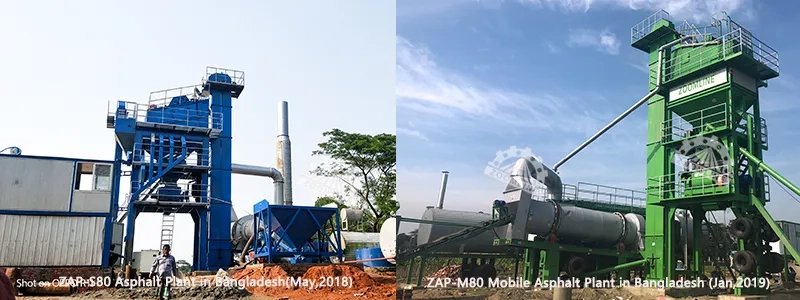
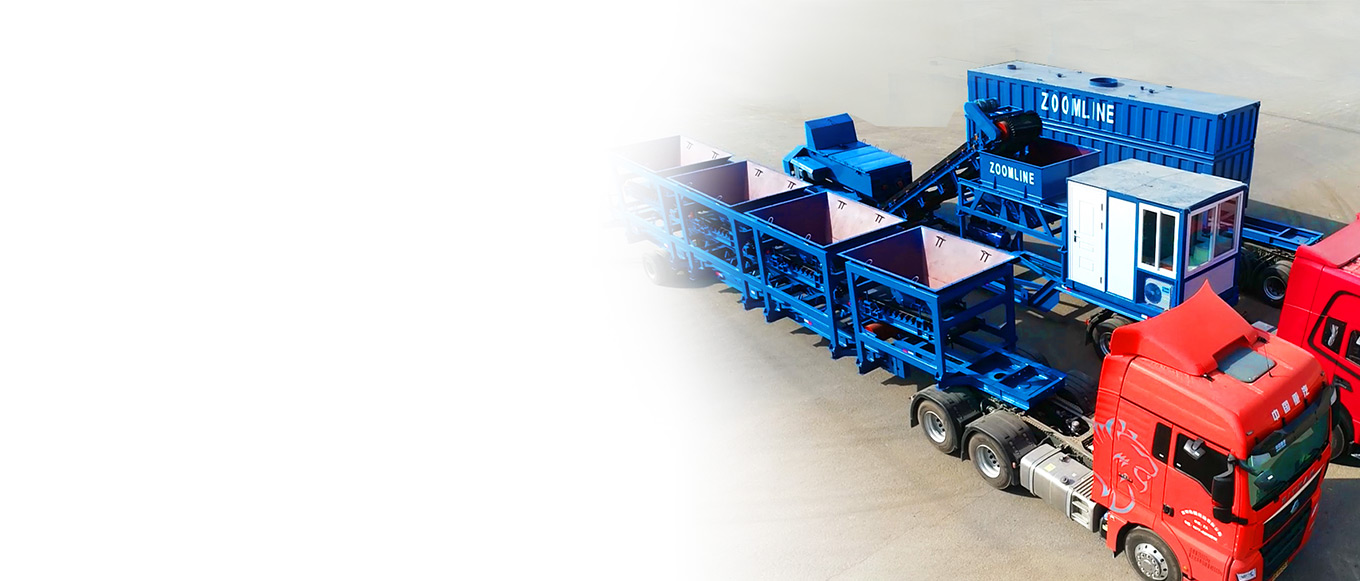
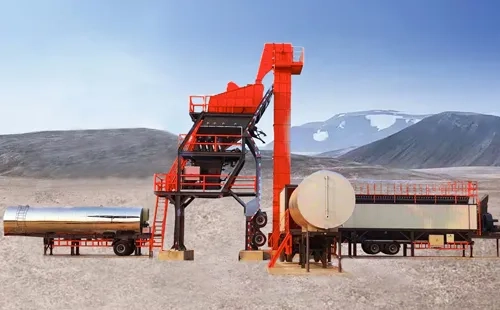
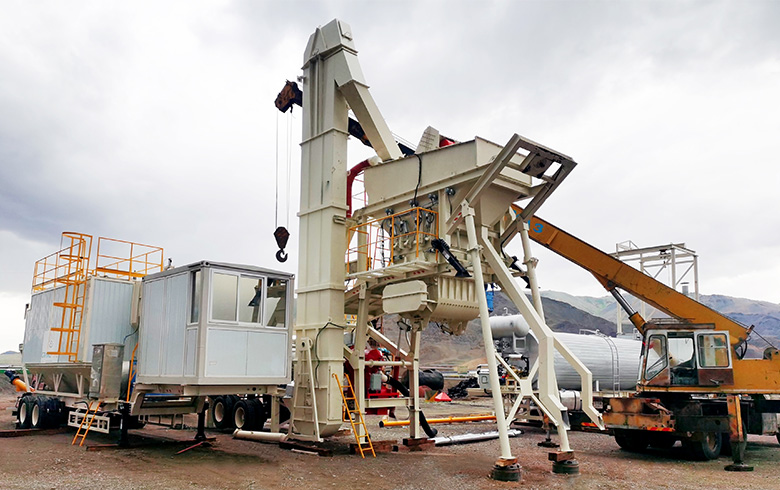
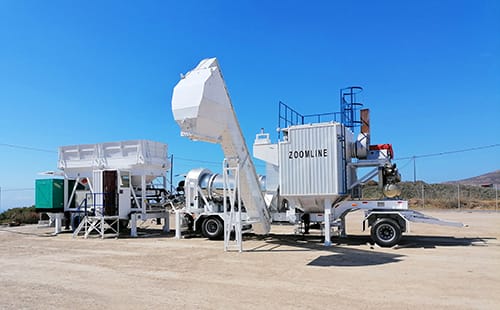
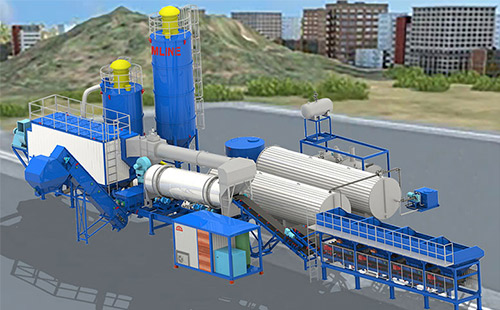
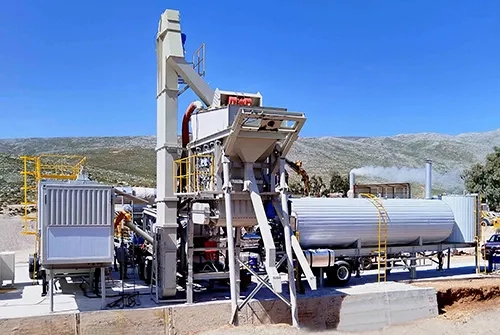
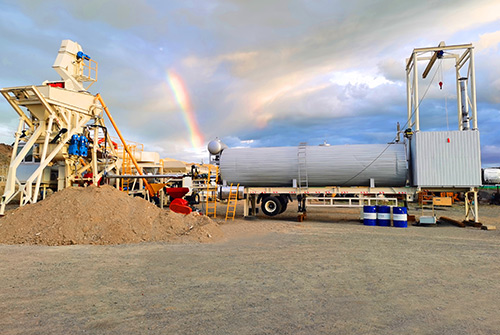
Since 2017, ZOOMLINE has continuously supported Bangladesh’s infrastructure development, delivering multiple high-quality asphalt mixing plants. These plants have been deployed across various local road projects: In May 2017, the company delivered three 80 tph stationary asphalt plants to accelerate road construction; In June 2018, the company delivered one 80 tph mobile asphalt mixing plant (ZAP-M80) to meet the needs of dispersed rural road construction; in August and September of the same year, it delivered a ZAP-S80 stationary asphalt mixing plant and a ZAP-S120 stationary asphalt mixing plant, respectively, further enhancing the local supply of equipment for different production capacities and application scenarios; in 2021, two sets of ZAP-S80 stationary asphalt plants were delivered, further consolidating the company’s market presence.
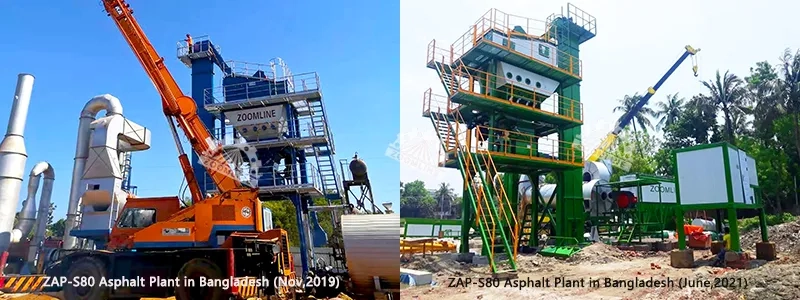
ZOOMLINE track record of multiple equipment deliveries not only demonstrates its deep-rooted presence and high market share in Bangladesh’s asphalt mixing plant sector but has also earned high recognition from local partners for its stable equipment performance and product designs tailored to local operating conditions. Chinese equipment costs only one-third to one-half the price of European brands, yet offers equivalent or even superior core performance. Combined with short delivery lead times and ample spare parts availability, it perfectly aligns with Bangladeshi contractors’ need to “control costs while ensuring quality.”
European Brands: High-End Market Positioning
European brands such as Wirtgen and Amman feature advanced technology and high-quality equipment, but they are expensive (typically 3–4 times the price of Chinese brands). Additionally, they have long spare parts lead times and high after-sales service costs. These brands are primarily used in key government projects in Bangladesh and hold a limited market share.
Indian Suppliers: Fierce Price Competition
Indian brands (such as TIL and L&T) leverage price competitiveness as their main advantage, but their equipment’s resistance to humid and hot conditions and their after-sales service standards lag behind those of Chinese brands. They primarily occupy a portion of the low-to-mid-end rural road project market, with limited competitiveness.
Chinese asphalt mixing plants, backed by the triple advantages of “technology, price, and service,” have become the top choice in the Bangladeshi market, particularly meeting the cost-effectiveness needs of small and medium-sized contractors as well as large-scale key projects.