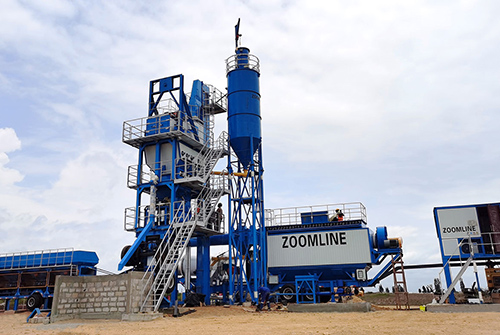
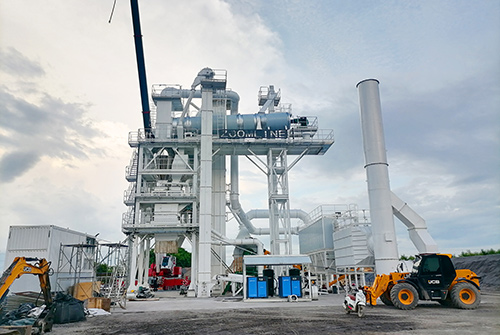
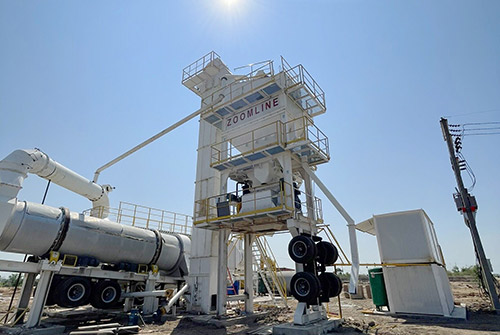
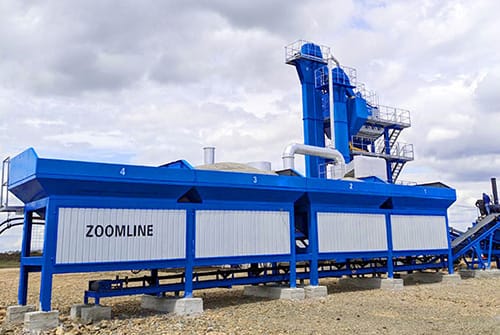
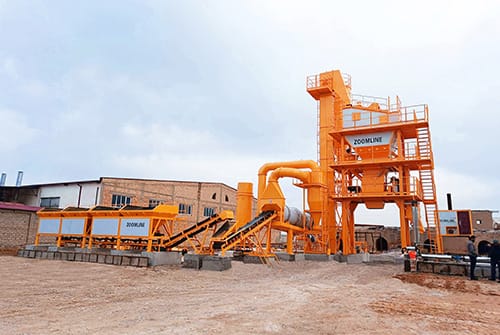
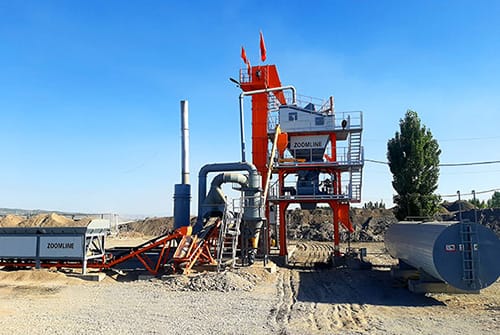
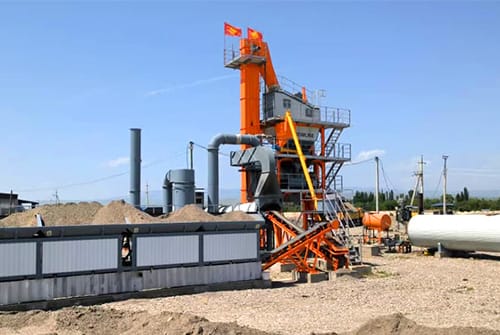
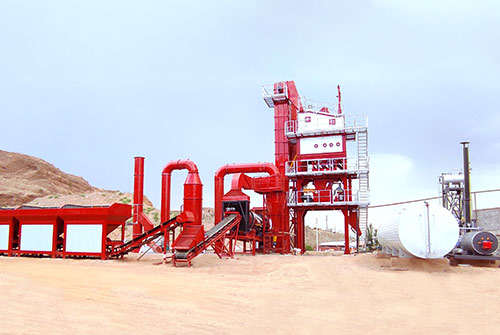
Selecting an asphalt mixing plant for highway construction requires more than just evaluating type or capacity. It necessitates a comprehensive assessment across multiple dimensions—including production requirements, equipment specifications, environmental compliance, and construction scenarios—to identify cost-effective, highly adaptable equipment. This approach prevents project losses caused by misguided selections.
Centered on Project Requirements: Precisely Assess Production Capacity
Production capacity forms the foundation of selection. Accurately calculate the required asphalt mixture output based on the project’s total volume, construction schedule, and daily work volume. Insufficient capacity leads to supply shortages, halting construction processes and delaying schedules. Excessive capacity results in idle equipment, increasing procurement, operational, and maintenance costs while wasting resources.
It is advisable to incorporate a margin of flexibility when calculating capacity to accommodate unexpected adjustments such as schedule changes or increased workloads during construction.
Prioritize automated control systems to enhance production precision and efficiency
Modern highway construction demands increasingly stringent asphalt mixture quality standards, where automated control systems play a pivotal role in ensuring consistency. High-quality asphalt mixing plants equipped with intelligent, user-friendly automated control systems enable fully automated operations for batching, heating, and mixing. This significantly reduces human error, improving the precision of mixture proportions and temperature control.
Simultaneously, user-friendly control systems alleviate operator workload, optimize production processes, and further enhance overall production efficiency.
Selecting Mobile or Stationary Layouts Based on Construction Characteristics
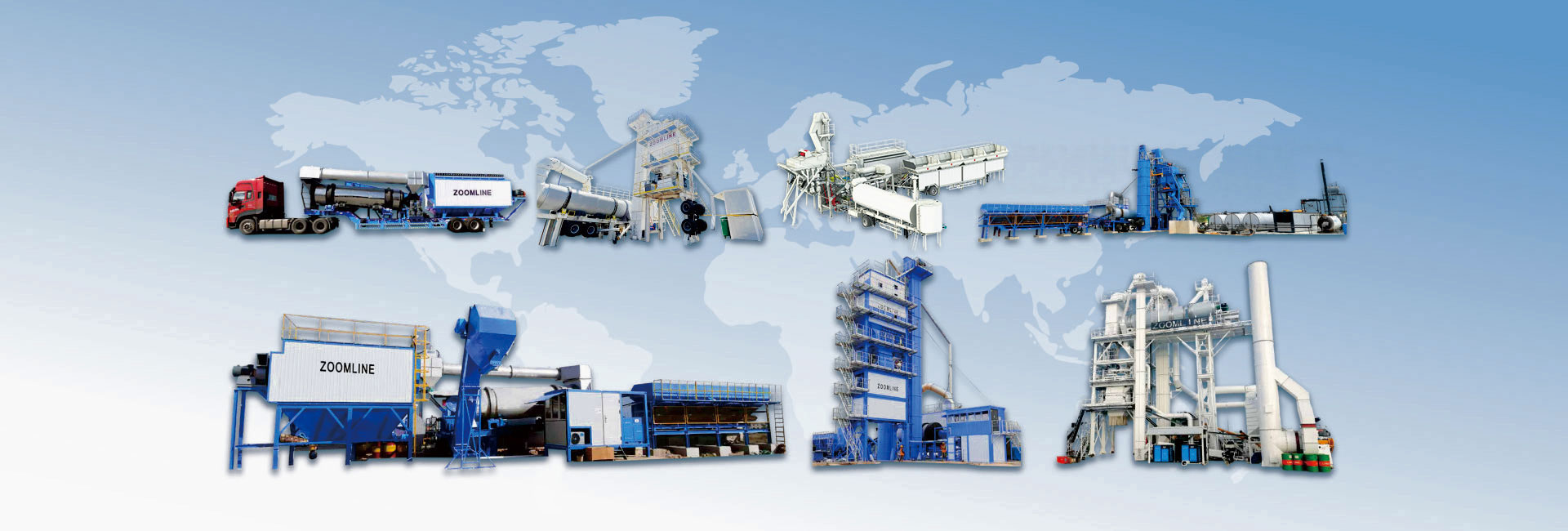
Asphalt mixing plants come in mobile and fixed layouts, with selection determined by highway project characteristics:
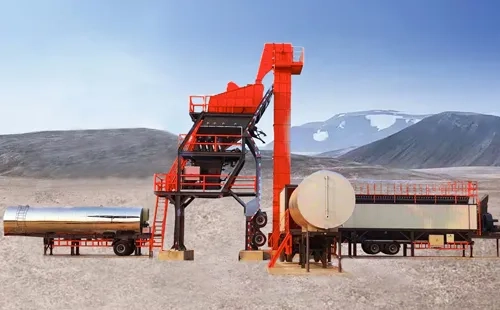
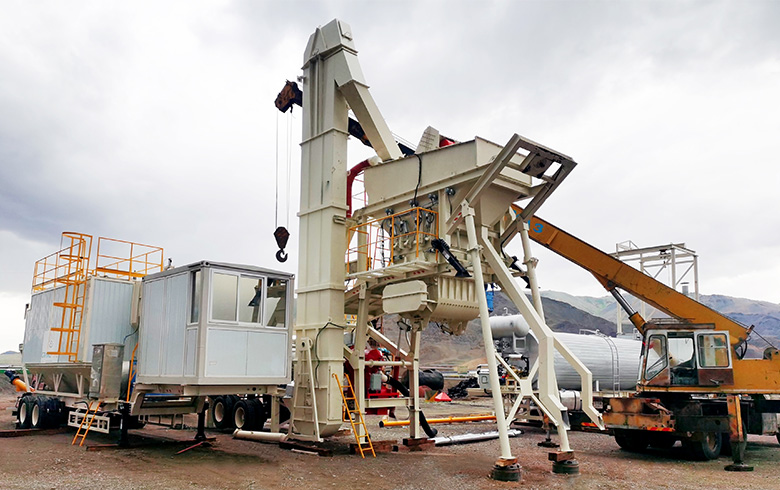
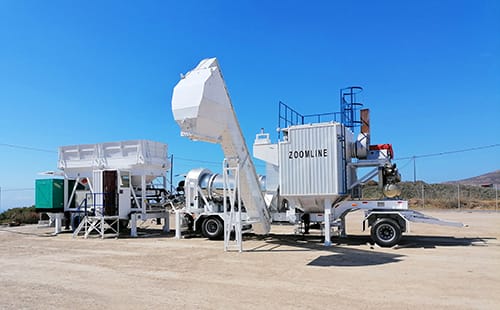
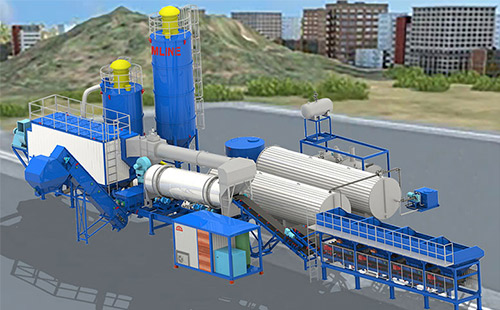
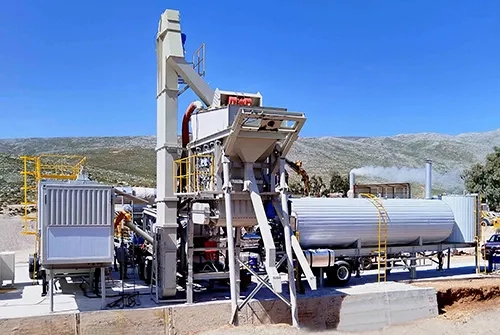
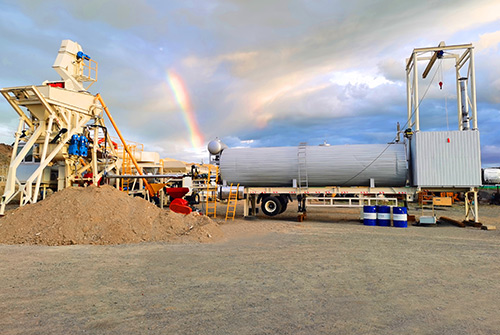
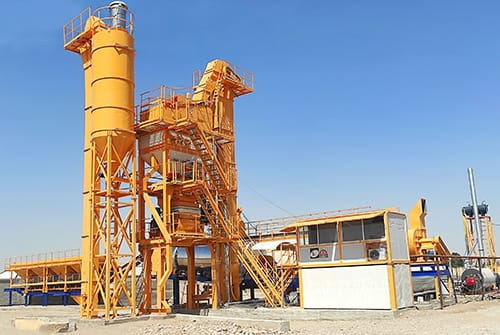
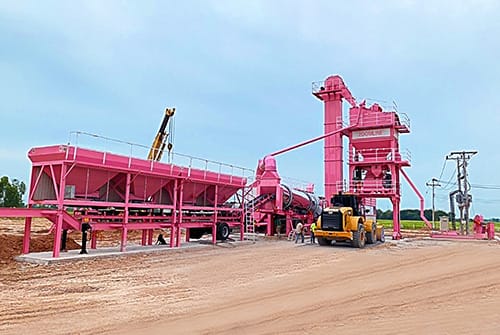
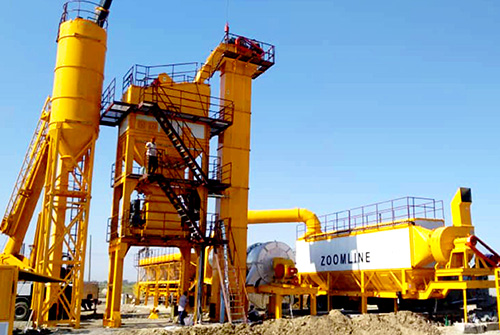
Mobile asphalt plants: Highly integrated equipment that can be transported as a whole or in sections. Suitable for projects requiring frequent site changes, such as rural roads, dispersed urban road construction, or segmented maintenance on expressways.
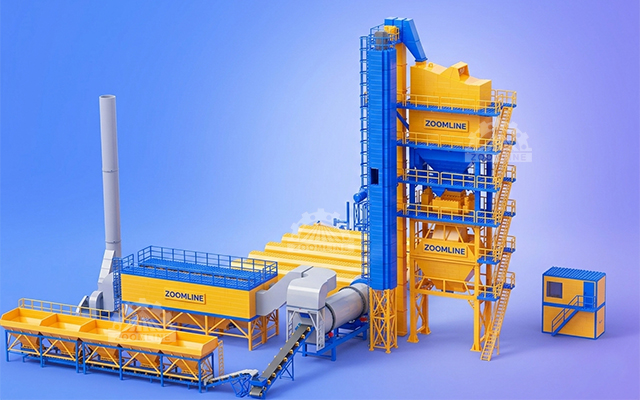
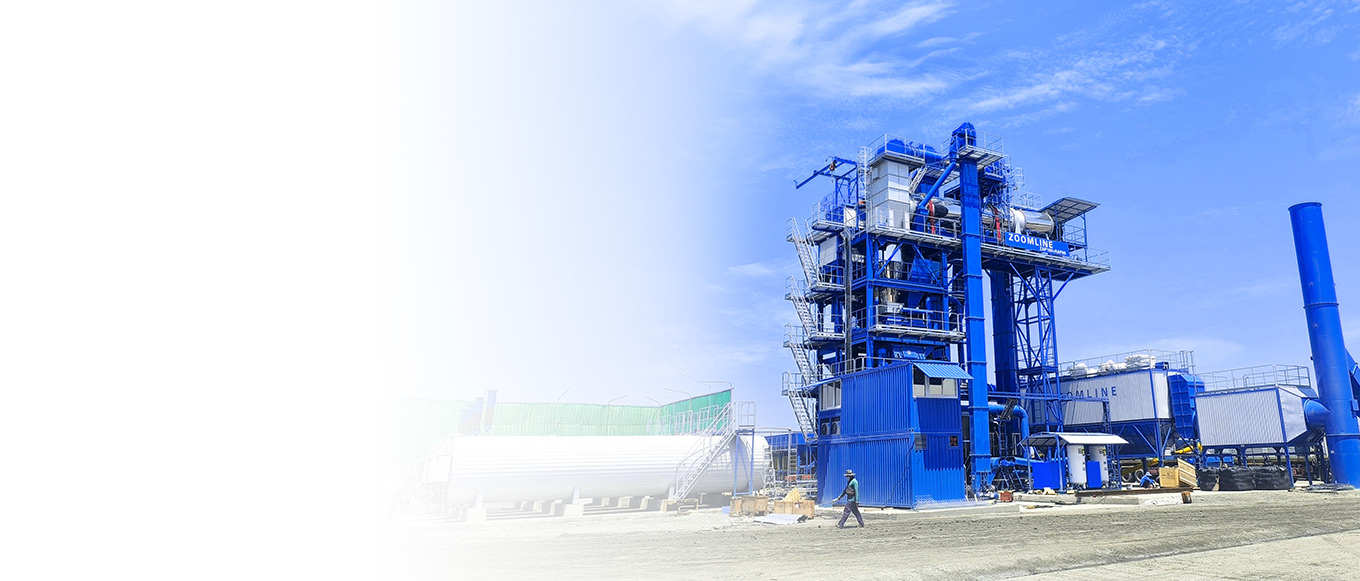
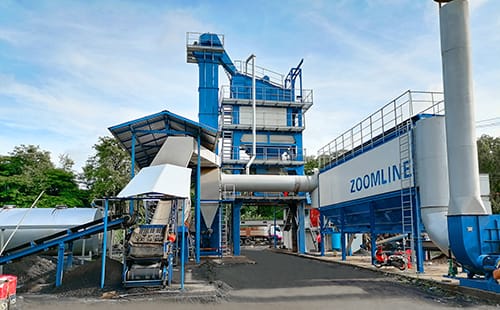
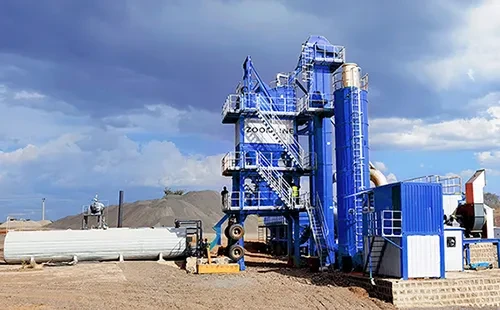
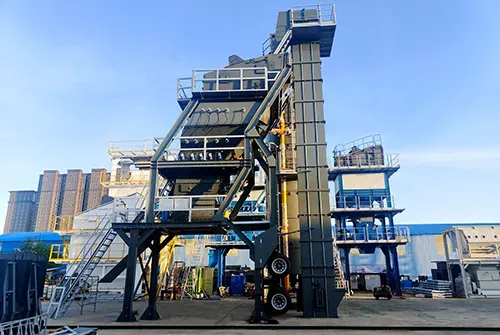
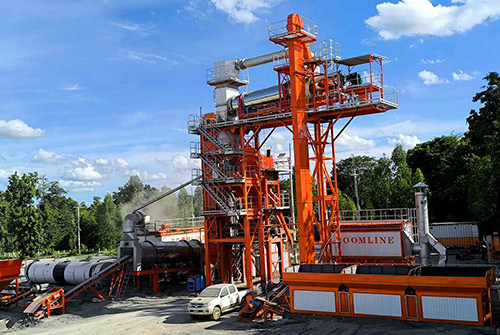
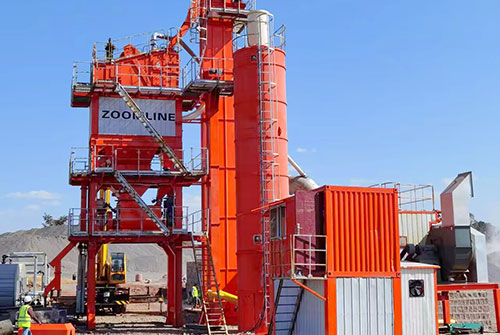
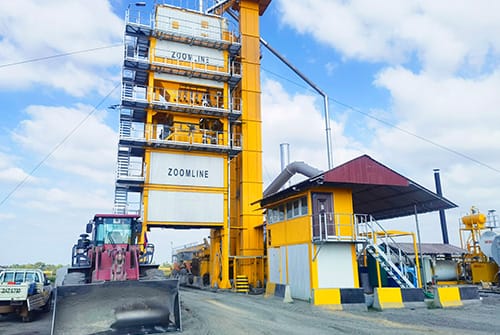
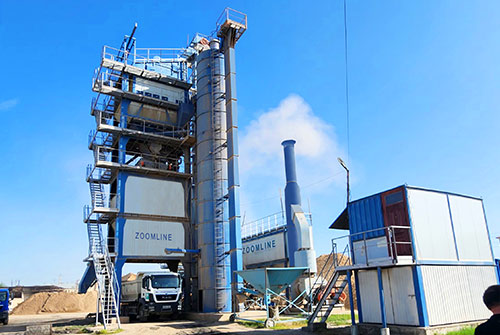
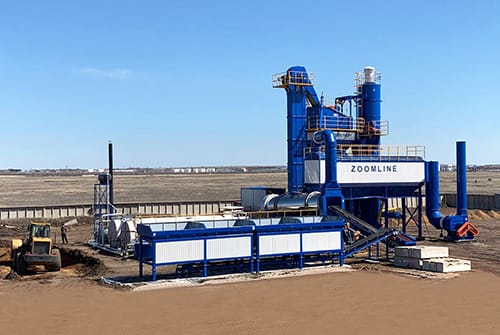
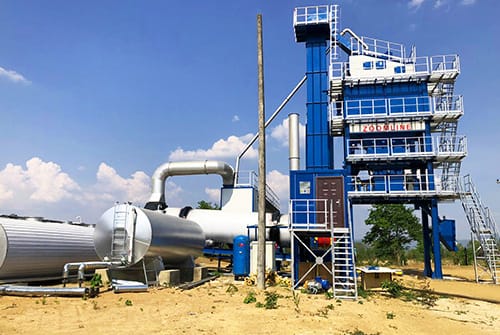
Stationary asphalt plants: Offer greater production stability and higher capacity limits, suitable for large-scale highway projects with fixed locations, extended durations, and high aggregate demand, such as mainline expressways or concentrated construction on urban expressways.
Prioritize Environmental Performance to Meet Project Requirements
With increasingly stringent environmental standards in highway construction, asphalt plants generate pollutants like dust and exhaust gases during operation. Environmental performance is therefore a critical selection factor.
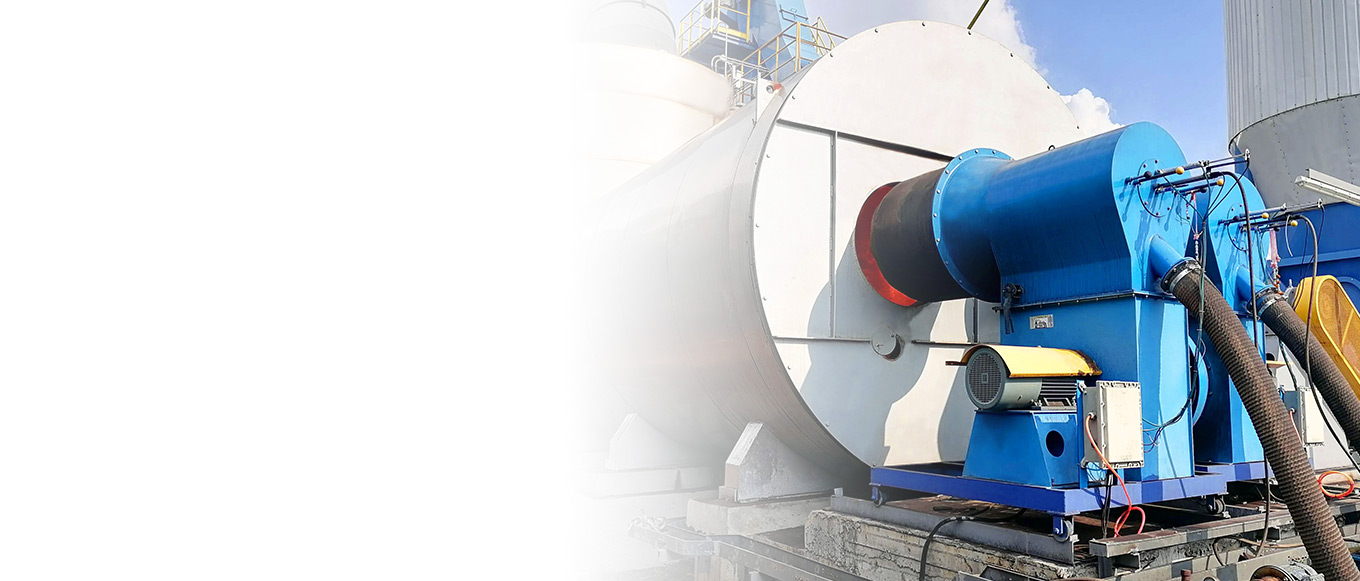
It is recommended to select equipment equipped with high-efficiency dust collection systems and low-emission burners. These systems effectively capture production dust and reduce exhaust emissions, ensuring compliance with national and local environmental policies while minimizing construction impacts on surrounding areas. This prevents project suspensions due to environmental violations.