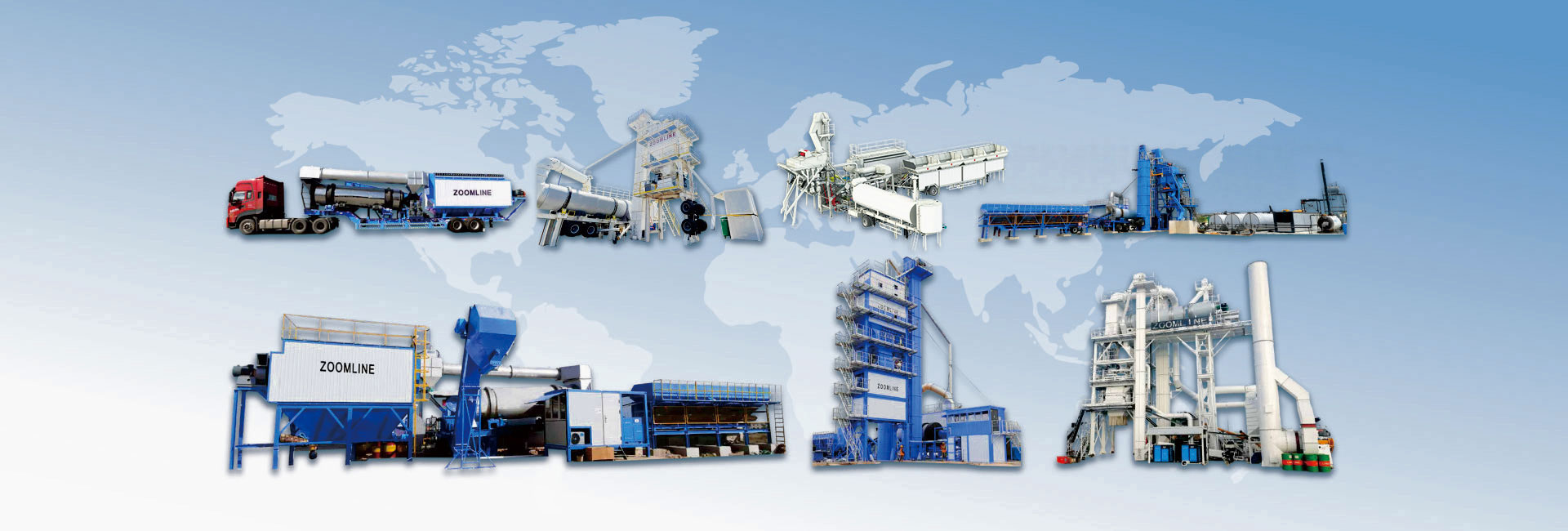
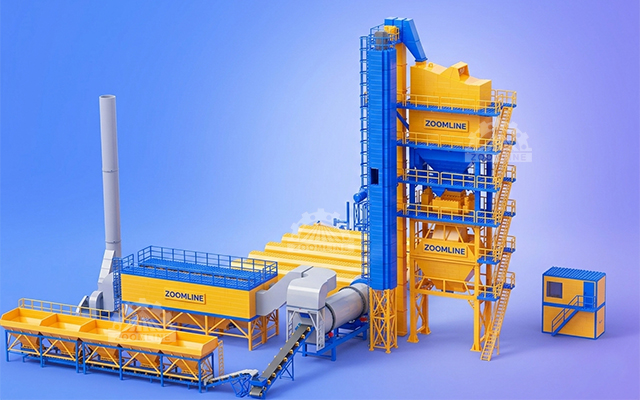
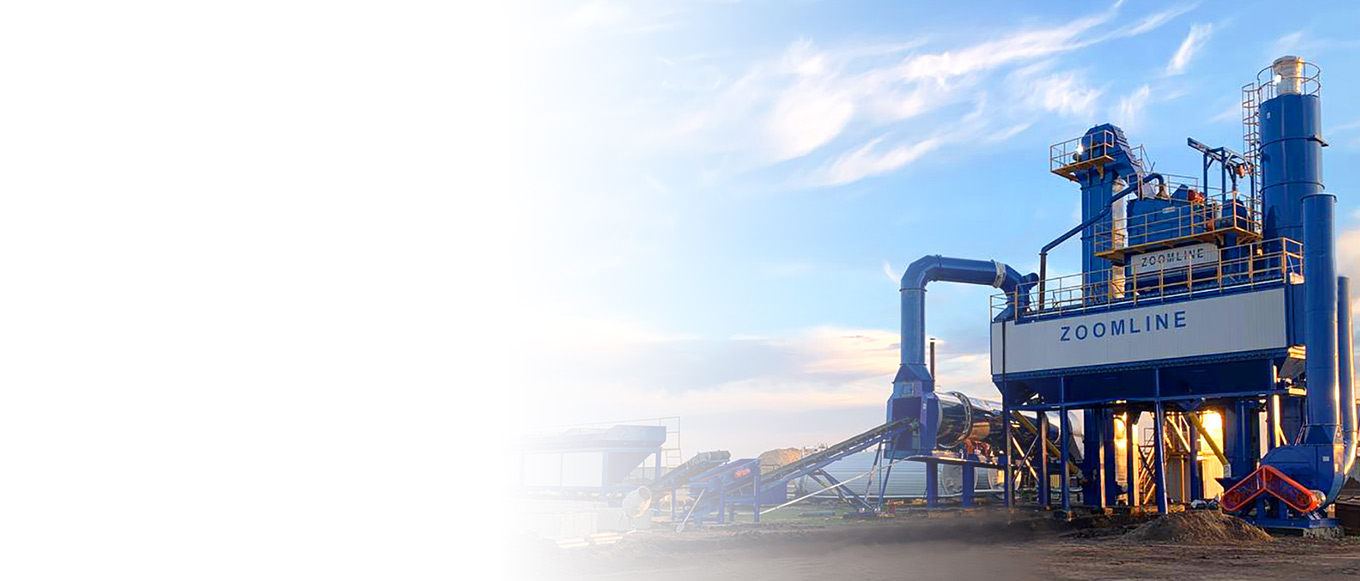
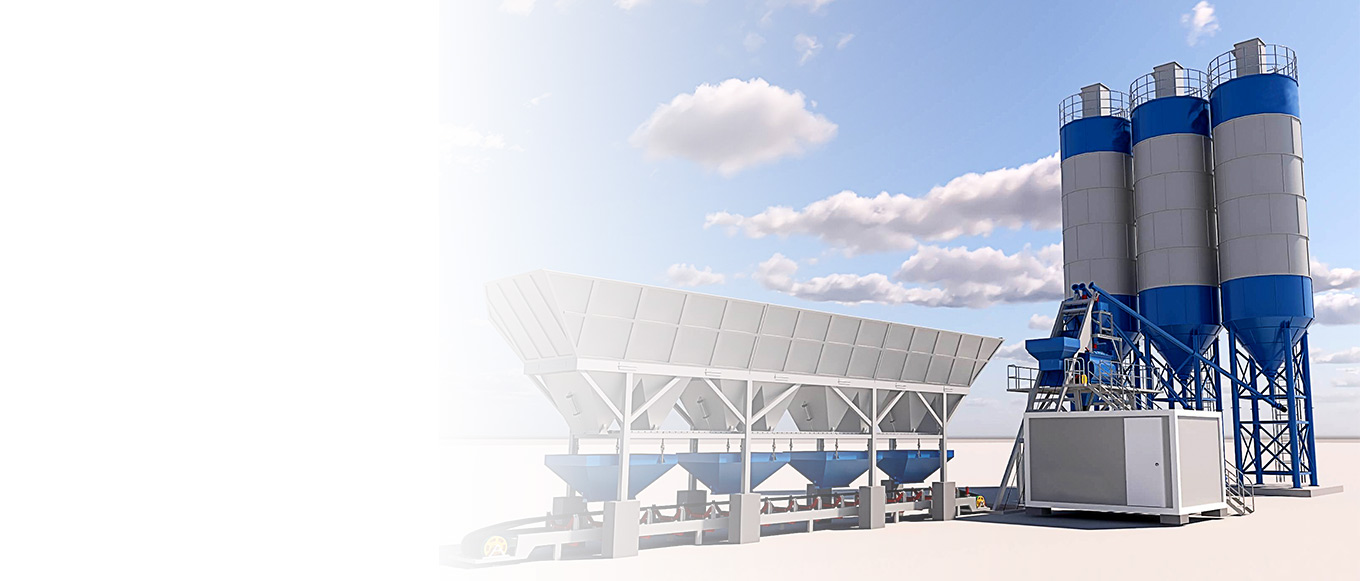
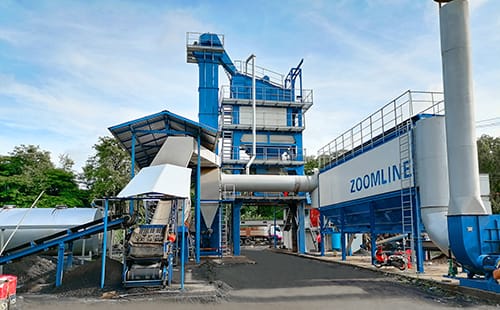
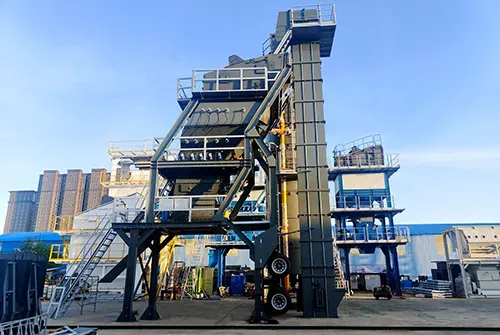
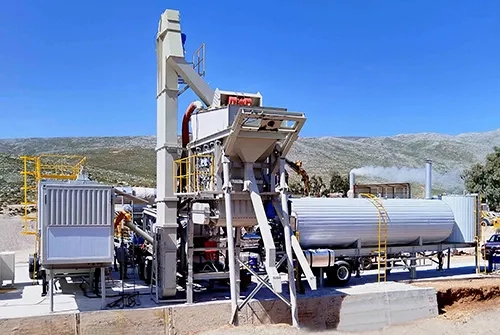
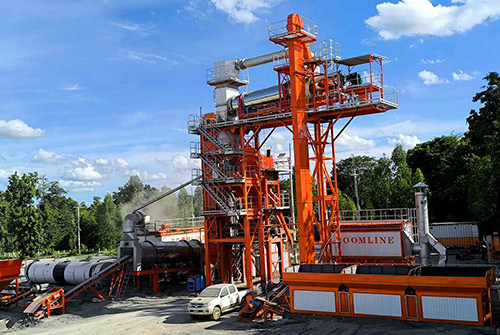
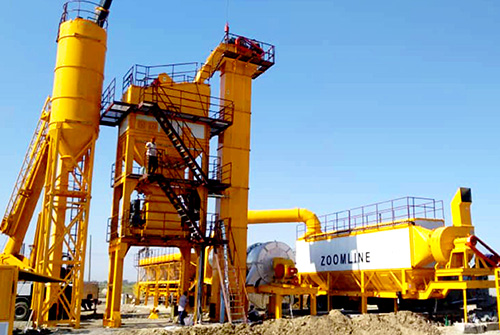
Selecting an asphalt concrete mixing plant isn’t about “higher capacity being better.” Instead, it requires comprehensive consideration based on actual project needs. The following 8 factors directly determine the rationality of selection and the cost-effectiveness of subsequent production:
Production Capacity: Align with Project Paving Scale
60TPH and below: Suitable for small-batch projects like rural road repairs and minor municipal works;
60-120TPH: Suitable for medium-scale road construction like urban secondary roads and industrial park access roads;
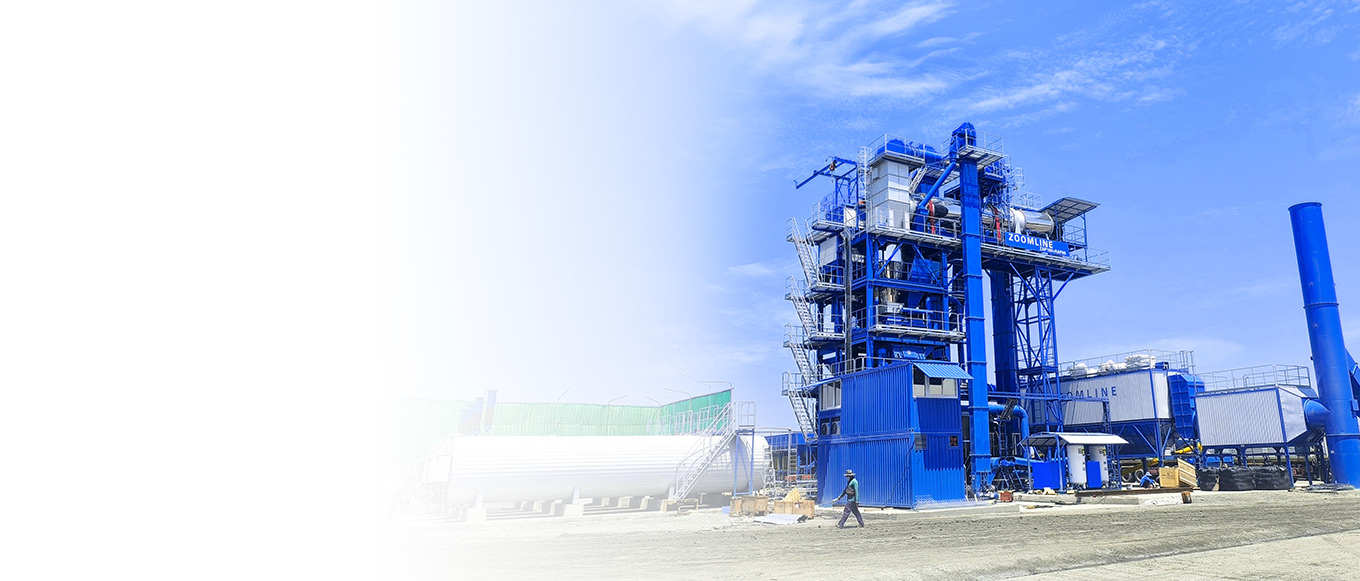
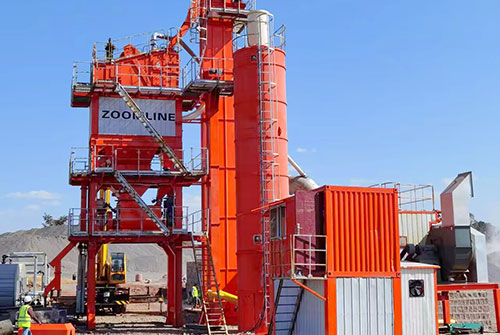
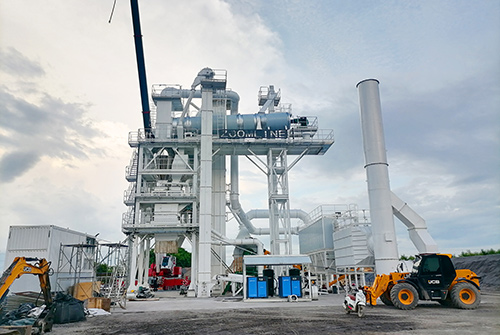
200TPH and above: Suitable for large-scale key projects such as highways, airport runways, and urban arterial roads.
Equipment Mobility: Select Based on Site Conditions and Project Duration
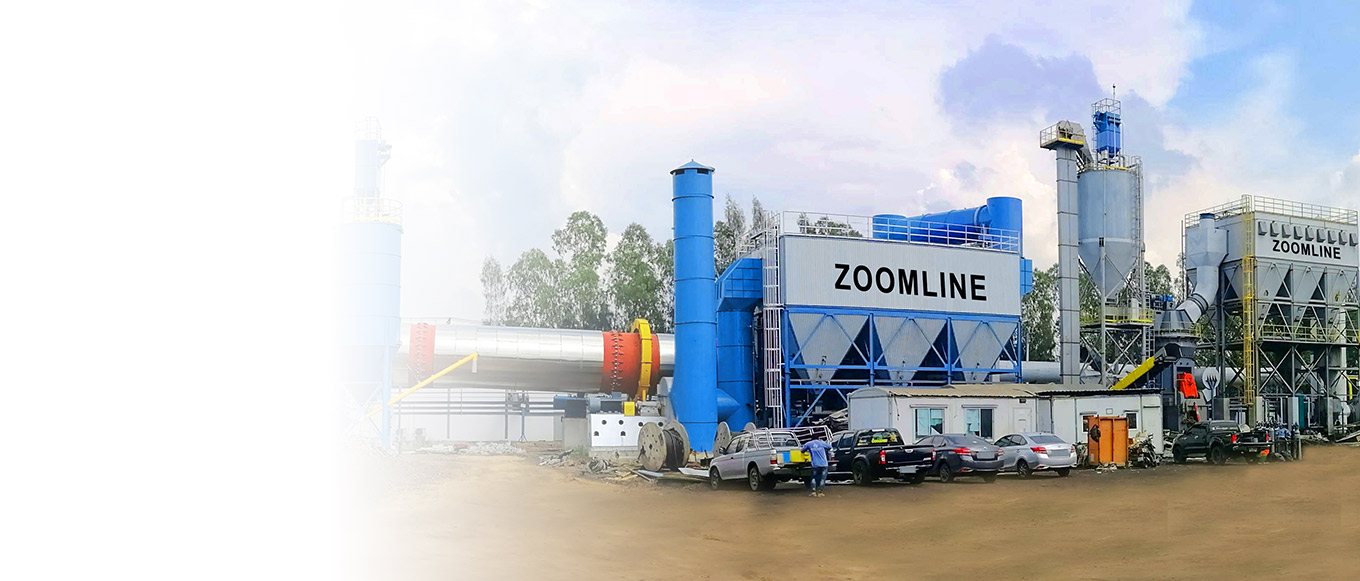
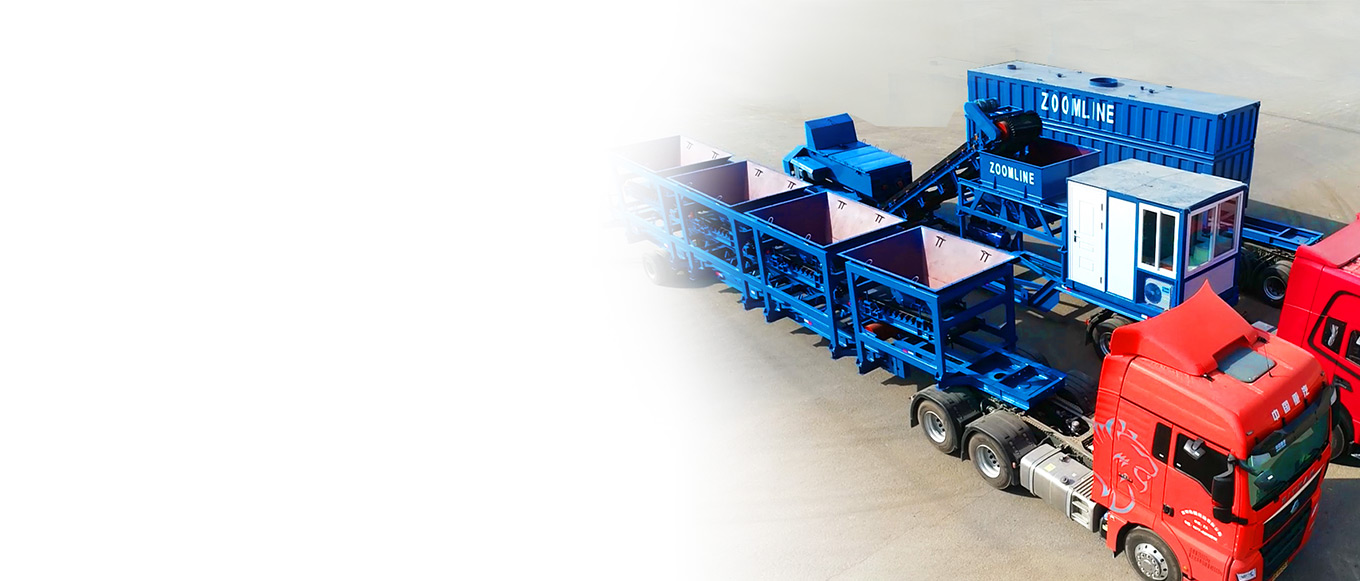
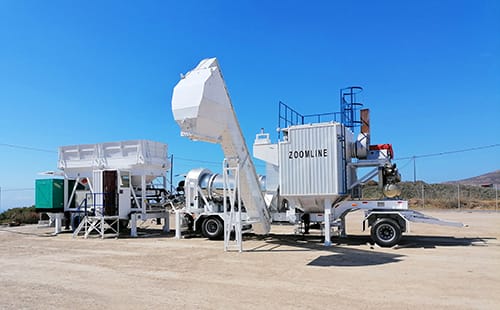
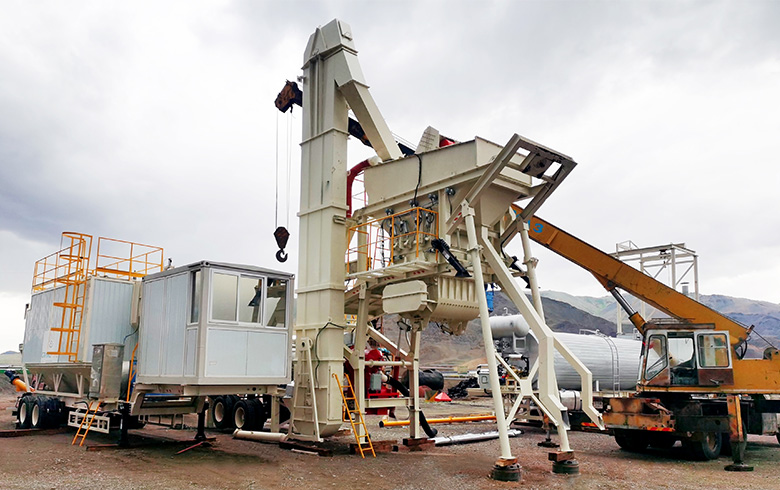
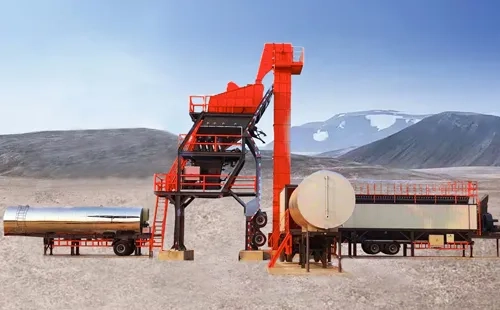
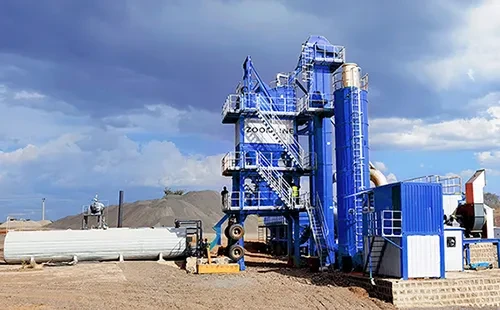
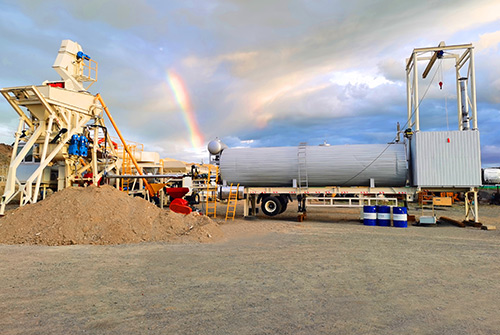
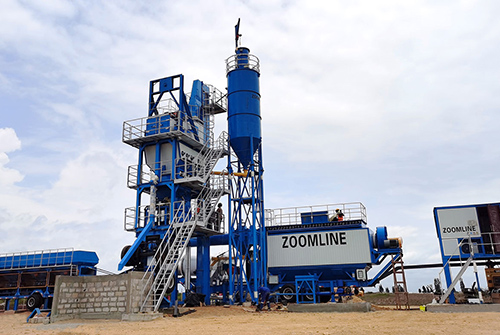
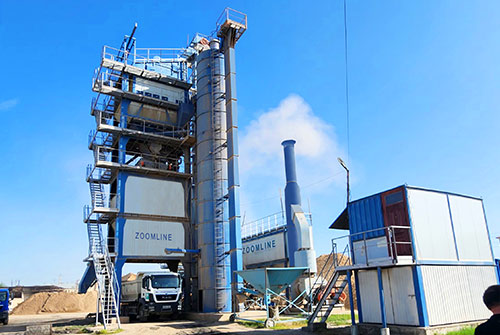
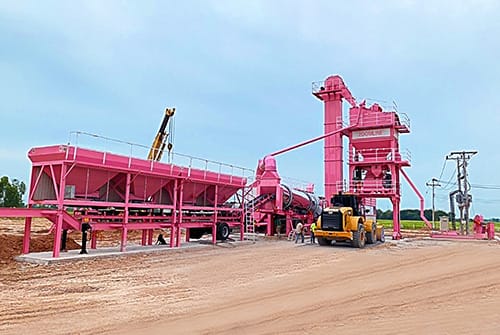
Opt for mobile plants for short-duration projects requiring multiple site transfers; choose stationary plants for long-term, fixed-location large-scale projects. Stationary plants can integrate more comprehensive environmental and quality control systems.
Environmental Compliance: Meet Local Environmental Standards
Focus on dust emission and noise control metrics. Prioritize plants equipped with integrated dust collection systems and low-noise burners to avoid shutdowns for rectification due to non-compliance.
Fuel Type: Select based on local fuel costs
Mainstream fuels include diesel, natural gas, heavy oil, and pulverized coal. Natural gas is clean, environmentally friendly, and low-cost, making it the current mainstream choice. Diesel offers high mobility, suitable for mobile plants. Heavy oil and pulverized coal suit high-capacity projects sensitive to costs.
Automation Level: Balance efficiency and cost
Highly automated plants reduce labor and enhance production precision but require higher equipment investment. Basic automation configurations may suffice for small-scale projects, provided they meet production requirements.
Raw Material Compatibility: Consider Local Material Characteristics
If project sites feature high aggregate moisture content or complex particle gradation, select plants with high drying efficiency and robust screening systems. For modified asphalt mix production, dedicated asphalt modification and additive systems are required.
Manufacturer Capabilities and After-Sales Service
Prioritize manufacturers with extensive production experience and proven international project track records, as their technical expertise directly determines equipment quality. Simultaneously, focus on after-sales support—including installation/commissioning, on-site training, spare parts supply, and 24/7 technical assistance—to prevent production downtime due to unresolved equipment failures.
Site and Logistics Conditions
Fixed plants demand substantial site area and robust infrastructure, requiring advance planning. Mobile plants require consideration of transport route width and load-bearing capacity to ensure smooth delivery to the construction site.