The core factors affecting the selection
Project size and production demand
According to the average daily demand for asphalt to match the production capacity, to avoid “big horse-drawn carts” (waste of energy) or “small horse-drawn carts” (construction) bottleneck). For example: daily repair selection of 5-15TPH model, rural road construction selection of 20-40TPH model, the annual demand of more than 50,000 tons need to consider larger capacity equipment.
Frequency of movement
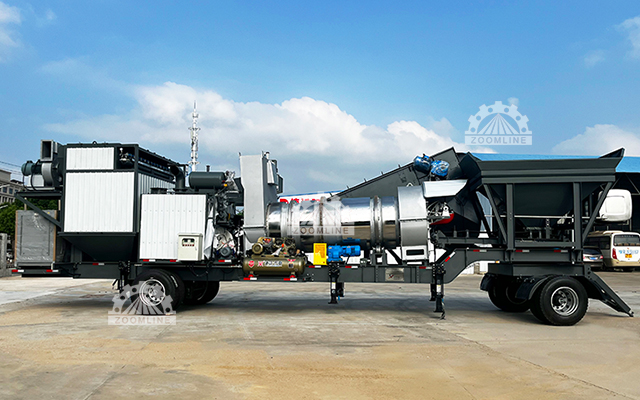
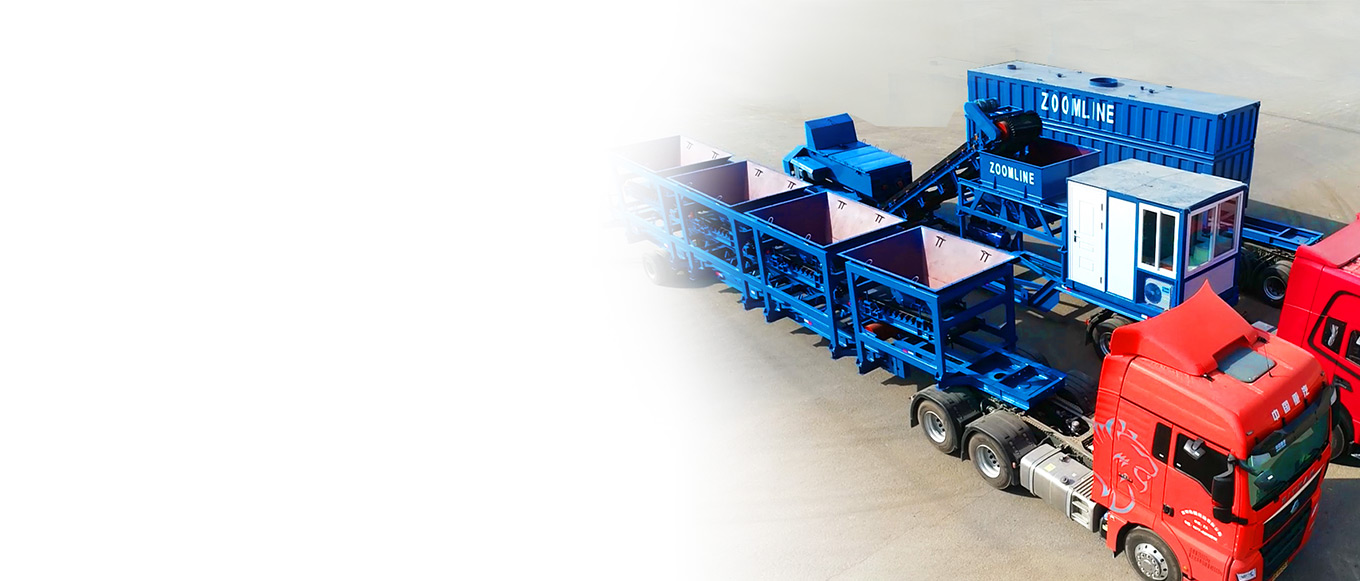
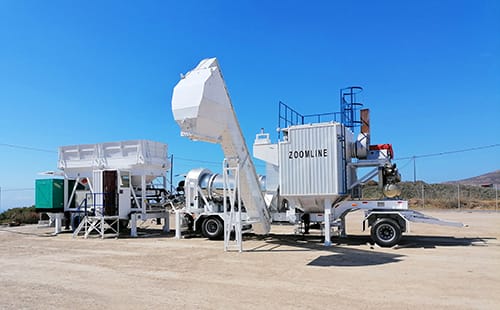
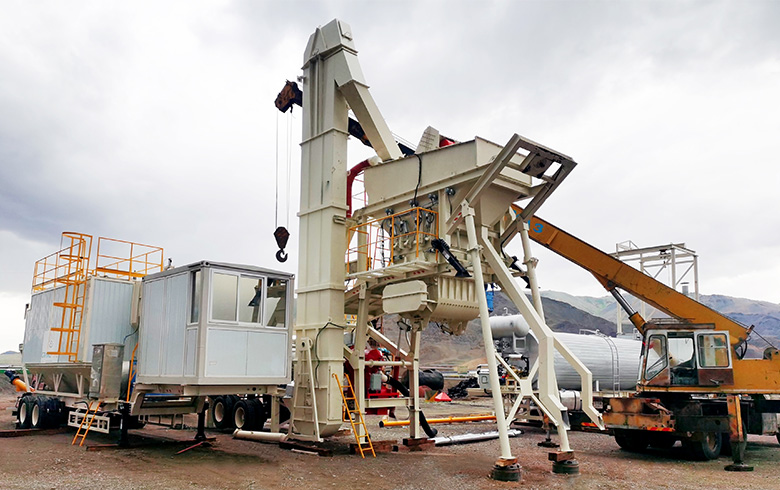
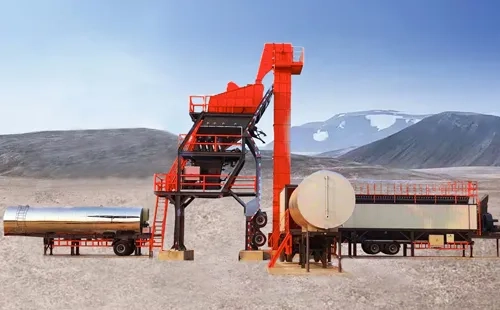
Frequent change of construction sites (such as multi-area road maintenance) choose trailer type mobile asphalt plant, equipped with stabilizing jacks and lighting kits; long-term fixed site construction can be selected fixed to reduce the initial investment.
Fuel and environmental requirements
Diesel models are suitable for remote areas (easy access to fuel), urban areas prefer natural gas, LPG or dual-fuel models to ensure compliance with emission standards.
Material suitability
If the local aggregate contains high moisture or impurities, give priority to the drum model (more tolerant to wet materials); if special additives are required, the batch batching system of the intermittent model is more advantageous.
Site conditions
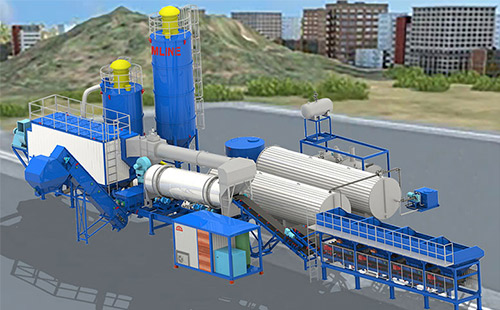
for narrow urban sites or mountainous construction, choose modular design, small footprint models; for long-term operation on flat sites, consider fixed equipment with more stable structure.
Maintenance and after-sales service
Priority should be given to brands with easy access to spare parts and local service outlets, so as to avoid stoppage of work due to shortage of spare parts (the arrival cycle of spare parts for some imported equipments is as long as 6 weeks).
9-step hands-on selection process
Define project demand
Estimate weekly asphalt demand, construction cycle, site accessibility, the core of the question to ask yourself: “How much capacity do I need for my typical project?”
Determine the type of equipment
Choose batch type for precise demand, drum type for efficient mass production, and ultra-small continuous type for emergency repair.
Verify compliance requirements
Confirm local emission and noise standards, and make sure the equipment has CE, ISO and other certifications to avoid compliance risks.
Evaluate mobility requirements
Choose trailer type for frequent relocation, fixed type for fixed sites, and low-profile modular type for projects in mountainous areas.
Match fuel supply
Choose according to the availability of fuel in the construction area to avoid affecting the construction due to fuel limitations.
Examine the after-sale support
Give priority to suppliers that provide technical training, 24-hour maintenance service and local spare parts inventory.
Check the safety configuration
Make sure the equipment is equipped with emergency stop button, temperature sensor, fire prevention system and guardrail to ensure construction safety.
Verify performance data
Ask the supplier to provide test machine videos, fuel consumption records, third-party inspection reports to verify capacity and efficiency.
Avoid selection minefields
Be wary of products with abnormally low prices, vague warranty terms, lack of certification or customer cases, which often hide maintenance costs and compliance risks.