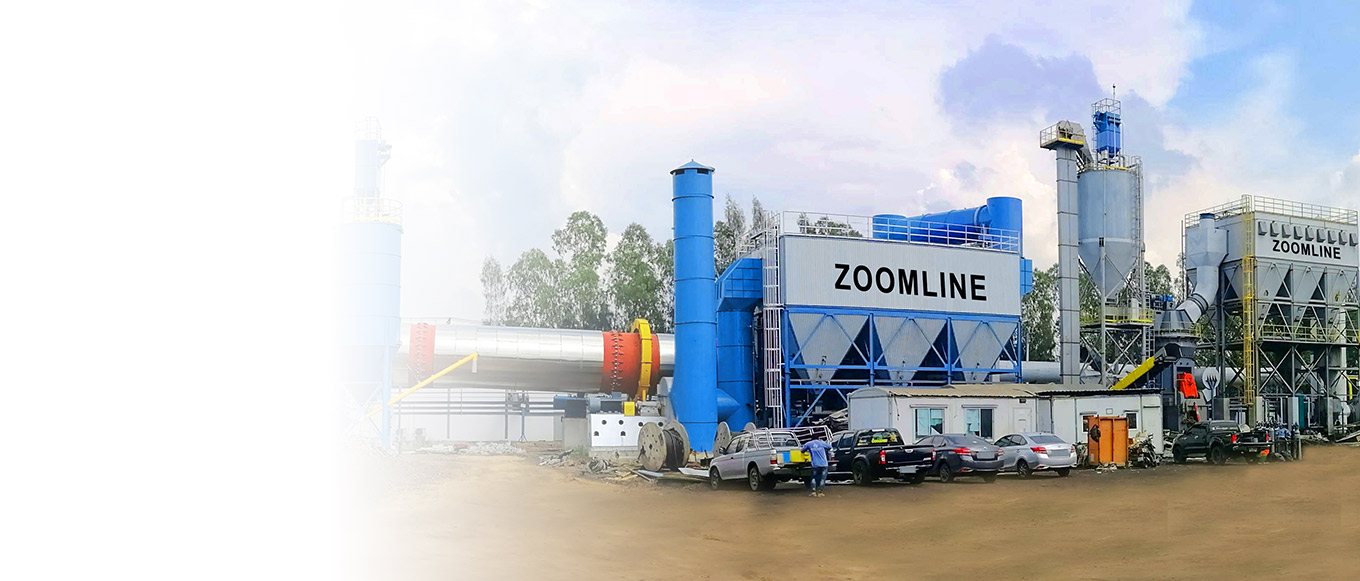
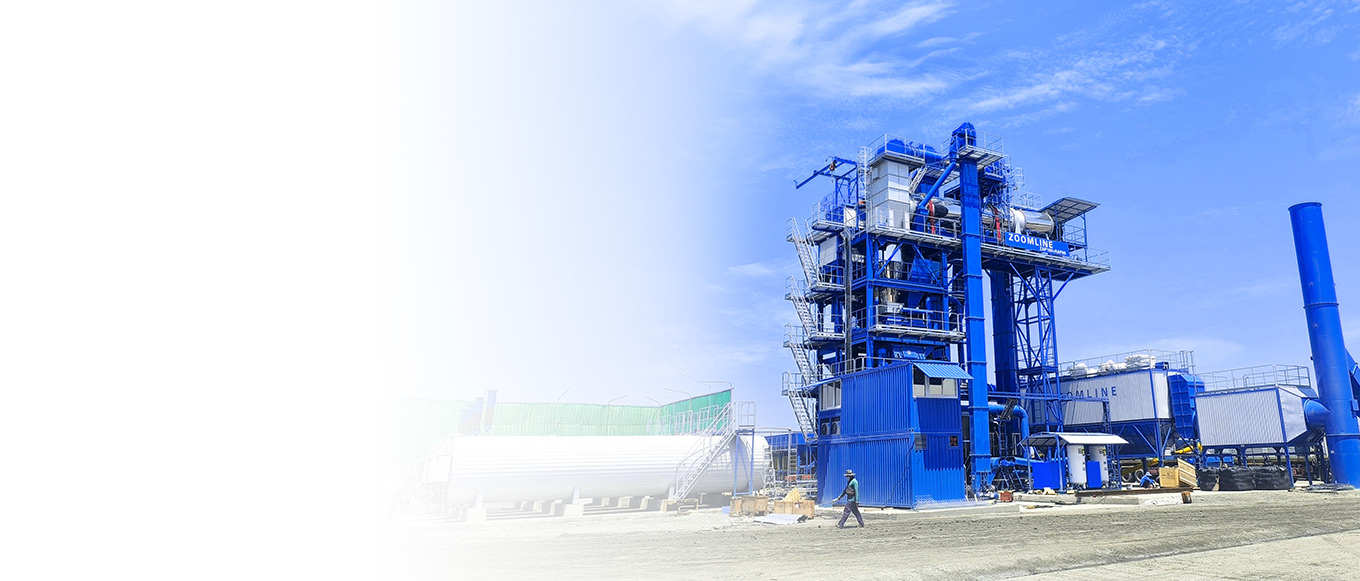
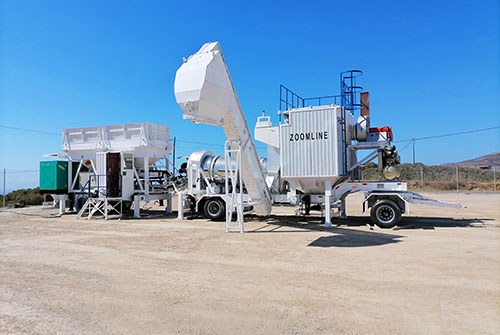
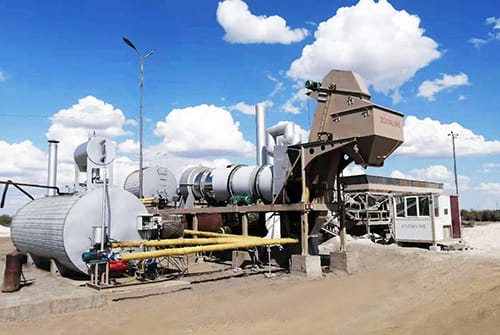
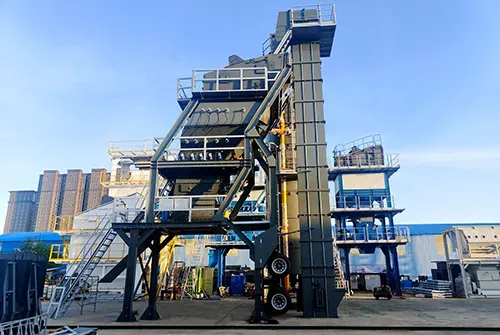
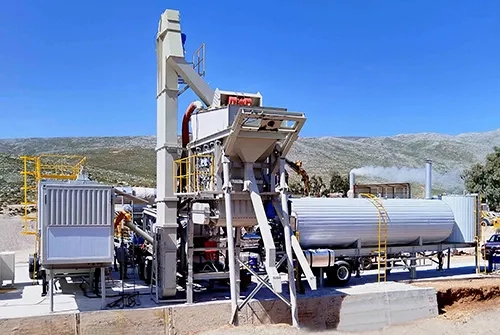
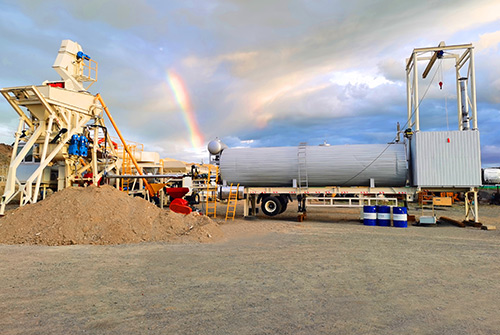
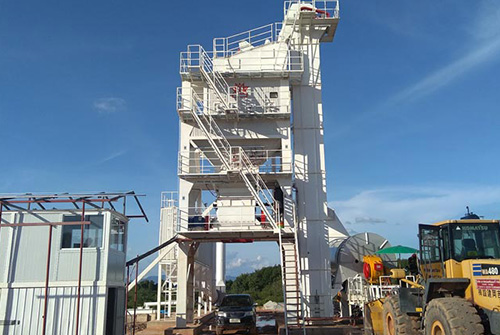
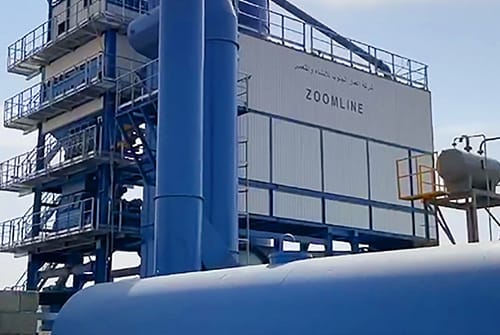
An asphalt batch mixing plant is essentially an advanced manufacturing device that produces asphalt mixtures through a precise batch-cycle process centered on accurate metering. Its primary distinction from continuous-mixing plants lies in its clearly defined cyclical production process, where each batch of asphalt mixture undergoes a complete “feeding-metering-mixing-discharging” cycle. This production model enables the equipment to achieve more precise control over the quality and composition of the asphalt mixture, ensuring asphalt quality from the source.
The core positioning of asphalt batch mixing plants is “customized production.” They can flexibly adjust asphalt mixture formulations based on specific project requirements—such as optimizing high-temperature resistance for roads in hot regions, enhancing load-bearing capacity for heavy-duty highways, or improving noise reduction for urban roads—to meet diverse engineering needs for asphalt mixtures.

The operational core of an asphalt batch mixing plant is “step-by-step cycles with precise control.” The entire production process follows fixed procedural steps, each centered on ensuring accurate measurement and uniform mixing. This is achieved through the combined functionality of various equipment components to realize efficient production:
The first step is cold aggregate batching. Operators use loaders to feed aggregates of different specifications into cold aggregate bins. Each bin features a variable-speed drive system that precisely controls the flow rate of each aggregate type according to preset mix proportions. This ensures the aggregate ratios entering subsequent stages meet the asphalt mix formula requirements, preventing quality issues caused by aggregate ratio deviations. This step establishes a foundation of uniform, compliant raw materials for downstream production.
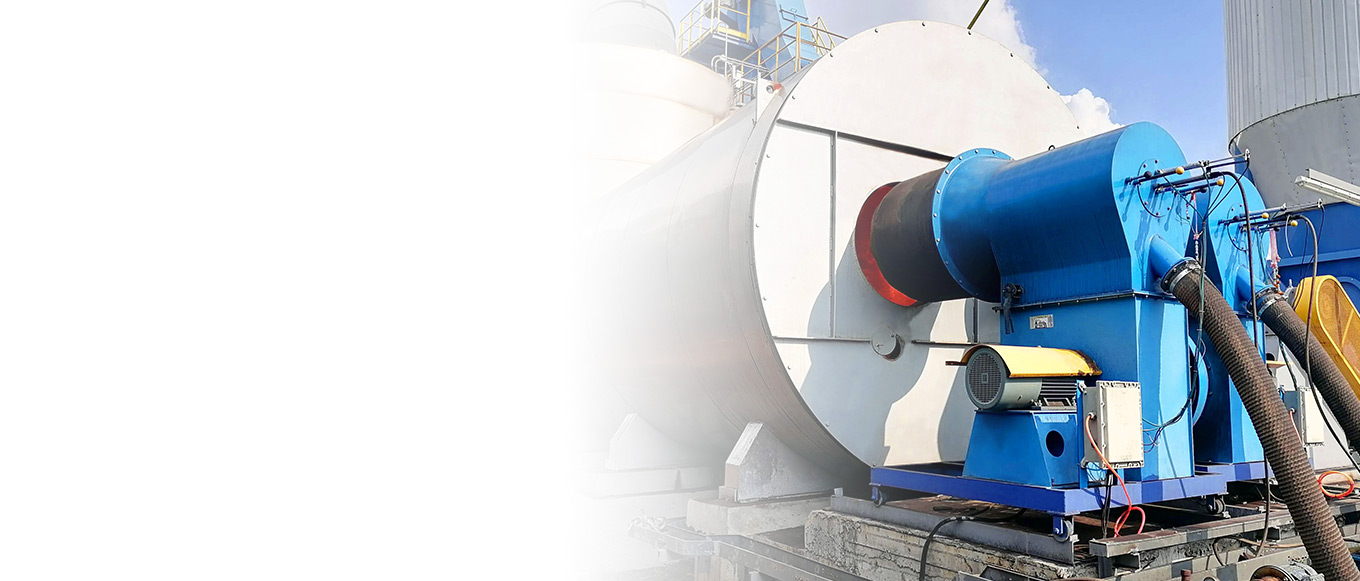
The second step involves drying and heating. The pre-screened cold aggregate is conveyed via a belt to the drying drum. This drum incorporates an energy-efficient burner capable of using various fuels, including diesel, heavy oil, or coal. High-temperature heating removes moisture from the aggregate—complete moisture elimination is crucial for ensuring proper adhesion between asphalt and aggregate, preventing issues like voids and cracking during subsequent mixing. The burner’s energy-efficient design not only reduces consumption but also ensures uniform heating of the aggregate, guaranteeing every particle reaches the preset temperature standard.
Step three involves screening and storage. The heated aggregate is conveyed via a hot elevator to a vibrating screen. This screen separates the aggregate into different specifications based on particle size, then directs each fraction to its corresponding hot storage bin. These bins feature excellent insulation to maintain aggregate temperature, preventing cooling that could compromise subsequent mixing quality. They also enable categorized storage, facilitating precise, proportional retrieval later.
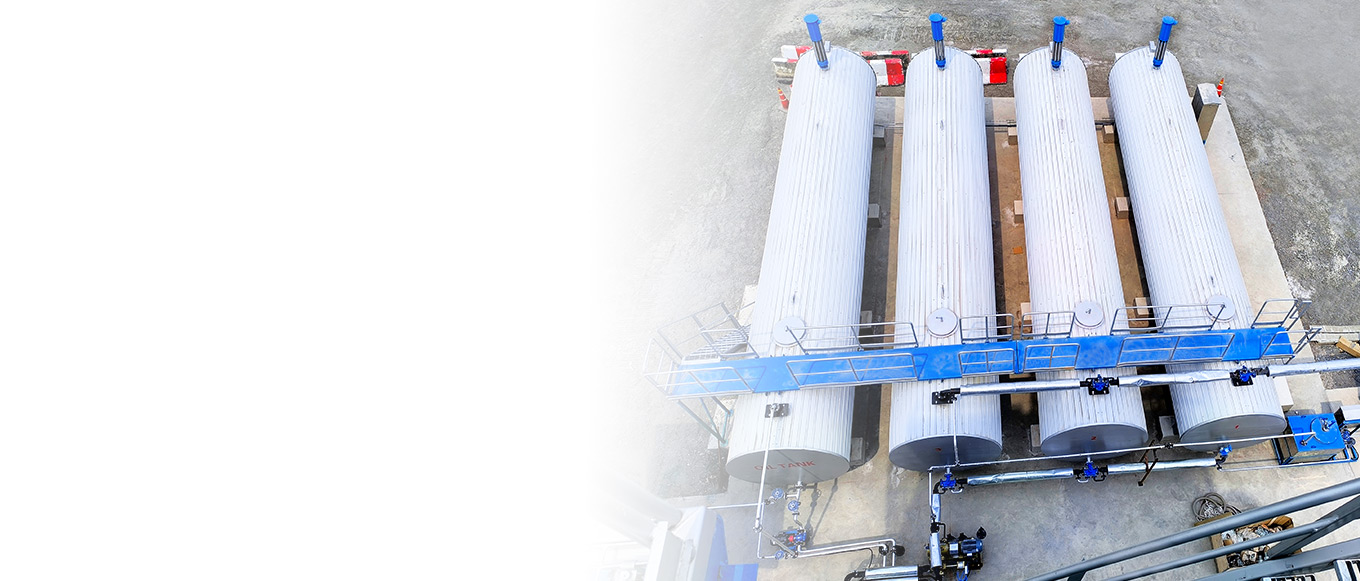
Step four: batching and mixing. This is the core process. Equipment precisely draws the specified quantities of aggregate from each hot bin according to the pre-set asphalt mix design. The aggregate is then fed into a batching hopper for accurate measurement. The hopper is equipped with a high-precision weighing device, ensuring measurement errors for aggregates, asphalt, mineral powder, and other raw materials remain within acceptable limits. After measurement, the aggregates, heated asphalt, and mineral powder are conveyed into the mixing drum. Two counter-rotating mixing arms inside the drum drive the mixing blades to thoroughly blend all materials until a uniform asphalt mixture is formed.
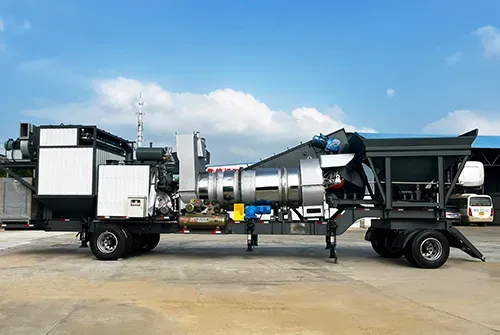
Step five involves storage and loading. The finished asphalt mixture can be directly transferred to a finished product silo for temporary storage or loaded directly into transport vehicles for rapid delivery to the paving site. This enables efficient integration of “production-transportation-paving,” shortening the project cycle.
Overall, this batch-cycle production model ensures consistent formulation, temperature, and mixing uniformity for each asphalt batch. It effectively mitigates quality fluctuations inherent in continuous production, serving as the core reason asphalt batch mixing plants guarantee stable asphalt quality.

The stable operation and high-quality output of asphalt batch mixing plants rely on the coordinated performance of core components—whose capabilities directly determine production efficiency, metering accuracy, and asphalt quality. Below are the four major core components:
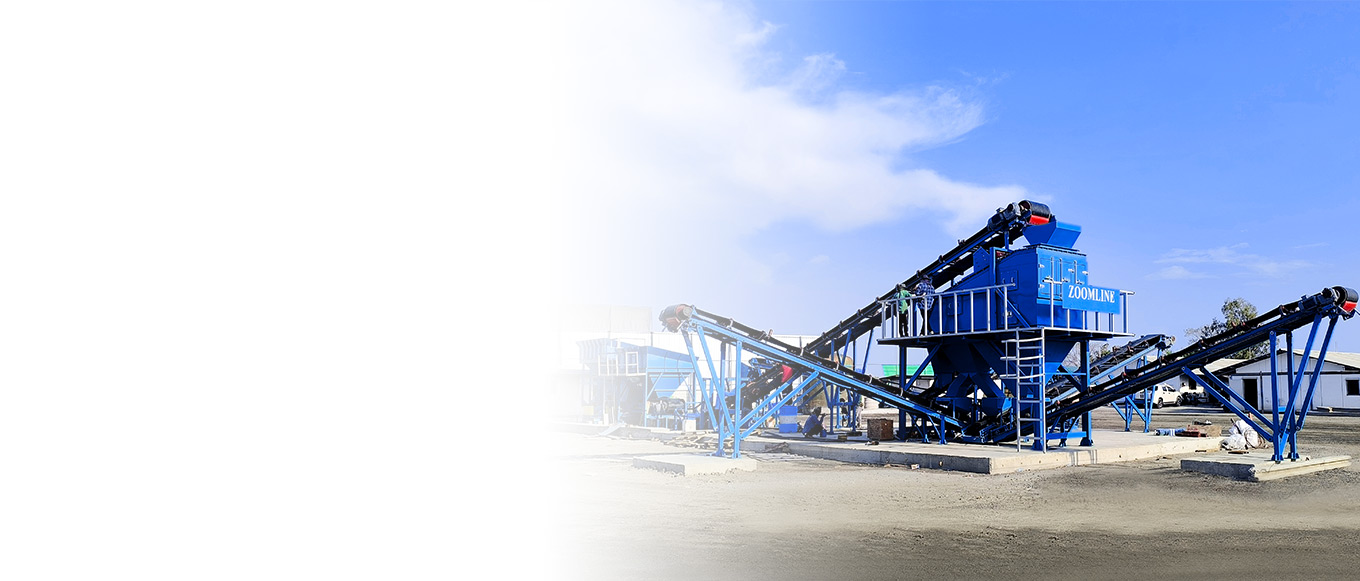
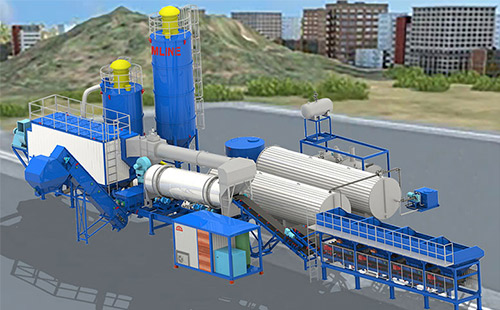
This system primarily consists of cold aggregate bins, conveyor belts, and variable-speed drive units. Its core function is to enable the graded storage and precise delivery of aggregates. During actual production, aggregates are loaded from on-site stockpiles into cold bins via loaders. Each bin corresponds to a specific aggregate grade and is equipped with an independent extraction belt, ensuring no cross-contamination during material transfer.Currently, common asphalt batch mixing plants are equipped with at least four cold aggregate bins. The number of bins can be increased to accommodate project flexibility requirements and aggregate gradation specifications, enabling production of various mix designs. The ultimate goal is to proportionally feed qualified aggregates into the drying drum, supplying suitable raw materials for subsequent drying and heating processes.
The drying drum is essentially a rotating cylinder fitted with a series of blades. These blades continuously lift and cascade the aggregate, ensuring thorough contact with the hot air generated by the burners. This facilitates drying and heating through thermal radiation. During heating, the dryer drum generates significant exhaust gases, dust, and combustion residues. These pollutants are conveyed to a baghouse dust collector for treatment. After meeting emission standards, the treated air is released into the atmosphere, ensuring environmental compliance while preventing dust pollution in the surrounding area. The rotation speed and heating temperature of the dryer drum can be adjusted according to aggregate characteristics and production requirements, ensuring uniform drying and temperature compliance.
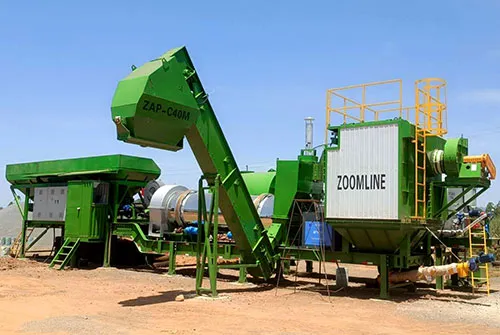
The mixing tower serves as the “core hub” of the asphalt batch mixing plants, integrating key components such as the vibrating screen, hot aggregate silo, and mixing unit. Aggregate heated by the drying drum (typically reaching 150-160°C) is conveyed via bucket elevators to the vibrating screen within the mixing tower. The screen re-grades the aggregate using different mesh sizes according to preset particle size requirements. The graded hot aggregate is then stored in 4 to 6 corresponding hot aggregate bins for temperature maintenance until metered for use. The mixing drum, situated beneath the mixing tower, consists of a hopper and two counter-rotating mixing arms. Blades on these arms thoroughly blend the metered aggregates, asphalt, and mineral powder until a uniform, fine asphalt mixture is formed. The homogeneity of this mixing directly determines the final performance of the asphalt mixture.
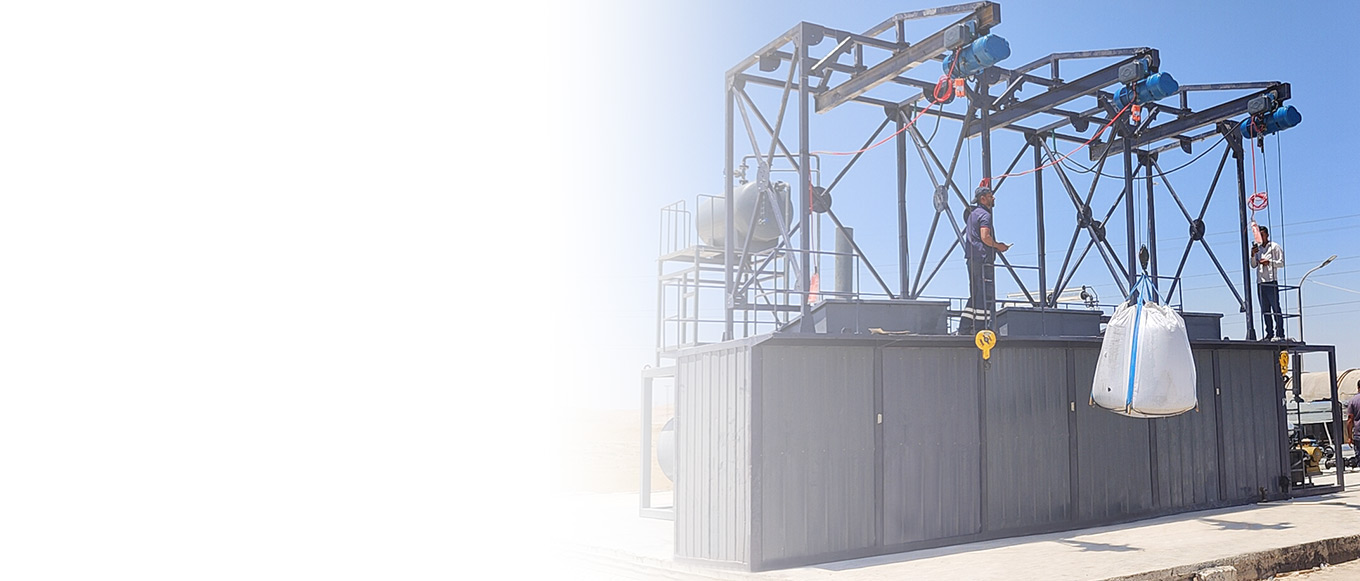
As environmental regulations become increasingly stringent, the eco-friendliness of equipment has become a key industry focus. The baghouse dust collector is the critical component enabling the asphalt batch mixing plants to achieve environmentally compliant emissions. It efficiently filters exhaust gases and dust emitted from the drying drum. Collected dust is conveyed via a screw conveyor to a buffer hopper, where it can be precisely metered and reintroduced into the mixing drum according to formula requirements, enabling dust recycling and reuse. This not only reduces pollutant emissions and saves raw material costs but also significantly enhances the adhesion between asphalt and aggregates, improving the cohesion of the asphalt mixture.

The widespread adoption of asphalt batch mixing plants in infrastructure projects stems from their ability to precisely address industry-critical challenges—such as inconsistent asphalt mix quality, inflexible formula adjustments, significant raw material waste, and environmental compliance issues. Their advantages are engineered around project requirements, ensuring construction quality while boosting production efficiency and reducing costs:
Operating on a batch production model, asphalt batch mixing plants adapt flexibly to diverse client and project specifications. Whether adjusting aggregate ratios, asphalt content, or optimizing high-temperature resistance and load-bearing performance, production parameters can be swiftly reconfigured without prolonged downtime for calibration. This advantage is particularly suited for producers serving multiple clients or undertaking diverse project types. It satisfies the unique requirements of different projects while maintaining consistently high production quality, addressing the industry pain point of “a single formula failing to accommodate multiple projects.”
Unlike continuous production equipment, asphalt batch mixing plants operate on a “one batch, one measurement; one batch, one mix” model. Each batch of asphalt mixture undergoes precise raw material metering, mixing duration, and heating temperature strictly adhering to preset standards. This eliminates issues common in continuous production, such as uneven material blending and temperature fluctuations. Additionally, the dual mixing arms and blades enhance mixture homogeneity, particularly for specialized asphalt blends, ensuring each batch meets engineering quality standards.
The asphalt batch mixing plant incorporates high-precision weighing sensors at every stage—aggregate metering, asphalt metering, and mineral powder metering—enabling exact control over each raw material’s input quantity with minimal measurement deviation. This precise measurement not only guarantees consistent asphalt mixture quality but also effectively reduces material waste—preventing over-dosing caused by measurement deviations. This lowers production costs, enhances economic efficiency, and addresses the industry pain points of “severe material waste and persistently high costs.”
Equipped with advanced baghouse dust collectors, the system efficiently filters dust and exhaust gases generated during production, ensuring emissions meet standards and complying with increasingly stringent environmental regulations. Additionally, the equipment supports integrated RAP (Recycled Asphalt Pavement) applications, enabling the recycling and reuse of waste asphalt pavement materials. This approach reduces construction waste generation while conserving asphalt raw materials, promoting green and sustainable development in the infrastructure industry.

In the asphalt mixing equipment market, asphalt batch mixing plants and continuous asphalt mixing plants represent the two most prevalent types. Significant differences exist between them in production modes, efficiency, and costs. Understanding these distinctions helps industry practitioners and purchasers select the appropriate equipment based on specific project requirements. Below is a precise comparison across key dimensions of greatest interest to purchasers, facilitating quick identification of suitable application scenarios for each type.
Asphalt batch mixing plants operate on an intermittent, batch-by-batch production model. Each production cycle has a defined start and end, producing only one batch of asphalt mix at a time. After completing a batch, the plant must halt operations to prepare and measure the next batch of raw materials.
In contrast, continuous asphalt mixing plants operate in a continuous production mode. They can feed raw materials and mix them non-stop, enabling continuous output of asphalt mix. This results in a more seamless production process.
Due to its batch-processing nature, the asphalt batch mixing plants has relatively lower production efficiency. It is better suited for projects requiring small-batch production, high asphalt quality standards, and where maximum production speed is not a priority—such as small-scale municipal roads or bridge ancillary projects. Continuous asphalt mixing plants, leveraging their continuous production advantage, offer higher efficiency and are suitable for large-scale mass production projects, such as rapid paving of long-distance highways, enabling swift fulfillment of substantial asphalt demands.
Asphalt batch mixing plants require a single, full batch of raw materials to be loaded before each production cycle begins. After that batch is completed, the next batch of materials is loaded, creating a cyclical input pattern. Continuous asphalt mixing plants, however, can continuously replenish raw materials during operation without requiring shutdowns. This enables uninterrupted material supply and reduces waiting time for material loading.
Adjusting production parameters in asphalt batch mixing plants is relatively challenging. Once a production formula is set, parameter changes require shutdown and debugging. This makes them more suitable for long-term, stable production of single or a few specific asphalt mix formulas. In contrast, continuous asphalt mixing plants allow flexible parameter adjustments during operation without prolonged shutdowns. They can rapidly adapt to different formula requirements, making them ideal for projects needing frequent formula changes.
Asphalt batch mixing plants typically feature compact equipment with lower procurement and installation costs. Their simpler structure also results in easier, more cost-effective maintenance, making them suitable for buyers with limited budgets prioritizing long-term operational efficiency. Continuous asphalt mixing plants, however, feature larger equipment footprints with higher procurement and installation costs. Their complex structures also result in greater maintenance difficulty and expense, making them suitable for buyers with ample budgets pursuing large-scale, high-efficiency production.
In summary, if a project prioritizes high-quality asphalt mix production in small batches, requires flexible adaptation to multiple mix designs, and operates within a constrained budget, an asphalt batch mixing plants is the preferred choice. Conversely, if a project demands large-scale asphalt mix production, pursues maximum production efficiency, and has ample budget, a continuous asphalt mixing plant is the recommended option.

Asphalt batch mixing plants, with their precise metering capabilities, stable quality performance, and flexible production modes, are widely used across various infrastructure industries, covering multiple distinct engineering scenarios:
In terms of application scenarios, the core field for asphalt batch mixing plants is highway construction. Whether for national/state highways, provincial roads, rural highways, or urban expressways, they deliver asphalt mixtures meeting engineering standards through consistent performance. Highways demand exceptionally high load-bearing capacity and heat resistance from asphalt. The precise metering and uniform mixing capabilities of asphalt batch mixing plants ensure pavement smoothness and durability. While rural roads and urban access roads have relatively less stringent asphalt quality requirements, the equipment’s flexibility adapts to varying mix designs across different road sections while controlling production costs.
Beyond conventional road construction, asphalt batch mixing plants are extensively used in specialized infrastructure projects, most notably airport runways and bridge pavements. Airport runways demand exceptionally stringent standards for asphalt smoothness, abrasion resistance, and high-temperature performance. Even minor quality deviations can compromise aircraft takeoff and landing safety. asphalt batch mixing plants ensure high precision and stability in runway paving by precisely controlling asphalt mix formulations and quality. Bridge paving requires asphalt mixtures with excellent adhesion and crack resistance. The customized production capabilities of these plants adapt to bridges’ unique stress demands, preventing issues like cracking and surface spalling.
Additionally, asphalt batch mixing plants are suitable for industrial zone roads, toll station paving, and parking lot surfaces. Industrial zone roads typically endure frequent heavy-duty vehicle traffic, demanding high load-bearing capacity and abrasion resistance from the asphalt. Pavements at toll stations and parking lots prioritize smoothness and slip resistance. The equipment can customize suitable asphalt mix designs for these specific requirements, delivering compliant products.

Asphalt batch mixing plants are indispensable for high-quality infrastructure projects, offering value far beyond mere asphalt production. Their significance lies in providing comprehensive assurance for construction quality, production efficiency, environmental compliance, and long-term economic viability.
Asphalt batch mixing plants tailor asphalt mix recipes to meet specific road construction requirements, ensuring optimal performance for highways, municipal roads, rural highways, and other applications. This guarantees precise alignment between the asphalt mix and project specifications.
Modern asphalt batch mixing plants are equipped with advanced dust collection systems to effectively manage dust pollution during production. They also support RAP (Recycled Asphalt Pavement) integration, enabling the reuse of discarded asphalt materials. This practice upholds green and sustainable road construction principles while meeting current environmental policy requirements.
Asphalt batch mixing plants feature fully automated control panels that minimize human operational errors. This enhances equipment safety while ensuring consistent quality output for each batch of asphalt mix, eliminating fluctuations caused by human mistakes.
The rapid processing cycle of asphalt batch mixing plants efficiently meets project asphalt supply demands, ensuring timely project completion while effectively reducing project management costs and the risk of schedule delays. Long-Term Economic Benefits High-quality asphalt output significantly extends road service life, reducing future maintenance labor, material, and financial investments, thereby further lowering overall project operating costs.

Selecting an appropriate asphalt batch mixing plant requires comprehensive consideration of project requirements, budget constraints, production scale, and other factors to achieve precise alignment between equipment performance and project needs, thereby maximizing cost-effectiveness.
First, determine the project’s anticipated asphalt output, asphalt mix formula type, and raw material ratios based on project requirements and scale. Select equipment models and specifications accordingly to avoid either insufficient capacity failing to meet project demands or excess capacity leading to resource wastage.
Second, reference the project’s production efficiency requirements. Based on the overall production cycle and asphalt supply timelines, select equipment with appropriate capacity to ensure asphalt production keeps pace with the paving schedule.
Simultaneously, raw material quality standards must be considered. For projects with stringent quality requirements, equipment with superior configuration and comprehensive technical support should be chosen to guarantee consistent asphalt mixture quality.
Regarding budget and costs, it is essential to holistically coordinate long-term expenditures such as equipment procurement costs, energy consumption costs during operation, and subsequent maintenance costs. This approach moves beyond the narrow focus on “purchase price alone” to maximize cost-effectiveness throughout the entire equipment lifecycle.
Equipment selection must also align with operational environments and site conditions. Constraints such as local climate, site size, and other factors should guide the choice of structurally suitable equipment. For instance, projects with limited space should prioritize compact, space-efficient equipment to enhance site utilization.
Additionally, technical support and after-sales service are critical considerations. Select reliable equipment suppliers and manufacturers to ensure comprehensive technical assistance and maintenance post-purchase, guaranteeing long-term stable operation.
Finally, strict compliance with local environmental regulations and policy requirements is essential. Select equipment equipped with certified environmental protection facilities capable of effectively treating exhaust gases, wastewater, and various pollutants generated during production to ensure compliant operations.

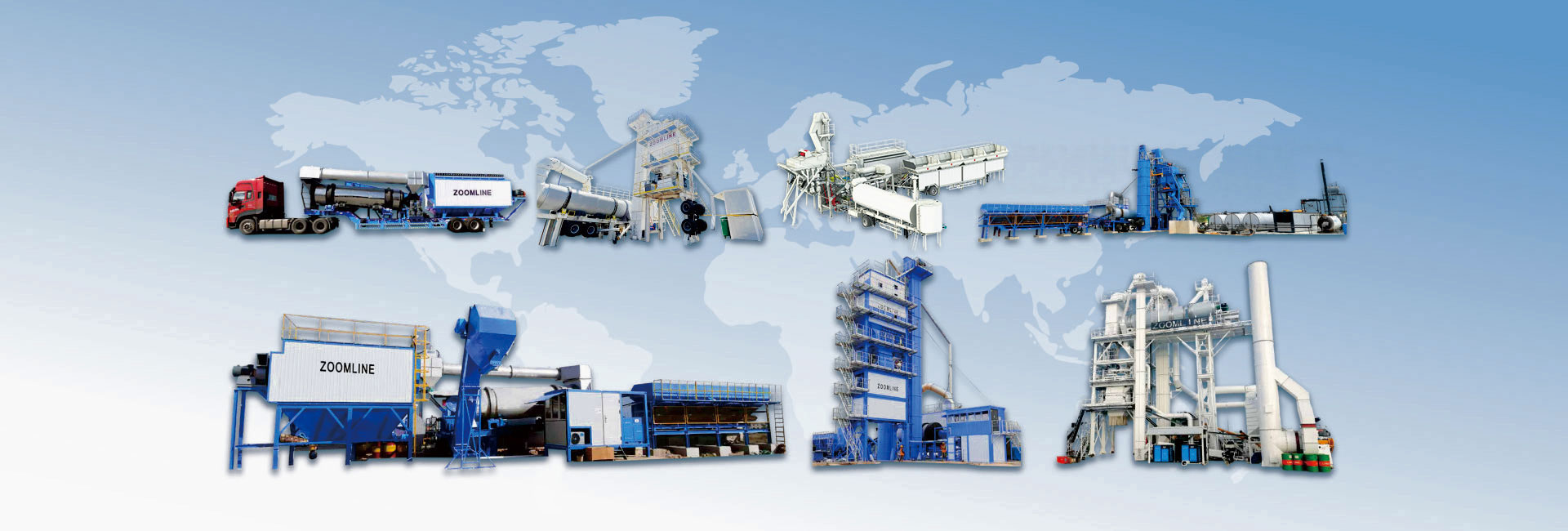
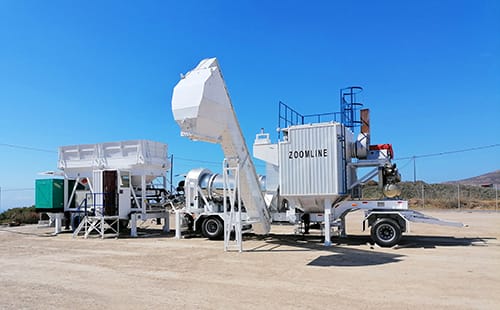
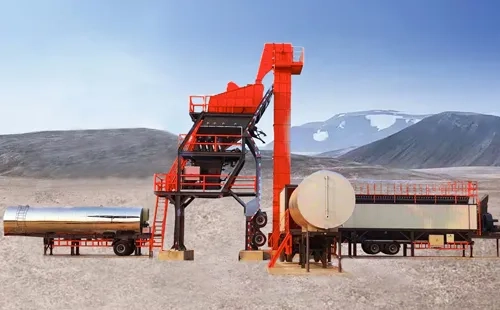
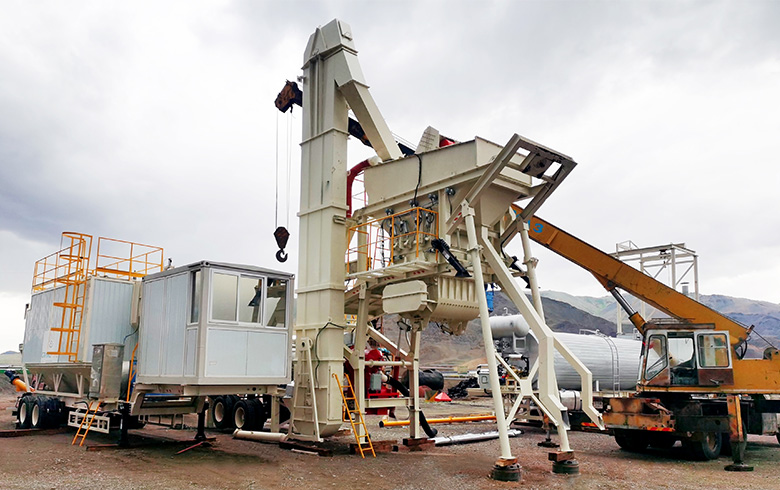
To accommodate diverse infrastructure project requirements, the ZOOMLINE brand offers multiple types of asphalt batch mixing plants, suitable for varying site conditions and production scales:
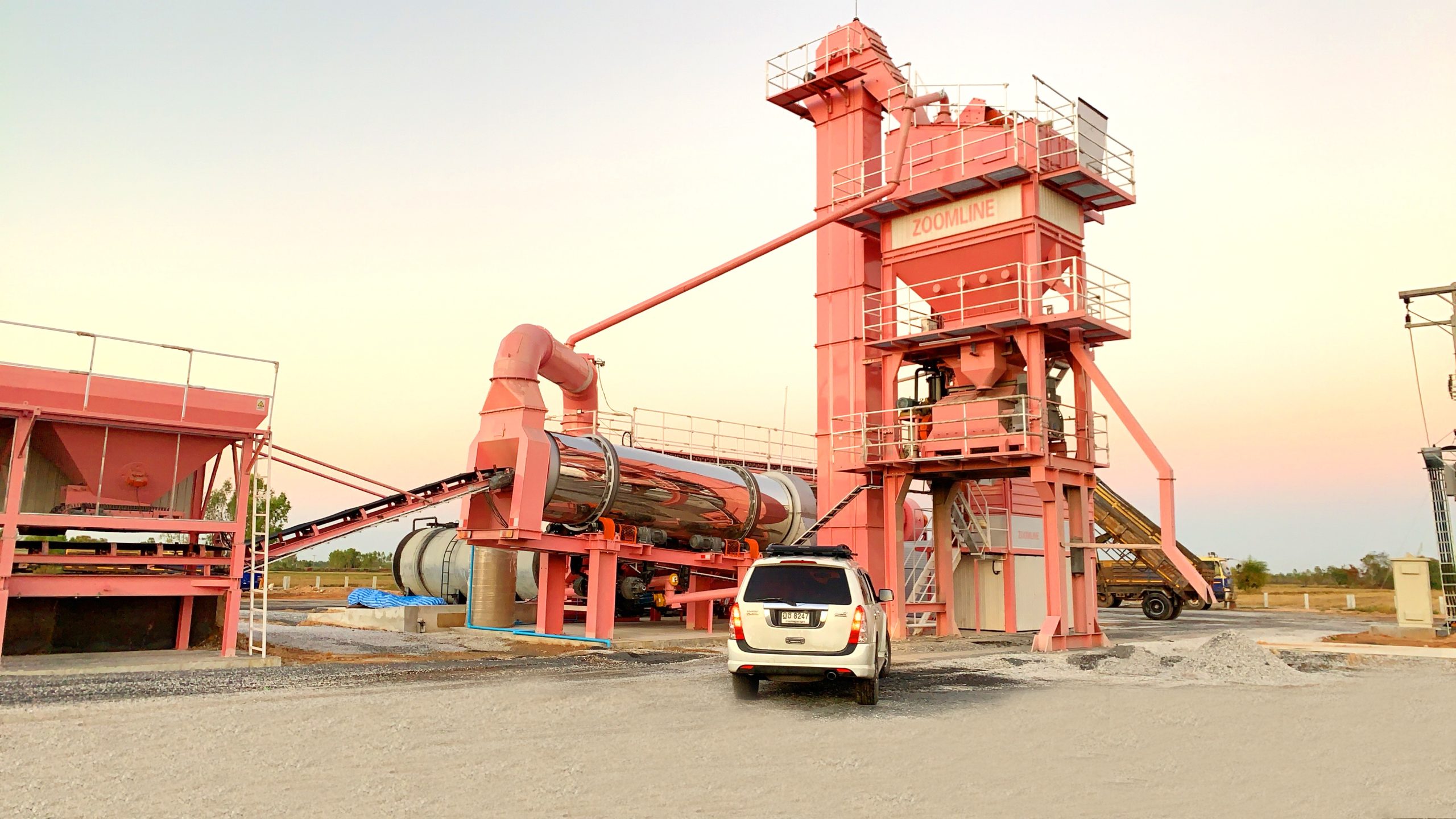
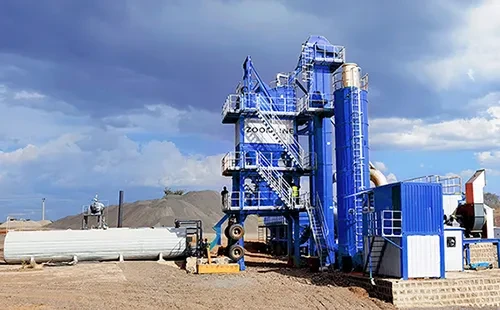
Stationary Type Asphalt Batch Mixing Plant: Primarily designed for long-term fixed sites and large-scale stable production. Featuring stable performance and ample capacity, it consistently supplies high-quality asphalt mix for major infrastructure projects.
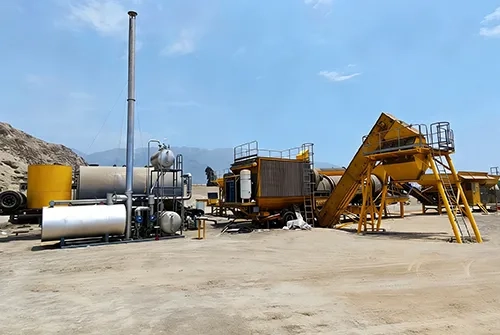
Mobile Type Asphalt Batch Mixing Plant: Designed for projects requiring frequent relocation, these units offer flexible deployment and rapid assembly/disassembly. They adapt to dispersed, multi-site construction scenarios.
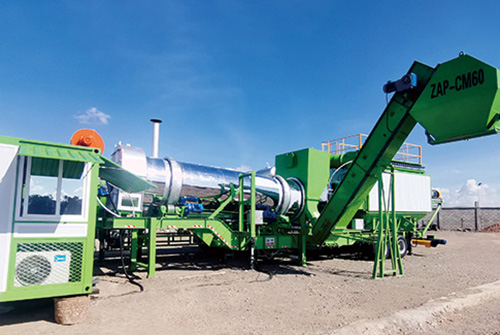
T-type Mobile Batch Mix Asphalt Plant: Enhancing mobility over standard mobile units, these compact, easy-to-deploy plants are ideal for small-scale, decentralized projects.
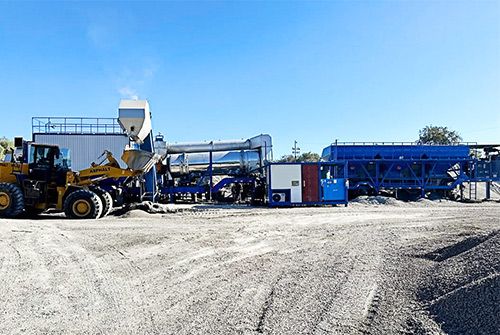
Super Mobile Batch Mix Asphalt Plant: Offers superior flexibility and adaptability, allowing flexible positioning adjustments based on site conditions to significantly boost operational efficiency and meet production demands in diverse specialized scenarios.

Long-term stable operation of asphalt batch mixing plants is crucial for ensuring continuous project progress and reducing operational costs, requiring comprehensive maintenance management.
Regular inspections and preventive maintenance form the foundation: Focus on checking wear, looseness, and operational status of core components such as burners, drying drums, mixing drums, and conveyor belts. Promptly identify potential faults to prevent minor issues from escalating into costly failures that disrupt project schedules and increase repair expenses.
Precise equipment calibration is indispensable: Regularly calibrate weighing systems to ensure accurate measurement of aggregates, asphalt, mineral powder, and other raw materials. This maintains the stability of asphalt mix formulations and guarantees consistent product quality.
Regular monitoring of fuel and energy efficiency is required: Consider installing energy-efficient burners to enhance energy utilization. Implement insulation measures for drying drums to minimize heat loss. Regularly clean filters and vents to ensure unobstructed airflow, thereby reducing energy consumption costs while aligning with green and sustainable production principles.
Operator training must be comprehensive: Implement systematic professional training to ensure operators master equipment safety protocols, troubleshooting methods for common faults, and manufacturer maintenance guidelines. This enhances operational compliance and emergency response capabilities, minimizing equipment failures and safety hazards caused by improper operation.
Core spare parts and tools require advance stockpiling: Maintain inventory of high-wear core components such as conveyor belts, agitator blades, and filters. Establish long-term partnerships with reliable equipment suppliers to ensure rapid spare part availability, minimizing equipment downtime.
Regular equipment cleaning and lubrication: Timely remove dust and debris from moving components. Apply standardized lubrication to gears, bearings, chains, and other parts to reduce friction and wear, extend equipment lifespan, and lower maintenance costs.
Leverage modern technology for precision monitoring: Utilize advanced built-in monitoring systems to track raw material consumption and output quality in real time, monitor temperature and mixing uniformity during production, and employ predictive analytics to identify potential issues early, enabling proactive and targeted maintenance.
Seasonal inspections require targeted approaches: Adjust maintenance priorities based on seasonal climate characteristics. For example, during cold seasons, focus on raw material handling to prevent freezing from disrupting production. In hot seasons, prioritize identifying cooling system hazards to prevent equipment failures due to overheating, ensuring stable year-round operation.