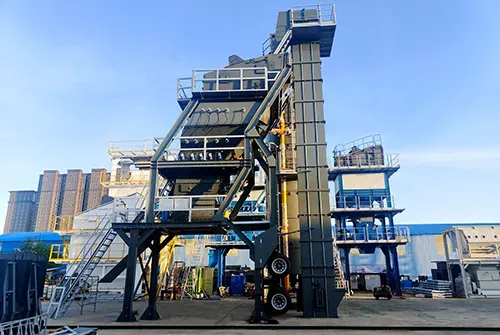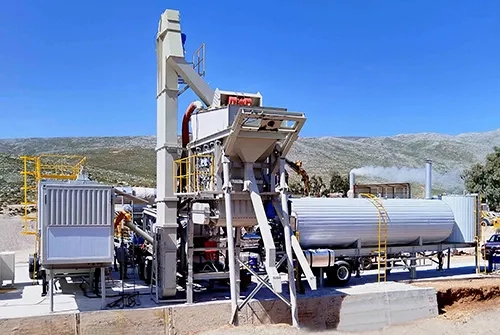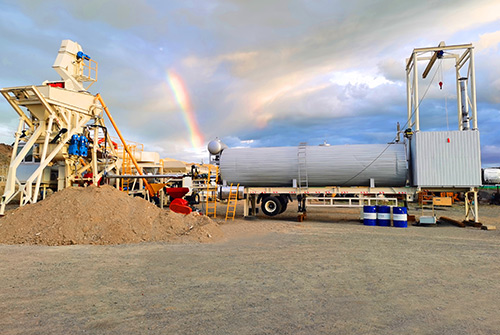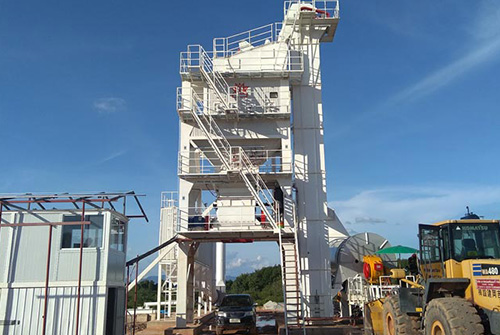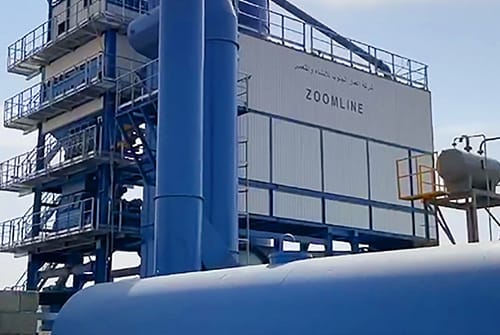

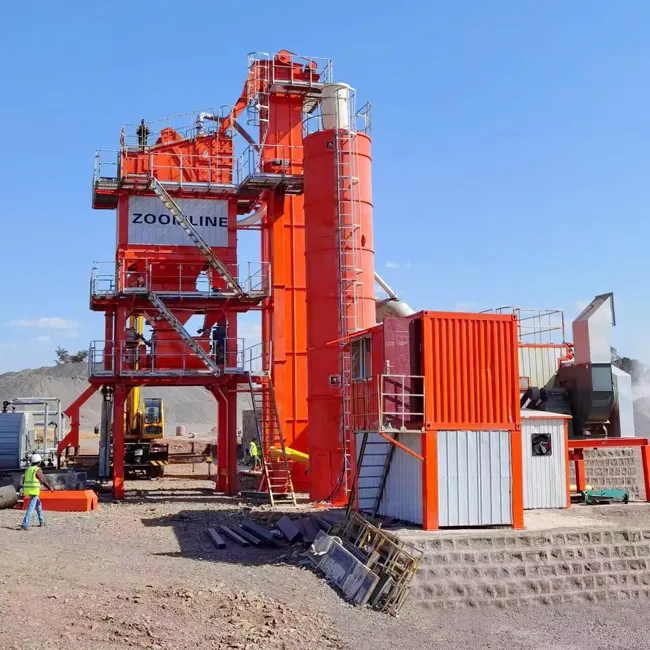


Mobile asphalt mixing plant is a kind of flexible and cost-effective asphalt aggregate production equipment, mainly used in the field of road and bridge construction. Compared with the stationary asphalt mixing plant, its core advantage lies in the convenient installation and fast dismantling, which can realize the rapid transfer between different construction sites, completely solving the problem that the fixed equipment can not be flexibly adapted to the construction of multiple sites. For construction companies, this flexibility can help them better cope with the tight construction schedule, and efficiently complete the project delivery, whether it is road construction in the city, or infrastructure construction in remote areas, mobile asphalt mixing plant can provide reliable production support to help enterprises enhance market competitiveness.
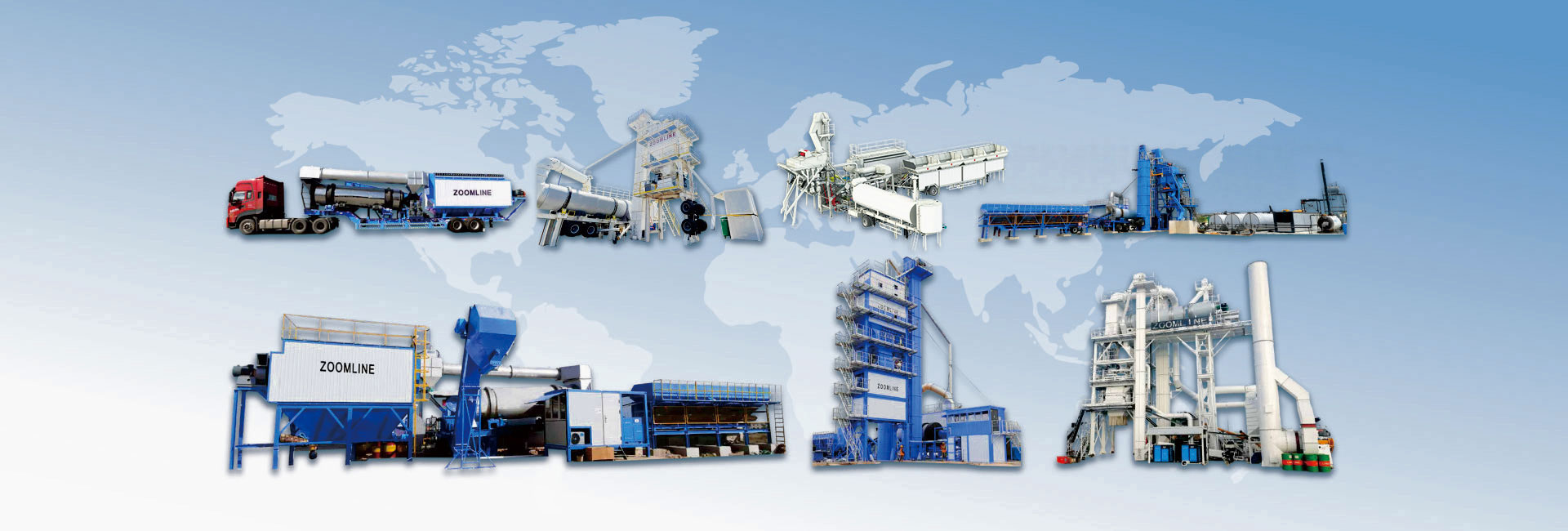
ZOOMLINE, as a professional asphalt mixing plant manufacturer, has a wealth of technical accumulation and market experience in the field of mobile asphalt mixing plant, and its products have been successfully exported to Europe, Africa, North America and other regions, and with the advanced technology optimization and reliable quality of the product, it is well recognized by the global construction enterprises. The following three hot-selling mobile asphalt mixing plants cover different production needs and are suitable for a variety of construction scenarios.
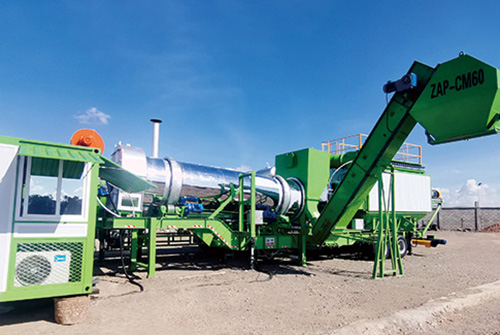
capacity range: 20~200t/h
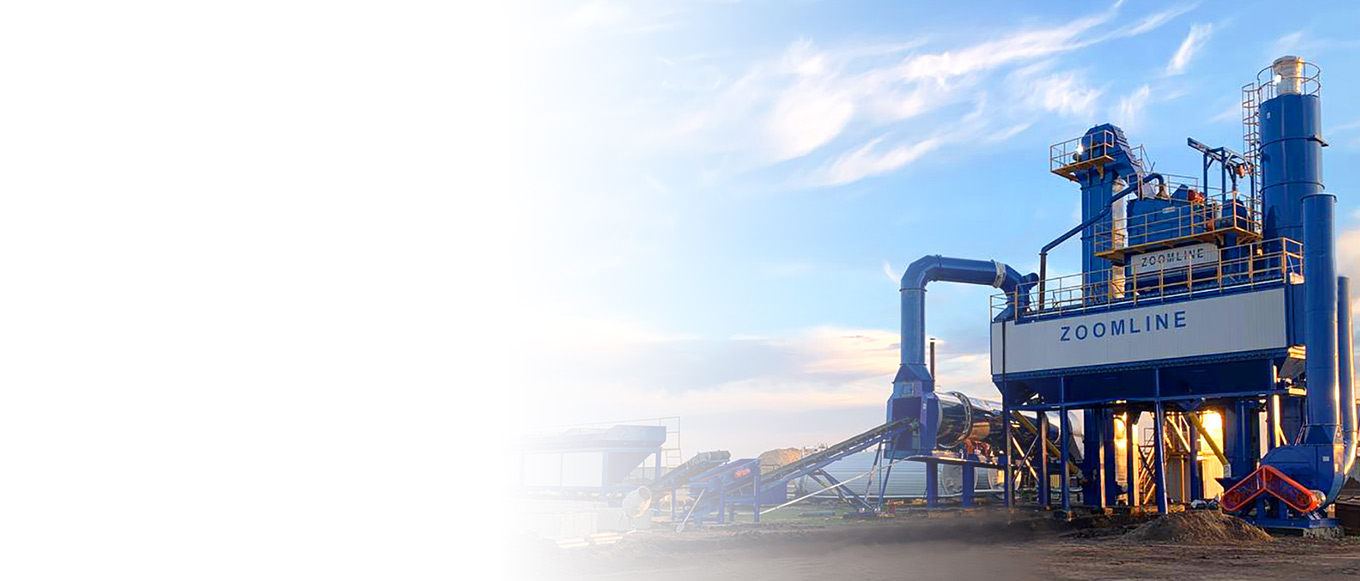
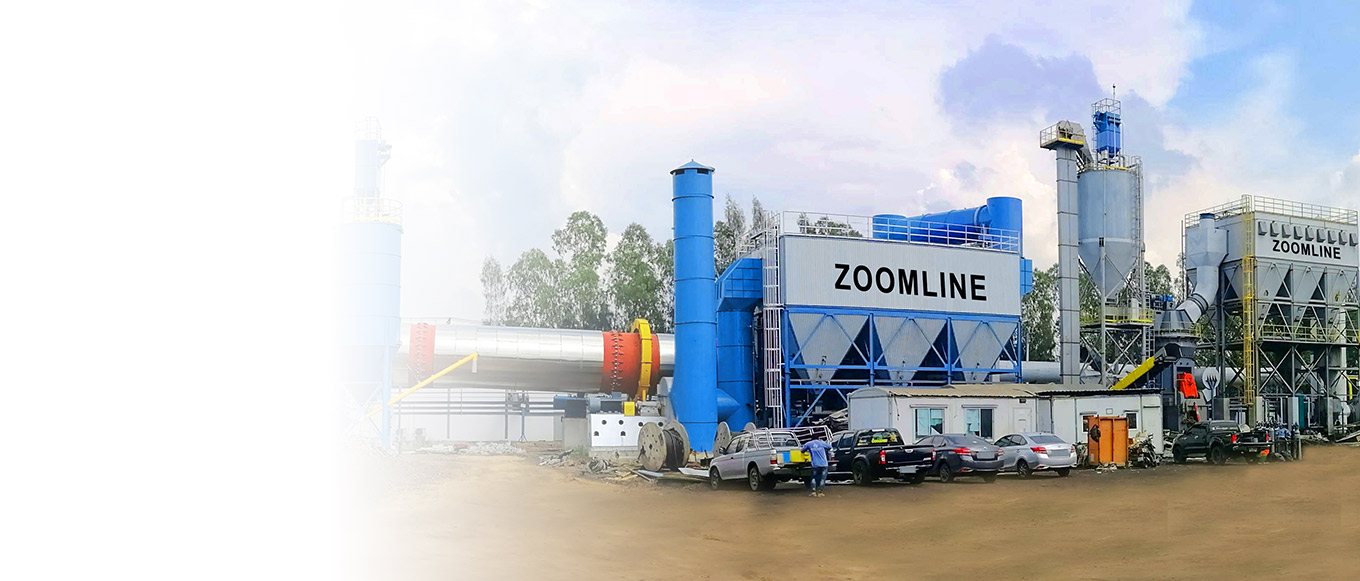
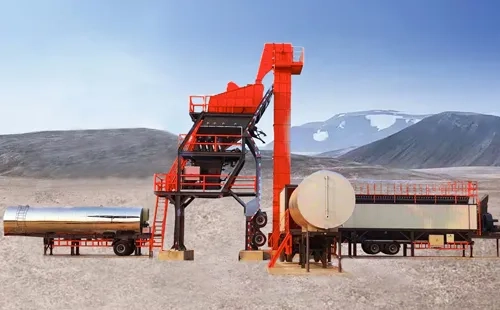
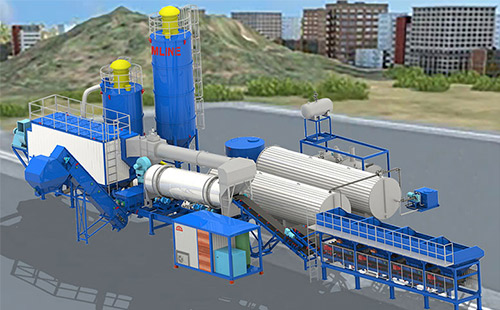
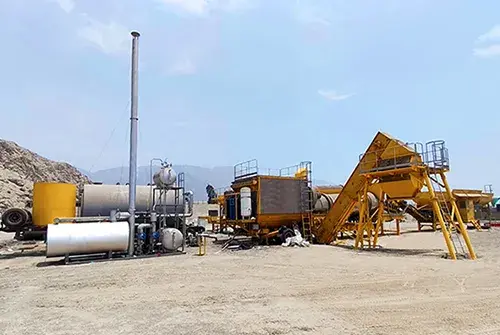
This mobile asphalt mixing equipment mainly consists of cold aggregate feeding system, drying system, elevator, oil tank, asphalt tank, bag filter and control system, which is optimized and redesigned on the basis of fixed continuous asphalt mixing plant and semi-mobile continuous asphalt mixing plant, and it has two modes of use: portable and stationary, with a wide range of applications. The scope of application is very wide.
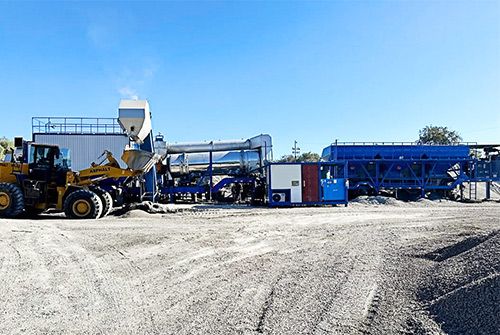
capacity range: 40-90t/h
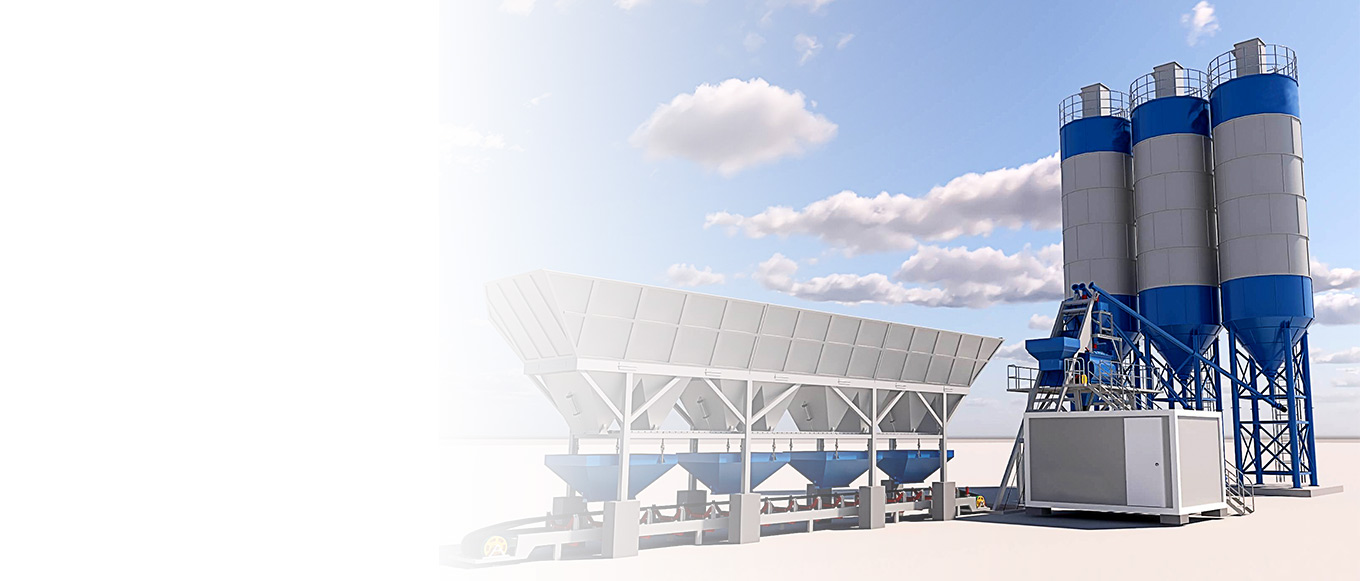
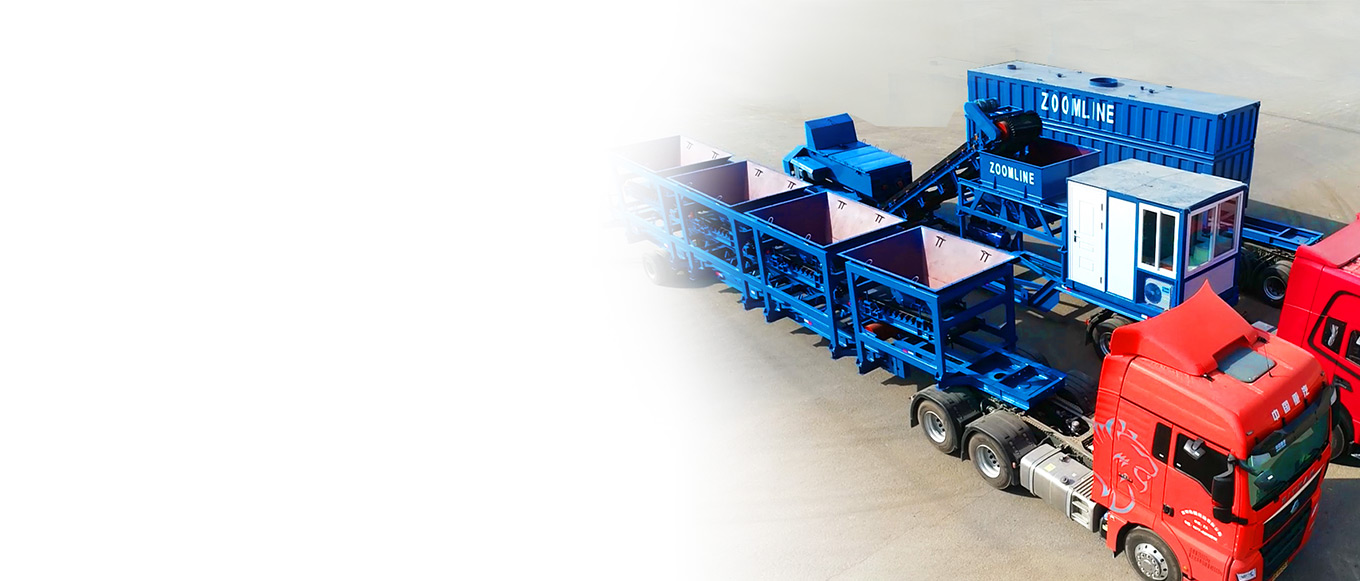
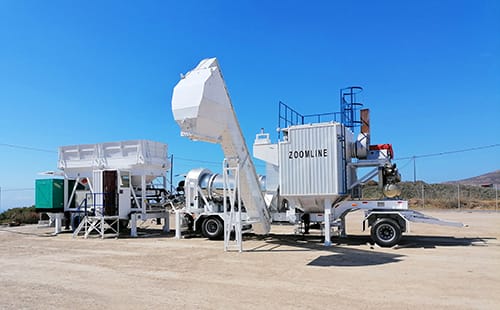
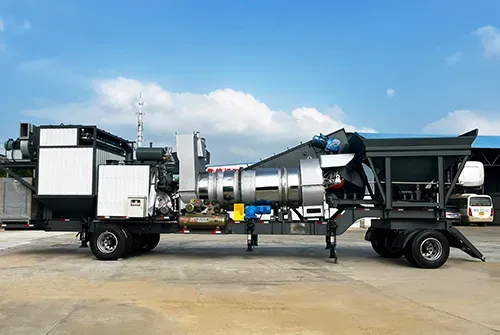
This mobile asphalt mixing plant adopts the design of semi-trailer, which is able to meet the driving safety requirements of general roads and highways, and is equipped with complete active and passive safety measures, including braking system and the whole vehicle electrical system. The equipment does not require foundation design, which greatly reduces the workload and cost of equipment foundation construction, and is very suitable for construction scenarios that require frequent relocation. The core components include cold aggregate feeding system, drying system, twin-shaft mixer, weighing system, vibrating screen, burner, dust collector and asphalt/oil tank.
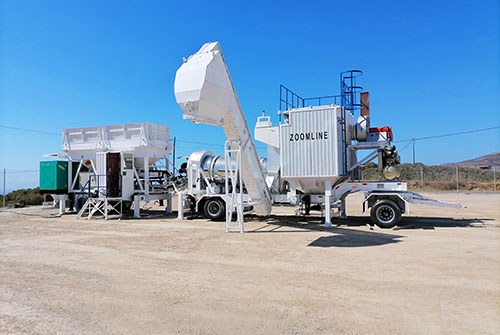
capacity range: 60-200t/h
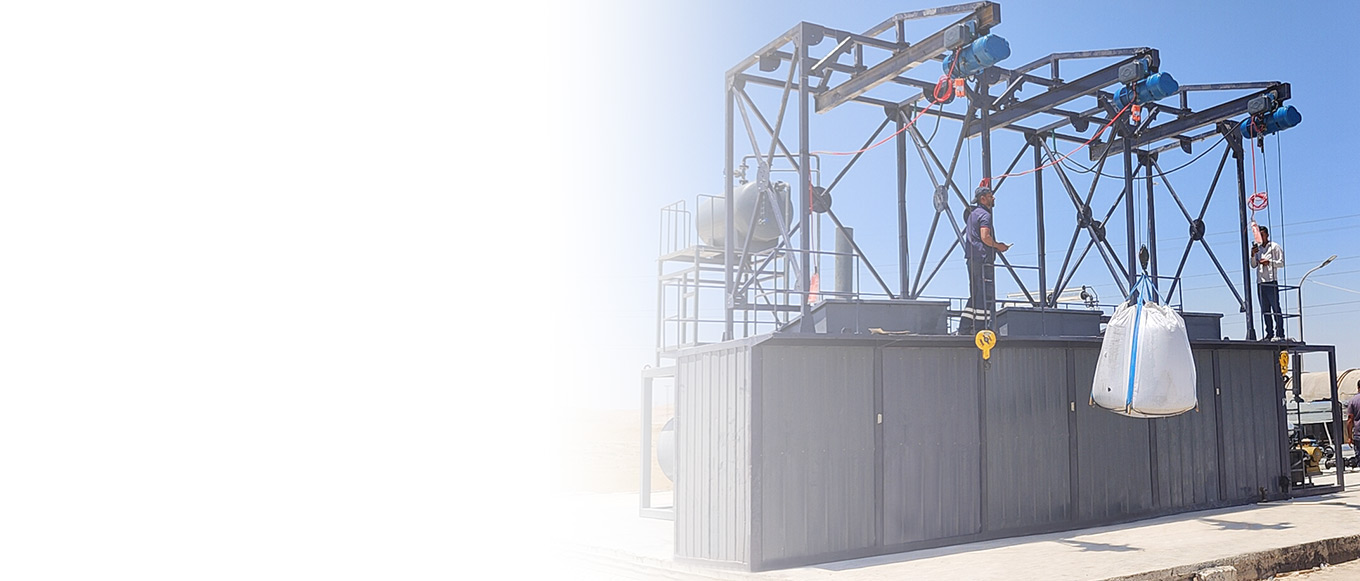
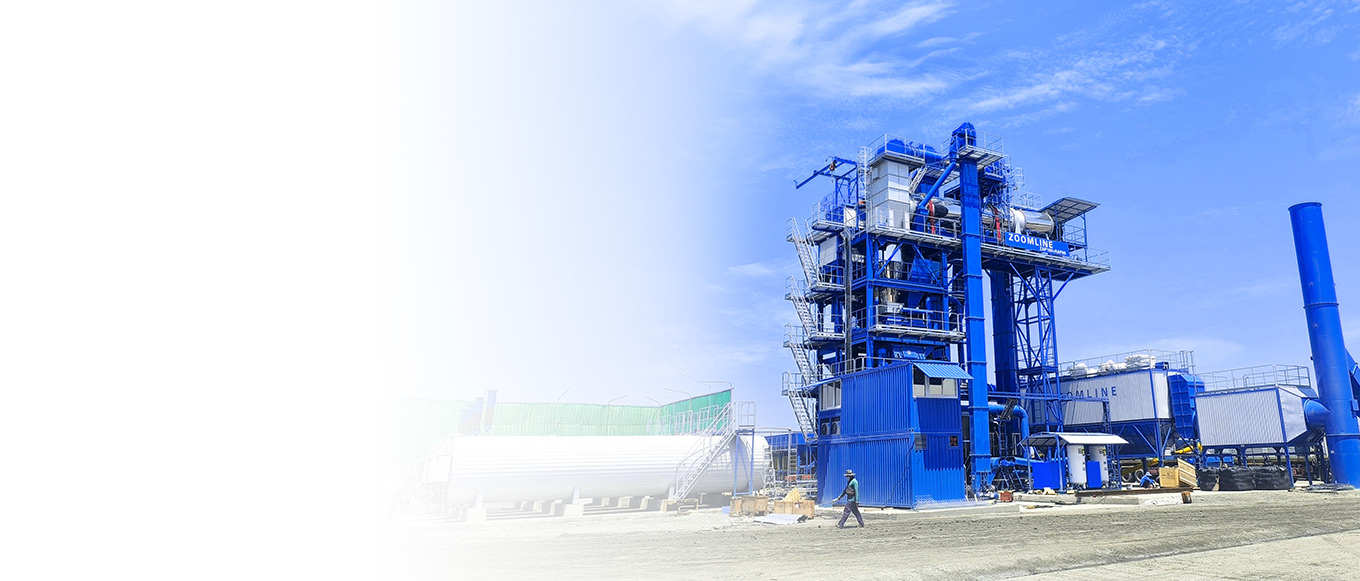
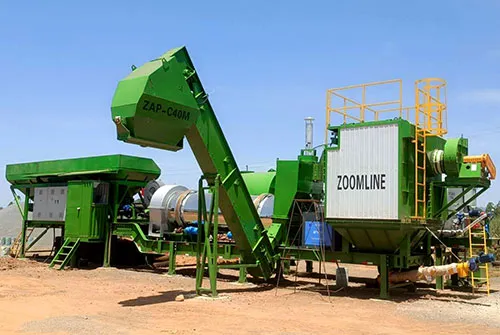
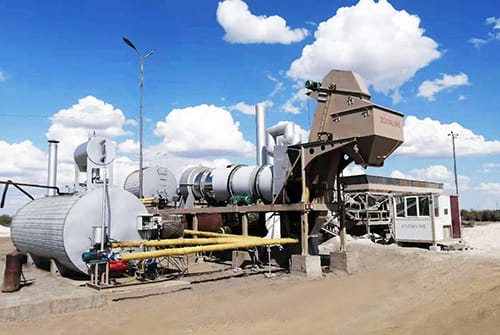
This mobile asphalt mixing plant adopts the mixer technology imported from Germany, the modular design with compact structure makes the installation, transportation and disassembly of the plant very convenient, and the units are independent of each other and can realize seamless connection, fast moving speed, which can effectively save the construction cost. Its core components include mobile cold aggregate feeding system, mobile drying drum with burner, mobile mixing tower, mobile dust collector, mobile control room, diesel fuel storage tank, mobile asphalt storage tank, filler silo and reclaimed filler silo, which are widely used in airport runway, harbor, road and bridge construction, and also ideal for emergency construction of special roads.
The efficient and stable operation of mobile asphalt mixing plant cannot be separated from the synergistic and tacit operation of the core components, each of which bears an indispensable key responsibility and each of which plays a unique role in guaranteeing the continuity and stability of asphalt production and the quality of the finished products, so as to enhance the efficiency of the construction and build a solid foundation for the quality control of the project. As an organic whole, the performance of the components to match the degree and operating status, directly determines the efficiency of asphalt mixing, quality and the overall service life of the equipment, so an in-depth understanding of the functions and advantages of the core components of the construction enterprise reasonable operation of the equipment to enhance the effectiveness of the construction of an important significance.
As the “raw material supply center” of asphalt production, the mobile cold aggregate silo integrates the cold aggregate feed hopper and aggregate conveyor on a special mobile chassis, which is compact and easy to move, and does not require additional fixed installation foundation. The equipment is equipped with high-precision frequency conversion speed control device, which can flexibly adjust the aggregate feeding speed and conveying volume according to the demand of construction production, realizing fast and accurate feeding and continuous conveying of aggregate, effectively avoiding the problems of uneven feeding and material breakage, and ensuring the smooth advancement of subsequent heating and mixing processes. At the same time, the integrated design significantly reduces the workload of component installation, improves the flexibility of equipment deployment, adapts to different sizes of construction sites, and provides stable raw material guarantee for efficient asphalt production.
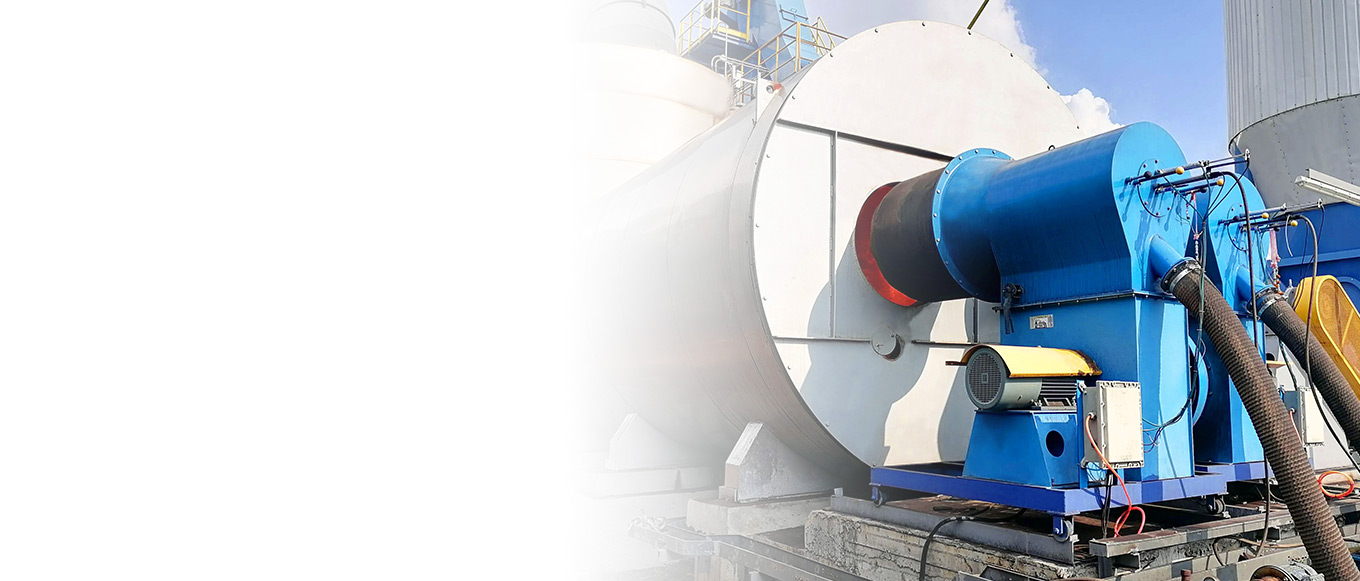
As the core link of aggregate processing, the mobile drying drum also adopts flexible mobile chassis design, which can be quickly transferred with the overall equipment without separate disassembly and transportation, especially suitable for short-term construction, multi-site construction scenarios such as rotation, and the advantage of its flexible site transfer is more prominent, which can greatly enhance the adaptability of the construction scenarios and the flexibility of construction. The component is specially used for uniform heating and drying of various types of aggregates, through the controlled combustion system to accurately regulate the drying temperature and time, effectively removing the water in the aggregate, to ensure that the moisture content of the aggregate is in line with the asphalt mixing standards for the subsequent full mixing of aggregates and asphalt to enhance the strength of the finished asphalt product to lay a solid foundation, to avoid high water content of aggregates resulting in pavement drums, cracking and other quality problems.
As the key guarantee of environmental protection production, mobile dust collector is equipped with multi-stage high-efficiency dust collector system, which can capture the dust generated during the asphalt production process (especially aggregate heating and drying), effectively purify the production environment, ensure that the dust emission meets the national environmental protection standards, and at the same time, avoid dust contamination of aggregates to ensure the quality of the finished product of asphalt up to standard. The core component of the bag filter is equipped with a professional thermal insulation layer, which can effectively isolate the external temperature influence, prevent the filter bag from condensation due to temperature changes, and prolong the service life of the filter bag; the entrance is equipped with a high-precision temperature protection device, which can monitor the temperature of the gas entering the dust collector in real time, and automatically trigger the protection mechanism when the temperature exceeds the standard, so as to avoid damage to the filter bag due to high-temperature burns. In addition, the equipment will be blower, dust collector body and filler bin integrated in the same mobile chassis, high degree of integration, occupies a small space, not only simplifies the installation process, but also saves the site resources, taking into account the environmental protection and practicality.
As the “core processing workshop” of asphalt production, the mobile mixing building consists of key components such as mixing cylinder, hot aggregate storage bin, asphalt mixer, vibrating screen, weighing scale and automation control room, etc. The components work together to realize a series of core processes such as aggregate screening, weighing and mixing. The main body of the mixing building is equipped with perfect maintenance facilities and safety protection devices, which not only facilitates the daily maintenance and repair of staff, reduces the incidence of equipment failure, but also effectively protects the operational safety of construction personnel. Adopting modularized design, each component can be quickly disassembled, assembled and transported without complicated on-site commissioning, which greatly shortens the construction preparation time and improves the equipment deployment efficiency, and at the same time, ensures that the mixing process is accurately controlled, and guarantees that the quality of each batch of asphalt products is uniform and consistent.
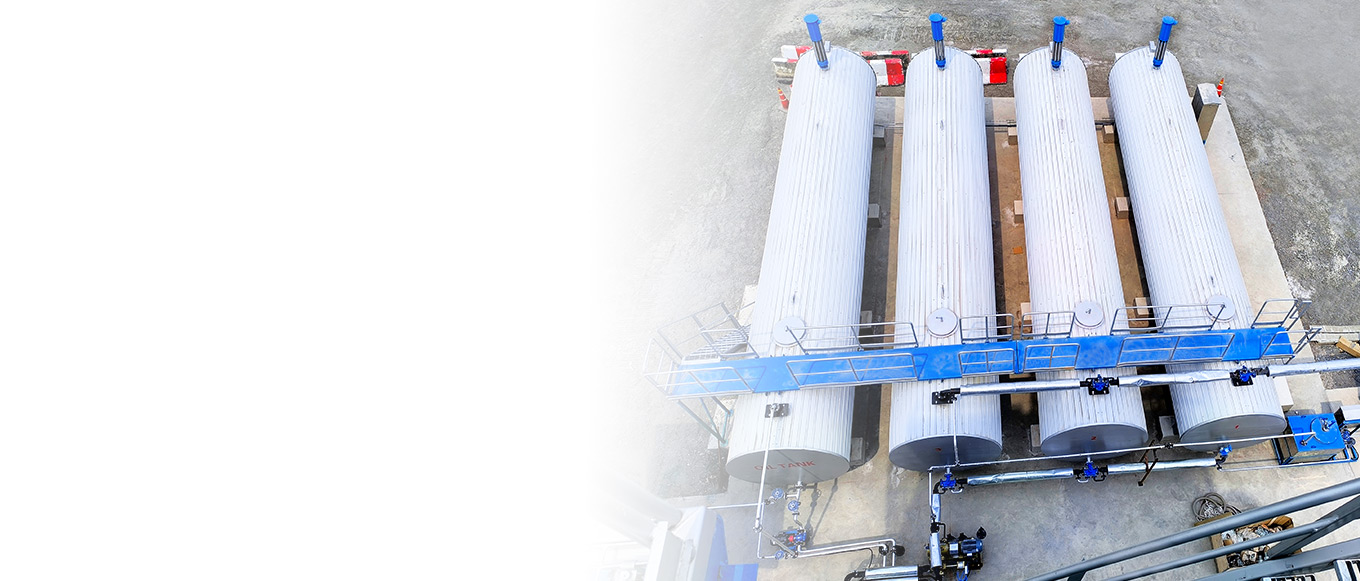
As the “storage guarantee unit” of asphalt products, the mobile hot material silo is equipped with a large-capacity finished product storage silo, which can meet the asphalt storage needs of different scales of construction, and is specially designed for storing finished asphalt products, which is convenient and efficient, and can realize the rapid access of asphalt. The silo body adopts professional thermal insulation design, which can effectively block the external heat loss, reduce the asphalt temperature loss, stabilize the asphalt temperature in a reasonable construction range, continue to protect the asphalt construction performance and quality of the finished product, to avoid paving difficulties due to the asphalt temperature is too low, insufficient adhesion and other issues. At the same time, the mobile chassis design makes the asphalt silo can be synchronized with the overall equipment transfer, without the need for separate transportation, further enhancing the overall mobility of the equipment and construction adaptability.
The working process of the mobile asphalt mixing plant is clear and orderly, logical and rigorous, the whole can be divided into five core steps, the steps are interlocked, closely linked, each link of the standardized operation of the asphalt production efficiency, quality and stability, to ensure that the final output of the asphalt mixture in line with the standards of the road construction, providing a solid guarantee of the quality of the project. Unlike the complex process of fixed asphalt mixing plant, the working link of mobile plant has been optimized and designed, which not only retains the core production process, but also takes into account the flexibility and high efficiency to meet the actual needs of site construction.
As the initial step of asphalt production, the core of this step is to ensure the continuity and accuracy of raw material supply. Aggregates such as crushed stone used in construction are first deposited into the silo of the cold aggregate supply system, and then smoothly transported to the drying drum through the inclined belt conveyor. The inclined design not only effectively avoids the accumulation and jamming of aggregates in the conveying process, but also improves the conveying efficiency with the aid of gravity to ensure that the aggregates can smoothly and efficiently enter the subsequent heating system, which lays a stable raw material foundation for the whole production process and also reduces the loss of aggregates and production costs.
This is a key link in determining the quality of aggregate, which directly affects the mixing effect of subsequent asphalt and aggregate. Inside the drying drum, there is a controllable combustion system, which can accurately regulate the heating temperature and heating time according to the moisture content and type of aggregate to realize the uniform heating of the aggregate. During the heating process, the drum continues to rotate, so that the aggregate is in full contact with the heat source, on the one hand, the aggregate is heated to a temperature that meets the mixing requirements, and on the other hand, the water contained in the aggregate is completely removed, so as to ensure that the moisture content of the aggregate is controlled within the standard range. This link can effectively avoid the high water content of the aggregate, resulting in subsequent asphalt mixture bulging, cracking, insufficient adhesion and other quality problems, laying a solid foundation for the subsequent mixing process.
After heating and drying the aggregate, it needs to be graded first to meet the production requirements of different specifications of asphalt mixture. The heated aggregates are transported to the screening system through the lifting equipment, and the vibrating screen in the screening system will screen the aggregates according to the preset size standard, differentiate the aggregates with different particle sizes, and deposit them into the corresponding hot aggregate bin. Before the aggregate enters the mixing drum, it will be weighed by accurate weighing equipment to ensure that the dosage of each batch of aggregate is accurately controllable, so as to avoid affecting the strength and durability of the asphalt mixture due to the imbalance of the aggregate ratio. Meanwhile, the heat preservation design of the hot aggregate silo also maintains the temperature of the aggregate, preventing the temperature from dropping and affecting the quality of the subsequent mixing.
In the process of heating and drying of aggregates, a certain amount of dust will be generated, which, if not handled in a timely manner, will not only pollute the environment and affect the health of construction workers, but may also contaminate the aggregates and reduce the quality of the finished asphalt product. Therefore, the dust removal system of the mobile asphalt mixing plant will be synchronized to capture the dust generated during the production process, and then collect it and deposit it into the recycling bin to achieve the recycling of dust, which is in line with the requirements of environmental protection and construction, and also saves the cost of materials. At the same time, the mineral powder will be stored separately in a special silo, to be used and recycled dust mixed in proportion, after accurate weighing added to the mixing drum, and aggregates, asphalt mixed together, to further enhance the asphalt mixture of the bonding properties and overall strength.
As the core of the whole production process, this step directly determines the final quality of the asphalt mixture. The asphalt will be sent into the heated holding tank through a special pump, and the holding device in the tank will stabilize the temperature of the asphalt within a reasonable mixing range to ensure that the asphalt has good fluidity and adhesion. Subsequently, the accurately weighed asphalt will be sent to the mixing drum, and the previously prepared aggregates, mixing powder fully mixed, mixing drum continues to rotate at high speed, so that the materials are uniformly fused to form a consistent quality of asphalt mixture. After mixing, the finished asphalt will be sent to the heated warehouse for temporary storage, or directly transferred to the heated tanker trucks, quickly transported to the paving site, to avoid the asphalt temperature drop affecting the construction effect, realizing the “on-site production, instant paving” mode of efficient construction.
In the road and bridge construction industry is increasingly competitive now, construction enterprises on the efficiency of equipment, economy, flexibility requirements continue to improve, mobile asphalt mixing plant to stand out as the preferred equipment for many construction enterprises, the core lies in its ability to accurately hit the traditional fixed asphalt mixing plant’s core pain points, break the construction bottleneck, and bring significant construction efficiency, cost savings and optimize the overall benefits of enterprises to help enterprises to dominate the fierce market competition. It brings significant improvement in construction efficiency, cost savings and optimization of comprehensive benefits, adapts to the diversified needs of modern construction in all aspects, and helps enterprises to dominate in the fierce competition in the market.
This is the most prominent core advantage of the mobile asphalt mixing plant, which completely solves the fatal shortcoming of the traditional stationary equipment, which is “stationary”. In the traditional construction mode, asphalt needs to be produced from a centralized fixed mixing plant, through the special insulation tanker long-distance transportation to the construction site, will not only produce high transportation costs, fuel consumption, but also prone to asphalt temperature loss, mixture segregation and other issues, seriously affecting the construction quality and efficiency, especially in remote areas or poorly connected construction sites, the transportation of materials is even more difficult. The mobile asphalt mixing plant can realize “on-site production, instant paving”, without the need for long-distance transport of hot mix asphalt, significantly reducing the complexity of logistics and transportation, saving the cost of transportation and time costs. At the same time, the equipment adopts modular design and mobile chassis, which can be quickly disassembled, transported and redeployed, and can be flexibly adapted to various types of construction scenarios such as urban roads, remote mountainous areas, and rural highways, and can be quickly put into place and put into production regardless of whether the site is remote or dispersed, completely solving the problem of material transportation in remote sites, and enhancing the flexibility and convenience of construction.
It dramatically shortens the construction preparation cycle, and snatches the first opportunity for the project to move forward efficiently. Traditional stationary asphalt mixing plant installation requires cumbersome preparatory work, not only to pour special foundations, but also to carry out complex component installation and commissioning, it often takes days or even weeks to complete the construction and put into operation, which seriously slows down the construction progress, especially for projects with tight schedules and the need for rapid start-up, this long construction process will become a construction obstacle. The optimized design of the mobile asphalt mixing plant greatly simplifies the installation process and requires very little site preparation, without the need to pour complex foundations, only a simple site leveling can be carried out to build the work. Relying on the advantages of modular assembly, the construction personnel can quickly complete the docking and commissioning of the components, usually only a few hours to complete all the installation work and commissioning to the operational state, effectively saving a lot of construction preparation time to speed up the construction progress, to ensure that the project can be started on time, on schedule delivery, especially for emergency repair, short-term temporary construction and other strict requirements for the duration of the scene.
The mobile asphalt mixing plant reduces comprehensive inputs for construction companies from the perspective of long-term operation and improves project profitability. For construction companies, cost control is the key to enhance core competitiveness, and mobile asphalt mixing plant in the cost savings outstanding performance, the formation of a “low pre-investment, less loss in the latter part of the double advantage. Compared with the fixed asphalt mixing plant, the initial investment of the mobile plant is lower, without the need to invest a large amount of money for foundation pouring, fixed site construction and installation of large components, which greatly reduces the pressure on the enterprise’s initial capital. At the same time, for enterprises that need to rotate the construction of multiple sites, there is no need to invest in the construction of a number of fixed mixing plant, only one or several mobile equipment to meet the construction needs of different sites, further saving the cost of equipment investment. In addition, asphalt can be produced directly at the construction site, avoiding asphalt loss, temperature loss and transportation costs during long-distance transportation, long-term use can save a lot of operating costs for the enterprise, and significantly increase the profitability of the project, especially suitable for small and medium-sized construction enterprises and multi-site construction projects.
It fits the current industry trend of green construction and low-carbon development, and helps enterprises realize sustainable development. With the continuous tightening of national environmental protection policies, the construction industry is increasingly stringent requirements for environmental protection construction, traditional asphalt mixing plant production process dust, exhaust and other pollutants, easy to face environmental penalties, affecting the normal construction of the project. Modern mobile asphalt mixing plant in the beginning of the design focus on environmental performance, are equipped with advanced multi-stage dust removal system (such as bag filter) and efficient combustion technology, can capture all aspects of the dust generated in the production process, effective control of dust emissions, to avoid dust pollution of the environment, affecting the health of the construction workers; high-efficiency combustion technology can be fully combusted fuel to reduce emissions, reduce the pollution of air to ensure that equipment operation in line with national and local requirements for environmentally friendly construction, to ensure that equipment operation is in line with the national and local requirements for environmentally friendly construction, to ensure that equipment operation is in line with the national and local standards. Ensure that the operation of the equipment meets the national and local environmental protection construction standards. At the same time, the dust recycling design not only reduces the emission of pollutants, but also saves the cost of materials, realizing the double enhancement of environmental protection and efficiency, helping construction companies to build green construction projects, enhance the corporate brand image and achieve sustainable development.
Whether to choose mobile or stationary asphalt mixing plant, the core depends on the specific needs of the construction project. There are significant differences between the two in mobility, cost investment, production capacity and application scenarios and other core dimensions, a clear grasp of these differences can help construction companies combine their own project characteristics, to make a more scientific and reasonable equipment selection decisions, to avoid inefficiency and cost waste due to mismatch between the equipment and the project demand.
Mobile asphalt mixing plant by virtue of modular design and mobile chassis advantages, mobility is very strong, easy to transport and quickly set up, can flexibly realize the rapid transfer between multiple construction sites, especially suitable for the need for frequent relocation of the construction scenarios; at the same time, its set up and dismantling process is simple and fast, can significantly save manpower and time costs. In contrast, the fixed asphalt mixing plant is fixed at a single site, which is extremely difficult to move, and the erection and dismantling process is cumbersome and time-consuming, which is more suitable for long-term construction projects carried out at a fixed site, and it is difficult to meet the needs of multi-site construction rotation.
Mobile asphalt mixing plant initial investment is relatively low, without the need to invest a lot of money for foundation pouring, fixed site construction and complex installation of large components, significantly reducing the pressure on the enterprise’s initial capital; at the same time, its on-site production of asphalt characteristics, can reduce the asphalt long-distance transportation costs, long-term operation can be achieved to achieve sustained cost savings, especially suitable for small and medium-sized construction enterprises. Fixed asphalt mixing plant, the initial investment is higher, the equipment is large, complex structure, the construction and installation costs are not expensive, but with the advantages of large-scale continuous production, through the scale effect to reduce unit production costs, more suitable for long-term large-scale projects, asphalt production demand for stable enterprises.
Mobile asphalt mixing plant capacity is moderate, production flexibility is very strong, according to the project construction progress and demand, flexible adjustment of production capacity, without excessive investment in production capacity reserves, mainly to meet the small and medium-sized construction projects of asphalt production needs. Fixed asphalt mixing plant focuses on high capacity output, can realize 24-hour continuous uninterrupted production, production capacity far exceeds the mobile equipment, can efficiently meet the large-scale infrastructure projects (such as large highways, urban expressway) large-scale asphalt supply needs, to ensure that the project construction progress is not restricted by the supply of materials.
Mobile asphalt mixing plant has an extremely wide range of applications. With its mobility and convenience, it can be flexibly adapted to road construction, daily maintenance of highways, emergency repair of roads, construction in remote areas, and all kinds of temporary construction projects, and can quickly respond to the construction needs of different scenarios and solve the asphalt supply problems in remote or temporary sites. Fixed asphalt mixing plant is more suitable for long-term, fixed large-scale infrastructure projects, such as highways, airport runways, urban arterial roads, etc., the ability to continuously and stably output high-quality asphalt to meet the project long-term, large-scale production needs, to ensure the stability of the quality of the project.
With its flexibility and efficiency, mobile asphalt mixing plant is widely used in all kinds of road-related construction projects, and can accurately adapt to the construction needs of different scenarios, to ensure the efficient progress of the project.
In road construction projects, mobile asphalt mixing plant can produce asphalt directly at the construction site, realizing continuous supply of asphalt, significantly reducing logistics costs, and at the same time guaranteeing that the asphalt temperature meets the construction requirements to ensure the compactness and durability of the road pavement.
In highway maintenance projects, whether it is for pothole repair, pavement renovation or pavement paving, mobile asphalt mixing plant can be deployed quickly to produce asphalt on-site to provide continuous material support for the maintenance construction. In road maintenance projects, whether it is pothole repair or paving, mobile asphalt mixing plant can be quickly deployed to produce asphalt on-site, providing continuous material support for maintenance construction, reducing construction downtime and improving maintenance efficiency.
In emergency repair projects, mobile asphalt mixing plant’s rapid deployment ability is highlighted, and it can be set up and produced in a short period of time, providing asphalt material in time to quickly complete the repair of the road and minimize the impact of traffic disruption.
In remote areas or temporary construction projects, mobile asphalt mixing plant can be easily transported to the construction site to ensure that it can be easily transported to the site. In remote areas or temporary construction projects, mobile asphalt mixing plant can be easily transported to the construction site, without relying on external asphalt suppliers, on-site production to meet the construction needs, while protecting the quality of asphalt to ensure the quality of construction.
Mobile asphalt mixing plant in the beginning of the design has fully considered the diversity and limitations of the construction site, the use of integrated and compact structural design, through the optimization of the component layout, integration of the core functional modules, to maximize the compression of the overall footprint of the equipment, compared with the traditional stationary asphalt mixing plant, the utilization of its space has increased dramatically, and can be flexibly adapted to a variety of construction sites, whether it is urban road reconstruction of closed construction areas, construction zones, dense construction areas and other spaces. Whether it is a closed construction area in the urban road reconstruction, construction of dense areas and other space-limited scenarios, or rural highways, remote mountainous areas and other complex site conditions, can be smoothly deployed and installed without taking up too much space resources, effectively solving the pain point of the construction site tension.
However, it should be noted that the specific site occupancy requirements are not fixed, according to the production capacity of the equipment, component configuration and there is a certain difference – higher capacity, more comprehensive component configuration of the mobile asphalt mixing plant, due to the core components of the volume of a slightly larger, the required installation and operation space will be a relative increase; and small, Simple mobile equipment, space requirements are more flexible.
Therefore, before the construction of the equipment, the construction team needs to conduct a comprehensive assessment of the construction site in advance, focusing on the verification of the rationality of the site layout and accessibility of the traffic, to ensure that the site can accommodate all components of the equipment installation, commissioning and subsequent normal operation, to avoid the lack of space resulting in the equipment can not be deployed properly or inconvenient operation. At the same time, in the planning of the layout of the site, need to reasonably set aside between the components of the equipment placed between the spacing, not only to ensure that the components of the smooth connection, does not affect the normal operation of the equipment, but also to set aside enough material stacking area (for the storage of aggregates, asphalt, mineral powder, and other raw materials), vehicle access (to facilitate the transportation of raw materials, finished asphalt tanker trucks to enter and exit), as well as safe operation of the area, the delineation of the safety warning line, avoiding the construction personnel and equipment, vehicle collisions. Construction workers collide with equipment and vehicles to ensure construction safety and productivity. In addition, the calibration of equipment components is also critical, and site space planning synchronization, after the installation of equipment in place, the need for cold aggregate feeding system, weighing equipment, mixing drums, dust removal systems and other core components for accurate calibration to ensure that the operating parameters of the components in line with the production standards, only calibrated in place in order to ensure the uniformity of the asphalt mixing, raw material ratios of the accuracy of the avoidance of deviations due to components Only with the calibration in place can we guarantee the uniformity of asphalt mixing and the accuracy of raw material proportioning, avoiding the deviation of components from affecting the quality of asphalt products, and laying the foundation for the subsequent high-efficient and high-quality production.
Mobile asphalt mixing plant construction time is not fixed, but by multiple factors, the core of the two main factors is the specific model of the equipment and the full extent of the preparatory work in advance, different scenarios will show a reasonable difference in the construction time, the overall follow the “more complex model, the more hasty preparation, build a slightly longer; model more simple, the more prepared, the higher the efficiency of the construction” rule. The simpler and better prepared the model is, the higher the erection efficiency is. From the actual construction scene, one of the core advantages of the mobile asphalt mixing plant is to build convenient and efficient, compared with the traditional fixed asphalt mixing plant can easily be several days, weeks to build the cycle, its construction efficiency to achieve a qualitative improvement, in general, most of the conventional models of mobile asphalt mixing plant, in the preliminary preparatory work under the premise of place, it usually takes only a few hours to complete all the installation, commissioning work, and successfully reach the state of normal production. It can successfully reach the state of normal production, significantly shorten the construction preparation cycle, and provide strong support for the rapid start of the project.
Specifically, the core links of the construction process are clear, including component assembly, electrical equipment connection, parameter accurate measurement of the three key steps, the operating difficulty of each link has been optimized design, without the need for a high degree of professionalism of the technical staff, the ordinary construction personnel can complete the operation after basic training. Component assembly, relying on the modular design advantages of the equipment, the core components (such as cold aggregate feeding bin, drying mixing drum, control room, etc.) have been integrated in advance, the construction personnel only need to docking, fixed in accordance with the preset interfaces, without the need for complex on-site machining, not only to save time, but also to ensure the accuracy of the assembly; electrical equipment connection links, the main components of the electrical circuit, control system docking to ensure stable power supply, control commands, and the ability to ensure the stability of the equipment, the control instructions, the electrical equipment connection. Ensure that the equipment power supply is stable, smooth transmission of control commands, the link only need to operate in strict accordance with the specifications, to avoid the wrong line, poor contact and other issues, can be quickly completed; parameter precision measurement link, mainly on the mixing speed, heating temperature, feeding speed and other core production parameters to calibrate, to ensure that the equipment operation in line with the production standards, to follow the asphalt production of quality and stability of the basis for the link easy to operate This part is easy to operate and can be completed quickly with the help of the calibration tool that comes with the equipment.
In order to further reduce the difficulty of building and improve the building efficiency, most professional mobile asphalt mixing plant manufacturers will provide buyers with a full range of building support, of which the most basic and most critical is the detailed installation instructions and professional operating instructions. Installation instructions for different types of equipment, structural characteristics, component size, docking method for accurate labeling, clear steps to build each link, precautions and safety norms, so that the construction staff can progress step by step against the instructions to build the work, to avoid operational errors; at the same time, some manufacturers will also provide online or offline professional operating instructions for the construction process may appear in the question, At the same time, some manufacturers will also provide online or offline professional operation guidance to answer questions and difficulties that may arise during the construction process in real time, assisting the construction personnel to quickly solve the problems encountered during the construction process, further simplifying the construction process, shortening the construction time to help the construction personnel to efficiently complete the deployment of the equipment to effectively play the mobile asphalt mixing plant, “rapid deployment, instant production” advantage, to ensure that the project advances smoothly, to avoid the construction of equipment too long to affect the progress of construction.
The construction of mobile asphalt mixing plant needs to follow scientific and standardized steps to ensure that the equipment is firmly installed, stable operation, which can be divided into the following six steps:
Before the construction of the equipment, we need to comprehensively analyze the scope of the project, the expected output, asphalt and aggregate demand and the production period, according to the project scale to select the appropriate capacity of the mobile asphalt mixing plant to ensure that the equipment can match the project construction needs. Select a mobile asphalt mixing plant with the right capacity according to the project scale to ensure that the equipment can match the project’s construction needs.
Select a site with convenient transportation, flat terrain and good drainage, and ensure that the site is close to the aggregate source, asphalt supply point and paving construction site to reduce the distance of material transportation. Enough space should be reserved for placing equipment components, stacking materials, vehicular traffic and setting up safety zones.
Although the foundation requirements of a mobile asphalt mixing plant are much lower than those of a stationary plant, it is still necessary to level the ground and create a solid foundation to ensure stable operation of the plant. Compacted gravel or concrete pads can be used as the anchoring foundation to avoid shaking during operation.
Most mobile asphalt mixing plants are modular in design, and the erection of the plant starts with locating and calibrating the core components, including the cold aggregate feed silo, the dry mixing drum, the bag filter or wet scrubber, the asphalt and fuel tanks, the control room and automation panels, and the hot mix silo, etc. The installation process requires specialized lifting equipment. Installation requires the use of specialized lifting equipment, operated by trained personnel, to ensure that the components are accurately aligned and securely connected.
After building the equipment modules, it is necessary to connect the power lines, fuel supply system (diesel, fuel oil or coal can be used) and compressed air system, and at the same time to ensure that the burner and emission system are well ventilated to avoid potential safety hazards and to ensure the normal operation of the equipment.
After completing all the installation work, it is necessary to carry out dry and wet material trial operation to verify the accuracy of aggregate feeding, asphalt flow and temperature, drum speed, mixing quality and batch uniformity as well as the performance of the emission control system, investigate and solve the problems in the trial operation process in time, and confirm that there is no abnormality before starting the official production.
Regular maintenance is the core premise to ensure the efficient and reliable operation of mobile asphalt mixing plant, and it is the key measure to extend the service life of the equipment, reduce the operating cost and avoid sudden failure affecting the construction progress. Mobile asphalt mixing plant as the core equipment for on-site production, long-term in a high-intensity, high-load operation, and more in the outdoors, remote sites and other complex environments, vulnerable to dust, asphalt residue, temperature changes and mechanical wear and tear and other factors, such as the lack of standardized, regular maintenance, is very likely to parts aging, frequent failures and other issues, not only lead to production interruptions, delays in the work schedule, but also may increase the cost of equipment maintenance, and even shorten the overall equipment costs, and even reduce the cost of equipment. Equipment maintenance costs, and even shorten the overall service life of the equipment. Therefore, construction companies must establish a perfect equipment maintenance system, the strict implementation of the maintenance work to ensure that the equipment is always in the best operating condition, for the continuity and stability of asphalt production to provide a strong guarantee of its main maintenance work can be divided into cleaning, lubrication, inspection of the three core aspects of the work of each need to standardize the operation, down to earth.
Cleaning is the basis of equipment maintenance, but also an important part of the prevention of equipment failure, need to follow the “regular cleaning, no dead ends” principle, combined with the frequency of equipment operation and the site environment, to develop a reasonable cleaning cycle. After the end of daily production, the surface of the equipment should be cleaned up in a timely manner of dust, aggregate residues and asphalt spatters, to avoid the accumulation of dust blocking the equipment cooling port, pipeline interfaces, and to prevent asphalt residue from solidifying and adhering to the surface of the equipment components, which affects the cooling and normal operation of the equipment; for the equipment, focus on the cleanup of the cold aggregate feeding silo, drying drums, mixing drums, weighing equipment, and dust removal system and other core components of the internal debris and asphalt residue, for example, regular cleaning, such as regular operation frequency and site environment, to develop a reasonable cleaning cycle. Asphalt residue, for example, regularly clean up the knots on the inner wall of the mixing drum to avoid the accumulation of residue affecting the uniformity of mixing, and clean up the dust on the surface of the filter bag of the dust collector to ensure the effect of dust removal and smooth ventilation of the equipment. At the same time, the cleaning process need to pay attention to the operating specifications, avoid the use of corrosive detergents, to prevent damage to the surface coating of the equipment and components, cleaning completed in a timely manner after the drying of the surface of the equipment, to prevent corrosion of the components, the full range of protection of the appearance of the equipment is clean and the internal smoothness of the equipment to lay the foundation for the stable operation of the equipment.
Lubrication is the key to reduce the mechanical wear and tear of the equipment, reduce the incidence of failure, the core lies in the “accurate lubrication, continuous protection”, according to the operating characteristics of the mechanical components of the equipment, load conditions and manufacturer requirements, select the appropriate lubricant, and strictly in accordance with the prescribed lubrication cycle. The core lubrication parts of the mobile asphalt mixing plant include mixing drum bearings, conveyor chains, vibrating screen bearings, elevator gears and other wear and tear, high load mechanical parts, these parts will produce a lot of friction during operation, if the lubrication is not in place, it is very easy to parts wear, jamming, rattling and other problems, which can lead to serious damage to the parts, equipment downtime. Lubrication operation, you need to clean up the lubrication part of the dust, debris, to ensure that the lubrication surface is clean and free of impurities, and then evenly coated or injected lubricant, to avoid excessive or insufficient lubricant – excessive will lead to the accumulation of oil, adsorption of dust, affecting the operation of the components; insufficient can not play an effective role in lubrication. At the same time, the need to regularly check the state of the lubricant, if found that the lubricant deterioration, emulsification or loss, need to be replaced in a timely manner to ensure that the mechanical components are always in a good lubrication state, reduce friction loss, to ensure that the equipment of the smooth operation of various institutions, to extend the service life of the components, reduce equipment maintenance costs.
Inspection work is a key means of timely detection of hidden equipment problems and prevention of failure expansion, and should follow the principle of “regular inspection, comprehensive investigation, timely treatment”, combined with the length of equipment operation and maintenance cycle, to carry out all-round, multi-level inspection work. The inspection scope focuses on covering the electrical system, mechanical system and core functional components of the equipment, of which the electrical system is mainly to check the wiring harness, motor, heater, control system, etc., to check whether the wiring harness is aging, broken, loose, poor contact and other issues, whether the motor is running normally, whether there is no abnormal noise or overheating phenomenon, whether the heating effect of the heater is up to standard, whether there is any leakage of hidden danger, to ensure that the electrical system power supply is stable, The mechanical system mainly checks whether the connection parts are firm, loose or off, whether the mixing drum, vibrating screen and other components are running smoothly, whether there is any abnormal vibration or noise, whether the conveyor, elevator and other equipment are running smoothly, whether there is any jamming phenomenon. During the inspection process, detailed records should be made, and small problems such as minor wear and tear, aging or loosening found should be tightened, repaired or replaced in time to avoid small faults from expanding into big problems, which may lead to equipment shutdown or more serious damage; at the same time, it should strictly follow the maintenance schedules and operation guides provided by the manufacturer, and flexibly adjust the checking frequency and focus in combination with the actual operation of the equipment, and carry out the maintenance and checking in a standardized way to ensure that the equipment is always in a stable and reliable condition. At the same time, we should strictly follow the maintenance schedule and operation guide provided by the manufacturer, flexibly adjust the frequency and focus of inspection according to the actual operation of the equipment, and carry out maintenance and inspection work in a standardized way to ensure that the equipment is always in a stable and reliable operation state, and provide guarantee for the smooth progress of the construction production.