

Why Recycling Asphalt Plants Dominate Thailand’s Road Construction Market (Backed by Hundreds of Installations)
Introduction
Pressures on Thai Road Construction Contractors
The Thai road construction market is increasingly competitive and contractors are facing three core pressures that directly impact project profitability and sustainability: reducing project costs (especially against the backdrop of volatile virgin asphalt prices), meeting Thailand’s increasingly stringent environmental regulations for low-carbon infrastructure, and accelerating project delivery to match the government’s massive infrastructure investment targets.
The Rise of Recycling Asphalt Plants in Thailand
Against this backdrop, recycled asphalt mixing plants (RAP plants) are rapidly replacing conventional asphalt mixing plants across Thailand. Unlike traditional asphalt plants, RAP asphalt plants reuse reclaimed asphalt pavement (RAP), a valuable “black gold” consisting of aged asphalt binders and high-quality aggregates, to produce new asphalt mixtures that address the core pain points of contractors. It addresses the contractor’s core pain points and is in line with global sustainability trends.
From Optional to Industry Standard
Thailand’s road construction industry is undergoing a critical change: Recycled Asphalt (RAP) has moved away from being an “option” to becoming the mainstream standard that the industry must follow. As the fastest-growing RAP market in Southeast Asia, Thailand is setting a benchmark for the application of asphalt recycling technology in the whole region; as environmental protection policies continue to be tightened, the utilization rate of RAP is steadily rising, and future growth will continue to be good.
Hundreds of Recycling Asphalt Plant Landing Witnesses
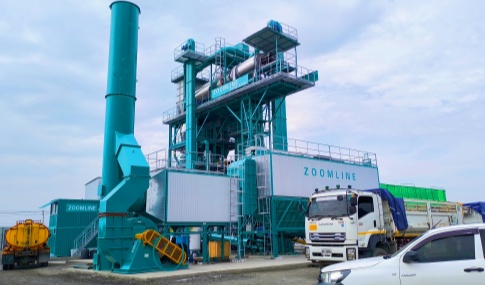
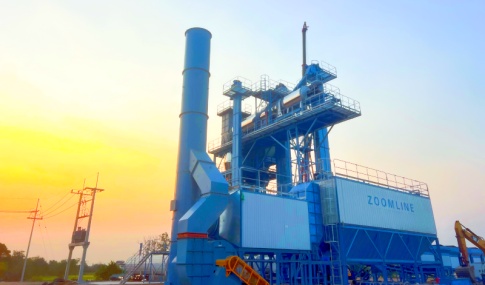
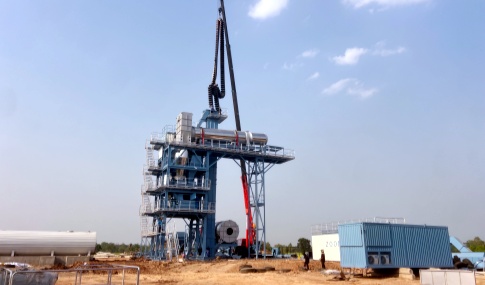
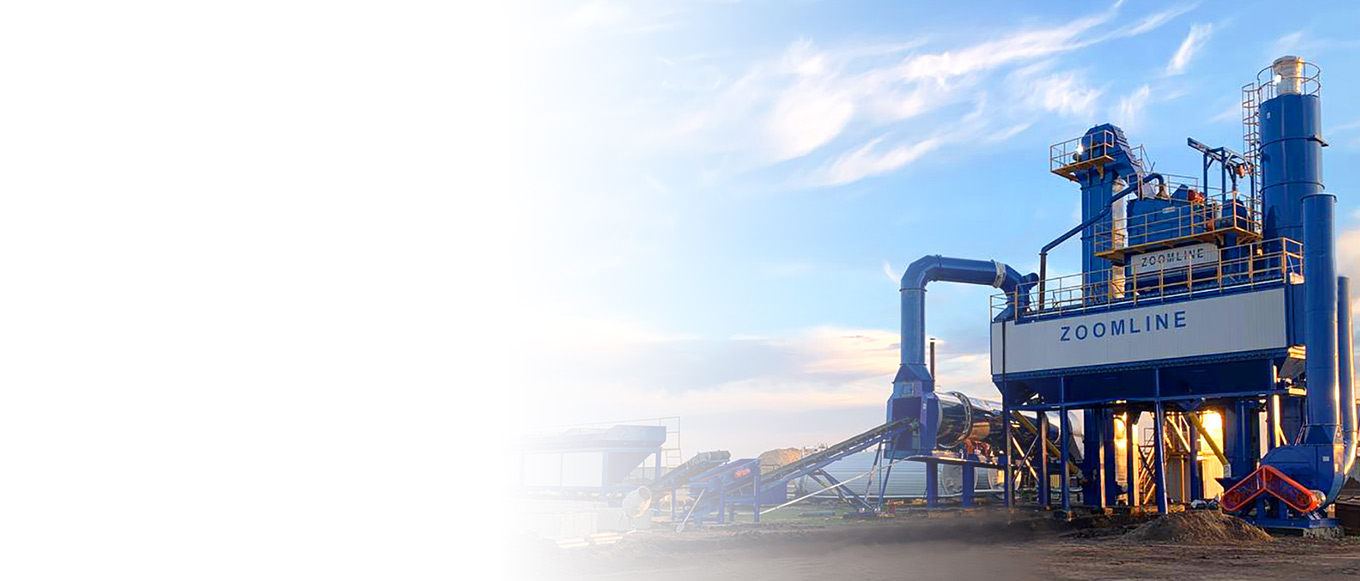
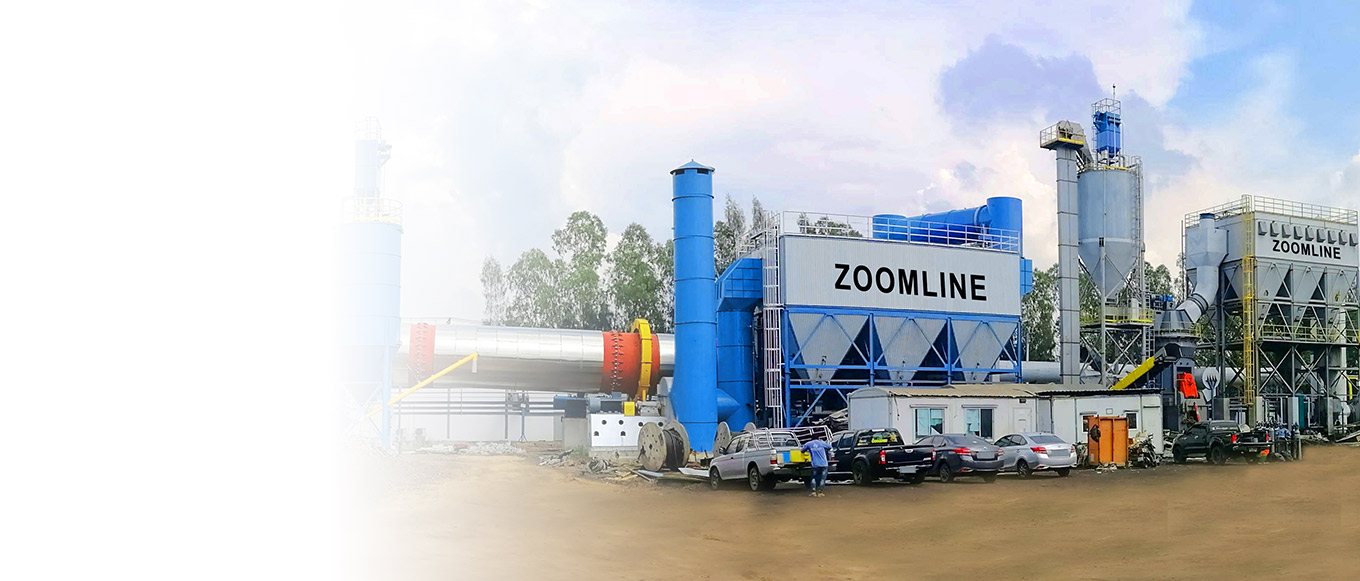
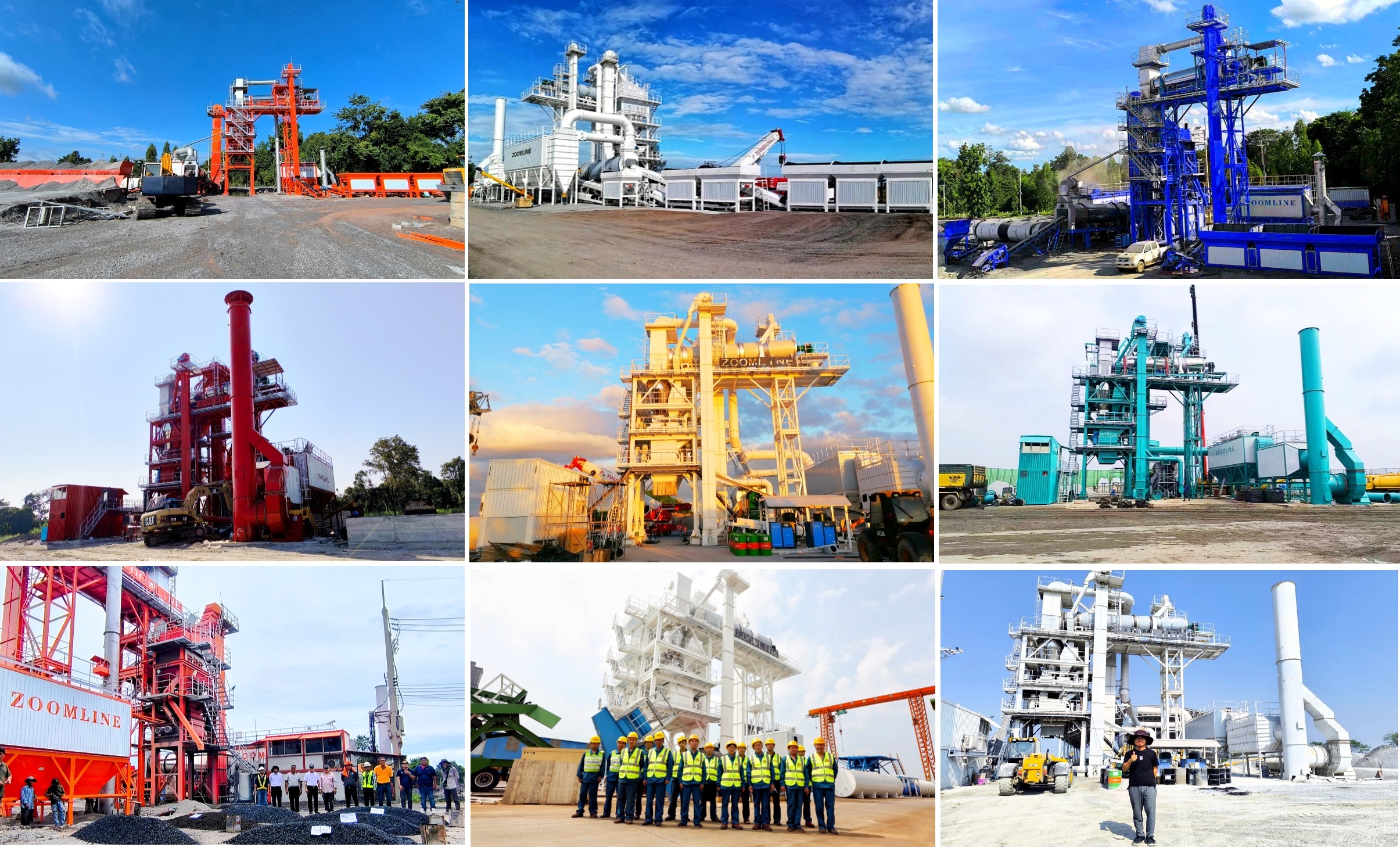
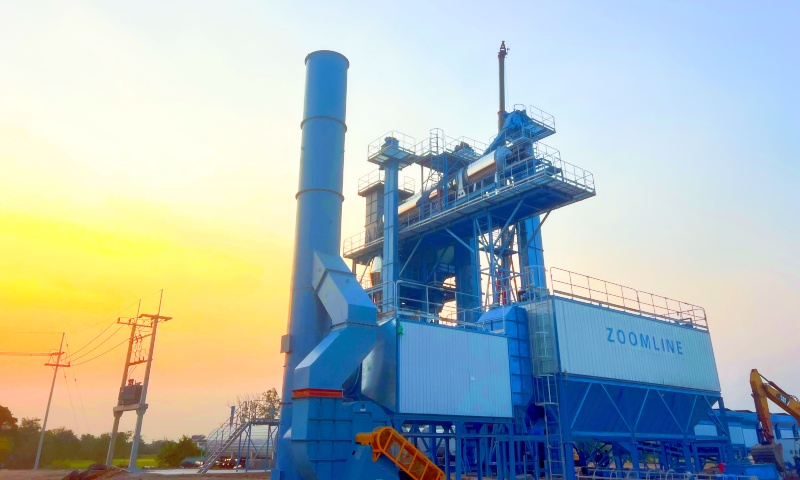
In recent years, hundreds of ZOOMLINE recycled asphalt plants have been successfully installed in Thailand – from urban to rural areas, all of which are suitable for the tropical high humidity environment. We’ve seen first-hand how RAP technology has changed the market landscape, helping contractors reduce costs, comply with regulations and win more tenders. In this article, we look at why RAP asphalt plants have become the dominant choice for road construction in Thailand and how to capitalize on this trend to gain a competitive advantage.
Thailand’s road construction market: ideal soil for RAP’s development
Thailand’s unique market environment, combined with the global trend of sustainable development, has created ideal conditions for the widespread use of asphalt recycling mixing plants, conditions that have directly driven the demand for RAP technology and solidified its position in the industry.
Vast Road Network and Adequate RAP Supply
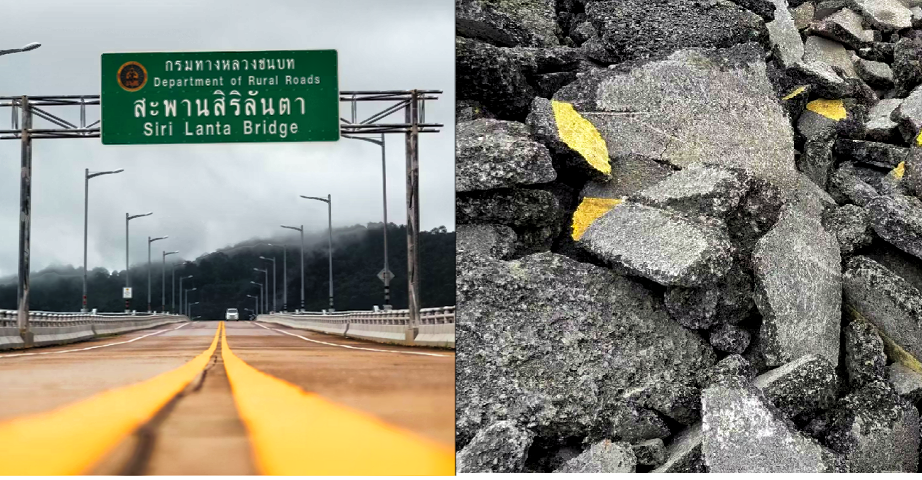
Thailand has more than 80,000 kilometers of roads that need constant maintenance, rehabilitation, and resurfacing. Large-scale milling operations during road maintenance produce a lot of RAP feedstock, which is a cheap, easy-to-find raw material that reduces the need for expensive virgin aggregates and asphalt, gets rid of core barriers to making high RAP blends, and makes recycling possible throughout Thailand. The focus of road construction in Thailand is slowly shifting from new construction to rehabilitation and resurfacing of existing roads.
Market Shift: from New Construction to Maintenance
The focus of road construction in Thailand is gradually shifting from new construction to rehabilitation and resurfacing of existing roads. This shift has increased the need for cost-effective, sustainable solutions, and RAP asphalt plants are perfectly suited to meet this need. Unlike new construction, maintenance projects benefit directly from the cost advantages of RAP and its compatibility with existing road materials, making RAP mixing plants the first choice for contractors.
Southeast Asia’s Fastest Growing RAP Market
Thailand is emerging as the benchmark for asphalt recycling in Southeast Asia, with the region’s road construction materials market growing at a rate well above the global average. With more and more Southeast Asian countries adopting RAP technology, Thailand is becoming a hub for asphalt recycling innovation and application in the region, thanks to its wide range of recycled asphalt mixing plants on the ground.
Why Does Recycling Asphalt Plant Dominate Thailand’s Road Construction Market?
Asphalt recycling plant can firmly dominate the road construction market in Thailand, completely replacing the traditional asphalt mixing plant to become the mainstream of the industry, not by chance, behind the back of three core driving factors synergistic force, mutual support. These factors not only accurately match the core demands of Thai contractors in cost control, compliance, market competition, etc., but also deeply fit the Thai government’s policy orientation of low-carbon development, and help contractors build unique advantages in the increasingly fierce market competition, and ultimately jointly promote the RAP mixing plant to become the optimal choice for all kinds of road construction projects in Thailand, combining practicability, economy and sustainability, and become the core support for the transformation and development of the road construction industry. It is the core support for the transformation and development of the road construction industry.
Cost Saving: the Core Driving Force for Thai Contractors
In Thailand’s increasingly competitive road construction market, profit margins continue to be compressed, cost control has become the core proposition for the survival and development of Thai contractors, but also their choice of recycled asphalt mixing plant is the primary consideration. Compared with the traditional asphalt mixing plant, the cost-saving benefits of recycling asphalt mixing plant throughout the entire asphalt production process, multi-point force, effective, can fundamentally help contractors to compress costs and improve profitability, specifically reflected in the following three core aspects:
Reduction of Virgin Aggregate and Asphalt Consumption
RAP (Reclaimed Asphalt Pavement), as a recycled raw material generated from road maintenance milling operations, is composed of aged asphalt binder and high-quality aggregates, which can directly replace virgin asphalt and aggregates, whose prices continue to rise and are greatly affected by the global crude oil market and international transportation. In Thailand, the price of virgin asphalt fluctuates year-round, bringing great uncertainty to contractors’ cost budgets. RAP, as a low-cost, locally available raw material, can significantly replace virgin materials, reduce raw material procurement costs from the source, effectively alleviate financial pressures brought about by fluctuations in the price of virgin materials, and help contractors lock in their core cost expenditures.
Reducing Transportation and Fuel Costs
As Thailand is a vast country and some road construction projects are located in remote areas, long-distance transportation of virgin materials not only incurs high transportation costs, but also consumes large amounts of fuel and increases carbon emissions. However, RAP material can be directly milled at the road maintenance site, so it can be purchased locally and utilized nearby, significantly reducing the frequency of long-distance transportation of virgin materials, saving transportation expenses and simultaneously reducing fuel consumption and carbon emissions, achieving a win-win situation in terms of economic and environmental benefits, which is particularly evident in road maintenance projects in remote areas of Thailand.
Compression of Overall Asphalt Production Costs
Comprehensive savings in the three core aspects of raw materials, transportation and fuel have formed a superimposed effect, significantly reducing the overall production cost of asphalt mixtures. According to the practical data of local projects in Thailand, the cost of asphalt mixture produced by recycled asphalt mixing plant can be reduced by 15%-25% compared with the traditional mixing plant, which directly broadens the profit space of the project and strengthens the market competitiveness of the contractor. For small and medium-sized projects, profit margins are limited for Thai contractors, this whole process of cost savings, to become its choice of recycled asphalt mixing plant of the most core driving force.
Government Policy and Sustainable Development Pressure
In recent years, the concept of global low-carbon sustainable development is deeply rooted in people’s hearts, the Thai government is also continuing to increase the importance of low-carbon infrastructure construction and the development of the circular economy, environmental compliance has become a mandatory threshold for Thailand’s road construction projects, bidding, acceptance, any project that does not meet the environmental requirements will be vetoed, and the contractors will face severe penalties, this policy direction has become an important force in the promotion of the popularity of recycled asphalt mixing plant. This policy direction has become an important force to promote the popularization of recycled asphalt mixing plant. The core policy drive is mainly reflected in three aspects, layer by layer, forming a closed loop:
The Introduction of Special Regulations, Clear Environmental Bottom Line
The Thai government has issued a number of special regulations on environmental protection, mandatory requirements for all types of infrastructure projects must strictly control the emission of pollutants, reduce the waste of resources, and clearly stipulate the asphalt production process of waste gas, waste residue emissions to meet the standard indicators for non-compliance with the implementation of high fines, suspension of bidding qualification and other penalties, from the system level to force contractors to use environmentally friendly production equipment.
Promote Environmentally Friendly Road Construction Materials to Guide the Transformation of the Industry
The Thai government actively promotes recycled asphalt, warm mix asphalt and other environmentally friendly road construction materials, low-carbon concepts into the whole process of infrastructure construction, through policy support, subsidies and other ways to encourage contractors to adopt environmentally friendly technologies and materials, help reduce the country’s overall carbon footprint, and promote the road construction industry to the direction of green, low-carbon transformation, and reclaimed asphalt mixing plant as the core equipment for the production of environmentally friendly materials, naturally become the focus of the policy promotion. The recycled asphalt mixing plant, as the core equipment for the production of environmentally friendly materials, has naturally become the focus of policy promotion.
Supporting the Development of Circular Economy and Strengthening the Utilization of Resources
The Thai government strongly supports the development of circular economy and takes the recycling of resources as an important tool to promote sustainable development. By reusing waste asphalt pavement and reducing the amount of landfill, RAP saves natural resources and reduces environmental pollution, and it is an important vehicle for practicing the concept of circular economy. Contractors who fail to meet the environmental compliance requirements will directly lose their project bidding qualifications, and even be included in the industry blacklist, this strict requirement makes the recycled asphalt mixing plant from the “optional equipment” in the past, completely transformed into today’s road construction industry in Thailand, the “necessary equipment! This strict requirement has completely changed the recycled asphalt mixing plant from an “optional equipment” in the past to a “necessary equipment” in the Thai road construction industry today, and has become a prerequisite for contractors to operate in compliance.
Competitive Advantage in Project Bidding
As the road construction market in Thailand continues to become saturated, the competition in project bidding is becoming increasingly fierce. Whether it is a public infrastructure project led by a government agency or a road construction project by a private developer, the bidders’ requirements for contractors are becoming higher and higher, no longer focusing on the price of the offer, but also paying more attention to the ability to control costs, the level of environmental protection and compliance and the concept of sustainable development. In such a market environment, high RAP processing capacity has become the core differentiation competitiveness of contractors, which directly determines the success or failure of the bidding.
Recycled Asphalt Mixing Plant (RAP) perfectly combines the two core advantages of cost-effectiveness and environmental compliance, which can help contractors submit more competitive bidding programs:
At the cost level, relying on the advantages of RAP recycling, the contractor can give a more attractive offer; at the environmental level, in line with the Thai government’s low-carbon environmental policy requirements, to meet the bidder’s sustainable development aspirations, compared with the traditional mixing plant, not the layout of the RAP technology competitors, the formation of irreplaceable competitive barriers.
Now that the Thai road construction industry has reached a consensus, the core question for contractors is no longer “Should we use RAP?” – but “Can we? –This shift not only reflects the maturity of RAP technology, but also confirms the mainstream position of recycling asphalt plants in Thailand’s road construction industry, and contractors with high RAP capacity are more likely to be recognized by bidders. Contractors with high RAP processing capacity are more likely to be recognized by bidders and win more quality project orders.
Technology Breakthroughs Enabling High RAP Usage
Recycled asphalt mixing plant can be widely popular in Thailand, the core thanks to the iterative upgrading of key technologies. These technologies effectively break through the performance limitations of the traditional mixing plant, not only to achieve a higher RAP content, but also to take into account the production performance and efficiency, even in the tropical climate of Thailand’s high temperature and high humidity, but also to maintain stable and reliable operation, for the production of high RAP content to provide a solid guarantee.
From 20% to 50%+RAP: Realizing a Revolutionary Leap Forward
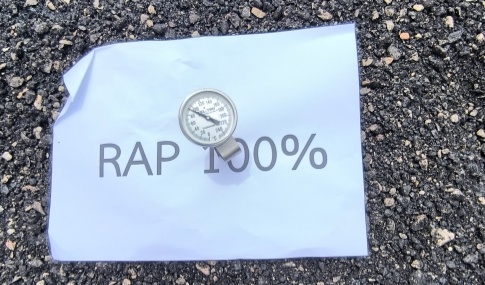
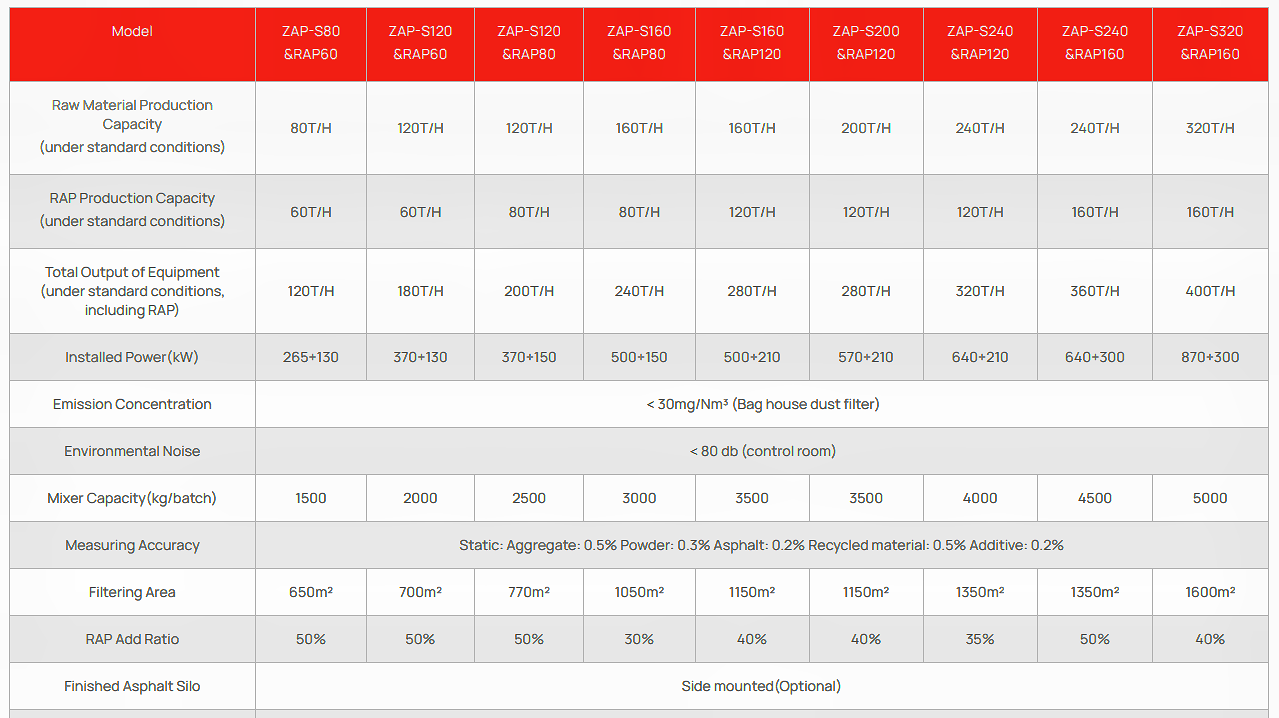
Due to technical constraints, the RAP dosage of traditional recycling asphalt mixing plants in Thailand is generally limited to 20% or less, making it difficult to fully utilize the cost and environmental value of recycled materials. Today, modern recycled asphalt mixing plants have achieved a technological breakthrough that allows them to achieve a stable RAP content of 40%-50%, with some customized plants even exceeding the 50% content limit for specific project requirements.
This revolutionary leap has brought significant cost savings and sustainable benefits to Thai contractors, and local projects have successfully realized a 25% reduction in maintenance costs by applying 30% RAP dosage, which fully proves the practical value of high RAP technology.
Three Core Technologies Driving High RAP Dosage
The three core technologies work together to support Thailand recycling asphalt mixing plant to realize stable production of high RAP dosage, and solve the unique challenges of local tropical climate and environmental protection requirements:
Parallel Drum System
The independent RAP drying system effectively reduces the thermal damage of aged asphalt binder and ensures the quality stability of asphalt mixture with high RAP dosage;
Double Drum/Counterflow System
With a highly efficient heat exchange design, energy consumption and pollutant emissions are minimized, precisely meeting Thailand’s stringent environmental regulations;
Advanced Drying and Heating System
Optimized and upgraded specifically for Thailand’s high humidity environment, effectively solving the core pain point of high water content in RAP under tropical climate, which affects the production efficiency of the mixing plant.
Intelligent Automation: Enabling High RAP Production to Improve Quality and Efficiency
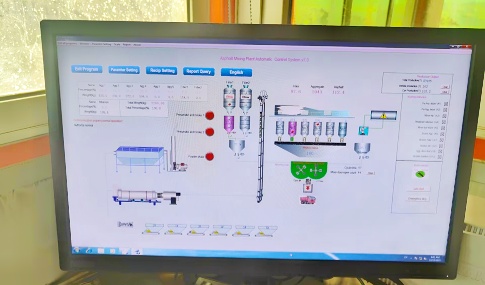
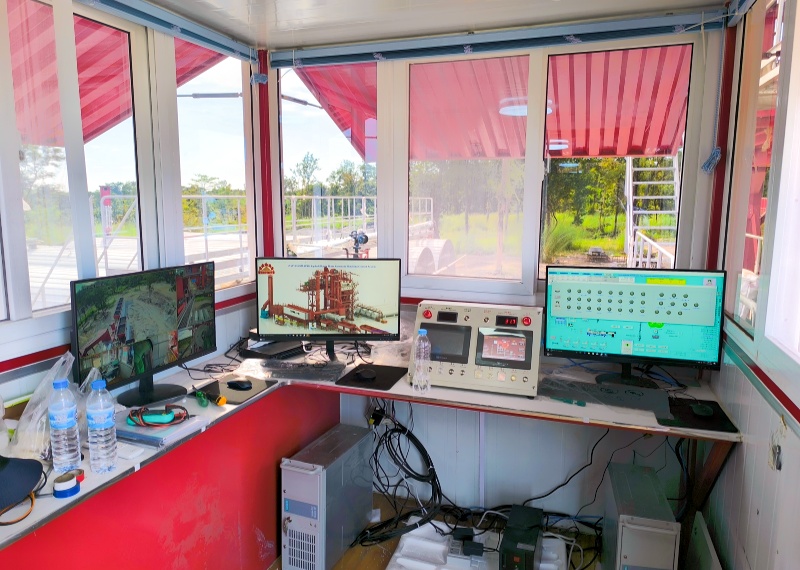
All modern RAP asphalt plants in Thailand are equipped with intelligent automation system as standard, which ensures the accuracy, consistency and efficiency of high RAP production:
Equipped with PLC/SCADA control system, it can monitor and control the key parameters in real time, and greatly reduce human errors;
Equipped with real-time temperature and ratio control system, it effectively prevents the production of blue smoke and damage to asphalt binder caused by overheating of RAP, and ensures that the mixing effect is optimized;
Relying on data-driven optimization technology, it continuously optimizes the RAP mixing amount and process parameters by analyzing the data of the whole production process, so as to achieve the double maximization of cost saving and production performance.
Why Thai Contractors Prefer Recycling Asphalt Plants?
In Thailand’s increasingly competitive road construction market, recycled asphalt mixing plant has become the first choice of the majority of contractors, not only because of its cost savings and compliance with the two core advantages, but also because of its multiple additional advantages to meet the daily operation of Thai contractors. These advantages accurately match the core demands of Thai contractors in terms of project profitability, schedule control, risk avoidance, financial planning, etc., which further consolidates the dominant position of recycled asphalt mixing plant in Thailand’s road construction market and becomes an important support for contractors to realize sustainable development.
Significantly Improve Project Profitability
For Thai contractors, project profitability directly determines the survival and development of the enterprise, and recycled asphalt mixing plant is the key to improve profitability. Recycled asphalt mixing plant reduces raw material procurement cost from the source by utilizing local low-cost RAP raw materials on a large scale and significantly replacing raw asphalt and aggregates, which are expensive and subject to large fluctuations in the global market; at the same time, the local procurement of RAP reduces the long-distance transportation of raw materials, which further saves the transportation cost and fuel consumption, and realizes the whole process of cost control.
More critically, the long-term cost savings brought about by RAP recycling is much higher than the initial investment cost of the equipment – whether it is a new road project or an old road maintenance project, contractors can continue to compress the production cost through this advantage, and obtain a stable return on profitability, which in turn enhances the core competitiveness of the enterprise in the market! This in turn enhances the core competitiveness of the company in the market and lays the foundation for undertaking more quality projects.
Accelerating Project Delivery Efficiency
Road construction projects in Thailand often have tight schedules, especially for government-led infrastructure maintenance projects, where delays not only result in fines, but also affect the eligibility to bid for subsequent projects, making project delivery efficiency one of the core competencies of contractors. With efficient plant design, PLC/SCADA intelligent automation system and optimized production process, the recycled asphalt mixing plant significantly shortens the asphalt mix production cycle – compared with traditional mixing plants, its production efficiency can be increased by 15%-20%, effectively reducing the waiting time for the mix.
This advantage enables the contractor to complete the production and laying of asphalt mixes more quickly and accurately meet tight deadlines; at the same time, the highly efficient production capacity also gives the contractor the energy to undertake more project orders and seize the opportunity to further expand its market share in Thailand’s tightly-paced infrastructure construction market.
Compliance and Avoidance of Policy Risks
In recent years, the Thai government has continued to tighten environmental requirements for road construction projects, and low-carbon, energy-saving and emission reduction have become mandatory thresholds for project establishment and bidding, and environmental violations will not only face high fines, but also directly disqualify the contractor’s bidding qualification, which will bring irreparable losses to the enterprise. Recycling
One of the core advantages of recycled asphalt mixing plant is that it can help contractors to realize the whole process of complying with the operation – through RAP recycling, it reduces the amount of waste asphalt pavement in landfills, and reduces the environmental pollution caused by the mining and processing of virgin materials; at the same time, the advanced dust removal and purification system and temperature control system can effectively control the pollutant emissions, which is fully compliant with the local environmental regulations in Thailand. At the same time, the advanced dust removal and purification system and temperature control system can effectively control pollutant emissions, which is in full compliance with Thailand’s local environmental regulations.
In addition, its low-carbon and environmentally friendly core features are highly compatible with the Thai government’s goal of promoting sustainable development and building low-carbon infrastructure. Whether it is a government public project or a private developer’s project, the recycled asphalt mixing plant is a safe and compliant choice for all types of large-scale road construction projects, which can help the contractor effectively avoid policy risks and stabilize its operation and development.
Guarantee Long-term Cost Stability
Thai contractors often face the financial risk of fluctuating raw asphalt prices in project operations – the price of raw asphalt is affected by a variety of factors such as the global crude oil market, international transportation, geopolitics and other factors, and fluctuates, which poses a great challenge to project budgeting and cost control. However, RAP, as a recycled raw material generated from local milling operations, does not require long-distance transportation or complex processing, and its procurement cost is low and always stable, without being affected by fluctuations in the global market.
This kind of cost stability can help contractors make project budgets and predict cost expenditures more accurately, effectively reducing financial risks caused by rising raw material prices; at the same time, stable cost expenditures also allow contractors to have a greater advantage in project quotations, further enhance the success rate of bidding, guarantee the stability of long-term project profitability, and provide solid financial support for the long-term development of the enterprise.
Proven Success: Our Recycling Asphalt Plants Across Thailand
Relying on the successful experience of hundreds of road construction equipment nationwide, ZOOMLINE Machinery’s recycled asphalt mixing plant in Thailand has accumulated mature practical cases, and can provide a full range of high-quality services for all parts of Thailand, all kinds of road construction projects for contractors. Compared with other competitors, ZOOMLINE Machinery has formed an irreplaceable core advantage with its profound local operation experience and customized solutions.
Hundreds of Recycling Asphalt Plant with Full Coverage of Thailand
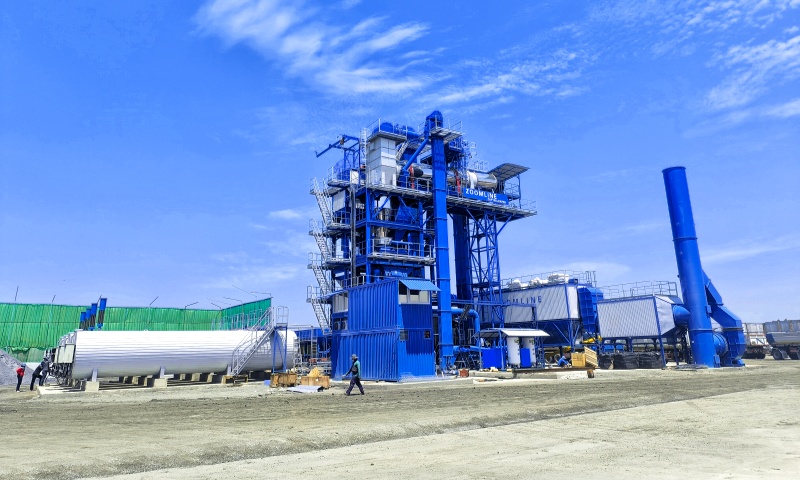
ZOOMLINE Machinery has successfully installed hundreds of recycled asphalt mixing plants in Thailand, covering a comprehensive range of scenarios, from urban road upgrading projects in Bangkok metropolitan area to road maintenance projects in remote rural areas. ZOOMLINE Machinery has accumulated a wealth of local project experience through long term and in-depth cooperation with leading contractors in Thailand, and has proved itself to be able to provide high-performance solutions that are suitable for Thailand’s local needs, with reliable operation and outstanding efficiency.
Tailor-made for Thailand’s Tropical Climate
ZOOMLINE Machinery’s recycling asphalt mixing plants are customized for Thailand’s high humidity, high temperature tropical climate, a core differentiator that attracts local contractors. Its core suitability features include:
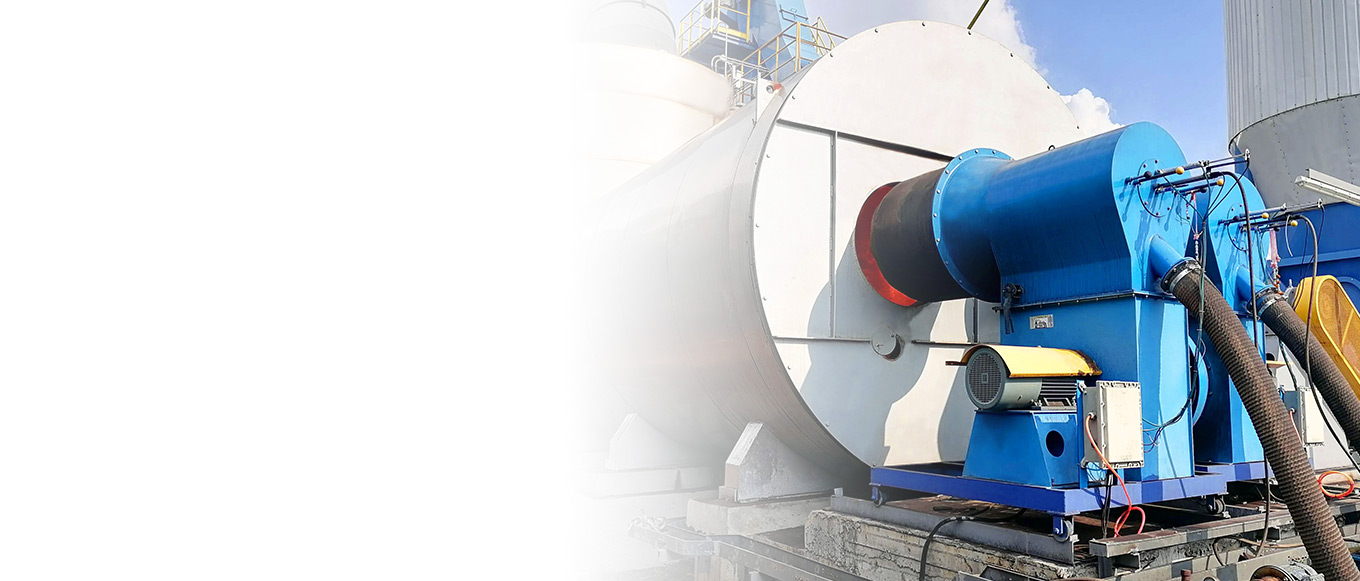
High moisture content RAP efficient drying system, which can efficiently solve the RAP drying problem in high humidity environment (traditional mixing plant energy consumption will be increased by 20%-40%), while ensuring the RAP is thoroughly dried and minimizing the energy loss at the same time;
The design of stable operation in high humidity environment, through the optimized heat preservation and temperature control system, effectively avoids humidity-related failures and ensures that even during the rainy season in Thailand, the equipment can maintain stable production without being affected.
Reliable After-Sales Support to Ensure Continuous Production
We deeply understand that equipment downtime means direct economic losses for contractors, so we have built a comprehensive local after-sales service system to ensure the stable operation of the equipment in all aspects:
Fast Local Response
We set up a professional local technical team, on call 24 hours a day, to respond to and solve all kinds of equipment operation problems in a timely manner, minimizing downtime;
Adequate Spare Parts Supply
Setting up a local spare parts warehouse in Thailand to realize rapid deployment and timely replacement of commonly used spare parts to avoid production delays due to shortage of spare parts;
Professional Training and Technical Support
Provide hands-on training for operators to ensure that they master the operation skills of the equipment and give full play to the performance of the equipment, and at the same time, provide continuous technical guidance to help contractors optimize the use of RAP and improve production efficiency.
Real Project Performance
The actual performance of our recycled asphalt mixing plant in various projects in Thailand has proved its value with data and word of mouth, and has brought practical benefits to the contractors, which is reflected in three aspects:
Excellent Performance in RAP Percentage
Most projects consistently achieve 40%-50% RAP blending and above, and customized solutions for specific project needs can achieve a higher percentage of RAP recycling;
Significant Cost Savings
Helping customers to significantly reduce asphalt production costs, including some maintenance projects with cost savings of 25% or more;
Good Customer Reputation
Highly recognized by the leading contractors in Thailand, who have highlighted the outstanding role of the equipment in enhancing project profitability, guaranteeing compliance, and improving the efficiency of project promotion.
Challenges in Asphalt Recycling — And How Advanced Recycling Asphalt Plants Solve Them
Despite the significant advantages of asphalt recycling technology, which can bring multiple benefits to contractors, contractors still face some unique challenges in practical application due to the characteristics of the local environment in Thailand. Our advanced recycled asphalt mixing plants are designed to meet these challenges head-on with targeted technology to ensure reliable, consistent and high quality asphalt mixture production.
High RAP Moisture Content
Challenge: Thailand’s high humidity and frequent rainfall all year round leads to a high water content in the milled RAP, which not only significantly increases energy consumption and reduces production efficiency of recycling asphalt plant, but also directly affects the quality and stability of the final asphalt mixture, and results in a decrease in asphalt recycling plant throughput.
Solution: Equipped with advanced and efficient drying system optimized for tropical environment, the excess water in RAP can be removed quickly and efficiently, which ensures the stable quality of asphalt mixture and minimizes energy waste, taking into account both efficiency and energy saving.
High RAP Moisture Content
Challenge: Thailand’s high humidity and frequent rainfall all year round leads to a high water content in the milled RAP, which not only significantly increases energy consumption and reduces production efficiency, but also directly affects the quality and stability of the final asphalt mixture, and results in a decrease in plant throughput.
Solution: Equipped with advanced and efficient drying system optimized for tropical environment, the excess water in RAP can be removed quickly and efficiently, which ensures the stable quality of asphalt mixture and minimizes energy waste, taking into account both efficiency and energy saving.
Degradation of Aged Bitumen Binder Performance in RAP
Challenge: The bitumen binder in RAP will be aged with hard texture and poor fluidity after long-term use, which directly affects the bonding and working performance of the final asphalt mixture, making it difficult to meet the performance standards of Thai road construction.
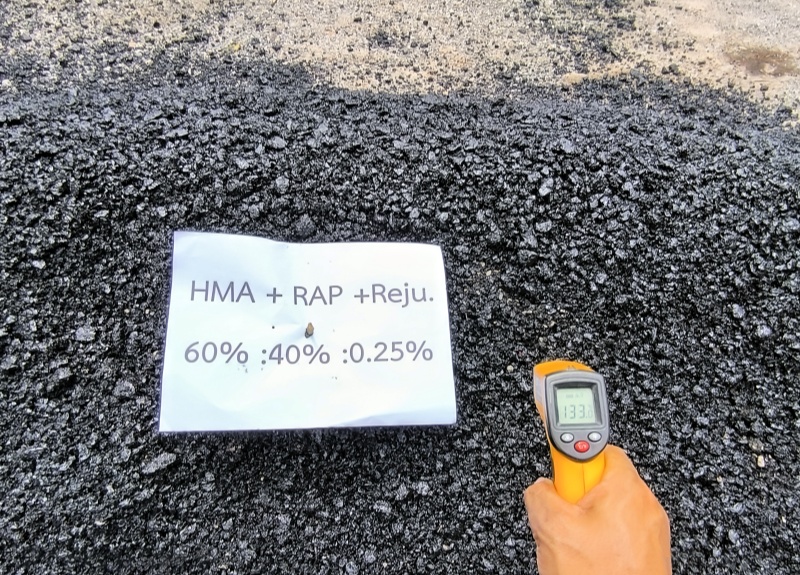
Solution: Adopt precise temperature control system to strictly avoid overheating damage of RAP; at the same time, with high quality recycling agent, effectively restore the original performance of aged asphalt binder, make it perfectly compatible with virgin asphalt material, to ensure that the final asphalt mixture meets the performance requirements of Thai roads, and guarantee the durability of the road surface.
Blue Smoke Emission and Environmental Compliance
Challenge: Inadequate temperature control during the RAP heating process is likely to generate blue smoke, which not only violates Thailand’s strict environmental regulations and risks fines, but also poses health hazards to the operators.
Solution: Equipped with advanced dust removal and purification system, combined with optimized design of RAP feeding point, it avoids direct contact between RAP and flame from the source, completely eliminating the generation of blue smoke; at the same time, it efficiently captures the harmful volatile organic compounds, ensuring that the equipment emissions fully comply with the local environmental standards in Thailand, and helping the contractor to achieve production compliance.
Fluctuating RAP Quality
Challenge: The RAP generated from different road sections and milling operations has obvious differences in particle size and composition content, which easily leads to unstable quality of asphalt mixture production and makes it difficult to meet the project specifications.
Solution: Equipped with optimized feeding and screening system, RAP is accurately screened and graded to ensure uniform RAP particle size, effectively remove oversized lumps and impurities, and ensure uniform mixing of RAP and primary aggregates, which provides a solid guarantee for the stable quality of asphalt mixtures and ensures that it meets the project specification requirements.
Future Trends: Thailand Moving Toward High-RAP & Smart Asphalt Mixing Plants
Currently, Thailand’s asphalt recycling market is at a critical stage of rapid development, and four core trends are reshaping the road construction industry. For contractors, grasping these trends accurately and laying out in advance will help them take the initiative and win the advantage in the future market competition.
RAP Dosage Continues to Climb, 50% + into the Industry’s New Benchmarks
With the continuous iterative upgrading of asphalt recycling technology, as well as the continuous accumulation of contractors’ experience in the application of RAP, the average RAP dosage of Thailand’s recycled asphalt mixing plant will continue to rise, and the high RAP dosage of 50%+ will gradually become the industry’s new standard. Optimization of recycling agent technology and upgrading of equipment design will further enhance the reliability and cost-effectiveness of high RAP blending production, and promote the acceleration of this trend.
Deep Integration of Recycled Asphalt and Warm Mix Asphalt (WMA)
Asphalt recycling plant and warm mix asphalt (WMA) technology will be increasingly widespread, becoming an important direction of development of the industry. WMA technology can effectively reduce the asphalt mixture production temperature, further reduce energy consumption and pollutant emissions, and the recycling advantages of RAP to form a complementary, to achieve the “energy saving + environmental protection,” double This integration mode will help contractors to better realize the benefits of “energy saving + environmental protection”. This integration model will help contractors to better meet the increasingly stringent environmental regulations, while further reducing production costs.
Widespread Use of Mobile and Modular Recycled Asphalt Plants
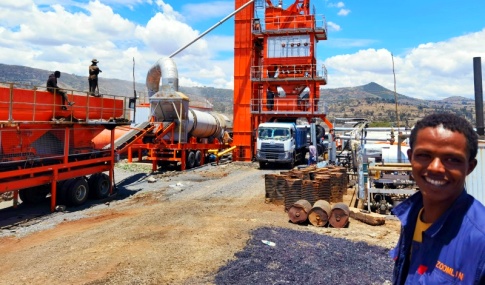
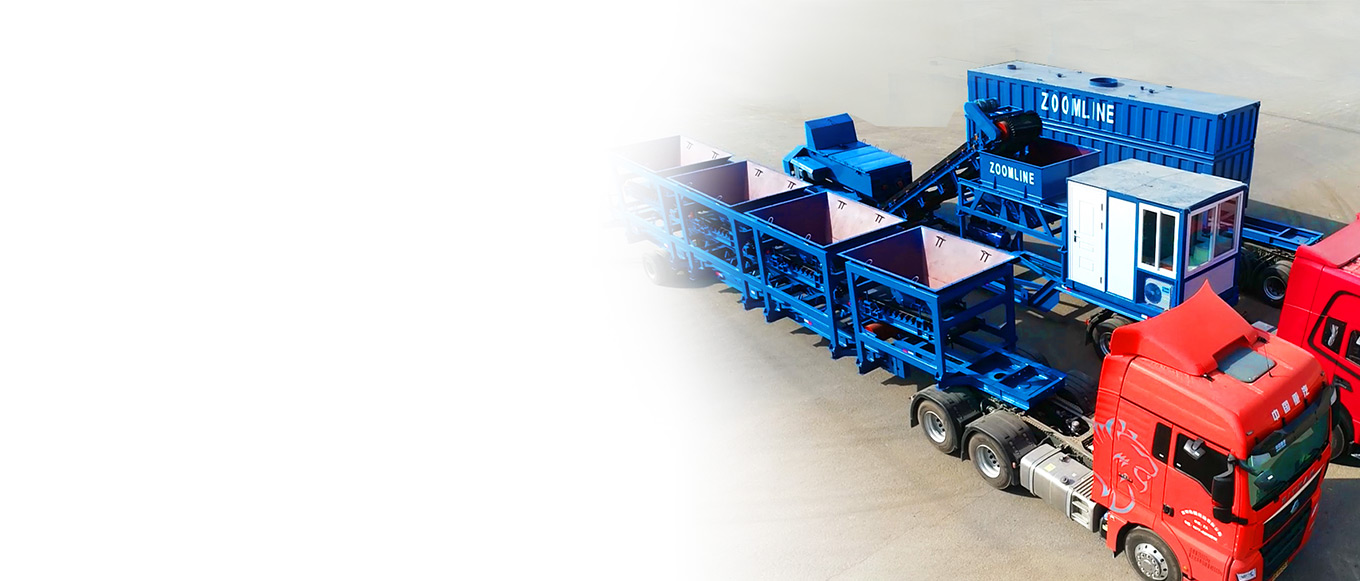
Mobile and modular recycling asphalt plants will become popular in the Thai market, especially for rural road maintenance and road construction in remote areas. With the core advantages of strong flexibility, convenient transportation and fast installation, these equipment can realize RAP on-site production, significantly reduce RAP transportation costs, effectively solve the pain point of inconvenient transportation in remote projects, and become an important booster for contractors to expand the market.
Artificial Intelligence and Digitalization Enabling Recycling Asphalt Plant Equipment Upgrade
Artificial intelligence (AI) and digital technology will be deeply integrated into the design and operation of Thailand’s recycled asphalt mixing plant to realize intelligent equipment upgrading. Through real-time collection of data from the whole production process, accurate analysis, predictive maintenance, as well as automated optimization of RAP mixing and process parameters, effectively reducing human error, maximizing production efficiency and cost-saving benefits, in line with the global trend of intelligent infrastructure, and promoting the transformation of Thailand’s asphalt recycling industry to digitalization and intelligence.
Why Choosing the Right Recycling Asphalt Plant Supplier Is Critical?
Investing in recycling asphalt mixing plant is a major decision about the long-term profitability of the project, and choosing the right supplier directly determines the operating effect of the equipment, the efficiency of the project and the return on investment. For Thai contractors, the supplier’s local experience and mature cases are far more valuable than low prices, and are the key to avoiding risks and realizing a win-win situation.
Recycling Asphalt Plant Quality Determines Long-term Investment Return
High-quality recycled asphalt mixing plant can ensure stable and reliable operation, less downtime and long service life, which is the core premise to maximize the return on investment. On the contrary, low-quality recycling asphalt plant equipment, even if the initial purchase cost is low, but also due to frequent failures, high maintenance costs, low productivity, resulting in project delays, profitability, so in the long term, it does not pay.
Local Experience Adapted to Thailand’s Actual Needs
Suppliers with extensive local experience in Thailand are able to understand the unique challenges of the country – including the impact of the tropical climate, the quality characteristics of RAP feedstock, and local environmental regulations – and provide customized solutions. Suppliers lacking local experience, on the other hand, can often only provide general-purpose asphalt recycling plant equipment, which cannot be adapted to the actual production scenarios of high humidity and high requirements in Thailand, so making it difficult to ensure stable operation of the asphalt recycling plant equipment.
Mature Cases Effectively Reducing Investment Risks
Suppliers with hundreds of asphalt recycling plant equipment landing experience in Thailand and mature and successful project cases can effectively reduce potential risks such as equipment failure and project delays. Such suppliers(ZOOMLINE Machinery) are familiar with the rules of the Thai market, master the pain points of local production, and are able to provide contractors with full-process technical support and service guarantee. It has been proved that suppliers with real project experience in Thailand are far more valuable than those with low prices, and can ensure that the solutions they provide meet the needs and deliver on their promises, helping contractors realize long-term profitability. In addition to recycling asphalt plants, ZOOMLINE has also exported several 120-ton mobile asphalt plants to Thailand, more details you can check the Fast Delivery ZAP-M120 Mobile Asphalt Mixing Plant | Stable Operation for Thailand Road Construction Projects.
Conclusion
In summary, the reason why recycling asphalt plant can be upgraded from an optional trend in the industry to a mainstream standard in Thailand’s road construction market and become the core choice of the majority of contractors is that it accurately meets the needs of Thailand’s local market, adheres to the trend of global sustainable development, and synergizes its efforts relying on the four core strengths of cost, policy, technology, and market to comprehensively solve the core pain points of road construction in Thailand.
At the cost level, relying on local low-cost RAP raw materials, it realizes cost savings in the whole process of raw materials, transportation and fuel, and significantly improves the profitability and market competitiveness of contractors;
At the policy level, it perfectly fits Thailand’s low carbon, environmental protection and circular economy policy orientation, and becomes an inevitable choice for contractors to comply with the operation and avoid policy risks;
On the technical level, breakthroughs in core technologies such as parallel drums have achieved a revolutionary increase in RAP dosage, and the asphalt recycling plant equipment has been optimized for tropical high humidity environments to ensure stable and efficient operation;
At the market level, the asphalt recycling plant equipment is precisely adapted to the focus of Thailand’s road construction transition from new construction to maintenance, and with efficient delivery and high RAP processing capacity, it creates a core bidding advantage for contractors.
From hundreds of recycling asphalt plant equipment landing in Thailand, to the increasingly mature technology application, the recycled asphalt mixing plant has been deeply integrated into the various scenes of Thailand’s road construction, and has become the core force to promote the high-quality development of the industry. In the future, with the improvement of RAP blending and the integration of intelligent technology, the dominant position of recycled asphalt mixing plant in the market will be further consolidated, and the contractors who take the initiative to embrace this technology and choose the right local suitable suppliers will surely continue to gain a foothold in the highly competitive road construction market in Thailand and realize long-term development.
Frequently Asked Questions (FAQ)
1. What is the Typical RAP Dosage for an Recycling Asphalt Mixing Plant in Thailand?
Typical RAP dosage of modern recycled asphalt mixing plant in Thailand is 40%-50%, and some of the equipment customized for specific projects can achieve a higher percentage of RAP dosage; while the traditional asphalt mixing plant is limited by the technical constraints, the RAP dosage can only be maintained at 20% and below.
2. How Much Does a Recycled Asphalt Plant Reduce Costs?
Recycled asphalt plants can significantly reduce the cost of asphalt production, with some of the Thai contractors realizing cost savings of more than 25% in maintenance projects. Cost savings come from three main sources: raw materials, transportation and fuel. RAP, as a low-cost local raw material, can significantly replace higher-priced virgin materials, further compressing costs.
3. What is the Best Recycled Asphalt Plant for the Thai Tropical Climate?
The core of a recycled asphalt plant suitable for Thailand’s tropical climate is its ability to cope with a high humidity environment: it should be equipped with an efficient drying system for high moisture content RAP, which can solve the problems of RAP drying caused by high humidity in the tropics, and reduce the waste of energy; meanwhile, it has optimized heat preservation and temperature control system, which can avoid the equipment failure caused by humidity, and ensure the stable production even in rainy seasons.
4. Can an Existing Asphalt Plant be Upgraded to a RAP Plant?
Yes, it is possible. Many existing asphalt plants in Thailand can be upgraded with cost-effective modifications to enable RAP production. The main modifications include adding a RAP drying system, optimizing the feeding system and equipping it with an intelligent control system such as PLC/SCADA, which is a much more cost-effective option as there is no need to replace the entire asphalt plant plant.
5. How to increase RAP dosing in asphalt production?
There are three ways to increase the RAP content in asphalt production:
The first is to equip an advanced drying system optimized for tropical environments to solve the problem of high RAP moisture content;
The second is the use of high-quality recycling agents to restore the performance of aged asphalt binding material and make it compatible with virgin material;
Thirdly, relying on the intelligent control system to achieve precise control of temperature and RAP ratio, and at the same time ensuring stable RAP quality by optimizing the feeding and screening system.
RELATED NEWS