




How to Increase RAP Percentage in the Recycling Asphalt Plant
Introduction
What is RAP (Recycled Asphalt Pavement Material)?
RAP (Recycled Asphalt Pavement Material), is through the waste asphalt pavement milling, crushing, fine processing of recycled materials, its core components include recyclable aggregates and aging asphalt binding material, as a cost-effective and sustainable alternative to traditional virgin asphalt materials, not only to achieve secondary recycling of waste asphalt resources, but also meet the current green construction, low-carbon environmental protection industry development concepts, both resource conservation and environmental protection.
Core Value of Increase RAP Percentage in the Recycling Asphalt Plant
For recycling asphalt mixing plant operators, improving RAP mixing is not simply an environmental initiative, but also solves practical operational pain points and creates multiple values, which are reflected in four aspects:
Cost savings: Reducing the reliance on expensive virgin asphalt and aggregates significantly reduces raw material procurement costs;
Practice sustainable development: in line with global environmental goals, reduce carbon emissions to meet the increasingly stringent environmental regulations, help companies realize green transformation;
Enhance resource utilization: maximize the recycling of waste asphalt, reduce the environmental pressure and resource waste caused by landfill of waste pavement materials;
Enhance market competitiveness: conform to the industry development trend, take the advantage in government bidding and green building projects, and enhance the core competitiveness of enterprises.
Industry Trends
At present, the asphalt industry is gradually to high RAP mixing (more than 70%) and even 100% recycled asphalt technology transition, high RAP production has become an inevitable trend of industry development. The purpose of this paper is to provide practical, step-by-step practical strategies for recycled asphalt mixing plant operators to help practitioners safely and efficiently increase the RAP content, to overcome the common obstacles in the production process, and ultimately realize the cost savings and sustainable development of the dual objectives.
What Limits RAP Percentage in Recycling Asphalt Plants?
Many recycling asphalt mixing plant operators in the improvement of RAP mixing, often difficult to break through the bottleneck of 20% -30%, which is subject to a variety of factors behind the constraints. Only by clarifying these constraints can we target solutions, which is also the first step to improve RAP blending.
Moisture Content in RAP (primary constraint)
High water content in RAP is the most critical factor affecting its blending enhancement. High water content will lead to unstable temperature in the mixing process, increase energy consumption, and at the same time cause uneven mixing of asphalt mixtures, which in turn affects the final asphalt pavement performance, such as reducing the durability of the pavement and shortening the service life.
Aging of Bitumen in RAP
During the long-term use of old asphalt pavement, the asphalt binding material will be affected by the air, wind and rain, and other natural environments to occur oxidation reaction, resulting in an increase in its hardness and a decline in the working performance, which in turn will make the recycled asphalt mixture brittle, easy to crack and other problems, which restricts the use of a high proportion of RAP.
Heat Transfer Challenges
In the traditional mixing process, uneven heat transfer is a prominent pain point: on the one hand, it may lead to overheating of virgin aggregate, accelerating the aging of virgin asphalt; on the other hand, it may lead to insufficient heating of RAP, resulting in inadequate mixing of asphalt mixture, affecting the quality of pavement construction, and it is difficult to find a balance between the heating efficiency and the protection of materials.
Blue Smoke and Emissions
When the RAP heating temperature is too high, it will produce blue smoke, which not only violates the environmental regulations and faces the risk of environmental penalties, but also poses a health hazard to the operators, and at the same time, it may damage the recycling asphalt mixing plant and increase the maintenance cost of the equipment, which is an important environmental bottleneck to restrict the enhancement of RAP mixing.
Recycling Asphalt Plant Equipment Performance Limitations
Traditional recycling asphalt mixing plant (especially the old equipment) lacks specialized RAP processing system, usually can only limit the RAP mixing amount to 20% -30%. In addition, the old feeding, mixing and temperature control system can not adapt to the needs of high RAP production, prone to unstable operation, low efficiency and other problems, it is difficult to achieve a high proportion of RAP stable production.
Key Technologies to Increase RAP Usage in Recycling Asphalt Plant
Select the appropriate technology program is to improve the key to RAP mixing. Different types of recycled asphalt mixing plant, different budget levels, the applicable technical solutions are different. The following are the four most effective and widely used core technologies in the industry, which can be flexibly selected according to actual needs.
Parallel Drum Technology
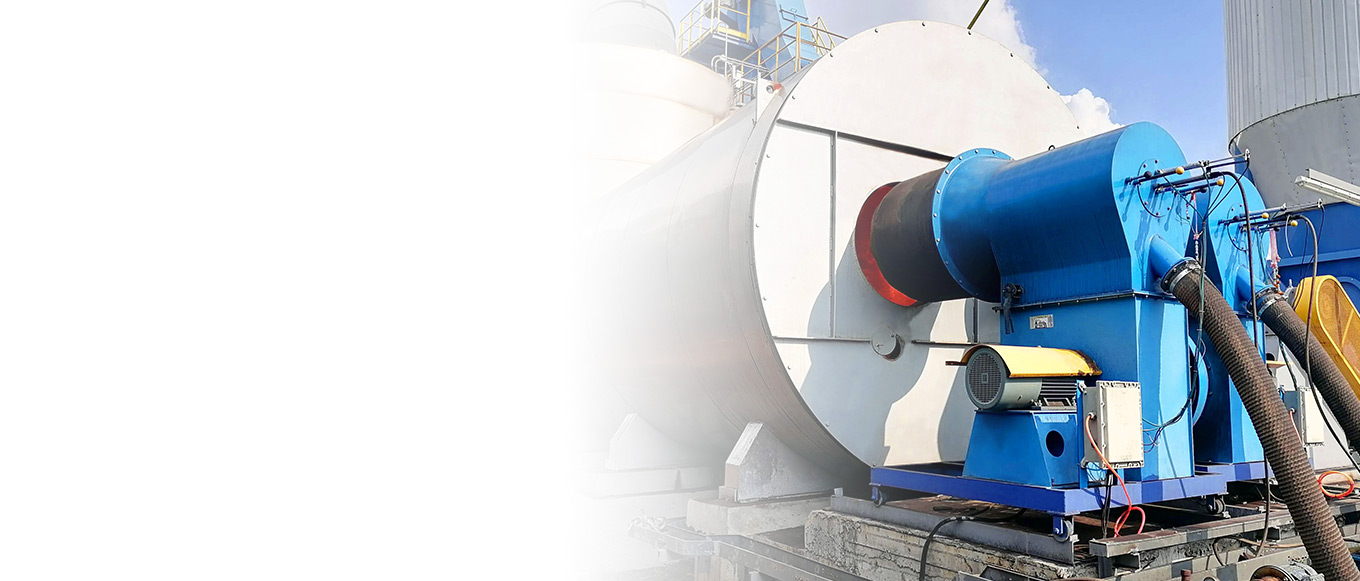
The core advantage of parallel drum technology is that it has an independent RAP drying system, which can heat RAP and virgin aggregate separately, effectively reduce the thermal damage to the aged asphalt binding material, ensure uniform heating of RAP, and is suitable for the production of medium and high RAP mixing amount (40%-70%). The core value of this technology is to balance the heating efficiency and asphalt binder protection, and easy to integrate into the existing recycling asphalt mixing plant, without the need for large-scale modification of the entire plant, outstanding cost-effective.
Double Drum / Counterflow Systems
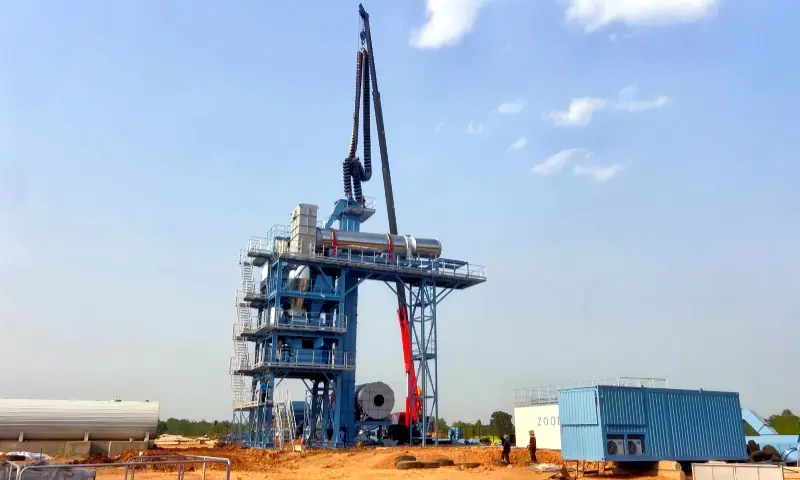
The double drum/countercurrent system adopts a highly efficient heat exchange design to maximize the use of heat through the countercurrent contact between the hot air and the material, which not only reduces the emission of pollutants, including blue smoke, but also improves the efficiency of energy use. This system is very suitable for the production of high RAP mixing (more than 50%), which ensures the mixing quality and at the same time effectively reduces the fuel consumption, realizing the dual goals of environmental protection and energy saving.
Hot Recycling Ring (RAP Collar)
Thermal recycling ring (RAP ring) is a cost-effective solution for upgrading the existing recycled asphalt mixing plant, the core principle of which is to avoid direct contact between the RAP and the flame when feeding the RAP into the drying drum, thus preventing the RAP from overheating and asphalt binding material damage. With low investment costs and easy installation, this technology is ideal for recycling asphalt plants with limited budgets that want to quickly increase the amount of RAP blended.
Batch Plant RAP Integration Systems
The advantage of batch type asphalt mixing plant RAP integration system is the flexibility of feeding, according to different ratio design, RAP can be added at different points (e.g., weighing hopper, mixer), through the optimization of the feeding sequence, to shorten the mixing time, and improve the homogeneity of the mixture. The limitation of this system is that it requires high weighing accuracy and time control of the feeding material, and the feeding speed should be optimized to avoid the lumping phenomenon of RAP and ensure the production stability.
RAP Material Preparation and Management
High-quality RAP material is the prerequisite for improving RAP dosage. If the RAP material preparation is not appropriate, poor management, even with advanced technology and equipment, but also can not realize the stable production of high RAP dosage, and even affect the quality of the final asphalt pavement. Therefore, it is crucial to do a good job in the preparation and management of RAP materials.
Proper Crushing and Screening
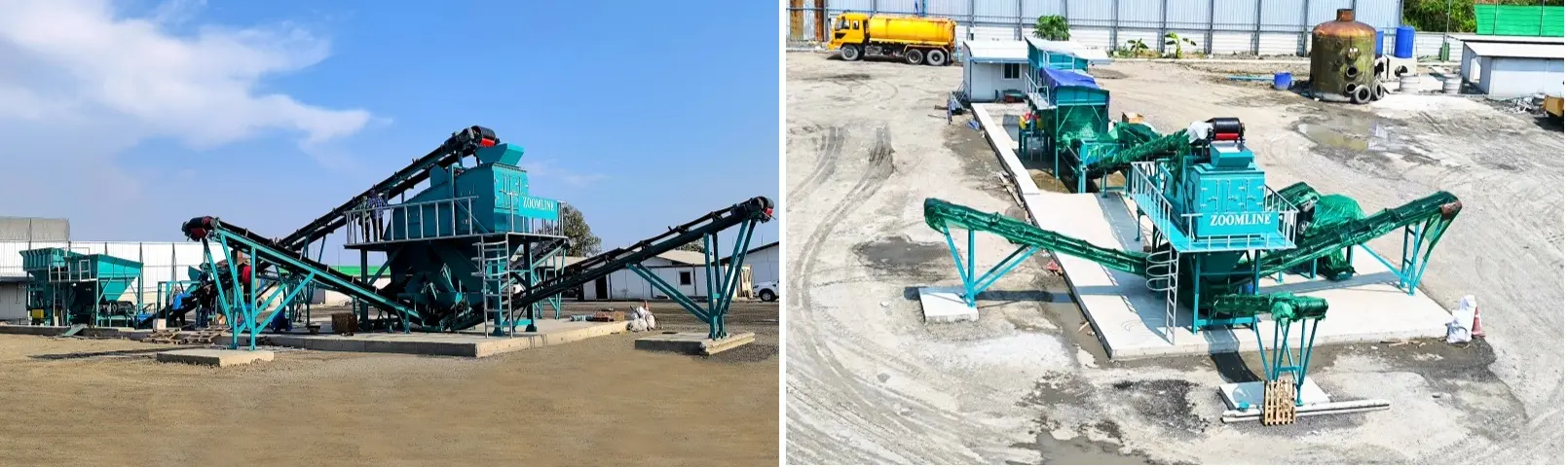
The crushing and screening of RAP materials need to meet the strict requirements, the core is to ensure that the RAP particle size is uniform (usually controlled in 0-25mm), so as to improve the uniformity of the subsequent mixing, to ensure the quality of asphalt mixture. At the same time, the need to avoid the emergence of too large RAP lumps, to prevent lumps in the mixing process of uneven heating, mixing is not sufficient, affecting pavement performance.
RAP Stockpile Management
The core of RAP stockpile management is to prevent the increase of moisture content and material contamination. A covered storage site should be used to avoid the increase of water content of RAP caused by rain and moisture; at the same time, RAP should be categorized and stacked according to the particle size and quality of RAP, so as to prevent the mixing and pollution of RAP of different quality and ensure the stable performance of RAP materials, laying the foundation for high dosage production.
Moisture Control Strategies
Controlling the water content of RAP is the core of the key measures to improve its dosage, which directly determines the stability of high RAP production and the quality of the mixture, and can be accurately controlled by the following two scientific and effective ways, to avoid the hidden dangers brought by the water content exceeding the standard from the source:
Adoption of pre-drying technology: Specialized equipment such as low-temperature drying system can be equipped to pre-treat the RAP and strictly control its moisture content below 2%, which can effectively avoid the problems of fluctuating mixing temperature, intensified energy loss, and uneven mixing of mixes caused by high moisture content, and guarantee the continuity of production and stability of product quality.
Optimize the pile foundation design: add perfect drainage facilities in the RAP storage area, scientifically plan the slope of the pile foundation, effectively prevent rainwater from accumulating and infiltrating at the bottom of the pile, control the increase of RAP water content from the source, ensure the stable performance of the RAP material, and build a solid foundation for the production of high mixing capacity.
Mix Design Optimization for High RAP in Recycling Asphalt Plant
Improve the RAP dosage, need to optimize the mix ratio of asphalt mixture, in order to ensure that the final mixture to meet the performance requirements of pavement construction, including rutting resistance, cracking resistance and durability, etc.. The optimization of mix ratio design is an indispensable part of high RAP production, which directly determines the quality of recycled asphalt pavement.
Adjusting Virgin Aggregate Proportion
One of the core strategies to optimize the mix ratio is to adjust the proportion of virgin aggregate, maintain the reasonable grading of the mixture by reasonably matching the virgin aggregate with the aggregate in RAP, ensure that the asphalt mixture has good compaction performance and strength, and meet the bearing requirements of pavement construction.
Use of Rejuvenators
The core role of the recycling agent is to restore the performance of the aging RAP asphalt binding material, reduce its hardness, enhance the working performance, so as to solve the aging of RAP asphalt brittleness, easy to crack and other issues. At present, the commonly used rejuvenating agents in the industry are mainly divided into bio-based rejuvenating agents and petroleum-based rejuvenating agents, which can be selected according to the aging degree of RAP and the production needs of the appropriate type and dosage.
Binder Grade Adjustment
In order to balance the hardness of the aging RAP asphalt binding material, a softer grade of virgin asphalt binding material can be used, through the soft virgin asphalt and aging RAP asphalt with the final asphalt binding material to meet the required performance of the pavement construction grade, to ensure that the working performance and durability of the mixture.
Laboratory Testing and Validation
Before large-scale production, laboratory testing and verification must be carried out, which is a key step to ensure the quality of high RAP asphalt mixture. By carrying out rutting test, cracking test, durability test and other performance tests, to verify the reasonableness of the ratio design, to ensure that the mixture meets the local road construction standards, to avoid quality problems after mass production.
Process Control and Automation for High RAP in Recycling Asphalt Plant
High RAP production process control requirements for accuracy is much higher than conventional asphalt production, to avoid excessive heating, uneven mixing, mixing fluctuations and other issues. Automation control system is to achieve accurate process control, to ensure production stability of the core support, can effectively reduce human error, improve production efficiency and product quality.
Accurate RAP Feeding System
The stability of RAP feeding directly affects the quality of the mixture, the need to use high-precision weighing equipment to ensure that the RAP feeding ratio is accurate and stable, to avoid fluctuations in the feeding material to cause deviations in the mix ratio, affecting the quality of pavement construction. At the same time, need to optimize the feeding process to ensure smooth feeding, reduce the phenomenon of blockage.
Temperature Monitoring and Control
Temperature control is the core link of high RAP production, real-time temperature sensors need to be installed at key points (such as RAP drying drum, mixer), real-time monitoring of temperature changes, to prevent excessive heating of RAP (resulting in damage to the asphalt bonding material, blue smoke) or insufficient heating (resulting in inadequate mixing), to ensure that the temperature of the entire production process is stabilized in a reasonable range.
Intelligent Control Systems (PLC/SCADA)
PLC/SCADA intelligent control system can realize the automatic control of the production process, automatically adjust the RAP mixing amount, heating temperature and mixing time according to the real-time production data, effectively reduce the human error in operation, and ensure the stability and consistency of high RAP production. At the same time, the system can realize real-time collection and storage of production data, providing data support for subsequent optimization.
Data-Driven Optimization
Through the collection and analysis of various types of data in the production process (including mix ratio, heating temperature, mix performance test results, etc.), the mix ratio design and production process parameters can be continuously optimized to enhance the RAP content while continuously guaranteeing the quality of the mix, and achieve the continuous optimization of high RAP production.
Environmental and Energy Considerations for High RAP in Recycling Asphalt Plant
High RAP production should not only pursue cost savings and quality stability, but also need to take into account environmental compliance and energy saving, in line with the industry trend of green construction and sustainable development. In the process of improving RAP mixing, targeted measures need to be taken to control pollutant emissions and improve energy efficiency.
Reducing Carbon Emissions
Increase RAP dosage is an effective way to reduce carbon emissions, RAP recycling can directly reduce carbon emissions in the production of virgin asphalt, in line with the global “dual-carbon” goal. At the same time, high RAP production can also reduce the mining of primary aggregates, further reducing the environmental impact, helping enterprises to realize green transformation and meet the requirements of environmental regulations.
Blue Smoke Control Measures
There are two core control measures that can be taken to address the blue smoke problem that may occur in high RAP production:
Installation of secondary dust removal system: Equipped with high-efficiency secondary dust removal equipment, it can accurately capture the blue smoke and dust generated during the production of high RAP, significantly reduce the concentration of pollutant emissions, and ensure that the production process meets the requirements of environmental regulations.
Optimize the design of the point where RAP enters the drying drum: scientifically adjust the feeding point of RAP to avoid direct contact with the flame, preventing the blue smoke generated by overheating of RAP from the source, and at the same time, protecting the asphalt binder from damage, taking into account both environmental protection and product quality.
Energy Efficiency Improvements
In the process of high RAP production, energy efficiency can be improved and energy consumption can be reduced in many ways:
Adopt waste heat recovery system: efficiently recover the waste heat discharged from the drying drum, and recycle it in RAP preheating, aggregate drying and other production processes, maximizing the heat utilization rate and reducing energy waste;
Enhance equipment heat preservation treatment: carry out professional heat preservation renovation on key equipment parts such as drying drum and pipeline, effectively reduce heat dissipation in the production process, reduce additional energy consumption, and further improve production energy efficiency;
Optimize the fuel combustion process: upgrade the combustion control system, accurately regulate the fuel supply and combustion rhythm, enhance the fuel combustion adequacy, effectively improve the fuel utilization rate, and at the same time reduce the fuel consumption and pollutant emissions, to achieve a win-win situation for energy saving and environmental protection.
Cost-Benefit Analysis of Increasing RAP in Recycling Asphalt Plant
For asphalt recycling plant operators, one of the core objectives of improving RAP dosage is to reduce operating costs and improve profitability. Clearly improve the cost and benefit of RAP dosage, can provide strong support for business decision-making, to eliminate the concerns of enterprises on the initial investment.
Savings on Virgin Materials
Increasing RAP dosage can significantly reduce the amount of virgin asphalt and aggregate, thus significantly reducing the cost of raw material procurement. With the improvement of RAP dosage, the proportion of virgin material consumption decreases accordingly, and the cost saving effect will be more obvious, which can directly improve the profitability of the enterprise.
Investment in Plant Upgrades
If the existing recycled asphalt plant can not meet the high RAP production needs, the need for equipment upgrades, the investment costs of different upgrade programs vary (such as parallel drum technology, RAP ring upgrades, etc.). However, in the long run, the payback cycle of recycling asphalt plant upgrading is shorter, usually around 6-12 months, and the upfront investment can be quickly recovered through raw material cost savings to realize long-term profitability.
Operating Cost Impact Balance
It is important to note that high RAP production may slightly increase energy consumption in some cases, but this additional operating cost is much lower than the benefits from virgin material savings. Overall, increasing RAP blending can achieve a net reduction in operating costs and improve the overall profitability of the company.
Common Mistakes When Increasing RAP Percentage in Recycling Asphalt Plant
In the process of improving the operation of recycled asphalt mixing plant RAP mixing, many operators are caught in all kinds of common misunderstandings, resulting in production work is blocked, difficult to achieve the desired goals, not only causing unnecessary waste of manpower, material and financial resources, but also directly delay the road construction progress, affecting the efficiency of project delivery. Accurately avoid these common misunderstandings, recycling asphalt mixing plant is efficient, safe and stable production of high RAP mixing key to effectively reduce the production risk, improve production efficiency.
Misconception 1: Neglect RAP moisture content control
This is the most common and has the greatest impact on production quality. RAP water content is not effectively controlled, will directly lead to uneven mixing of asphalt mixtures, performance indicators decline, which in turn affects the final quality of pavement construction, laying hidden dangers.
Misconception 2: RAP heating temperature is too high
Easy to cause thermal damage to the asphalt binding material, while generating a lot of blue smoke, not only violates the environmental compliance requirements, facing the risk of environmental penalties, but also reduces the quality of asphalt mixture, affecting the durability of the pavement and the use of performance.
Misunderstanding 3: unscientific ratio design adjustment
Not according to the proportion of RAP mixing enhancement, targeted optimization of primary aggregates and asphalt binding material ratio, resulting in asphalt mixture performance is not up to standard, can not meet the core requirements of road construction.
Misunderstanding 4: recycling asphalt plant upgrading is not thorough and insufficient
Blindly relying on old equipment to promote the production of high RAP mix, resulting in unstable equipment operation, low production efficiency, and difficult to achieve continuous and stable output of high RAP mix.
Myth 5: Lack of professional operator training
Operators are not familiar with the high RAP production process, the control of key parameters (such as temperature, feed), easy to operate in the process of operational errors, directly affecting the quality of production and production safety.
Step-by-Step Strategy to Increase RAP Percentage in Recycling Asphalt Plant
Improve the RAP percentage is not a quick fix, need to follow the systematic, step-by-step implementation of the principle of gradual progress, steady improvement, in order to avoid risk, to ensure stable production and quality standards. The following step-by-step implementation strategies have been verified by industry practice and can be directly applied to actual production.
Evaluate Existing the Capacity of the Existing Recycling Asphalt Mixing Plant
First of all, it is necessary to conduct a comprehensive assessment of the existing recycled asphalt mixing plant’s equipment performance (including drying drums, mixers, feeding systems, etc.), process control capabilities and RAP processing capacity, to identify the shortcomings of the existing equipment, to determine the maximum amount of RAP mixing that can be achieved, as well as recycling asphalt plant upgrades and process optimization measures that need to be carried out.
Improve RAP Material Quality
Optimize the crushing, screening and stockpile management processes of RAP, strictly control the particle size and moisture content of RAP, and ensure stable quality of RAP materials. Focus on the rainproof and drainage measures of the stockpile, and adopt pre-drying technology to control the moisture content of RAP below 2%, so as to lay a foundation for high dosage production.
Upgrade Equipment When Necessary
According to the evaluation results of the existing recycling asphalt plant equipment, combine with the target RAP dosage, choose the appropriate recycling asphalt mixing plant upgrading program. Prioritize cost-effective upgrading methods (such as RAP ring upgrading), for recycled asphalt mixing plant that requires large-scale reconstruction, the upgrading can be carried out in stages, balancing the initial investment and benefits, to ensure that the equipment upgraded to meet the needs of high RAP production.
Optimize Mix Design
According to the target RAP mixing amount, adjust the proportion of virgin aggregate, select the appropriate recycling agent and virgin asphalt binder grade, verify the reasonableness of the mix ratio through laboratory tests, ensure that the mixture meets the performance requirements of pavement construction, and provide a basis for mass production.
Implement Advanced Control Systems
Set up an advanced PLC/SCADA intelligent control system to automate the asphalt recycling production process and make sure that key parameters like temperature and feed ratio are controlled more accurately. At the same time, systematic training is also need provided to operators to ensure that they can skillfully operate the control system of recycling asphalt plant and reduce human errors in the operation site.
Gradually increase RAP doping and test
Avoid large one-time increases in RAP doping. Start with a lower proportion (e.g. from 20% to 30%) and conduct on-site production tests to verify the quality of the mix and the stability of the production. After confirming that the quality of the standard, and then gradually increase the RAP dosage, each enhancement of a stage, are required to carry out performance testing to ensure production stability and quality control.
Future Trends in High Percentage RAP Asphalt Production
Accurately grasp the future development trend of high percentage RAP asphalt production, can help operators of recycled asphalt mixing plant layout in advance, seize market opportunities, take the initiative to adapt to changes in the industry, for enterprises to achieve long-term sustainable development to build a solid foundation. Currently, the future trend of high RAP asphalt production is mainly focused on the following four core directions, leading the industry green, intelligent and efficient upgrade.
70% -100% RAP Technology is Fully Popularized
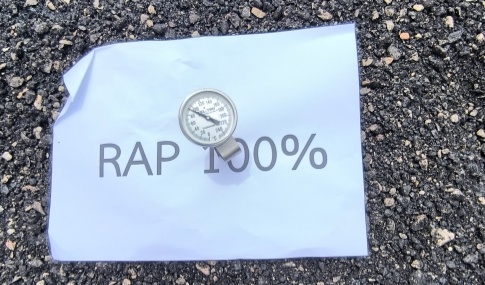
With the iterative upgrading of recycling agent technology and continuous optimization of the mixing process, more than 70% and even 100% RAP dosage of recycled asphalt large-scale production will gradually become the norm in the industry, not only to further enhance the recycling of waste asphalt resources, but also minimize the environmental impact of the production process, to achieve the double enhancement of the recycling of resources and environmental benefits.
Warm Mix Asphalt (WMA) and High Percentage RAP Droduction Depth Integration
Warm Mix Asphalt (WMA) technology and high RAP production process of the depth of integration, will become an important direction of the industry’s energy saving and carbon reduction. The combination of the two can effectively reduce energy consumption and pollutant emissions in the production process, a perfect match for green construction, low-carbon development of the industry’s philosophy, while ensuring that the performance of recycled asphalt mixes meet the standards.
AI-driven Intelligent Optimization of Recycled Asphalt Mixing Plant
Artificial Intelligence (AI) technology will be gradually applied to the production control of recycled asphalt mixing plant, through the AI system real-time collection and analysis of the whole process of production data, automatic and accurate adjustment of process parameters, to achieve the maximization of RAP mixing and production quality, and at the same time to improve the production efficiency, reduce human error, and promote the recycled asphalt mixing plant to the direction of intelligence, refinement of the direction of transformation.
Sustainable Road Construction has Become a Mandatory Requirement
Global low-carbon environmental protection policies continue to tighten, more and more regions will improve the RAP content into the mandatory standards for road construction, through the policy guidance to promote the widespread application of high RAP technology, forcing recycling asphalt mixing plant upgrading and transformation, helping the industry to achieve sustainable development and transformation.
Call to Action
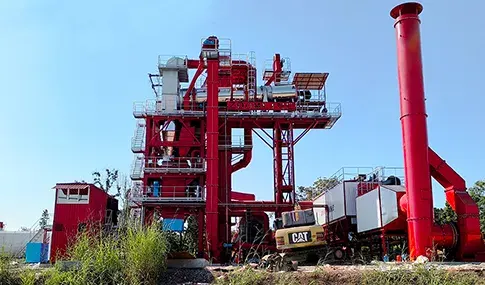
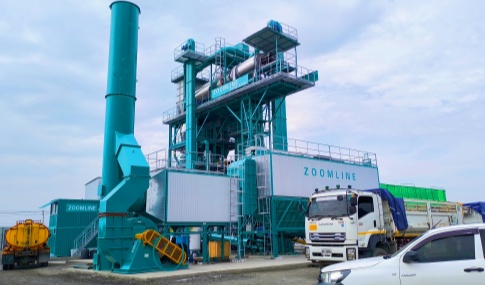
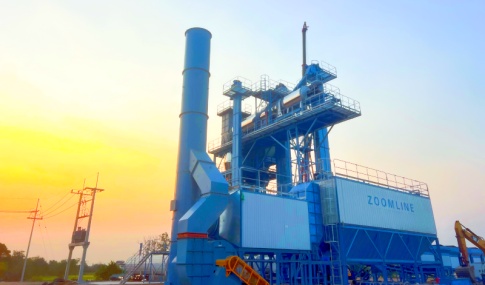
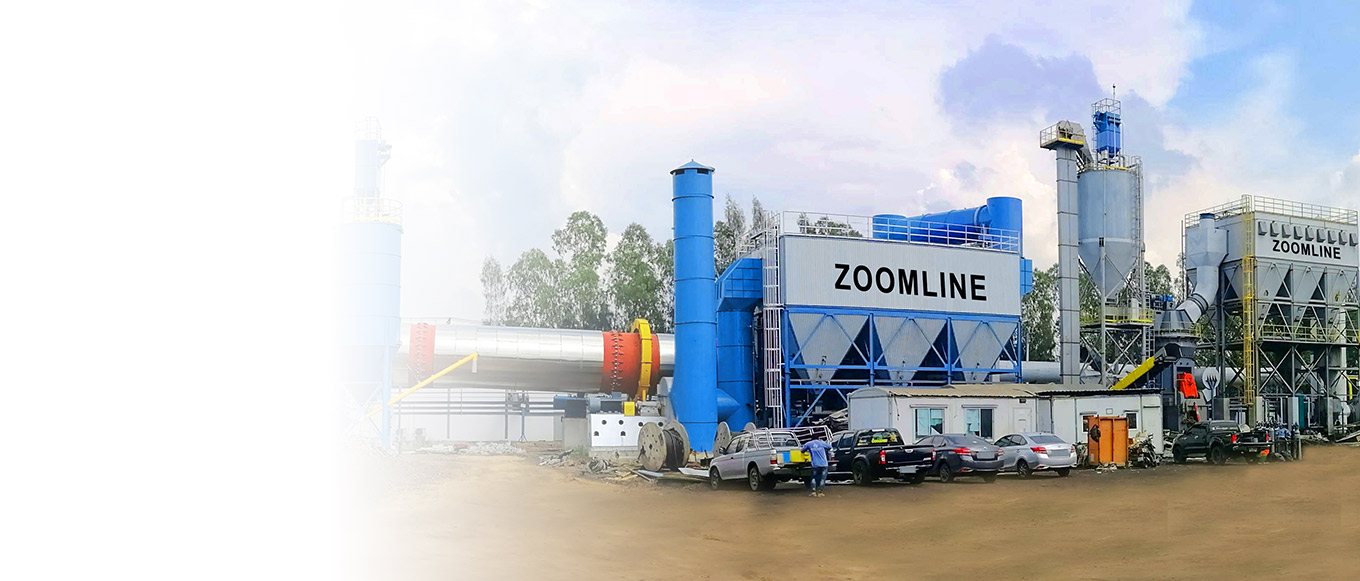
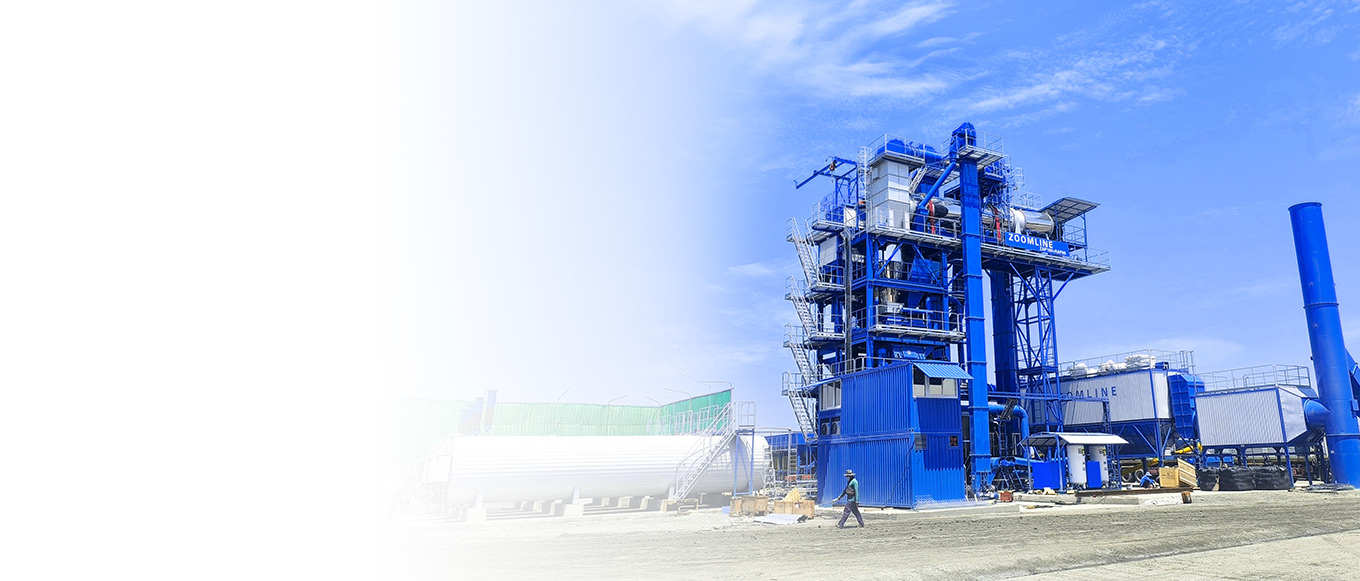
Do you want to raise the RAP content of recycled asphalt mixing plants to lower operating costs, protect the environment better, and make the recycling asphalt mixing plants more competitive in the market? The asphalt recycling experts from ZOOMLINE Machinery has a lot of experience with high RAP production and also can help you with everything from upgrading recycling asphalt plant equipment to training you on how to control the process. Watch the video for our Recycing asphalt plant in Thailand.
Conclusion
To improve the RAP percentage of recycled asphalt mixing plants, operators usually need to use advanced technology, standardize material management, optimize ratio design, and control the process very carefully. By overcoming common problems like moisture content, asphalt aging, and equipment limitations, and following a step-by-step implementation plan, asphalt mixing plant operators can safely and efficiently increase the RAP dosage to more than 50% (or even 100%), which will save them a lot of money and help the environment.
It should be emphasized that high percentage RAP is not only an effective means to reduce costs, but also an inevitable trend for the asphalt industry to achieve sustainable development. With the continuous progress of technology, high RAP production will become more mature and efficient, as long as the right methods and professional support, every recycling asphalt mixing plant can unlock the great value of RAP recycling, and steadily move forward on the road of green transformation.
RELATED NEWS