

Tips for Upgrading an Asphalt Plant for Better ROI
For road construction companies, asphalt mixing plants are core production equipment; their operational efficiency, energy consumption, and maintenance costs directly determine project profit margins.
Many companies fall into the trap of “making do with outdated equipment.” While this may seem to save on initial investment, profits are actually eroded by sky-high fuel consumption, frequent breakdowns and downtime, and compliance risks. In fact, a scientifically planned upgrade is not an “extra expense,” but rather a key lever for boosting ROI (Return on Investment). However, upgrading is not always the best option for every facility. If you are weighing the costs and benefits of both approaches, read our guide on whether to upgrade or replace your existing asphalt plant.
When Should You Upgrade Your Asphalt Mixing Plant?
Not all equipment requires a comprehensive upgrade; blind investment will only dilute ROI. When your asphalt mixing plant shows clear warning signs, that is the optimal time to upgrade—the sooner you upgrade, the sooner you reap the benefits.
Five Core Indicators That Signal the Need for Equipment Upgrades
Unstable mix quality
Frequent temperature fluctuations and mix ratio deviations lead to returns from construction sites and severe waste of raw materials. This is a typical symptom of aging heating and control systems in outdated equipment; continued repairs will only exacerbate wear and tear.
Soaring fuel consumption and declining efficiency
For the same output, fuel consumption has increased by more than 15% compared to previous years. Frequent burner clogging and insufficient thermal efficiency directly drive up unit production costs.
Routine breakdowns and downtime
Frequent blockages in the cold mix bin, conveyor belt misalignment, and cracks in the drying drum force maintenance crews to spend hours each day on emergency repairs, with downtime losses far exceeding maintenance costs.
Difficulty sourcing spare parts with poor compatibility
With equipment in service for over 10–15 years, original manufacturer spare parts are no longer available, forcing the use of third-party non-standard parts. This triggers a chain reaction of failures, extending repair cycles to several weeks.
Increased environmental compliance risks
Exceeding emission limits and dust pollution affecting nearby residents expose the facility to fines from environmental authorities and the risk of construction site shutdowns. Additionally, failure to meet environmental compliance requirements for new projects results in missed bidding opportunities.
Cost-Effectiveness Tips for Upgrades
If the equipment’s mechanical structure remains intact and only the control system and energy-consuming components have aged, prioritize “partial upgrades” over “complete replacements.”
This approach can reduce upgrade costs by more than 50% and shorten the ROI payback period to 1–2 years, making it the optimal choice for small and medium-sized construction companies.
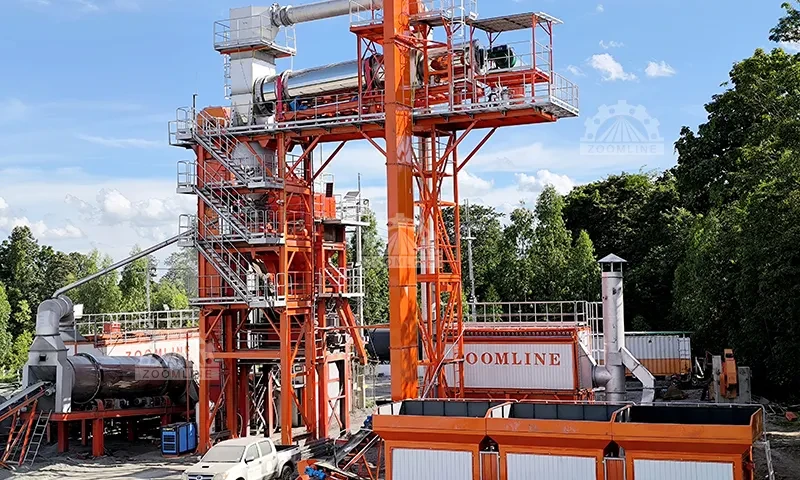
Tips for Upgrading an Asphalt Plant for Better ROI
The core objectives of an upgrade are “cost reduction, efficiency improvement, quality enhancement, and compliance.” There is no need to blindly pursue a “full-scale upgrade”; instead, focusing on core pain points will maximize your ROI.
Upgrade the Control System—Say Goodbye to “Manual Dependency” and Reduce Waste and Errors
The manual control mode of outdated mixing plants not only relies on operator experience but is also prone to issues such as mix ratio deviations and temperature control failures.
According to industry data, a medium-sized mixing plant may waste over $3,000 in raw materials daily, with human operational errors being one of the primary causes.
Digital Control System Upgrade
Install a Programmable Logic Controller (PLC) digital control system to preset mix recipes via a touchscreen.
The system automatically adjusts aggregate weighing, asphalt injection volume, and burner intensity to ensure consistent quality in every batch of mix, eliminating waste caused by human error.
Integration of Intelligent Diagnostic Features
The upgrade includes intelligent diagnostic capabilities that pinpoint equipment faults in real time, reducing troubleshooting time from hours to minutes and significantly minimizing downtime losses.
Integration of Cloud Monitoring Systems
The system can be upgraded with cloud monitoring software (such as the CATIE system) to enable real-time collection of equipment operation data and remote monitoring.
Managers can accurately track data on energy consumption, output, and malfunctions, providing a basis for maintenance and production scheduling, thereby further improving operational efficiency. This is also one of the core directions in the current development of smart plants.
Optimize the Combustion and Heating System—Reduce Fuel Consumption and Boost Efficiency with Immediate Results
Fuel costs account for 30%–40% of an asphalt mixing plant’s operating expenses, making them the primary cost driver. Upgrading the combustion system is the most direct way to reduce these costs.
High-Efficiency Burner Upgrade
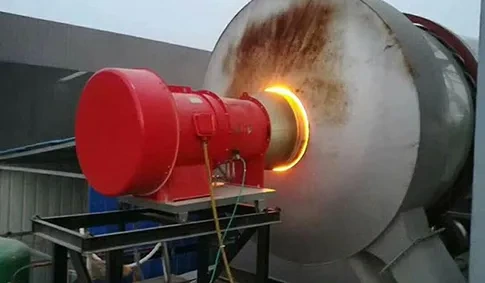
Prioritize upgrading to high-efficiency burners by replacing clogged or aged nozzles and airflow systems to improve fuel atomization and ensure more complete combustion.
Practice has proven that this upgrade can reduce fuel consumption by 10%–20%, saving medium-sized mixing plants hundreds of thousands of yuan in fuel costs annually.
Dryer Drum Optimization and Upgrade
For the dryer drum, adopt counter-flow technology to maximize heat utilization, minimize heat loss, and extend equipment lifespan.
If the equipment is severely aged, replace the drying drum liners with ones that offer better thermal insulation to further improve thermal efficiency and reduce energy waste, particularly in high-temperature operating environments.
Upgrade Environmental Protection Equipment—Mitigate Compliance Risks and Expand Profit Margins
As environmental regulations become increasingly stringent, failing to meet environmental standards not only results in fines but also disqualifies companies from bidding on government projects. Environmental upgrades have become essential for business survival.
Dust Collector Upgrade: From “Compliance” to “High Efficiency”
The upgrade focuses on replacing outdated wet dust collectors with advanced baghouse dust collectors, which can capture over 99% of dust and harmful particulates.
Additionally, collected dust can be recycled into the mix, reducing pollution while saving on raw material costs—achieving dual benefits of “environmental protection and energy conservation.” This represents the current mainstream trend in green production.
Exhaust Gas Treatment and Compatibility with Mobile Equipment
Exhaust gas treatment systems can be installed to reduce hydrocarbon emissions, ensuring compliance with local environmental standards and avoiding environmental fines.
For mixing plants that require frequent relocation, prioritize modular equipment with built-in environmental protection systems. This facilitates transportation and enables rapid approval of environmental permits, thereby avoiding production downtime and associated losses caused by compliance issues.
Upgrade the Material Handling System—Reduce Material Blockages and Improve Production Continuity
Blockages in the cold aggregate bin and conveyor belt misalignment are common issues in outdated batching plants. These problems not only impact production efficiency but also pose safety hazards, directly hindering ROI improvement.
Upgrading the Feeding and Conveying Systems
Replace with high-precision vibrating feeders to ensure uniform aggregate feeding; Optimize cold aggregate bin design and install anti-bridging devices to prevent aggregate clumping and blockages.
Replace conveyor belts with wear-resistant, anti-drift models to reduce equipment wear and unplanned downtime, ensuring a continuous and smooth production process.
Weighing System Optimization
Simultaneously, upgrade the aggregate weighing system to improve weighing accuracy and avoid mix quality issues caused by deviations in aggregate ratios.
This effectively reduces costs associated with returns and rework, indirectly improving ROI. It is particularly suitable for municipal and highway projects with high-quality requirements for the mix, and the precision advantages of gravity-based metering technology can be referenced.
Choose Modular/Mobile Upgrades — Adapt to Mobile Construction and Reduce Relocation Costs
Road construction projects are often regional in nature. Relocating outdated fixed batching plants is inconvenient, severely impacting project schedules and increasing hidden costs.
Modular Equipment: Rapid Deployment, Time Savings
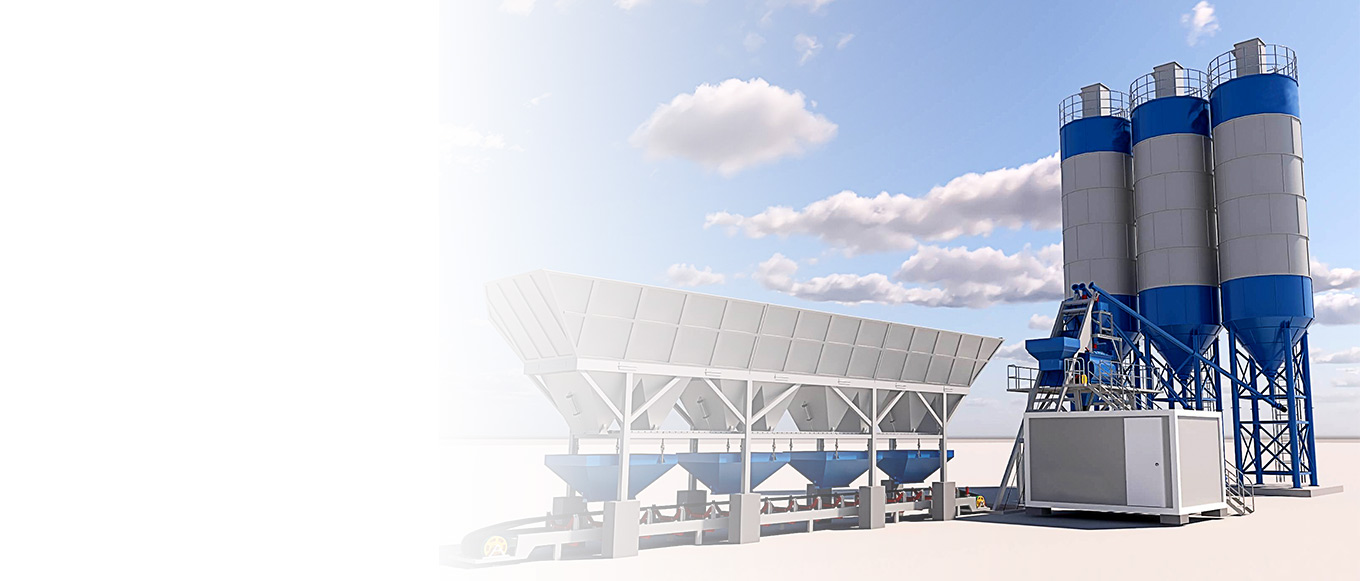
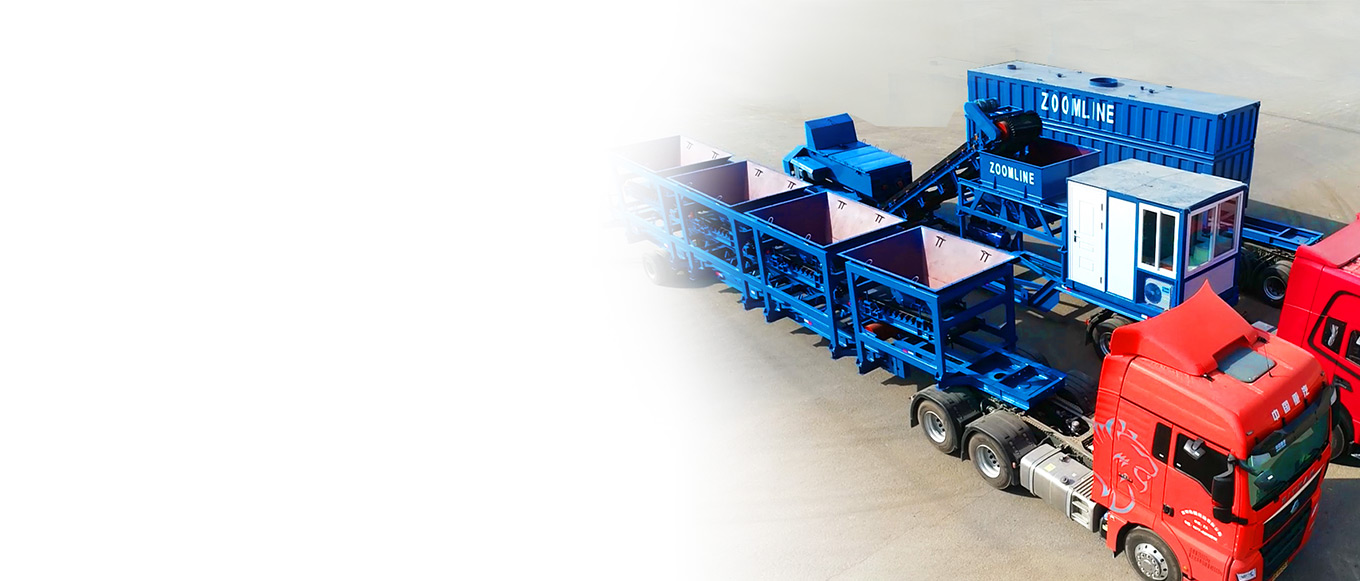
Upgrading to a modular batching plant, with pre-wired and pre-assembled components, allows for commissioning and production within days of arrival at the site, significantly reducing relocation downtime.
This design eliminates the need for additional concrete foundations and enables direct crane installation, further lowering relocation and installation costs.
Mobile Equipment: Proximity to Construction Sites, Reduced Waste
For companies with dispersed projects requiring frequent relocation, mobile batching plants can be deployed directly near construction sites.
This reduces the cost of transporting mixed materials and minimizes temperature loss during transit, while simultaneously improving construction efficiency and securing a competitive edge in project execution. It is particularly suitable for remote areas or scenarios involving coordinated construction across multiple sites.
Precise Selection, Avoid “Oversizing”—Match Capacity to Control Long-Term Costs
When upgrading, avoid the misconception that “higher capacity is always better.” Excess capacity leads to wasted energy and idle equipment, which actually lowers ROI; precisely matching capacity is the key.
Three Core Metrics for Capacity Selection
Consider your specific business situation and refer to three core metrics—annual asphalt consumption, project scale, and market competition—to select the appropriate capacity model.
Practical Recommendations for Selection
For example, enterprises with an annual capacity of less than 50,000 tons do not need to upgrade to a large-scale mixing plant; medium-sized modular equipment can meet their needs. If there are plans to sell mixed materials externally, capacity can be appropriately increased.
However, it is essential to conduct advance research on local aggregate supply and market demand to avoid idle capacity. At the same time, prioritize equipment that is easy to calibrate and maintain to reduce long-term operational and maintenance costs. You may refer to the selection logic of high-efficiency equipment.
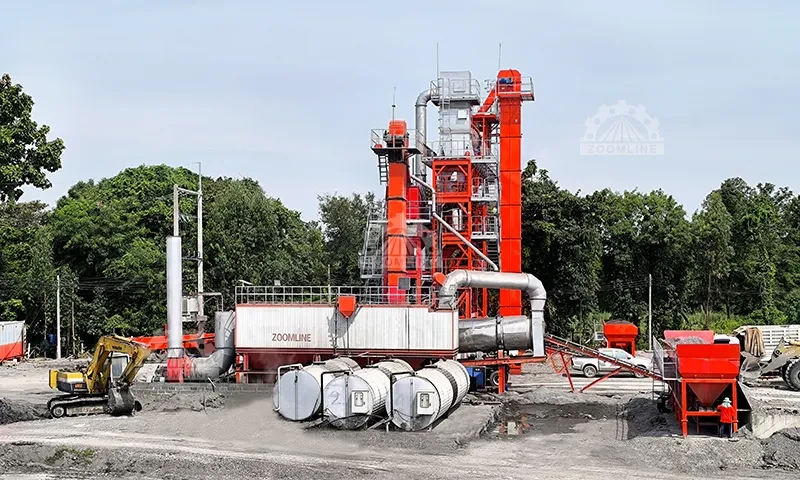
Calculating the ROI of Upgrades: How Long Does It Take to Recoup the Investment?
Many companies worry that the cost of upgrades is too high and that it will be difficult to recoup their investment. In fact, with a reasonable investment in upgrades, the ROI payback period is typically 1–3 years, depending on the specific upgrade approach and the scale of the equipment.
Payback Periods for Different Upgrade Methods
Partial Upgrades (Control Systems, Burners): Relatively low investment, with primary benefits coming from reduced fuel consumption and waste. A medium-sized concrete batching plant typically recoups costs within 1–2 years.
Comprehensive Upgrades (Modular, Mobile Equipment): Higher investment, but more comprehensive benefits, including improved efficiency, reduced transportation costs, and enhanced competitive bidding advantages. Costs are recouped within 3 years, with higher long-term ROI.
Practical Case Studies
A medium-sized concrete batching plant upgraded its PLC control system and installed high-efficiency burners, with an investment of approximately 800,000 yuan.
After the upgrade, the plant saved 50,000 yuan in monthly fuel costs and reduced raw material waste by 30,000 yuan. The investment was recouped in just 8 months, resulting in nearly 700,000 yuan in additional annual profits.
Another case study shows that after digital upgrades, plant operational efficiency can increase by 40% and labor costs can decrease by 30%, further shortening the payback period.
Upgrade Pitfall Avoidance Guide: 3 Key Considerations
The core of any upgrade is “maximizing ROI.” If handled improperly, it can actually increase costs and delay project timelines. The following three considerations require special attention.
Prioritize Adapting Existing Equipment to Reduce Initial Investment
If the mechanical structure of existing equipment is intact, prioritize upgrading the control system and energy-consuming components rather than replacing the entire system, thereby reducing initial investment.
Most modern equipment is compatible with older components, such as asphalt storage tanks, which can further reduce costs and avoid unnecessary duplicate investments.
Choose Manufacturers That Offer Post-Sales Training
After the upgrade, it is essential to ensure that operators are proficient in operating the equipment to avoid malfunctions and efficiency losses caused by improper operation.
Reputable manufacturers provide on-site training and technical support to ensure stable equipment operation. Especially for intelligent control systems, professional training can significantly improve equipment utilization rates.
Leverage Policy Incentives to Reduce Upgrade Costs
When purchasing new or upgrading mixing plant equipment, businesses can benefit from corporate income tax deductions for depreciation.
It is recommended to consult a financial advisor for proper planning to further reduce upgrade costs and enhance cost-effectiveness.
Conclusion
In today’s increasingly competitive road construction industry, the high energy consumption, frequent breakdowns, and low efficiency of outdated asphalt mixing plants have long been a “stumbling block” to corporate profitability.
Rather than eroding profits through piecemeal repairs, it is wiser to pursue scientific upgrades to achieve the fourfold goals of “cost reduction, efficiency improvement, compliance, and quality enhancement.” This also represents the inevitable trend in the industry’s shift from “patchwork repairs” to “scalable intelligent manufacturing.”
Whether opting for partial upgrades or a complete overhaul, the core focus remains on “enhancing ROI”—every investment in an upgrade should correspond to clear cost savings or efficiency gains.
Only by selecting an upgrade solution tailored to your specific business needs can an asphalt mixing plant be transformed from a “production tool” into a “profit engine,” helping your company seize the initiative in fierce market competition and achieve long-term sustainable development.