


What Is the Best Asphalt Plant for Philippine Road Construction Featuring Field-Proven T- Type Mobile Batch Mix Asphalt Plant Solutions
Introduction
In recent years, infrastructure construction in the Philippines has continued to advance at a high speed, and projects led by the Philippine Department of Public Works and Highways (DPWH), such as upgrading of national highways, island connectivity projects, urban and rural road network reconstruction, and rural road maintenance, have continued to fall into place, which has comprehensively activated the local road construction market. Compared with other countries in Southeast Asia, road construction in the Philippines has distinctive regional characteristics: scattered project locations, independent construction on many islands, short construction period, and always in the tropical climate of high temperature, high humidity, and rainy, which puts forward high requirements for the site suitability of asphalt mixing plant, stability of production, flexibility of mobility, and accuracy of finished material quality.
Currently, local project contractors in the Philippines are generally facing difficulties in equipment selection: traditional fixed asphalt mixing plants have high construction costs and are difficult to be relocated, and cannot be adapted to the fragmented and inter-island construction mode; ordinary mobile asphalt mixing plants have limited mixing accuracy and insufficient stability of the finished product, which makes it difficult to satisfy the strict acceptance standards of the DPWH project.
Relying on the long-term localized operation experience in the Philippine market, we have hundreds of T-type mobile batch asphalt mixing plants in stable operation throughout the Philippines. After many years of field verification in tropical conditions and multi-scenario projects, this model has achieved an optimal balance of quality compliance, transfer flexibility, all-weather construction capability and comprehensive cost control, and has become the preferred asphalt mixing plant solution for road infrastructure projects in the Philippines. It has become the preferred asphalt mixing plant solution for road infrastructure projects in the Philippines.
Key Challenges Facing Philippine Road Construction Projects
The unique geographical structure of the islands, tropical climate, urban construction conditions and official engineering standards in the Philippines have created construction barriers that differentiate it from other countries, and directly determine the general-purpose asphalt mixing plant is difficult to adapt to the needs of local projects.
On the whole, there are four major pain points about asphalt plant selection in Philippine road construction.
Multi-island Scattered Construction Layout
The Philippines consists of three main islands, namely Luzon, Visayas and Mindanao, and thousands of subsidiary islands. Road infrastructure projects are characterized by multi-site, fragmented and cross-regional, with short construction cycles and irregular construction locations, contractors need to frequently dispatch equipment between different islands and provinces. Traditional stationary asphalt mixing plant relies on large-scale civil engineering foundation, long installation period, complex dismantling and installation process, and extremely high relocation costs, which not only increases the overall project investment, but also seriously delays the construction period, and is completely unable to adapt to the Philippines’ lightweight and motorized construction mode.
Harsh Tropical Climate Interference
The Philippines has a typical tropical maritime climate, with high temperature and high humidity throughout the year, concentrated rainy season and frequent typhoons. The high humidity environment can easily lead to the moisture content of sand and gravel aggregate, reduce the drying efficiency, and cause asphalt mixture imbalance and temperature instability; continuous rainfall and extreme weather are easy to interrupt the construction, and at the same time, the humidity and salt spray environment will accelerate the rust and wear of the equipment, which will greatly increase the difficulty of operation and maintenance and maintenance costs, and put forward a severe test on the weather resistance, sealing, and continuous production capacity of asphalt mixing plant.
Strict Site Space Restrictions
Manila and other core urban areas, road renovation, municipal repair projects, narrow, compact space, does not have a large set of equipment deployment conditions; remote townships, rural roads and island infrastructure projects are not standardized construction plant, site smoothness, bearing conditions are limited. Traditional large-scale stationary asphalt plant covers a large area, the deployment threshold is high, difficult to land, the market is in urgent need of compact, foundation-free, rapid deployment of asphalt mixing plant.
Strict DPWH Quality Compliance Thresholds
All national and municipal road projects in the Philippines strictly implement the official technical specifications of DPWH, and the proportioning accuracy, mixing uniformity, and material stability of asphalt mixtures directly determine the project acceptance results and qualification ratings. Ordinary mobile asphalt plant has low metering accuracy, poor adjustability of formula, large fluctuations in the quality of the finished product, and is very likely to fail to meet the standards, which will bring serious compliance risks and rework costs to the construction company.
Comparative Analysis of Mainstream Asphalt Mixing Plant Types in the Philippines
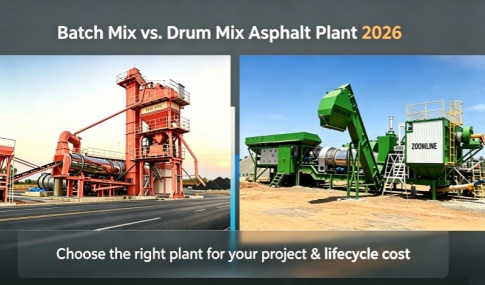
Combined with the Philippine construction scenarios and DPWH quality requirements, the current mainstream asphalt mixing plant in the local market is divided into three categories: T-type mobile batch mix asphalt mixing plant, stationary batch type asphalt mixing plant, drum mix asphalt mixing plant. There are significant differences in the adaptability scenarios, compliance capabilities and construction values of different models.
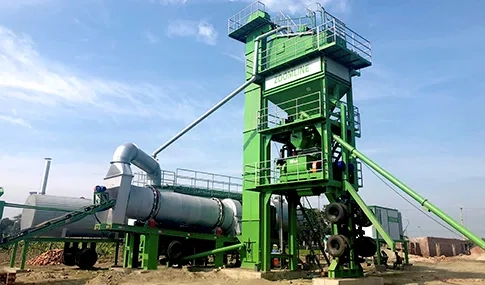
T-type Mobile Batch Asphalt Plants
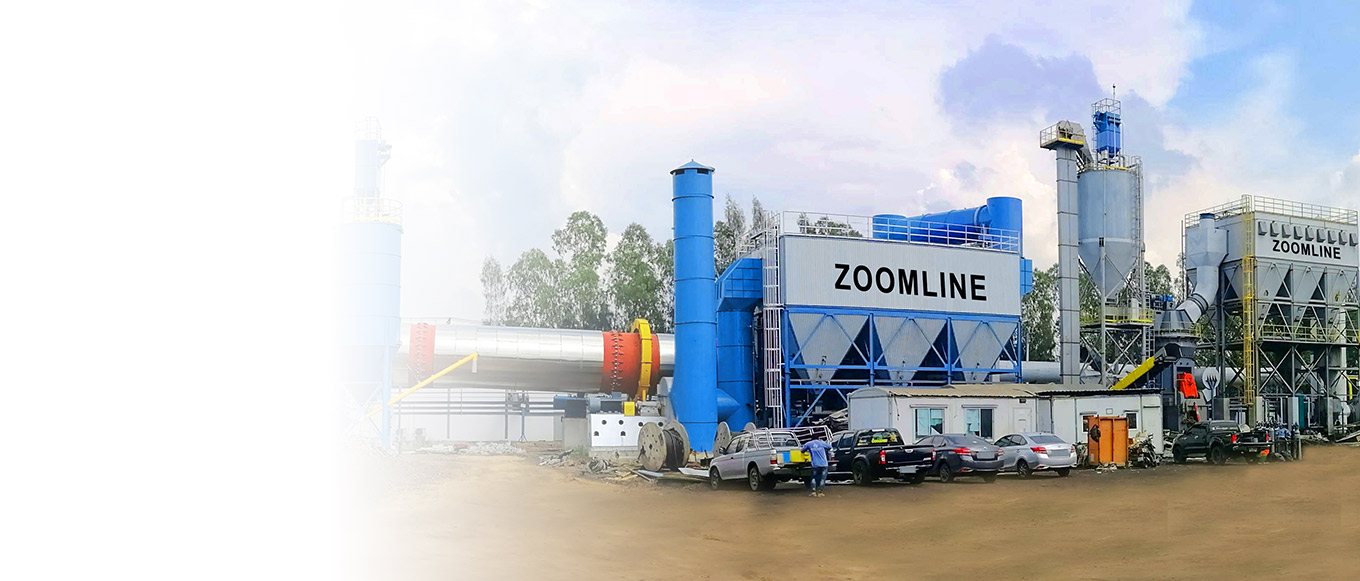
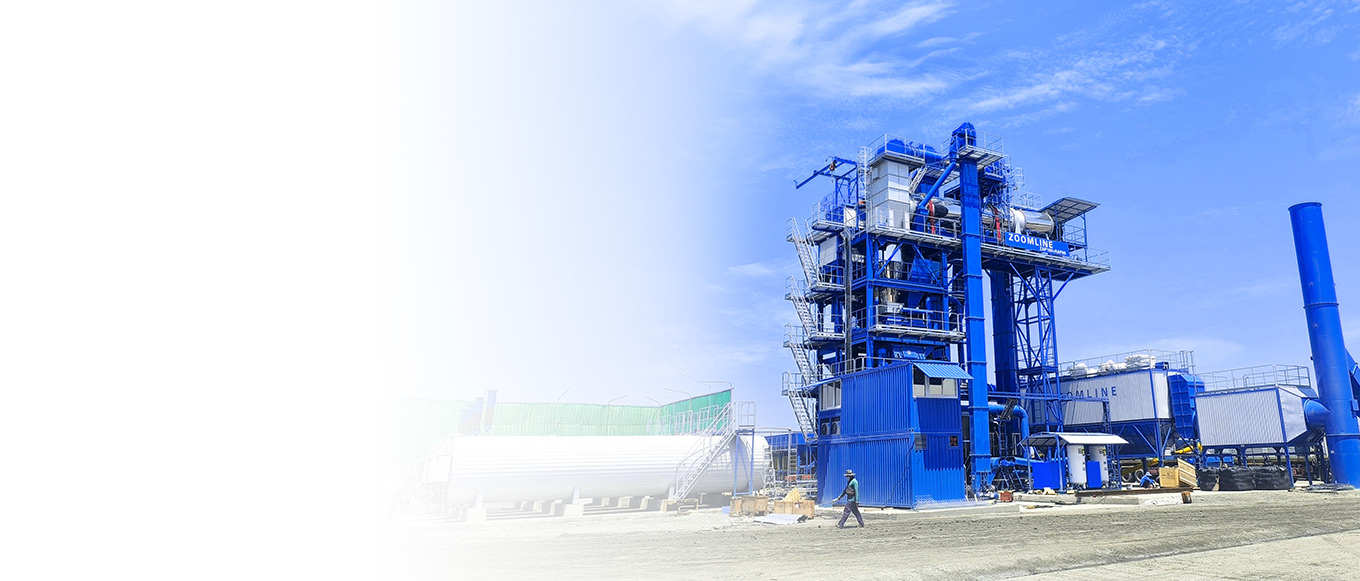
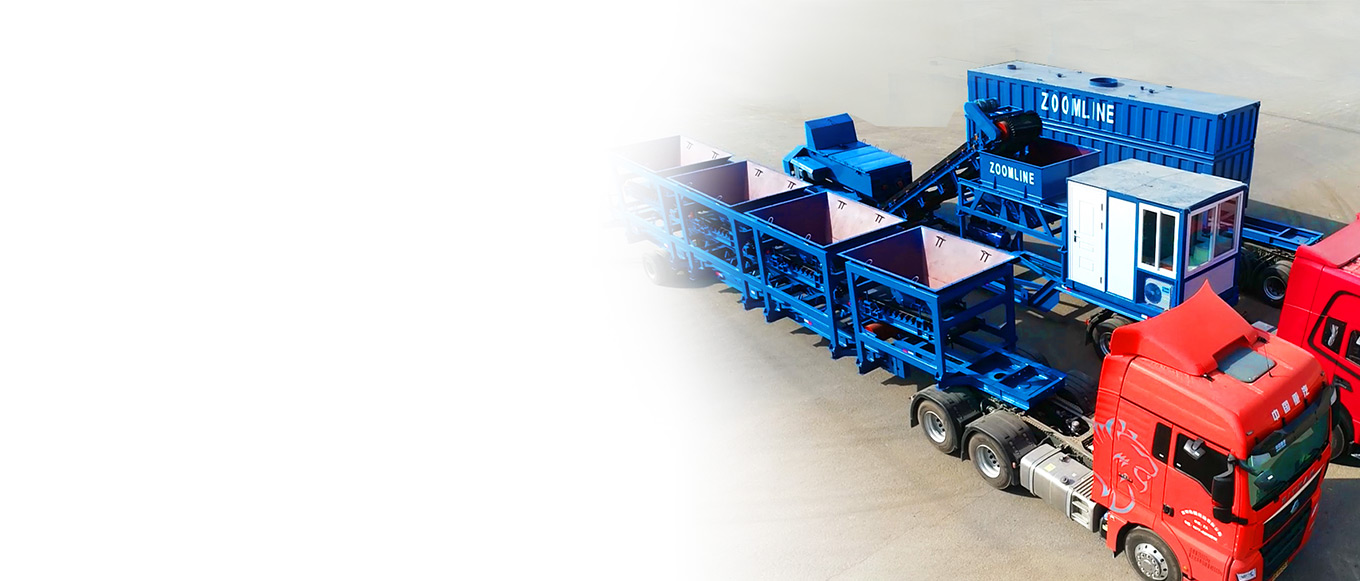
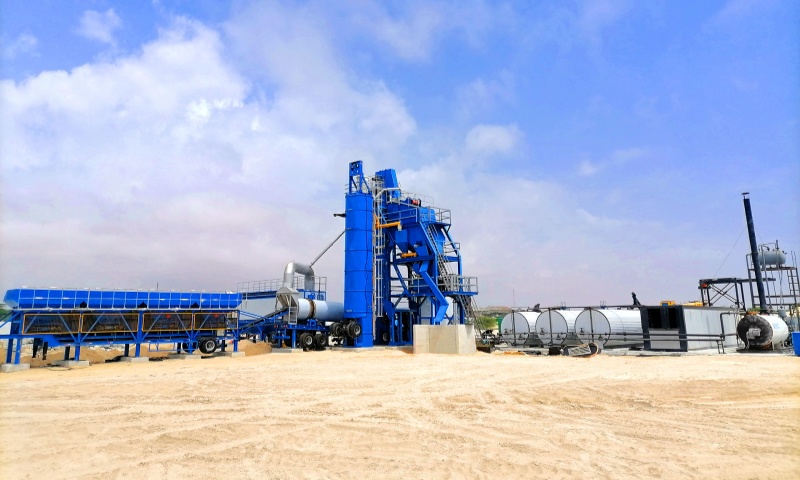
The equipment adopts modular foundation-free and transportable integrated design, equipped with high-precision batch mixing process, which can be quickly assembled and commissioned on site and put into operation without large-scale civil construction. The core advantages are flexible mobility, convenient transfer, accurate proportioning, support for rapid switching of multiple formulas, and full compliance with DPWH standards. It can be adapted to inter-island, multi-site, and short-cycle construction scenarios, and has been widely used in various projects such as renovation of urban roads, construction of provincial highways, maintenance of rural road networks, and island infrastructure, etc., and it is the main model adapted to the comprehensive working conditions of Philippine localities.
Stationary Batch Type Asphalt Mixing Plant
The stationary asphalt plant is a permanent floor-standing structure with large capacity, high mixing accuracy and production stability, which is suitable for long-term, high-volume and high-intensity asphalt production and fully meets the high acceptance requirements of DPWH. However, the equipment is extremely fixed, high investment in civil construction, expensive dismantling and relocation costs, long cycle, only suitable for high-speed road network, large hubs, continuous overall development and other fixed large-scale projects with a construction period of up to several years, and can not be adapted to the mainstream decentralized, short-cycle construction mode in the Philippines.
Drum Mix Asphalt Mixing Plant
Drum mix asphalt mixing plant has simple structure, low cost, and can realize uninterrupted continuous production with low entry cost. However, its core shortcomings are prominent: continuous mixing process, low batching and metering precision, poor adjustability of the formula, limited uniformity and stability of the mixture, only to meet the needs of ordinary paving, and difficult to fully adapt to the acceptance requirements of the DPWH high-standard municipal and national highway projects, with weak compliance and adaptability.
Which Asphalt Plant Is Best for Philippine Road Construction Projects?
| Evaluation Criteria | T-type Mobile Batch Mix Asphalt Plant | Stationary Batch Mix Asphalt Plant | Drum Mix Asphalt Plant |
| Mobility | Excellent | Low | Moderate |
| DPWH Compliance Capability | Excellent | Excellent | Moderate |
| Installation Time | Short | Long | Moderate |
| Relocation Cost | Low | High | Moderate |
| Site Flexibility | Excellent | Limited | Moderate |
| Mix Quality Control | Excellent | Excellent | Good |
| Suitability for Island Projects | Excellent | Poor | Moderate |
Why T-type Mobile Batch Asphalt Plants Are the Best Solution for Philippine Roads
Aiming at the four core pain points of Philippine island decentralized construction, tropical complex climate, site constraints, and high standards of acceptance, T-type mobile batch mix asphalt mixing plant realizes all-around precise adaptation, and becomes the most cost-effective, stable, and compliant equipment solution for the local project by virtue of the advantages of technology, structure, climate adaptation, and cost.
DPWH-qualified Batch Mixing Precision
The T-type Mobile Batch Asphalt Plant adopts industrial-grade batch mixing process, with independent high-precision measurement of aggregate, asphalt, and mineral powder. Mixing time, temperature, and mix ratio can be precisely adjusted, and each batch of asphalt mixture is of uniform gradation, stable quality, and minimal fluctuation. The performance of the finished product fully matches the technical specifications of DPWH road paving, pavement maintenance, national highway renovation and other projects in the Philippines, thus avoiding the problems of substandard quality, failure of acceptance and reworking from the source, and guaranteeing the contractor to deliver the project efficiently.
Island-oriented Mobile & Fast-deployment Design
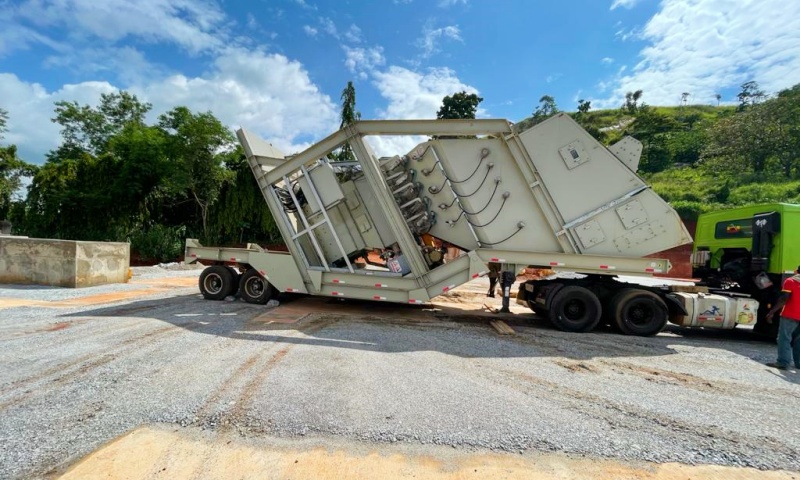
The whole mobile asphalt plant machine adopts an integrated modularized structure, which eliminates the need to pour a fixed civil foundation and allows for quick assembly on site and direct disassembly and transshipment upon completion, greatly shortening the on-site and off-site cycles. In view of the characteristics of cross-island, cross-region and multi-point construction in the Philippines, the T-type mobile asphalt plant can flexibly switch construction sites, significantly reducing the cost of disassembling, transporting and rebuilding the equipment, which is perfectly suited to the local short-cycle and fragmented infrastructure construction mode.
Tropical Climate Customized Optimization
For the high temperature, high humidity, rainy and typhoon tropical conditions in the Philippines, the T-type mobile asphalt plant equipment is equipped with customized high-efficiency drying system, waterproof sealing structure of the whole machine, dust and noise reduction device and corrosion-resistant configurations, which effectively solves the common problems of dampness of aggregates, insufficient drying, corrosion of the equipment, and imbalance of temperature, etc. Even during the rainy and typhoon seasons, the equipment is optimized for all-weather operation. Even in the rainy season, typhoon season and other adverse weather conditions, it can still maintain continuous, stable and efficient production, greatly improving the weather resistance and service life of the equipment, and adapting to the uninterrupted construction needs of the Philippines throughout the year.
Flexible and Adaptable to All Kinds of Road Projects.
With adjustable capacity and flexible configuration, the T-type mobile batch asphalt mixing plant can be fully adapted to various construction scenarios in the Philippines, including road renovation in the Manila metropolitan area, upgrading of provincial trunk highways, municipal upgrading in towns and villages, maintenance of rural road networks, emergency road repair and island connecting projects of different scales. It can meet the needs of medium-sized mass production, and can also be adapted to small-scale piecemeal construction, and its equipment utilization rate is much higher than that of traditional stationary equipment, which is suitable for most of the local infrastructure projects.
High Cost Performance for Local Contractors
The foundation-free design of the equipment greatly saves investment in civil construction, and the convenient transfer capability reduces the cost of inter-regional construction; the structure of the entire machine is mature, with a low failure rate, simple operation and maintenance, and controllable long-term maintenance costs. Compared with fixed equipment, the T-type mobile batch mix asphalt plant has lower upfront investment, faster capital recovery, fewer site restrictions, lower comprehensive operation and maintenance costs, which is highly adaptable to the Philippine small and medium-sized construction enterprise’s business model and project budgets, and effectively improves the overall project profit and return on investment.
Field-Proven Performance: Hundreds of T-type mobile asphalt plant Successful Installations Across the Philippines
Unlike ordinary overseas equipment manufacturers to test the water in small quantities of the market model, we have long ploughed into the Philippine asphalt mixing plant market, focusing on adapting to the local island conditions and DPWH standards, to achieve large-scale landing and long-term stable operation of the equipment, is the Philippine market landed a wealth of case studies, full verification of the working conditions, the industry’s recognition of the brand of the mobile batch mix asphalt plant.
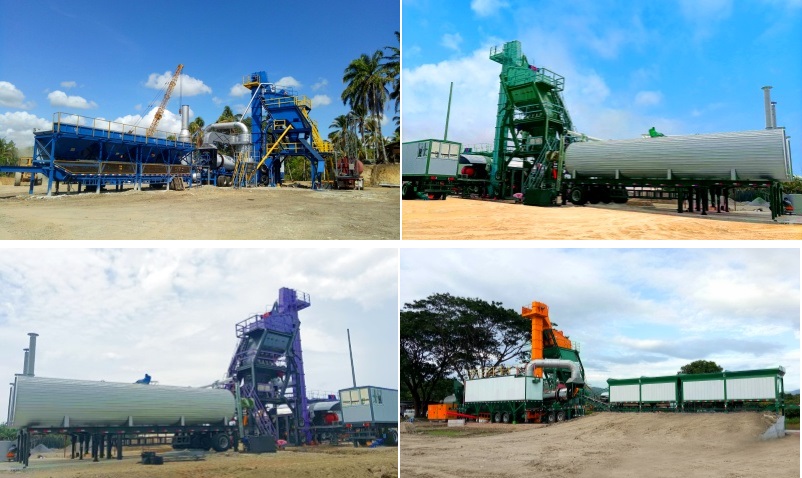
At present, hundreds of T-type mobile batch asphalt mixing plants have fully covered the three core regions of Luzon, Visayas and Mindanao, forming a mature and stable localized equipment operation matrix. The asphalt plant equipment has rich landing scenarios, covering a full range of projects such as urban road reconstruction in Manila, new construction of provincial national highways, road network maintenance in remote villages, island connecting roads, municipal infrastructure, etc., and has been tested by different terrains, humidity environments, and construction standards in the Philippines.
With accurate mixing quality, stable equipment performance, ultra-low failure rate and strong adaptability to tropical climate, T-type mobile asphalt plant has been widely recognized by mainstream engineering companies and infrastructure contractors in the Philippines, and has accumulated a large number of repeat purchases from old customers and industry referrals, forming a solid reputation and brand in the field of road construction in the Philippines, which is a mature solution that has been verified by the real working conditions and can withstand the long-term market test. It is a mature solution that has been verified by real working conditions and withstood long-term market test.
Full-Cycle Localized Support for Philippine Projects
High-quality mobile asphalt mixing plant equipment must be paired with localized supporting services in order to completely solve the common pain points faced by overseas infrastructure projects, such as the difficulty of adapting solutions, slow delivery of logistics, and the lack of guarantee for later operation and maintenance. Having ploughed into the Philippine market for many years, we have set up a full-process, localized and landable exclusive service system, covering the whole cycle of pre-sales, sales and after-sales, to accurately match the needs of the Philippine road project construction, and to escort the project for efficient landing and stable operation.
Professional Pre-Sales Consultation
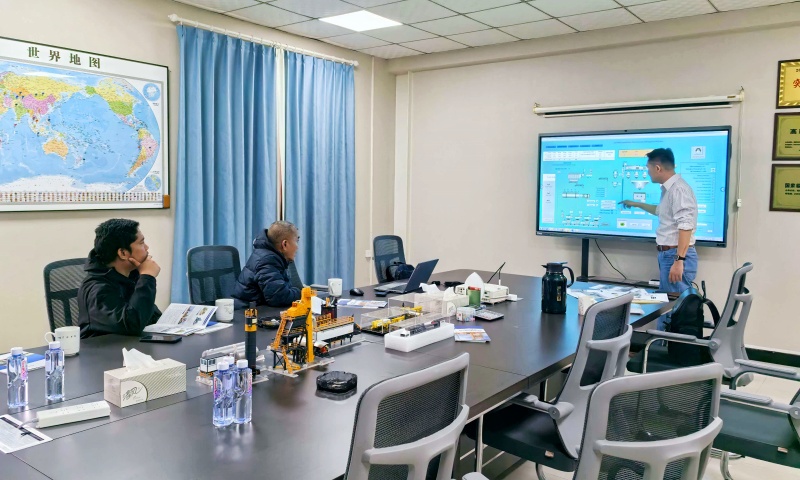
Abandoning the generalized asphalt plant selection mode, we deeply adapt to the actual situation of local projects in the Philippines, and provide customers with one-on-one exclusive equipment selection, capacity matching, and function configuration customization services by combining the project volume, construction site conditions, island transit characteristics, tropical climate conditions, and the official acceptance standards of DPWH. Accurately avoid the problem of mismatch between equipment and construction scenarios and compliance standards, and finalize the overall solution of asphalt mixing plant which is highly adaptable, low-cost, and can be landed in compliance from the source of the project.
One-stop Cross-border Delivery Service During Sale
For the Philippines cross-border export demand, we provide standardized full-chain delivery services, including formal export document processing, professional cross-border shipping logistics, local customs clearance in the Philippines and other integrated support. We follow up the whole process of asphalt plant machine production, quality inspection, shipment, transportation and delivery to the port, synchronize the logistics progress in real time, effectively avoid cross-border transportation delays, customs clearance obstruction and other problems, and ensure that the equipment is delivered to the construction site in a safe, on-time and intact condition.
After-sales Localized Technical Operation and Maintenance Guarantee
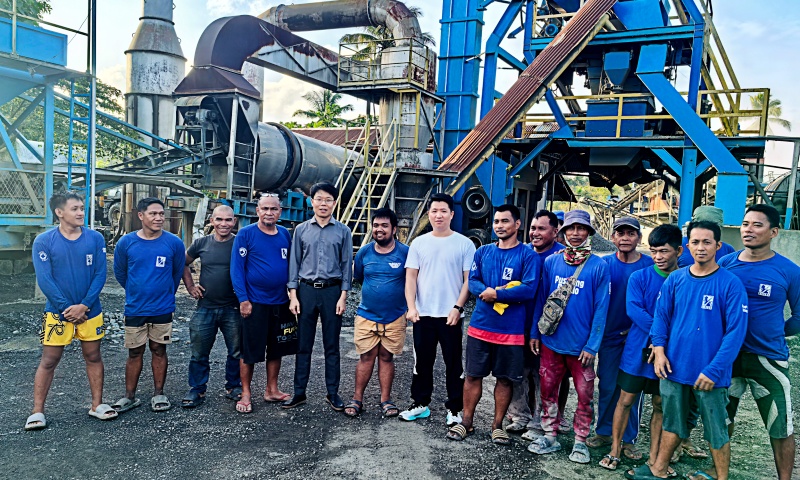
Relying on the localized service layout in the Philippines, the company has built a perfect after-sales guarantee system, providing comprehensive services such as on-site installation guidance, systematic practical training for operators, 7×24-hour remote technical Q&A, and regular supply of genuine original parts. At the same time, for the special tropical working conditions of high temperature and high humidity, rain and typhoons in the Philippines, we customize the exclusive mobile asphalt plant maintenance program to effectively reduce the probability of equipment corrosion, moisture failure, significantly extend the service life of the equipment, to protect the asphalt mixing plant for long-term efficient, stable, and compliant operation, and help the project continue to be constructed efficiently.
Philippine Road Construction Market & Equipment Trend Analysis
The Philippines continues to promote the national road network renewal, rural road connectivity, island infrastructure improvement and municipal road upgrading projects, small and medium-sized, decentralized, multi-site road maintenance and new construction projects continue to increase, becoming the mainstream demand for local infrastructure market. Under this industry trend, the T-type mobile batch asphalt mixing plant, which is flexible, has strong site adaptability, low operation and maintenance cost, and stable quality compliance, is accelerating to replace the traditional fixed equipment and become the mainstream choice for road construction in the Philippines.
Meanwhile, as the Philippines environmental control policies continue to upgrade, energy saving, low consumption, low green emissions, high degree of intelligence of the asphalt mixing plant demand continues to rise. T-type mobile batch asphalt plant with efficient production, accurate mixing and energy saving and consumption reduction advantages, in line with the Philippine infrastructure green upgrading trend, the future will continue to occupy the core of the local asphalt mixing plant equipment market share.
Industry News: Presented at PHILCONSTRUCT 2026 in Manila, Philippines
In order to continue to cultivate the Philippine infrastructure market, accurately docking local road construction, island construction and tropical working conditions of the equipment matching needs, in-depth linkage with the local infrastructure industry resources, our professional and technical team will attend the 2026 Philippine infrastructure industry exhibition, which will be held on June 25-28, 2026 in Manila, Philippines, SMX Convention Center (SMX Manila)with booth No. 1601, Second Floor. We will be showcasing our T-type mobile batch asphalt mixing plant solution, which is tailor-made for decentralized construction in the Philippine islands, high temperature and humidity climate, and DPWH compliance standards. We sincerely invite local engineering contractors, construction enterprises and industry practitioners to visit our booth to discuss face-to-face the tropical infrastructure construction technology, equipment application experience and diversified project cooperation modes, as well as one-on-one answers to the core issues of equipment selection, working condition adaptation and DPWH compliance, so as to help the Philippines to construct road infrastructure with high efficiency and high quality.

Conclusion
In view of the four core construction challenges of the Philippines, namely scattered construction on many islands, complex tropical climate, restricted construction sites, and high acceptance standards of DPWH, the T-type mobile batch type asphalt mixing plant has become the most suitable asphalt production equipment solution for the local conditions in the Philippines by virtue of its high mobility, precise mixing quality control, strong tropical weather resistance, and cost-effective performance. The long-term stability of hundreds of plants has fully verified its significant advantages in improving construction efficiency, guaranteeing project quality and reducing construction costs.
If you are preparing for a new road construction, renovation or maintenance project in the Philippines, and need an asphalt mixing plant solution that is suitable for local tropical conditions and meets DPWH acceptance standards, please feel free to contact us for real project examples, detailed equipment parameters and customized construction solutions in the Philippines.
Frequently Asked Questions
1. What kind of asphalt mixing plant can meet the DPWH construction standards in the Philippines?
Batch type asphalt mixing plant is the preferred equipment for DPWH high standard projects. The plant adopts batch independent metering and segmental mixing process, with precise proportion of asphalt, aggregate and powder, controllable mixing time, stable discharge temperature, much better uniformity and consistency than continuous drum plant, and can flexibly adjust the formula to meet the specifications of different grades of road projects, and can stably pass the official acceptance of DPWH, avoiding the risk of project compliance.
2. Is it better to choose mobile asphalt plant or stationary asphalt plant for road construction in the Philippines?
Combined with the local characteristics of the Philippines, such as many islands, decentralized construction and short project cycle, mobile batch asphalt mixing plant has higher overall value. Stationary type asphalt plant is only suitable for large-scale infrastructure projects with a single location and a cycle of several years, with a large investment in civil engineering, extremely high relocation costs, and a lack of flexibility; whereas mobile batch mix asphalt plant is free of foundation, quick installation, flexible transfer, and strong site suitability, perfectly adapting to the Philippines’ inter-island, multi-point, and short-term mainstream construction mode, with a wider range of applicable scenarios, and a lower risk of investment.
3. What kind of asphalt mixing plant is suitable for island road construction?
T-type mobile batch asphalt mixing plant is preferred for island road construction. Island projects generally have small sites, no fixed mixing area, and equipment transfer is difficult on land and sea. This model adopts modular lightweight design, which is easy to transport, disassemble and quickly deployed, without permanent civil foundation, and can quickly switch between island construction sites, significantly reducing the cost of equipment dispatch, site construction and operation and maintenance for island construction.
- What capacity asphalt plant is suitable for different scale of road projects in the Philippines?
Combined with the working conditions and construction requirements of the Philippines local projects, the capacity of the accurate selection of reference is as follows:
– 60-80TPH T-type mobile batch asphalt mixing plant: Suitable for township municipal roads, rural road repair and small maintenance projects;
– 80-120TPH T-type mobile batch asphalt mixing plant: suitable for provincial highway upgrading, medium-sized road network renovation, suburban road projects;
– 120-160TPH T-type mobile batch asphalt mixing plant: suitable for national main roads, key municipal reconstruction and expansion projects;
– More than 160TPH T-type mobile batch asphalt mixing plant: suitable for large high-speed road network, transportation hubs, large-scale infrastructure projects.