

How to Select The Best Asphalt Plant for Pakistan From China Manufacturer
Pakistan’s Infrastructure Boom: A Golden Opportunity for Investment in Asphalt Plants
Deep Cooperation Between China and Pakistan: The Belt and Road Initiative Drives a Boom in Road Construction
China and Pakistan share a long-standing friendship and are often referred to as “iron brothers.” Building on the Belt and Road Initiative, bilateral economic, trade, and infrastructure cooperation continues to deepen, with road projects, port facilities, and intercity expressway projects being rolled out on a large scale.
Located at a key transportation hub in Central Asia, Pakistan has a total road network exceeding 260,000 kilometers, of which approximately 13,000 kilometers are major arteries. The Pakistani government continues to ramp up investments in highway infrastructure upgrades, planning to construct and renovate 12,000 kilometers of expressways and national highways by 2030. With annual asphalt demand growing at a rate of 6%–8%, the market faces a massive supply gap.
The China-Pakistan Economic Corridor (CPEC) is driving substantial demand for asphalt mixing plants
With a total investment exceeding $60 billion, the China-Pakistan Economic Corridor (CPEC) is the core driver of Pakistan’s infrastructure development. Key projects include the Karakoram Highway upgrade and expansion, the main access road to Gwadar Port, the East-West Corridor highway network, and a cluster of river-crossing bridges.
Such large-scale, long-term projects require a stable and continuous supply of high-capacity asphalt mixtures. Whether contractors operate their own plants or investors build facilities to sell asphalt mixtures externally, purchasing an asphalt mixing plant offers significant profit potential.
Investing in an asphalt mixing plant guarantees steady returns in Pakistan’s infrastructure market
Owning an asphalt mixing plant offers multiple advantages over purchasing asphalt mixtures from external suppliers:
Generous profit margins: Local production eliminates transit and transportation costs, with overall gross profit margins reaching 20%–35%;
Securing major government contracts: The National Highway Authority (NHA) and municipal road projects at the provincial and city levels regularly issue long-term tenders; having your own equipment makes it easier to secure long-term supply contracts;
A Long-Term, Stable Market: Demand for road renovation and new construction in Pakistan will continue to grow over the next decade, making equipment investment a stable, long-term asset;
Policy Support Benefits: Pakistan offers tax breaks and special low-interest loans for the import of infrastructure equipment and road construction companies, reducing initial investment costs by up to 20%.
Main Types of Asphalt Mixing Plants Exported to Pakistan and Their Suitable Applications
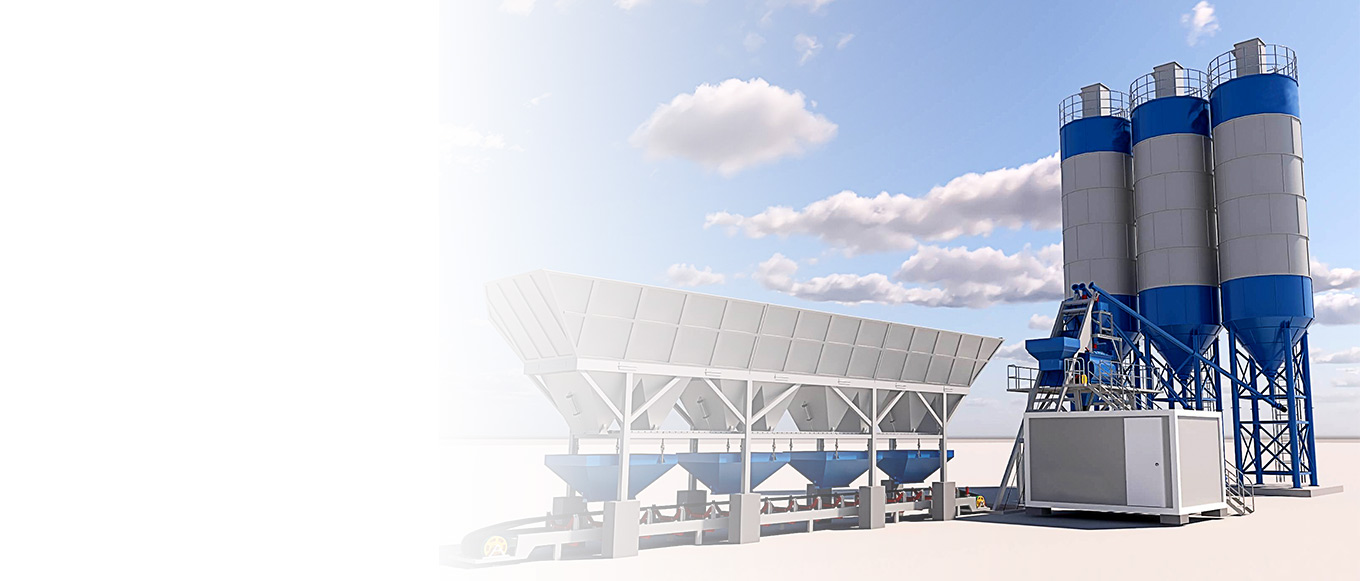
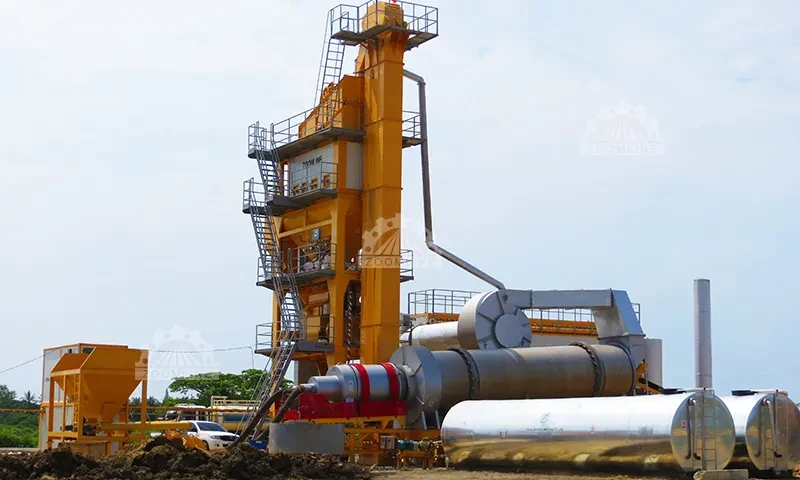
Domestic manufacturers have developed a full range of asphalt mixing equipment tailored to Pakistani operating conditions, with production capacities ranging from 10 t/h to 400 t/h. These are divided into three major categories—stationary batch-type asphalt plant, mobile stationary batch-type asphalt plant, continuous drum-type asphalt mixing plant —to suit projects of varying scales.
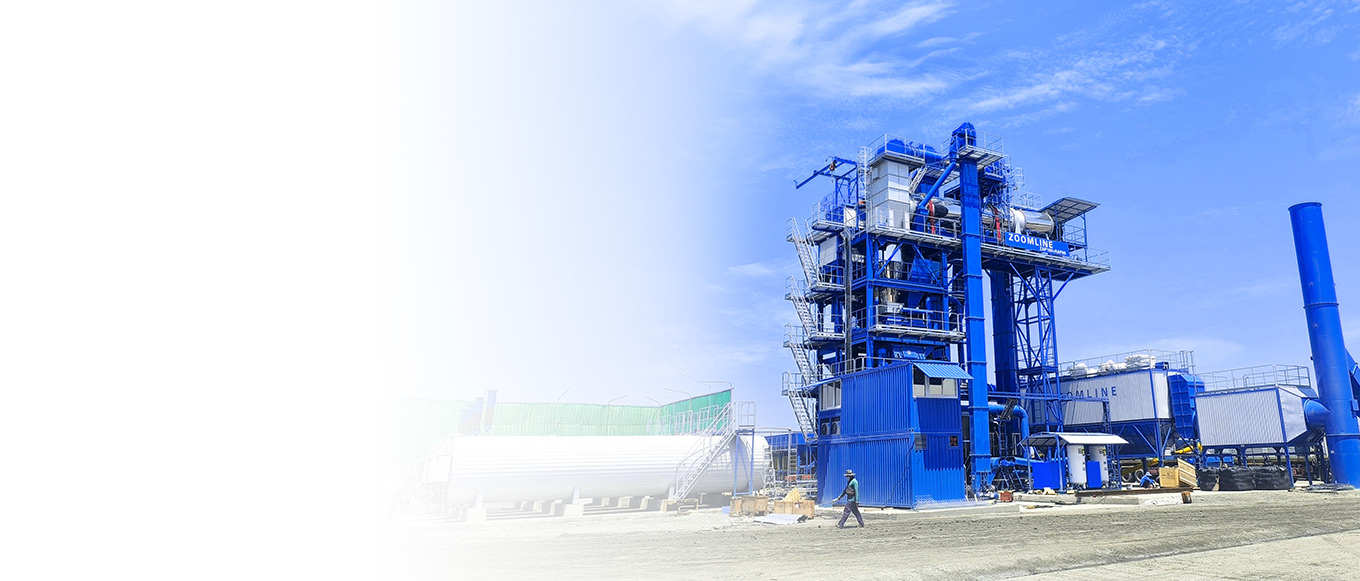
Stationary Batch-Type Asphalt Mixing Plant (ZAP-S Series)
Models: ZAP-S40–ZAP-S400, Production Capacity: 40–400 t/h
Suitable Applications: Large-scale highways and intercity arterial roads in Karachi and Lahore; long-term fixed material yards
Key Advantages: High metering accuracy and consistent mix quality that meet NHA highway asphalt standards; supports extended 24-hour continuous production; Equipped with large-capacity powder silos and asphalt storage tanks, suitable for large-scale projects in the 10,000-metric-ton range.
Mobile Batch Asphalt Mixing Plant (ZAP-M/ZAP-MT Series)
Models: ZAP-M60–ZAP-M240, ZAP-M60T–ZAP-M200T; Capacity: 60–240 t/h
Suitable Applications: Roads in the mountainous regions of Peshawar and Quetta; dispersed projects with multiple contract sections; urban and rural ring road renovations
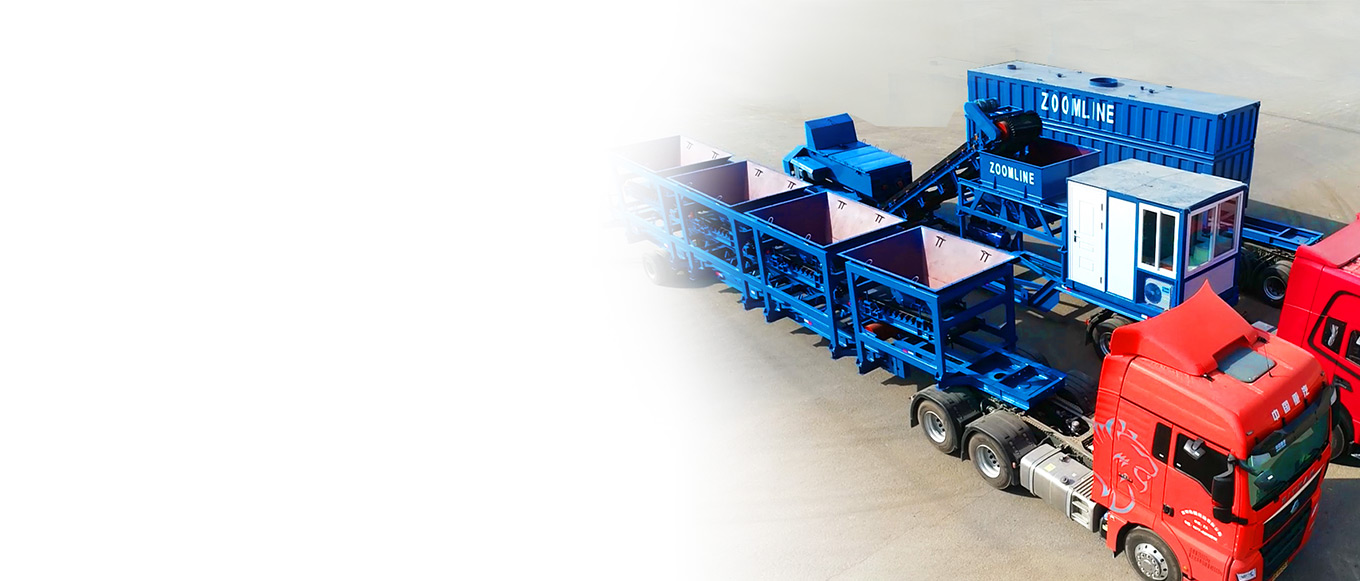
Key Advantages: Modular, foundation-free design enables rapid relocation within 24 hours; integrated trailer structure facilitates easy disassembly and transportation; lower labor costs, requiring only 2 operators for full-process control.
Continuous Drum-Type Asphalt Mixing Plants (ZAP-C Series)
Stationary Drum ZAP-C: 20–100 t/h; low cost, suitable for low-grade rural roads;
Mobile Drum Mix Asphalt Plant ZAP-CM: 20–120 t/h; suitable for remote mountainous areas and temporary bridge construction sites;
Advantages: Low overall cost, controllable fuel consumption, and stable fuel consumption per metric ton of mix, making it suitable for small and medium-sized contractors with limited budgets.
5 Tips for Selecting an Asphalt Mixing Plant in Pakistan
Purchasing an asphalt mixing plant in Pakistan is not simply a matter of reviewing drawings and comparing prices; rather, it requires a thorough alignment of the equipment’s specifications with local industrial standards, geographical conditions, and logistics infrastructure in Pakistan.
Voltage Standard Compatibility: No Customization Needed, Direct Cost Savings
Pakistan’s industrial power grid standard is 380V, 50Hz, which is identical to China’s domestic industrial power standard.
This means that if you choose a Chinese asphalt plant manufacturer, the equipment typically does not require additional customization for special generator sets, directly saving you a significant amount in equipment modification costs. If you have specific power requirements, simply communicate with the Chinese manufacturer in advance to customize a solution.
Choosing a Transportation Method: Sea Freight vs. Land Freight
There are two main routes for shipping asphalt mixing plants from China to Pakistan:
Sea Freight: The cargo arrives at the Port of Karachi in Pakistan via sea freight, with the entire journey taking approximately 25 days. The logistics costs for this method are very low, making it the preferred choice for the vast majority of customers.
Land Freight: The cargo enters the Suster region of Pakistan via the Khunjerab Pass. Although this takes only about half a month, the cost of land transportation is extremely high, so this method is generally not recommended.
Dust Collection System Configuration: Balancing Compliance and Cost
Currently, local environmental requirements in Pakistan are generally not particularly stringent. At most project sites in the suburbs or further out, a combination of a cyclone dust collector and a wet scrubber is generally sufficient to fully meet local environmental emission standards.
However, if your asphalt mixing plant is planned for an urban area or a densely populated area on the outskirts of a city, we recommend configuring a baghouse collector. It should be noted that upgrading to a baghouse collector will increase the investment cost of the entire system.
Burner Fuel Selection: Tailoring to Local Conditions for Cost Savings
Asphalt mixing plant burners typically have three fuel options: coal, heavy fuel oil/diesel, and natural gas.
In industrial facilities across Pakistan, fuel oil is a very common and reliably available fuel source, making oil-fired burners the most common choice. We recommend that you work with a Chinese manufacturer to customize the most cost-effective burner solution based on fuel availability and pricing at your project site.
After-Sales Service and Technical Support: The Lifeline of Cross-Border Investment
When purchasing large-scale construction machinery, high-quality after-sales service is crucial. Reputable Chinese manufacturers will not only assist you with the entire complex customs clearance process but will also dispatch experienced technicians to the site in Pakistan to install and commission the equipment upon its arrival.
More importantly, these technicians will train local Pakistani operators to ensure they can operate the equipment independently and efficiently, and will provide prompt remote or on-site technical support in the future.
How to Get the Best Value for an Asphalt Mixing Plant in Pakistan?
When looking for the most affordable asphalt mixing plant prices in Pakistan, the key is not simply to pursue the “lowest price,” but to seek the “best value for money”—that is, to precisely align your investment budget, equipment capacity, and local project requirements.
Evaluate Total Cost of Ownership (TCO)
Don’t focus solely on the purchase price of the equipment. You need to factor in the “total cost of ownership,” which includes transportation costs, customs duties, installation and commissioning fees, long-term fuel consumption, replacement of wear-and-tear parts, and maintenance costs. Equipment with low energy consumption and few breakdowns will actually save you money in the long run.
Conduct In-Depth Research on Local and International Suppliers
Compare the qualifications, technical specifications, and product quality of local Pakistani distributors with those of Chinese manufacturers. By requesting customized quotes from multiple manufacturers and engaging in commercial negotiations, you can help drive down inflated prices.
Leverage Professional Expertise for “Direct-from-Manufacturer” Purchases
Selecting established Chinese brands with extensive export experience and adopting a “direct-from-manufacturer, cross-border import” model often allows you to bypass the markups of multiple layers of local middlemen and secure highly competitive factory prices.
Pay Attention to Government Incentives and User Reviews
Keep a close eye on the Pakistani government’s tax breaks and incentive policies for infrastructure construction or the import of construction machinery. At the same time, refer to real-world case studies and user reviews from other local road and bridge investors in Pakistan to help you successfully avoid pitfalls.
Success Stories: Real-World Performance of Asphalt Mixing Plants in Pakistan
No amount of theoretical knowledge compares to seeing how the equipment performs in actual construction environments in Pakistan.
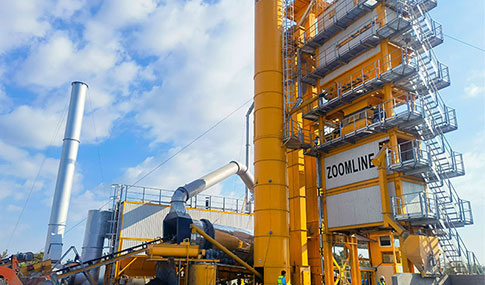
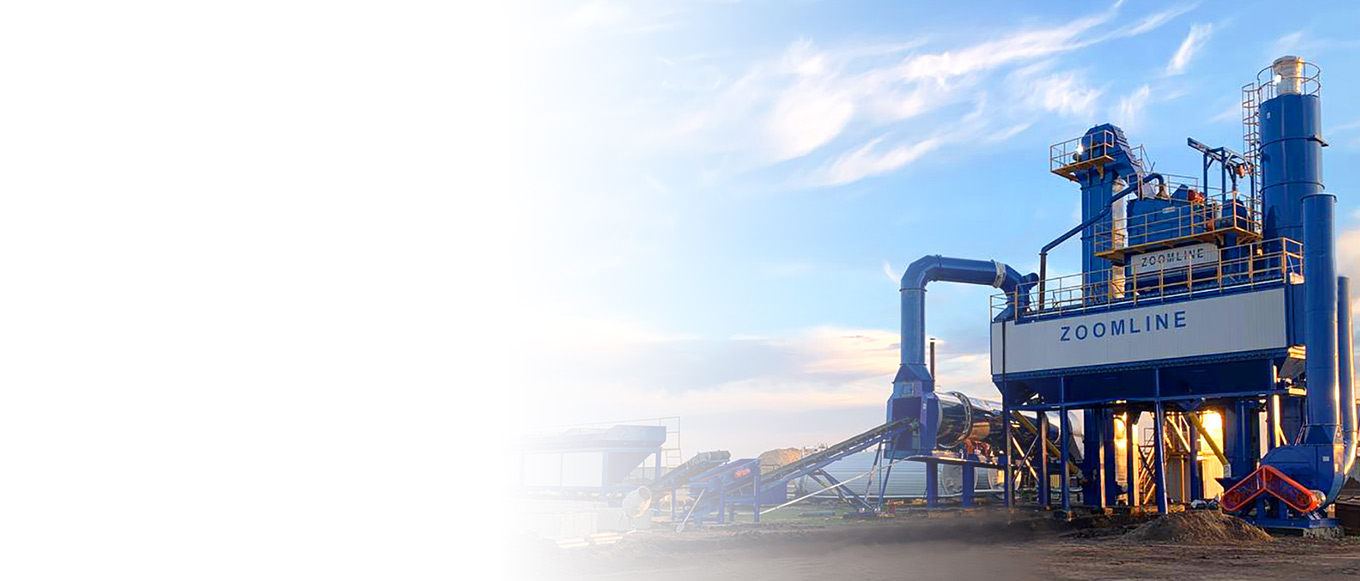
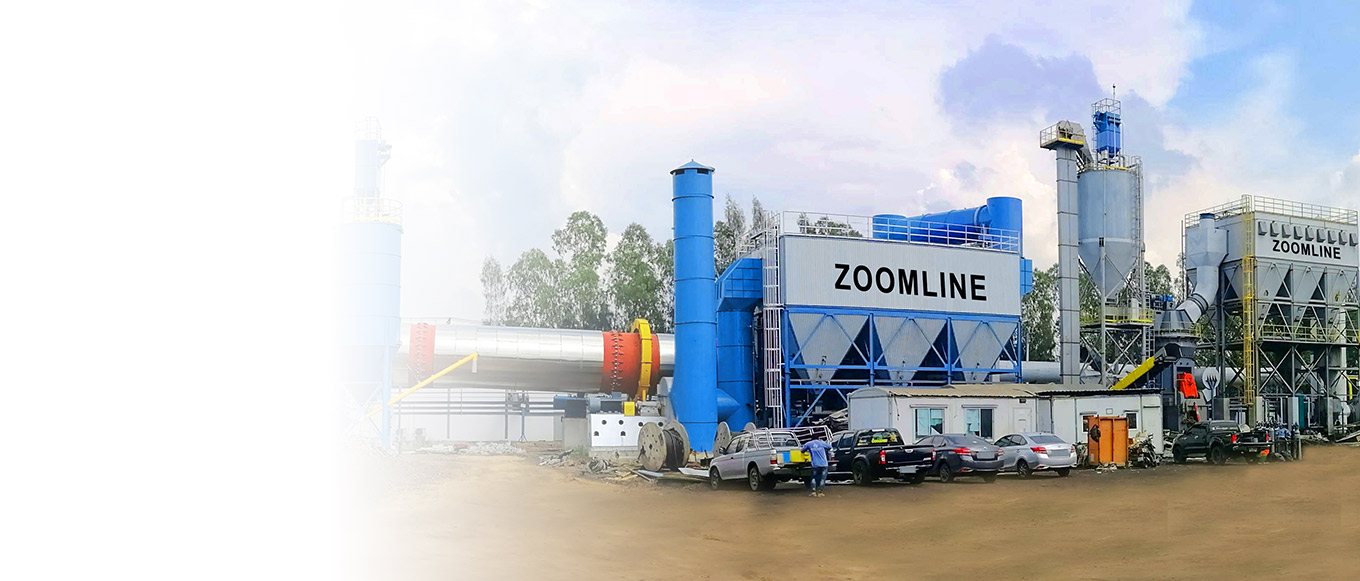
During the construction of a highway section in Pakistan, a local investor, after thorough evaluation, ultimately opted for a high-performance asphalt mixing plant manufactured in China from ZOOMLINE. In Pakistan’s high-temperature and dusty environment, the equipment demonstrated exceptional production stability and the ability to operate continuously and efficiently.
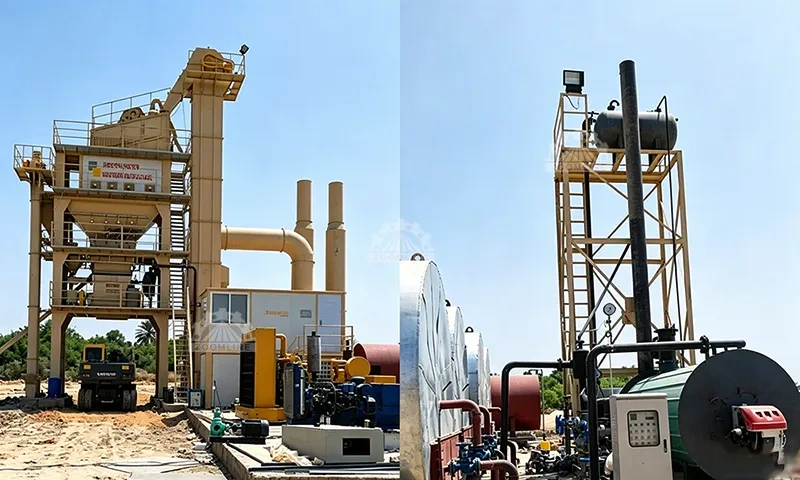
Not only did the quality of the finished mix fully meet the stringent standards of the local transportation department, but its energy-saving performance also saved the investor a significant amount in fuel costs. This success story fully demonstrates that selecting the right, highly adaptable asphalt mixing plant is key to ensuring that road projects in Pakistan are completed on schedule and remain profitable.
Conclusion
Pakistan’s booming infrastructure market has opened the door to wealth for investors. An asphalt mixing plant that combines quality, service, and competitive pricing will be your winning strategy for gaining a competitive edge in the local infrastructure market.
If you are looking for asphalt mixing plant selection solutions tailored to the Pakistani market, recent ocean freight quotes, or the latest equipment discounts, please feel free to contact us at any time. Our team of experts will design a perfect engineering solution tailored to your needs, helping your project run efficiently and enabling us to contribute together to Pakistan’s road construction!
Frequently Asked Questions (FAQ) on Purchasing Asphalt Plants in Pakistan
Q1: Do domestically manufactured asphalt mixing plants meet Pakistan’s NHA road construction standards?
A: They are fully compliant. The equipment utilizes high-precision weighing and batching control systems to ensure accurate measurement of aggregates and asphalt. Key indicators of the mix—such as Marshall stability, flow value, and compaction—fully meet Pakistan’s NHA road construction specifications. Dust and noise emissions can be adjusted as needed to comply with local environmental regulations, making the plants suitable for use in major national highway and national road projects.
Q2: For projects in remote rural areas, is it difficult to transport and install the mixing plant?
A: The difficulty is minimal. The entire range of mobile, modular models features a modular design with components that comply with size regulations and do not exceed weight limits, allowing them to be transported by standard local trucks. The foundation-free design eliminates the need for complex civil engineering work, and standard models can be assembled and put into operation within 4–6 hours, significantly reducing construction costs and project timelines for remote projects.
Q3: Will the asphalt equipment’s failure rate increase in Pakistan’s high-temperature environment?
A: Equipment exported to Pakistan undergoes upgrades for high-temperature adaptation, including thicker insulation layers for the drying drum, additional cooling devices for the electrical control system, and continuous heating and insulation for the asphalt storage tanks, enabling stable, continuous operation in temperatures above 40°C.
Q4: Is it convenient to procure spare parts for the asphalt plant equipment later on?
A: Authorized export manufacturers have established spare parts distribution centers in Pakistan, ensuring that wear-and-tear parts are available from stock and reducing delivery times by 50%. Additionally, they provide online remote troubleshooting, with solutions for most issues provided within 24 hours.