


Boiler Burner Manufacturers: Key Tech & Market Trends
Why Should You Choose Professional Boiler Burner Manufacturers?
Boiler systems are needed for thermal energy supply in industries such as industrial heating, asphalt mixing plants, power generation, chemical manufacturing and processing of building materials. The burner is the “heart” of the boiler system, directly impacting on fuel consumption, thermal efficiency, emission levels and stability of the equipment operation. Therefore, the choice of a boiler burner manufacturer with strong technical capabilities will influence the initial return on investment, the company’s long-term operating costs, and its ability to meet environmental regulations.
With the volatility of global energy prices and the tightening of environmental regulations, modern industrial users pay more attention to the energy-saving performance, intelligent control capabilities, and low-emission technologies of burners . A first-rate burner manufacturer is not only committed to providing high-quality products but also helping customers to achieve energy optimisation and green production goals through continuous R&D.
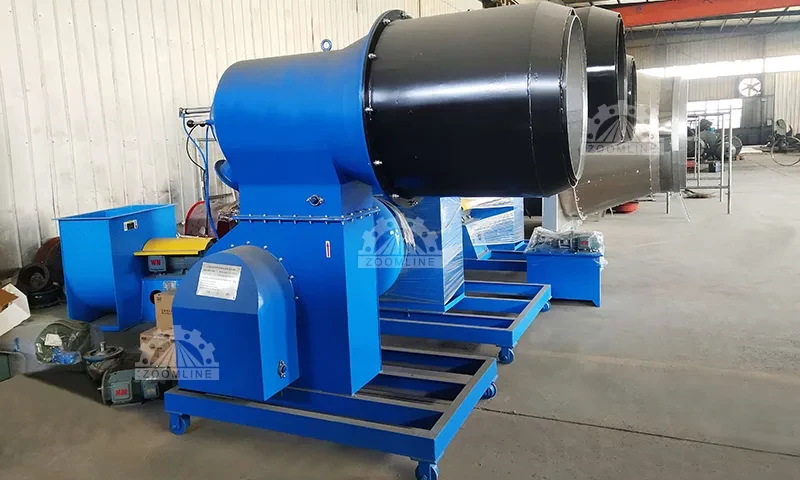
How does a boiler burner operate?
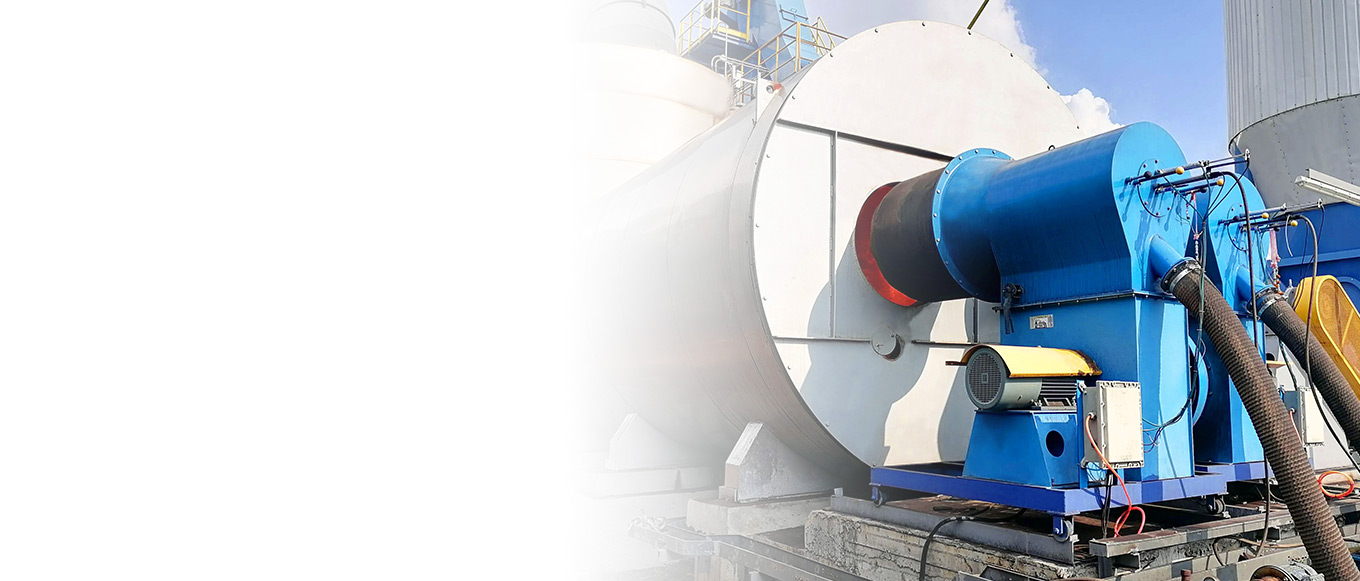
In essence, a boiler burner is a device that mixes fuel and air in precise proportions for efficient combustion. The main function of the boiler is to transform the chemical energy stored in the fuel into thermal energy which is transferred to media such as water, steam or thermal oil through the heat exchange system of the boiler.
The burner must control the following key parameters during the combustion process:
- Fuel injected amount;
- Air supply for combustion;
- combustion temperature;
- Flame shape and length
- Composition of exhaust gases.
If any of these parameters are not properly controlled, it may lead to incomplete combustion, wasteful fuel usage, or even equipment failure. Therefore, intelligent control systems and automatic regulation technologies have been widely applied on the modern boiler burners to achieve the optimum combustion conditions.
Core Technologies That Leading Boiler Burner Manufacturers Have
High Efficiency Combustion Technologies
One of the primary indicators of burner performance is combustion efficiency. High-efficiency combustion means more of the fuel is converted to useful thermal energy instead of being lost to the environment in flue gas emissions.
Also, the leading boiler burner manufacturers use aerodynamic optimised designs, and generally use the optimisation of the blower structures, fuel atomization systems, and burner head layouts for the enhancement of the uniformity of fuel-air mixing. This design significantly improves the completeness of the combustion and thus reduces the fuel consumption.
In the case of large industrial boilers, which operate for long hours, a 2 to 5% improvement in combustion efficiency can lead to substantial savings in energy costs per annum.
Technology for Low-NOx Combustion
Recently, the control of NOx (nitrogen oxide) emissions has become one of the key focuses of global industrial environmental protection.
Most modern boiler burner manufacturers employ low-NOx combustion technology to reduce the formation of nitrogen oxides by controlling the temperature distribution in the flame, optimising the staged air supply and using flue gas recirculation.
Low-NOx combustion can not only help the enterprises to meet the environmental regulations, but also enhance their green competitiveness in the international market.
Intelligent Automatic Control Systems
In the age of Industry 4.0, burners are no longer just mechanical devices.
Leading burner manufacturers are including in their products, in order to achieve the following, PLC control systems, variable frequency drive technology, online monitoring modules and remote diagnostic systems:
- Auto-ignition;
- Proportional control automatically;
- Early warning of failures;
- Optimisation of combustion in real-time;
- Remote operation and maintenance management
The application of intelligent control technology has greatly simplified the complexity of manual operation, and improved the safety and stability of equipment operation.
Differences of Boiler Burner Requirement in Different Industries
INDUSTRIAL BOILER INDUSTRY
Industrial boilers usually operate for long periods of continuous operation, so the emphasis is on combustion efficiency, equipment reliability and maintenance costs.
Manufacturers tend to prefer burner products that are flexible to a variety of fuels, stable in operation, and have long maintenance intervals.
Asphalt Mixing Equipment Market
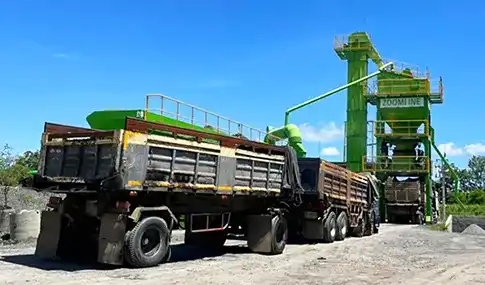
The requirements of asphalt heating process in road construction industry are extremely high in heat supply. Burners need to be able to ramp up quickly as well as supply a stable heat output so the quality of the asphalt mix will be consistent.
Many road construction equipment manufacturers therefore prefer to use high performance burners systems, designed especially for asphalt mixing plants.
Chemicals and Building Materials Industry
The chemical production and manufacture of building materials are often associated with high-temperature and high-load operating conditions. Therefore, such conditions put higher demands on the heat resistance and continuous operation of burners.
In these applications, more attention is paid to the structural strength, corrosion resistance and intelligent monitoring ability of the burners.
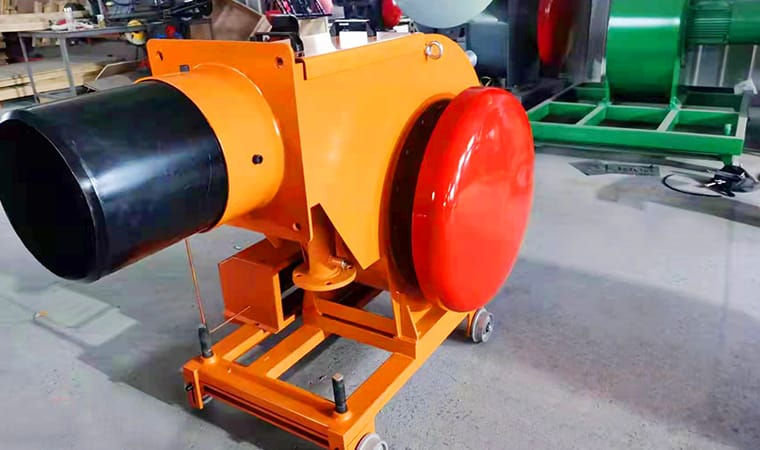
How do Zoomline Burners answer the modern industrial need?
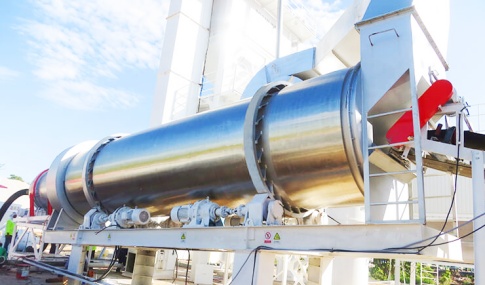
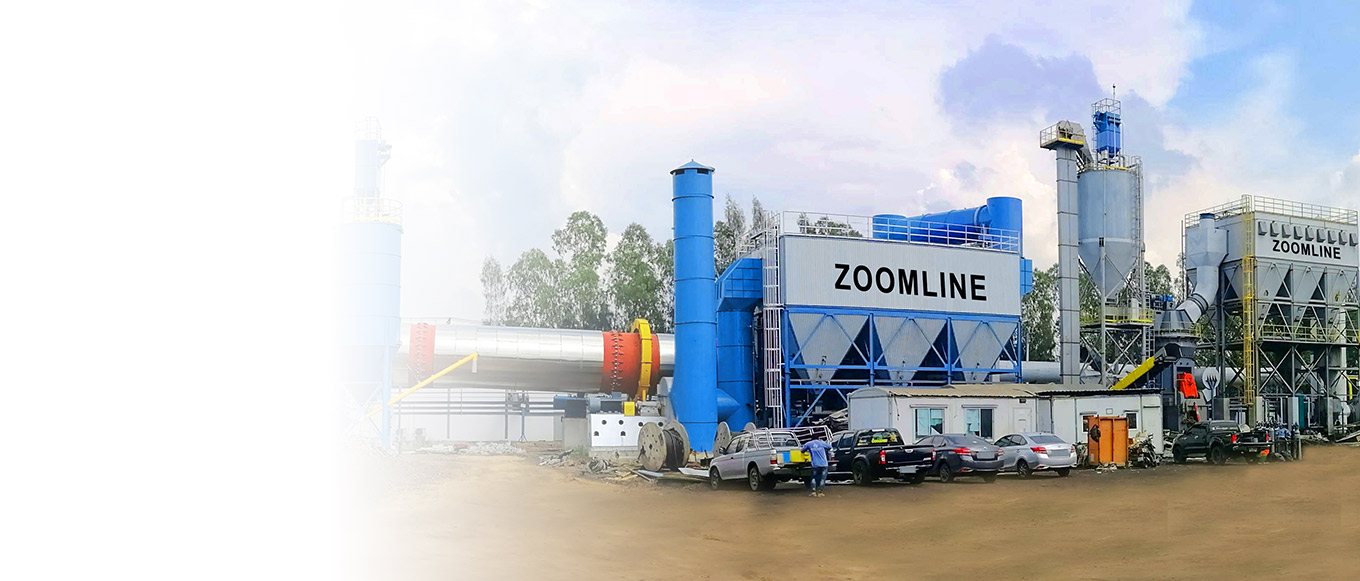
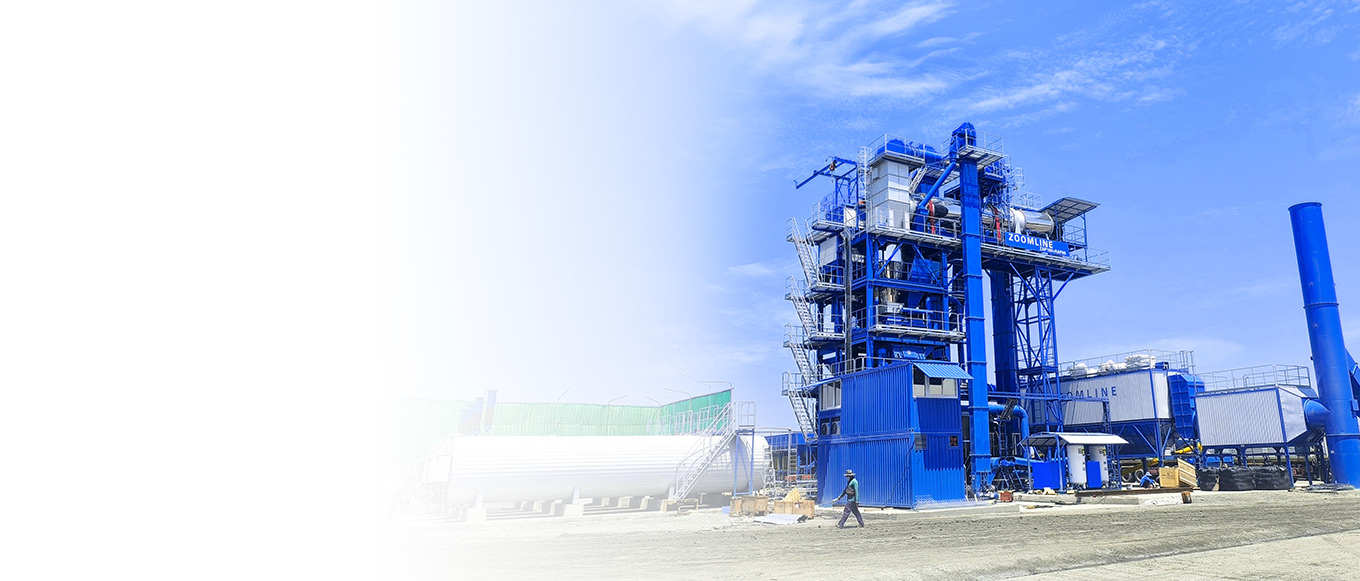
Zoomline burners are a major technical advantage in the asphalt mixing plants sector and industrial thermal energy systems, being a leader manufacturer in the road construction equipment sector.
The products employ advanced combustion control technology to optimise fuel injection and air-fuel ratios, realise high thermal efficiency and fuel use. And the equipment can adjust the combustion parameters automatically according to the actual operating conditions, which makes the heat output more stable.
For asphalt mixing lines requiring continuous operation, stable flame control can effectively ensure the quality of aggregate heating and improve the uniformity of the finished asphalt mix.
Also, the energy efficient and eco-friendly Zoomline burner systems. They have achieved optimisation of combustion structures and control strategies to effectively reduce energy consumption and emissions, offering technical support for the modern green road construction.
From a maintenance point of view, its modular design is also beneficial in reducing downtime for repairs and increasing operational efficiency of equipment, which is of particular importance in large scale engineering projects.
World Boiler Burner Manufacturers Technical Trends
Digital Combustion Control
In the future, more and more burner development will be driven by data.
Burners can use sensor networks and Industrial Internet of Things (IIoT) technology to collect real-time data on temperature, pressure, fuel consumption and emissions and apply algorithms for dynamic optimisation.
Not only is digital management more efficient, but it also allows for predictive maintenance, reducing the likelihood of unplanned downtime.
Works with Many Fuels
As the energy transition accelerates, burner makers are developing products for natural gas, biomass, light oil, heavy oil and mixed fuels.
The multi-fuel capability enables enterprises to flexibly adapt production strategies in response to fluctuations in energy prices.
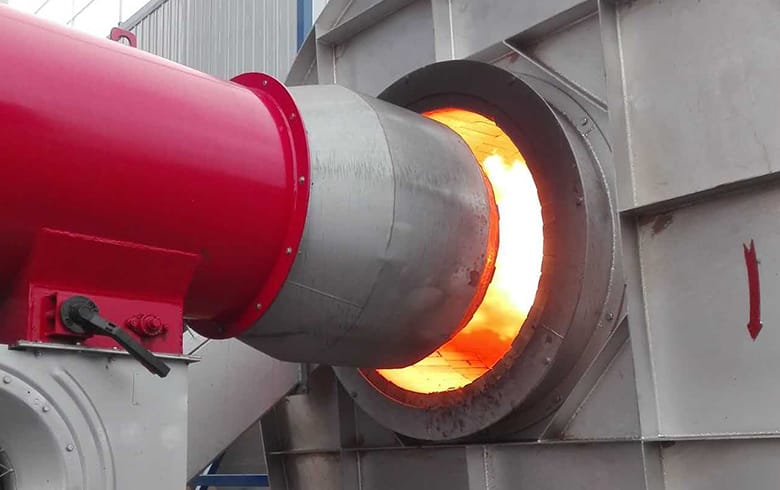
More Stringent Environmental Regulations
The global market will foster the development of the ultra-low emission technologies.
The main areas of competition for boiler burner manufacturers will be low nitrogen combustion, flue gas recirculation, intelligent oxygen control and carbon reduction technologies.
As companies plan to enter international markets, the choice of burner suppliers with R&D capabilities in environmental technology will become more important.
How to Evaluate the Capabilities of a Boiler Burner Manufacturer?
When choosing a burner supplier, companies should pay attention to the following key points:
The first is R&D capability, including whether the company has an in-house design team and the ability to innovate continuously.
Second,Product application case studies. Rich project experience should also bring more mature technical solutions.
Thirdly,the after-sales service system, timely technical support can effectively reduce the operational risks of equipment.
Finally, the energy efficiency and environmental performance of the products which directly influence the future operating costs and compliance levels of a company.
Summary
Boiler burners are an important component of thermal energy systems, and their performance directly influences energy utilisation efficiency, production costs and environmental standards. With the development of smart manufacturing and green industry, boiler burner manufacturers are always pushing combustion technology to be more efficient, intelligent and low-carbon solutions.
Industrial users should pay attention to the advanced technology and rich project experience when choosing a burner manufacturer. Not only will this improve the operational efficiency of the equipment, but also improve the future market competitiveness of the enterprise. New generation solutions represented by Zoomline burner products are creating more value for the global industrial thermal energy applications by efficient combustion control, intelligent management and energy-saving and eco-friendly designs.