


Produce or Buy Asphalt? A Make-or-Buy Decision Guide for Road Contractors
Introduction
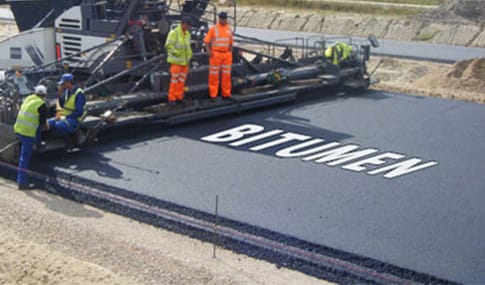
For road construction companies, asphalt mixture is the core raw material for pavement projects. A stable and continuous supply of this material directly determines whether paving projects can be completed on schedule, ensures the quality of pavement construction, and helps control overall project costs. During the implementation of various pavement projects—including highways, municipal roads, industrial park roads, and rural roads—many road contractors face a critical decision that impacts their long-term operations: Should they invest in building their own asphalt mixing plant to produce hot-mix asphalt in-house, or should they purchase finished hot-mix asphalt directly from external suppliers?
The advantages of purchasing asphalt from external suppliers are quite obvious: lower initial capital investment, no need to establish an entire production system, and significant savings in management tasks related to production operations, equipment maintenance, raw material stockpiling, and quality control. In contrast, the in-house production model allows for greater control over production scheduling, mix design optimization, discharge temperature control, and supply timing, without being constrained by suppliers’ production schedules. However, neither supply model is inherently superior; there is no standard answer stating that “in-house production is always more cost-effective” or that “purchasing from external suppliers is always more hassle-free.” The final decision depends on the company’s annual asphalt consumption, project duration, the supply capacity of qualified local suppliers, the distance and road conditions for raw material transportation, as well as the company’s own capabilities in production management, technical operations and maintenance, and financial reserves.
This article will systematically compare the two asphalt supply business models, break down the often-overlooked explicit and implicit costs layer by layer, outline the business scenarios for which each is best suited, and provide a step-by-step guide to calculating the break-even production volume. If, after your calculations, you ultimately choose the in-house production route, this article will also help you select an appropriate asphalt mixing plant configuration based on your project’s specific circumstances.
Two Core Business Models for Asphalt Mixture Supply
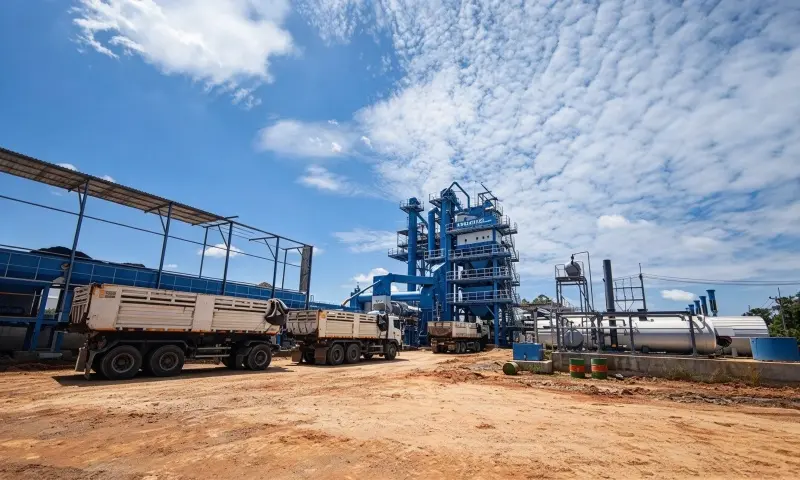
Overview of In-House Asphalt Production: Building Your Own Asphalt Mixing Plant
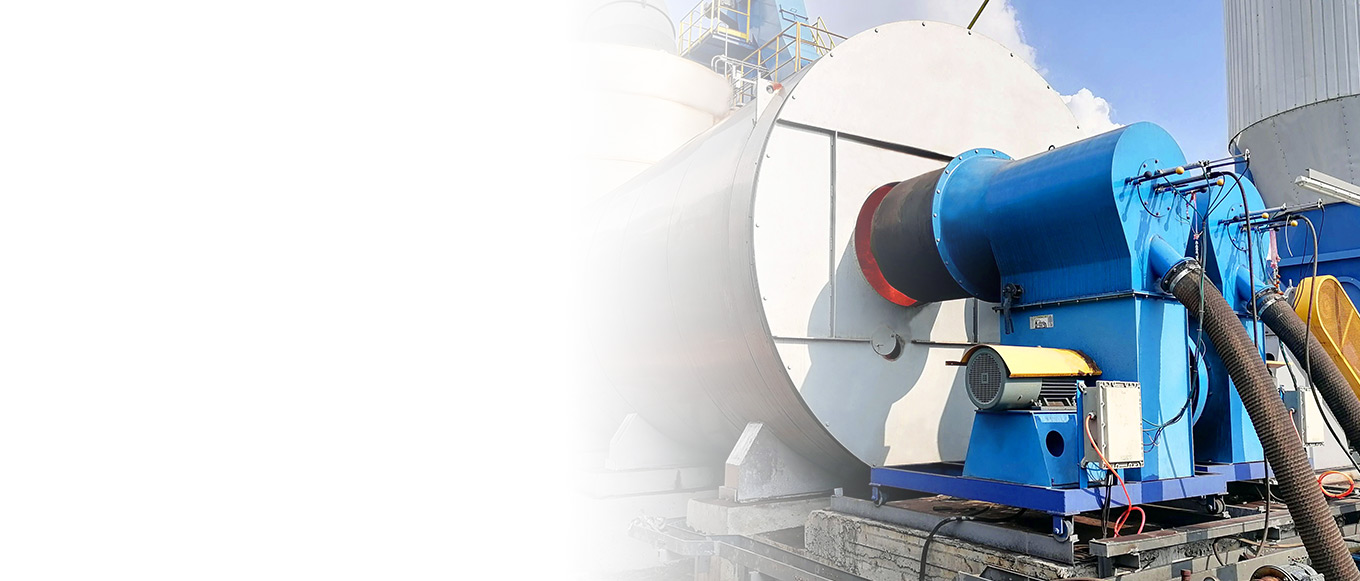
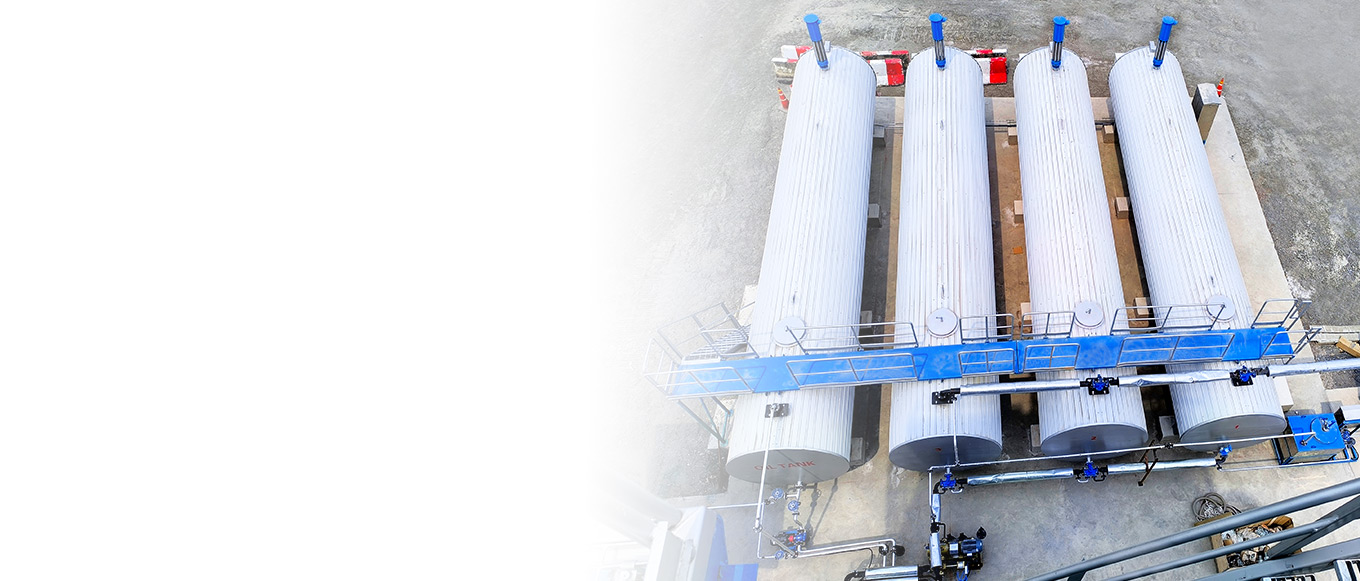
The in-house production model refers to a contractor independently investing in and purchasing a complete set of equipment—including the main asphalt mixing plant, dust collection systems, aggregate silos, asphalt storage tanks, and powder supply systems—to complete the site’s infrastructure and independently organize the entire production process of asphalt mixtures. Under this model, the company must assume full responsibility for equipment procurement; site planning and construction; and the quotation, procurement, and warehousing management of raw materials such as sand and gravel aggregates, base bitumen, mineral powder, and various modified additives. It must also arrange production schedules, calibrate mix proportions, monitor dispatch temperatures, and conduct performance and quality testing of the mixtures, while simultaneously handling all aspects of daily equipment maintenance, periodic inspections, emergency repairs, environmental compliance and operations at the site, and personnel management.
The hot-mix asphalt produced is primarily supplied to the company’s own construction projects. However, when demand from in-house projects is limited, the mixing plant has excess capacity, and local market conditions permit, the company may also sell asphalt mixture to other construction contractors, thereby transforming the mixing plant from a mere production support facility into an independent profit center. However, this also means that the company must bear the operational risks across the entire supply chain—from raw material procurement to finished product delivery. Factors such as rising raw material prices, equipment failures, environmental inspections, and staff turnover can all directly impact material supply.
Purchased Asphalt Mixture: Procurement of Finished Mixture from Suppliers
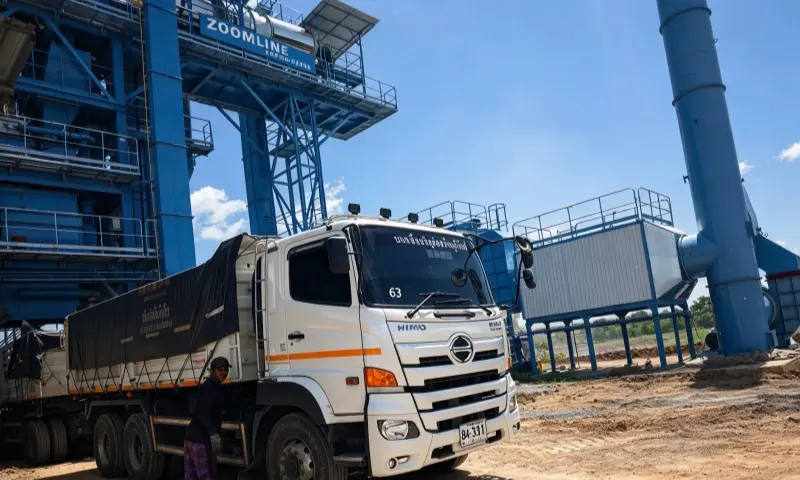
The purchase model involves directly procuring hot-mix asphalt mixture—which has already been mixed and reached the required delivery temperature—from qualified asphalt mixing plants within the region. The contractor need only specify the mix type, gradation, modification requirements, purchase volume, and delivery time window to the supplier in accordance with the technical requirements outlined in the project drawings and bidding documents. The supplier assumes full responsibility for raw material procurement, mixing and production, loading and scheduling, and transportation and delivery.
Under this model, the supplier is responsible for all aspects of production, equipment operation and maintenance, raw material procurement, and factory quality inspection. The contractor’s core responsibilities shift to submitting requests, inspecting incoming materials, and coordinating on-site paving operations. However, the contractor’s construction schedule, cost limits, and quality consistency are highly dependent on the supplier’s pricing strategy, production capacity, fleet scheduling capabilities, and the consistency of the mix quality. During peak construction seasons, asphalt mixing plants in many regions are fully booked, which can easily lead to scheduling delays, price increases, and delivery delays that fail to keep pace with the paving schedule.
Key Differences Between Producing and Buying Asphalt
| Comparison Factor | In-House Production | Buying from Suppliers |
| Initial Investment | Requires capital investment to purchase a full set of equipment, supporting yard facilities, and environmental protection systems; high one-time capital expenditure | No need to purchase or set up production equipment; extremely low initial capital investment
|
| Production Control | Independent control over production schedules; mix proportions and dispatch temperatures can be adjusted at any time to accommodate project changes | Entirely subject to the supplier’s production schedule; formula adjustments require advance communication and negotiation
|
| Supply Flexibility | Production schedules can be flexibly adjusted based on the project’s paving pace, with upper limits constrained by equipment condition and raw material inventory | Depends on the supplier’s production capacity, order scheduling, and fleet capacity; prone to constraints during peak periods |
| Operational Responsibility | The contractor has full authority over equipment, production personnel, raw materials, maintenance, environmental compliance, and quality control | The supplier is solely responsible for production operations, equipment maintenance, and raw material procurement |
| Production Volume | A sufficiently stable annual output is needed to spread fixed costs; too low a volume will drive up unit costs | Procurement is on-demand, allowing flexible adjustment of the tonnage per order to accommodate small-scale projects |
| Equipment Ownership | The contractor owns the mixing plant’s fixed assets; equipment can be reused long-term and deployed across projects | No ownership of production equipment; therefore, there is no pressure regarding asset depreciation or disposal |
| Supply Continuity | Depends on equipment reliability, adequacy of raw material stockpiles, maintenance management standards, and staff availability | Depends on the supplier’s production capacity, delivery schedules, operational stability, and spare capacity |
Objective Note: Do not assume that operating your own plant will necessarily prevent supply disruptions—major equipment failures, shortages of asphalt raw materials, and environmental compliance-related shutdowns can all cause supply interruptions. Likewise, do not assume that external suppliers are inherently unreliable; well-managed suppliers with sufficient production capacity can also ensure long-term, stable supply.
Total Costs Associated with In-House Production of Asphalt Mixtures
When evaluating the feasibility of building their own asphalt mixing plants, many contractors simply compare the price differences of raw materials for asphalt mixtures, overlooking a large number of hidden costs. This leads to overly optimistic initial cost estimates, and they only discover after production begins that actual costs far exceed expectations. This section provides a comprehensive breakdown of all cost items under the in-house production model, distinguishing between fixed, variable, and semi-variable costs, to establish a uniform accounting framework for the break-even analysis discussed later.
Initial Capital Investment in an Asphalt Mixing Plant
The one-time capital investment for building an in-house asphalt mixing plant includes the purchase price of the main equipment, aggregate silos, asphalt storage tanks, dust collection systems, RAP recycling equipment, and other ancillary equipment, as well as site land grading, concrete foundation construction, equipment installation and commissioning, environmental impact assessment requirements, soundproofing, wastewater collection, power transformers, and on-site road infrastructure. There is a very critical distinction regarding costs here: the total purchase price of the equipment is a one-time capital expenditure classified as a fixed asset investment. When conducting long-term cost comparison analyses, this amount must be converted into an annualized investment cost and amortized over the equipment’s entire useful life. Under no circumstances should the full purchase price be directly included in the costs of a single fiscal year; otherwise, this will directly result in distorted cost estimates and misjudgments regarding economic viability.
For example, if the service life of an asphalt mixing plant is calculated as 8 years, the net investment in the equipment should be amortized over 8 operating years and included in the annual fixed costs; if financing is involved, interest expenses must also be factored in and incorporated into the annualized cost model.
Raw Material and Direct Production Costs
Aggregates, base asphalt, mineral powder, various modifying additives, fuel, and electricity constitute the direct variable costs of asphalt mixture production. Sand and gravel aggregates, as well as asphalt, are commodities subject to significant price fluctuations due to international oil prices, mining regulations, and seasonal supply and demand, which can significantly impact the production cost per metric ton; At the same time, the production efficiency of the asphalt mixing plant itself, the energy consumption of its combustion system, the mix design, and the control of aggregate moisture content all ultimately affect the production cost per metric ton of asphalt mixture. For the same mixture formulation, fuel costs will be significantly higher for older, energy-inefficient asphalt mixing plants than for new equipment.
Labor, Maintenance, and Daily Operating Expenses
This section includes salaries for asphalt mixing plant operators, laboratory technicians, maintenance workers, and site managers, as well as ongoing operating expenses such as equipment spare parts, routine maintenance, annual overhauls, fuel, laboratory consumables, equipment insurance, environmental testing, and third-party calibration. These expenses cannot be categorized with a simple, one-size-fits-all approach; they must be classified as fixed, variable, or semi-variable expenses based on the company’s actual financial accounting rules. For example, the salary of a plant manager is generally a fixed expense, while the cost of maintenance spare parts and piece-rate wages for production fluctuate with annual output.
Hidden Costs Resulting from Insufficient Equipment Utilization
Many contractors fall into a common misconception: the higher the rated capacity listed on an asphalt plant’s nameplate, the lower the production cost per metric ton. In reality, the nameplate rated capacity represents only the theoretical maximum output under ideal operating conditions and does not reflect the actual, consistently achievable output. Road construction is highly seasonal: paving cannot take place in northern regions during winter, work halts in southern regions during the rainy season, and there are gaps between projects. If annual production volume is low and the number of effective production days is limited—resulting in prolonged equipment idling—fixed annual costs such as depreciation, site rent, and management salaries can only be allocated across a very small output. This directly inflates the fixed costs allocated per metric ton of asphalt mixture, representing one of the most common hidden risks when building an in-house asphalt mixing plant.
Cost Classification for Break-Even Analysis
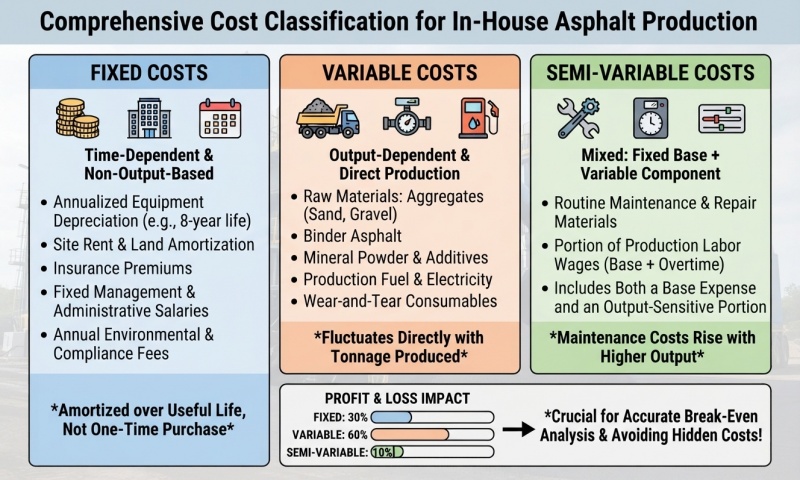
Important Note: There are no mandatory, industry-wide standards for cost classification; it must be based on the company’s actual accounting methods. In a simplified profit-and-loss model, fixed costs must include annualized equipment depreciation. Once annualized, the full purchase price of the equipment should not be included again; similarly, avoid double-counting expenses such as maintenance and labor across multiple cost categories.
When calculating fixed and semi-variable costs, do not ignore long-term expenditure. Read our asphalt mixing plant total cost of ownership (TCO) analysis for long-term ROI evaluation.
Total Cost of Purchasing Ready-Mix Asphalt
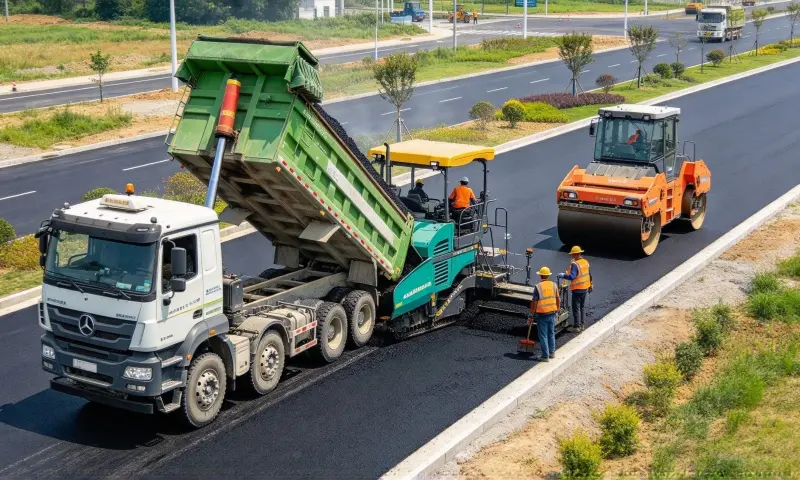
When evaluating the option to purchase ready-mix asphalt, many contractors focus solely on the ex-factory unit price quoted by suppliers, overlooking additional costs such as transportation, waiting time, and downtime due to idle labor. This leads to inconsistent comparison benchmarks. The core evaluation metric for the purchase model is not the ex-factory price, but the actual cost upon delivery to the construction site.
Base Asphalt Purchase Price + Quality Compliance & Specification Requirements
The price per metric ton of asphalt mixture quoted by a supplier is merely the starting point for procurement costs and cannot be directly compared to in-house production costs. During the selection and price comparison phase, it is essential to verify whether the supplier can consistently and reliably meet the technical specifications outlined in the project drawings—such as mix proportions, compaction standards, and high- and low-temperature performance—and whether they possess the capability to produce special mixtures like SMA, modified asphalt, and ultra-thin wearing courses. For certain key engineering and municipal projects, additional costs must also be factored in for random inspections of incoming materials, third-party quality inspections, and mix performance verification.
Here is a core principle: If a low-priced asphalt mixture fails to meet project specifications or fails testing and inspection—even if the quoted price is far below the market average—it has no comparative value and cannot be considered a valid alternative. Simply comparing prices without considering quality consistency will ultimately lead to greater losses, such as pavement rework, failed acceptance inspections, and fines.
Transportation and Last-Mile Delivery Costs
Transportation distance, the number of available dump trucks, departure frequency, road conditions, highway tolls, nighttime delivery restrictions, and unloading conditions at the construction site all directly affect the final on-site price. Here, we introduce the “Delivered Asphalt Cost,” which refers to the actual comprehensive cost of delivering the asphalt mixture to the unloading point at the construction site. The formula is as follows:
Cb = Pb + Tb + Db
- Cb: Total cost per metric ton of asphalt delivered to the site
- Pb: Supplier’s ex-factory price per metric ton
- Tb: Transportation cost per metric ton
- Db: Other delivery-related additional costs, such as tolls, nighttime delivery surcharges, and short-haul transfer fees
Note: If the supplier’s quote already includes freight and loading/unloading fees, do not double-count transportation costs to avoid double-counting.
The delivered asphalt cost includes freight, transit loss and site scheduling expenses. You can learn more about asphalt mixture transportation cost calculation and paving efficiency optimization to refine your budget.
Hidden Costs from Waiting Time and Supply Delays
Hot-mix asphalt has a strict temperature window, with time constraints from the moment it leaves the mixing plant until it is paved and compacted. Vehicles waiting in line at the asphalt mixing plant to be loaded, traffic jams on the road, queues for unloading at the construction site, and supplier delivery delays can all cause the mixture’s temperature to drop; in severe cases, the mixture may become unusable. At the same time, paving crews must halt work to wait for materials, paving machines and rollers remain idle, and labor crews are left with nothing to do. These indirect costs are not included in suppliers’ quotations, but they result in schedule delays, work interruptions, and may even trigger claims for project schedule breaches, thereby driving up the overall project cost.
Business Risks of Over-Reliance on External Suppliers
In addition to explicit costs, the long-term outsourcing model also entails ongoing supply chain risks: during peak construction periods, suppliers may reach full capacity; raw material prices may rise; suppliers may temporarily raise their quotes; and they may prioritize supplying large clients while reducing order volumes for smaller projects; some suppliers lack sufficient fleets, resulting in unstable delivery performance; and if a sole supplier faces an environmental shutdown or major equipment overhauls, the contractor immediately faces the risk of material shortages. Therefore, when adopting an external procurement model, contractors must assess suppliers’ risk-resilience in advance, secure alternative supply channels, and establish backup supply plans to ensure continuous project construction.
When Does In-House Asphalt Production Make More Sense?
The in-house production model is not suitable for all contractors; building an in-house asphalt mixing plant only offers economic value and operational advantages if some or all of the following conditions are met.
Stable, Large Annual Demand Supports High Equipment Utilization
Stable, predictable demand for asphalt mixture allows annual fixed costs to be spread across a larger total output, thereby reducing the cost per metric ton. The key metric for evaluation is the company’s actual annual asphalt consumption, not the equipment’s rated capacity. When a company has a pipeline of highway maintenance and municipal road projects spanning multiple years, with stable pavement construction tasks each year and sufficient effective production days, the mixing plant can operate continuously, and the advantage of spreading fixed costs will become apparent. If projects are sporadic, with only a very short production cycle each year, even the largest equipment capacity is meaningless.
External Supply Is Geographically Limited or Unreliable
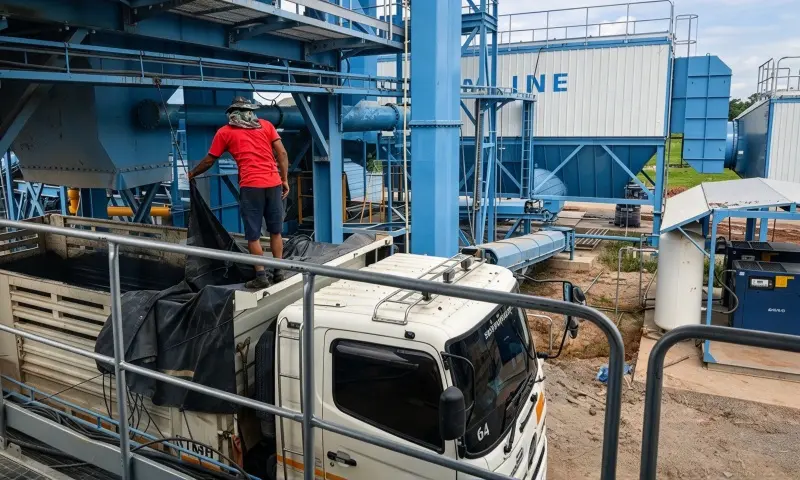
In remote areas, counties, and newly established industrial parks, there is a scarcity of qualified asphalt mixture suppliers within the region, a limited number of mixing plants, and insufficient overall production capacity. Alternatively, suppliers may be located extremely far from the construction site, resulting in extremely high transportation costs and a delivery schedule that is completely incompatible with the paving plan. In such cases, building an in-house mixing plant can eliminate external supply constraints and allow for independent control over the supply schedule.
Strict Project Quality & Custom Mix Requirements
Projects such as high-grade highways, airport runways, and heavy-duty intersections impose strict requirements on mix specifications, gradation, and modification schemes, often necessitating dynamic adjustments to formulations and dispatch temperatures based on pilot section results. Under an in-house production model, the company’s own laboratory can take samples in real time and quickly adjust mix proportions to respond to project changes. However, the advantages of in-house control are built upon specialized laboratory personnel, qualified testing equipment, and a comprehensive quality inspection system; high-quality production is not automatically achieved simply by purchasing an asphalt mixing plant.
Supplement: Selling Asphalt Mixtures to Other Contractors
When demand from in-house projects is limited and the asphalt mixing plant has excess capacity, asphalt mixtures can be sold to nearby industry peers and maintenance units. New orders further increase equipment utilization and help spread fixed costs. However, external sales require a separate assessment of local market demand, the competitive landscape, delivery radius, transportation costs, and after-sales quality liability; When calculating initial investment estimates, projected external sales orders should not be treated as a certain, stable minimum output. Since external sales involve uncertainty, risk margins must be factored into calculations, and the production volume required for in-house projects should be prioritized as the baseline. If you plan to sell extra asphalt mix to nearby contractors, a recycling line can boost profit. Check our guide on RAP recycled asphalt plant configuration and output.
When Is Buying Asphalt the Better Choice?
In contrast to the in-house production model, purchasing ready-mixed asphalt is often a more reliable and cost-effective choice in the following business scenarios.
Fragmented, Low-Volume Project Demand Causes Equipment Idling
Businesses that only undertake sporadic small projects or emergency repair and maintenance orders typically have very low annual asphalt consumption. With significant order fluctuations and no stable annual workload, purchasing an asphalt mixing plant would result in long-term underutilization. Fixed annual costs—such as depreciation, site expenses, and labor—would be spread across a small volume of production, making the cost per metric ton far higher than purchasing ready-mixed asphalt. This makes it difficult to recoup the investment and creates significant pressure on working capital.
Reliable Local Suppliers Are Easily Accessible
There are compliant asphalt mixing plants located near the project site. Suppliers have sufficient production capacity, consistent quality, and year-round on-time delivery. Their comprehensive on-site quotes are competitive and meet the project’s schedule and quality requirements. In this scenario, contractors do not need to invest significant capital, land, or manpower to establish a complete production system; instead, they can focus their funds on core construction equipment such as pavers and rollers, making outsourcing a more practical choice.
Short-Term Project Cycles with No Long-Term Production Plan
Contractors who are only temporarily undertaking one-time, short-term paving projects—with no plans for ongoing paving business after completion—should prioritize purchasing asphalt mix. This avoids the long-term burdens of plant construction, equipment procurement, personnel recruitment and training, equipment maintenance, and environmental compliance operations, allowing funds to be flexibly allocated to other business segments.
Break-Even Calculation: Producing vs. Buying Asphalt
The break-even point is the core quantitative tool for the entire in-house production versus purchased asphalt decision-making process, helping contractors move from qualitative judgments to calculable financial metrics. However, this formula has clear limitations and cannot be applied indiscriminately across all scenarios.
Standard Break-Even Formula
Simplified annual production break-even formula:
Q_BE = Fm / (Cb − Vm)
- Q_BE: Annual break-even production volume (metric tons)
- Fm: Total annual fixed costs under the in-house production model (USD)
- Cb: Cost per metric ton of purchased asphalt delivered to site (USD/metric ton)
- Vm: Variable production cost per metric ton for in-house production (USD/metric ton)
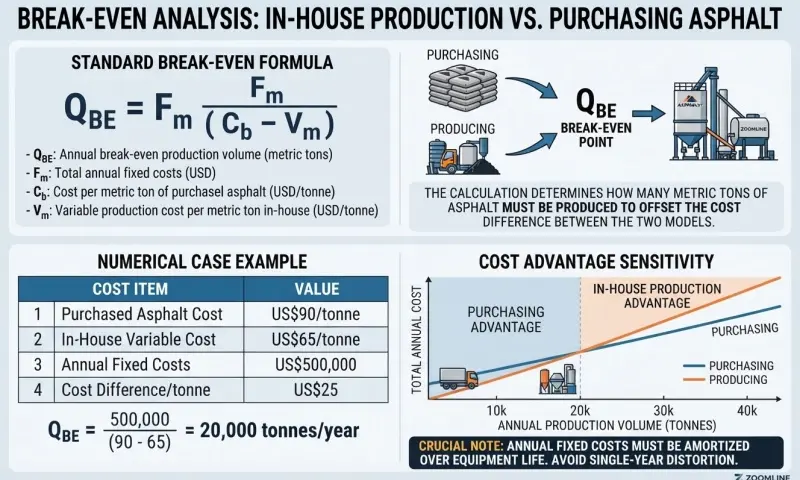
The underlying logic of this formula: The annual fixed costs must be covered by the “per-metric-ton price difference between purchased and in-house production variable costs.” The calculation determines how many metric tons of asphalt must be produced to offset the cost difference between the two models. When annual production exceeds the break-even point, in-house production offers a cost advantage; when it falls below the break-even point, purchasing is more cost-effective.
Two Core Prerequisites for Using the Formula
Fixed costs must include annualized equipment depreciation. In the formula, all annual fixed expenses—including annualized equipment investment costs, site expenses, fixed personnel compensation, insurance, and annual fixed operations and maintenance costs—must be included; the full purchase price of the equipment cannot be entered directly. All cost items must follow a uniform accounting cycle. If financing is involved, financing interest and cash flow differences must also be consistent to avoid situations where equipment is depreciated over 8 years while costs are compared on a single-year basis.
Explanation of the formula’s scope of application. This simplified break-even formula requires that the cost of purchased materials delivered to site, variable costs of in-house production, and annual fixed costs all use the same accounting period and consistent accounting standards. It also assumes that the quality specifications of the asphalt mixture are completely consistent, that the asphalt mixing plant’s production capacity can meet output requirements, and that the variable costs of in-house production are lower than the price of purchased materials delivered to site. If there are significant differences in financing arrangements, project durations, or mix specifications—or if the project is a short-term, one-time endeavor—the simplified model is no longer applicable, and a more detailed full-cycle cash flow analysis must be conducted.
Supplementary Rule: When Cb > Vm, a positive break-even point can be calculated; if Cb ≤ Vm—that is, when the unit price of purchased material delivered to site is equal to or lower than the variable cost of in-house production—relying solely on increasing output will not achieve a cost advantage under this simplified model, and in-house production is not economically viable.
Numerical Case Calculation
All figures below are hypothetical demonstration data; they do not represent industry average prices, nor do they constitute a quotation for ZOOMLINE equipment, but are used solely to illustrate the calculation logic:
| Cost Item | Value |
| Cost of purchased asphalt mixture delivered to site | US$90/tonne
|
| Variable cost of in-house production | US$65/tonne |
| Annual fixed costs | US$500,000 |
| Cost difference per tonne | US$25 |
Q_BE = 500,000 / (90 − 65) = 20,000 tonnes/year
Under these assumptions: when annual output is stable at 20,000 tonnes, the combined costs of the two modes are equal; if annual output consistently exceeds this figure, in-house production offers a cost advantage; if annual output remains below 20,000 tonnes over the long term, purchasing from external suppliers is more cost-effective. When carrying out practical calculations, contractors must ensure they substitute their own local figures for raw materials, freight costs and labour rates.
Sensitivity Analysis: How Utilization Impacts Unit Fixed Cost
Based on the premise of an annual fixed cost of $500,000, we can clearly see the impact of changes in output on the fixed cost allocated per tonne:
| Annual Output | Fixed Cost Allocated per Tonne |
| 10,000 tonnes | $50.00 |
| 20,000 tonnes | $25.00 |
| 30,000 tonnes | $16.67 |
| 40,000 tonnes | $12.50 |
The table shows only the changes in the allocation of fixed costs and does not represent the full production cost of asphalt mix. Variable costs, such as raw materials, fuel and production efficiency, remain separate and do not automatically decrease as output increases. Contractors are advised to calculate three demand scenarios separately: conservative (low output), baseline (normal expectations) and growth (increased external sales volume), and should not base investment decisions solely on optimistic output forecasts.
Decision Matrix & Asphalt Plant Equipment Selection
Once cost calculations have been completed, one must not focus solely on profit and loss figures, but must make a comprehensive judgement based on multiple factors; if the decision is ultimately made to produce in-house, the appropriate type of asphalt mixing plant should then be selected based on the specific business context.
In-house Production v. Procurement Decision Matrix
| Evaluation Criteria | More Suitable for In-house Production | More Suitable for Procurement |
| Annual Demand | High and stable, with roadworks projects spanning several consecutive years | Low and highly volatile, with scattered projects |
| Project Duration | Long-term, with multiple projects running concurrently over several years | Short-term, sporadic emergency repairs or one-off projects |
| External Supply | Insufficient local supply, few suppliers, and unreliable delivery | Adequate local suppliers, stable supply, and reasonable delivered prices |
| Delivery Cost | Purchased delivery price significantly higher than the total cost of in-house production | Purchased delivery prices are competitively priced in the market |
| Financial Reserves | Sufficient investment capacity to cover expenditure on equipment and mixing plants | Limited funds; priority given to core construction operations |
| Operational Capability | Possesses experienced operators, a laboratory and maintenance teams, with environmental management capabilities | Lacks experience in mixing plant operations, quality control and environmental operations and maintenance |
| Business strategy | Plans to expand into the external sale of asphalt and establish a long-term presence in materials production | Focuses on road surfacing and does not wish to venture into materials production |
Note: Conclusions cannot be drawn based on a single indicator alone; a comprehensive assessment must be made, taking into account total costs, supply risks, operational capabilities and long-term business plans. For example, even if production targets are met, if obtaining local environmental impact assessment approval is extremely difficult, it would still be unsuitable to build the facility in-house.
Final Verdict After Cost & Risk Evaluation
The break-even point is a crucial financial indicator, but it is by no means the sole basis for decision-making. Even if calculations show that annual output exceeds the break-even point, one must verify the reliability of demand forecasts, the long-term stability of local suppliers, the team’s capability to operate and maintain the asphalt mixing plant, as well as site approval and environmental protection policies, before deciding whether to invest capital in building the plant. Many projects focus solely on the figures, overlooking environmental impact assessments, land use and staffing issues, resulting in the inability to commence normal production once the equipment has been delivered.
Selecting the Appropriate Mixing Plant Configuration Following the Decision to Produce In-House
There are four mainstream types of asphalt mixing plants on the market, each suited to different operational scenarios:
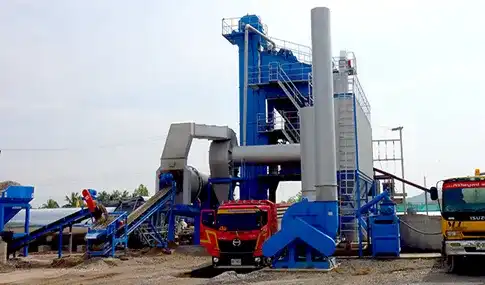
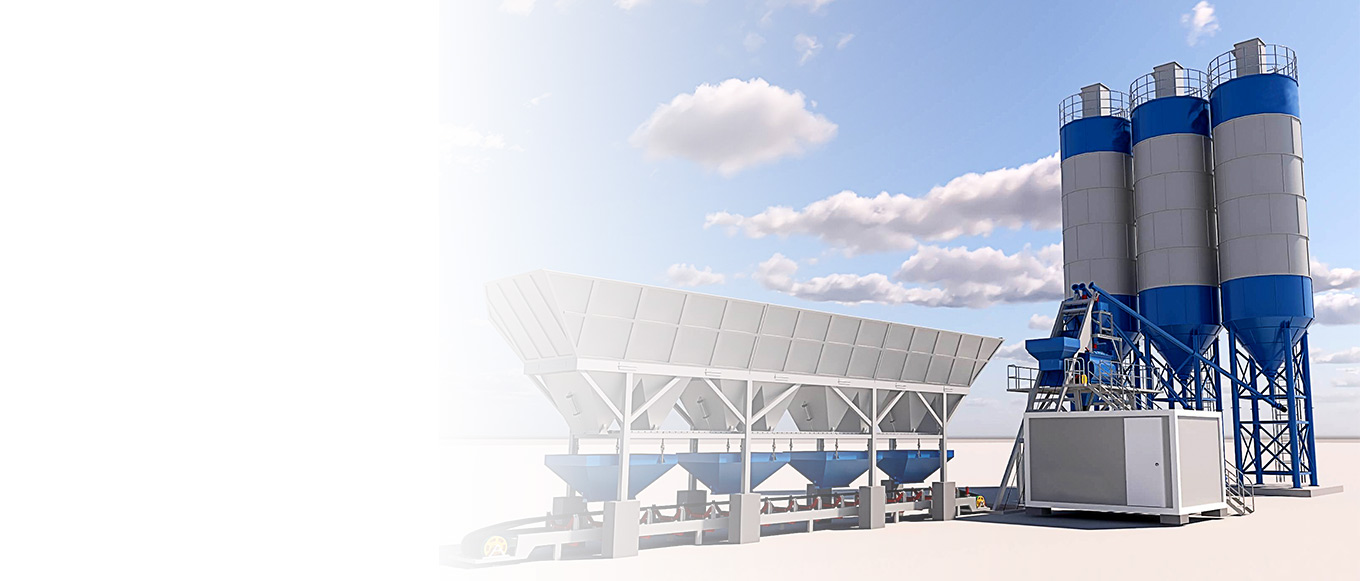
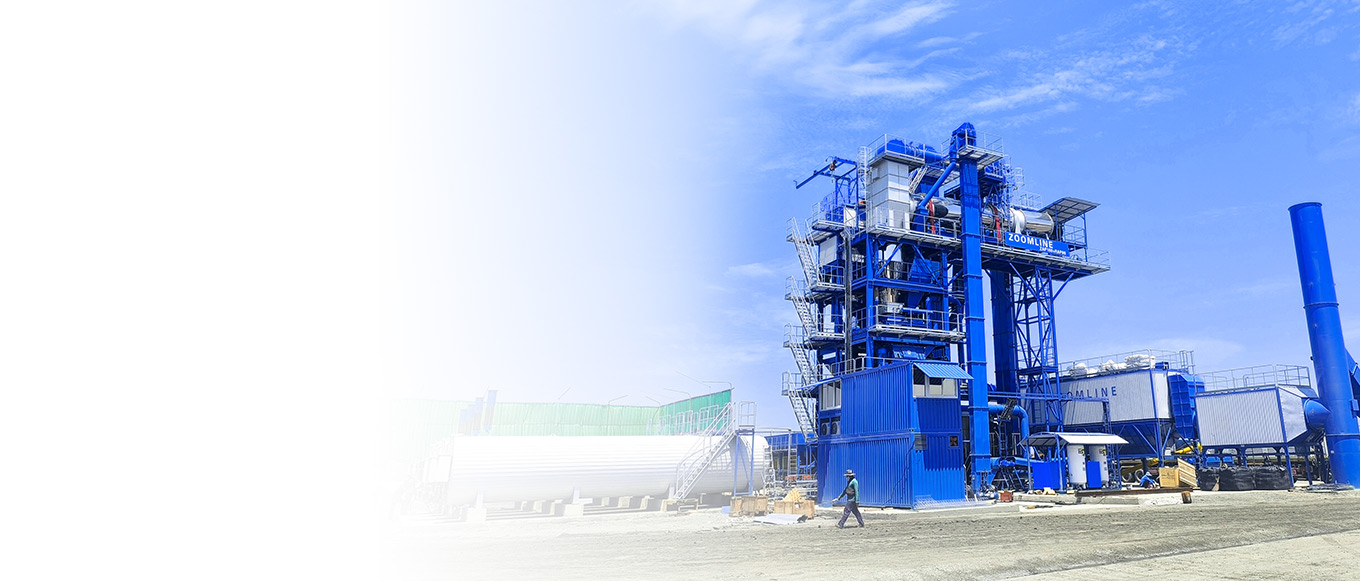
- Stationary asphalt mixing plants: Suitable for long-term, fixed locations requiring continuous and stable production, with high annual demand and construction sites concentrated within the plant’s catchment area; these plants offer high production capacity and lower energy consumption per unit.
- Mobile asphalt mixing plants: Suitable for projects requiring frequent relocation between multiple construction sites, where projects are dispersed and there are no plans for permanent sites.
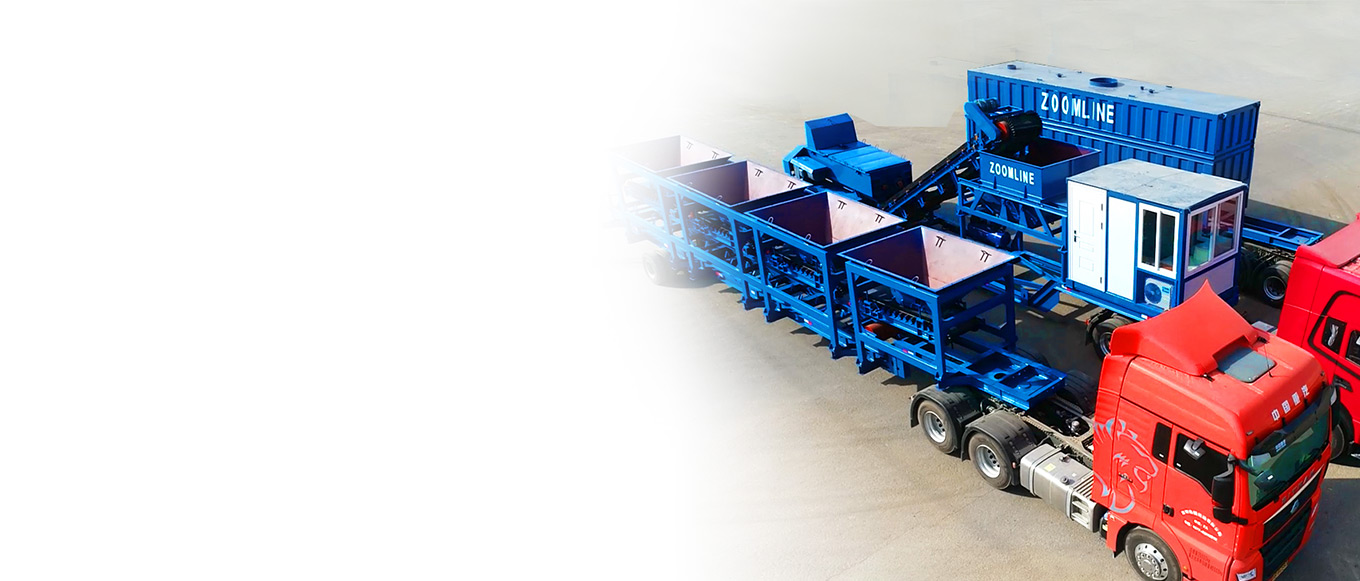
- Super-mobile asphalt mixing plants: Designed for extremely rapid relocation, eliminating the need for complex foundations and enabling integrated transport and deployment; suitable for temporary off-site works, emergency projects and situations requiring short relocation and deployment cycles.
- Recycled asphalt mixing plants: Suitable for scenarios with a stable supply of RAP (recycled asphalt pavement) milled material, where projects require the incorporation of recycled materials to produce recycled mix, whilst also complying with local specifications for recycled materials.
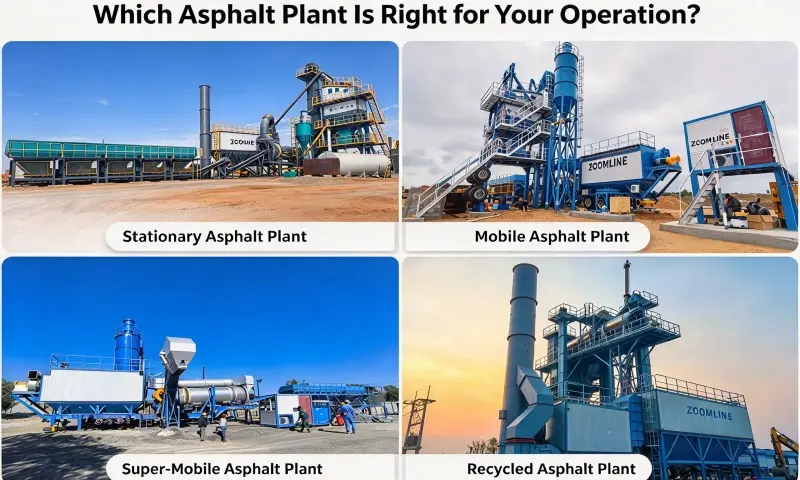
Key considerations for selection: actual average annual output, geographical distribution of projects, equipment budget, relocation and transport costs, site construction conditions, raw material logistics radius, maintenance workforce availability, demand for recycled materials, and local environmental, emissions and noise regulations.
Key reminder: Do not assume that mobile asphalt plants or super-mobile asphalt plants are necessarily more cost-effective than purchasing ready-made equipment. Mobile asphalt plants also incur ongoing expenses such as capital investment, transport costs for relocating between sites, temporary site levelling, installation and commissioning, raw material transport, and labour for maintenance and servicing; the core advantage of mobile asphalt plants is their flexible deployment, not that they are inherently cheaper; their cost-effectiveness still depends on the project duration, annual output and overall operating costs. For short-term road projects that require frequent relocation, contractors can consider mobile asphalt mixing plant operation and site scheduling to match your production plan.
When Buying an Asphalt Plant Is Not the Right Business Decision
In the following scenarios, establishing an in-house asphalt mixing plant is highly likely to result in operational pressures: uncertain future project pipelines; insufficient annual demand that is highly volatile; a lack of experience in operating asphalt mixing plants and maintaining the equipment; site constraints; stringent environmental impact assessment and emissions approval requirements; and insufficient funds to support both the capital outlay for the equipment and the cash flow required for initial ongoing operations. The decision to build one’s own asphalt mixing plant must be based on realistic and feasible business calculations; one must not invest blindly simply to ‘gain autonomy over raw material supply’.
Conclusion: Choosing the Right Asphalt Mixture Supply Solution for Your Business
The complete decision-making process involves: comparing the two asphalt mixture supply models; calculating all explicit and implicit costs; assessing your own business context; determining the break-even point; and finally selecting the appropriate asphalt mixing plant solution. There are three core factors in the decision-making process: stability of demand, reliability of external supply, and full life-cycle cost of assets. Contractors should not invest blindly in an asphalt mixing plant without first objectively assessing production volume, operational capacity, cash flow and profitability projections.
If you are considering establishing in-house asphalt mixture production capacity, please contact ZOOMLINE to discuss your project requirements, estimated annual output, site distribution, plant conditions and local environmental regulations. Our technical and commercial teams can help you evaluate suitable asphalt mixing plant solutions and provide configuration recommendations tailored to local operating conditions.
Frequently Asked Questions
Q: Is producing asphalt mixture in-house always cheaper than purchasing it externally?
Not necessarily; it ultimately depends on annual output, fixed costs, variable production costs, on-site quotations from suppliers, and equipment utilisation rates. In-house production only offers a cost advantage if output is consistently above the break-even point; where demand is sporadic and utilisation rates are low, purchasing externally is often more convenient and cost-effective.
Q: How many tonnes of asphalt mixture need to be produced annually for it to be cost-effective to purchase an asphalt mixing plant?
There is no fixed, nationwide threshold for tonnage, as raw material prices, transport costs, labour costs and site operating costs vary from region to region. Contractors must calculate their own break-even output using their annual fixed costs, the cost of purchased materials delivered to site, and the variable costs of in-house production.
Q: What are the main costs involved in operating an asphalt mixing plant?
These primarily include raw materials such as sand, gravel, asphalt and mineral powder; fuel; electricity; labour costs for production and management; maintenance and spare parts; site operation and maintenance; environmental testing; and annualised depreciation and amortisation of equipment.
Q: Is it suitable for small road contractors to own an asphalt mixing plant?
It is possible, but the barriers to entry are high. If a small contractor has stable, long-term maintenance projects, there is a lack of local suppliers, or they have stable external sales channels, producing their own mix can be profitable; however, if output is low, funds are tight, and there is no operations and maintenance team, purchasing asphalt externally is a more prudent choice.
Q: How do asphalt transport costs influence the decision between in-house production and procurement?
The longer the transport distance, the higher the on-site procurement cost per tonne of asphalt mix, which raises the benchmark price for external procurement and narrows the cost advantage of purchasing externally. Contractors must use the actual on-site price delivered to the unloading point at the construction site—rather than the supplier’s ex-works price—when comparing it with the full cost of in-house production.
Q: Should contractors opt for a mobile asphalt mixing plant or stationary asphalt mixing plant?
Stationary asphalt mixing plants are suitable for long-term, stable production at a single location and for concentrated projects; the core advantage of mobile and ultra-mobile asphalt mixing plants lies in their flexibility to relocate, making them suitable for dispersed construction sites. The final choice depends on the project duration, site distribution, estimated annual output and overall operating costs.