
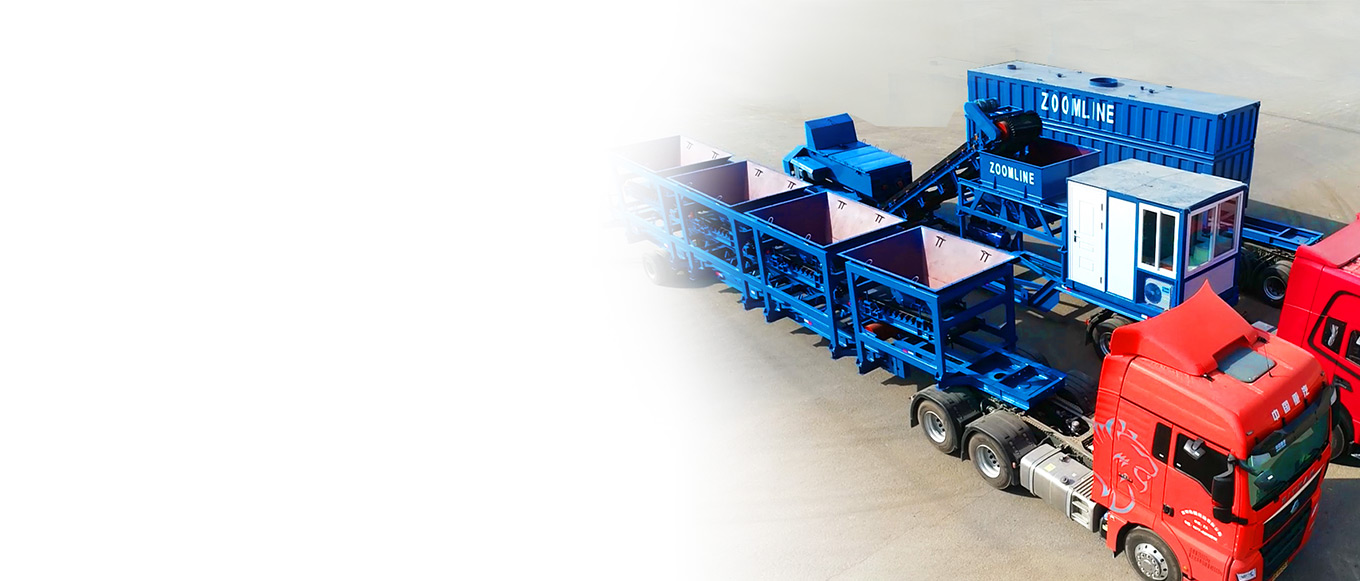
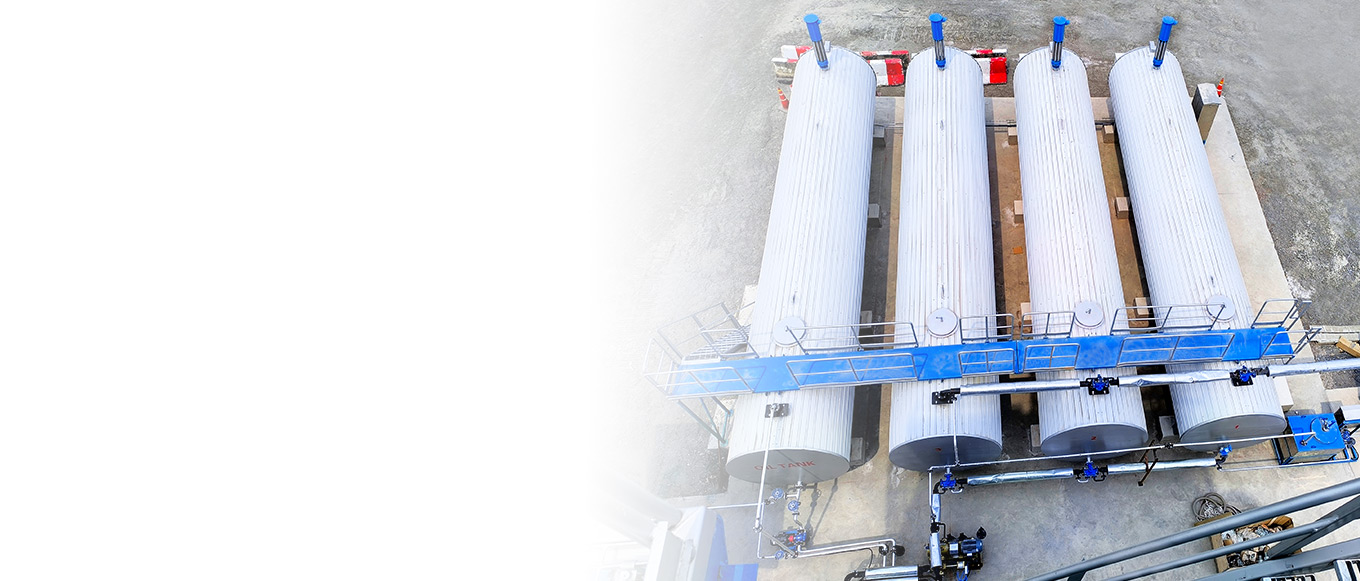


What Is a Bitumen Decanting Machine and How Does It Work?
In highway and municipal road construction and asphalt maintenance projects, the Bitumen Decanting Machine serves as a core auxiliary equipment, characterized by high efficiency, energy saving, and environmental friendliness. While bottled asphalt is widely used due to its convenient transportation and safe storage, solid or high-viscosity bottled asphalt cannot be directly applied to construction. Therefore, the Bitumen Decanting Machine becomes the core equipment connecting bottled asphalt with the construction process.
What is an Bitumen Decanting Machine?
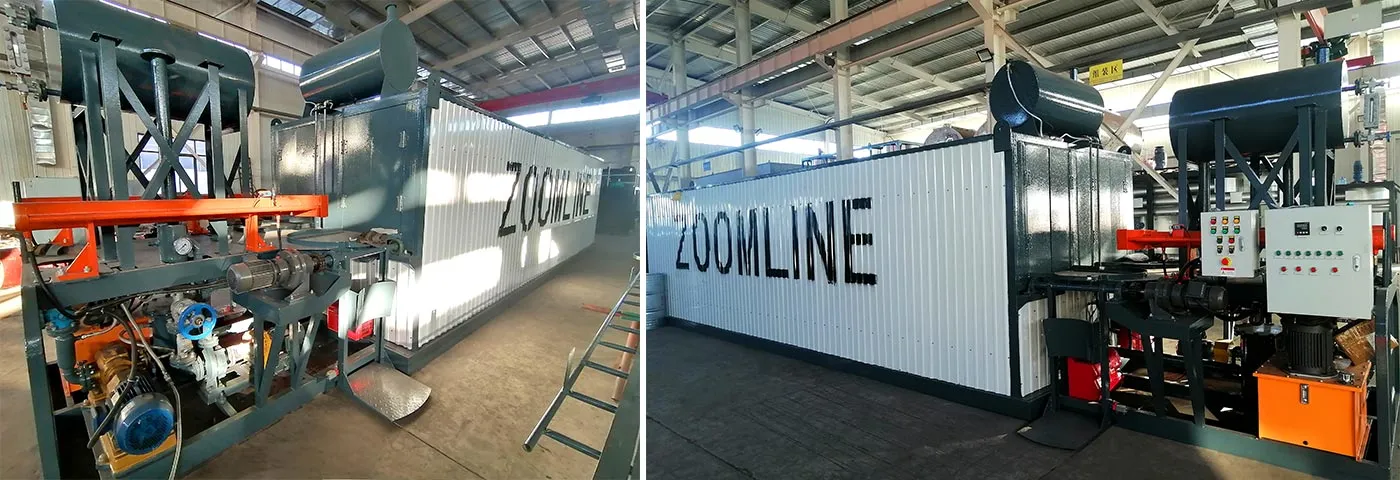
Bitumen Decanting Machine is a special road construction machine dedicated to drum removing, melting, heating and conveying barreled asphalt. It mainly converts solid or semi-solid barreled asphalt into flowable liquid asphalt ready for direct construction through mechanical actions such as heating and pushing, while performing auxiliary functions including asphalt filtering, dewatering and heat preservation. It is an indispensable supporting equipment for high-grade highways, municipal roads, airport runways and other engineering projects.
Core Positioning and Application Scenarios
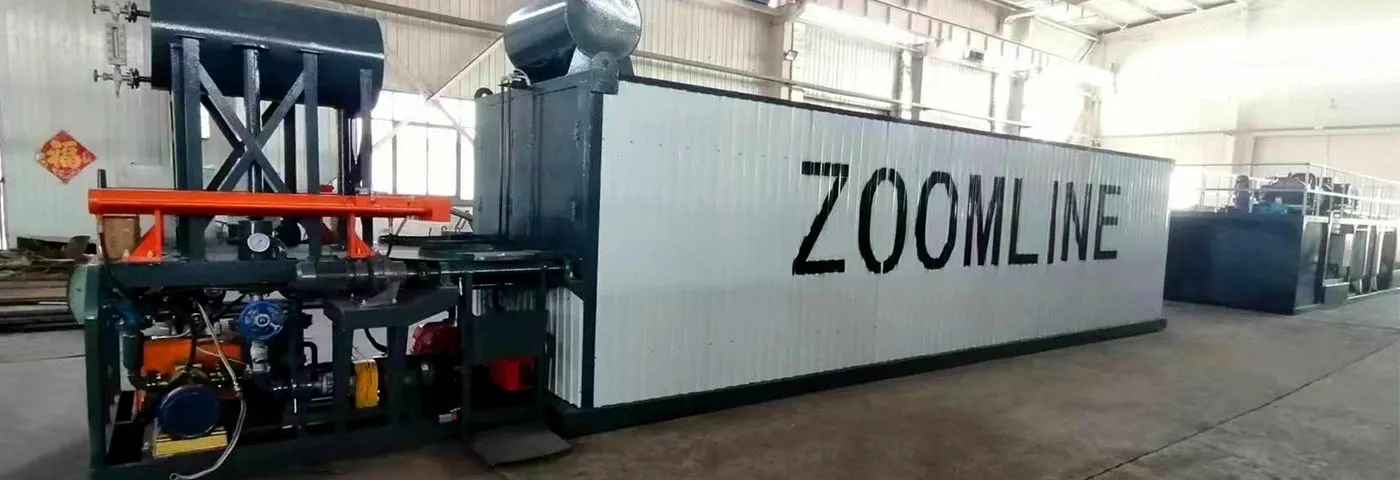
The core positioning of the Bitumen Decanting Machine is “high-efficiency conversion and energy saving,” completely solving the pain points of traditional asphalt melting methods, such as long processing time, high energy consumption, and high labor costs. It is an indispensable key piece of equipment in modern road construction. The melted liquid asphalt is mainly used in:
Asphalt mixing plants: for producing asphalt mixtures to support road paving, pavement repair, and other projects;
Industrial applications: suitable for various production scenarios requiring liquid asphalt as a raw material;
Adaptability to different climate regions: bagged Bitumen Decanting Machines are more commonly used in cold-climate countries (such as Russia), while drummed Bitumen Decanting Machines are the mainstream choice in low-latitude regions (high-temperature, dry environments) due to their strong adaptability and high efficiency.
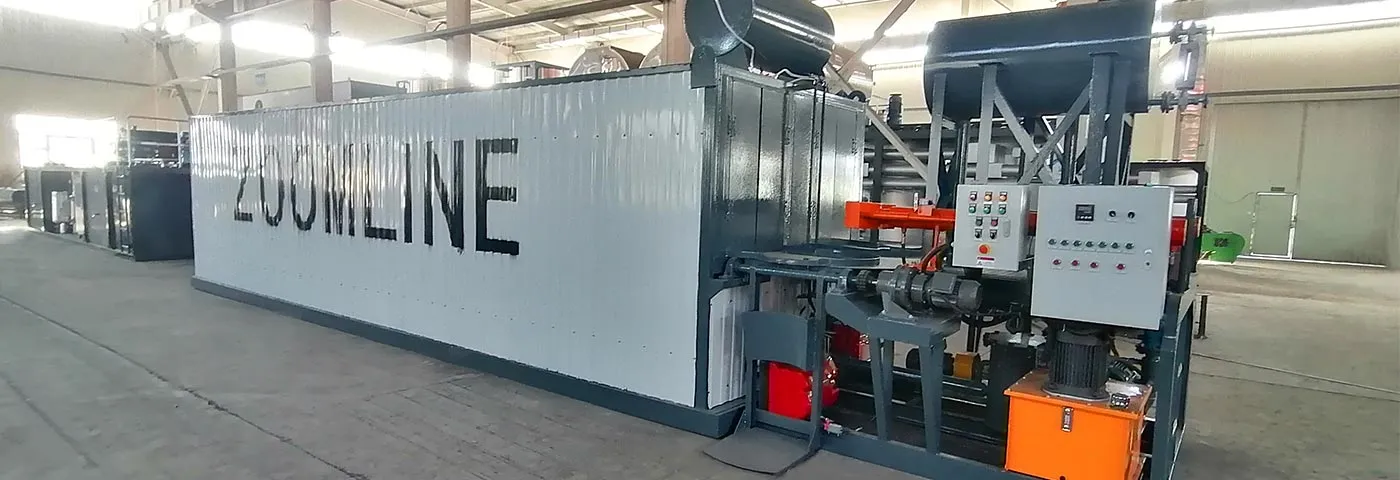
Core Equipment Components (Basic Configuration)
The basic structure of the Bitumen Decanting Machine is simple and durable, consisting of four main components to ensure stable operation:
Equipment Body: the core framework supporting the entire equipment and ensuring operational stability;
Hot Oil Coil: the core heating component responsible for transferring heat to the drummed asphalt for rapid melting;
Asphalt Pump Assembly: transports the melted liquid asphalt to designated equipment or storage containers, ensuring smooth delivery;
Filtration System: filters impurities from the liquid asphalt, ensuring asphalt purity and avoiding impact on project quality.
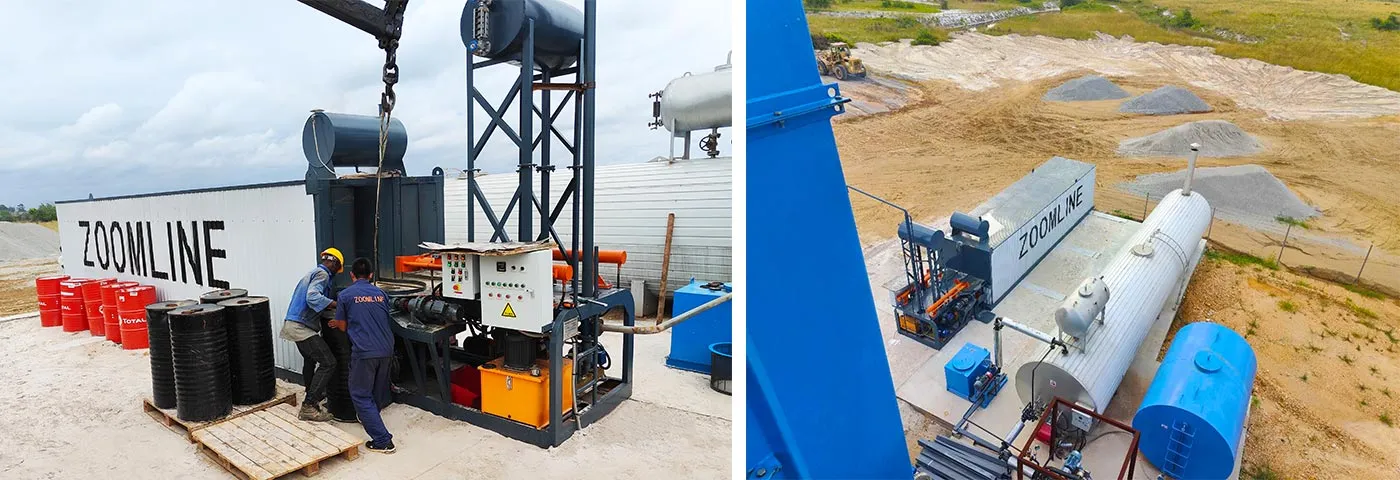
Core Value Highlights
Compared to traditional asphalt melting methods, Bitumen Decanting Machines offer three core advantages, making them the preferred choice for road construction companies:
Energy Saving and Labor Saving: Significantly reduces energy consumption, labor input, and lowers project operating costs;
Environmental Protection and Safety: No significant pollutant emissions during operation, meeting modern engineering environmental protection requirements;
High Efficiency and Adaptability: Specifically designed for barrelled asphalt, with high melting efficiency, adaptable to various road construction scenarios, making it the optimal choice for road construction.
Core Features of Barrel-Type Bitumen Decanting Machines
High-quality barrel-type Bitumen Decanting Machines, with their differentiated features, can adapt to the stringent requirements of various engineering scenarios. The following is a detailed explanation of their core features, highlighting their product competitiveness:
High Pressure Adaptability: The equipment’s rated pressure can reach 250 psi, adapting to demanding applications, including hot oil systems, asphalt circulation conveying, and pressure vessels in hot mixing plants. It operates stably under complex conditions.
Diesel Drive System: Utilizing an independent diesel drive, it does not rely on grid power, perfectly adapting to remote construction sites, rural roads, and other scenarios without stable power supply. This completely solves the power problem in field construction, ensuring uninterrupted project progress.
Fully Automatic Operation: Equipped with a PLC control system or a timer control system, it can automatically adjust and monitor temperature and pressure, eliminating the need for continuous manual supervision. This improves operational convenience and avoids safety hazards caused by human error, balancing safety and efficiency.
Heavy-duty low-carbon steel structure
Made of high-grade low-carbon steel, it boasts exceptional durability and impact resistance, adapting to complex on-site operating environments, effectively extending equipment lifespan and reducing maintenance costs.
High thermal efficiency
The optimized heating structure design results in extremely low heat loss, making it suitable not only for high-temperature asphalt processing but also for asphalt thermal storage, improving energy utilization and further reducing operating costs, aligning with industry energy-saving trends.
Rapid on-site adaptation design
The optimized equipment structure allows for rapid integration with asphalt mixing plants, asphalt sprayers, and mobile tank trucks, eliminating the need for complex installation and commissioning processes, saving on-site deployment time and facilitating efficient project progress.
Safe and reliable
Equipped with pressure relief valves and temperature cut-off devices, with optional insulation layers, it comprehensively protects against safety risks posed by high temperatures and pressures, ensuring long-term safe and stable operation and preventing accidents.
.webp)
Detailed Components of an Bitumen Decanting Machine
The Bitumen Decanting Machine (including bagged and drummed asphalt) is an extension of the standard Bitumen Decanting Machine. Its core structure consists of four main components, which work together to ensure efficient and stable asphalt melting and transportation. The specific components are as follows:
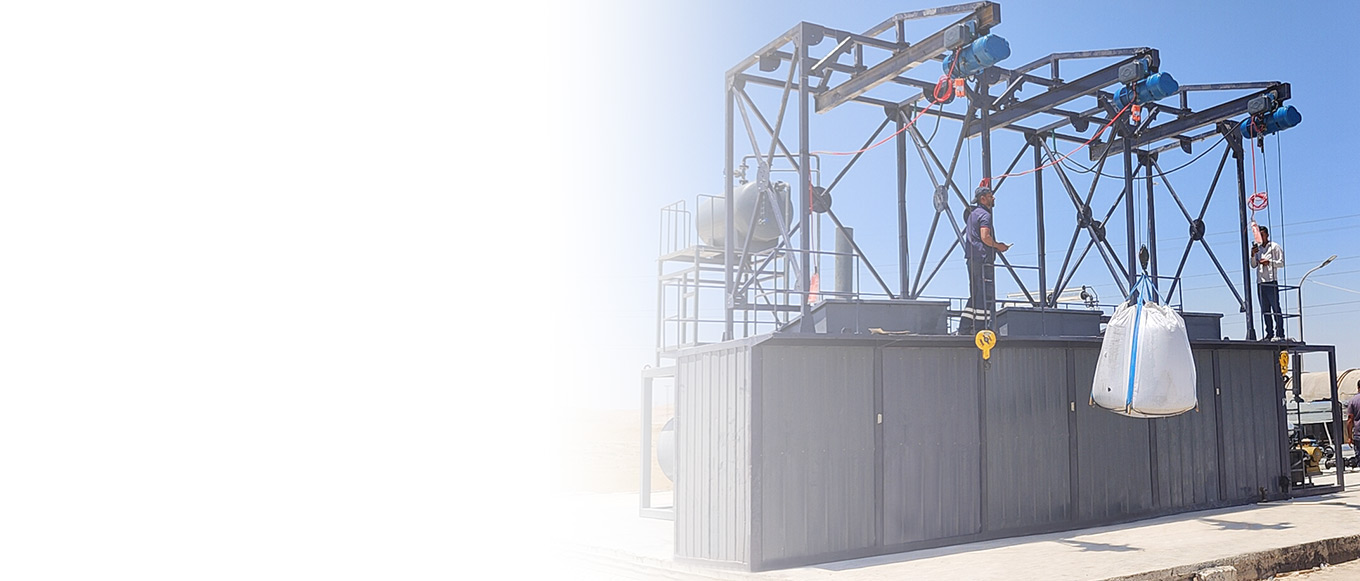
Melting Chamber
The melting chamber is the core area for asphalt melting. It adopts a skid-mounted structure for easy transport and relocation on-site, eliminating the need for complex fixed installations. Its key design highlights include:
Feed Inlets: Equipped with 3 or 5 feed inlets, it can be flexibly adapted to different asphalt packaging specifications, improving feeding efficiency;
Heating Structure: A heat-conducting oil pipe is located below the discharge port, and high-temperature heat-conducting oil pipes are arranged inside the heating chamber, enabling rapid heat transfer and rapid melting of the asphalt, shortening the melting cycle.
Lifting Unit
This unit is mainly responsible for lifting drummed or bagged asphalt to the feed inlets. Its core consists of a lifting support and an electric hoist. It adopts an assembled structure, with all connections secured by bolts, facilitating disassembly and transportation, and adapting to the needs of frequent site relocation.
Thermal Oil Furnace
The thermal oil furnace is the “core heat source” of the equipment. Its working logic is as follows: Thermal oil is heated in the boiler, and the heated oil circulates into the melting chamber. Heat is then transferred to solid asphalt through the oil pipes, achieving uniform melting of the asphalt and ensuring a stable temperature after melting.
Pipeline System
The system employs a seamless pipe design. Its main function is to transport the thermal oil from the heater to the heating unit, and simultaneously transport the melted liquid asphalt to designated equipment. Seamless pipes effectively prevent oil and asphalt leaks, ensuring the safety and cleanliness of equipment operation, while also extending the service life of the pipes.
Detailed Explanation of the Working Principle of an Bitumen Decanting Machine
The core working principle of an Bitumen Decanting Machine is “heating and softening—collection from the drum—purification by heating—transportation for standby.” The entire process relies on the coordinated operation of four major systems, with clear steps and a high degree of automation. The specific working principle and operating steps are as follows:
Core System Composition
The normal operation of an Bitumen Decanting Machine depends on the coordinated cooperation of four core systems, each with its own function and indispensable:
Heating System (Core Power): Mainly composed of an oil/gas burner, a heat transfer oil heating device, and heating coils, it is the core of asphalt melting. It provides a stable heat source through radiation, contact, and convection heat transfer methods, and the temperature can be adjusted according to demand to prevent asphalt overheating and aging;
Drum Feeding and Removal System: Includes an electric hoist, hydraulic propeller, drum unloading chamber, guide rails, etc., responsible for conveying asphalt drums to the unloading chamber. Mechanical pushing enables continuous drum feeding and unloading, simultaneously completing the asphalt drum unloading process.
Asphalt Collection and Conveying System: Composed of a receiving hopper, asphalt pump, filtration device, and insulated pipelines, responsible for collecting melted asphalt, filtering impurities, dehydrating it, and then conveying the asphalt to storage tanks or construction equipment. Some equipment has an internal circulation function to improve heating efficiency and dehydration effect.
Control System: Composed of a PLC control cabinet, temperature sensors, and an operation panel, enabling automated control of heating temperature, drum feeding speed, and asphalt conveying. It also features fault alarms and overload protection functions to ensure safe equipment operation.
Complete Workflow
Preparation and Drum Feeding
Before construction, check the equipment pipelines, valves, and instruments for proper functioning. Add heat transfer oil and fuel oil, and pre-activate the heating system to raise the temperature in the drum unloading chamber to above 150℃ (the temperature required for asphalt softening). Simultaneously, use an electric hoist to lift the asphalt drum, remove the lid, and invert it onto the guide rail. A hydraulic pusher then pushes the drum into the unloading chamber, using a “one drum in, one drum out” method for continuous drum feeding. Empty drums are simultaneously ejected from the rear to ensure continuous operation.
Heating, Softening, and Drum Unloading
After the asphalt drum enters the unloading chamber, the surrounding heating coils heat the drum walls through radiant heat exchange. Simultaneously, the circulating heat transfer oil and residual heat from the exhaust gas provide secondary heating, gradually softening and melting the solid asphalt inside. The melted liquid asphalt flows from the drum opening (inverted state) into the receiving hopper below the unloading chamber, completing the unloading process. This stage employs a closed-loop insulation design (rock wool insulation material) to reduce heat loss and prevent asphalt from sticking to the drum, ensuring clean unloading.
Dehydration, Slag Removal, and Heating
After the molten asphalt flows into the receiving hopper, it first passes through a filtration device to remove impurities (such as debris and slag inclusions), achieving automatic slag removal. The asphalt then enters the heating tank (lower chamber), where it is further heated by heat transfer oil to 110℃-130℃ (reaching the asphalt pump suction temperature). Simultaneously, the internal circulation of the asphalt pump causes water vapor in the asphalt to naturally escape and be discharged through the exhaust port, completing the dehydration process. The dehydrated asphalt can be directly used for construction or storage.
Transportation and Standby
Liquid asphalt that has reached the specified temperature and purity is transported by an asphalt pump through insulated pipelines to asphalt storage tanks, or directly to road paving and repair equipment to meet on-site construction needs. If not in use temporarily, the equipment can maintain the asphalt temperature through an insulation system, ensuring that the asphalt remains in a flowable state, preventing secondary solidification, and improving construction efficiency.
Core Advantages of Using Asphalt Melting Equipment
Compared to traditional asphalt melting methods (such as open flame heating and manual stirring), asphalt melting equipment offers significant operational advantages to businesses due to its intelligent, efficient, and safe features, specifically:
Efficiency Advantage: Significantly Improved Construction Progress
The equipment employs a high-efficiency heating structure, enabling rapid melting of solid asphalt and significantly shortening the melting cycle. This allows for quick and readily available liquid asphalt, preventing delays in project progress due to untimely asphalt supply, making it particularly suitable for the continuous construction needs of large-scale road projects. Simultaneously, automated operation reduces manual intervention, further improving overall operational efficiency.
Quality Advantage: Ensures Stable Asphalt Quality
The equipment is equipped with a precise temperature and pressure control system, achieving uniform heating and stable melting of asphalt. This avoids localized overheating or incomplete melting, ensuring consistent quality of the liquid asphalt, thereby guaranteeing the quality of the asphalt mixture and improving the durability of road projects.
Safety Advantages: Eliminating Safety Hazards
The equipment incorporates multiple safety protection devices (pressure relief valves, temperature cut-off devices, etc.) and employs a closed-loop heating design, effectively preventing safety hazards such as fires and leaks caused by high temperatures and pressures. This ensures the safety of operators and the construction site, meeting modern engineering safety management requirements.
Compatibility Advantages: Accommodating Multiple Asphalt Types
The equipment is highly versatile, capable of processing not only drummed asphalt but also bagged asphalt, accommodating the melting needs of asphalt in different packaging forms. No additional specialized equipment is required, reducing equipment investment costs for enterprises and adapting to more engineering scenarios.
Energy Saving and Environmental Protection Advantages: Reducing Operating Costs + Meeting Environmental Requirements
The equipment’s optimized thermal efficiency design significantly reduces heat loss, saving energy consumption (such as diesel and electricity). Simultaneously, there are no significant pollutant emissions during operation, complying with national environmental protection policies and engineering environmental protection requirements. This avoids delays in project progress due to environmental issues and reduces the enterprise’s environmental investment.
Conclusion
Bitumen Decanting Machines/asphalt melting equipment, as core auxiliary equipment in road construction and asphalt processing, have completely solved many pain points of traditional asphalt melting methods thanks to their high efficiency, energy saving, safety, and strong adaptability. They have become key equipment for modern engineering to improve efficiency, reduce costs, and ensure quality.
Whether it’s diesel-powered adaptation for remote construction sites or efficient linkage in large mixing plants, whether it’s rapid unloading of drummed asphalt or uniform melting of bagged asphalt, Bitumen Decanting Machines can meet the needs of different engineering scenarios thanks to their core characteristics. Their intelligent operation design, durable structural quality, and environmentally friendly operating mode make them an indispensable production partner for asphalt-related enterprises, contributing to the high-quality development of the industry.
FAQs
Q: What type of asphalt is the Bitumen Decanting Machine mainly suitable for?
A: It is mainly suitable for drummed bitumen, and also compatible with some bagged asphalt. It can quickly heat and melt solid asphalt into a liquid state, meeting the needs of asphalt mixing plants, road construction, and other scenarios. Drummed bitumen melting machines are more suitable for low-latitude regions, while bagged bitumen melting machines can be used in conjunction with it in cold regions.
Q: What is the range of the diesel drive system of the Bitumen Decanting Machine?
A: The equipment uses a high-efficiency diesel drive system, and the range can be flexibly adjusted according to project needs. It is equipped with a large-capacity diesel fuel tank, which can meet the needs of long-term continuous operation in remote construction sites. At the same time, the equipment has optimized fuel consumption, consuming less energy compared to traditional diesel heating equipment, further improving range performance and ensuring that project progress is not affected by power limitations.
Q: Does the automated operation of the equipment require professional personnel?
A: No professional technicians are required to be on duty at all times. The equipment is equipped with a PLC control system or a timer control system, allowing for automatic adjustment of temperature and pressure. The operation process is simple, and ordinary construction site workers can operate it proficiently after simple training. Simultaneously, the equipment is equipped with a safety warning device that automatically alarms in case of abnormalities, further reducing operational difficulty and safety risks.
Q: What is the thermal efficiency of the Bitumen Decanting Machine, and how much energy can it save?
A: The equipment boasts extremely high thermal efficiency, employing an optimized hot oil coil design with minimal heat loss. Compared to traditional open flame heating methods, it can save 30%-40% of energy consumption. Furthermore, the equipment can achieve asphalt heat storage, avoiding repeated heating and further improving energy utilization. Long-term use can significantly reduce enterprise operating costs.
Q: Is the equipment difficult to maintain, and which parts need to be replaced regularly?
A: The equipment is easy to maintain, employing a heavy-duty low-carbon steel structure, ensuring high durability and a low failure rate. Routine maintenance mainly includes: regularly cleaning impurities from the filter system, checking for leaks in the pipes, and adding lubricating oil to the electric hoist of the lifting unit. The main wear parts are seals and heat-conducting oil pipes; these can be checked and replaced periodically according to usage frequency, resulting in low maintenance costs.
Q: Can the Bitumen Decanting Machine be quickly integrated with existing asphalt mixing plants?
A: Yes. The equipment adopts a field-ready design, requiring no complex modifications. It can be quickly integrated with existing asphalt mixing plants, asphalt sprayers, and mobile tank trucks. The installation and commissioning process is simple, allowing for rapid deployment and saving on-site deployment time, thus facilitating efficient project progress.