




Why RAP Technology is Revolutionizing Bitumen Plant ROI
Introduction: How RAP Is Changing the Profit Model of Asphalt Production
Rising raw material prices are forcing the asphalt industry to recalculate its costs
The continued rise in prices for virgin aggregates, asphalt binder, fuel, and transportation costs is steadily squeezing profit margins in asphalt mixture production. Road project owners and general contractors are imposing increasingly stringent requirements for cost control and construction delivery efficiency.
For investors in asphalt mixing plants, simply comparing equipment purchase prices is no longer sufficient; Total Cost of Ownership (TCO) has become the core metric for evaluating a project’s profitability.
RAP Is No Longer Just a Waste Recycling Solution
Many people still view RAP solely as a means of disposing of waste from old road surfaces. Today, old asphalt pavement material recovered through milling has become a stable, high-value raw material for production. Appropriately increasing the RAP blending ratio can directly reduce the procurement volume of new aggregates and new asphalt. RAP is no longer merely an environmental measure; it is a core production technology that directly determines the profitability of asphalt factorys.
The Intrinsic Link Between RAP and Asphalt Mixing Plant ROI
Key takeaway: RAP recycling technology comprehensively enhances the return on investment (ROI) of Hot Mix Asphalt (HMA) Plant by reducing raw material procurement costs, optimizing energy consumption, and improving material utilization—while simultaneously helping mixing plants meet increasingly stringent green and low-carbon requirements.
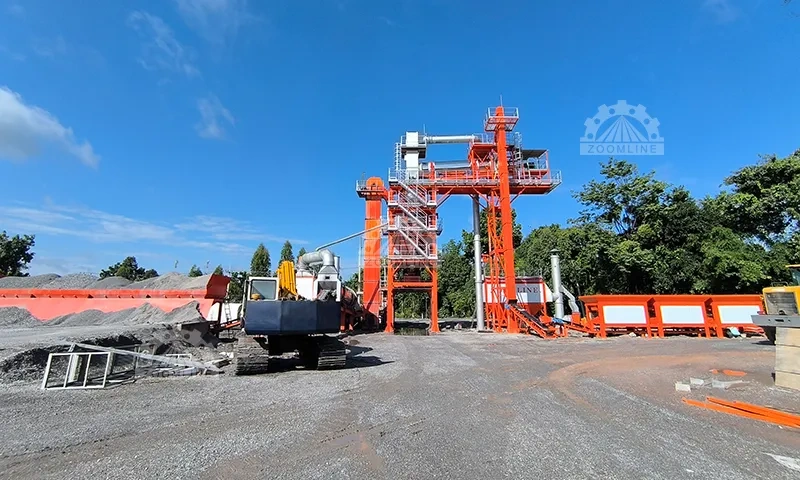
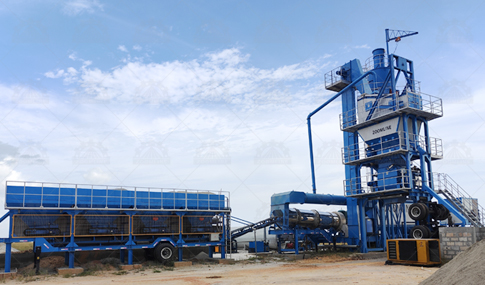
RAP Asphalt Recycling Plant
RAP Technology in Asphalt Mixing Plants
What Is RAP (Reclaimed Asphalt Pavement)?
RAP stands for Reclaimed Asphalt Pavement. It is derived from the milling and removal of old road surfaces and primarily consists of three components: recycled aggregate, aged asphalt binder, and mineral powder filler. RAP is not ordinary construction waste; it is itself an asphalt mixture that has been mixed, paved, and compacted.
The RAP Processing Flow in an Asphalt Production Line
Milling of old pavement → Collection of RAP raw materials → Crushing and processing → Screening and grading → Storage in silos → Metered feeding → Heating and mixing → Finished reclaimed asphalt mixture. The goal of the entire process is to transform aged pavement materials back into qualified pavement materials that meet specifications.
The Fundamental Logic Behind RAP’s Economic Value
RAP aggregates and asphalt binder have already undergone a series of processes—including extraction, crushing, mixing, and heating—during the initial road construction, which involved significant energy consumption and processing costs. The recycling of RAP essentially involves re-releasing the value already embedded in the material, thereby preventing the wasteful direct landfilling of resources.
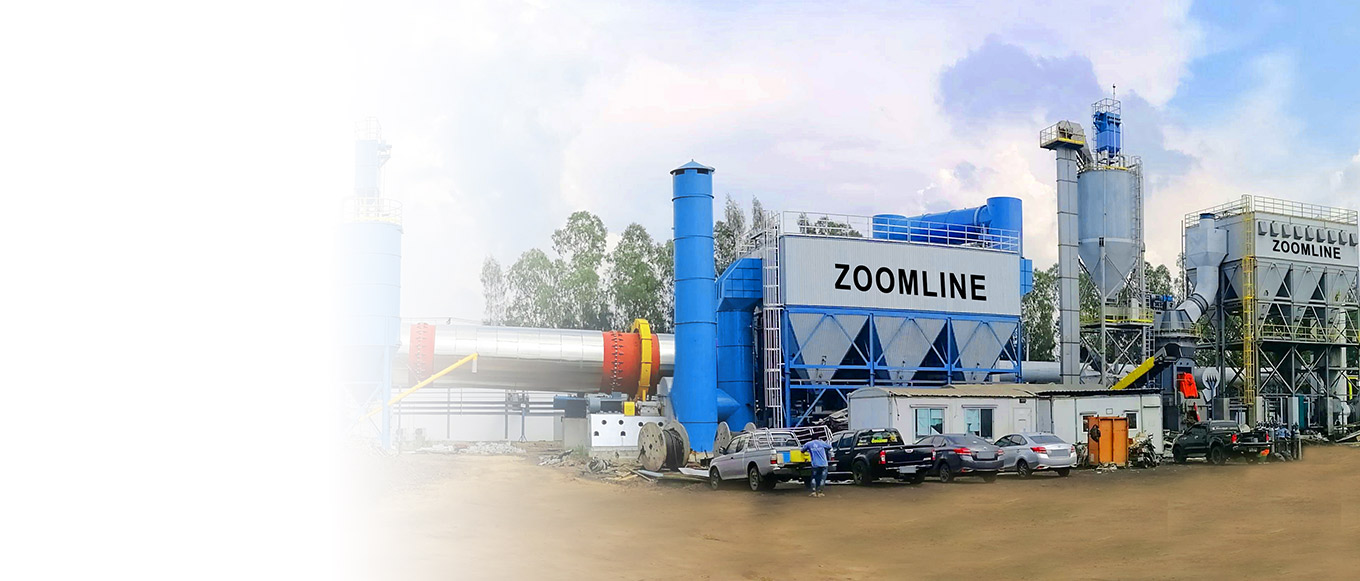
How RAP Works in Modern Asphalt Plants For Sale
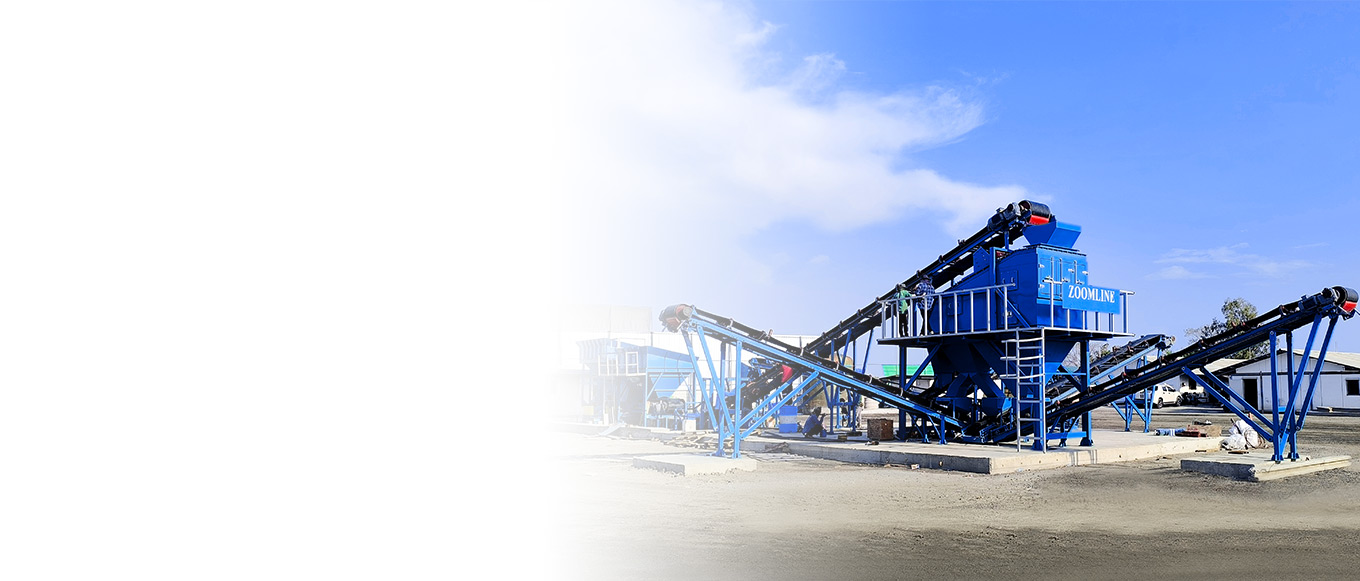
RAP Crushing and Screening System
Crushing and screening are the first line of defense in controlling RAP quality. The equipment crushes large chunks of old pavement material, which is then passed through screens to achieve particle size grading and remove oversized impurities.
RAP particle size stability is critical: fluctuations in particle size directly affect the mix gradation, limit the maximum RAP content, and impact the quality of the finished mix. Stable screening and grading are the foundation for producing mixes with high RAP content.
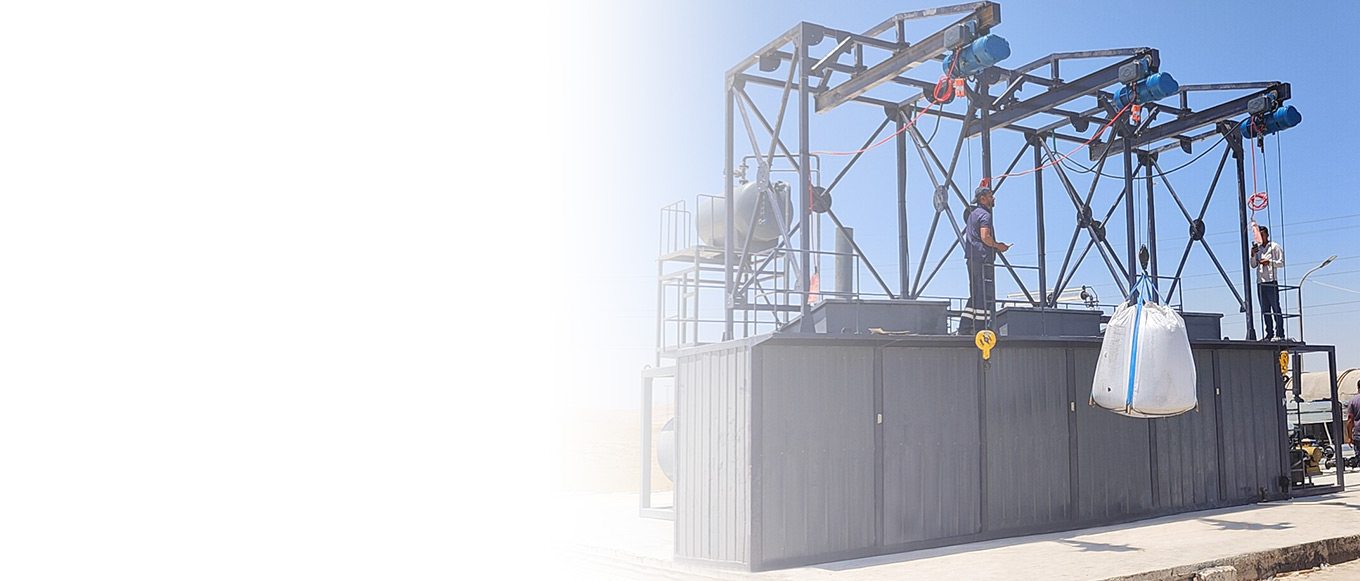
RAP Cold Material Feeding System
Cold RAP is fed into the mixing system via a dedicated feeding unit, which includes a RAP-specific silo, conveyor belt, belt scale, and variable-frequency feeder, along with moisture content control. Precise feeding is essential for consistent mix proportions; fluctuations in moisture content can lead to a chain of problems, such as increased energy consumption during subsequent heating and unstable temperatures.
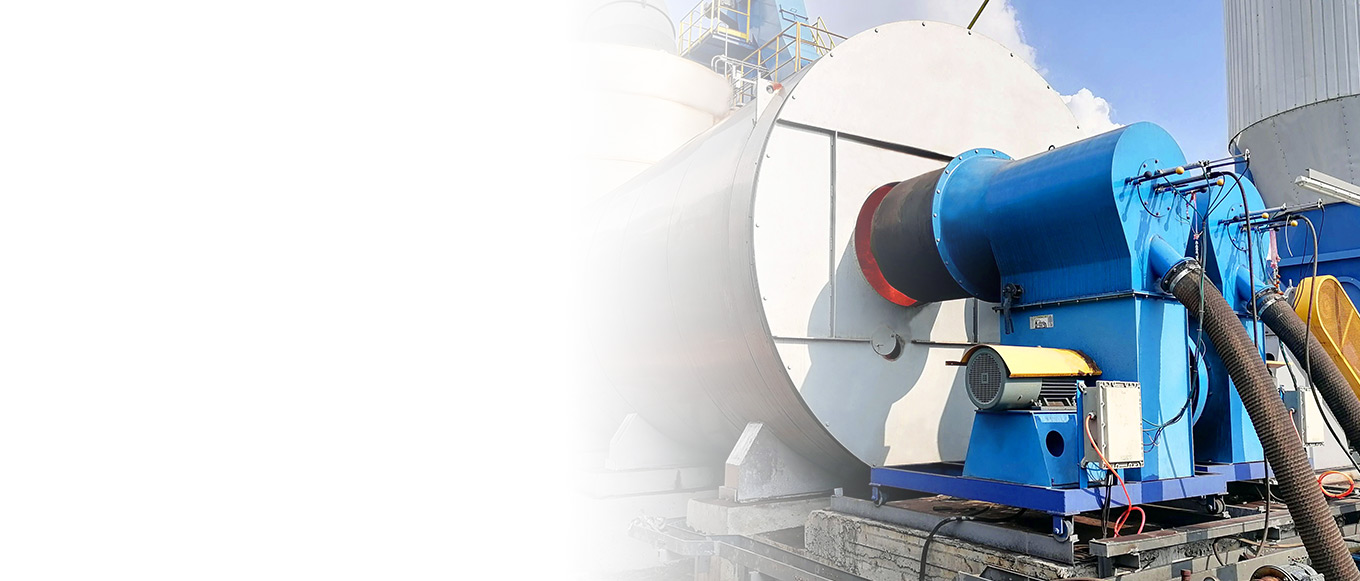
RAP Heating Technology (Core Challenge)
RAP heating differs significantly from the heating of virgin aggregates. Mainstream technical approaches include counter-current heating, dedicated RAP heating drums, specialized recycling drying drums, and indirect heating solutions.
The RAP heating method directly determines the mixing plant’s maximum RAP utilization rate and energy efficiency. Direct high-temperature drying can easily cause further asphalt aging and exceed flue gas emission limits; indirect heating and compartmentalized heating solutions are more suitable for production with high RAP content and are currently the standard configuration for mid- to high-end recycled mixing plants.
RAP Mixing and Binder Control
Since RAP inherently contains aged asphalt, its mix design cannot simply replicate that of conventional hot-mix asphalt. During production, it is necessary to dynamically reduce the proportion of new asphalt, optimize mixing duration, and precisely control the discharge temperature. In high-RAP-content scenarios, rejuvenators must also be added as needed to restore the performance of the aged asphalt. This step is critical for ensuring the recycled mixture meets performance standards and preventing early pavement defects.
RAP Storage and Material Management
RAP raw materials must be stacked in designated areas and stored in separate bins; RAP from different batches, sources, and particle sizes must be kept separate. At the same time, ensure the piles are covered to protect against rain and control the moisture content of the stockpiled material. Rainwater infiltration can significantly increase subsequent fuel consumption, eroding the profitability of RAP projects.
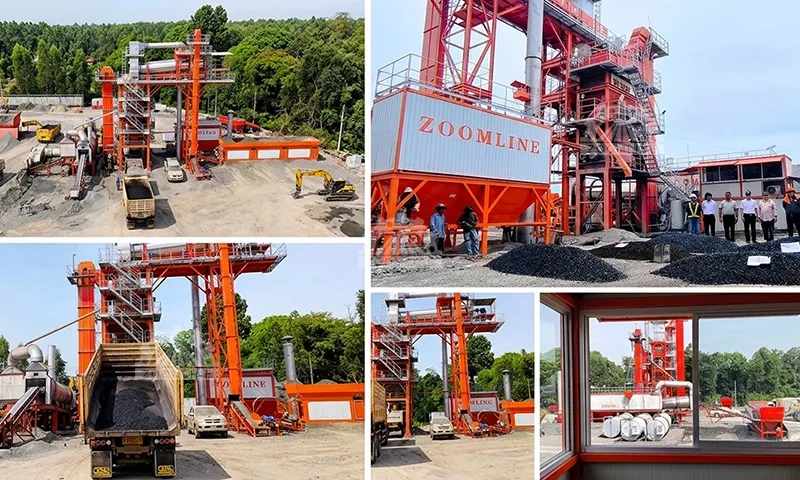
The Direct Impact of RAP on the Return on Investment for Asphalt Mixing Plants
Reducing the Cost of Purchasing Virgin Aggregates
Using RAP to partially replace new aggregates reduces the volume of virgin aggregates purchased from quarries, shortens the distance for long-haul aggregate transportation, lowers the costs of aggregate crushing, screening, and pretreatment, and continuously reduces expenses in the aggregates segment.
Reducing the Consumption of New Asphalt Binder
RAP itself contains a certain proportion of aged asphalt. After verification through mix design, the amount of new asphalt added can be reduced, directly cutting procurement costs for high-priced asphalt. Provided the mix design complies with regulations, the higher the appropriate RAP blending ratio, the greater the potential savings on new asphalt.
At the same time, it must be emphasized that the upper limit for RAP content should not be blindly increased; it must be determined based on raw material properties, local codes, and mix design specifications.
Optimizing Fuel and Energy Consumption
The use of RAP to replace some virgin materials can, in theory, reduce energy consumption associated with heating virgin aggregates and the extraction and transportation of raw materials. However, there is a key constraint: the moisture content of RAP and the heating process can significantly alter energy consumption levels. Combining damp RAP with an inefficient heating scheme can actually increase fuel consumption; therefore, higher RAP content does not necessarily guarantee greater fuel savings.
Reducing Transportation and Solid Waste Disposal Costs
On-site milling and recycling offer dual benefits: waste from old road surfaces does not need to be transported long distances for landfill disposal, and the volume of newly purchased aggregate is reduced accordingly, eliminating disposal fees for construction debris and solid waste. This model offers particularly significant advantages in major highway overhauls, urban road renovations, and large-scale infrastructure projects.
Increasing Gross Profit Per Metric Ton of Mix
Reduced raw material costs, lower energy costs, and decreased logistics and disposal expenses ultimately translate into higher gross profit per metric ton of finished mix. This is also the core business rationale behind how RAP enhances the ROI of asphalt mixing plants.
Comparison of RAP Recycling Solutions for Different Types of Asphalt Mixing Plants
Asphalt batching plants can achieve separate RAP feeding, time-segmented heating, and step-by-step mixing. They offer flexible mix ratio adjustments and support production switching between multiple mix types, making them suitable for projects with diverse requirements and frequent changes in mix formulations.
Continuous asphalt mixing plants feature a continuous flow of materials and stable production capacity. The RAP feeding, heating, and mixing processes are integrated and optimized, making them suitable for projects requiring large-volume, long-term, and stable supply. Drum-type asphalt mixing plants integrate drying and mixing functions, feature a compact structure, and operate continuously. When equipped with a RAP recycling module, their production capacity advantages are particularly prominent, and they are commonly used in large-scale road maintenance projects.
Mobile asphalt mixing plants equipped with RAP modules represent a highly valuable niche. The equipment can be deployed directly near road construction sites, allowing for on-site recycling of RAP milled material with minimal transport distances. Rapid site relocation significantly reduces logistics costs, making them ideal for on-site highway renovations, projects in remote areas, and temporary road construction.
What Factors Determine the Maximum Usable RAP Blending Ratio?
A high RAP blending ratio does not necessarily equate to a high ROI; the upper limit for blending is constrained by multiple conditions.
First is the quality of the RAP material itself. Evaluation criteria include aggregate quality, asphalt content, gradation, degree of aging, and the level of impurity contamination. RAP with high impurity levels or severely aged asphalt will have its usable blending ratio strictly limited.
Second is the moisture content of the RAP. The higher the moisture content, the more fuel is consumed during drying, which reduces the production line’s effective capacity and increases fuel costs. Protecting RAP raw materials from moisture and rain and managing them in separate stockpiles are fundamental tasks for ensuring profitability.
RAP of different particle sizes imposes different requirements on production system design. A production line must support the segregation and graded feeding of multiple RAP specifications to accommodate more complex mix designs. The old asphalt in RAP hardens due to long-term oxidation, resulting in increased stiffness. For high-blend-ratio schemes, the degree of aging must be assessed; if necessary, rejuvenators should be added, and the grade and quantity of new asphalt should be adjusted to ensure the mixture’s road performance.
Furthermore, there is no globally unified standard for RAP blend ratios; the limits are determined jointly by local road codes, project technical requirements, climatic conditions, traffic load classes, and laboratory mix design results.
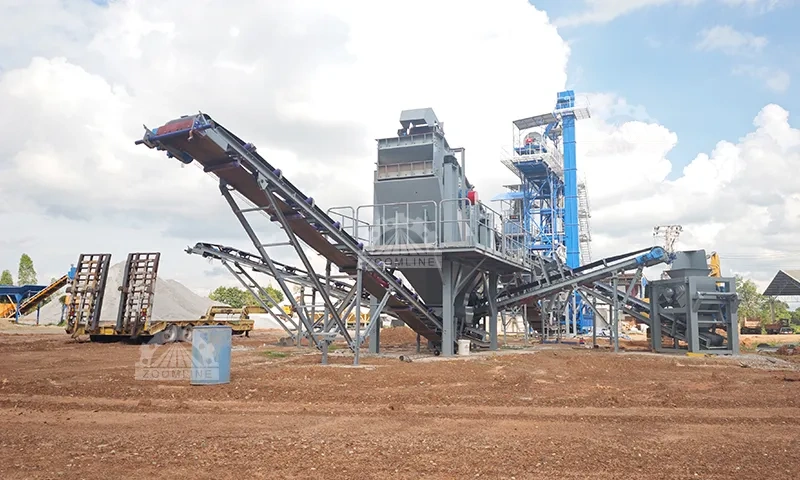
Comparison of RAP Production vs. Traditional Hot-Mix Asphalt Production
| Comparison Criteria | Traditional Asphalt Production | RRAP Recycling Production |
| Virgin Aggregate Consumption | High | Significantly reduced |
| New Asphalt Consumption | High | Significantly reduced |
| Fuel Consumption | Baseline | Lower when process is optimized; may increase with high-moisture RAP |
| Solid Waste Disposal | Landfill and hauling costs required | Significantly reduced |
| Transportation Costs | Relatively high | Can be significantly reduced with local recycling |
| Total Material Costs | Relatively high | Room for reduction |
| Environmental Compliance | Average | Clear advantages |
| Long-Term Return on Investment | Conventional level | Higher potential |
Environmental benefits can also be translated into economic gains.
Don’t treat environmental protection merely as a marketing label—low-carbon and circular economy policies are continuously being transformed into commercial value.
RAP solutions can reduce the need for rock quarrying and the production of virgin asphalt, thereby conserving sand and gravel resources; they also prevent large quantities of old pavement materials from ending up in landfills, alleviating pressure on construction waste disposal sites. Raw material extraction, long-distance transportation, and aggregate heating are the primary sources of carbon emissions in the asphalt industry. RAP, which is recycled on-site, leads to a significant reduction in carbon emissions across the entire supply chain.
An increasing number of project owners are including requirements for recycled material content, carbon emission assessments, and circular economy bonus points in their bidding documents. Mixing plants with stable RAP production capacity are better positioned to secure green project contracts, thereby establishing a competitive edge.
Current Challenges in RAP Recycling Technology
The initial capital investment required to implement a RAP system is higher. A mature RAP recycling module requires supporting silos, feeding systems, screening equipment, independent heating systems, and automated control systems, resulting in higher costs than a standard mixing plant.
The quality of RAP feedstock fluctuates significantly; the gradation, asphalt content, moisture content, and impurity levels of milled material from different road sections vary greatly. This instability in feedstock can consistently disrupt mix designs and compromise the quality of the final product.
To achieve stable production of high-proportion recycled material, temperature, feeding, bitumen addition, and mixing time all require high-precision automated control, placing higher demands on both operators and control systems. Additionally, since RAP contains impurities such as crushed stone and silt, the wear rate of feeding, conveying, drying, and mixing components is higher than in virgin material production, necessitating targeted adjustments to maintenance plans.
How to Select an Asphalt Mixing Plant Suitable for RAP Production
The first step in selection is to plan the project’s long-term blending targets in advance. Blending schemes of 10%, 20%, 30%, 40%, or even higher require completely different approaches to equipment selection.
The key focus of selection is evaluating the RAP heating route, comparing direct-fire heating, indirect heating, dedicated RAP drying drums, and parallel drum recycling technology; the heating solution directly determines the upper limit for RAP blending. Simultaneously, verify the accuracy of RAP feed metering. The precision of belt scales, the response speed of variable-frequency feeders, automated closed-loop control, and real-time data monitoring form the foundation for stable mix proportions.
Next, match the mixing plant’s capacity to the planned annual output. Mainstream available specifications include 60 TPH, 80 TPH, 100 TPH, 120 TPH, 160 TPH, 200 TPH, and above. If a project currently requires only low RAP content, prioritize models that support future upgrades, allowing for a low-cost increase in the maximum RAP content limit.
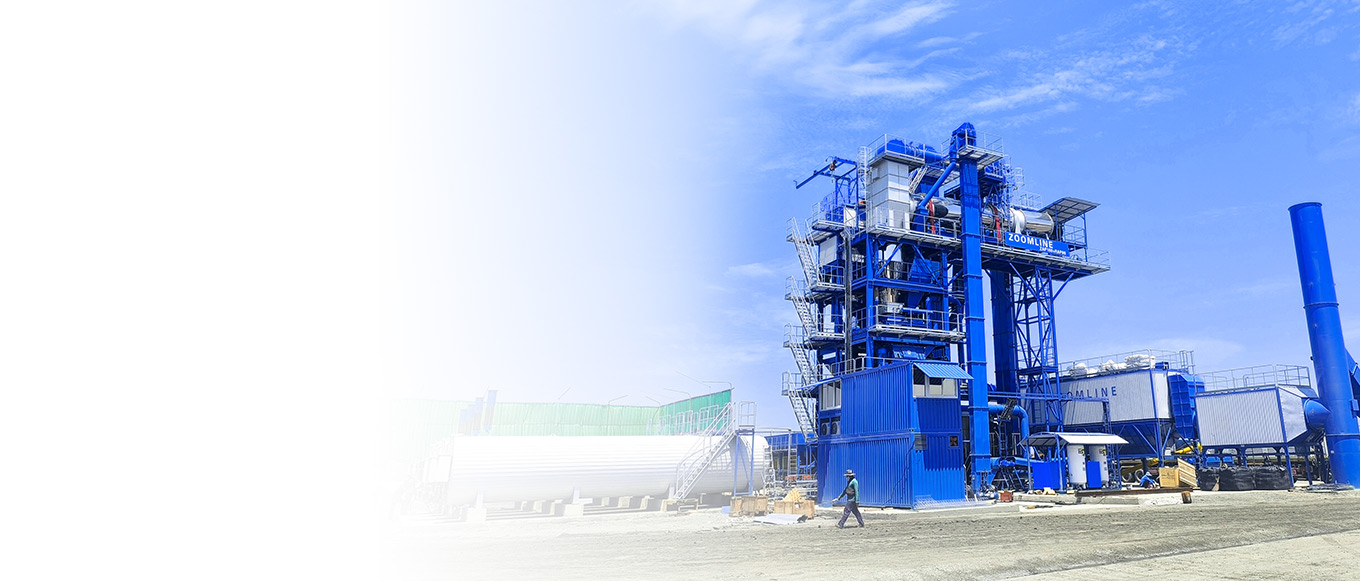
RAP is becoming a core competitive advantage for Eco-friendly Asphalt Plant for Sale
RAP helps mixing plants reduce production costs per metric ton, improve resource utilization efficiency, obtain qualifications for green and low-carbon projects, better secure municipal and highway major repair projects, and enhance the long-term value of equipment assets.
RAP has long been more than just an environmental recycling process. For asphalt producers, it is a strategic production solution for boosting profitability.
Future Trends in RAP Technology
The industry continues to explore high-blend mixtures and ultra-high-blend mixtures, with 100% fully recycled asphalt pavements also serving as a long-term R&D focus. AI algorithms and digital automated control systems will continue to optimize feeding accuracy and closed-loop temperature control, stabilize mix consistency, and continuously reduce energy consumption.
Warm-mix recycling, cold recycling, hot recycling, asphalt rejuvenator technology, and new heating methods are all cutting-edge areas of research and development. The road industry’s development model is also shifting from “extraction → production → use → disposal and landfilling” to a circular economy model of “recovery → reprocessing → reuse → recycling.”
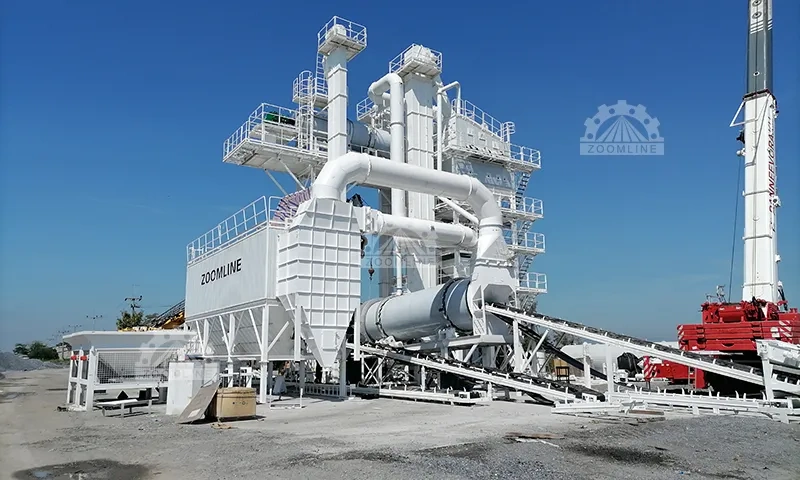
Conclusion: RAP Redefines the Return on Investment for Asphalt Mixing Plants
RAP replaces virgin raw materials, driving down raw material costs, improving resource utilization efficiency, and increasing gross profit per metric ton. For investors in low emission bitumen plant, implementing a RAP recycling system is no longer merely about meeting environmental requirements. It also impacts production costs, operational efficiency, and long-term market competitiveness.
FAQ of RAP Asphalt Recycling Plants
What is RAP in an asphalt mixing plant?
RAP stands for Recycled Asphalt Pavement—material recovered from milled asphalt pavements. After being crushed and screened, it can be blended in specific proportions into new asphalt mix for reuse.
Why does RAP reduce asphalt production costs?
RAP contains its own aggregate and aged asphalt, which can partially replace expensive new aggregate and new asphalt, while also reducing waste disposal and raw material transportation costs.
Can using RAP reduce the amount of new asphalt needed?
Provided that the mix design has been validated in the laboratory, the amount of new asphalt added can be reduced; the higher the RAP content, the greater the potential savings, but the mixture must still meet road performance standards.
What is the maximum amount of RAP that can be blended in an asphalt mixing plant?
There is no fixed value; it depends on the quality of the RAP, its moisture content, the equipment’s heating profile, local specifications, and the project’s traffic classification.
Does using RAP always reduce fuel consumption?
Not necessarily. If the RAP has a high moisture content, heating energy consumption will increase; fuel savings can only be achieved when the raw material is dry and the heating process is optimized.
Is it worth investing in a RAP processing system?
In regions where raw material prices are high, waste disposal costs are expensive, and there are many local road reconstruction projects, RAP projects typically offer substantial returns; however, a comprehensive assessment based on local conditions is required.
Which type of asphalt mixing plant is best suited for RAP production?
Batch plants offer flexibility, while continuous and drum-type plants are suitable for large-scale, stable production; mobile plants are ideal for on-site recycling near construction sites; for projects with high RAP content, models equipped with independent RAP heating modules are the preferred choice.
What additional equipment is needed to produce RAP mix?
Generally, this includes a RAP silo, a variable-frequency feeder, a belt scale, a conveying system, a crushing and screening unit, a dedicated recycling heating drum, and a supporting automated control system.