

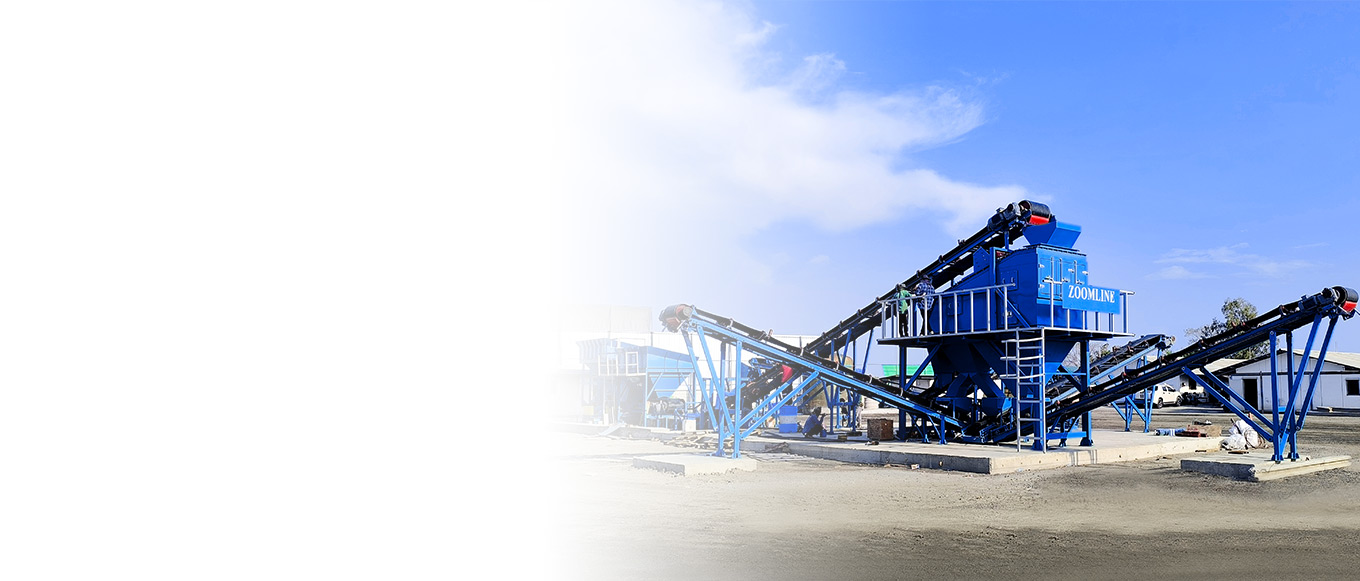
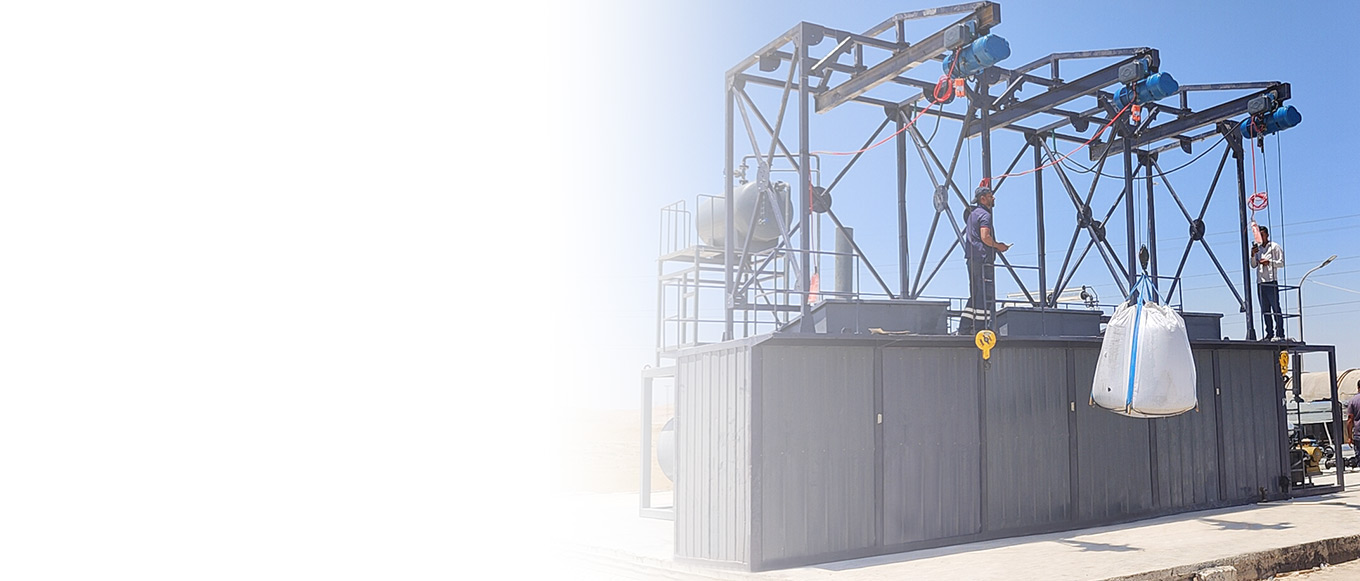



What is The Bitumen Plant
In infrastructure projects such as highways, airports, and bridge waterproofing, the quality of asphalt mixtures directly determines the service life of the pavement and the quality of construction. The Bitumen Plant is the core equipment for the standardized and large-scale production of high-quality asphalt mixtures. It integrates asphalt storage, heating, conveying, metering, mixing, and environmental treatment into a single system. Through precise temperature and mix ratio control, it ensures stable asphalt bonding performance, making it an indispensable core piece of equipment in modern road engineering.
What Is a Bitumen Plant?
Basic Definition
A Bitumen Plant, also known as an asphalt mixing plant, is a complete set of equipment specifically designed for the storage, constant-temperature heating, precise conveyance, and quantitative proportioning of bitumen, as well as the uniform mixing of bitumen with aggregates, mineral powder, and other raw materials to produce standardized asphalt mixtures. As the core binding material in pavement engineering, the stability of bitumen’s viscosity, temperature, and mix proportions directly impacts pavement smoothness, wear resistance, and waterproofing. The primary role of a bitumen plant is to control all parameters throughout the entire production process, preventing issues such as raw material waste, imbalance in mix proportions, and abnormal temperatures, thereby ensuring that the finished asphalt mixture meets construction standards.
Core Functions
Modern Bitumen Plants have moved beyond the traditional single function of material storage to achieve full-process automation, with core functions covering all construction scenarios:
Constant-temperature asphalt storage
Insulated tanks and heating systems maintain a constant asphalt temperature, preventing solidification, aging, and viscosity loss, ensuring the asphalt is ready for use at any time.
Precise Heating and Temperature Control
Equipped with a multi-mode heating system to accommodate the temperature control requirements of different grades of bitumen, ensuring bitumen flowability meets specifications.
Material Conveyance and Transfer
Features a dedicated pumping system to ensure stable conveyance of bitumen and aggregates, eliminating blockages and material leaks.
High-Precision Metering and Mixing
An automated weighing system precisely controls the ratios of bitumen, aggregate, and mineral powder, eliminating mixing errors.
Integrated Mixing and Forming
Uniformly blends various raw materials to produce homogeneous, stable asphalt mixtures.
Main Application Scenarios
The Bitumen Plant is widely applicable to various infrastructure projects and serves as core equipment for road construction. Key application scenarios include: highway construction, airport runway paving, urban municipal road renovation, bridge deck waterproofing projects, and industrial site pavement construction. It meets the production requirements for asphalt mixtures under different operating conditions and standards.
Main Types of Bitumen Plants and Applications
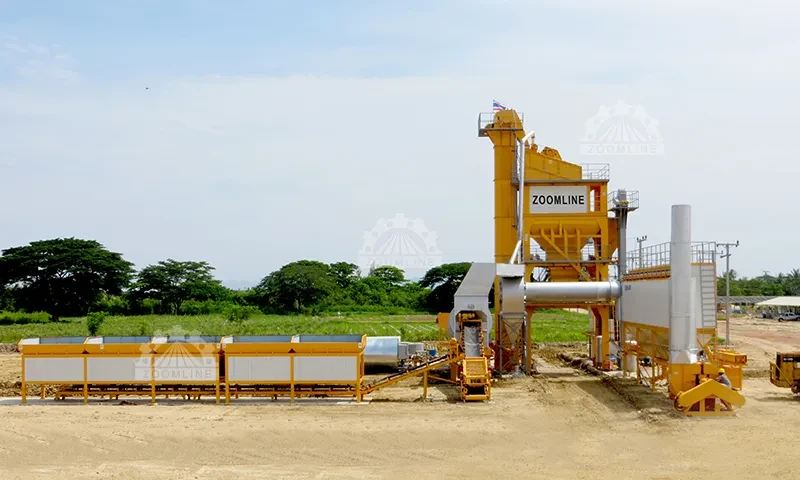
Based on production mode, installation type, and operational characteristics, bitumen plants can be classified into five major categories: stationary, mobile, containerized, batch, and continuous. The project scale and construction scenarios suitable for different models vary significantly, which serves as the core basis for equipment selection.
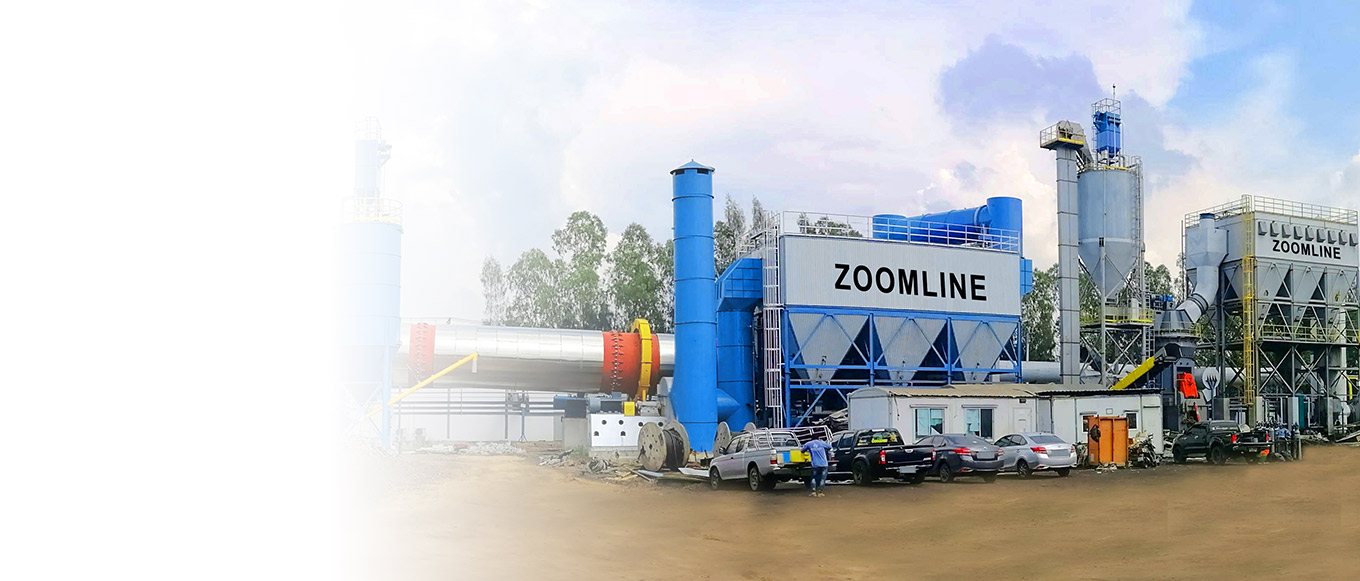
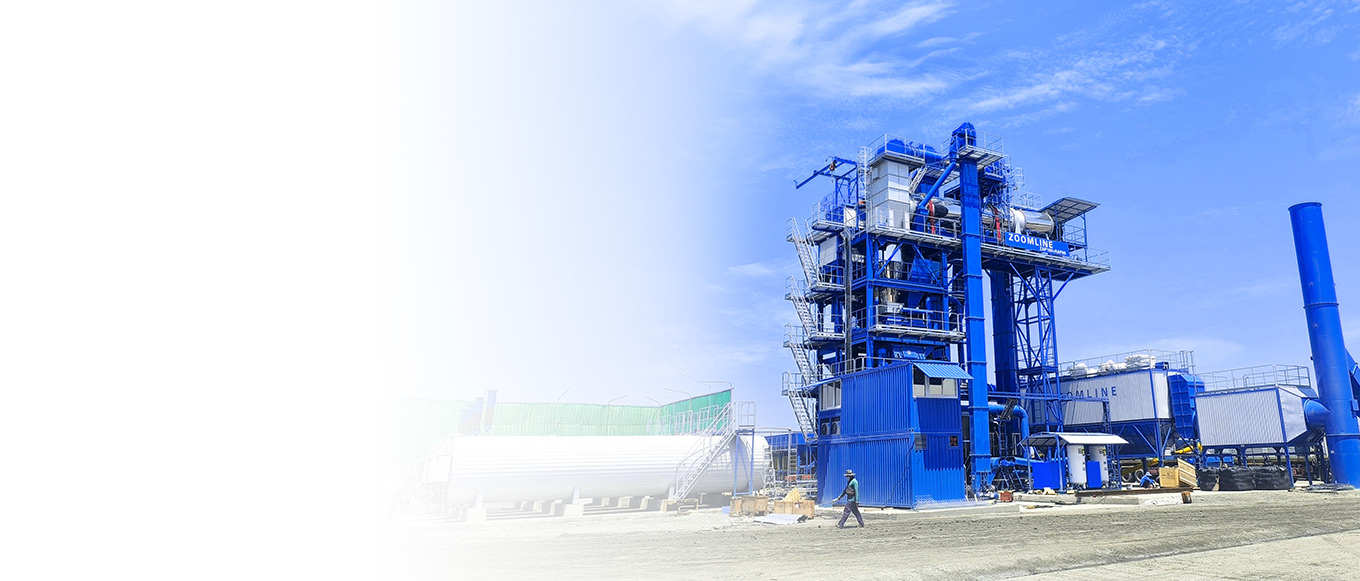
Stationary Bitumen Plant
Stationary equipment features a ground-mounted, fixed installation structure and is the mainstream choice for large-scale infrastructure projects.
Key Features: High production capacity, high automation, strong equipment stability, and low operational failure rates, making it suitable for long-term operations at fixed sites.
Key Advantages: Low production cost per ton, stable production efficiency, and high precision in finished mix quality, capable of meeting high-intensity, large-volume production demands.
Suitable Scenarios: Long-term, large-scale engineering projects such as highways, airports, and major municipal infrastructure.
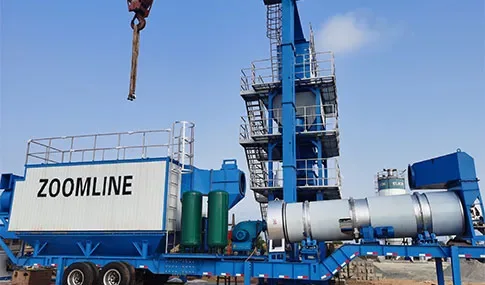
Mobile Bitumen Plant
The entire unit features a trailer-mounted integrated design, with all core modules pre-assembled as a single unit, eliminating the need for complex installation procedures.
Key Features: Compact footprint, easy disassembly and assembly, rapid relocation and deployment, and exceptional mobility.
Key Advantages: Significantly reduces transportation and installation costs for off-site construction, and flexibly adapts to scattered or remote construction sites.
Suitable Applications: Remote rural roads, patch repairs on scattered road sections, and short-term small-scale infrastructure projects.
Containerized Bitumen Plant
Features a modular design based on international standard shipping containers, with standardized and integrated equipment structures.
Key Features: Complies with international shipping standards, facilitates cross-border transport, short commissioning cycle, and rapid start-up.
Suitable Applications: Overseas engineering projects, cross-border infrastructure cooperation, and projects with limited space that require rapid start-up.
Batch-Type Bitumen Plant
Utilizes a batch production model, completing the entire process of weighing, proportioning, and mixing in a single batch.
Key Features: Extremely high weighing accuracy, adjustable mix ratios, superior finished product quality, capable of producing high-end specialty asphalt mixtures.
Suitable Applications: High-speed roadways, airport runways, and high-end municipal road projects with stringent pavement quality requirements.
Continuous Drum Mix Bitumen Plant
Operates with uninterrupted, continuous production throughout the process, eliminating batch intervals and maximizing production efficiency.
Key Features: High production capacity, continuous and stable material feeding and discharge, and lower initial equipment investment costs.
Suitable Applications: Large-scale general road construction and mass-production asphalt mixture projects.
Core Components and Functions of a Bitumen Plant
A complete modern bitumen plant consists of seven major systems: material storage, heating, conveying, combustion, mixing, dust removal, and automatic control. These modules work in tandem to ensure efficient, environmentally friendly, and stable operation of the equipment.
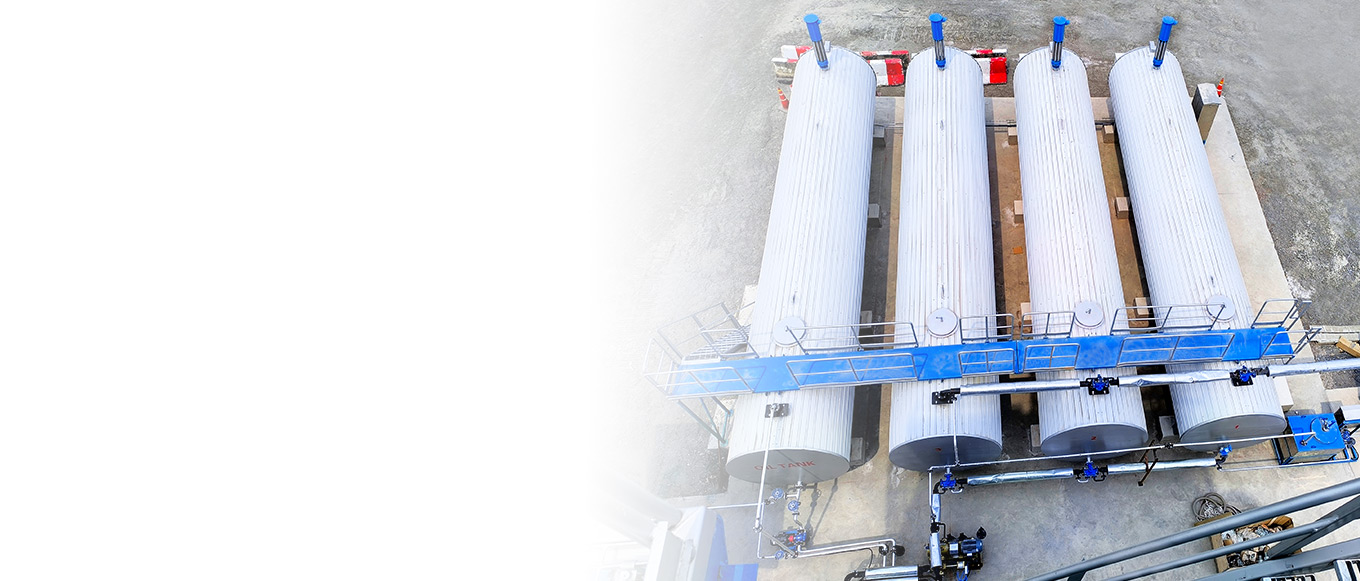
Bitumen Storage Tanks
These come in three configurations: vertical, horizontal, and container-style, all equipped with double-walled insulation to prevent heat loss. Vertical tanks have a small footprint and large storage capacity, making them suitable for large-scale equipment; horizontal tanks offer flexible installation and convenient operation and maintenance, making them suitable for small and medium-sized equipment. Their primary function is to store bitumen at a constant temperature to prevent material degradation and solidification.
Heating System
The mainstream options include thermal oil heating, direct combustion heating, and electric heating. Thermal oil heating offers uniform temperature control, low asphalt loss, and a long service life, making it the preferred choice for large-scale equipment; direct combustion heating features rapid heating and low initial costs, making it suitable for small-to-medium-sized equipment used in short-term operations; electric heating is clean and environmentally friendly with precise temperature control, making it suitable for construction scenarios with high environmental requirements.
Pumping System
Comprising a feed pump, circulation pump, and loading pump, this system ensures the stable delivery and circulation of asphalt and fuel, guaranteeing uniform material supply and preventing issues such as pipeline blockages and uneven fuel distribution.
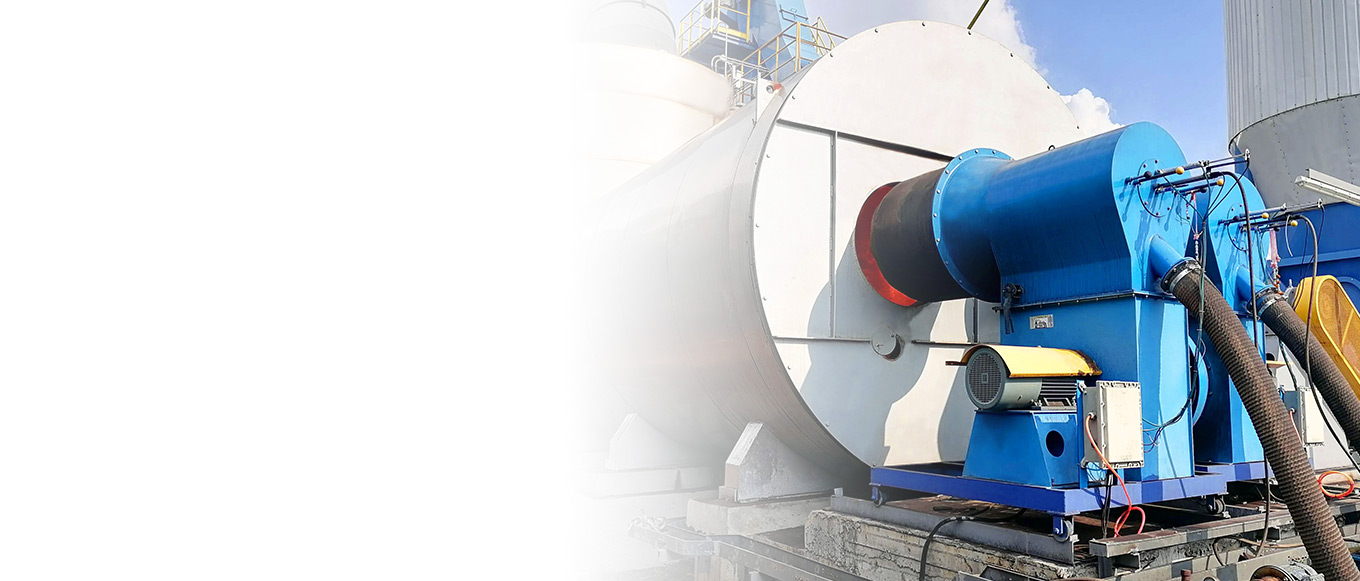
Combustion System
Supporting multiple fuel types including diesel, heavy oil, natural gas, and dual-fuel, this system adapts to regional energy conditions, providing a stable heat source for drying and heating processes with high combustion efficiency and low energy consumption.
Aggregate Feeding and Drying System
Comprising a cold aggregate silo, conveyor belt, feed control equipment, and a drying drum, this system precisely controls aggregate feed rates. The drying drum removes moisture from the aggregates, ensuring they meet dryness standards and preventing any adverse effects on the mixture’s bonding strength.
Screening, Storage, and Mixing System
A hot material elevator conveys the dried aggregates to a vibrating screen for grading and classification, with aggregates of different specifications stored in hot material silos. A twin-shaft forced-action mixer ensures thorough blending of aggregates, asphalt, and mineral powder, guaranteeing a uniform mix free of lumps.
Environmental Dust Collection System
A dual-stage environmental protection system combining a cyclone separator and a baghouse dust collector effectively captures dust and impurities generated during production, reduces dust emissions, meets international environmental construction standards, and enables green production.
Intelligent Control System
Equipped with a PLC-based fully automatic control system, it supports one-touch operation via touchscreen, remote monitoring, and data traceability. It can automatically complete the entire process—including weighing, batching, temperature control, and mixing—reducing manual intervention and minimizing operational errors.
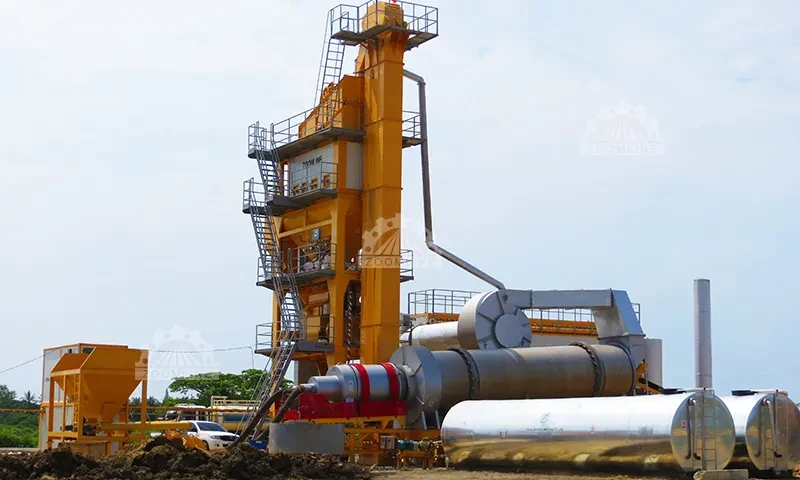
Standard Workflow of the Bitumen Plant (Six Major Steps)
The operational workflow of a modern bitumen mixing plant is standardized and automated, with full closed-loop control. It is specifically divided into six core steps:
Aggregate Feeding
Aggregates of different specifications are fed into the cold aggregate silo. The system automatically controls the feeding speed and volume based on the mix design to ensure precise material supply.
Drying and Heating
Aggregates are conveyed via a conveyor belt into the drying drum. The combustion system provides the heat source to thoroughly remove moisture from the aggregates while heating them to the construction standard temperature.
Screening and Storage
Hot aggregates are conveyed by an elevator to a vibrating screen. After grading and screening, they are sorted and stored in hot aggregate bins, ready for mixing.
Asphalt Temperature Control and Pre-treatment
Asphalt in the storage tanks is maintained at a constant viscosity and temperature via a heating system, ensuring that flowability and bonding performance meet specifications.
Precise Metering and Mixing
The system automatically and precisely measures and blends the hot aggregate, bitumen, and mineral powder. These components are fed into the main mixer for thorough blending, resulting in a homogeneous asphalt mixture.
Finished Product Storage and Discharge
The finished mixture is stored in the finished product silo, ready to be loaded directly onto trucks for transport to the construction site, completing the entire process.
Guide to Selecting the Right Bitumen Plant
When selecting a model, consider five key factors—project scale, construction conditions, energy consumption requirements, and environmental standards—to ensure the plant is precisely matched to your needs and avoid either excess or insufficient production capacity:
Selecting by Production Capacity
40–80 TPH: Suitable for small-scale projects such as rural roads and minor repair work;
100–200 TPH: Suitable for urban municipal roads and small-to-medium-sized infrastructure projects;
240–400+ TPH: Suitable for large-scale, high-end projects such as highways and airport runways.
Selection Based on Construction Mobility
Choose stationary equipment for long-term fixed sites and large-scale projects; choose mobile equipment for frequent site relocations and remote, scattered projects; choose containerized equipment for overseas cross-border projects or projects with limited space.
Selection Based on Energy Consumption and Operating Conditions
Choose diesel, natural gas, heavy oil, or dual-fuel combustion systems based on local energy conditions; prioritize low-energy-consumption, low-emission models in areas with strict environmental regulations.
Selection Based on Automation and After-Sales Support
For high-end projects, prioritize fully automated PLC-controlled intelligent equipment to enhance production precision; simultaneously, thoroughly evaluate the manufacturer’s after-sales support system—including spare parts supply, technical training, and 24-hour operation and maintenance services—to ensure long-term, stable equipment operation.
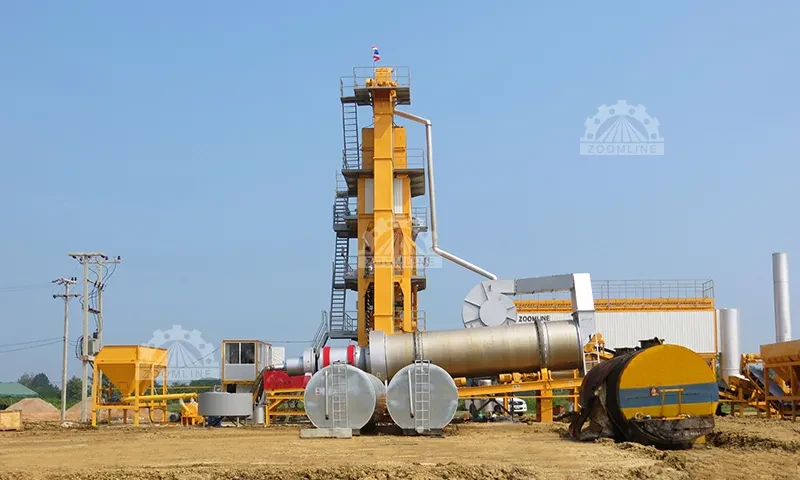
Common Faults and Daily Operation & Maintenance Tips
Standardized operation and maintenance are key to extending equipment lifespan, reducing failure rates, and ensuring stable production. Targeted solutions for industry-specific high-frequency faults are outlined below:
Abnormal tank heating
Often caused by burner malfunctions or poor thermal oil circulation. Regularly inspect burner conditions, clean oil lines, and maintain the thermal oil circulation system.
Asphalt pump blockage
Primarily caused by low-temperature solidification and the accumulation of impurities from aged asphalt. Strictly control the tank’s constant temperature and regularly clean impurities from the pump lines and pump body.
Measurement accuracy deviation
Long-term use causes calibration drift in sensors; load cells must be calibrated regularly to ensure mixing ratio accuracy.
Dust collection system failure
Worn or clogged filter bags reduce dust removal efficiency; bags must be inspected and replaced regularly to ensure compliance with environmental standards.
Frequently Asked Questions (FAQ)
What is the difference between a Bitumen Plant and an Asphalt Plant?
Both are essentially the same type of equipment. A Bitumen Plant focuses on the core systems for bitumen storage, heating, and supply, while an Asphalt Plant focuses on the complete set of equipment for mixing asphalt mixtures. The terms are interchangeable within the industry.
What is the optimal storage temperature for bitumen?
The standard constant-temperature storage range for bitumen is 130–160°C. This can be fine-tuned based on the bitumen grade to ensure optimal viscosity and flowability.
Which is better: thermal oil heating or direct combustion heating?
Large-scale continuous production equipment should prioritize thermal oil heating for its uniform temperature control and low material loss; small-scale equipment for short-term operations may opt for direct combustion heating, which offers better cost-effectiveness.
How often should the bitumen tank be maintained?
We recommend monthly routine inspections, quarterly deep maintenance, and annual comprehensive overhauls, with a focus on the heating system, pumping system, and sealing structures.
Summary
Bitumen plants are essential core equipment for road infrastructure projects, and their type, performance, and configuration directly determine the quality of asphalt mixtures and construction efficiency. From stationary, mobile, to containerized models, and from batch-mixing to continuous mass production, different equipment can be precisely tailored to various project scenarios. Amid industry trends toward intelligent and eco-friendly solutions, modern bitumen plants not only achieve high-precision, high-efficiency production but also prioritize energy conservation, reduced consumption, and environmental compliance. By selecting the right model based on project capacity, relocation requirements, and environmental standards, and by implementing standardized daily operations and maintenance, construction companies and project procurers can maximize the value of their equipment while enhancing both engineering quality and project profitability.