





Top10 Asphalt Paver Companies In The World
In infrastructure projects such as highways, municipal roads, and airport runways, asphalt pavers are the core equipment that determines pavement smoothness, compaction, and service life. The brand’s technology, performance stability, and after-sales support directly impact project quality and construction efficiency.
To assist contractors and equipment purchasers in making precise selection decisions, this article compiles the top 10 global asphalt paver company for 2026 based on market reputation, technical capabilities, market share, and user feedback. It also provides a comprehensive overview of asphalt paver fundamentals, selection criteria, construction processes, and collaborative procurement strategies, offering a comprehensive reference for industry professionals.
What Is an Asphalt Paver? Core Definition and Construction Value
Equipment Definition
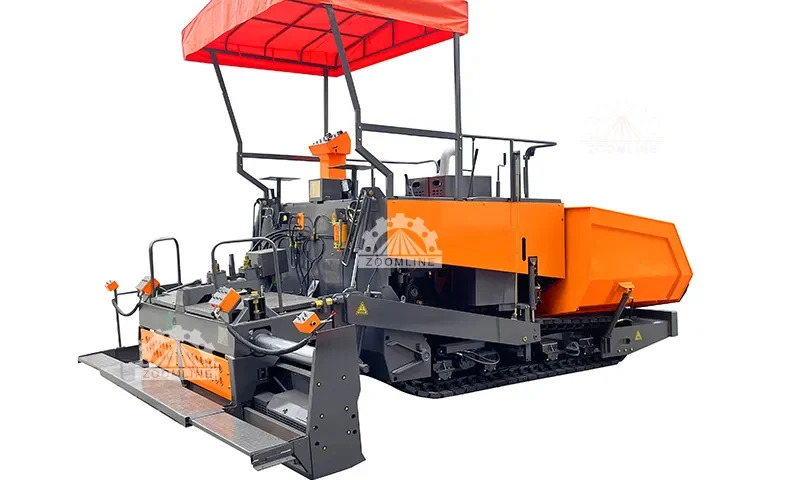
An asphalt paver is a specialized road construction machine primarily used to evenly and smoothly lay heated asphalt mix onto the surface of road subgrades. The equipment can simultaneously perform material conveying, leveling, and pre-compaction operations, making it the core workhorse of asphalt pavement construction.
Core Functions and Construction Benefits
Asphalt pavers replace traditional manual paving, completely resolving issues such as uneven thickness, poor smoothness, and low efficiency associated with manual methods. They enable precise control over paving thickness, width, and slope, ensuring uniform distribution of the asphalt mixture.
Additionally, the machine’s built-in pre-compaction function enhances the initial density of the pavement, laying a solid foundation for subsequent rolling operations. This effectively reduces quality issues such as cracking, rutting, and loose surfaces, significantly extending the road’s service life.
Core Components of an Asphalt Paver
Asphalt pavers feature a sophisticated structure in which all components work in concert; each is indispensable. The five core components are as follows:
Hopper
Located at the front of the machine, the hopper is the core structure responsible for receiving and temporarily storing the asphalt mixture. A large-capacity hopper can accommodate unloading from large transport trucks, reducing the frequency of unloading and preventing material shortages during construction that could lead to cold joints.
Conveying System
Comprising a scraper conveyor and a distributor, this system is responsible for conveying the asphalt mixture from the hopper to the paving chamber at a constant rate. It ensures continuous and uniform material flow, preventing paving failures such as material buildup or shortages.
Screed
The core working component of the paver, directly determining pavement smoothness and paving thickness. Through heating and vibration functions, it ensures the asphalt mixture bonds more tightly, enhancing the quality of the finished pavement.
Travel Unit
Provides the driving power for the equipment and supports the entire machine’s weight and operational load. Different travel configurations adapt to various construction sites, ensuring the paving operation advances at a uniform and stable pace.
Control System
Integrating intelligent control, automatic leveling, and speed adjustment functions, this system serves as the equipment’s “brain.” It precisely regulates paving speed, thickness, and vibration frequency to achieve standardized and intelligent construction.
Main Categories of Asphalt Pavers
Based on travel mode, operational scale, and application scenarios, asphalt paving equipment can be divided into four major types to meet different engineering requirements:
Wheeled Asphalt Pavers
Equipped with tires, these pavers offer high maneuverability, fast relocation speeds, and low fuel consumption. They are suitable for small-to-medium-sized projects such as municipal roads, residential area roads, and rural highways. Relocation does not require a trailer, providing exceptional construction flexibility.
Tracked Asphalt Pavers
With a large ground contact area, strong traction, and high walking stability, tracked pavers are less prone to slipping. They are capable of handling large-scale, heavy-duty, and long-distance paving operations, making them the equipment of choice for major key projects such as expressways and airport runways.
Small Asphalt Pavers
With a compact design and simple operation, they are well-suited for confined spaces. They are primarily used for road repairs, sidewalk paving, residential alleyways, and narrow municipal side streets—all requiring precise, small-scale construction.
High-Speed Paving Machines
These are large, high-end machines characterized by wide paving widths, high speeds, high precision, and exceptional stability. They are specifically designed for high-standard, large-scale pavement projects such as expressways, national highways, airport runways, and port roads.
Key Considerations for Selecting an asphalt Paving Equipment Manufacturer
High-quality equipment is essential for ensuring project quality. When selecting a brand for procurement and collaboration, the following six key factors should be prioritized:
Product Quality and Reliability
Prioritize brands with robust overall construction, durable core components, and low failure rates. Reliable equipment minimizes construction downtime due to malfunctions, ensures project schedule adherence, and reduces maintenance costs.
Paving Performance and Technical Capabilities
Pay close attention to the brand’s intelligent control systems, leveling technology, and screed design. Advanced technology enables high-precision paving, ensuring that pavement flatness and compaction meet standards and align with high-standard project requirements.
Energy Efficiency and Environmental Standards
Given the stringent environmental requirements for infrastructure projects today, it is essential to select equipment with low fuel consumption, low emissions, and low noise levels. This approach not only reduces construction and operational costs but also complies with local environmental construction regulations.
After-Sales Service and Spare Parts Support
Equipment failures are common during peak construction seasons. A comprehensive after-sales service system and ample stock of genuine spare parts enable rapid response to repair needs, preventing project delays caused by parts shortages or delayed repairs.
Global Market Reputation and Recognition
A brand’s global market share, industry reputation, and track record of large-scale landmark projects are direct indicators of its overall capabilities, effectively mitigating the quality and after-sales risks associated with niche brands.
Price and Return on Investment
Do not blindly pursue the lowest price or the highest-spec models. Instead, consider the project scale and construction frequency to comprehensively evaluate equipment procurement costs, service life, and operational and maintenance costs. Select the product with the best cost-performance ratio to ensure long-term investment returns.
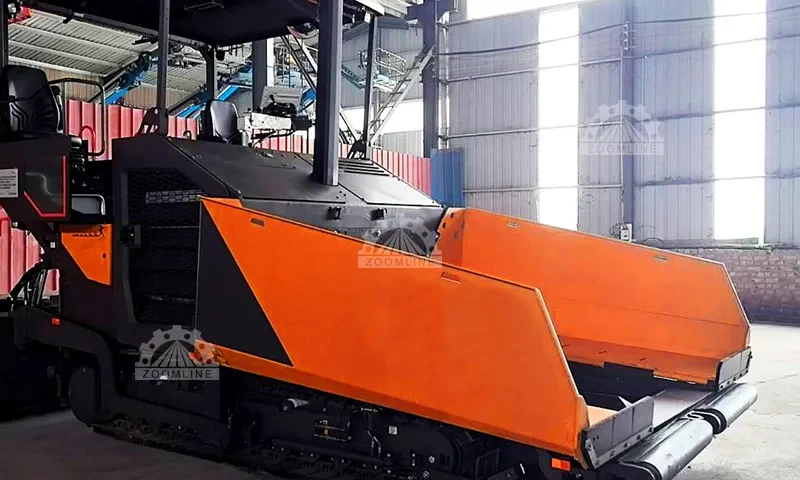
Detailed List of the Top 10 Global Asphalt Paver Brands for 2026
Caterpillar
Brand Overview
A global leader in construction machinery with decades of expertise in road construction equipment. Thanks to its exceptional equipment stability and intelligent technology, it firmly holds a top position in the industry and is the brand of choice for large-scale, high-end infrastructure projects worldwide.
Core Advantages
Equipped with an advanced fully automatic control system, paving parameters are precise and controllable; the machine is constructed from high-quality materials, offering superior wear resistance and heavy-load capacity, with industry-leading durability; a global dealer network ensures comprehensive after-sales and spare parts support.
Suitable Applications
Highways, airport runways, major municipal thoroughfares, and national-level key infrastructure projects.
Vögele (Germany)
Brand Overview
A global benchmark brand in asphalt paving equipment, dedicated to the R&D of high-precision paving technology. Renowned for “ultimate smoothness and intelligent control,” it is a representative brand in high-end pavement construction.
Core Technologies
The ErgoPlus intelligent operating system, AutoSet Plus automatic setup system, and Niveltronic Plus intelligent leveling system—these three core technologies form the foundation of its high-precision paving capabilities. Extremely high paving precision with industry-leading pavement smoothness; user-friendly intelligent control systems that allow for real-time parameter adjustments; exceptional machine stability ensuring uniform and consistent pavement quality.
Applications
High-standard expressways, urban expressways, airport runways, and precision municipal renovation projects.
Volvo Construction Equipment (Volvo CE) (Sweden)
Brand Overview
A renowned European road construction machinery brand, focusing on energy efficiency, comfort, and ease of maintenance. Its products hold a significant market share in Europe and the Americas, making them ideal for large-scale, routine road construction projects.
Core Advantages
Equipped with proprietary energy-saving technology, fuel consumption is significantly lower than that of comparable equipment, resulting in lower construction costs; the cab features a user-friendly design for comfortable operation, suitable for long periods of continuous work; the equipment has a simple structure, making maintenance convenient and ensuring a low failure rate. Boasts a solid user base and a comprehensive service network in the European and North American markets, with extremely high brand recognition.
Dynapac (Sweden)
Brand Overview
A globally renowned brand in the road compaction and paving sector, offering exceptional compatibility between paving and compaction. It emphasizes efficient material handling and lightweight maneuverability, making it suitable for various medium-to-large-scale construction scenarios.
Core Advantages
High compatibility with compaction machinery ensures excellent integrated paving and compaction results; the intuitive control interface makes it easy for beginners to operate; material delivery is uniform, resulting in high operational efficiency and minimal risk of material blockages.
Applications
New construction and renovation projects for urban municipal roads, urban-rural arterial roads, and small- to medium-scale pavement projects.
Bomag (Germany)
Brand Overview
A German brand renowned for precision road construction, specializing in pavement compaction and paving technology. Known for its precision manufacturing and reliable performance, it is one of the leading brands in high-end pavement construction.
Core Technologies
MAGMALIFE screed heating technology and intelligent paving management systems enable precise control of screed temperature, prevent asphalt adhesion, and ensure optimal paving results.
Inheriting German engineering excellence, the equipment offers high precision and exceptional stability; the intelligent paving system optimizes operating parameters in real time, effectively enhancing pavement density and smoothness.
Applications
Projects requiring high paving precision, such as high-standard municipal roads, expressways, and industrial park roads.
Ammann (Switzerland)
Brand Overview
With over 150 years of experience in construction machinery manufacturing, Ammann specializes in small-to-medium-sized precision paving equipment. Its compact design makes it suitable for flexible construction scenarios.
Core Advantages
Compact overall structure with a small footprint, facilitating easy relocation and transportation; equipped with an energy-saving operation system for lower energy consumption; low failure rate, suitable for long-term, high-frequency small-to-medium-scale construction projects.
Applications
Narrow urban roads, rural highways, small-to-medium-scale infrastructure renovations, and residential area paving projects.
Sumitomo Heavy Industries (Japan)
Brand Overview
A renowned Asian road construction machinery brand with years of deep market penetration in the Asia-Pacific region. The equipment is distinguished by its stability and energy efficiency, making it well-suited for Asian construction conditions.
Core Advantages
Mature screed technology ensures uniform paving results; the machine operates stably with no vibration or deviation during operation; excellent fuel efficiency results in low operating and maintenance costs.
Extremely high market penetration in East and Southeast Asia, with a large installed base of equipment and a comprehensive localized after-sales service system.
XCMG (China)
Brand Overview
A leading Chinese construction machinery manufacturer with rapidly evolving asphalt paver technology. Its products offer outstanding value for money, convenient localized after-sales service, and a continuously growing global market share.
Core Advantages
Affordable pricing with significant value for money; Rapid technological iteration, with intelligent configurations on par with international brands; Accelerated global expansion, with a continuously improving overseas service network.
Applications
Infrastructure projects in developing countries, domestic and international government municipal engineering projects, and new highway construction and renovation projects.
SANY (China)
Brand Overview
A leading domestic brand in intelligent road construction machinery, focusing on high efficiency, intelligence, and cost-effectiveness. The equipment features a high degree of intelligence, meeting modern construction demands.
Core Advantages
Equipped with a proprietary intelligent control system, offering user-friendly operation and precise parameter settings; high paving efficiency that significantly shortens project timelines; excellent cost-performance ratio with low total cost of ownership.
Market Presence
Products are extensively exported to regions including Africa, Asia, and South America, with growing recognition in overseas markets.
Zoomlion
Brand Overview
A well-known domestic construction machinery brand, its asphalt paving equipment emphasizes stability and low operating and maintenance costs, making it suitable for various routine road construction scenarios.
Core Advantages
Intuitive operation is simple and easy to learn, allowing beginners to get up to speed quickly; the material conveying system is stable, with no issues of material interruption or leakage; spare parts have high interchangeability, resulting in low maintenance and repair costs. The overseas service network is continuously expanding, providing timely equipment support and after-sales service for overseas engineering projects.
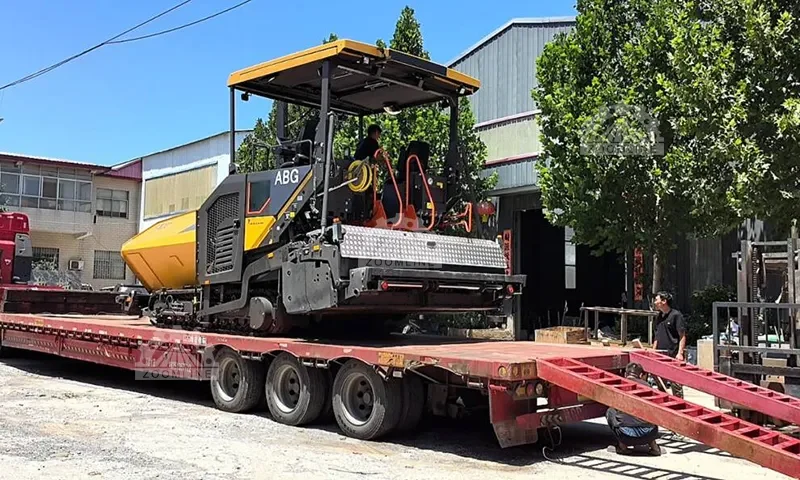
How to Select a Reliable Asphalt Paver Manufacturer
Verify Qualifications and Market Reputation
Legitimate paving contractors must hold general contracting qualifications for municipal engineering, specialized contracting qualifications for highway pavement, and a work safety permit. Verify these qualifications through official platforms, review project evaluations from peers, and screen for any negative records such as quality complaints or project delays.
Review Past Projects and the Construction Team
Request that the contractor provide case studies of similar projects from the past 3–5 years, along with on-site photos and acceptance reports. Focus on the experience of the construction team, giving preference to seasoned crews with over five years of industry experience, as they can respond quickly to unexpected issues during construction. If possible, conduct on-site visits to ongoing projects to verify compliance with construction standards.
Assessing the Reasonableness of Quotes
Excessively low quotes likely indicate hidden risks such as cutting corners, reducing work processes, or downgrading equipment specifications. A legitimate quote will itemize costs for materials, equipment, labor, and taxes, with prices aligned with market rates. When selecting a contractor, prioritize overall value for money rather than solely pursuing the lowest price.
Clarifying Contract Terms and After-Sales Support
When signing the contract, clearly define the scope of work, project timeline, quality standards, payment terms, and liability for breach of contract. Specify technical indicators such as asphalt grade, paving thickness, and compaction density, and agree on the warranty period and scope of free repairs. Additionally, confirm value-added services such as post-construction pavement maintenance guidance.
Conclusion
Asphalt pavers are the core equipment in pavement engineering, and the choice of brand directly determines project quality, construction efficiency, and long-term operational and maintenance costs. The top ten global brands each have their own strengths: high-end European and American brands emphasize high precision and stability, making them suitable for large-scale, high-standard projects; domestic brands such as XCMG, Sany, and Zoomlion offer outstanding value for money and mature intelligent systems, making them suitable for various infrastructure projects worldwide.
When procuring equipment or establishing partnerships, it is essential to consider project scale, construction scenarios, and budget constraints. A comprehensive evaluation of equipment technology, quality, after-sales support, and return on investment is necessary. Avoid blindly following trends toward high-end brands or opting for low-cost, substandard options; instead, select the equipment and partner brands that best suit your specific project.
Frequently Asked Questions (FAQ)
What is the difference between tracked and wheeled asphalt pavers?
Tracked pavers offer superior stability and traction, making them suitable for large-scale, heavy-duty, and high-speed road projects; wheeled pavers are highly maneuverable, quick to relocate, and fuel-efficient, making them ideal for municipal repairs and small-to-medium-sized road construction.
Are domestically manufactured asphalt pavers reliable?
Absolutely. In recent years, domestic paver technology has made comprehensive breakthroughs. Their intelligence, stability, and precision now rival those of leading international brands. Additionally, they offer better value for money and more convenient after-sales service, making them the mainstream choice for small-to-medium-sized and standard large-scale infrastructure projects both domestically and internationally.
What is the typical service life of an asphalt paver?
Under normal, standard operating conditions and with regular maintenance, the service life of an asphalt paver can reach 8–12 years; for equipment used in high-frequency, heavy-duty construction, the service life is approximately 6–8 years.
What are the key factors affecting asphalt paving quality?
Key factors include equipment precision, paving temperature, travel speed, compaction techniques, asphalt mix quality, construction environment, and operator skill level.
How much does an asphalt paver typically cost?
Prices vary significantly depending on model, tonnage, and configuration: small pavers range from several hundred thousand to a few million yuan; medium-to-large domestic pavers cost in the millions; and high-end imported large pavers can reach 2 to 5 million.
Which type of paver is most suitable for small-scale road projects?
For small-scale projects such as residential area roads, sidewalks, and road repairs, small pavers and domestic micro-wheeled pavers are the preferred choice due to their maneuverability, ease of operation, and lower cost.