








Top Asphalt Compaction Tips to Avoid Common Paving Mistakes
Introduction
Asphalt compaction is the ultimate key process to determine the smoothness, bearing capacity and service life of asphalt pavement. In a large number of road construction cases, more than 90% of early pavement distresses, including rutting, cracking, loosening, potholes and early deterioration, are often misjudged by the construction team as “improper on-site rolling operation”. However, from the perspective of engineering logic, on-site compaction is only a superficial operation, the stability of asphalt mixing plant mixture production, precise temperature control, proportioning accuracy, is the core root cause of the success or failure of compaction.
Even if the construction team has a mature rolling process, professional operators and high-end compaction equipment, once the output of the asphalt mixing plant mixture temperature fluctuations, grading imbalance, oil and stone ratio deviation, uneven material and other issues, all subsequent compaction construction can not make up for the inherent quality defects. High-quality compaction effect is never “pressed out” by the roller, but by the standardized, intelligent asphalt mixing plant “do out”. In this paper, we will combine the whole process of asphalt compaction, dismantle all kinds of construction errors at the bottom of the reasons, focusing on the analysis of asphalt mixing plant production on the decisive role of compaction quality, to help the engineering side from the source to avoid pavement damage, reduce maintenance costs, to create a long-lasting stable asphalt pavement.
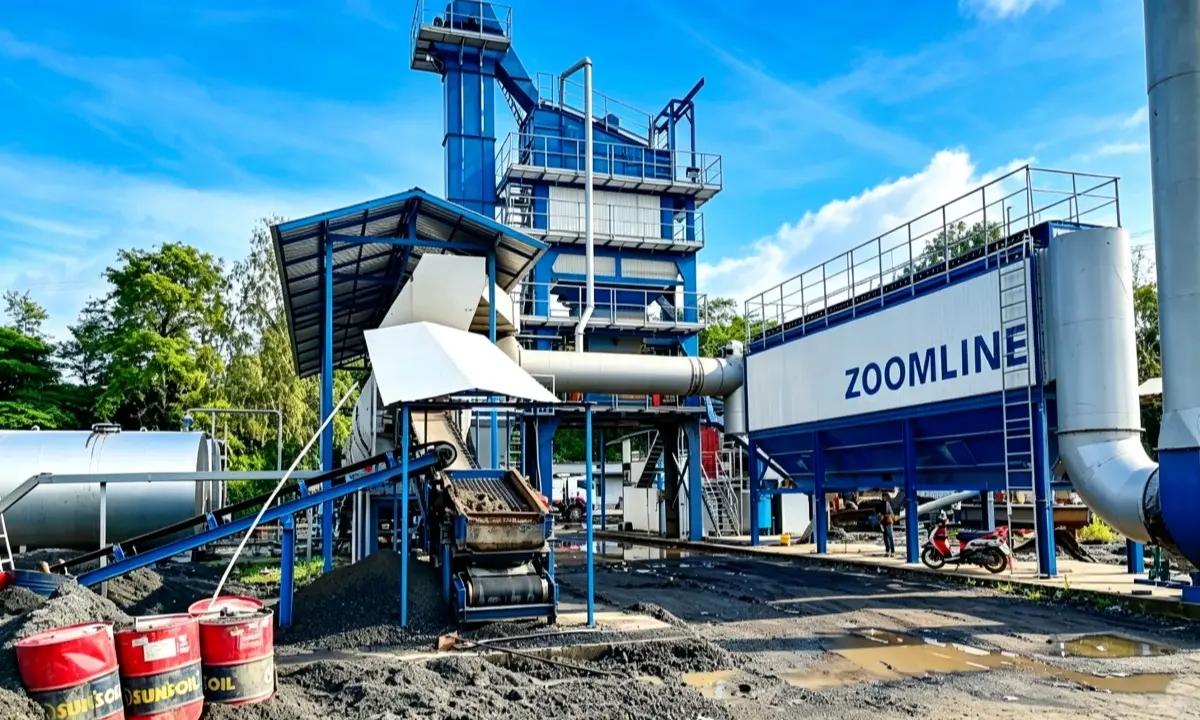
Why Proper Asphalt Compaction Matters
The Core Working Principle of Asphalt Compaction
The core purpose of asphalt compaction is to discharge excess air inside the mixture through mechanical force, narrow the aggregate gap, reduce the void rate, so that the asphalt binder and aggregate fully bonded and cured to form a high-density, high-strength, high-stability pavement structure. Uniform compactness after compaction is the basic condition for the pavement to carry vehicle load, resist rain erosion, and resist aging and deformation.
The core point that many people ignore is that the upper limit of the compaction effect is determined by the quality of the mix. Qualified compaction density, waterproof performance, bearing capacity and service life, the premise is the asphalt mixing plant output of the mixture temperature is appropriate, grading standards, uniform ratio. Inferior mixes, no matter how they are crushed, will not be able to achieve the design density and pavement performance standards. Industry specifications require that the ideal void ratio of asphalt pavement needs to be controlled in the range of 3% -7%, and the core cause of the void ratio imbalance, mostly from the instability of mixing production.
Consequences of Poor Asphalt Compaction
Construction of common compaction is not enough, over-compaction problem, the surface is the milling operation error, the essence of the mixture quality abnormalities caused by passive errors, and ultimately will lead to irreversible pavement quality problems.
Under Compaction Problems
Uneven temperature of mix, segregation of aggregate and poor bonding will directly lead to excessive void ratio and loose internal structure of the pavement after rolling. Rainwater is very easy to penetrate into the pavement, continuous erosion of asphalt binder layer, accelerate the oxidation of asphalt aging, long-term traffic will appear surface layer loose, particles fall off, cracking, local depression, and ultimately the formation of a large area of potholes, significantly shorten the road service cycle. This kind of problem, even if the milling team in strict accordance with the standard construction, can not be effectively avoided.
Over Compaction Problems
When the asphalt mixing plant output of the mixture gradation is not reasonable, the aggregate is fine or oil and stone ratio imbalance, the construction personnel in order to achieve the standard compactness will be forced to increase the number of rolling, increase the intensity of rolling, and ultimately cause the aggregate crushing and fracture, damage to the original structure of the mixture. At the same time will reduce pavement flexibility and deformation resistance, triggering pavement oiling, surface skidding, hard cracking and other problems, greatly reducing pavement fatigue resistance.
Why Density Is Critical for Long-Term Pavement Performance
Uniform and standardized density of the whole area is the core standard of long-term stability of the pavement, but also the most difficult to control the construction of the pain point. Many roads have local damage, local rutting and cracking, not milling operation is not uniform, but the asphalt mixing plant batch mixture quality fluctuations, local material segregation, temperature differences are too large, resulting in different areas of the pavement compaction performance is very different.
Quality mix with standard temperature, uniform grading and precise proportion can easily realize uniform compaction in the whole area; while unstable mix will inevitably have the problem of high and low local densities, forming a weak area of the pavement, and ultimately triggering differentiated diseases. Therefore, the core guarantee of pavement density uniformity is a stable asphalt mix production system.
Understanding the Asphalt Compaction Process
The standard compaction process is only the basis for construction, and the landing effect of all compaction processes is completely dependent on the original quality of the asphalt mixture.
Roller can only optimize the surface layer forming, can not repair the material inherent defects.
The Three Stages of Asphalt Compaction
Standard asphalt compaction construction is divided into initial compaction, re-compaction, final compaction of the three articulation processes, each stage has a clear temperature and process requirements, but all the processes of the premise of the landing is the asphalt mixing plant output of high-quality, temperature-stabilized mixture.
Initial compaction (shaped milling): immediately following the paver operation after the high-temperature stage, the core is to quickly fix the paving form. This stage of the mixture temperature sensitivity is extremely high, if the mixing production temperature fluctuations, material segregation, there will be part of the mixture temperature is too high easy to push, part of the temperature is too low difficult to set the problem, even if the use of standard vibratory roller operation, but also can not avoid the paving layer deformation, molding is not uniform.
Re-compaction (compacting): the core process to improve the compactness of the pavement and eliminate internal voids. Re-compaction relies on the good flexibility and adhesion of the mix to realize aggregate fitting and gap compression, if the mixing plant aggregate gradation imbalance, asphalt package is not sufficient, no matter with the rubber roller or vibratory roller, can not completely eliminate the internal gaps, the pavement compactness can not meet the standard.
Final compaction (lightening milling): mainly used to eliminate wheel tracks and level the texture of the road surface. If the quality of the mixture is stable and the wet and dry are uniform, the final compaction can easily realize a smooth and defect-free surface layer; if the batch of the mixture has big differences, there will be such stubborn problems as poor molding of the local lightening, uneven texture of the surface layer and residual indentation.

Compaction Equipment Can not Pocket the Poor Quality Raw Materials
Construction site of various types of roller function only for process assistance, there is no “equipment omnipotence”. Many construction teams fall into the misunderstanding: that the replacement of high-end rollers, adjusting the grinding method can solve the compaction disease, but it is not.
Vibratory roller, rubber roller, steel wheel static roller, double drum roller, can only optimize the compaction effect on the basis of high-quality uniform mixture. In the face of asphalt mixing plant output temperature instability, grading confusion, ratio imbalance of the mixture, no matter what kind of compaction equipment, what kind of construction technology, can not achieve the standard compaction density and pavement molding effect. Equipment is an auxiliary means, asphalt mixing plant production accuracy, is the core chassis of compaction quality.
Five core factors that damage the quality of asphalt compaction
Mixture temperature control failure
Asphalt compaction is highly sensitive to temperature, exclusive of the best compaction temperature window is a prerequisite for high-quality molding, and 90% of the construction site temperature segregation, cooling too fast, compaction window is insufficient, the source of the asphalt mixing plant temperature control accuracy is insufficient. Traditional asphalt mixing plant combustion system is old, temperature control algorithms lagging behind, will lead to batch of mixed material discharging temperature is not uniform, there is a serious temperature deviation of the production side.
This kind of temperature instability of the mixture, after transportation and loading and unloading will further aggravate the heat stratification, uneven temperature loss, paving pavement temperature difference between the regions is very large.
After paving, the temperature difference between different areas of the pavement is extremely large. The mixture is stiff in the low temperature area and cannot be compacted by crushing; the mixture is too soft in the high temperature area and is easy to be deformed by crushing. Even if the construction team accurately control the environmental temperature, wind speed, humidity and other external conditions, but also can not offset the production side of the innate temperature defects.
The Problem of Grinding Trajectory and Speed
Construction site may seem to have uneven rolling speed, trajectory is not standardized, start and stop abruptly and other operational problems, but many are not operator error, but the unstable quality of the mixture caused by passive adaptation. When the asphalt mixing plant mixture of dry and wet, soft and hard, temperature batch differences, the uniform rolling speed and trajectory can not be adapted to the differentiated state of the material, the operator is forced to adjust the construction rhythm, and ultimately lead to local compaction failures, surface concave-convex and other issues.Stable and uniform asphalt mixture, adapted to the standardized rolling process, without the need to frequently adjust the construction parameters to achieve uniform compaction; while the fluctuations in the production side of the material will inevitably lead to confusion in the field construction standards, compaction quality out of control.
The Problem of Adapting the Thickness of the Paving Layer
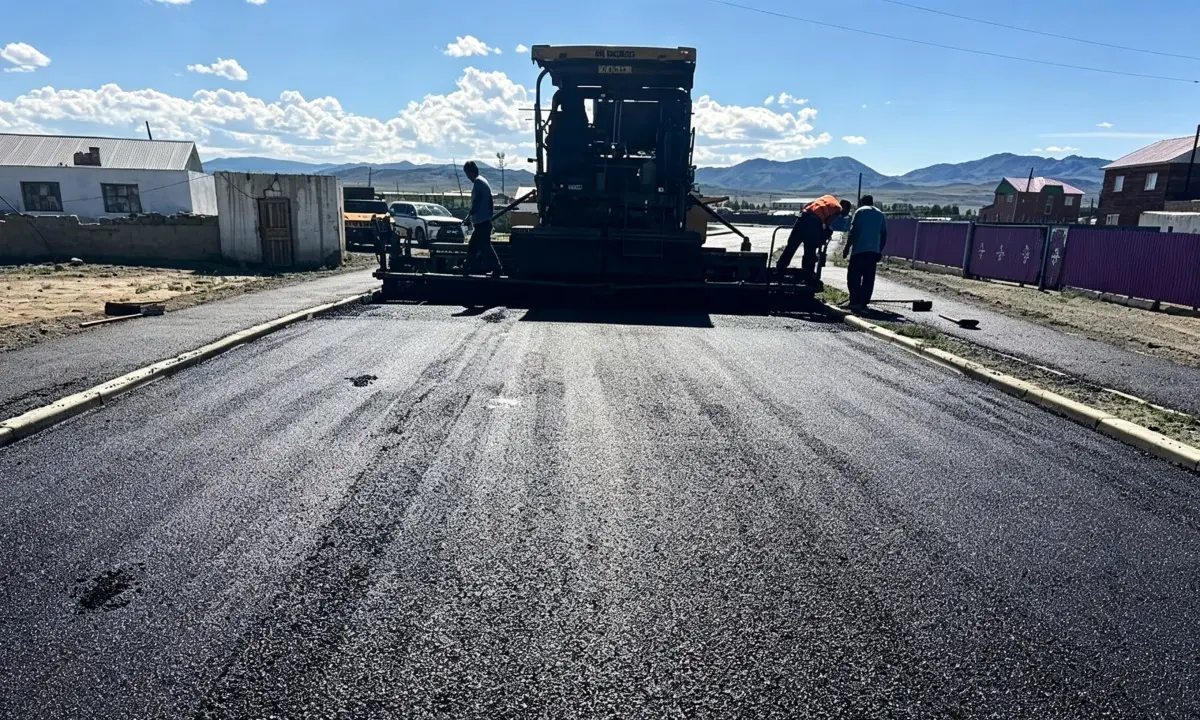
The compaction defects caused by too thin and too thick paving layer are deeply caused by the inconsistent performance of the mixture. High-quality stable asphalt mixture, uniform performance, plasticity, can be perfectly adapted to the standard paving thickness, to achieve close bonding between layers; and grading chaos, poor stability of the mixture, performance fluctuation, fixed paving thickness can not be adapted to the state of the material, it is very easy to thin material overpressure crushing, thick compaction impermeable material, weak bonding between layers and other problems.
Roadbed Grass-roots Level Problems
Unstable roadbed, grass-roots level will exacerbate the road compaction disease, especially when the asphalt mixture itself is not good quality, double hidden trouble will directly lead to pavement settlement, cracking, rutting. Qualified subgrade can cover minor construction errors, but cannot compensate for serious defects in mix production. The only way to eliminate pavement damage from the root cause is to ensure the stability of the grass-roots level and the high quality of the mix material at the same time.
Adverse Weather Construction Defects
Low temperature, high temperature, rain and humidity and other bad weather will increase the difficulty of compaction construction, but not the core cause of disease. Intelligent asphalt mixing plant output of high-temperature stability, strong bonding, water content standards of the mixture, can effectively resist the low-temperature rapid cooling, high-temperature soft viscous deformation, wet bond failure and other issues; and poor quality mix, construction defects in bad weather will be unlimited amplification, will inevitably appear compaction is not up to standard, surface defects and other issues.
Many Asphalt Compaction Problems Start at the Asphalt Plant
After a large number of engineering review confirmed: the site can only optimize the appearance of rolling, mixing production to determine the quality. The core root causes of all compaction diseases almost all point to the short board of production control of asphalt mixing plant, mature construction technology and high-end compaction equipment can never make up for the inherent defects of the production side.
Mix Uniformity: the Basic Premise of Compaction Quality
Mix uniformity is the core cornerstone of compaction quality. If the asphalt mixing plant is not stable in cold material supply, mixing is not sufficient, and the material transportation is segregated, it will produce a mixture with uneven distribution of aggregates, different wet and dryness, and large fluctuation in performance. Construction site, no matter how to adjust the number of rolling, construction trajectory, equipment combinations, can not achieve a uniform and dense compaction effect, there is bound to be a local loose, local over-pressure of the differentiated disease.
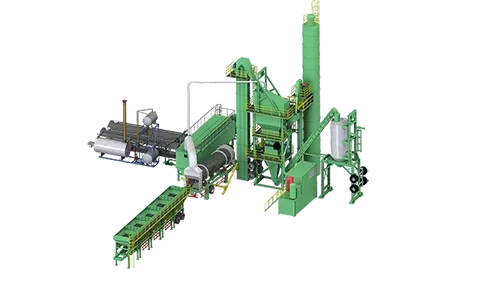
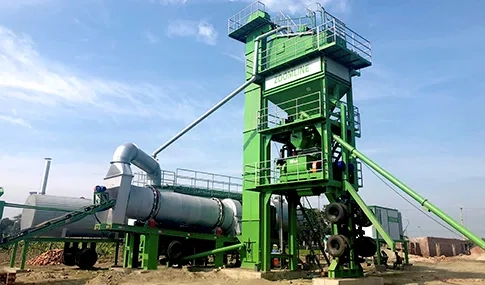
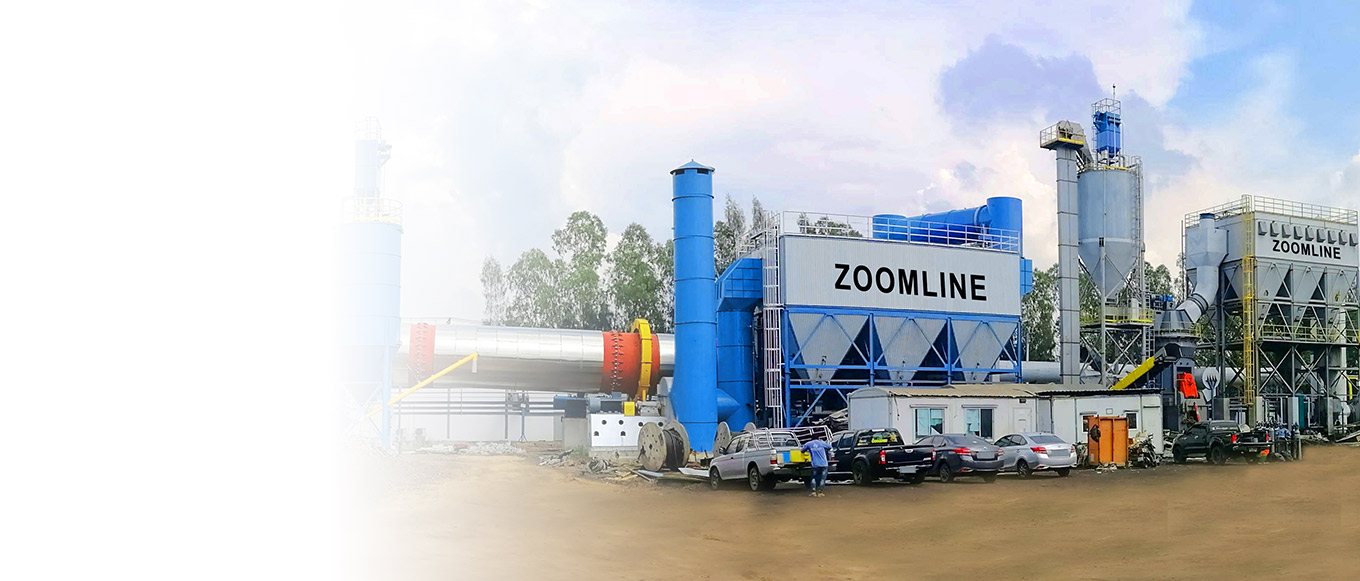
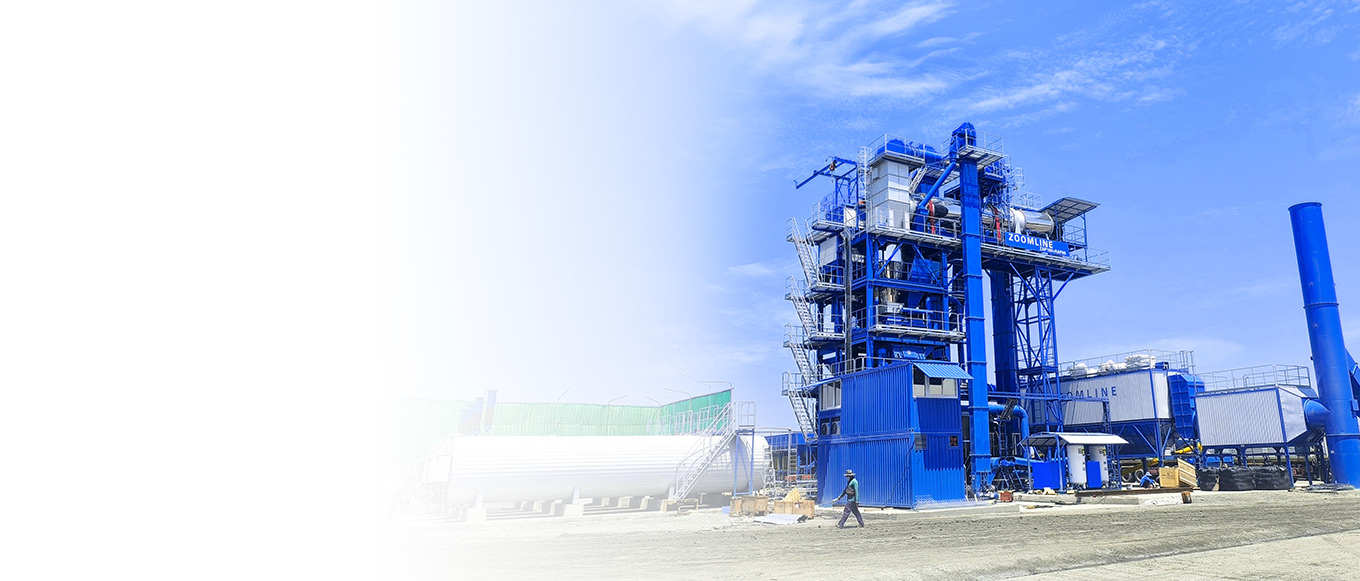
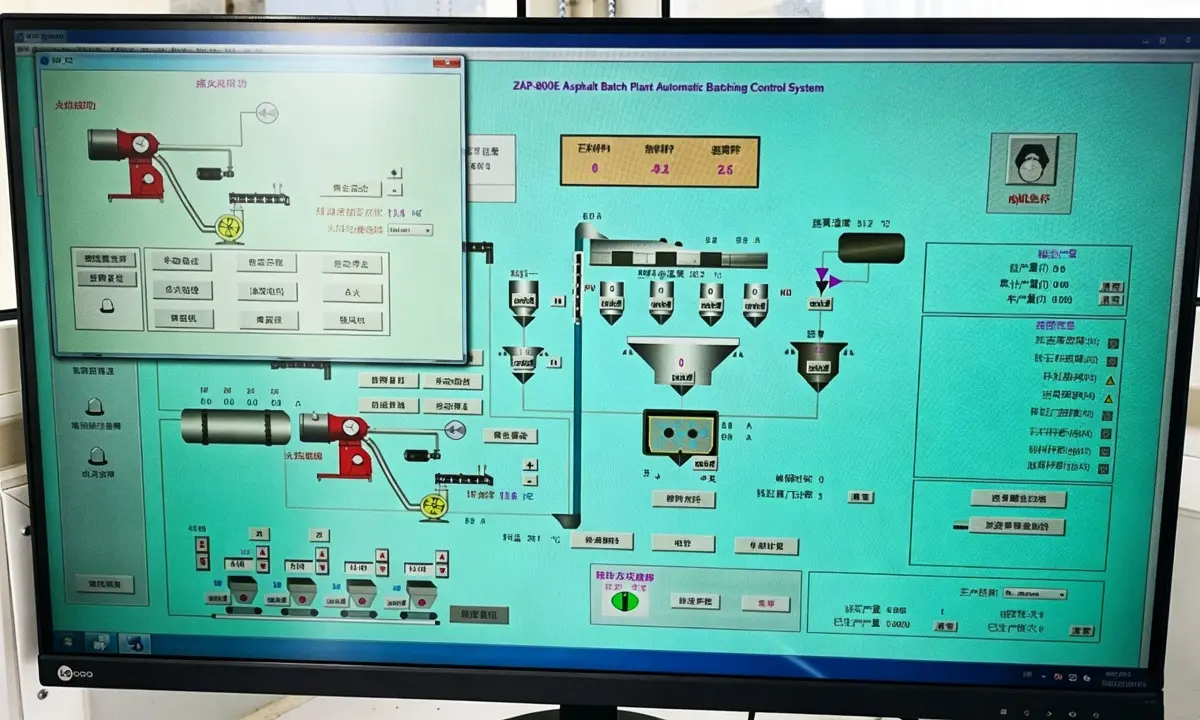
Intelligent asphalt mixing plant equipped with fully automatic mixing control system can realize the whole process of uniform mixing, balanced material proportioning, completely eliminating the difference between batches of materials, guaranteeing the uniformity and stability of each side of the mixture, and laying the foundation for standardized compaction.
Production Temperature Fluctuation and Heat Segregation
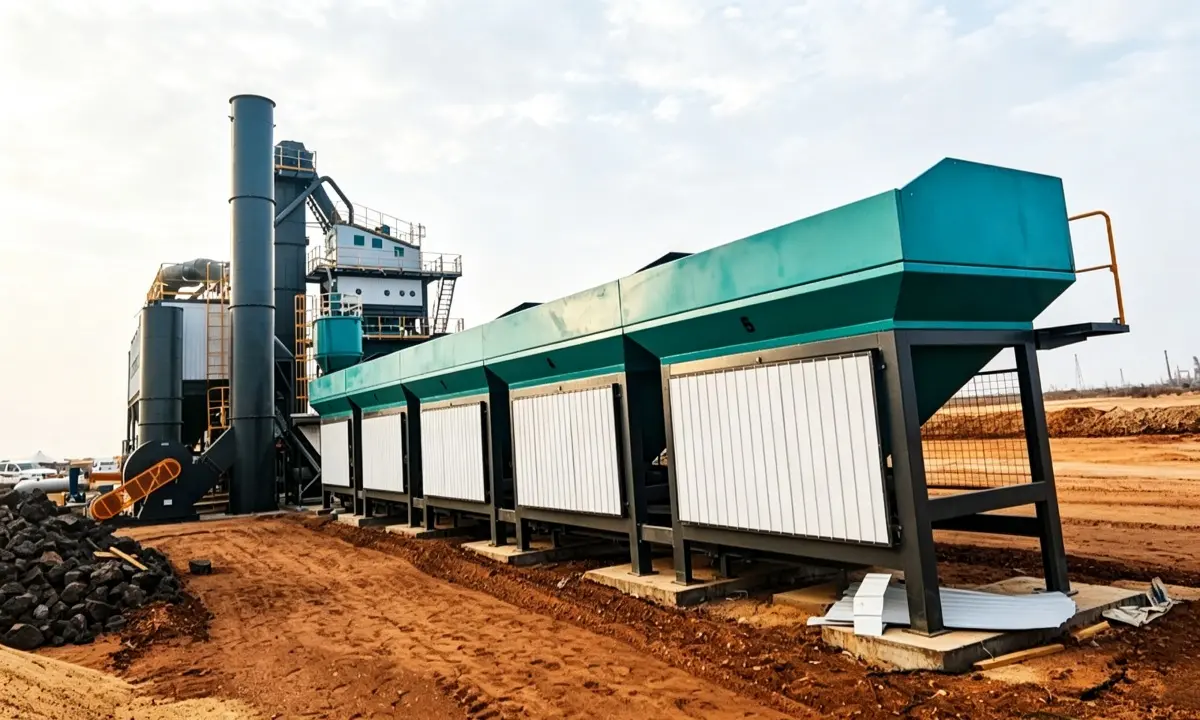
Poor temperature control precision and unstable combustion efficiency of traditional asphalt mixing plant is the core source of temperature segregation and insufficient compaction window. Excessive temperature difference between batches of mixes at the production end, serious heat stratification after transportation, and uneven heat and cold after paving directly lead to the differentiation of the difficulty of rolling and the inability to unify the compaction standard, which is the primary cause of cracking, loosening, and insufficient compaction of the road surface.
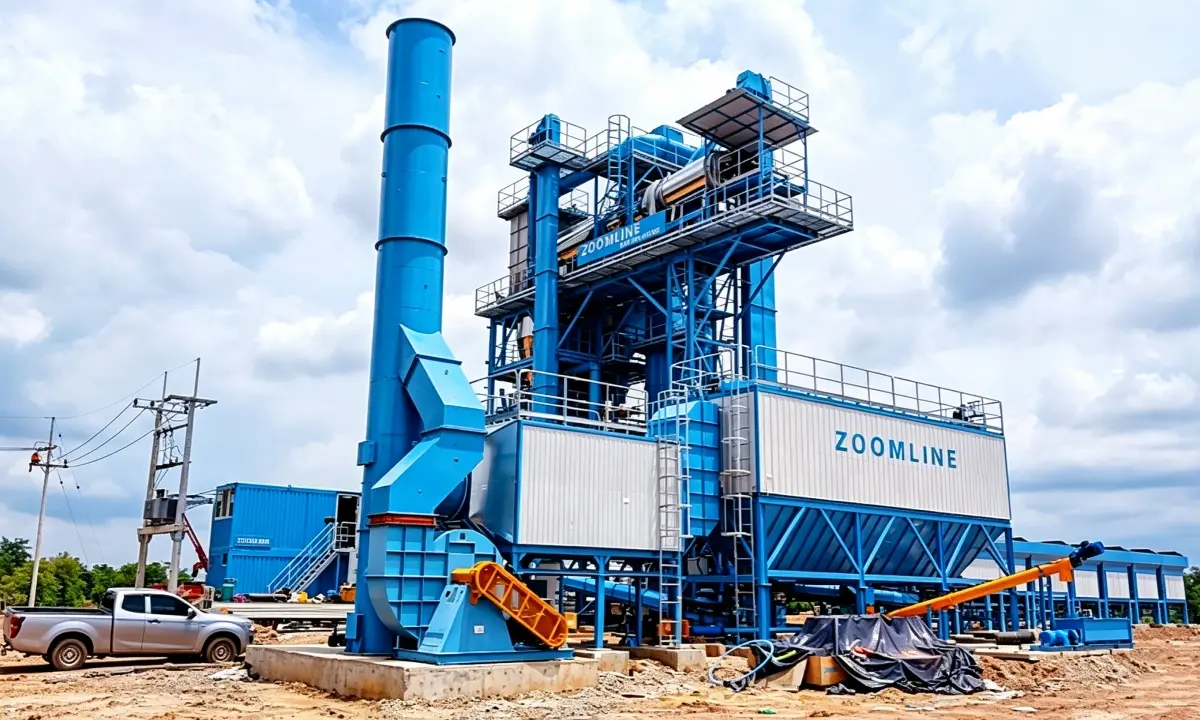
Our asphalt mixing plant is equipped with precise combustion system and fully automatic thermostatic control module, with greatly upgraded temperature control precision, which can stabilize the temperature of mix discharged throughout the whole process, completely eliminating the problems of temperature fluctuation and heat segregation at the production end, guaranteeing the uniform temperature of each batch of mix, and greatly enhancing the consistency of on-site compaction and the quality of pavement molding.
Poor Aggregate Gradation Reduces Density Stability
Aggregate grading determines the internal void structure and compaction performance of the mixture. Common asphalt mixing plant has uneven supply of cold silo, weighing deviation, uncontrolled ratio and other problems, which is very easy to cause aggregate segregation, coarse and fine material ratio imbalance, resulting in mixing gap structure confusion. This kind of material can not be compressed uniformly when rolling, ultimately resulting in pavement compactness disorder, poor stability, frequent rutting, cracking disease later.
The asphalt mixing plant is equipped with high-precision cold material silo and automatic weighing and batching system, which can realize accurate proportioning of all kinds of aggregates, uniform speed and quantitative supply of materials, put an end to the deviation of batching and segregation of aggregates, and stabilize the standard gradation of mixed materials, so that every crushing can reach the design compactness standard.
Incorrect Asphalt Binder Ratio Leads to Pavement Failure
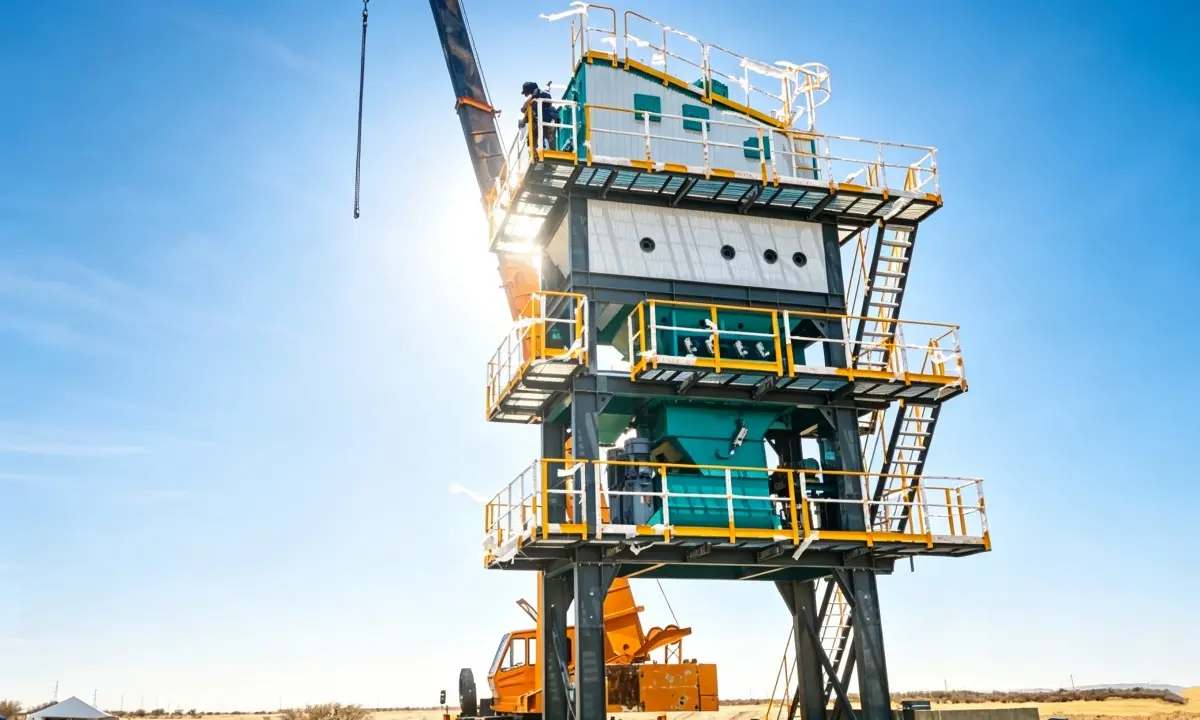
Oil-stone ratio is the core parameter of mix production, and also the key to affect the compaction effect. Ordinary asphalt mixing plant asphalt weighing precision is not enough, jet control is not stable, it is very easy to appear oil/stone ratio imbalance: too much asphalt leads to pavement oiling, softening, high-temperature rutting; asphalt is too little to lead to insufficient aggregate parcel, poor adhesion, pavement cracking and loose. This kind of defective proportioning is the core cause of the late durability of the pavement, which cannot be remedied by on-site rolling.
Our intelligent asphalt mixing plant is equipped with high-precision asphalt weighing and intelligent control system, which dynamically adapts to the construction conditions in real time, accurately locks the optimal oil/gravel ratio, ensures the uniformity of aggregate wrapping and the stability of compaction performance of the mixture, and prevents all kinds of pavement diseases triggered by imbalance in the ratio from the source.
Improper Control of RAP Recycled Material
Recycled asphalt construction of the biggest pain point, is the recycled material moisture content is not stable, uneven heating, new and old material fusion is not sufficient, resulting in great fluctuations in the quality of the mixture, uneven compaction performance, seriously affecting the quality of pavement molding.
Ordinary asphalt mixing plant lacks professional RAP control system, which can’t accurately deal with recycled materials, and it is very easy to cause compaction hazards.
Modern intelligent asphalt mixing plant equipped with professional RAP regeneration system can accurately control the moisture content of recycled materials, heating temperature and mixing ratio, to achieve the full integration of new and old materials, balance the stability of recycled materials, to ensure a high standard of compaction quality at the same time, to realize the green construction, taking into account the quality of the project and the energy-saving benefits.
Common Asphalt Paving Mistakes and How to Avoid Them
The vast majority of compaction errors in daily construction, seems to be the field operation is not standardized, in fact, is the mixing material quality defects forced by the construction problems, only upgrade the asphalt mixing plant production equipment, in order to completely cure.
– Rolling timing control errors (too early / too late): the appearance of the operation is not the right time, the root cause is the mixture temperature instability, batch temperature difference, no uniform standard crushing window.
High-quality constant-temperature mixes can be adapted to the standard milling schedule, eliminating problems such as pushover, cold joints, and insufficient compaction.
– Uneven compaction, insufficient local compaction: the appearance of uneven number of rolling, the root cause is the material segregation, grading confusion, different areas of the material compaction performance varies greatly.
Accurate batching and uniform mixing of the mixture can easily realize the compaction of the whole area to meet the standard.
– Excessive rolling, aggregate crushing and flooding with oil: the appearance is that the overlap of crushing is too large, but the root cause is the imbalance of oil/stone ratio, unreasonable aggregate grading, and the construction is forced to overpressure to make up the density.
Stable proportion of materials without excessive crushing, can meet the standard molding.
– Seam construction is easy to crack and seepage: the appearance of the seam grinding is not in place, the root cause is the quality of the old and new mixture, temperature is not uniform, the seam material bond is weak.
Stable and continuous mixing production can ensure that the performance of joint materials is consistent, and improve the compactness of joints.
– Mixture and traffic conditions do not match: the appearance of improper selection, the root cause is the mixing plant can not flexibly and accurately adjust the formula, unable to adapt to heavy-duty, municipal, high-speed and other differentiated construction scenarios.
Intelligent asphalt mixing plant can adapt to the working conditions and optimize the material formula with one click.
– Roadbed, drainage derived disease: grass-roots level, drainage defects will magnify the material quality problems, high-quality and stable mixing mixtures, can significantly improve the overall stability of the road surface, reduce the negative impact of foundation defects.
Best Practices for Achieving Proper Asphalt Density
Monitor Density in Real Time
Real-time monitoring of pavement densities through nuclear density meter, non-nuclear density testing, core sampling, etc. is not only a test of the construction process, but also a reverse verification of the stability of the production of asphalt mixing plant. Frequent compactness fluctuations, local substandard, the core problem must be uneven material quality, need to calibrate mixing equipment batching, temperature control, mixing system.
Use Intelligent Compaction Technology
Intelligent milling monitoring, thermal mapping, GPS compaction monitoring and other technologies can realize the construction data visualization, but the greatest value of intelligent construction is linked with the intelligent asphalt mixing plant production system. Through the synchronization of production and marketing data, it can accurately match the production temperature, material performance and rolling process, minimize the construction error, and realize the intelligent quality control of the whole process.
Standardized Construction Plan
Unified rolling sequence, number of passes, and zoning construction plan can be put into effect only on the premise of material stabilization. The standardized mixture produced by the intelligent asphalt mixing plant can be adapted to the fixed construction specifications without frequent adjustment of the process, so as to realize the uniform and stable compaction quality of the whole road section.
Train Paving and Roller Operators Properly
Standardizing the construction skills of operators can reduce human errors, but cannot offset the material’s inherent defects. Stable production quality of asphalt mixing plant can greatly reduce the difficulty of construction operation, reduce the dependence on manual experience, and the novice team can also make high-standard compacted road surface.
Coordinate Asphalt Production and Paving Operations
The core of the whole process of mixing production, transportation, paving and rolling is to ensure the stability of material temperature and performance. Traditional asphalt mixing plants have unstable production capacity and large fluctuations in material output, leading to chaotic construction rhythm and material retention and cooling.
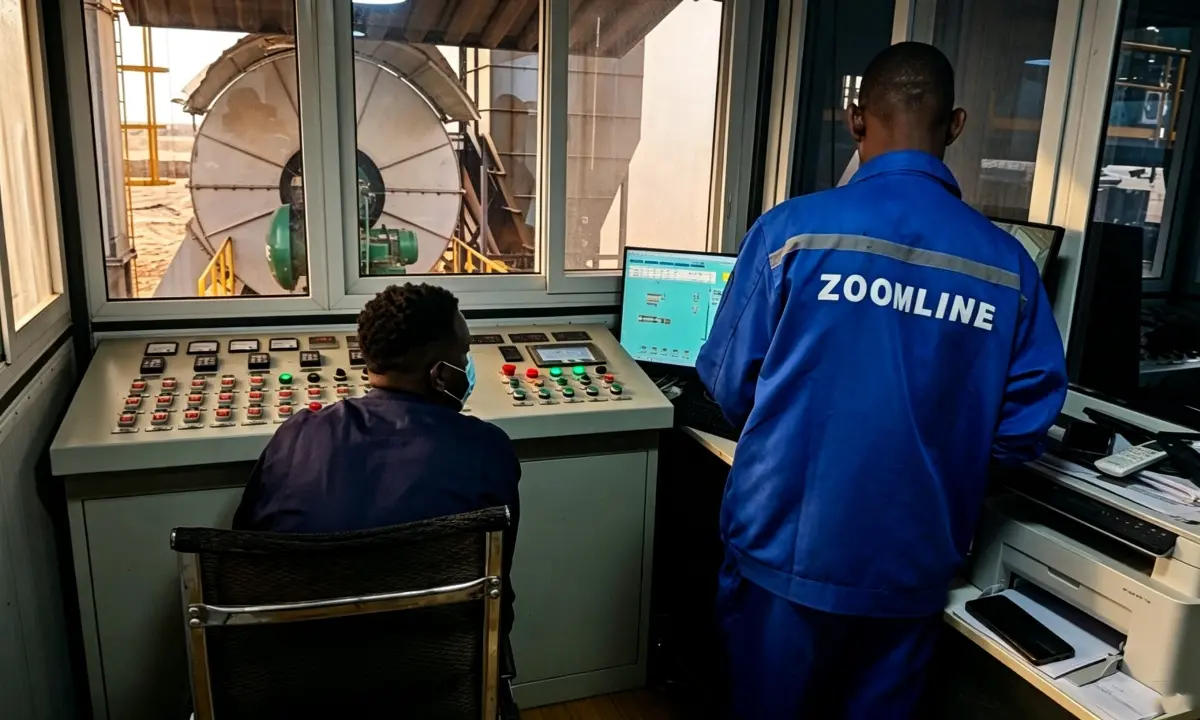
Our fully automatic intelligent asphalt mixing plant can automatically match the production capacity according to the paving progress on site, realizing the precise synchronization between mixing production and on-site construction, reducing the material backlog, stagnant cooling and temperature loss, guaranteeing the whole process of continuous and stable construction, and locking the compaction quality.
Asphalt Compaction Troubleshooting Guide
Abandon the traditional “only check the construction, not check the production” misunderstanding, one-stop from the asphalt mixing plant to locate the root cause of the disease, and accurately solve the compaction problem:
| Common construction problems | Core production root causes | Rectification solutions |
| Insufficient compactness of the road
|
Surface mixing temperature control instability, low discharge temperature, poor material plasticity | Calibration of the asphalt mixing plant temperature control system, stabilize the discharge temperature, to ensure sufficient compaction window |
| Road surface left roller wheel marks
|
Batch material soft and hard uneven, viscosity fluctuation | Optimization of mixing and proportioning system, uniform material properties, adapt to the standard finishing process |
| Cracking of the surface layer of the road surface mixing
|
Low oil/stone ratio, aggregate grading imbalance, insufficient material adhesion
|
Precise calibration of the asphalt mixing plant weighing and proportioning system to improve the asphalt wrapping effect. |
| Rutting and deformation of the road surface
|
Poor stability of the mixing material, high temperature performance is insufficient, the ratio of imprecise
|
Optimization of the mixing production formula, accurate control of aggregate and asphalt ratios, improve the stability of the material |
| Uneven road color, material segregation
|
Asphalt mixing plant cold material supply is uneven, inadequate mixing, unloading segregation
|
Upgrading asphalt mixing plant intelligent batching and mixing system, to achieve uniform material discharge
|
| Joint cracking, seam seepage
|
Before and after the batch of material temperature, performance inconsistencies
|
To ensure that the mixing of continuous and stable material, uniform quality and temperature of the entire material |
Acceptance before Opening to Traffic
The indicators of quality inspection before opening to traffic are the final verification of the production quality of asphalt mixing plant, and the quality of mixing materials can easily meet the standard:
– Compactness of the whole area meets the standard, no local loose, from the uniform performance of the mixing material
– No defects, no segregation and coloring on the road surface, which comes from sufficient mixing and precise proportioning.
– Dense seams, no seepage potential, from the whole process of material temperature and quality uniformity.
– Uniform paving thickness and stable molding come from the plasticity standard of the mix.
Future Trends in Asphalt Compaction and Asphalt Production
Infrastructure industry is saying goodbye to the traditional mode of “relying on construction to remedy the quality”, and entering a new era in which the front-end intelligent production dominates the back-end construction quality, the industry’s three core trends are centered around the upgrading of asphalt mixing plants:
– Production and marketing data integration: asphalt mixing plant production data and construction site data interconnection, intelligent matching capacity and construction progress, from the source to stabilize material quality.
– Green and intelligent production: energy-saving intelligent asphalt mixing plant, high-precision RAP regeneration system, warm mix asphalt production technology, taking into account the construction quality and green environmental protection.
– Precision production: fully automatic temperature control, intelligent proportioning, uniform mixing technology, completely eliminate material fluctuations, to achieve standardized compaction quality, zero defects.
Conclusion
Summarize all the asphalt compaction construction problems can be concluded: the roller determines the road surface forming appearance, asphalt mixing plant determines the core quality and service life of the road surface. More than 80% of the asphalt pavement on the market in the early stage of the disease, are not milling operation errors, but the asphalt mixing production temperature instability, grading imbalance, oil and stone ratio deviation, material segregation and other front-end problems triggered.
Want to completely avoid asphalt compaction errors, eliminate early damage to the pavement, reduce long-term maintenance costs, simply optimize the construction process, replacement of compaction equipment is far from enough. The core quality improvement program of the engineering side is to upgrade the high-precision, intelligent, stable asphalt mixing plant, to solve the problem of fluctuating material quality from the source of production, so that each batch of mixture is suitable for the standard compaction process, and to easily create a high-density, high-flatness, long-life high-quality asphalt pavement.
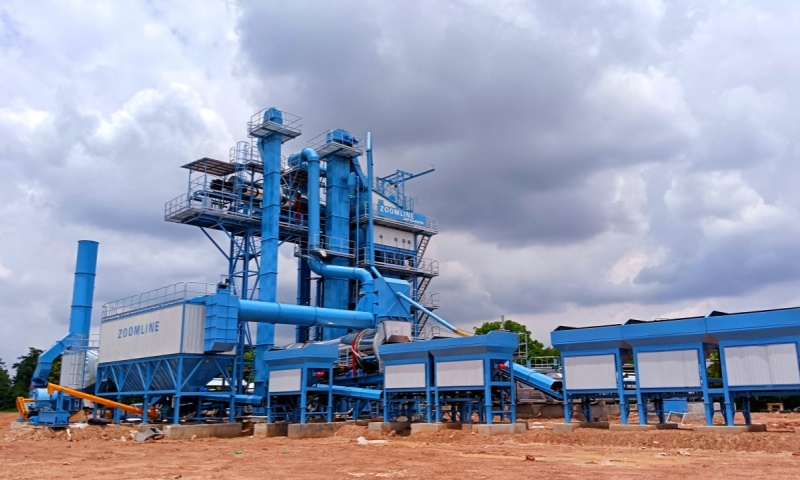
Choosing an intelligent asphalt mixing plant, realizing standardization, precision and stabilization of mixing production, and avoiding compaction hazards from the root, is the optimal solution for modern road projects to improve quality and efficiency, reduce costs and increase revenue.