

Key Benefits of Mobile Asphalt Plants for RAP Recycling and Road Maintenance
Mobile asphalt plants have become essential for modern road maintenance. Unlike traditional fixed plants, they can be quickly relocated to match project needs, enabling on-site production of new and recycled asphalt mixtures. This integration with road milling machines and RAP recycling systems reduces transportation costs by 20-40%, shortens project timelines, and supports sustainable construction.
What Is a Mobile Asphalt Plant?
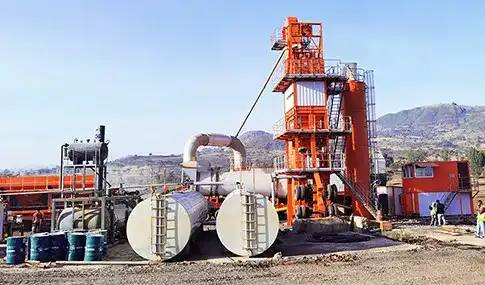
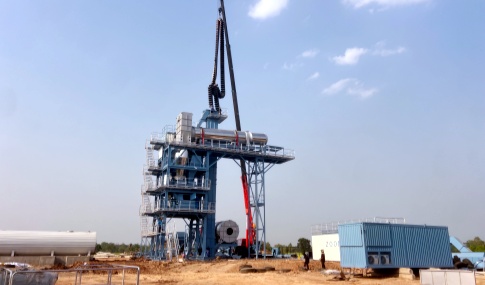
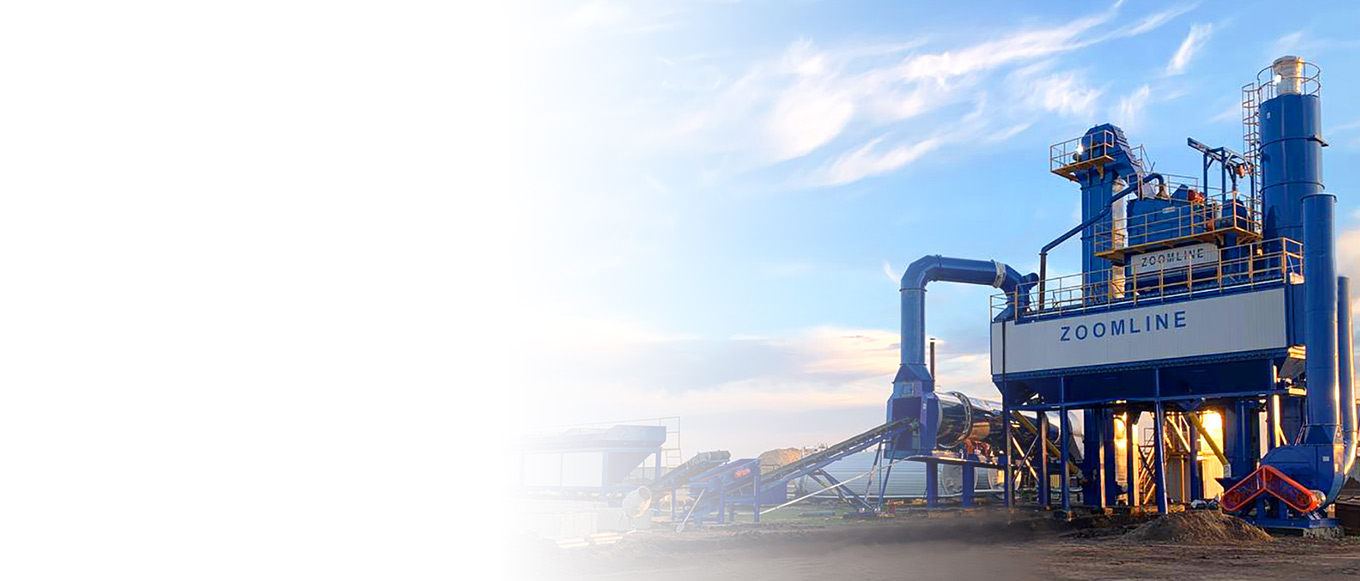
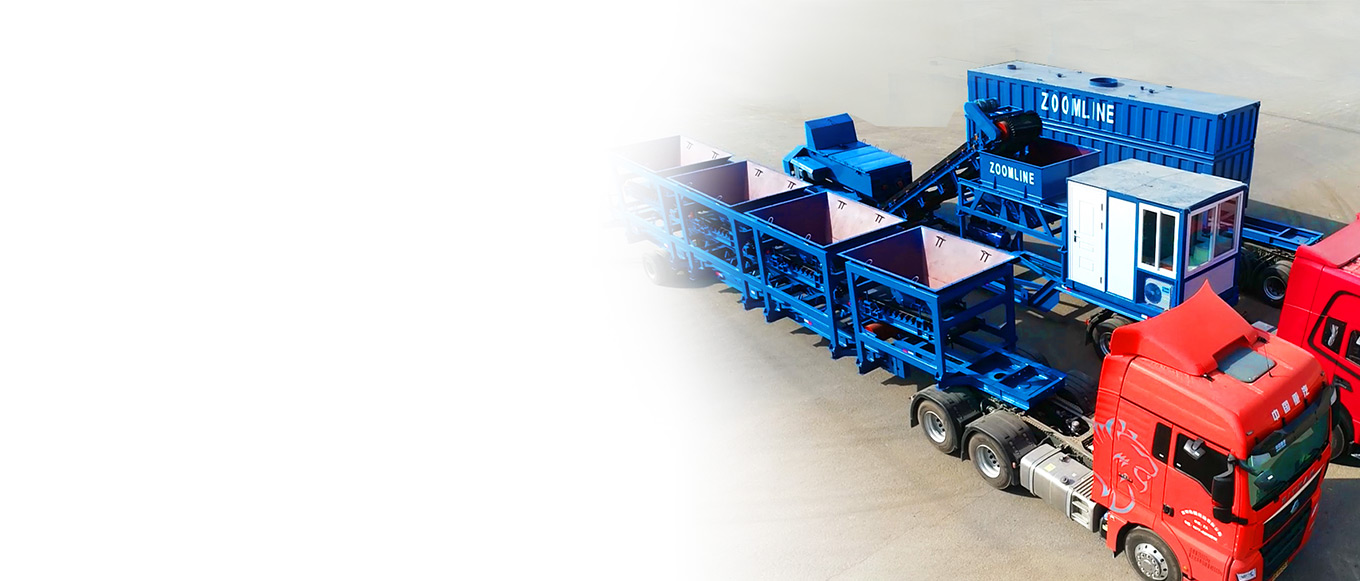
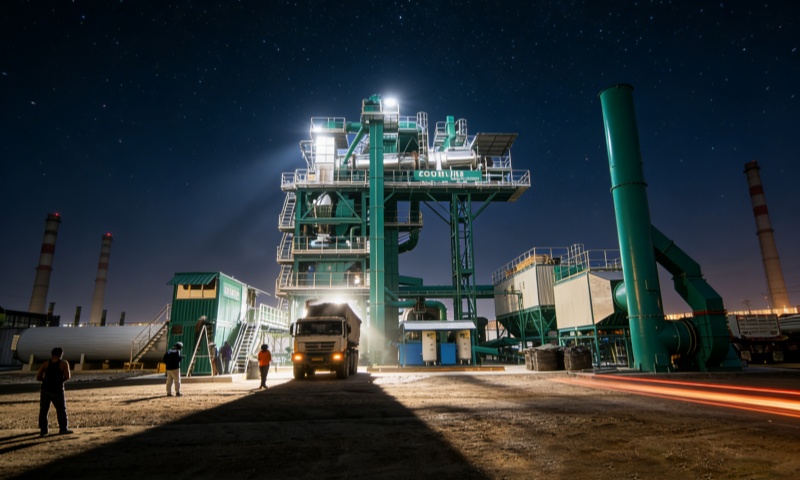
Mobile asphalt plants (also called portable or trailer-mounted asphalt mixing plants) are modular systems designed for rapid disassembly, transport, and reassembly. They support containerized shipping and can be set up on leveled ground within days, making them ideal for scattered maintenance projects
Why Mobile Asphalt Plants Are Increasingly Essential for Road Maintenance
| Aspect | Fixed Asphalt Plant | Mobile Asphalt Plant |
| Mobility | Difficult to relocate | Quick relocation with project progress |
| Setup Time & Cost | High (land + heavy foundation) | Low (days, minimal foundation) |
| Transport Distance | Long → temperature loss | Short → better quality & lower cost |
| Best For | Large new construction | Maintenance, repairs, dispersed sites |
The landscape of domestic road construction has undergone a significant transformation. In the past, the infrastructure sector was dominated by large-scale new road construction projects, which featured long construction cycles and fixed work sites; fixed asphalt mixing plants were sufficient to meet production demands. Today, however, the industry’s focus has shifted entirely toward maintenance projects such as road rehabilitation, routine highway maintenance, repairs of damaged urban road surfaces, and thin-layer overlay applications. These maintenance projects are typically characterized by tight schedules, scattered and dispersed work sites, frequent equipment relocation, and irregular construction hours—conditions that have brought the numerous shortcomings of traditional fixed asphalt mixing plants into sharp relief.
Although traditional fixed asphalt mixing plants offer substantial overall production capacity, their initial setup and construction costs remain prohibitively high. They require not only the acquisition and leveling of large tracts of land but also the pouring of sturdy, heavy concrete foundations for the equipment. The lengthy planning and infrastructure construction phases create immense pressure in terms of both upfront capital investment and time commitment. At the same time, relocating fixed mixing plants is extremely difficult. After a single project is completed, the process of dismantling the entire facility is cumbersome, long-distance transportation costs are high, and re-siting, installation, and commissioning require a significant amount of time and manpower—all of which are completely incompatible with the construction pace of short-term, temporary maintenance projects. Furthermore, since fixed mixing plants remain in a fixed location year-round, if the construction site is far from the plant, the asphalt mixture is highly susceptible to significant temperature drops during long-distance transport. This not only increases overall transportation costs but also directly affects the quality of on-site pavement paving. This issue is particularly pronounced in long-distance highway maintenance projects.
To ensure comprehensive and standardized road maintenance, the first step is to rely on mature and standardized milling techniques to clear damaged road surfaces. Milling is a fundamental prerequisite for subsequent asphalt mixing and paving operations. Only by professionally milling the road to remove old and damaged asphalt surface layers, eradicate deep-seated pavement defects, control the milling depth appropriately to prevent the continuous accumulation and elevation of the pavement profile, and ensure strong adhesion between the old and new pavement layers. Only then can a smooth and stable construction base be created for the fresh asphalt mixture produced by the mobile asphalt mixing plant, enabling subsequent pavement repair work to achieve the required performance standards.-> An Analysis of Modern Road Milling Technology and Road Maintenance Principles
Key Advantages of Mobile Asphalt Plants
The development and widespread adoption of mobile asphalt plants have fundamentally addressed the industry’s challenge of producing asphalt mixtures flexibly and on-site for road maintenance projects.
Equipped with a mature modular assembly structure, mobile asphalt mixing plants eliminate the need for heavy, fixed equipment foundations. They can be deployed on a simple, leveled site. Combined with quick-connect piping and electrical systems, a professional construction team can complete the installation, commissioning, and official commissioning of the entire system within just a few days, significantly reducing the project’s initial preparation time.
At the same time, this equipment is highly suited for cross-regional, contiguous maintenance scenarios. Projects such as full-length overlay maintenance on expressways, segmented maintenance on national and provincial trunk roads, and localized runway repairs at airports all involve construction areas that move sequentially. The mobile asphalt mixing plant can relocate in tandem with the construction crew, setting up directly adjacent to the work site to begin production. This minimizes the transport distance for asphalt mixtures and comprehensively improves overall construction efficiency.
Asphalt mixtures have strict requirements regarding construction temperature. The longer the transport distance, the more heat the mixture loses, which not only increases fuel consumption but also significantly raises risks to pavement construction quality. By deploying mobile asphalt mixing plants directly near maintenance project sites, transport distances are reduced at the source, effectively saving on transportation costs and ensuring precise control over the discharge temperature of the asphalt mixture, thereby guaranteeing construction quality from the raw material stage.
In urban road maintenance scenarios, the industry widely adopts the “quick repair, quick reopening” principle. Most urban roads only permit time-limited construction at night, and traffic must be restored rapidly upon completion, resulting in extremely tight overall project schedules. Mobile asphalt mixing plants offer flexible start-up and shutdown capabilities and can be put into operation quickly, enabling a rapid response to various emergency repairs and time-limited maintenance needs. Thanks to their exceptional mobility, they have become widely adopted in the field of urban road maintenance.
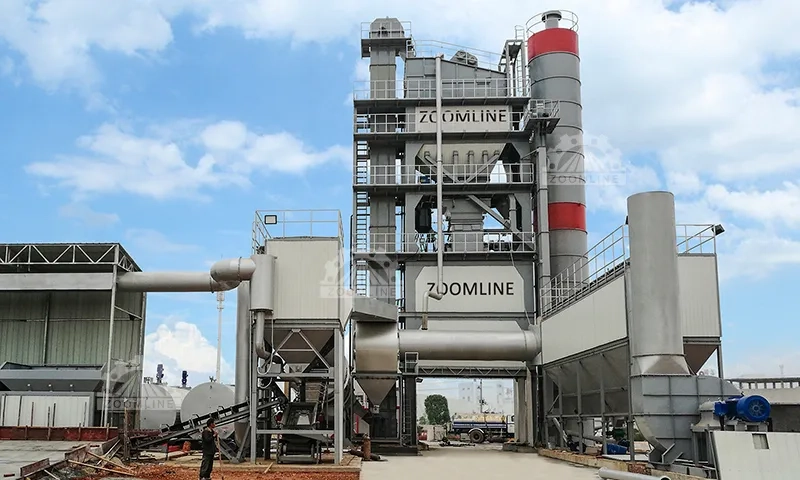
Working Principle of the Mobile Asphalt Plant
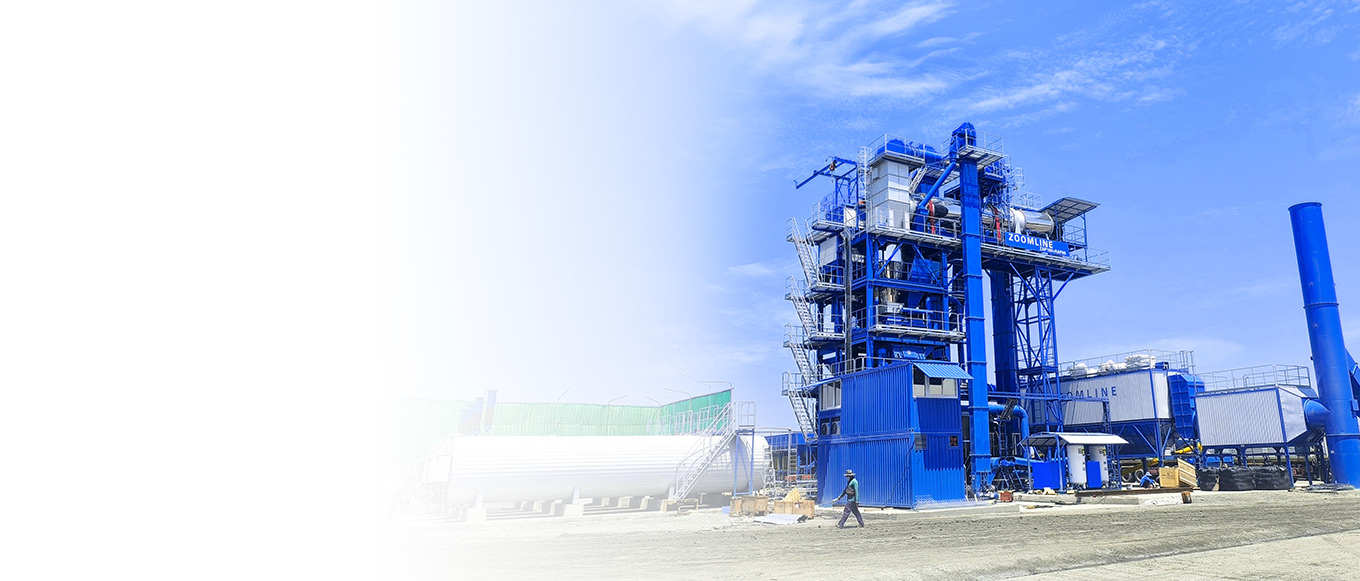
Although mobile asphalt mixing plants are designed for flexible relocation, their internal asphalt mixture production process remains consistent with that of traditional stationary plants, ensuring a mature and stable production process. The complete system consists of core components such as a continuous cold aggregate supply system, a material drying and heating system, an intelligent combustion heating unit, a hot material lifting and conveying mechanism, multi-layer vibrating screening equipment, a precise material weighing system, a forced-action mixing system, and a finished asphalt storage silo. Modern mobile asphalt plants can achieve fully automated, continuous batching, mixing, and discharge, consistently producing various types of asphalt mixtures that meet construction standards.
What is the difference between a Mobile Batch Mix Plant and a Drum Mix Plant?
| Feature | Mobile Batch Mix Plant | Mobile Drum Mix Plant |
| Mixing Type | Batch (precise) | Continuous (high output) |
| Proportioning Accuracy | Very high (ideal for SMA, high-grade roads) | Moderate |
| Best Applications | Highways, airports, high-standard projects | Rural roads, municipal, basic maintenance |
| Cost & Complexity | Higher | Lower, simpler operation |
| Zoomline Example | High-performance batch series | Cost-effective drum series |
Currently, the mainstream mobile asphalt mixing plants on the market are primarily divided into two major technical categories: batch-type and continuous-type. Each has its own specific applications and equipment performance characteristics.
The core advantage of the Mobile Batch Mix Plant lies in its extremely high precision in material proportioning. It can flexibly switch between various asphalt production formulas to meet different construction requirements, satisfying the material standards for high-grade road construction. The produced asphalt mixture is uniformly blended, with stable and reliable product quality, making it widely suitable for the production of high-end materials such as SMA modified asphalt and asphalt for high-standard highway pavements. The only drawback is that the overall equipment structure is relatively complex, and the procurement and operating costs are relatively high. ZOOMLINE’s mobile batch asphalt mixing plant is a prime example of this type of high-performance equipment.
The Mobile Drum Mix Plant features continuous, uninterrupted output as its core characteristic. The equipment has a simple and compact overall design, delivers stable and consistent output, has low procurement costs, and offers simple and convenient daily operation and maintenance. It is highly suitable for construction projects on ordinary rural roads, conventional municipal roads, and small-to-medium-sized basic road infrastructure. However, its disadvantage is limited flexibility in adjusting material ratios, making it difficult to meet the production requirements for high-standard specialty asphalt.
The Relationship Between Mobile Asphalt Plants and Road Milling Systems
Modern road maintenance projects have long moved beyond the model of single-equipment independent operations, evolving into an integrated construction system where various types of engineering equipment work in coordinated synergy. The entire standardized construction process is clear and comprehensive:
- Milling: Road milling machine removes damaged layers and collects RAP on-site.
- Processing: RAP is crushed and screened.
- Mixing: Mobile asphalt plant produces recycled mixtures (high RAP ratio).
- Paving & Compaction: Paver and roller complete the surface.
This integrated construction workflow has become the most mainstream construction model in the current road maintenance sector.
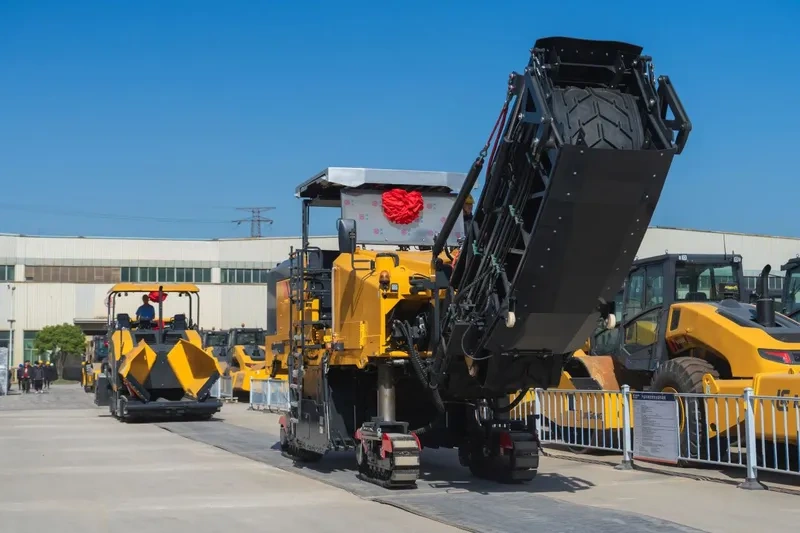
Why RAP Recycling Increasingly Relies on Mobile Equipment
With the widespread adoption of green and low-carbon construction concepts, the road industry is vigorously promoting the recycling and reuse of RAP (Recycled Asphalt Pavement).Mobile plants excel in RAP recycling by minimizing transport distance of milled material. Modern units support high RAP addition ratios (30-50% or more) with dedicated heating and rejuvenation systems, reducing virgin material use and CO₂ emissions.Mobile asphalt mixing plants have thus become the preferred equipment for producing recycled asphalt. Since mobile equipment can be deployed directly adjacent to the milling site, it significantly reduces the transportation distance for waste milled material, minimizes material loss and performance degradation during transit, and comprehensively enhances the overall efficiency of recycled asphalt processing. Most of the newly upgraded mobile asphalt mixing plants now come equipped with dedicated systems for adding recycled materials, enabling the smooth production of mixtures with high proportions of RAP (Recycled Asphalt Pavement). The production of recycled asphalt mixtures with high recycled content will also become a core direction for future upgrades and development of mobile asphalt plants.
How to Choose the Right Mobile Asphalt Plant
When selecting and purchasing a mobile asphalt mixing plant, construction companies must comprehensively evaluate multiple key factors in light of the project’s actual construction conditions. First, select a model based on the project’s overall scale: for large-scale projects such as long-distance highway maintenance or extensive road rehabilitation, prioritize high-capacity, large-scale mobile asphalt plants; for small-scale repair projects on urban municipal side streets or rural county and township roads, small-to-medium-sized portable models will suffice. Second, the decision should account for the frequency of site relocation. The more frequently project locations change, the more important it is to prioritize models with high modular integration, simple disassembly and assembly, and convenient whole-vehicle transportation. Additionally, consider on-site recycling requirements: if the project involves large-scale blending of recycled milled material (RAP), carefully verify the equipment’s RAP feeding structure, dedicated recycling heating drum, and the actual load-bearing capacity of the intelligent temperature control system. Finally, select equipment based on local energy availability. Mainstream mobile asphalt plants are compatible with various fuels, including diesel, heavy fuel oil, natural gas, and pulverized coal. By evaluating local fuel procurement costs and supply conditions, choose equipment that uses the most suitable fuel type to effectively control long-term energy consumption costs.
Future Trends in Mobile Asphalt Plants
Looking at the overall development of the industry, mobile asphalt mixing plants will continue to undergo upgrades and innovations in multiple directions in the future. In terms of intelligent control, these plants will be fully equipped with smart automatic batching systems, AI-powered precision temperature control systems, remote equipment operation and maintenance monitoring systems, and production data statistics management systems. By leveraging digital technology, they will enhance the stability and precision of the entire asphalt mixture production process. Regarding mobility, the industry will fully adopt fully containerized integrated designs and trailer-mounted modular structures, further simplifying on-site assembly processes. This will enable immediate production upon arrival, significantly reducing on-site construction preparation time. In terms of green and energy-efficient operations, the company vigorously promotes warm-mix asphalt production technology, high-proportion recycled asphalt blending technology, and low-energy-consumption eco-friendly combustion systems. These measures reduce overall carbon emissions from road construction at the source, aligning with the requirements for green infrastructure development.
Looking at the global infrastructure market, demand for new road construction and maintenance projects continues to surge in overseas regions such as Africa, Southeast Asia, and the Middle East. Most of these overseas projects are characterized by dispersed construction sites, flexible schedules, and inadequate infrastructure support. Mobile asphalt mixing plants, with their high mobility and rapid deployment capabilities, are perfectly suited to local construction conditions, and global demand in these overseas markets is expected to continue rising steadily.
Conclusion
The core industry value of the Mobile Asphalt Plant extends far beyond the superficial advantage of equipment mobility. Its deeper significance lies in its complete revolutionization of the outdated, centralized production model for road asphalt materials, driving the road maintenance industry toward a new operational paradigm of flexible, on-site production.
A full suite of engineering equipment—including road milling machines, RAP (Recycled Asphalt Pavement) recycling systems, mobile asphalt plants, and asphalt paving and compaction equipment—works in concert to establish a modern, eco-friendly, intelligent, and efficient end-to-end road maintenance construction system. Looking at the road engineering industry as a whole, the trends toward mobile equipment, recycled materials, and low-carbon construction have become irreversible mainstream developments and will continue to drive the steady, high-quality growth of the global road maintenance industry.
Zoomline’s integrated solutions — combining road milling machines, RAP recycling systems, and mobile asphalt plants — deliver a complete, efficient, and sustainable road maintenance system. Contact us to find the right mobile asphalt plant for your project.