




How Is Asphalt Recycled from Road Milling Waste?
RAP (Reclaimed Asphalt Pavement) recycling is transforming road maintenance worldwide. Instead of the traditional ‘tear-out and discard’ approach, modern projects mill old asphalt layers and reuse up to 70-100% of the material. This reduces project costs by 20-40%, lowers CO₂ emissions, conserves virgin aggregates, and supports sustainable infrastructure.
What is RAP?
RAP stands for Reclaimed Asphalt Pavement. It is the milled material obtained from road milling machines during pavement rehabilitation. RAP typically contains aged asphalt binder, coarse aggregates, and fine aggregates. Despite aging, it retains high reuse value, making it the core raw material for asphalt recycling.
Why is RAP Recycling becoming increasingly important?
In the past, much of the old asphalt material was simply discarded, resulting not only in a waste of resources but also causing environmental pollution. However, with the continuous rise in global asphalt prices, the dwindling supply of aggregate resources, the strengthening of environmental policies, and the increasing demands for carbon emission reduction, the global road industry has begun to widely promote RAP Recycling technology, and its importance is becoming increasingly evident. First, RAP recycling effectively reduces project costs. Since RAP already contains asphalt and aggregates, it can be professionally processed and reused to produce new asphalt mixtures. This means contractors can reduce the procurement of new aggregates, lower the consumption of new asphalt, and cut transportation costs for both waste materials and new materials. For large-scale projects like major highways, these cost savings are particularly significant. Second, it significantly reduces carbon emissions. Traditional asphalt production involves multiple energy-intensive and high-emission processes, such as aggregate extraction, high-temperature heating, and long-distance transportation. In contrast, RAP recycling substantially reduces the consumption of new materials, lowers fuel usage, and minimizes the generation of construction waste. Consequently, many countries have incorporated RAP utilization rates into the core standards for green road construction. Furthermore, RAP recycling enhances resource utilization. Asphalt pavement is actually one of the construction materials with the highest global recycling rates. The modern road industry has gradually established a complete circular construction system—“old pavement → recycling → regeneration → new pavement”—ensuring that every unit of road material realizes its full value.
The Complete RAP Recycling Process
The modern RAP recycling process includes several precise steps: road milling, material collection & transportation, crushing & screening, and final mixing.
- Road Milling: Milling machines remove the damaged layer and generate RAP.
- Collection & Transportation: Conveyor systems load material directly onto trucks; sealed transport prevents dust and loss.
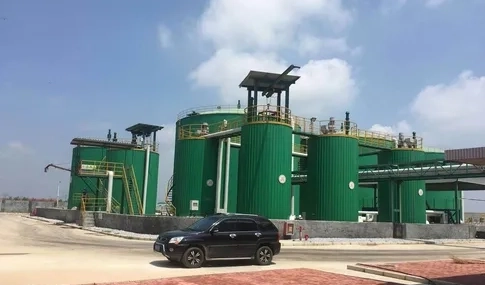
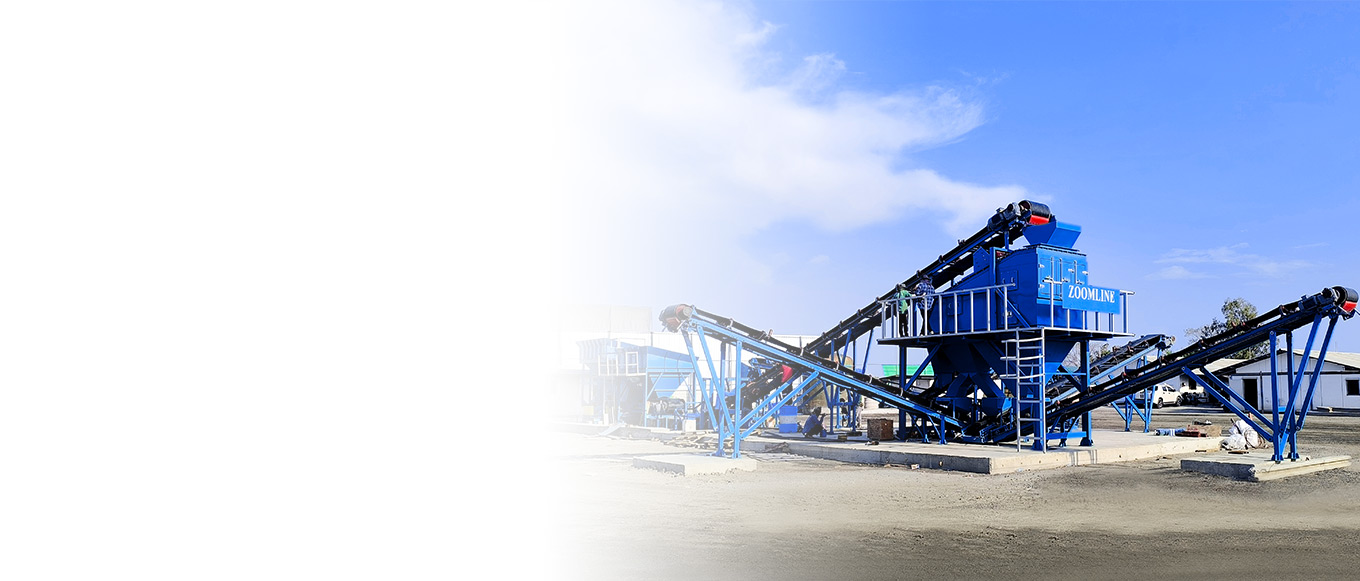
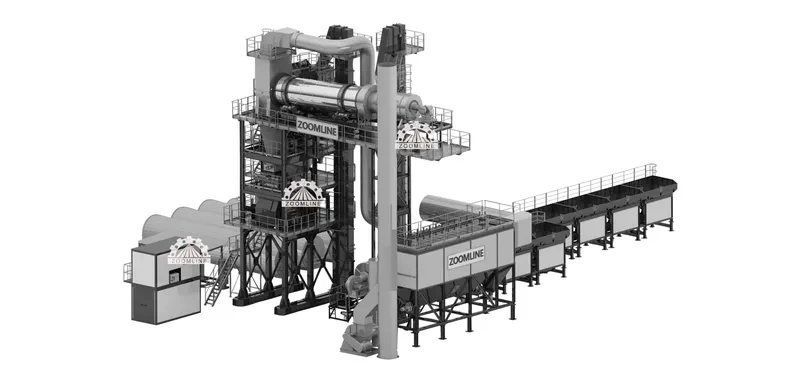
- Crushing & Screening: Breaks clumps, removes impurities, and grades particles for uniform quality (ZOOMLINE RAP-C plant is designed for this stage).
What Are the Core Components of RAP Recycling?
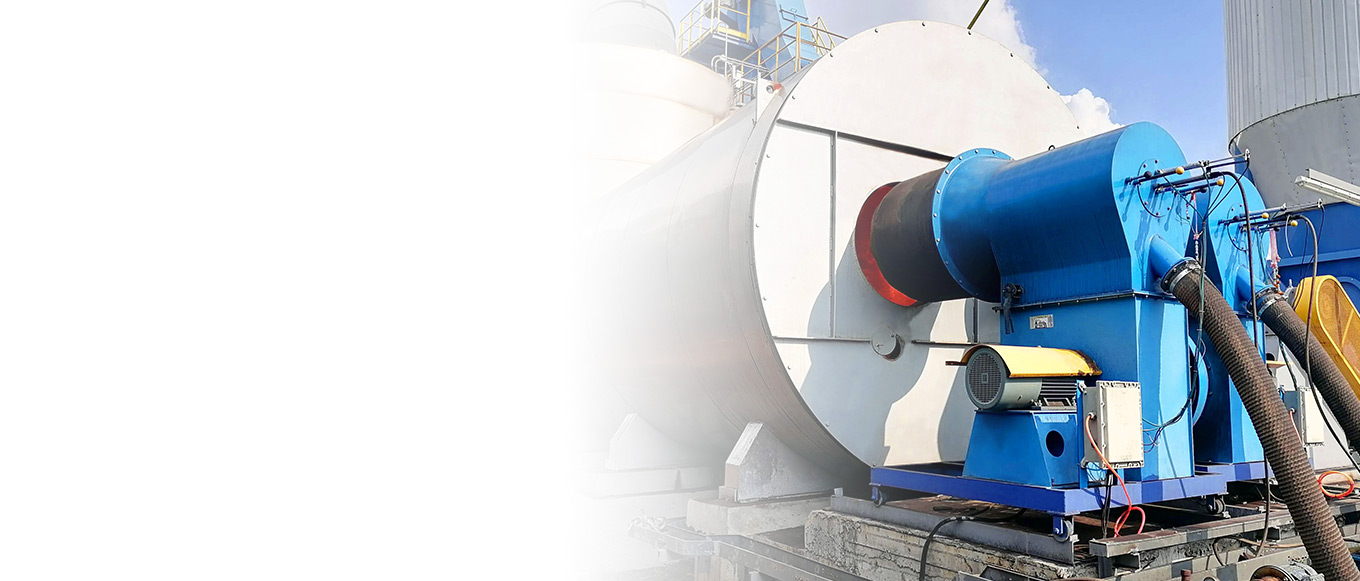
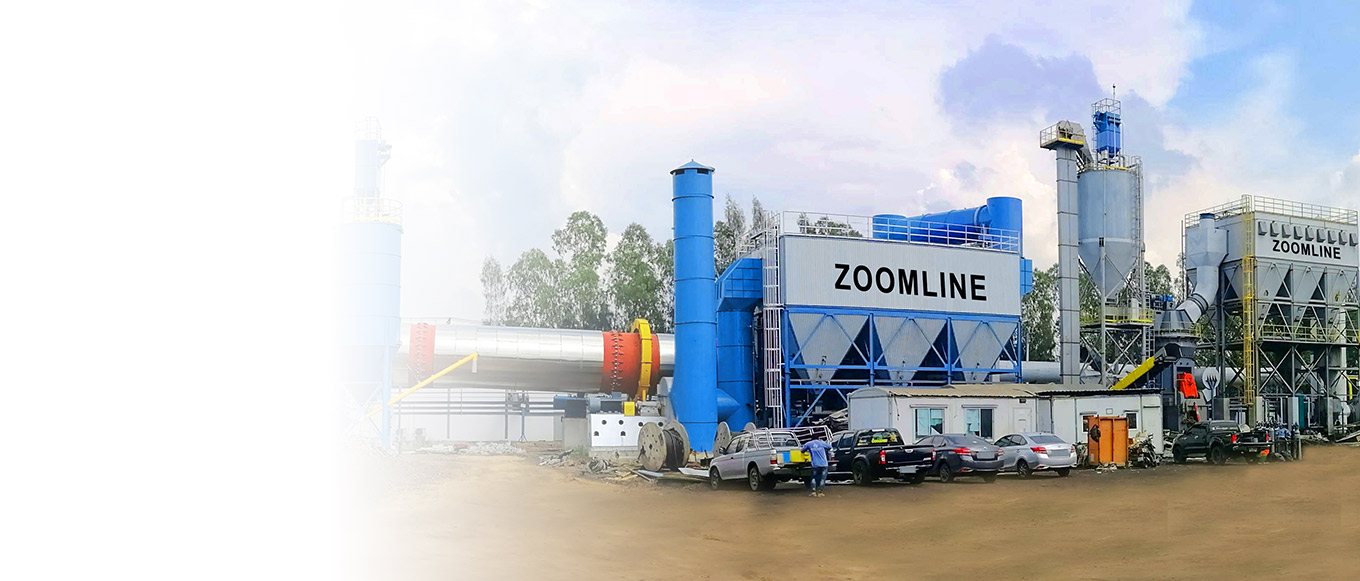
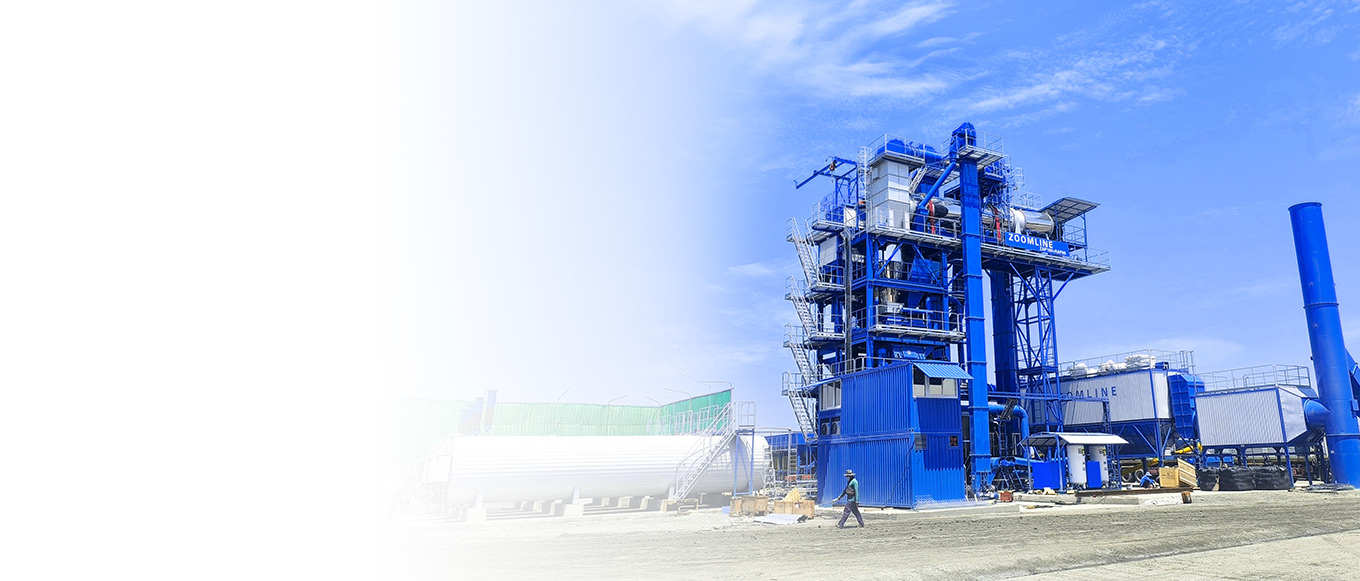
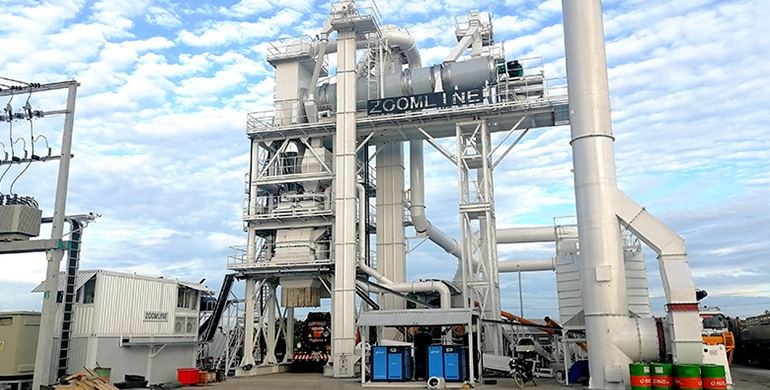
The efficient operation of modern recycled asphalt systems relies on the coordinated interaction of various core components. Each component performs a specific function to collectively ensure the quality and production efficiency of recycled asphalt. These primarily include the RAP crushing system, RAP storage system, recycling heating system, and recycled asphalt mixing plant. The primary function of the RAP crushing system is to break up clumped RAP material, control the material gradation, and improve material uniformity. The effectiveness of this processing step directly determines the quality of the final asphalt mixture; only RAP material that has been thoroughly crushed and screened can blend effectively with new material. The RAP storage system is primarily used to sort and store processed RAP material while controlling its moisture content. It ensures a continuous feed to subsequent production stages, preventing construction delays caused by supply interruptions and guaranteeing the continuity of the recycling process. The recycling heating system addresses the issue of aged asphalt in RAP. Through indirect heating, hot air circulation, and recycling drums, it gently heats the RAP material. This process restores the asphalt’s activity while minimizing material damage and preventing secondary aging caused by overheating. The recycling asphalt mixing plant is the core of the entire recycling system. Modern recycling asphalt plants are not only capable of producing standard asphalt mixtures but can also incorporate high proportions of RAP material. Through automated control systems, they precisely regulate material proportions and adjust the dosage of rejuvenators to ensure the performance of the recycled asphalt mixture meets construction standards. For example, the ZOOMLINE Recycling Asphalt Plant is a typical modern hot recycling facility capable of efficiently completing RAP recycling and mixing operations.
What is the difference between hot recycling and cold recycling?
| Aspect | Hot Recycling | Cold Recycling |
| Temperature | High temperature | Ambient temperature |
| Typical Use | Surface layers (high-grade roads) | Base layers, low-grade roads |
| Performance | High strength, excellent quality | Lower strength |
| Cost & Energy | Higher energy use | Lower cost, more energy-efficient |
| Equipment Needs | More complex | Simpler |
RAP recycling is primarily divided into two major technical approaches: hot recycling and cold recycling. These two methods have distinct characteristics, applicable scenarios, and advantages and disadvantages. Contractors select the appropriate recycling method based on project requirements, pavement grade, and other factors. Hot recycling is currently the most mainstream recycling method in the industry. Its core feature involves heating RAP material to high temperatures and then remixing it with fresh asphalt and fresh aggregate. The recycled asphalt mixture produced by this method offers superior performance and is suitable for surface course construction on high-grade roads. The advantages of hot recycling are significant: the recycled asphalt produced has high strength and consistent quality, meeting the performance requirements of high-grade roads such as expressways. However, its disadvantages include relatively high energy consumption, more stringent technical requirements for equipment, and substantial upfront capital investment in machinery. Cold recycling is typically used for road base course construction. It is characterized by being performed at ambient temperatures, without the need to heat RAP material to high temperatures. Instead, binding agents such as emulsified asphalt or cement are added to the RAP material, which is then mixed thoroughly before being laid and compacted. The advantages of cold recycling include energy efficiency and environmental friendliness, as it does not require large amounts of fuel for heating, resulting in lower construction costs. The disadvantage is that the recycled material produced has limited strength and cannot meet the requirements for the surface course of high-grade roads; it is only suitable for base courses or the repair of low-grade roads.
Why Is the RAP Addition Ratio Important?
In the RAP recycling process, the RAP addition ratio is a critical parameter that directly determines the extent of cost savings, the complexity of the recycling process, and the final performance of the pavement. Different addition ratios correspond to different technical requirements and suitable applications. Typically, within the industry, a RAP addition ratio of 20%–30% is considered standard. The recycling process at this ratio is relatively simple, with lower requirements for equipment and technical expertise, allowing for certain cost savings while ensuring pavement performance. A ratio of 40%–50% is classified as high-ratio recycling, which can significantly reduce project costs but places much higher demands on the recycling process and equipment. Addition ratios exceeding 50% constitute ultra-high-ratio recycling, which demands extremely high precision and temperature control capabilities from the equipment. Currently, this is applied only in a small number of high-end recycling projects. The challenges of high-proportion RAP recycling primarily focus on three aspects: restoring the performance of aged asphalt, controlling temperatures during production, and ensuring uniform material mixing. Therefore, achieving high-proportion recycling often requires specialized recycling drums, intelligent temperature control systems, and precise metering systems to ensure the quality of the recycled asphalt meets standards.
Why Are Mobile Asphalt Plants Becoming Increasingly Suitable for RAP Recycling?
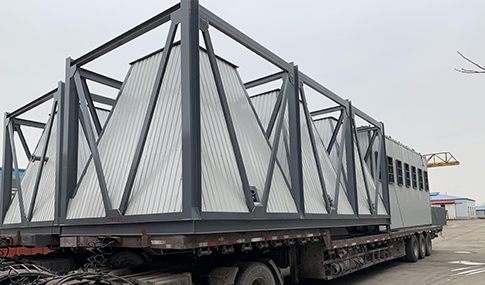
In recent years, many road maintenance projects have begun adopting Mobile Asphalt Plants to replace traditional fixed asphalt mixing plants for RAP recycling operations. This shift is primarily driven by the characteristics of current road maintenance projects and the advantages of mobile equipment. Currently, road maintenance projects are characterized by dispersed work sites, frequent relocation for highway projects, sensitivity to RAP transport distances, and an increase in temporary maintenance projects. Traditional fixed asphalt mixing plants are stationary, resulting in long transport distances for RAP materials and recycled mixtures. This not only increases transportation costs but may also lead to material loss and performance degradation. In contrast, mobile equipment can be quickly installed and relocated, allowing production to take place directly adjacent to the construction site. This significantly reduces transportation costs for RAP materials and recycled mixtures, minimizes material loss, and enables flexible adaptation to maintenance projects at different locations, thereby improving construction efficiency. Particularly for the integrated “milling-recycling-repaving” road maintenance model, mobile asphalt plants enable on-site milling, on-site recycling, and on-site paving, forming a complete closed-loop construction process that significantly shortens construction schedules and improves maintenance efficiency. For example, the ZOOMLINE Mobile Asphalt Plant is a typical mobile road maintenance device that perfectly adapts to the diverse requirements of RAP recycling scenarios.
Mobile asphalt plants are ideal for RAP recycling in dispersed maintenance projects. They enable on-site ‘mill-recycle-pave’ operations, reducing transport distance and material degradation while shortening project timelines
Future Trends in RAP Recycling
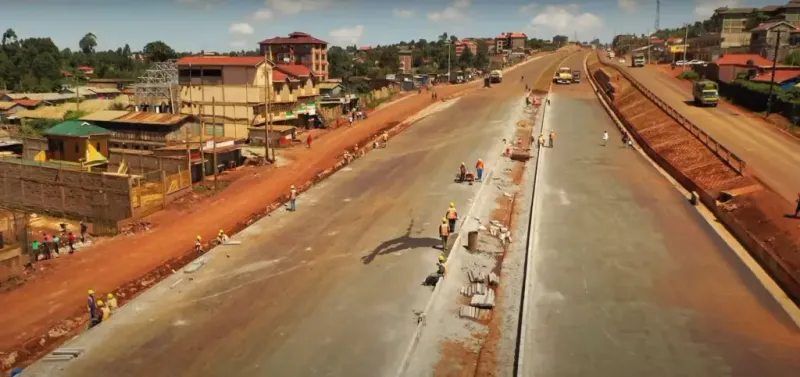
As global green infrastructure continues to advance and environmental awareness becomes deeply ingrained, RAP recycling technology is rapidly evolving. Future industry development will focus on three key areas: higher RAP content, intelligent control, and low-carbon construction. Regarding higher RAP content, the industry is shifting from the current mainstream 30% RAP ratio toward high-content recycling exceeding 50%. This requires more advanced recycling technologies and equipment to overcome technical challenges such as the restoration of aged asphalt and the control of material uniformity. Regarding intelligent control systems, future recycling plants will increasingly rely on AI-driven mix design, smart temperature control, and automated quality monitoring systems. By leveraging digital technologies, they will achieve precise control over the recycling process, reduce human operational errors, enhance the consistency of recycled asphalt quality, and enable refined production. In the realm of low-carbon road construction, RAP recycling has become an integral part of green road engineering. Many countries are actively promoting the application of warm-mix asphalt technology and low-energy-consumption recycling technologies, strictly controlling carbon emissions during the recycling process to achieve sustainable development in road engineering.
Conclusion
RAP recycling is not merely a simple form of material recovery; it embodies the development philosophy of the modern road industry. It represents the direction of resource recycling, low-carbon construction, smart manufacturing, and sustainable infrastructure development, serving as a crucial pathway for the road industry’s green transformation. In the future, the competitiveness of road engineering will increasingly depend on who can utilize RAP resources more efficiently and who can master more advanced recycling technologies. Core equipment such as road milling machines, RAP crushing systems, recycled asphalt mixing plants, and mobile asphalt plants are collectively building a new generation of green road construction systems, driving the industry toward greater environmental friendliness, efficiency, and sustainability. How recycled materials are reintroduced into asphalt production and scientifically blended with new materials will be further analyzed in subsequent articles.->Advantages of Mobile Asphalt Plants in Road Maintenance Projects
Effective RAP recycling requires integrated solutions — from high-precision road milling machines to advanced recycling plants. Zoomline provides complete equipment lines for milling, RAP crushing, and mobile/hot recycling plants to help contractors achieve greener, more cost-effective road maintenance.