Installation Key Points
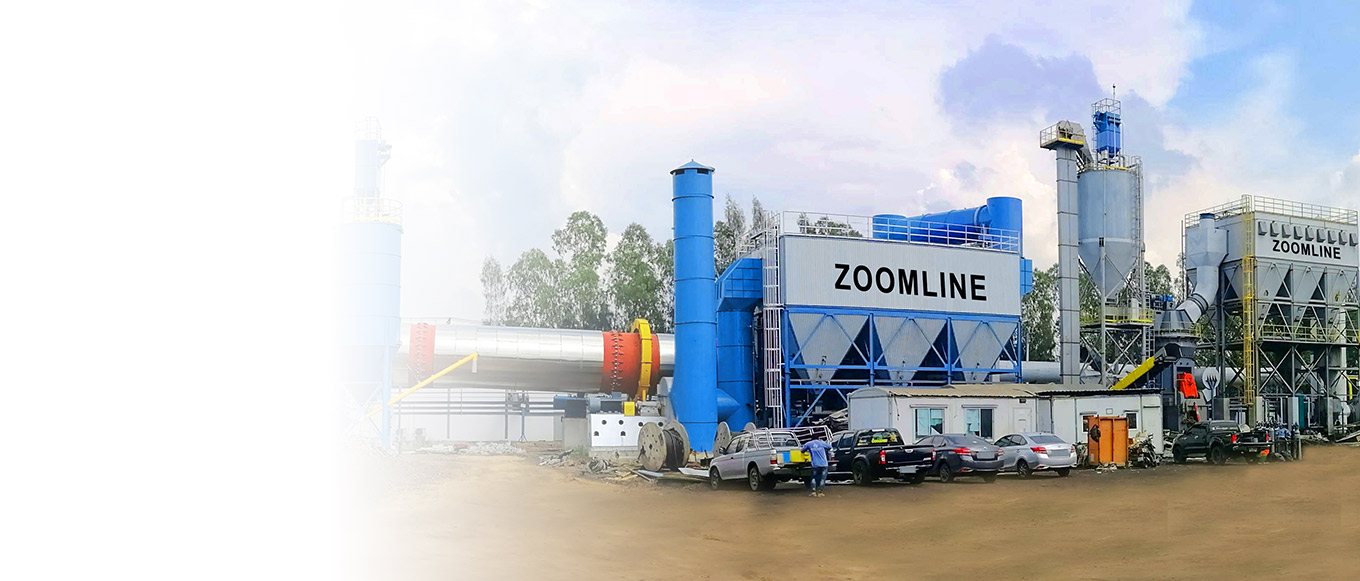
Site Preparation: Choose a flat, firm site, away from residential areas, ensuring sufficient space for equipment placement and transportation access. Proximity to raw material suppliers such as aggregates and asphalt will reduce logistics costs.
Foundation Construction: Pour the concrete foundation according to the drawings provided by the equipment manufacturer, ensuring the foundation can withstand the weight of the equipment and operational vibrations to prevent later settlement.
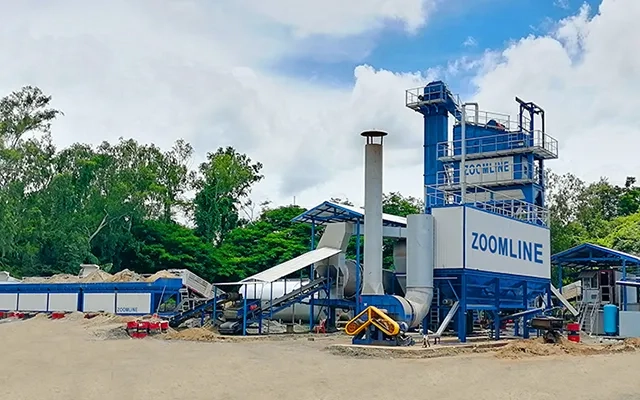
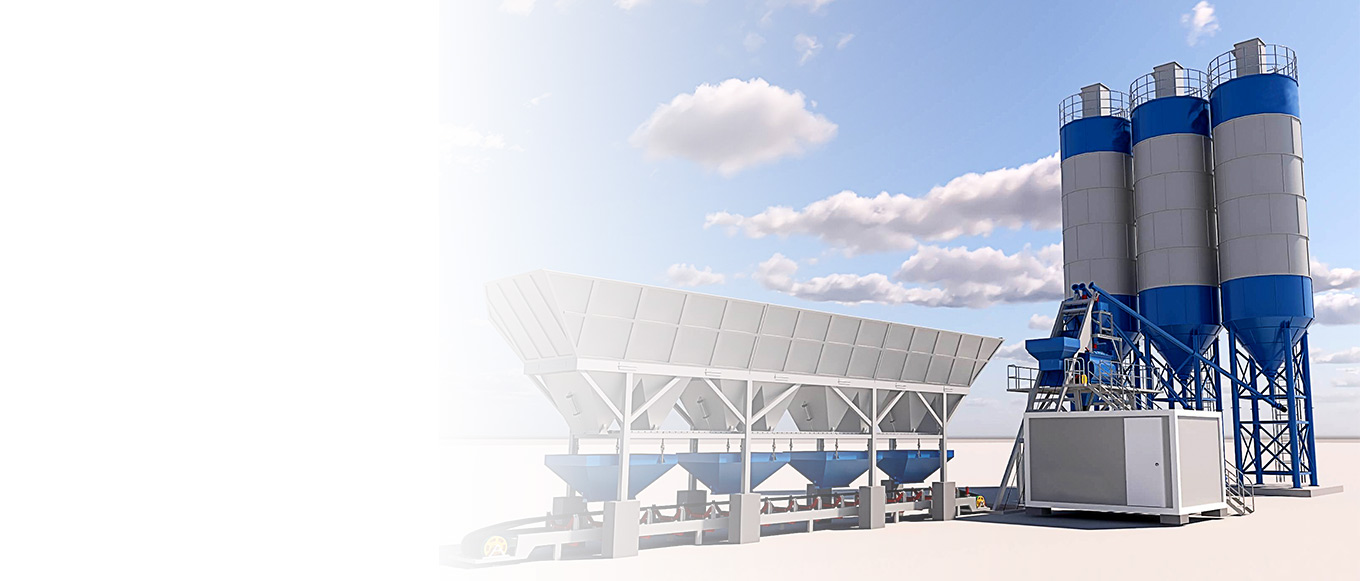
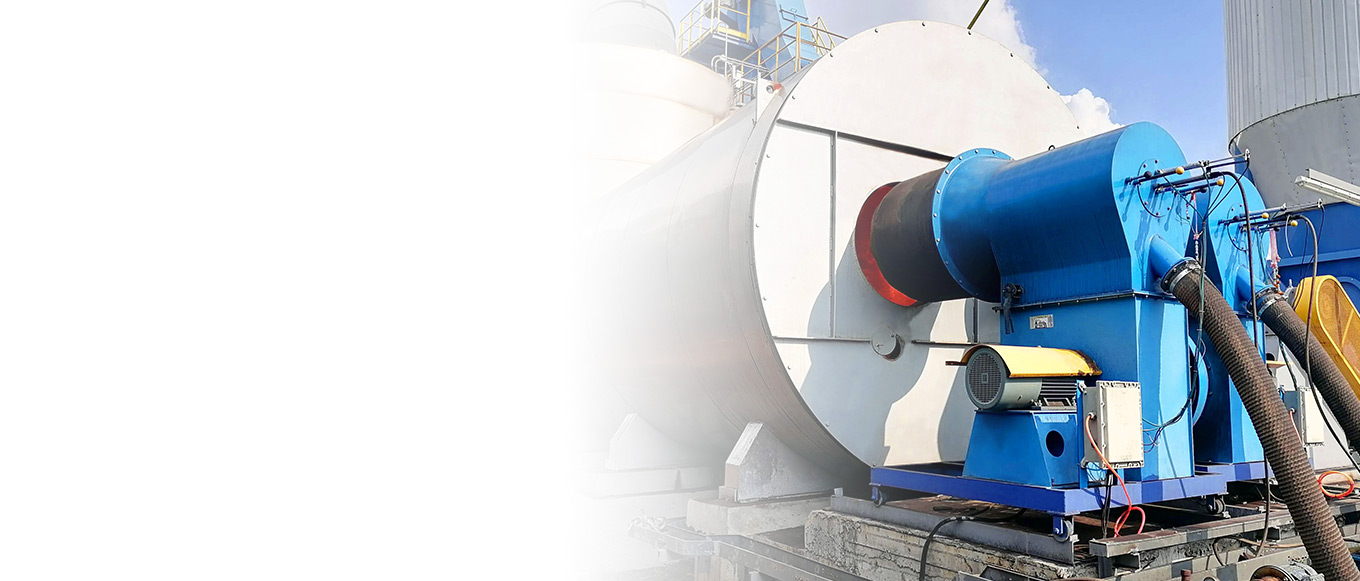
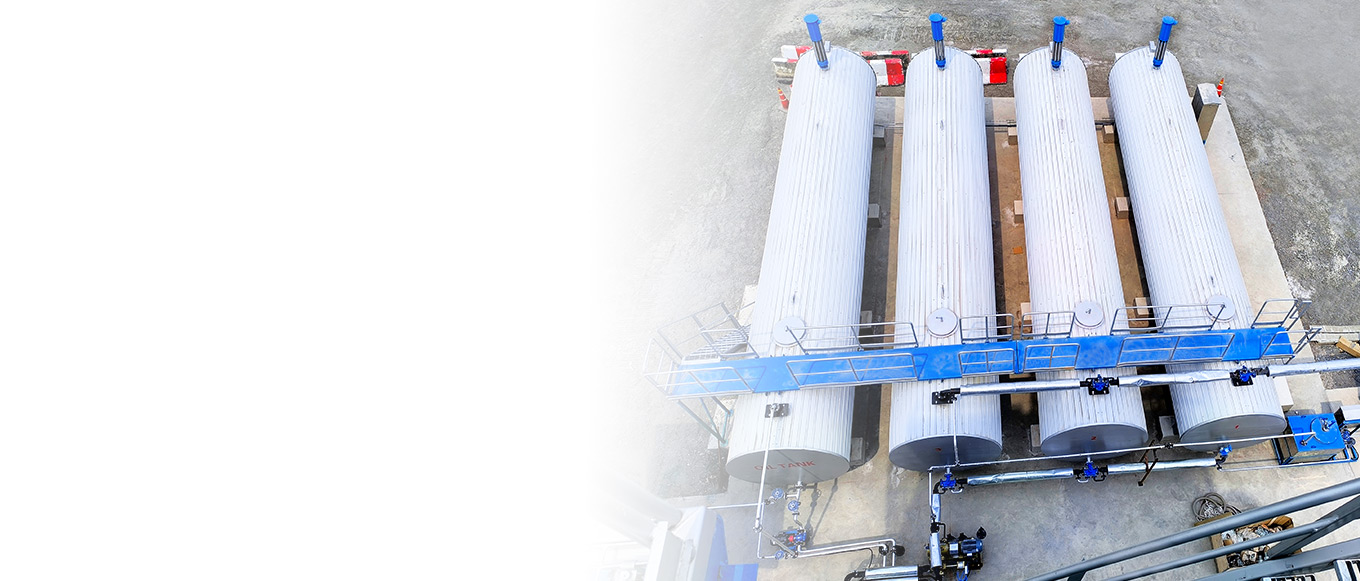
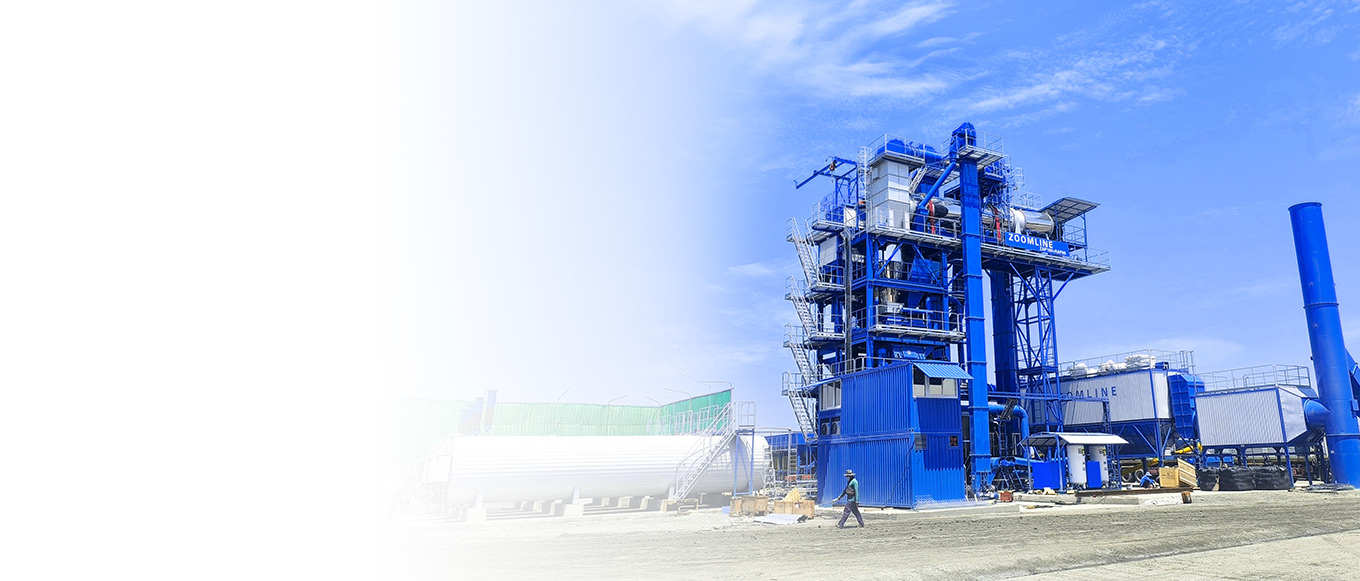
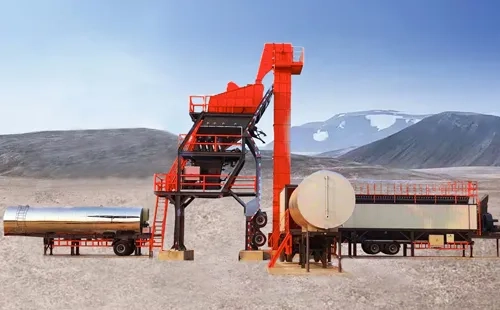
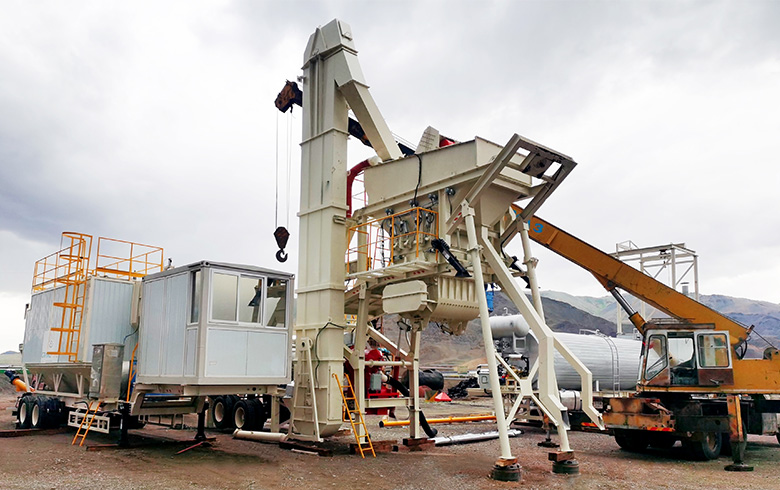
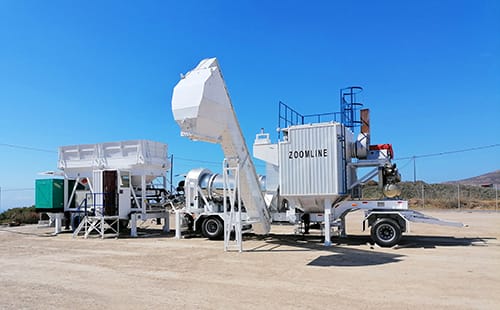
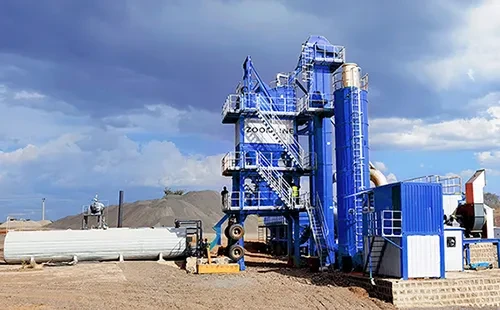
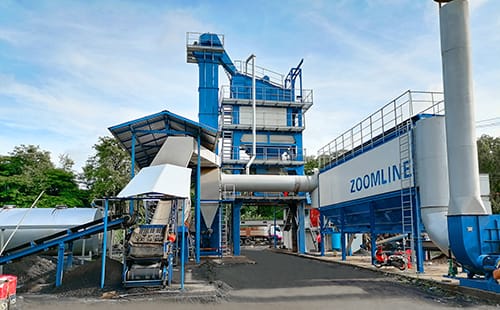
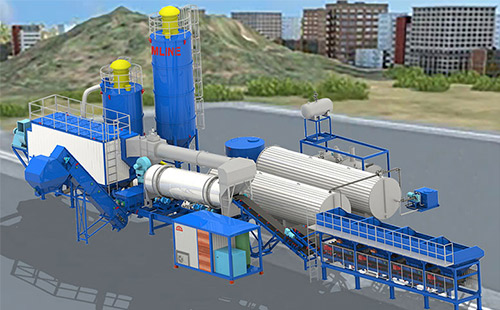
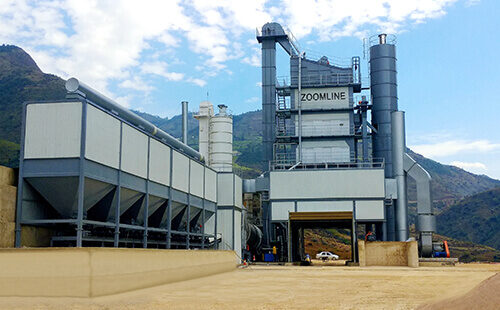
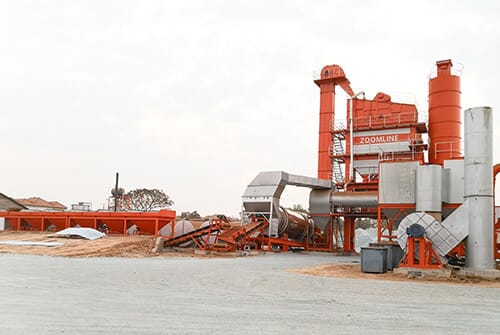
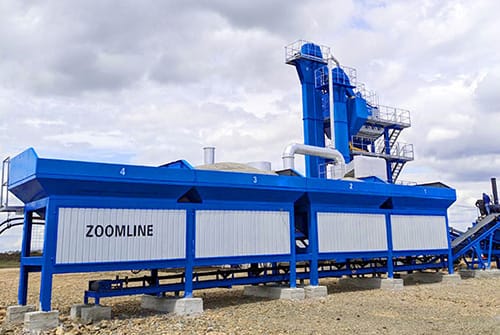
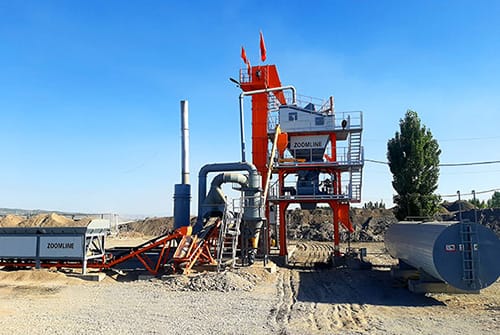
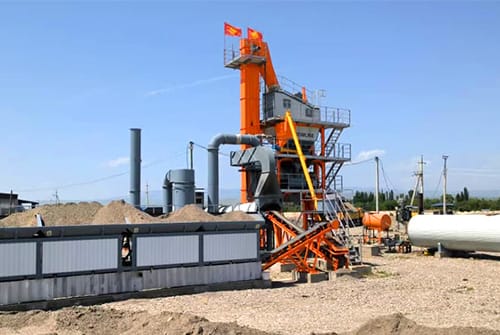
Equipment Installation: First install the main unit (drying drum, mixer, hot aggregate silo), then install the cold aggregate supply unit, conveyor belt, asphalt storage tank, dust collector, and other auxiliary equipment in sequence, ensuring all components are securely connected and well-sealed.
Electrical and Piping Connections: Connect wires strictly according to the circuit diagram, checking circuit insulation; connect asphalt, heat transfer oil, and other pipelines, ensuring no leaks and properly insulating the pipelines.
Commissioning Procedure
No-load Commissioning: Without material flow or heating, start the equipment and check the rotation and transmission of each component for normal operation, the sensitivity of the control system, and any abnormal noise.
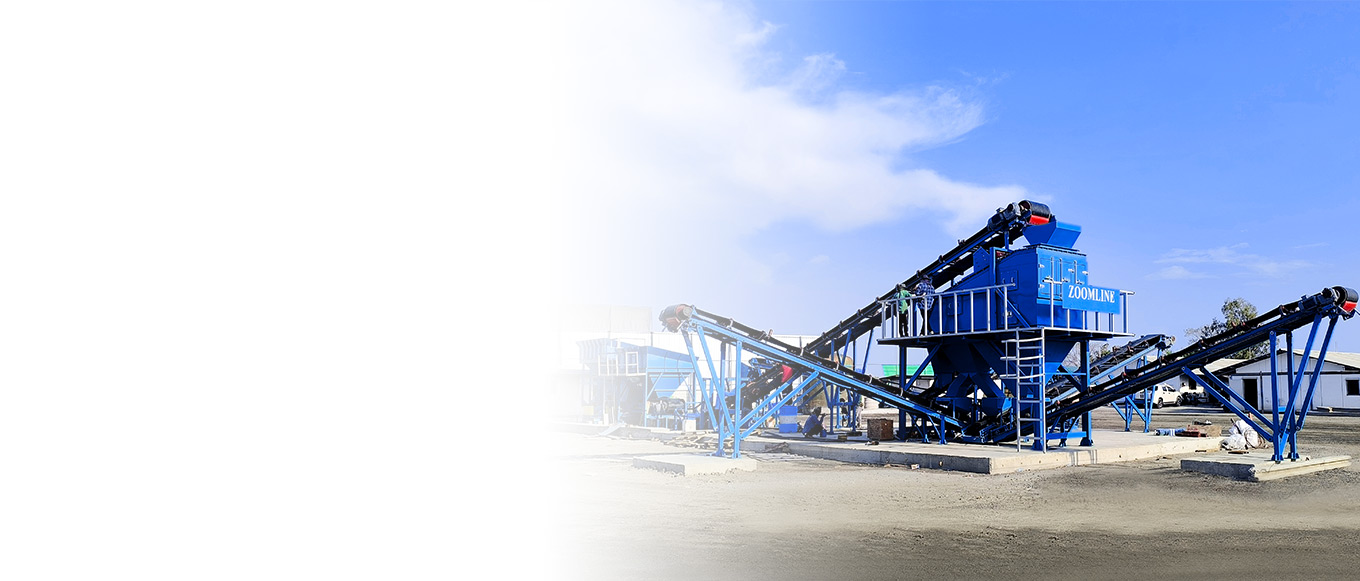
Cold-state Commissioning: Add aggregate and test the smoothness of the cold aggregate supply, screening, and conveying processes, and verify the accuracy of the weighing system.
Hot-state Commissioning: Start the burner to heat the aggregate and asphalt, mix according to the trial production formula, and check the temperature and uniformity of the mixture to ensure they meet requirements. Adjust the control system parameters to optimal conditions.
Daily Maintenance and Repair
Asphalt mixing plants are large-scale mechanical equipment. Regular maintenance is crucial for ensuring stable operation and extending service life. Core maintenance items are as follows:
Lubrication System Maintenance
Regularly check the oil levels of key components such as the reducer and bearings to ensure adequate lubrication; change the gear oil every 500 working hours (use 220# in summer and 150# in winter); apply high-temperature (≥200℃) grease to the mixer shaft end weekly.
Wear Parts Replacement Management
Inspect the vibrating screen every 3 months; replace it immediately if the hole deformation exceeds 5%. Clean the burner nozzles quarterly; replace them promptly if severely worn. When the mixing blades wear down to 1/3 of their original thickness, replace the entire set of blades to prevent uneven mixing.
Cleaning Procedure
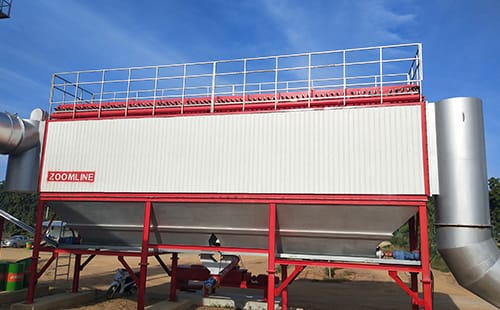
After each workday, remove residual asphalt from the mixer using a specialized cleaning agent. Clean the bag filter cartridges weekly using a backflushing method to ensure dust removal efficiency. After each shift, clean the accumulated material under the aggregate conveyor belt to prevent blockage.
Transmission System Inspection
Check the motor belt tension daily (10-15mm deflection is ideal). Measure the chain elongation monthly; adjust if it exceeds 3%. Replace the coupling buffer pad every 6 months.
Heating System Maintenance
Test the heat transfer oil acidity monthly; replace it if the pH value is below 7. Check the flame sensor sensitivity daily to ensure stable heating. Inspect the drying drum insulation layer annually; replace it entirely if more than 20% is damaged.
Electrical System Maintenance
Tighten high-current contactor terminal connections weekly to prevent poor contact; calibrate temperature and pressure sensors monthly, controlling the error within ±1%; clean PLC control cabinet dust quarterly with anti-static tools to prevent short circuits.
Comprehensive Overhaul
Perform a mid-level overhaul every 2000 operating hours, replacing all seals; conduct a system inspection before each construction season, including steel structure flaw detection; establish a record of critical component replacements, tracking cumulative operating hours to predict replacement times in advance.
Special Precautions
High-voltage circuits, high-altitude operations, and other hazardous maintenance must be performed by certified personnel; equipment modifications must be carried out under the guidance of the manufacturer’s technical personnel to avoid affecting the warranty; it is recommended to introduce a preventive maintenance management system (PMS) for intelligent maintenance reminders.