




Find The Hot Mix Asphalt Plant Near Me
When undertaking road construction, municipal renovation, and highway construction projects, a reliable, nearby hot-mix asphalt plant is key to ensuring construction quality, meeting deadlines, and controlling costs. Many construction teams and contractors search for nearby hot mix asphalt plants, local asphalt mixing suppliers, and nearby asphalt mixing equipment manufacturers at the start of a project, hoping to quickly find a partner that meets their specific needs.
However, asphalt mixing plants on the market vary widely in specifications, production capacity, and environmental and quality standards. Blindly selecting a asphalt plant can easily lead to issues such as unstable mix quality, untimely delivery, failure to meet environmental standards, and excessive transportation losses. This article will provide a comprehensive guide to selecting the right local hot-mix asphalt plant, covering topics such as the basics of hot-mix asphalt, the core structure of mixing plants, methods for locating nearby facilities, key selection criteria, and the appropriate applications for different equipment types.
What Is Hot-Mix Asphalt (HMA)?
Hot-mix asphalt (HMA) is the most widely used paving material in road engineering. It is an asphalt mixture produced by heating and blending various raw materials in precise proportions. It offers advantages such as high strength, good smoothness, strong wear resistance, and a long service life, making it suitable for various projects including rural roads, municipal roads, highways, and airport runways.
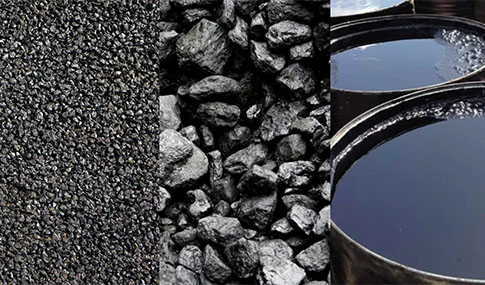
Core Raw Materials for Hot-Mix Asphalt
The foundation of high-quality HMA mix lies in standardized raw material proportions. The four core raw materials are all indispensable, and the precision of their proportions directly determines the quality of pavement construction:
Aggregates
These include coarse and fine aggregates such as crushed stone and gravel. They form the skeleton of the mixture and determine the pavement’s load-bearing capacity and wear resistance.
Asphalt
The core binding material, responsible for bonding the various aggregates together, ensuring the pavement’s integrity and water resistance.
Mineral Powder Filler
Fills the voids between aggregates, optimizes the mixture’s density, and enhances pavement stability.
Additives
Modifiers, anti-stripping agents, and other additives are incorporated based on project requirements to improve the asphalt’s high- and low-temperature performance and adapt to complex construction environments.
Production Temperature Standards and Their Critical Importance
Temperature is a core control parameter in the production, transportation, and paving of hot-mix asphalt. Loss of temperature control can directly lead to quality issues such as surface sanding, cracking, and bonding failure.
Conventional hot-mix asphalt production maintains a stable temperature range: aggregate heating is typically 160–180°C, asphalt heating is 150–160°C, and the mix’s dispatch temperature is controlled at 150–165°C. For modified asphalt applications, aggregate heating must reach 170–190°C, and the dispatch temperature must not fall below 160°C.
The transportation and paving stages also impose strict temperature requirements. Excessively long transport distances or inadequate thermal insulation can cause the mixture temperature to drop sharply, resulting in insufficient compaction and poor adhesion after paving. Therefore, selecting a nearby asphalt mixing plant is a crucial prerequisite for ensuring stable mixture temperature and meeting construction quality standards.
Core Components of a Hot-Mix Asphalt Plant
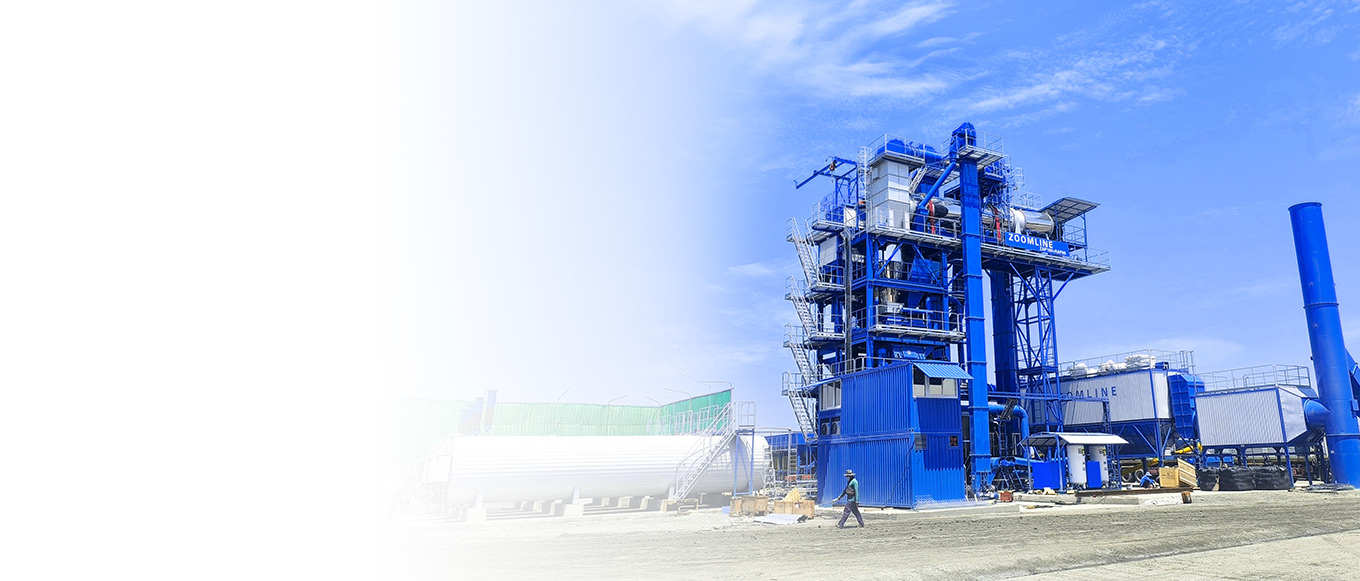
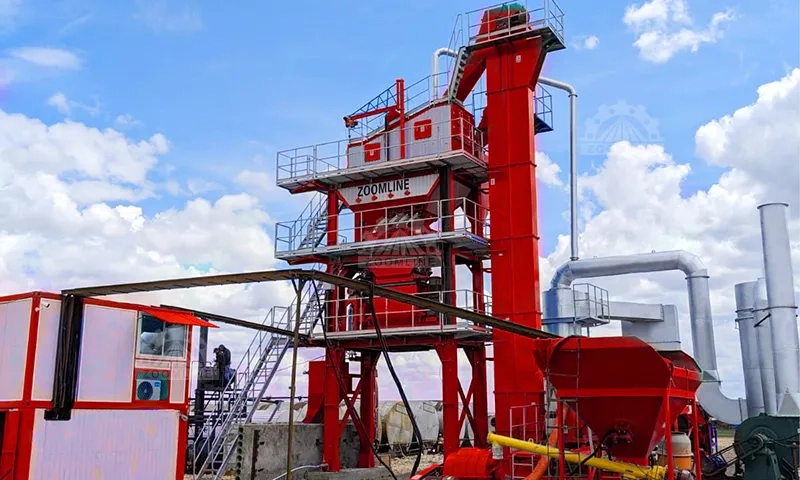
A professional and reliable asphalt hot mix plant is equipped with a complete, standardized system of equipment, with each module working in coordination to ensure stable production, precise mix proportions, and compliance with environmental standards. Mainstream batching plants consist of eight core systems:
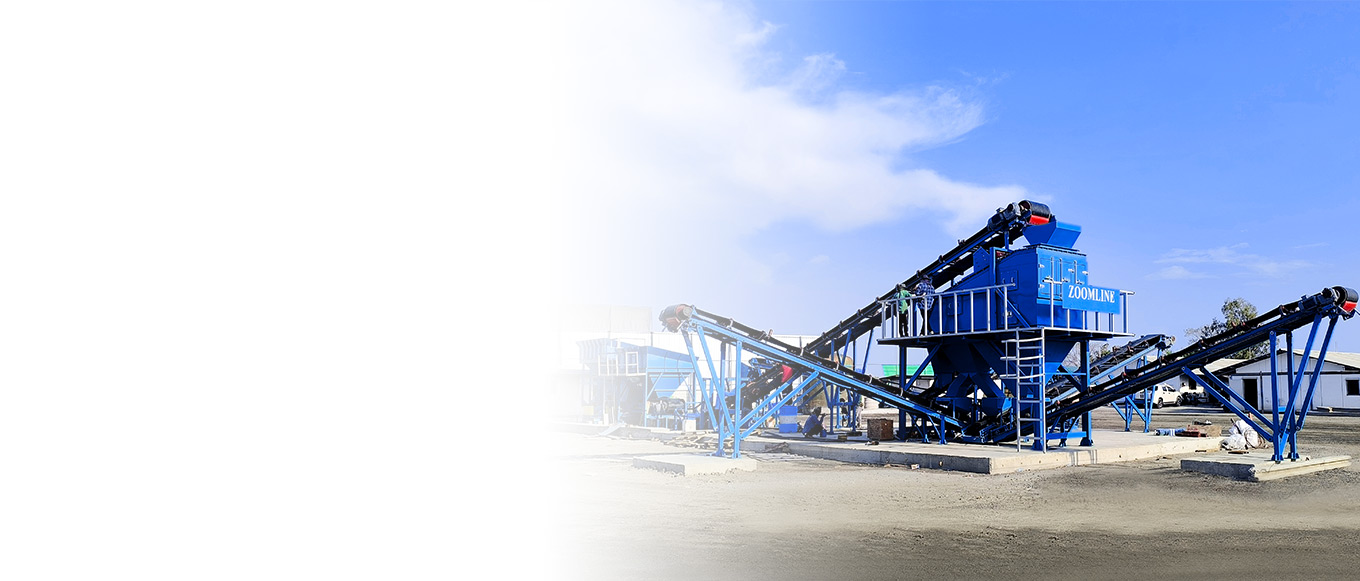
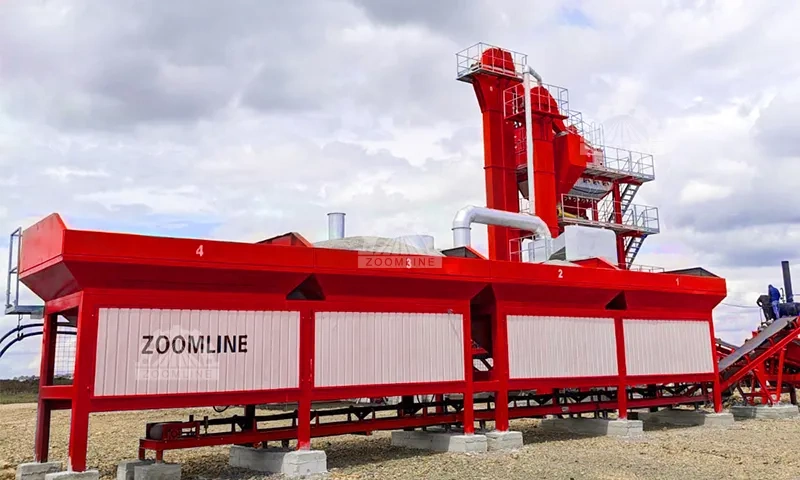
Cold Aggregate Batching System
As the first step in the production process, this system is responsible for sorting and quantitatively conveying coarse and fine aggregates of different specifications, ensuring a uniform supply of raw materials and laying the foundation for precise mix proportions.
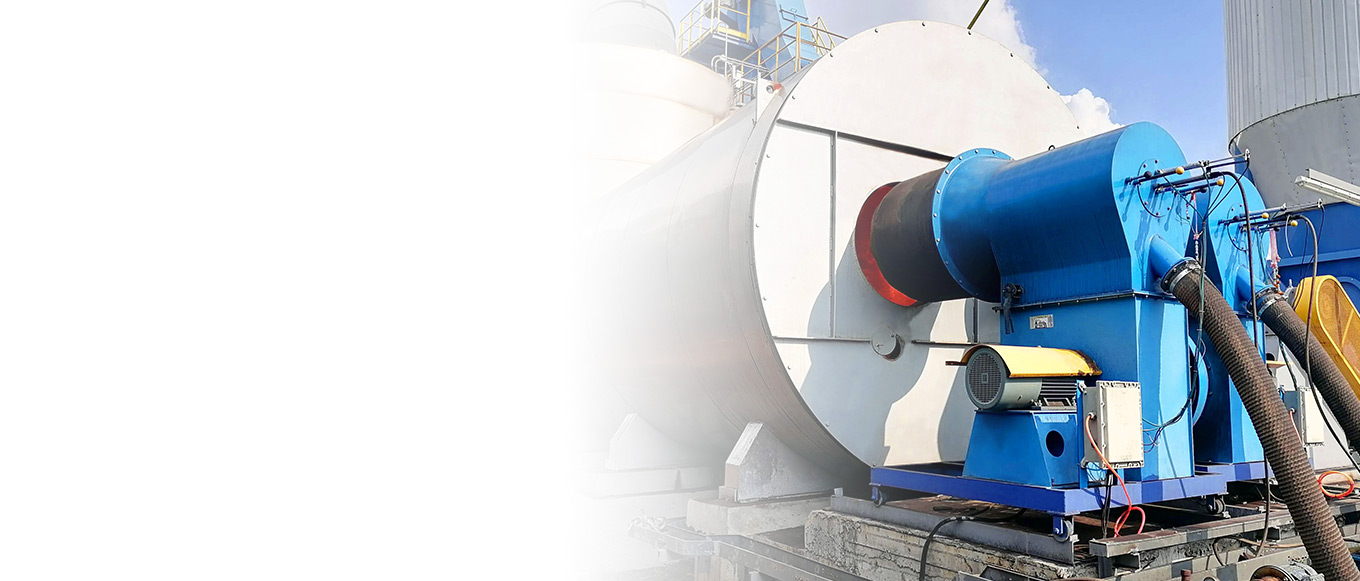
Drying Drum and Combustion System
The drying drum heats and dries moist aggregates to remove moisture; the combustion system provides a stable heat source and precisely controls the heating temperature, serving as the core equipment for ensuring the mix meets temperature standards.
Vibrating Screening System
This system grades and screens the dried aggregates, removing non-conforming materials to ensure uniform aggregate gradation and prevent mix ratio imbalances.
Mixing Tower System
As the core operational area of the plant, this system performs precise mixing of aggregates, asphalt, mineral powder, and additives to ensure mix uniformity; it is the key module determining the quality of the finished product.
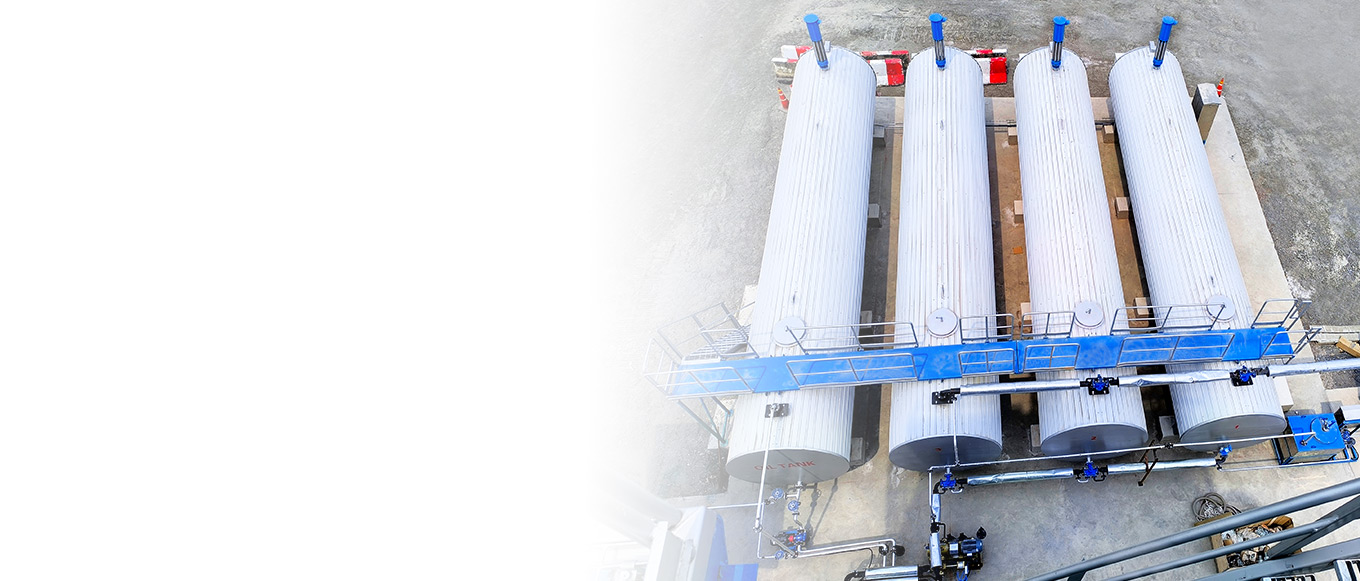
Asphalt Supply System
This system enables constant-temperature storage, precise delivery, and metered feeding of asphalt, preventing both over- and under-dosing and ensuring stable binding performance of the mix.
Dust Collection and Environmental Protection System
This system collects dust and exhaust gases generated during production, reduces pollutant emissions, and ensures the mixing plant complies with environmental standards; it is an essential system for compliant production.
Finished Product Storage Silo
Equipped with thermal insulation for temporary storage of hot-mix asphalt, preventing the mixture from cooling or caking and ensuring continuous supply capability.
Intelligent Control System
Automates the entire production process, precisely controlling raw material ratios, temperatures, and mixing times to minimize human error and enhance production stability and efficiency.
4 Efficient Methods to Quickly Find a High-Quality Asphalt Mixing Plant Near You
To quickly locate a reliable local hot-mix asphalt mixing plant without blindly visiting sites, you can use the following four precise channels to screen and efficiently match with high-quality suppliers.
Online Maps and Local Project Directories
This is the most direct and efficient search method, suitable for construction projects with urgent start dates or those needing to find suppliers on short notice.
You can use major mapping platforms and enter key search terms such as “nearby hot-mix asphalt mixing plants,” “local asphalt suppliers,” or “surrounding asphalt mixing plants” to quickly obtain facility locations, distances, contact information, and user reviews. You can also consult construction materials supplier directories to filter for locally registered and compliant mixing plants, thereby avoiding unlicensed small-scale facilities.
Check Local Branches on Asphalt Equipment Manufacturers’ Official Websites
Major brands of asphalt mixing equipment typically establish production bases and service centers across various regions.
Through the manufacturers’ official websites, you can look up local branch locations, service coverage areas, and production capacity parameters. You can also review case studies of large-scale projects the manufacturers have collaborated on to quickly verify a facility’s production capabilities and compliance, thereby selecting standardized, large-scale mixing plants.
Consult Local Construction Contractors and Road Construction Teams
Local engineering professionals possess the most authentic industry resources and collaboration experience.
Consulting local contractors with extensive experience in road construction and municipal engineering can yield recommendations for mixing plants with a solid reputation, stable supply, and comprehensive after-sales service. Such in-person recommendations provide direct insight into the manufacturer’s delivery speed, mix quality, and track record of fulfilling contracts, helping you avoid hidden pitfalls.
Conduct On-Site Facility Inspections and Perform Comprehensive Verification Before Placing an Order
Online screening and offline recommendations serve only as preliminary references. Before entering into a large-scale partnership, it is essential to visit the facility in person to verify the following four key areas:
Production Environment: The facility layout is orderly, production processes are standardized, and there are no instances of illegal wastewater discharge.
Material Storage: Raw materials are stored in designated zones with moisture and dust protection, and the insulation facilities for finished product silos are in good condition.
Level of Automation: A comprehensive intelligent control system that enables precise mixing ratios and temperature control.
Equipment Maintenance: Equipment is well-maintained, with no outdated or malfunctioning machinery; low failure rates and stable production capacity.
Key Evaluation Criteria for Asphalt Mixing Plants
Proximity is merely a basic requirement; to ensure a plant meets project needs, a comprehensive evaluation must be conducted across five key dimensions: production capacity, quality, environmental protection, equipment, and service.
Production Capacity: Aligning with Project Scale
Different project scopes require mixing plants with corresponding production capacities. Selecting the appropriate capacity based on project needs helps avoid delays caused by insufficient capacity and cost waste resulting from excess capacity:
40–80 TPH: Suitable for small-scale local projects such as rural roads, residential area paving, and minor repairs.
100–160 TPH: Suitable for municipal roads, urban renewal, and small- to medium-sized road network projects.
200–320 TPH: Suitable for expressways, major arterial roads, and key infrastructure projects.
Asphalt Mix Quality: The Core Guarantee for Meeting Project Standards
Quality screening focuses on three core standards that directly determine pavement construction outcomes and service life:
Stable aggregate gradation, with no imbalance between coarse and fine aggregates or excessive impurities.
Precise equipment weighing systems, with minimal errors in raw material proportions, ensuring compliance with engineering specifications.
Uniformly mixed asphalt mixture, free of white patches, lumps, or segregation, with excellent paving performance.
Environmental Compliance: Eliminating Construction Compliance Risks
Current construction projects are subject to stringent environmental requirements; it is essential to select compliant facilities to avoid the risk of work stoppages for corrective actions:
Verify that the mixing plant’s dust collection system efficiency and exhaust dust emission levels meet local environmental standards. Prioritize facilities equipped with energy-efficient production equipment and eco-friendly processes to ensure compliance throughout the construction process.
Equipment Reliability: Ensuring Stable Progress of the Construction Schedule
Equipment stability is key to continuous supply. High-quality mixing plants are characterized by stable operation, low failure rates, and minimal downtime. Additionally, with an ample supply of spare parts, faults can be repaired quickly, preventing delays in the construction schedule.
Technical Services and After-Sales Support: Eliminating Post-Construction Concerns
High-quality suppliers not only provide materials but also offer comprehensive supporting services, including assistance with equipment installation, technical training for operators, remote troubleshooting, and customized mix design, to fully meet project construction needs.
Common Types of Hot-Mix Asphalt Batching Plants and Suitable Applications
The mainstream batching plants on the market are divided into four major types. Different equipment is suited for significantly different construction scenarios and project requirements; selecting the right equipment based on specific needs can greatly improve the cost-effectiveness of construction.
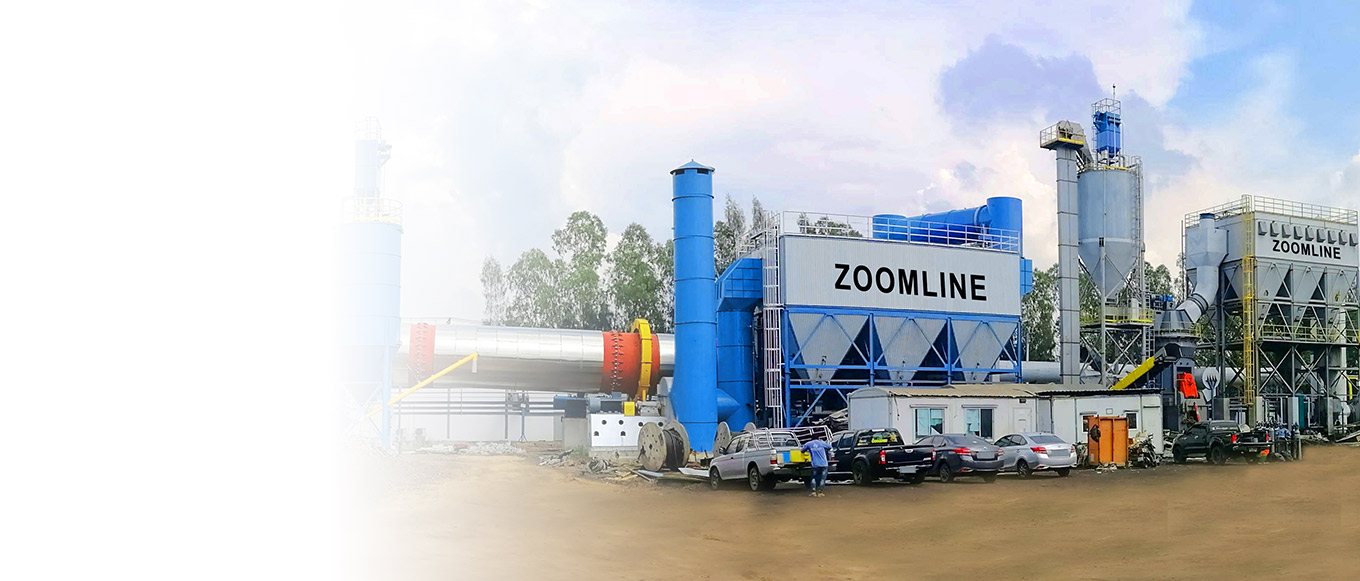
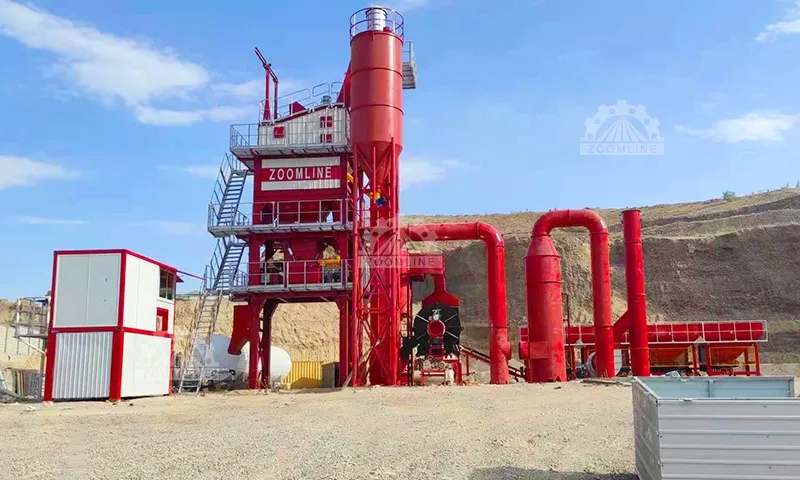
Stationary Asphalt Batching Plant
Suitable Scenarios: Long-term infrastructure projects, large-scale road construction in fixed areas
Key Advantages: High production capacity, stable operation, high mixing accuracy, and lower long-term construction costs; suitable for large-scale, routine production and supply.
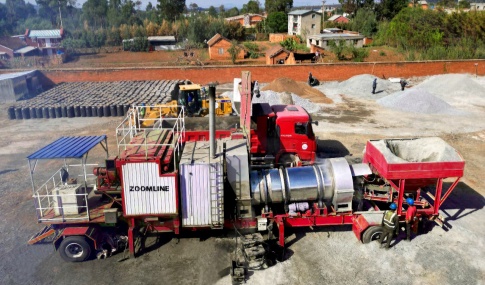
Mobile Asphalt Mixing Plants
Suitable Scenarios: Temporary construction sites, repairs on remote road sections, and small-scale projects requiring frequent relocation
Key Advantages: Quick installation, flexible relocation, and easy deployment; no fixed facility required; capable of moving with the construction site to adapt to scattered construction scenarios.
Batch-type Asphalt Mixing Plant
Suitable Scenarios: High-precision municipal engineering projects and key pavement projects with stringent standards
Key Advantages: Precise formula control; flexible switching between various mix proportions; ability to precisely meet construction standards for different road sections and processes; extremely high precision in finished product quality.
Drum-type Asphalt Mixing Plant
Suitable Scenarios: Large-volume, continuous road construction projects
Key Advantages: Continuous operation throughout the process with no production interruptions; high production efficiency; low operating costs; suitable for large-scale, standardized batch production.
Framework for Final Selection Decisions: Precisely Matching Project Requirements
When selecting a nearby hot-mix asphalt plant, distance alone should not be the sole consideration; instead, a comprehensive decision-making formula must be applied: Geographic Location + Production Capacity + Mix Quality + Environmental Compliance + Technical Services = High-Quality Construction Results.
We recommend that contractors compare 3–5 high-quality local suppliers during the selection process, conduct on-site inspections to assess plant capabilities, and request project quotes and technical proposals. Avoid the common mistake of “choosing solely based on the lowest price.” Instead, consider the project’s timeline, scale, and quality standards to select the most suitable partner offering the best long-term value, thereby ensuring road project quality and adherence to the schedule from the outset.
Frequently Asked Questions (FAQ)
Q1: What is the optimal transport distance between the asphalt mixing plant and the construction site?
There is no fixed, uniform standard for distance. The core principle is to minimize transport time and maintain the temperature of the mix. Short-distance transport effectively prevents the mix from cooling and segregating, ensuring the quality of paving and compaction. In complex climatic conditions, transport distance and time must be strictly controlled.
Q2: How do I determine the required production capacity for a project’s mixing plant?
The selection primarily depends on the project’s daily paving volume and construction schedule. Small-scale repair projects typically require a capacity of 40–80 TPH; municipal projects are suited for 100–160 TPH; and large-scale highway infrastructure projects should prioritize high-capacity equipment ranging from 200 to 320 TPH.
Q3: Which is better: a mobile asphalt plant or a stationary asphalt mixing plant?
There is no absolute superiority; they are suited for different scenarios. Mobile asphalt plants are suitable for temporary, scattered projects that require frequent relocation; stationary plants are suitable for long-term, high-volume, and highly stable routine construction projects.
Q4: How can you verify whether the manufacturer’s asphalt mixture meets quality standards?
You can assess the manufacturer’s laboratory testing capabilities and production control processes, review test reports for finished products from past projects, and conduct on-site inspections of the uniformity and mix stability of the mixed asphalt leaving the plant to comprehensively verify quality.
Q5: Do local mixing plants support customized asphalt mix designs?
Modern, professional asphalt mixing plants can all customize mix designs based on road conditions, construction methods, and climatic conditions to meet the diverse needs of different construction projects.