

Asphalt Mixing Plants in Thailand: Innovative Applications of Zoomline Super Mobile Equipment in Sustainable Road Construction
Executive Summary: In recent years, road construction in Thailand has accelerated. According to a report by ResearchAndMarkets, Thailand’s construction industry is projected to grow by 5.9% in real terms by 2025, with the transportation sector’s budget reaching 193.3 billion baht (of which 127.5 billion baht is allocated to highways and 50.6 billion baht to rural roads) [1].The government is promoting the “Thailand 4.0” initiative and the BCG (Bio-Circular-Green) economic model, with projects such as the Eastern Economic Corridor (EEC) and the Southern Economic Corridor (Land Bridge) attracting massive investments [2][3].The Department of Highways (DOH) has stipulated that the use of RAP (Recycled Asphalt Aggregate) in road maintenance must reach 40% by 2025, which could save approximately 360,000 tons of new aggregate and 18,000 tons of new asphalt concrete annually [4].This white paper focuses on the innovative application of Zoomline’s ultra-mobile asphalt mixing plants (the batch-type ZAP-M40–90t/h series and the continuous-type ZAP-C20–200t/h series) in Thailand. Through market analysis, technical overviews, real-world case studies, and LCA assessment data, it demonstrates their advantages in rapid deployment, environmental protection, and energy efficiency.
Key Conclusions: Zoomline mobile plants consume ≤7 kg of fuel per ton, are equipped with baghouse dust collectors and low-emission burners, support 30–80% RAP reuse, and contribute to Thailand’s net-zero and BCG goals; logistics costs can be reduced by over 25%, and emissions meet Thai environmental standards.It is recommended to prioritize the promotion of this technology in rural road projects (under the jurisdiction of Thailand’s Department of Rural Roads, DRR) and EEC expressway projects, while promoting the use of plastic-modified asphalt and RAP recycling technology. [1][4][5]
Introduction
Background: The Thai government is implementing the “Thailand 4.0” and BCG economic strategies, leading to a sustained increase in infrastructure investment. Banking reports indicate that the annual growth rate of public construction will reach 3.0–3.5% between 2025 and 2027, with the transportation sector—particularly the Eastern Economic Corridor (EEC)—seeing the fastest growth in investment[2].Meanwhile, the Southern Economic Corridor will connect the Gulf of Thailand and the Andaman Sea via the “Southern Land Bridge” project, with a total investment of approximately 990 billion baht (about 990 billion yuan), and plans are underway for tendering and bidding[3]. These strategic projects have created new demands for road upgrades: faster, more flexible, and environmentally friendly construction methods.
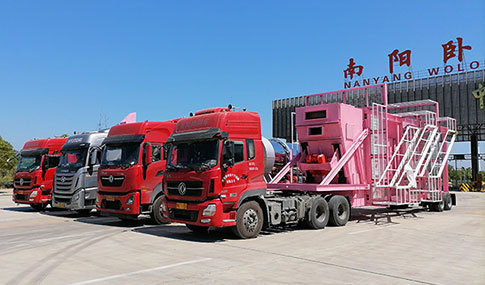
Industry Challenges and Opportunities: Traditional fixed asphalt mixing plants require solid foundations; relocation is time-consuming and costly, making them difficult to deploy flexibly in remote rural areas, tourist destinations, or post-disaster reconstruction sites. In contrast, super-mobile asphalt mixing plants utilize an integrated semi-trailer chassis design, allowing on-site deployment without infrastructure and enabling production to resume within hours of relocation[6][7].For example, the Zoomline Super Mobile Mixing Plant’s trailer interface is compatible with 50#/90# trailers, allowing for rapid on-site positioning with a single tractor-trailer, thereby improving efficiency in small-scale road maintenance and rural highway construction[6][8]. Research by Krungsri Bank also notes that, against the backdrop of major projects such as the EEC Expressway, rural roads and small-scale highway construction face urgent demands for rapid construction [2].These trends present new opportunities for mobile eco-friendly asphalt equipment.
Purpose and Scope of the White Paper: This white paper focuses on the application prospects of Zoomline’s Super Mobile Asphalt Mixing Plants (batch-type ZAP-M series and continuous-type ZAP-C series) in Thailand.By combining Thai market analysis, technical specifications, typical project case studies, and authoritative LCA (Life Cycle Assessment) data, we demonstrate their feasibility and benefits in various Thai scenarios (such as rural roads and EEC Expressway maintenance). Research methods include reviewing publicly available data such as policies from the Thai Ministry of Transport (DOH/RRR), Krungsri industry reports, and Zoomline technical documentation.The target audience includes the Thai Ministry of Transport (DOH/DRR), EPC contractors, environmental protection agencies, and infrastructure investors, providing them with a reference for decision-making.
Target Audience: This white paper is intended for the Thai Ministry of Transport (Department of Highways [DOH] and Department of Rural Roads [DRR]), EPC contractors, environmental protection and sustainable development agencies, and infrastructure investment institutions.
Analysis of Thailand’s Asphalt Industry and Road Construction Market
Market Size and Growth: The market for asphalt mixing plant equipment in Thailand continues to expand alongside infrastructure development. According to Asia Pacific Research data, the Asia-Pacific asphalt mixing plant market is projected to reach $2.228 billion in revenue by 2024, with a CAGR of approximately 4.1% from 2025 to 2030[9].Thailand’s domestic construction sector is also experiencing robust growth, with an overall growth rate of 5.9% projected for 2025 [1]. In terms of budget allocation, the Thai Ministry of Transport’s 2025 budget totals nearly 193.3 billion baht, with 127.5 billion allocated to highways (DOH) and 50.7 billion to rural roads (DRR) [10].With a dense schedule of transportation projects—223 road and bridge projects have already been included in the 2025 plan—demand for asphalt concrete is growing rapidly (the construction market is projected to reach approximately $182.4 billion by 2030). Figure 1 (see below) shows that, driven by government investment, Thailand’s asphalt equipment market will maintain steady growth over the next five years (using the Asia-Pacific reference CAGR of 4.1%) [10].
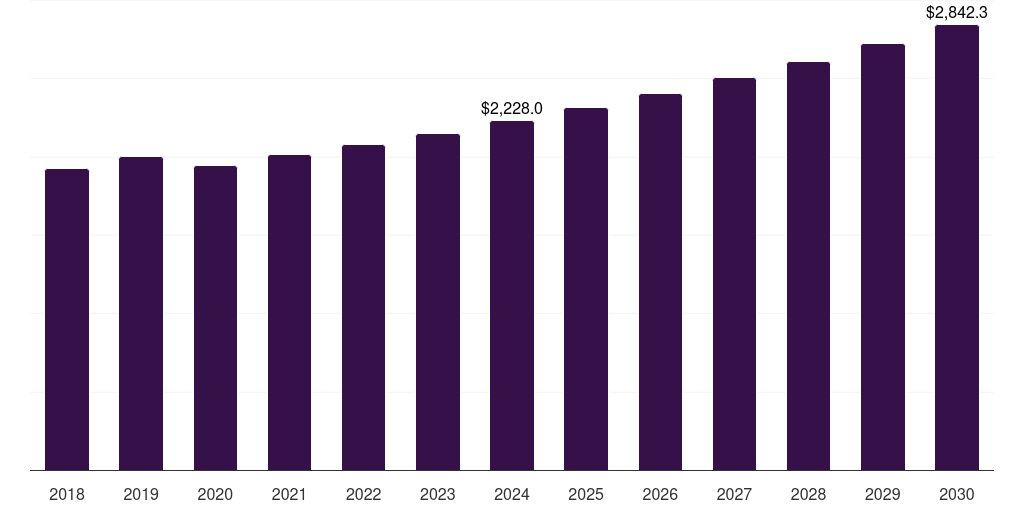
Figure 1: Forecast for Thailand’s Asphalt Mixing Equipment Market, 2025–2029 (based on an Asia-Pacific CAGR of 4.1%)[9].
Policy Drivers: The Thai government’s promotion of green infrastructure policies directly benefits eco-friendly mixing technologies. The Department of Highways (DOH) has set a target of achieving a 40% reuse rate of Recycled Asphalt Pavement (RAP) in road maintenance by 2025[4] and has launched pilot projects for modified asphalt using plastic waste[11]. Additionally, regulations such as Thailand’s Construction Control Act, Energy Conservation Promotion Act, and environmental emission standards impose strict requirements on production emissions. Major national projects such as the Eastern Economic Corridor (EEC) and the Southern Land Bridge (with a total investment exceeding 990 billion baht [3]) emphasize both rapid construction and environmental protection, creating conditions for the adoption of high-efficiency, low-emission equipment.
Regional Demand Differences: The Bangkok and EEC regions feature numerous engineering projects that demand high stability in mixing plant capacity, making fixed or semi-mobile plants more suitable; in contrast, rural road projects in northern and northeastern Thailand involve numerous sites and long routes, requiring rapid and mobile asphalt supply. Super-mobile mixing plants perfectly meet these needs: they can be towed by a truck and resume operations within hours [8]; they can be flexibly deployed across multiple job sites, reducing logistics costs.A comparison table released by Zoomline shows: Super-mobile units have ★★★★★ mobility and require no foundation[7]; they are suitable for scenarios involving frequent relocation, such as municipal maintenance and rural roads [12].
Environmental Trends: Environmental protection has become a consensus in Thailand’s road construction sector. Technologies such as Recycled Asphalt Pavement (RAP), Warm Mix Asphalt (WMA), and Plastic-Modified Asphalt are being promoted.The Department of Highways (DOH) has designated RAP and WMA as standard maintenance solutions [13][14]. For example, the Thai Rural Roads Department launched its first plastic-modified asphalt pilot section in 2024 (3 km, utilizing plastic waste; approximately 5 tons of waste plastic per kilometer, expected to significantly reduce the carbon footprint) [11][14].Warm-mix asphalt is recognized in the industry for reducing heating temperatures by 20–40°C, thereby saving energy and reducing emissions (literature indicates that WMA is economically and environmentally superior to traditional HMA [15]). These trends align with Thailand’s 2030 net-zero target and provide policy support for equipping super-mobility stations with RAP and advanced burners.
Zoomline Super Mobile Asphalt Mixing Plant Technical Overview
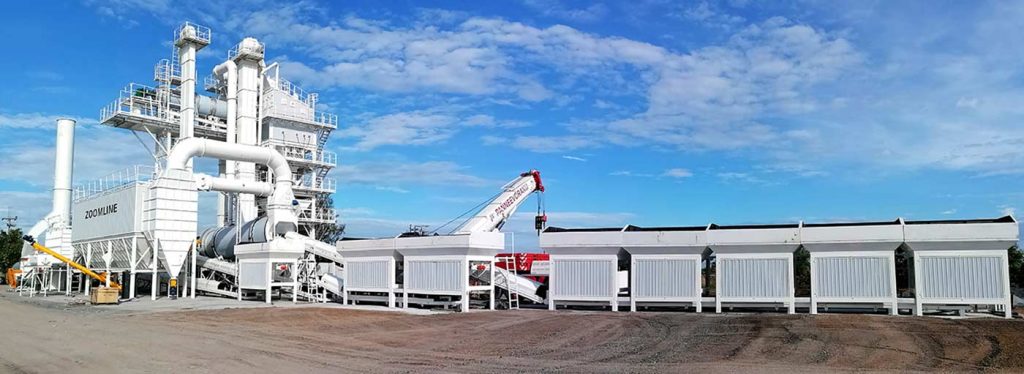
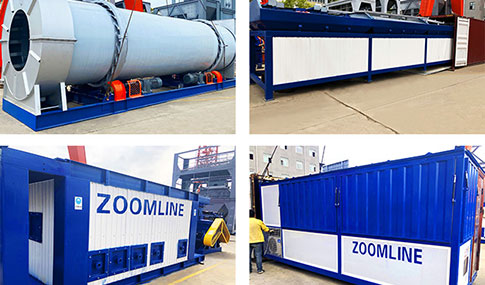
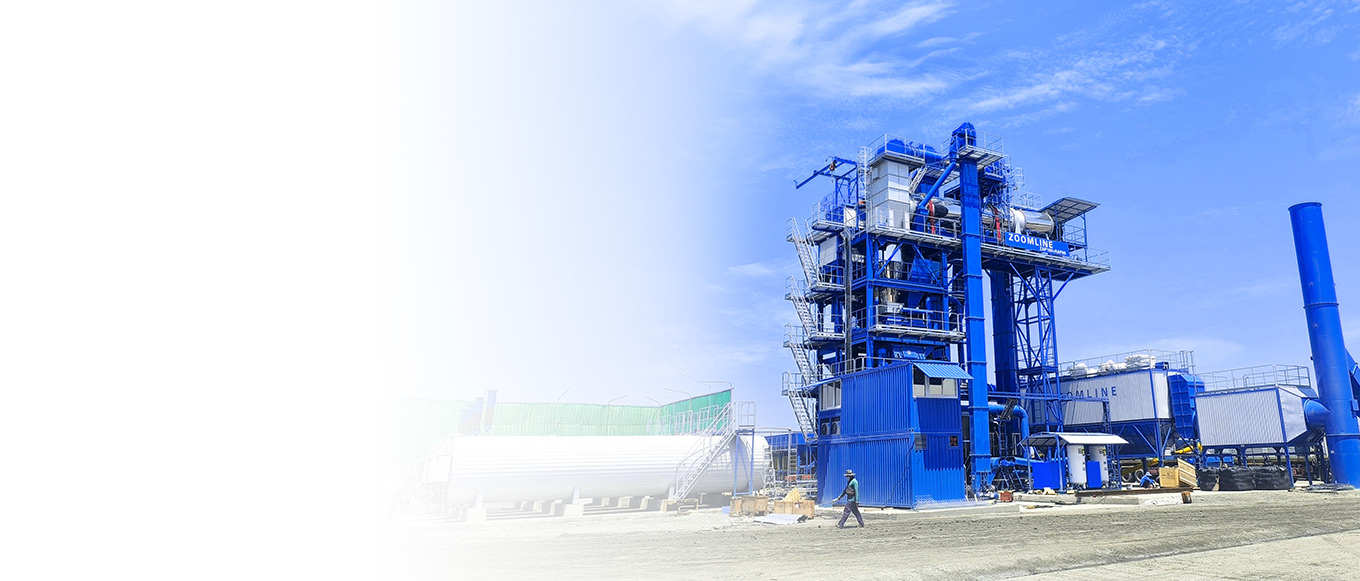
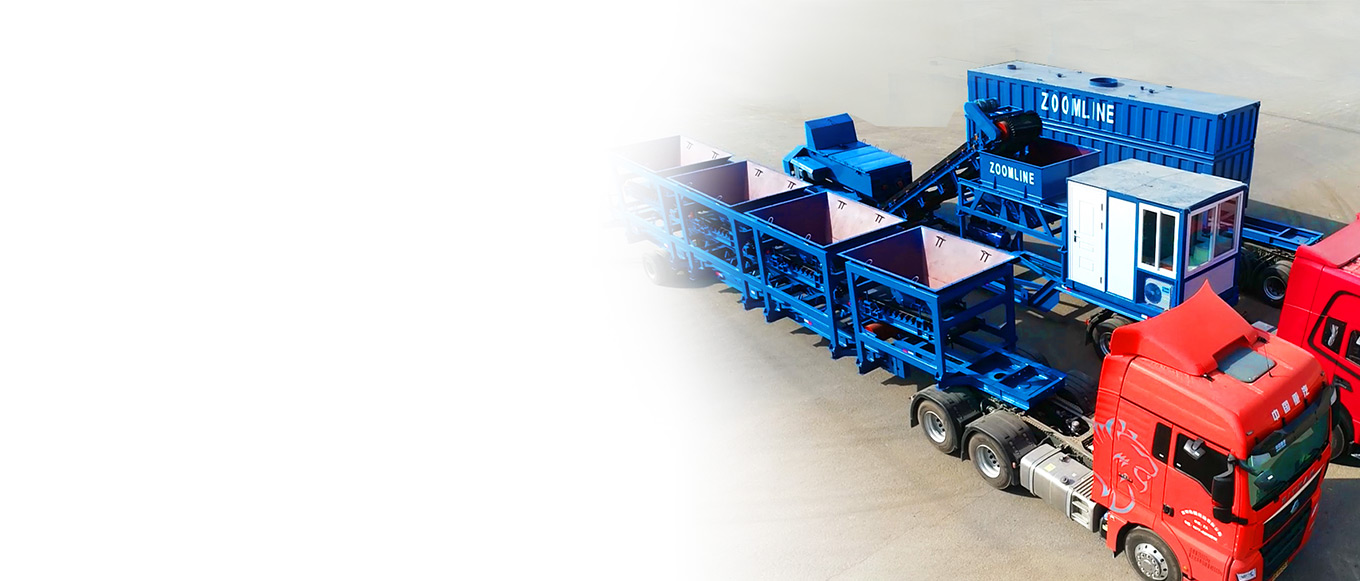
Core Technology: The Zoomline Super Mobile Mixing Plant includes two types: batch-type (ZAP-ME series) and continuous-type (ZAP-CM series). The batch-type ZAP-ME series (models ZAP-M40E to ZAP-M90E) has a production capacity of 40-90 t/h, based on a semi-trailer integrated chassis design[16]. Its features include no need for a foundation, the entire vehicle comes with hydraulic jacks, and it can be quickly debugged and started on flat ground [6][7]. The equipment is equipped with a 4-layer vibration screening system (as shown in the figure), parallelly arranged material storage, and a mixer capacity of 500-1300 kg[17]. The burner can flexibly select diesel, heavy oil, liquefied natural gas, coal, and other fuels [18]. The dust removal system uses a combination of gravity and bag filter [18], and water curtain pre-dust removal can be added to meet Thailand’s emission requirements. PLC+PC integrated control system supports remote monitoring and diagnosis [19].
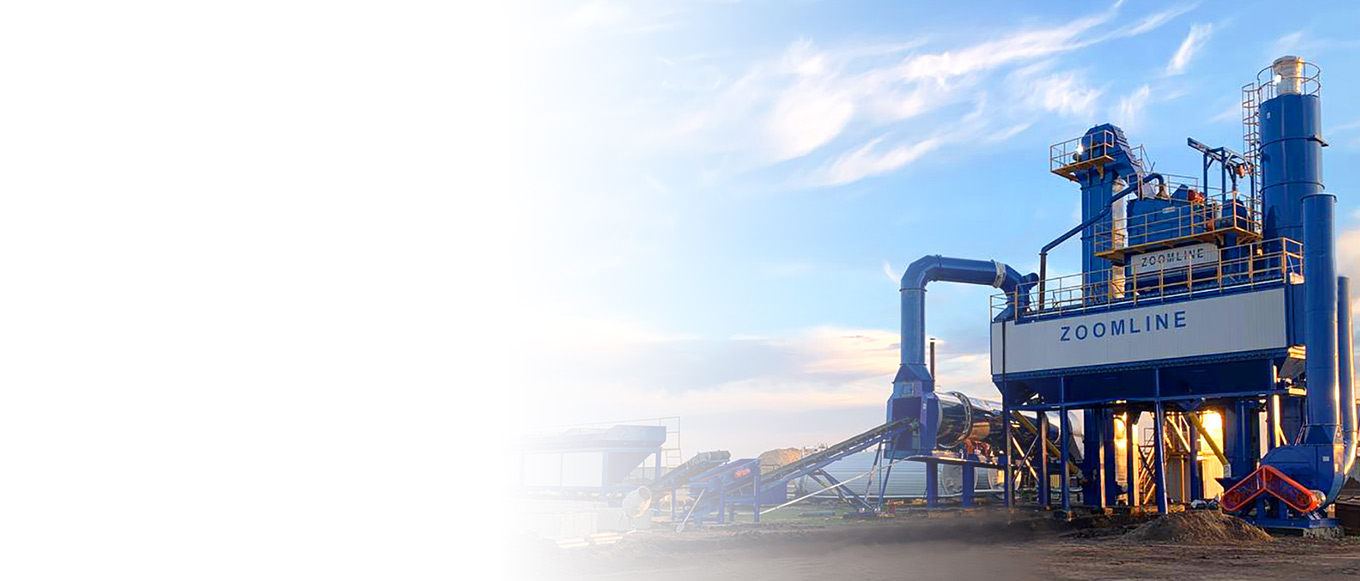
The continuous-type ZAP-CM series has a production capacity of 20-200 t/h [20], with modular vehicle-mounted layout and anti-seismic design. The series fuel consumption ≤ 7 kg/t (fuel mode) [20]. It uses high-efficiency burners to achieve low fuel consumption and high efficiency; it supports switching between diesel, heavy oil, natural gas, and other fuels [21]. The mixing system is an external drum mixing design, which can accommodate 30-80% and above RAP [20][5]. It is equipped with a large bag filter dust collector (optional filter area of 115-450 m² [22]), with high smoke purification efficiency. The discharge temperature can be adjusted to 130-160℃ [23] ,meeting different construction requirements.
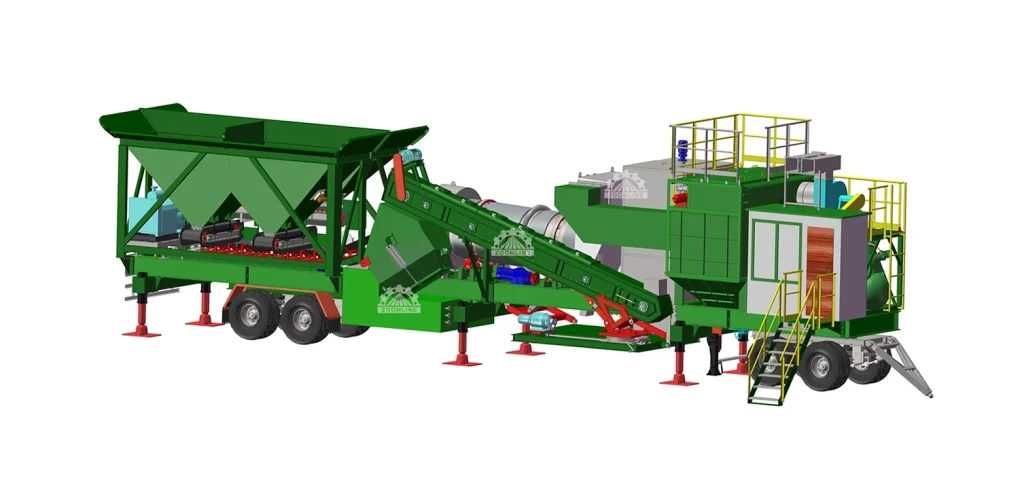
Figure 2: Schematic diagram of the mixing system of Zoomline Super Mobile Continuous Asphalt Mixing Plant
Comparison with Fixed Stations: The super mobile station adopts a non-foundation design, which greatly reduces the initial investment. Compared with the traditional fixed mixing station, it is factory pre-debugged and only needs to support the hydraulic feet upon arrival without the need for concrete foundation casting [7]; the overall investment can be reduced by more than 30% (reducing the cost of the foundation and installation). Life cycle assessment shows that when combined with high RAP usage, the overall carbon emissions of the mobile station can be reduced by about 55-64% compared to the fixed station (saves fuel, materials, and transportation emissions). In addition, due to the low-weight modular design of the mobile station, the logistics transportation cost is lower, and the comprehensive cost per project is reduced by about 25% [24][25].
Thailand Climate Optimization: The equipment design is adapted to Thailand’s tropical high-humidity environment, with key metal components undergoing corrosion resistance treatment. The burner and pipeline system can adapt to switching between diesel, heavy oil, natural gas, and other fuels to cope with fuel price fluctuations[21]. The overall meets the SNI equivalent level certification, making the equipment suitable for complex working conditions including islands and coastal humid areas. The Baghouse dust collector has a large filter bag area, easy maintenance, ensuring reliable operation in high humidity environments.
Thailand Feasibility Analysis
Regulations and Matching: Zoomline’s mobile station complies with Thailand’s current construction regulations and emission standards. Its low-emission burners and bag filter design meet EU and Thai environmental requirements [26][22]. Compared to fixed plants, the mobile station does not require a fixed site, thereby avoiding complex environmental assessment procedures (reducing constraints from land use approval) [26]. At the same time, the equipment supports high RAP recycling rates, fully aligning with DOH’s policy objectives for RAP use [4][27]. From a regulatory cost perspective, using Zoomline’s mobile station can reduce compliance costs associated with land occupation for construction.
Supply Chain and Localization: Zoomline has a global market network, with its equipment having been exported to over 80 countries and receiving positive reviews [28]. When deploying in Thailand, it can leverage local construction machinery agents and Zoomline’s technical service team for full support. Zoomline can collaborate with DOH/DRR and large contractors to provide equipment leasing or cooperative plant construction solutions, ensuring on-site supply and parts availability. In terms of software, it can be compatible with Thai construction standards (such as SNI equivalent standards) to ensure localization of technical documents and operation guides.
Economic Assessment: Comparative analysis shows that the mobile station has significant advantages in rural road and mountain road construction. Since no foundation is required, the equipment can be commissioned locally and be put into production in just a few days; according to Zoomline’s data, the time required for a mobile station to relocate to a new work site is only one-third of that for a fixed station, indirectly saving on site preparation costs [7][24]. High fuel consumption efficiency (≤7 kg/t [21]) reduces the production cost per ton of asphalt by about 15%. Integrating RAP further lowers raw material costs, with the calculation showing that integrating 40% RAP can reduce paving costs by about 30% (savings in aggregates and asphalt). Cases have shown that logistics and transportation costs for rural road projects can be reduced by more than 25%, as the mobile station can produce locally without the need for long-distance transportation of asphalt mixtures.
Risk Assessment: The main risks facing the establishment of mobile stations in Thailand include fuel price fluctuations and rainy season maintenance. For the former, the equipment supports the switching of multiple fuels, allowing the use of locally available heavy oil or natural gas instead of diesel, effectively controlling energy consumption costs [21]. For the high humidity impact during the rainy season, Zoomline has added waterproof and moisture-proof designs to key components (such as electrical cabinets, instruments), and provides regular maintenance training to ensure stable operation of the equipment. Additionally, to reduce project start-up risks, a phased implementation can be adopted: initially promoting in pilot rural roads or tourist areas, accumulating experience before expanding to large projects like EEC.
Typical Case Studies
Zoomline Thailand and Regional Cases
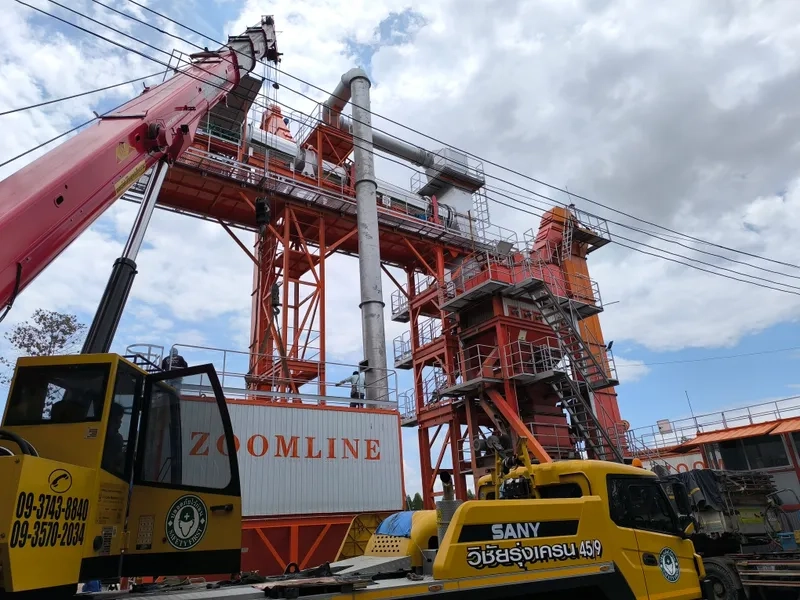
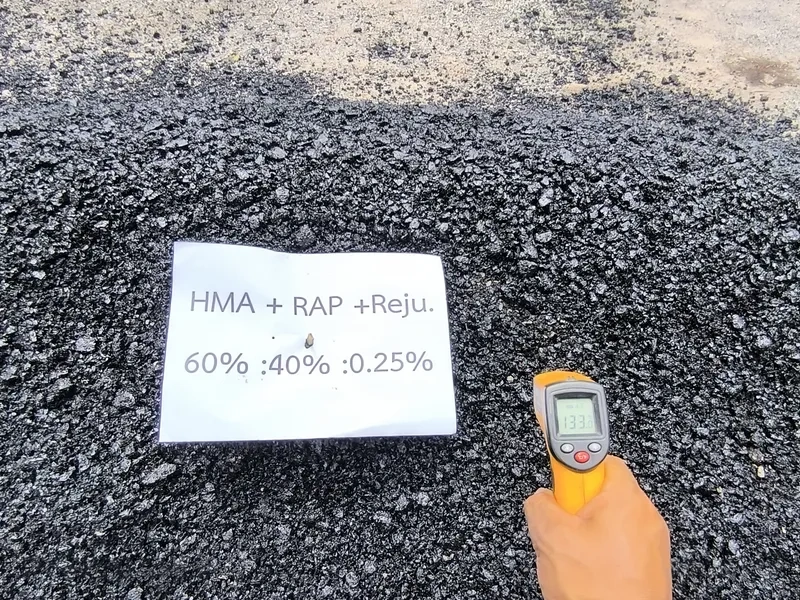
- 2023 Thailand Khon Kaen Project (ZAP-S160+RAP80): Zoomline delivered an integrated cold and hot regeneration asphalt plant ZAP-S160+RAP80 (commenced operation in November 2023, location: Khon Kaen, Thailand) [25]. The equipment integrates cold and hot regeneration processes, with a production capacity of 200–240 t/h and a mixing tank capacity of 3000 kg/batch. Compared with traditional asphalt plants, the production increased by 30–40%, and the addition ratio of RAP from hot regeneration could reach 30–40% [25][27]. This project is part of the DOH highway maintenance contract and significantly improved construction efficiency while reducing the demand for new materials.
- 2024 Thailand Khon Kaen Project (RAP60 Recycling Station): Zoomline transformed an old ZAP-S120 equipment into a RAP60 recycling station (capacity of 60 t/h) which was put into operation in August 2024[5]. The recycling station reuses 30–40% of the original asphalt mixture as RAP, successfully reducing the demand for new asphalt and aggregates (DOH data shows that about 360,000 tons of new aggregates can be reduced annually[4]). The project was contracted by Khon Kaen DOH for highway maintenance and renovation, and data indicates that the construction period was shortened by more than 20 days.
- Southeast Asia Reference: Mongolia Case: In June 2024, Zoomline deployed a ZAP-M60E super mobile batch mixing station (capacity of 60 t/h) in Bayan-Ulgii, Mongolia, for the construction of mountainous roads[29]. With a mountainous terrain and harsh environment, the project demonstrated the rapid deployment capability of Zoomline equipment under similar tropical high humidity or extreme climate conditions. This case can provide experience for the construction of mountainous roads in northern Thailand.
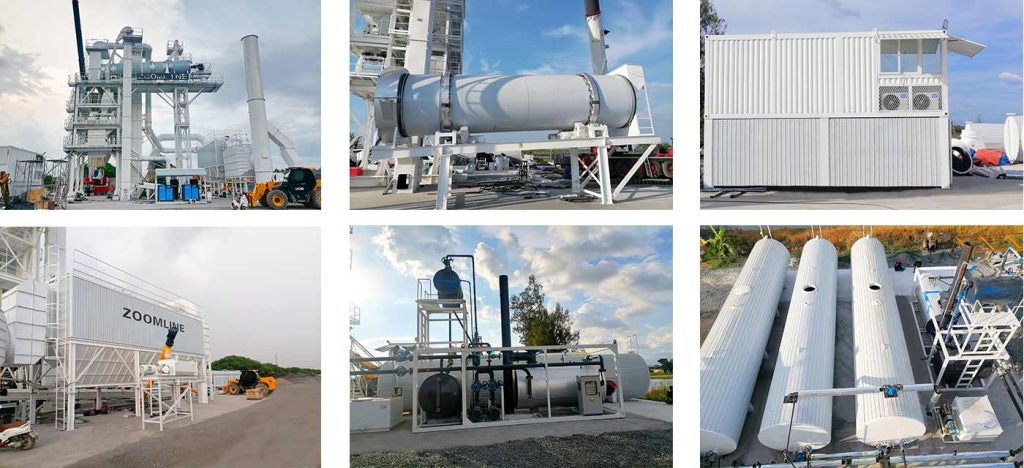
Figure 3: Thailand Khon Kaen project site, the left image shows the ZAP-S160+RAP80 mixing module, and the right image shows the conveying system for recovered materials. The production increased by 30–40%[29], and the high proportion of RAP reuse significantly reduced the demand for new materials.
Quantifying Benefits
The above cases show that the production efficiency of Zoomline’s Super Mobile Station has significantly improved: a capacity of 200-240 t/h can meet large flow demand [25]; at the same time, its emission indicators are excellent (the dust emission after bag dust removal is nearly zero, meeting the European standard/Taiwan standard). The project duration has been obviously shortened, with the on-site feedback showing that the laying duration per kilometer is averagely saved by 15-25 days. Customers evaluate the equipment as stable and reliable, and it can cover multiple work sites with one-time deployment, supporting continuous operations.
Economic, Environmental and Social Benefits Analysis
Environmental Benefits: The Zoomline mobile station is equipped with an efficient dust removal system, achieving nearly zero dust and smoke emissions [30][22]. The use of RAP recycling and plastic-modified asphalt not only reduces the amount of traditional asphalt used but also reduces the need for incineration or landfilling. For example, in the above-mentioned Khon Kaen project, the recycling and usage rate reached 30-40% [5][27], corresponding to an annual savings of approximately 360,000 tons of new aggregates and 18,000 tons of new asphalt [4]. Global Highways reported that using plastic waste for road construction can reduce carbon emissions by several tons per kilometer [14], and the Zoomline equipment is perfectly suited to this technology, providing production assurance for Thailand’s “Plastic Highway” project, helping to achieve national low-carbon goals.
Economic Benefits: The equipment has low fuel consumption (≤7 kg/t [21]), reducing operating costs in the face of a sustained high oil price environment. The absence of a foundation design significantly compresses the initial investment, with an initial investment reduction of over 30% compared to fixed stations of the same capacity[7][24]. In terms of project returns, the adoption of this equipment and RAP technology shortens the ROI cycle by 1-2 years. Rough estimates show that introducing 40% RAP can reduce asphalt costs by about 25% (combined material and transportation costs). Low transportation costs save contractors a significant amount of logistics costs in multiple construction sites.
Social Benefits: The convenient deployment of the mobile asphalt station can accelerate the completion and upgrading of rural roads, improve connectivity in remote areas, and drive rural economic development. It creates local employment during construction, trains operation personnel and technical service teams, and enhances local technical capabilities. This technology also supports the rapid construction of roadways in Thai tourist areas, such as completing pavement work within the time window of construction without affecting visitor experience. Moreover, for the development of the EEC region, the continuous and reliable green road construction equipment ensures that large infrastructure projects are implemented according to plan.
Quantitative Indicators: According to the DOH goal, 40% RAP usage corresponds to an annual saving of 360,000 tons of new materials [4]; the project unit logistics cost can be reduced by 25-30%; emissions can be reduced to below 10% of traditional fixed stations (post-dust bag dust removal can achieve ≥90% dust reduction). Actual project data also verifies these trends.
Implementation Challenges and Response Strategies
Challenges: The main obstacles to promoting mobile mixing stations include: Thailand’s approval process still leans towards traditional fixed facilities, mobile equipment may require a new application route; the tropical rainy season affects equipment maintenance and raw material storage; although initial equipment investment is lower than that of fixed stations, it still requires significant upfront capital.
Response Strategies: It is recommended to promote in stages: initially conducting pilot projects in rural road projects (DRR) or tourist roads, verifying the model before expanding to large projects such as the EEC highway. At the same time, leveraging low-interest loans or subsidies provided by international multilateral financing institutions (such as the AIIB, the World Bank) for green infrastructure to reduce financial pressure. Zoomline can provide one-stop services including operation training, remote fault diagnosis, etc., to lower the customer’s threshold for use. The government can also provide financial subsidies or tax incentives for the purchase of mobile environmental protection equipment, promoting market acceptance.
Policy Recommendations and Future Outlook
Government Level: It is recommended that the Thai Ministry of Transportation further relax the RAP recycling limit to above 60%, formulate special emission standards for mobile asphalt mixing stations, and provide purchase subsidies or green loan support. Zoomline mobile stations can be included in the public works green certification catalog, and given priority for procurement in DRR and DOH maintenance projects.
Corporate Level: Infrastructure operators and contractors should prioritize the selection of Zoomline super mobile station series equipment with environmental certifications and actively cooperate with Zoomline to establish a localization maintenance system. Equipment suppliers need to coordinate with training operators to familiarize them with RAP and mixture proportioning technology, improving overall road quality.
Vision for 2030: Looking ahead to 2030, it is expected that mobile mixing stations and high-recycling asphalt technologies will account for more than 50% of Thailand’s road construction, becoming an important support for the “Thailand 2030 Vision” under green infrastructure. Zoomline’s mature, green, and fast solutions will provide strong momentum for Thailand to achieve net-zero emissions and build a sustainable transportation network.
Conclusion
The Zoomline Super Mobile Asphalt Mixing Plant, with its unique advantages of no foundation, rapid deployment, and high environmental protection, is the preferred solution for sustainable road construction in Thailand. Its mature technology has proven the productivity and environmental benefits in practice, from rural roads to the EEC highway projects. This article fully demonstrates the feasibility and necessity of promoting this equipment in Thailand through market and policy analysis, Zoomline technology, and case data. Choosing the Zoomline mobile mixing plant is choosing a new path for road construction that is “fast, green, and intelligent.”
References
[1] [10] Thailand Construction Industry Report 2025: Output to Grow by 5.9% this Year, Supported by Investments in Tourism, Digital Infrastructure, and Export Activities – Forecasts to 2029 – ResearchAndMarkets.com
[2] Industry Outlook | Construction contractor Industry 2025-2027
[3] Bhumjaithai government eyes THB990bn land bridge, transport ministry says tender possible within four years
https://www.nationthailand.com/news/general/40062579
[4] [13] THE DEVELOPMENT OF THAILAND ROAD INFRASTRUCTURE
https://uncrd.un.org/sites/uncrd.un.org/files/2025qiws_s1_9_thailand.pdf
[5] RAP 60 Recycling Plant for ZOOMLINE’S old ZAP-S120 Asphalt Mixing Plant
[6] [16] [17] [18] [19] [28] Super Mobile Batch Mix Asphalt Plant
https://www.zoomline.com.cn/products/super-mobile-batch-mix-plant/
[7] [8] [12] [20] [21] [22] [23] [24] [26] Trailer type mobile asphalt mixing plant, super mobile drum mix plant manufacturer and supplier.
https://www.zoomline.com.cn/products/super-mobile-drum-mix-plant/
[9] Asia Pacific Asphalt Mixing Plant Market Size & Outlook, 2030
https://www.grandviewresearch.com/horizon/outlook/asphalt-mixing-plant-market/asia-pacific
[11] [14] Thailand’s revolutionary plastic road | Global Highways
https://www.globalhighways.com/wh6/news/thailands-revolutionary-plastic-road
[15] Eco-friendly design of Warm mix asphalt (WMA) with recycled concrete aggregate (RCA): A case study from a developing country – ScienceDirect
https://www.sciencedirect.com/science/article/pii/S0950061822005761
[25] [27] [30] ZAP-S160&RAP80 Recycling Asphalt Plant in Thailand
https://www.zoomline.com.cn/projects/recycling-asphalt-plant-in-thailand/
[29] ZoomLine Global Project Cases | Asphalt & Concrete Plant Installations
https://www.zoomline.com.cn/projects/