




Top 10 Industrial Burner Manufacturers in The World 2026
By 2026, the global industrial burner market is entering a new phase of development characterized by low-carbon, intelligent, and high-efficiency technologies. Driven by global carbon neutrality policies, ultra-low emission regulations, and industrial energy efficiency upgrades, the market is expanding steadily and is projected to exceed $19.4 billion, with a compound annual growth rate (CAGR) of over 4.5%. The industry’s core demand has shifted entirely toward combustion systems that are low-NOx, energy-efficient, and compatible with multiple fuels. Particularly in sectors such as asphalt mixing plants, boilers, thermal oil heaters, and industrial furnaces, burners serve as the core of thermal energy systems; their technological level directly determines production efficiency, energy consumption costs, and compliance with environmental standards.
Basic Understanding of Industrial Burners
Definition and Working Principle
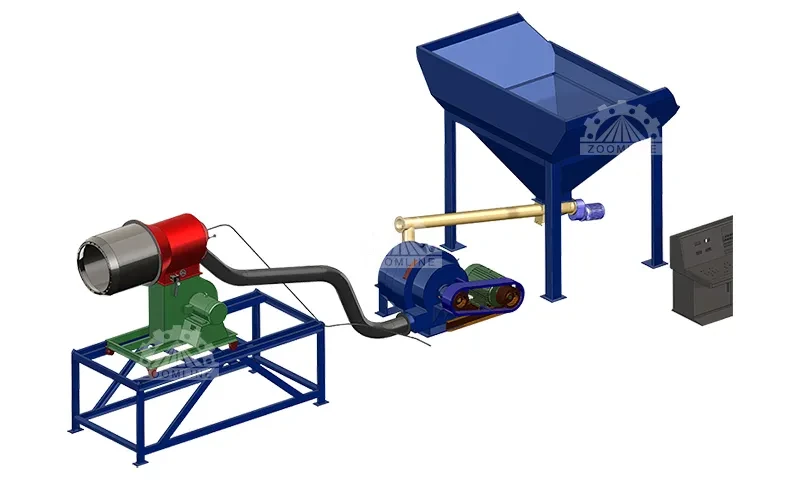
Industrial burners are core devices that provide controlled combustion for industrial heating applications. By precisely controlling the entire process—from fuel-air mixing and ignition to stable combustion and heat output—they deliver a stable heat source for asphalt mixing, boiler steam generation, thermal oil heating, and industrial furnace heat treatment. Core performance is determined by four key indicators: flame stability, combustion efficiency, air-fuel ratio accuracy, and emission control levels.
Main Types
By Fuel Type
Gas Burners: Primarily natural gas and LPG; clean, efficient, and widely adaptable
Oil Burners: Diesel, heavy oil, and residual oil; high calorific value, suitable for high-power applications
Dual-Fuel / Multi-Fuel Burners: Gas-to-oil switching and multi-fuel compatibility; highest flexibility
Pulverized Coal Burners: Suitable for high-heat-load industries such as building materials and metallurgy
Biomass Burners: Straw, wood chips, and bio-oil; aligned with low-carbon development trends
By Combustion Technology
Premixed Burners: Thorough mixing, high efficiency, low emissions; mainstream for small to medium power applications
Nozzle-mixed Burners: Reliable structure, wide turndown ratio; the top choice for high-power industrial applications
Regenerative Burners: Waste heat recovery, ultimate energy efficiency; suitable for high-temperature continuous production
Pure Oxygen Burners: High flame temperature, extremely low NOx emissions; dedicated to specialized industrial furnaces
Core Application Areas
Asphalt Mixing Plants
Core equipment for aggregate drying; temperature control accuracy directly impacts asphalt quality
Industrial Boilers
Steam/hot water production; account for over 35% of the burner market
Thermal Oil Heaters
Indirect heating systems, suitable for fine chemicals, textile printing and dyeing, and other industries
Cement / Building Materials Kilns
Continuous high-temperature production with stringent requirements for stability and energy efficiency
Steel and Metallurgy
Heating furnaces and annealing furnaces, featuring high thermal loads and long-cycle operation
Chemical / Food Processing
Process heating and drying, requiring precise temperature control and clean combustion
Key Trends in the Industrial Burner Market for 2026
Environmental Regulations Driving Technological Upgrades
Under global carbon neutrality goals, ultra-low NOx and near-zero emissions have become mandatory requirements. China, the EU, and North America are comprehensively tightening standards, driving the widespread adoption of low-NOx combustion + flue gas recirculation (FGR) + staged combustion technologies. Mainstream products consistently maintain NOx emissions below 30 mg/m³, with some high-end models achieving levels below 20 mg/m³, while CO and particulate matter emissions are simultaneously optimized.
Comprehensive Adoption of Smart Combustion Systems
Against the backdrop of Industry 4.0, PLC automation + IoT remote monitoring + AI combustion optimization have become standard features. By collecting real-time data on temperature, pressure, and flue gas composition, AI algorithms dynamically adjust the air-fuel ratio, improving thermal efficiency by 3%–5%. Support for remote diagnostics, fault alerts, and parameter optimization reduces O&M costs by over 40%, meeting the demands of unmanned workshops and smart factories.
Accelerated Adoption of Multi-Fuel and Low-Carbon Fuels
Fluctuating energy prices and the low-carbon transition have made multi-fuel compatibility a core competitive advantage. The fuel range has expanded from traditional gas, oil, and coal to include biomass, biogas, waste oil, and hydrogen. Hydrogen-compatible burners are rapidly commercializing, with leading manufacturers set to launch hydrogen co-firing and pure hydrogen combustion solutions by 2026, supporting deep decarbonization in the industrial sector.
Energy Efficiency Upgrades Become a Core Procurement Metric
Energy costs account for over 60% of industrial heating operating expenses, making high thermal efficiency and low energy consumption the primary factors in equipment selection. By 2026, mainstream products will achieve thermal efficiencies exceeding 92%, with high-end models reaching 98.5%. This represents energy savings of 15%–25% compared to traditional models, allowing for a return on investment within 1–2 years while simultaneously reducing carbon intensity.
Asia-Pacific Market Leads Global Growth
Driven by infrastructure development, road construction, and manufacturing expansion, the Asia-Pacific region accounts for over 38% of the global market share, with China, India, and Southeast Asia serving as core growth engines. Strong demand in the asphalt mixing plant and industrial boiler sectors is driving rapid innovation in high-power, low-nitrogen, and multi-fuel specialty burners, with local brands competing head-to-head against international giants.
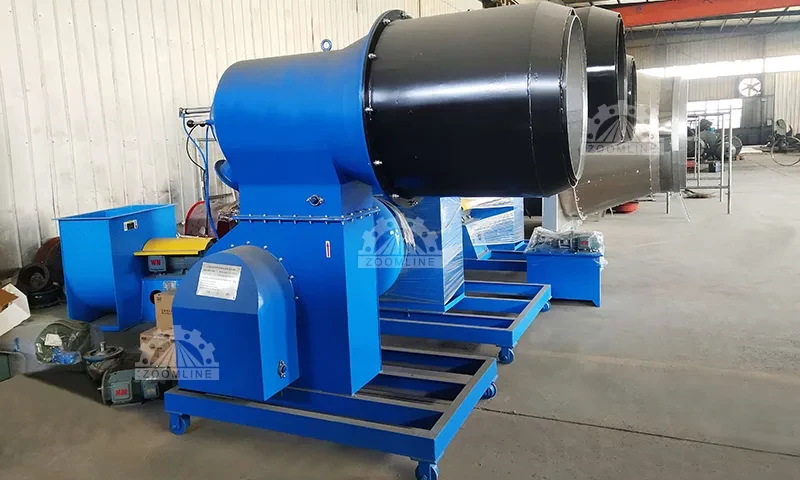
2026 Ranking of the Top 10 Global Industrial Burner Manufacturers
EBICO (Italy / China)
Company Profile: Founded in 1965, EBICO is a global leader in large-scale industrial burners with a well-established presence in the Asia-Pacific market and a leading market share in the asphalt mixing plant sector
Core Advantages: Ultra-low NOx technology (≤25 mg/m³), EPC turnkey solutions, intelligent digital control systems, and strong customization capabilities
Flagship Products: EI-GNQ axial flow burners specifically designed for asphalt mixing plants, and low-NOx burners for large industrial boilers and thermal oil heaters
Core Applications: Asphalt mixing plants, power plant boilers, thermal oil heaters, and industrial furnaces
Reasons for 2026 Ranking: Top-tier engineering capabilities, deep industry expertise in asphalt, outstanding energy efficiency, and a comprehensive global service network
Honeywell Thermal Solutions (U.S.)
Company Overview: A global leader in industrial automation and combustion technology, with a strong portfolio of brands including Maxon, Eclipse, and Kromschröder
Core Technologies: Nozzle-mixed combustion, advanced combustion management, integrated safety controls, and IoT-enabled intelligent monitoring
Core Advantages: Extremely high combustion precision, top-tier smart integration capabilities, the most comprehensive global service network, and industry-leading reliability
Typical Applications: Power plant boilers, chemical heating, food processing, and specialized combustion for aerospace
Reasons for 2026 Ranking: Deep technological barriers, the most comprehensive product line, and the highest market share in the high-end segment
Riello (Italy)
Company Overview: Founded in 1922, global leader in burner sales with an annual production capacity exceeding one million units and a market share of approximately 14%
Product Features: Full range of gas, oil, and dual-fuel burners; mature low-NOx technology; balanced cost-effectiveness and reliability
Core Advantages: Mass production, comprehensive global supply chain, wide adaptability, low O&M costs
Application Areas: Industrial boilers, commercial heating, asphalt mixing plants, light industrial heating
Reasons for 2026 Ranking: Leading global sales, consistent quality, full coverage of the mid-to-high-end market
Baltur (Italy)
Company Profile: Founded in 1950, a classic European brand with high market penetration in industrial boilers and low-NOx retrofitting
Technical Highlights: Premixed combustion + precise air-fuel ratio, thermal efficiency 92%–98.5%, NOx ≤ 30 mg/m³
Core Advantages: German-engineered precision quality, high durability, low noise, easy maintenance, full power range coverage (16 kW–1,200 kW+)
Main Markets: Europe, Asia, Middle East; industrial boilers, hot air furnaces, asphalt equipment
Reasons for 2026 Ranking: Mature technology, solid market foundation, widespread after-sales network
Oilon (Finland)
Company Overview: A leading Nordic combustion technology company and an authority in marine and industrial boilers
Core Technologies: Multi-fuel high-power burners, sustainable combustion systems, hydrogen compatibility technology
Competitive Advantages: High R&D investment, outstanding environmental performance, exceptional fuel adaptability, suitability for arctic environments
Typical Applications: Marine propulsion, industrial boilers, combined heat and power (CHP), industrial projects in the Arctic Circle
Reasons for 2026 Ranking: Nordic technology benchmark, leader in low-carbon solutions, significant advantages in specialized applications
Weishaupt (Germany)
Company Profile: A representative of German precision engineering and an iconic brand for high-end industrial burners
Technical Features: Fine combustion control, industry-leading thermal efficiency, temperature control accuracy of ±1°C, stable low emissions
Core Advantages: Made in Germany, long service life, superior stability, the top choice for high-end industrial heating
Application Scenarios: High-end boilers, precision chemicals, pharmaceuticals, food processing
Reasons for 2026 Ranking: Unparalleled quality, top reputation in the high-end market, excellence in both energy efficiency and emissions
Faber Burner Company (U.S.)
Company Profile: A long-established U.S. manufacturer of custom burners and an expert in industrial boilers and process heating
Product Features: Large-scale ultra-low NOx burners, custom combustion systems, stable operation under high loads
Core Advantages: Strong customization capabilities, leading high-power technology, a major supplier in the U.S. industrial market
Service Areas: Power plant boilers, industrial heating systems, chemical process furnaces
Reason for 2026 Ranking: Industry benchmark in the North American market; mature customized solutions
Zeeco (USA)
Company Profile: Global leader in ultra-low NOx and specialty combustion; authority in environmentally friendly combustion technology
Core Technologies: Ultra-low NOx combustion, hazardous waste incineration, flare systems, hydrogen combustion
Competitive Advantages: Cutting-edge environmental technology; adaptability to specialty operating conditions; extensive experience with high-complexity projects
Typical Applications: Environmental engineering, petrochemical heating, waste incineration, high-temperature industrial furnaces
Reason for 2026 Ranking: Absolute leader in environmental protection, high technical barriers, top choice for high-end projects
Limpsfield Combustion (UK)
Company Profile: UK expert in precision combustion, leader in low-emission and high-efficiency combustion technologies
Technical Highlights: Oxygen-optimized combustion, ultra-low CO/NOx emissions, precise combustion control
Core Advantages: Unparalleled combustion efficiency, precise emissions control, distinct advantages in small-scale precision heating
Industries Served: Precision manufacturing, food processing, pharmaceuticals, high-end boilers
Reason for 2026 Ranking: European benchmark for precision combustion, excelling in both emissions control and efficiency
Power Flame (USA)
Company Profile: A long-established U.S. industrial burner manufacturer; the NOVA low-nitrogen series enjoys high market recognition
Product Advantages: Strong combustion stability, precise flame control, high industrial-grade reliability, and easy maintenance
Core Applications: Industrial boilers, hot air systems, process heating, and asphalt mixing auxiliary equipment
Reason for 2026 Ranking: A mainstream player in the North American market, outstanding value for money, and industry-recognized reliability
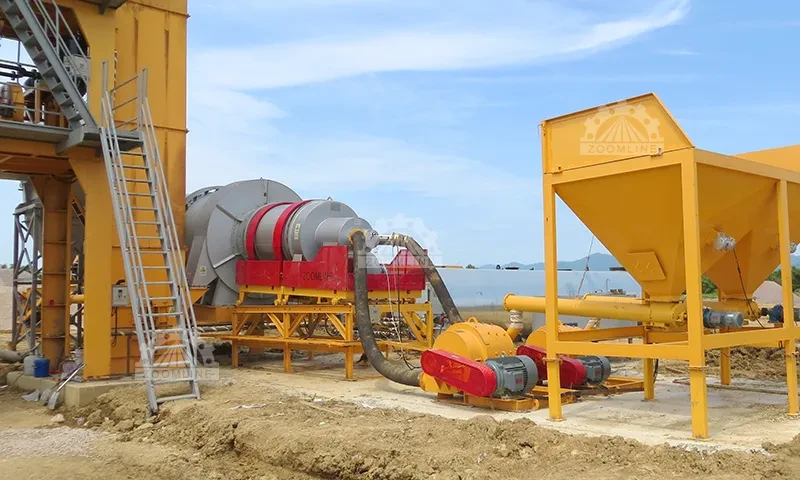
Industrial Burner Selection Guide
Identify Fuel Type
Natural Gas: Select high-efficiency, low-NOx gas burners; prioritize premix + FGR technology
Heavy Oil / Residual Oil: Select specialized models featuring multi-stage atomization, high power output, and anti-coking capabilities
Multi-fuel Applications: Mandatory selection of dual-fuel or multi-fuel models that support seamless switching
Low-Carbon Requirements: Prioritize biofuels, hydrogen compatibility, and pure oxygen combustion technology
Matching Power Output to Operating Conditions
Small-Scale Heating (<500 kW): Select compact, modular, and easy-to-install models
Medium-Scale Production (500 kW–5 MW): Emphasize a balance of efficiency, stability, and intelligent control
Large-Scale Projects (>5 MW): Select high-power customized models with redundant design and remote monitoring solutions
Asphalt Mixing Plants: Dedicated axial-flow burners with high turndown ratios and precise temperature control
Prioritize Environmental Compliance
Verify local NOx, CO, and particulate matter emission standards
Prioritize ultra-low NOx models ≤30 mg/m³; select ≤20 mg/m³ for high-end projects
Align with long-term policy requirements such as carbon neutrality and carbon tariffs
Smart Technology and O&M Capabilities
Mandatory: PLC automatic control and automatic air-fuel ratio adjustment
Prioritize IoT remote monitoring, fault diagnosis, and predictive maintenance
Evaluate after-sales service network, response time, spare parts supply, and training services
Key Considerations for Asphalt Mixing Plants
Thermal efficiency ≥92% to reduce fuel costs
Stable flame and temperature control accuracy of ±5°C to ensure asphalt quality
Resistance to impurities and ease of maintenance to support continuous production
Multi-fuel compatibility to address regional energy variations
Dedicated Burners for Asphalt Mixing Plants
Core Value of Burners in Asphalt Production
Aggregate drying efficiency: Determines production capacity and energy consumption, accounting for over 70% of the mixing plant’s energy use
Fuel cost control: Efficient combustion can reduce fuel consumption per ton by 15%–20%
Stable asphalt quality: Precise temperature control prevents aging and ensures gradation and adhesion
Environmental compliance: Controls flue gas emissions to meet environmental requirements for road construction
Mainstream Types of Asphalt Mixing Plant Burners
Gas Burners: Clean, efficient, and low-emission; suitable for regions with ample gas supply
Heavy Oil / Residual Oil Burners: High calorific value and low cost; suitable for high-capacity mixing plants
Dual-Fuel Burners: Gas-to-oil switching; offers the greatest flexibility and is the global mainstream choice
Multi-Fuel Burners: Compatible with pulverized coal, biomass, and waste oil; the preferred option for low-carbon and cost-saving solutions
Key Characteristics of Asphalt Burners in 2026
High Efficiency and Energy Savings: Thermal efficiency of 92%–98%, saving 20%+ more energy than traditional models
Ultra-Low Emissions: NOx ≤ 30 mg/m³, meeting stringent global standards
Intelligent Temperature Control: AI algorithms + digital regulation, with temperature fluctuations within ±3°C
High Reliability: 8,000 hours of continuous operation without failure, long maintenance intervals
Rapid Adaptability: Supports fuel switching within 30 seconds to adapt to energy price fluctuations
Future Technology Directions
Low-Carbon Combustion: Scaling up hydrogen co-firing, biomass fuels, and pure oxygen combustion
Intelligent Closed-Loop Control: Integration with mixing plant DCS systems for full-process automation
Waste Heat Recovery: Utilization of flue gas waste heat, improving overall energy efficiency by 10%+
Digitalized Operations and Maintenance: Remote monitoring, predictive maintenance, and full lifecycle management
Conclusion
By 2026, the global industrial burner market has evolved into a landscape characterized by European and American technological leadership, Asia-Pacific demand dominance, and dual-driven growth from low-carbon and smart technologies. The top ten manufacturers have secured a dominant position in the high-end market through four core capabilities: ultra-low nitrogen technology, multi-fuel adaptability, smart control, and global service networks. Among them, EBICO, Honeywell, and Riello hold a prominent advantage in the asphalt mixing plant sector, while Oilon and Zeeco lead in low-carbon and specialty combustion applications.
For asphalt mixing plant owners, EPC contractors, and industrial heating buyers, the key considerations in selecting a burner are: matching fuel types with power requirements, prioritizing ultra-low nitrogen compliance, emphasizing smart features and energy efficiency, and evaluating global service capabilities. Choosing a top-tier manufacturer not only ensures stable production, reduces energy consumption, and meets environmental standards but also supports the enterprise’s long-term low-carbon transition and enhances its core competitiveness.