


An Analysis of Modern Road Milling Technology and Road Maintenance Principles
Road milling machines (also known as cold planers or asphalt milling machines) are essential equipment in modern road maintenance. They precisely remove damaged asphalt layers, recycle RAP (Reclaimed Asphalt Pavement), and prepare a smooth base for new pavement. This process improves road longevity, reduces costs by up to 30-50% through material recycling, and supports sustainable construction practices.
What is a Road Milling Machine?
Road milling machines are known by several common names, including road milling machines, asphalt milling machines, and cold milling machines. All these terms refer to the same type of core equipment used for road maintenance. Its primary function is to precisely remove aged, damaged, or uneven asphalt surface layers using a high-speed rotating milling drum mounted on the machine. Simultaneously, the old pavement material generated during milling is promptly recycled and transported to a designated location, preventing material waste and on-site pollution. Compared to traditional pavement breaking methods, modern cold milling technology offers significant advantages. It allows for precise control of milling depth, preventing damage to the underlying road structure. Additionally, the milled asphalt material can be directly recycled, which not only reduces project costs but also effectively improves the construction quality of the new pavement layer. It is precisely these advantages that have made the Road Milling Machine a key piece of equipment in modern road maintenance systems, widely used in various road maintenance projects.
Why Must Roads Be Milled?
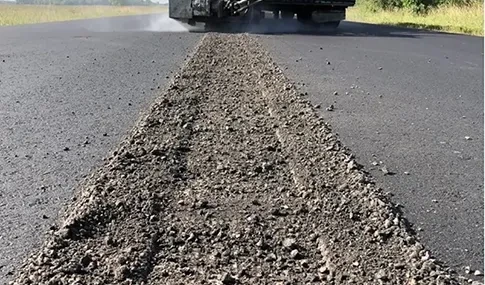
Many people wonder: Once a road is damaged, why not simply lay a new layer of asphalt directly over the old surface, rather than expending manpower and resources on milling operations? In fact, this seemingly simple “overlay” method can lead to significant engineering risks over the long term and may even shorten the road’s service life. First, each time the road surface is overlaid, the thickness of the pavement increases. Over time, this leads to a series of compatibility issues with supporting infrastructure. For example, mismatched heights at bridge joints can cause vehicle vibrations and pose safety hazards; curbs become relatively lower, losing their protective function for the road surface; drainage systems fail due to the raised road surface, leading to water accumulation during rain and compromising traffic safety; insufficient clearance in culverts may restrict the passage of large vehicles. Therefore, to avoid these issues, it is essential to first remove the old surface layer through milling before repaving. Second, over time, the old asphalt layer develops various defects due to factors such as oxidation and vehicle traffic. These include brittleness and cracking caused by oxidation and aging, rutting and wave-like deformation from prolonged vehicle traffic, as well as surface loosening and granulation. These defects cause the asphalt layer to lose its original structural integrity. If new asphalt is simply laid over such a damaged layer, the new and old layers will fail to bond properly, leading to issues such as reflective cracking, delamination, and the recurrence of rutting. Milling, however, can thoroughly remove these damaged layers, laying a solid foundation for the new pavement. Furthermore, modern highways and other high-grade roads have extremely high requirements for pavement smoothness. Road milling machines can achieve millimeter-level construction precision through their automatic leveling systems, laser guidance, and depth control systems, ensuring that the milled surface is smooth and even. This is a key reason why cold milling is almost universally adopted for the maintenance of high-grade roads.
How a Road Milling Machine Works
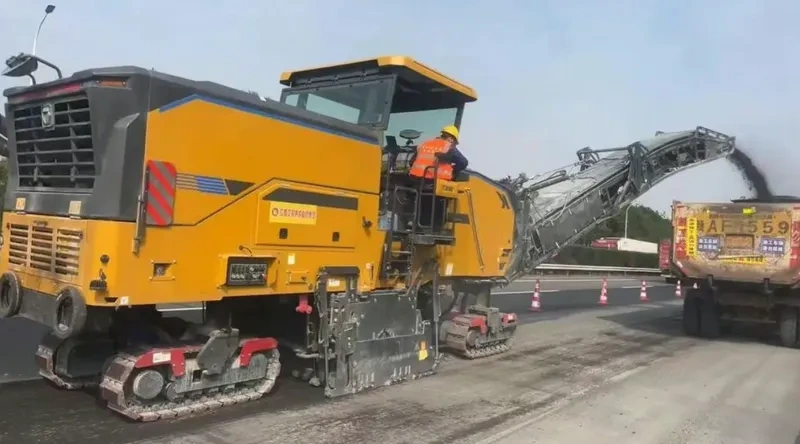
The operational efficiency and construction quality of modern road milling machines depend on the coordinated operation of multiple internal systems. These machines primarily consist of core components such as the milling drum system, cutter head system, conveyor system, and automatic leveling system, each of which plays an indispensable role. The milling drum system is the core component of the road milling machine. Its surface is equipped with a large number of wear-resistant cutting bits. During operation, the drum rotates at high speed, driving the cutting bits to cut into the asphalt pavement, thereby removing the old road surface. Depending on specific project requirements, operators select different cutting tooth spacings, including standard, fine milling, and micro-milling spacings. These variations directly influence the surface texture of the milled pavement, ensuring compatibility with subsequent paving requirements. The cutting head system (Cutting Teeth) is the component that comes into direct contact with the pavement. Its performance directly determines milling efficiency, fuel consumption, and construction quality. Poor-quality cutting heads not only reduce construction efficiency but also increase equipment wear and tear; Therefore, the cutting teeth of modern high-end milling machines are typically made of high-strength, highly wear-resistant materials such as tungsten carbide alloys. They are also designed with a quick-change mechanism, allowing operators to replace worn teeth promptly and minimize downtime for maintenance. The conveyor system is responsible for promptly transporting the milled old pavement material away from the site. The milled material is conveyed via a conveyor belt directly into transport trucks. This design not only enables rapid recovery of RAP (Recycled Asphalt Pavement), preventing material waste, but also reduces dust and waste contamination at the construction site, improves the equipment’s continuous operation efficiency, and ensures that the construction schedule remains unaffected. The automatic leveling system is key to achieving high-precision construction with modern milling machines. Currently, mainstream equipment generally employs ultrasonic leveling, laser leveling, or 3D digital control methods. By monitoring road surface elevation in real time, the system automatically adjusts the milling depth to ensure the milled surface meets construction standards for flatness, thereby providing optimal conditions for subsequent paving operations.
Main Types of Road Milling Machines
Depending on project scale and construction scenarios, milling machines are typically classified into three categories: small, medium, and large. Each type has distinct application scenarios and characteristics, capable of meeting the needs of various maintenance projects. Small milling machines are primarily used for municipal road maintenance, bridge joint treatment, and small-area pavement repairs. The greatest advantage of this type of equipment is its flexibility and convenience; it is easy to relocate and can operate in confined spaces—such as city sidewalks and residential neighborhood roads—where large equipment cannot access. However, due to their lower power output, their productivity is relatively limited, making them unsuitable for large-scale road rehabilitation projects. Medium-sized milling machines represent the most widely used category. They are commonly employed for the maintenance of urban arterial roads, national and provincial highways, as well as medium-scale road rehabilitation projects. These machines strike an excellent balance between construction efficiency, flexibility, and cost control. They can meet the demands of projects of a certain scale without requiring the high investment associated with large-scale equipment. Consequently, they have become the workhorse of many road construction companies and are the most common equipment in routine road maintenance. Large cold milling machines are primarily used on expressways, airport runways, and large-scale road rehabilitation projects. These machines are characterized by their exceptional capabilities, including an extremely wide milling width, high-horsepower engines, and robust continuous operation capacity. They are capable of handling large-area, high-intensity milling operations. A single large machine can cover tens of thousands of square meters in a single day, significantly shortening the construction schedule for large-scale maintenance projects and improving overall construction efficiency.
Modern Road Milling Construction Process
Standard milling construction is not merely a simple “road milling” operation, but rather a standardized, orderly process that typically consists of five steps: pavement inspection and surveying, milling parameter setting, actual milling operations, pavement cleaning, and new pavement paving. Each step is interlinked, collectively ensuring the quality of the maintenance project. The first step is pavement inspection and surveying. Prior to construction, personnel must conduct a comprehensive survey of pavement defects to determine the extent and severity of damage. They also perform depth measurements and evenness tests to assess the actual condition of the pavement, providing a basis for setting subsequent construction parameters. The second step involves setting milling parameters. Based on the results of the pavement inspection and in accordance with project design requirements, key parameters such as milling depth, width, and construction speed are determined to ensure that the milling operation precisely meets design standards and avoids issues such as excessive or insufficient milling depth or incorrect width. The third step is the actual milling operation. Once the parameters are set, the equipment begins continuous operation. The milling drums rotate at high speed to remove the old pavement, and the milled material is loaded onto transport trucks in real time via conveyor belts. This “mill-and-recycle” process ensures a clean and efficient construction site. The fourth step is road surface cleaning. After milling is complete, the road surface must be thoroughly cleaned, including the removal of dust and residual material, to prevent leftover dust and debris from affecting the bond between the new and old pavement and to create a clean, level working surface for subsequent paving operations. The fifth step is the paving of the new road surface. Once milling and sweeping are complete, equipment such as asphalt pavers, rollers, and sprayers is typically deployed to complete the construction of the new surface layer, ultimately achieving road repair and upgrading. It is important to note that within a comprehensive road maintenance system, milling is merely the first step in the entire process; subsequent stages such as paving and compaction are equally critical. Only through the coordinated collaboration of all these stages can the quality of road maintenance be ensured.
Trends in Intelligent Road Milling Machines
With the widespread application of digital and intelligent technologies in the engineering sector, modern milling equipment is rapidly evolving toward intelligent systems. An increasing number of high-end machines are incorporating advanced technologies, significantly enhancing construction efficiency and quality, and driving the road maintenance industry toward a transformation characterized by high efficiency, precision, and intelligence. GPS and 3D control systems are among the core configurations of today’s high-end milling machines. These systems enable precise GPS positioning, 3D road surface modeling, and automatic grade control. Operators can preset construction parameters through the system, and the equipment automatically adjusts milling depth and grade based on actual road conditions, significantly improving construction accuracy and reducing human operational errors. This is particularly suitable for maintenance work on complex road surfaces. The intelligent cutterhead management system addresses the inconvenience of traditional cutterhead maintenance. This system monitors cutterhead wear, operating temperature, and operational status in real time. When excessive wear or abnormalities are detected, it promptly issues alerts to remind staff to perform replacements and maintenance, effectively reducing downtime for maintenance and improving the equipment’s continuous operational efficiency. Data-driven construction management is another key aspect of intelligent development. Modern milling equipment can record various data in real time during the construction process, including construction area, milling depth, fuel consumption, and operational trajectories. This data provides construction companies with precise analytical insights to optimize construction plans, allocate resources efficiently, control project costs, and achieve refined management.
Where does the material go after road milling?
The handling of old pavement material generated by milling operations is a crucial aspect of modern road maintenance and a key component in practicing green and low-carbon principles. The material produced by milling is known as RAP (Reclaimed Asphalt Pavement). This material is not useless waste; after professional processing, it can be reused, achieving resource recycling. Specifically, RAP material undergoes a series of processes—including crushing, screening, and recycling—to remove impurities and restore its performance. It is then reintroduced into asphalt mixing plants, where it is blended with new asphalt, aggregates, and other materials for use in new pavement construction. This recycling method not only reduces the volume of waste materials sent to landfills and minimizes environmental pollution but also conserves raw materials such as new asphalt and aggregates, thereby lowering project costs. It is a green, low-carbon road recycling technology currently prioritized by the global road industry and represents a key future direction for the road maintenance sector.”RAP recycling can recover 70-100% of milled material, significantly cutting virgin aggregate use and lowering CO₂ emissions.”
The specific recycling processes, technical details, and application scenarios for milled material will be analyzed in detail in a separate article.->How Is Asphalt Recycled from Road Milling Waste?
Road Milling Machines and Modern Road Maintenance Systems
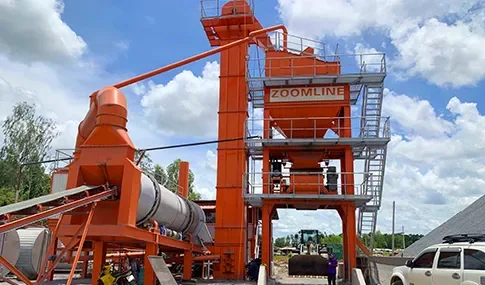
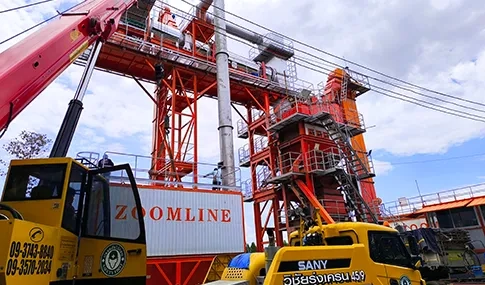
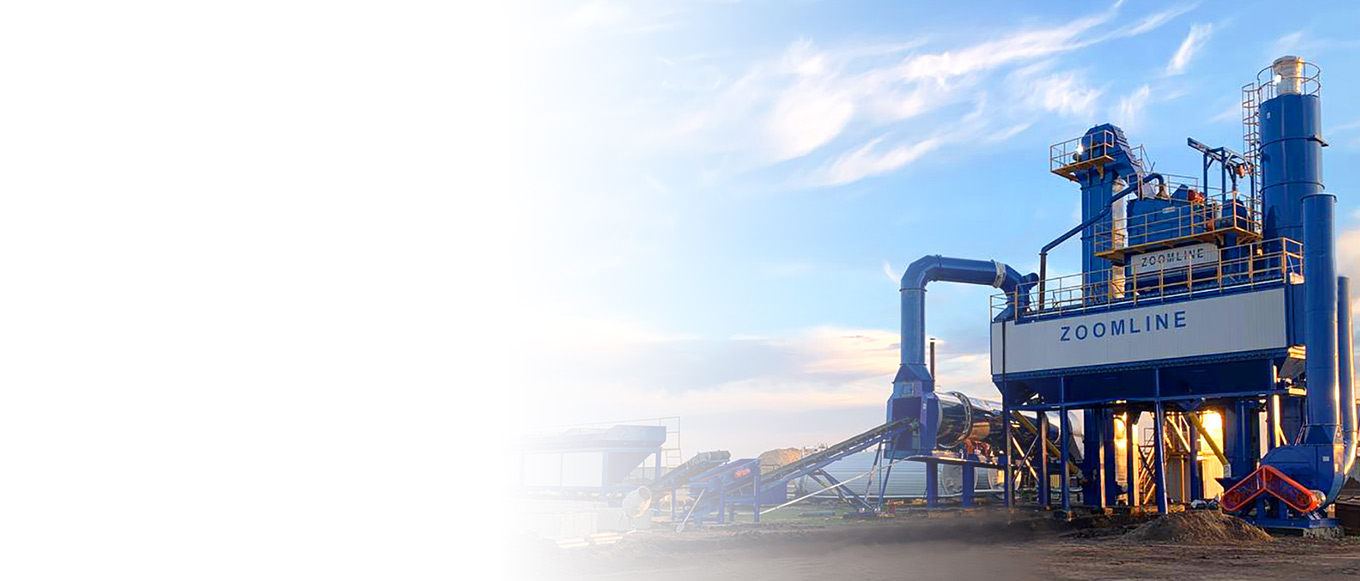
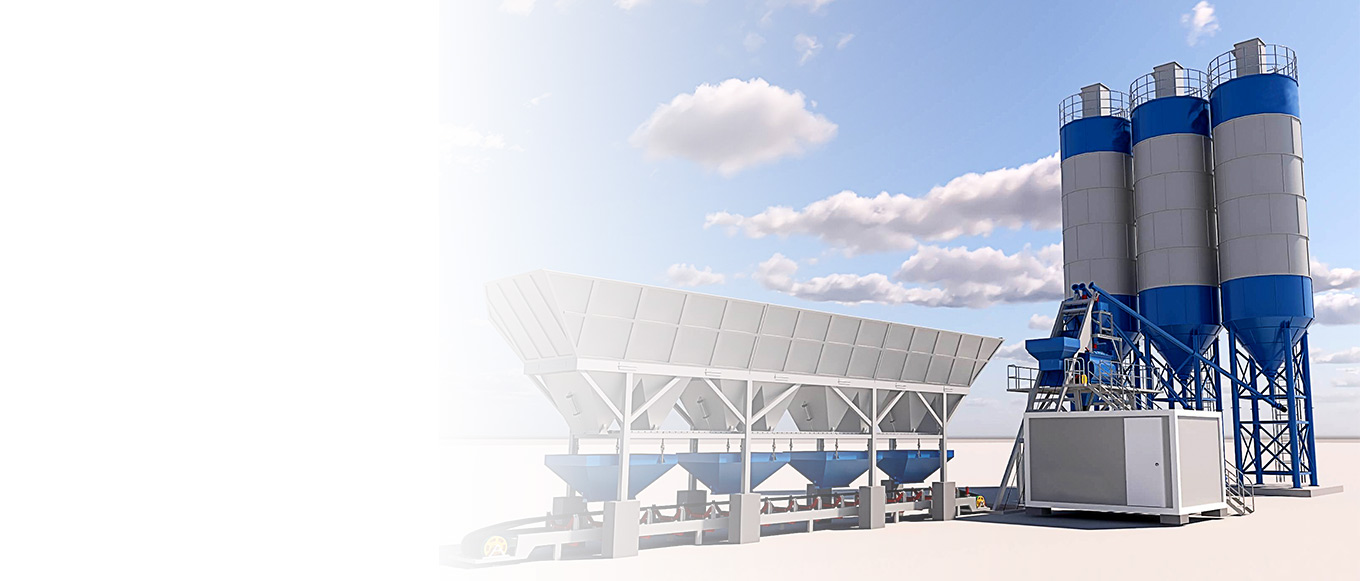
Today, road maintenance is no longer a standalone operation involving a single piece of equipment, but rather a comprehensive, coordinated system. Road milling machines, RAP recycling systems, asphalt mixing plants, asphalt pavers, and compaction equipment collectively form a closed-loop system for modern road maintenance. These various pieces of equipment and systems work together to ensure the efficient and high-quality completion of road maintenance projects. For example, in large-scale road maintenance projects, mobile asphalt mixing plants, RAP recycling equipment, and asphalt paving equipment are typically used in conjunction to form a complete cycle of “milling—recovery—recycling—repaving.” The milling machine is responsible for removing the old pavement and recovering RAP material; the recycling equipment processes the RAP material; the asphalt mixing plant blends the recycled material with new raw materials to produce new asphalt mix; and finally, the asphalt paver and compaction equipment complete the laying of the new pavement. The entire process is efficient, environmentally friendly, and energy-saving, achieving the circular use of resources and optimization of project costs. Within this comprehensive maintenance system, products such as the Mobile Asphalt Plant, Recycling Asphalt Plant, Asphalt Paver, and Road Maintenance Equipment—all provided by the ZOOMLINE Product Center—are indispensable components of modern road maintenance. Together, they drive the standardized and eco-friendly development of the road maintenance industry.
Conclusion
A road milling machine is not merely a simple “road milling machine”; it occupies a central position in the modern road maintenance system. Its performance and construction quality directly determine the overall quality of road maintenance, the effectiveness of subsequent paving, the efficiency of material recycling, and the overall project cost, making it an indispensable piece of key equipment in road maintenance projects. As roads worldwide enter a large-scale maintenance cycle, cold milling technology is continuously evolving and upgrading, advancing toward greater intelligence, digitalization, high precision, and green, low-carbon practices. An increasing number of advanced technologies are being integrated into milling equipment, driving the road maintenance industry toward greater efficiency, environmental sustainability, and precision. In the future, the core competitiveness of the road construction industry will increasingly depend on who can more efficiently achieve road recycling and reuse. As a critical link in this cycle, the road milling machine will play an increasingly important role, providing strong support for the development of global road maintenance.
Zoomline road milling machines combine high-precision cold milling with efficient RAP recovery, helping contractors achieve sustainable, cost-effective road maintenance. Explore our full range of milling machines, recycling plants, and asphalt equipment.