Installation Time: July–August 2026
Project Location: Lubumbashi, Democratic Republic of the Congo
Core Equipment: HZS120 Concrete Batching Plant
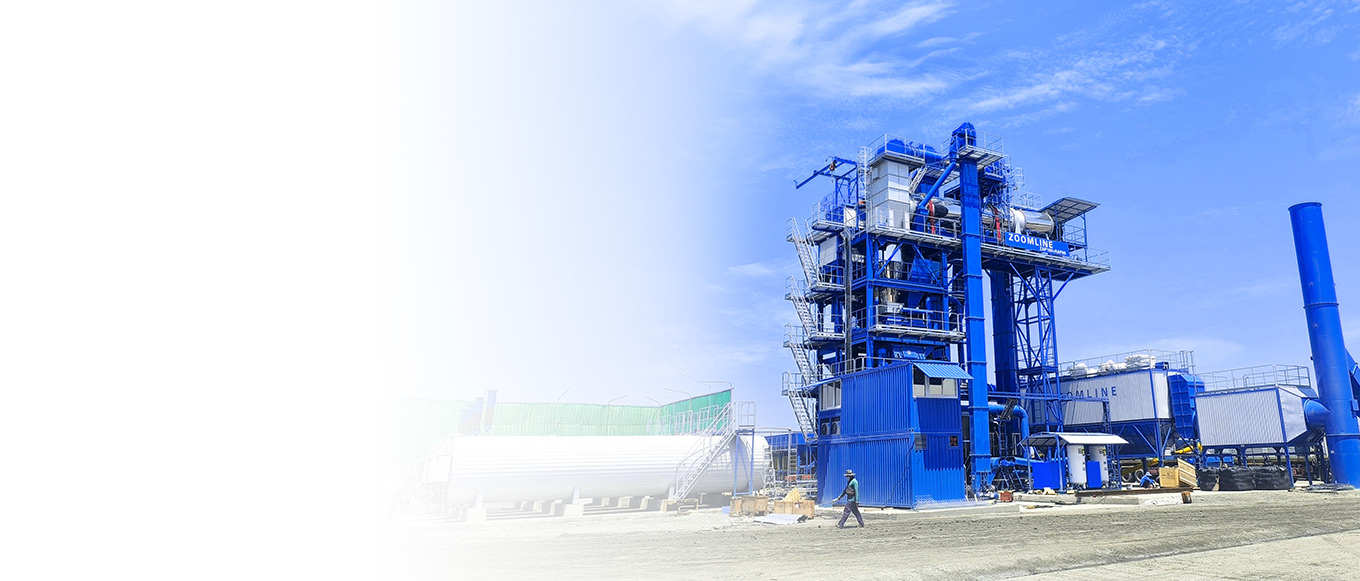
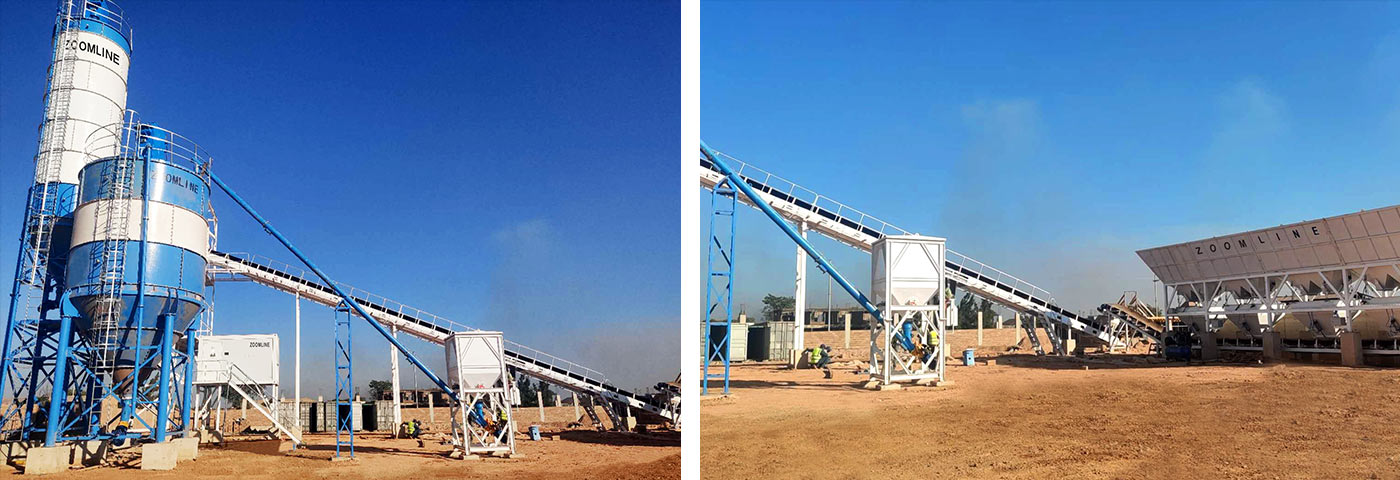
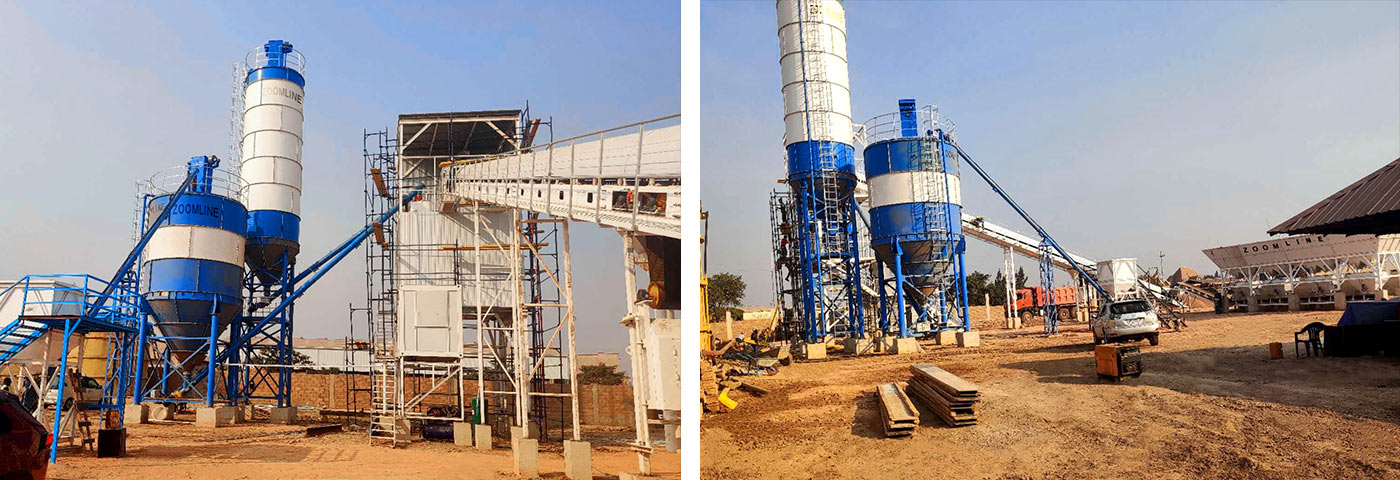
In cross-border engineering projects and overseas infrastructure development, highly efficient and stable concrete batching plant equipment is essential for ensuring projects are completed on schedule. Recently, a complete production line of the HZS120 belt concrete batching plant, developed and manufactured by ZOOMLINE Machinery, was successfully installed in Lubumbashi, the second-largest city in the Democratic Republic of the Congo.
The project not only includes a large-scale HZS120 concrete batching plant with a rated capacity of 120 m³/h but also integrates concrete quality testing laboratory equipment, raw materials for concrete admixtures, and dedicated transformers, delivering a truly ‘turnkey’ comprehensive engineering service that meets the client’s high-standard construction requirements amid complex operating conditions and local resource constraints.
As a well-known local general construction contractor in the Democratic Republic of the Congo, the client was awarded a large-scale mixed-use construction project in Lubumbashi’s new urban district. The project encompasses high-rise residential complexes, industrial plant clusters, and municipal infrastructure such as roads and drainage networks. Given the project’s large scale and tight schedule, it placed extremely high demands on the continuous supply of structural concrete and the stability of mix proportions.
Before deciding to introduce the HZS120 concrete batching plant, the project faced the following four core challenges:
The project involves a wide range of concrete grades, from C20 (for road surfaces and sub-base layers) to C50/C60 (for high-rise main structures and prestressed beams), requiring the concrete batching plant to quickly adjust mix proportions while ensuring measurement accuracy during continuous production.
Traffic congestion in the city of Lubumbashi often causes delays for ready-mix concrete trucks due to road conditions. Long-distance transport can easily lead to a loss of concrete slump or premature setting, severely affecting the pour quality of high-strength beam and slab structures. Therefore, establishing a concrete batching plant on-site is the only viable solution.
Due to the unstable local supply of bulk cement, the project requires the procurement of large quantities of bagged cement. The traditional method of manually unpacking and feeding each bag is extremely inefficient and generates significant on-site dust, making it impossible to keep up with the high throughput rate of a large 120 m³/h concrete batching plant.
In landlocked regions of Africa, industrial power grids are prone to significant voltage fluctuations; the lack of a stable power supply can lead to frequent malfunctions in the batching plant’s electrical control systems. Additionally, the absence of on-site quality testing methods results in excessive variability in concrete mix proportions.
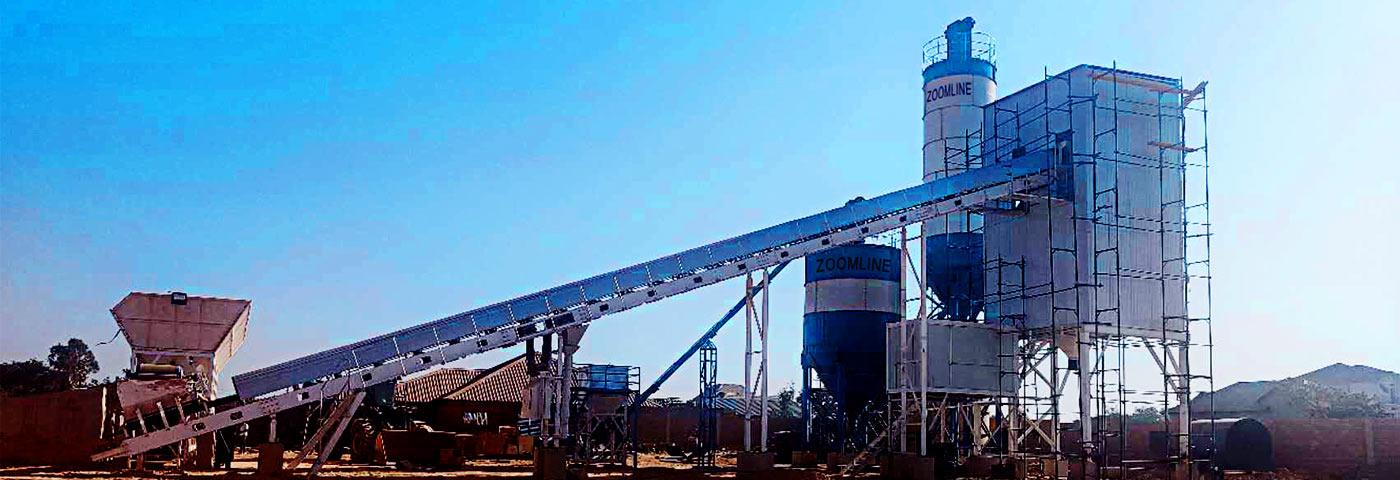
To address these practical engineering challenges, our engineering and technical team—guided by high standards and reliability—tailored a comprehensive HZS120 belt-type concrete batching plant production line for the client, equipped with targeted enhancement modules:
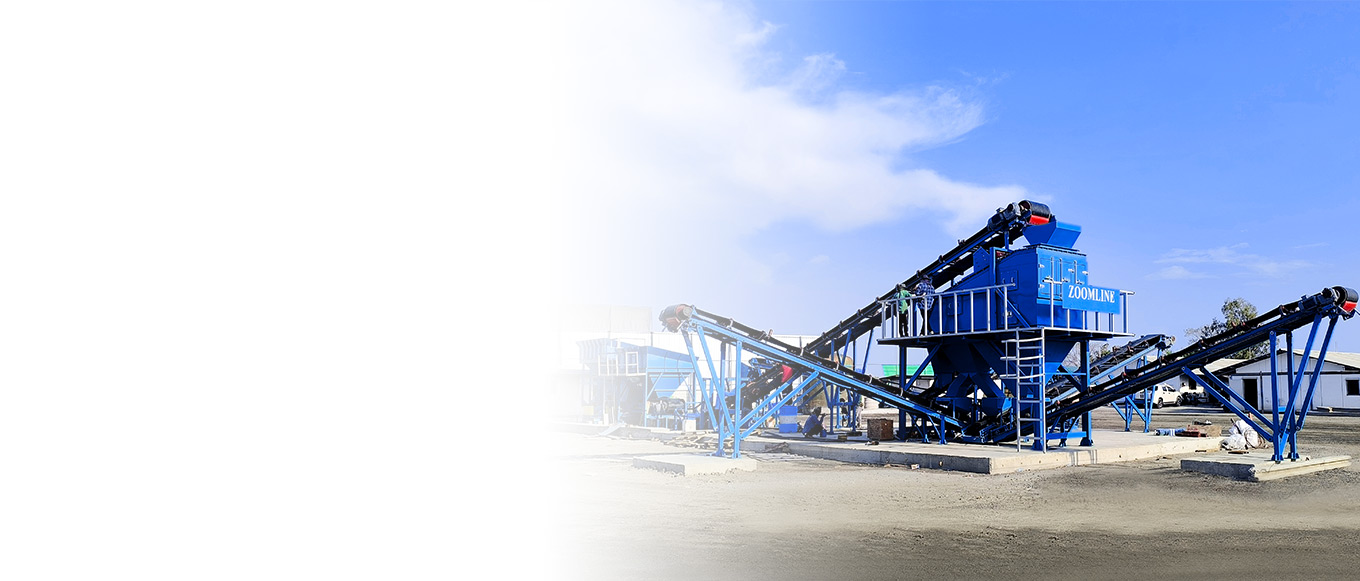
This HZS120 concrete plant utilizes a JS2000 twin-shaft forced-action concrete mixer, which delivers powerful and uniform mixing capabilities, enabling the even blending of high-dry-strength, plastic, and flowable concrete within a short time-frame. The aggregate conveying system employs a steep-angle inclined belt conveyor, combined with an intermediate aggregate hopper (aggregate collection hopper), to achieve high-speed, continuous, and smooth aggregate delivery, significantly shortening the cycle time per mix.
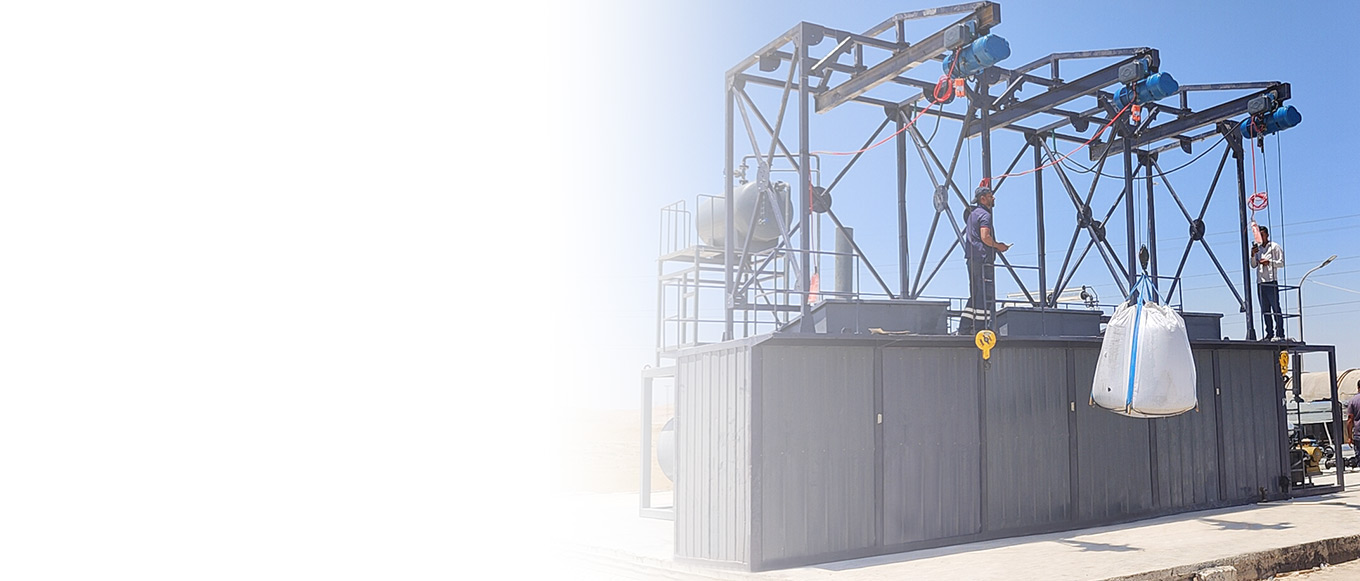
To address local challenges in bagged cement supply, our company has specially developed and installed a 3.5 m³ large-capacity cement bag-breaking hopper at the front end of the cement powder conveying chain. Equipped with a bag-breaking device and a high-efficiency dust extraction fan, this hopper can accommodate an entire pallet of bagged cement for rapid mechanical unpacking and conveys the material directly and smoothly to the cement metering hopper via a screw conveyor. This breakthrough eliminates raw material supply bottlenecks and significantly reduces the physical strain on manual labor.
The entire plant is equipped with independent batching systems for aggregates, cement, fly ash, water, and liquid admixtures, each utilizing high-precision tension and compression sensors. The fully automated electrical control system combining an industrial control computer and a PLC—is housed in a separate, soundproof, and thermally insulated control room. The panoramic monitoring system provides real-time video surveillance of key points such as the batcher, the discharge port of the main mixer, and the tops of the cement silos, ensuring full transparency and control throughout the production process.
To help customers establish their own quality control measures, this concrete plant is equipped with a complete set of concrete laboratory testing equipment, including a compression testing machine, a slump tester, a cement paste mixer, and standard curing chambers. Additionally, high-efficiency water-reducing agents and sodium gluconate retarders are included with the packaged materials to help flexibly adjust concrete setting time and workability in high-temperature environments, thereby preventing cold joints during construction.
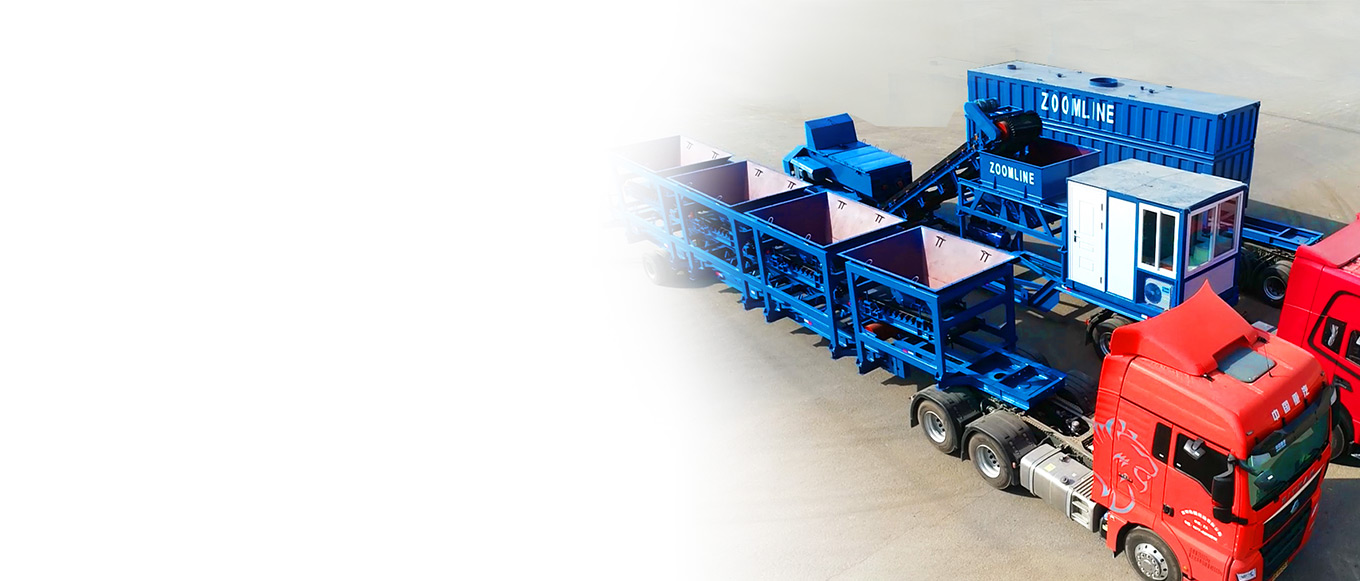
The cross-border transportation of large-scale industrial heavy equipment is also a critical factor in determining the success of a project. Our company has conducted an in-depth modular optimization design for the structure of the HZS120 concrete batching plant:
The complete set of HZS120 stationary concrete batching plant equipment, along with supporting laboratory instruments, transformers, chemical raw materials, and other items, was scientifically and rationally packed into six 40-foot high-cube (40HQ) containers. This ensured thorough protection of structural components and maximized container space utilization, effectively saving the customer on international ocean freight costs.
The concrete mixing plant was shipped from the factory in mid-January 2026, after approximately 30 days of ocean and inland transport, arrived safely at the Lubumbashi project site in the Democratic Republic of the Congo.
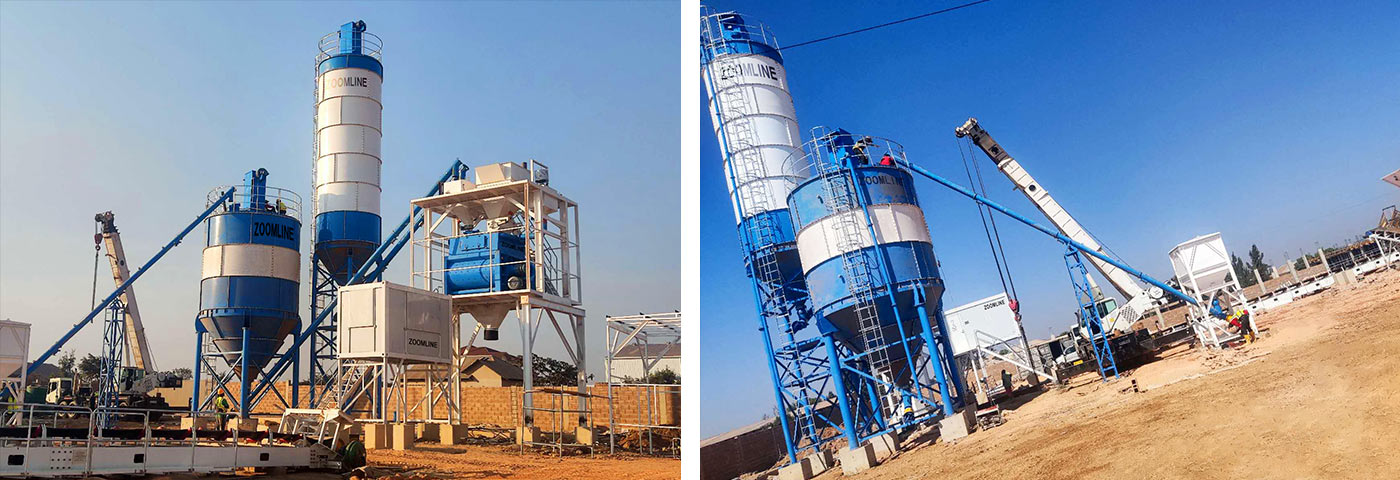
In accordance with the client’s project plan, our overseas after-sales service team arrived on-site in July 2026 to provide comprehensive guidance throughout the process—including foundation verification, steel structure assembly, electrical control system commissioning, and on-site operator training ensuring the HZS120 concrete batching plant was successfully commissioned and put into operation on the first attempt.
The successful delivery of the HZS120 concrete batching plant project in Lubumbashi, DRC, not only demonstrates our company’s professional expertise in the manufacturing of heavy-duty industrial mixing equipment and customized overseas engineering services but also validates our flexible R&D capabilities for ‘tailored-to-need’ solutions designed for complex overseas operating conditions.
By installing the highly efficient HZS120 belt-type concrete batching plant on-site, the client has successfully eliminated its reliance on expensive external ready-mix concrete, significantly reducing procurement costs and transportation losses. Relying on the mixing plant’s high-precision metering system and supporting on-site laboratory equipment, the engineering team can produce high-quality structural concrete of various grades in accordance with standards at any time. Meanwhile, the seamless integration of the 3.5-cubic-meter large-capacity cement bag-breaking hopper and a dedicated transformer has completely eliminated the dual risks of low bagging efficiency and fluctuations in the local power grid, laying a solid and worry-free foundation for the on-time completion of the Lubumbashi New City construction project.