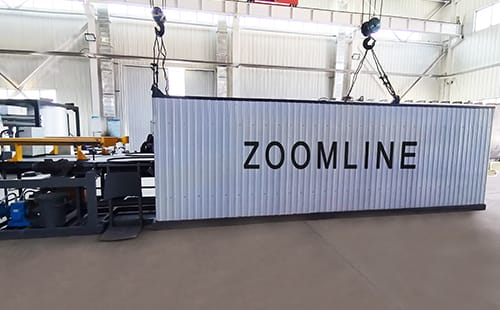
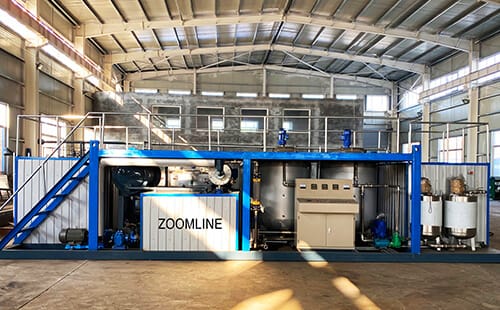
Regular cleaning of the bitumen melting machine can effectively avoid the accumulation of asphalt residue, to protect the equipment heating efficiency and asphalt quality, the cleaning process needs to follow the following eight steps, to ensure safe operation, clean and thorough:
Preparation
Before cleaning, the operator needs to wear good personal protective equipment, including high-temperature gloves, goggles, face masks, etc., to prevent high-temperature equipment or residual asphalt scald; at the same time, turn off the power of the equipment, waiting for the equipment to cool completely, to avoid the safety hazards of high-temperature operation; ready to clean tools and materials, including scrapers, wire brushes, special asphalt solvents, high-pressure cleaners, etc., to ensure that the tools are complete.
Empty the Equipment
Open the discharge valve of the equipment, the melting chamber of the remaining molten asphalt discharged into a special container to ensure that no residual asphalt in the equipment; discharge is complete, with a scraper gently scrape off the melting chamber wall and the bottom of the solidified asphalt, pay attention to avoid scratching the inner wall of the equipment, if there are stubborn residues, can be moistened with solvent before scraping.
Disassemble the Parts
In order to achieve a thorough cleaning, the need to disassemble some of the core components of the equipment, including heating elements, asphalt pumps, valves, filters, etc., the disassembly process should be in strict accordance with the instructions for the use of the equipment to avoid damage to the components; will be disassembled after the parts into a container containing a special solvent, soak for a few hours or overnight, so that the solvent to fully dissolve the parts on the surface of the asphalt residue.
Clean the Parts
After soaking the components, use a wire brush or soft cloth to gently scrub the surface of the components, thoroughly remove asphalt residues and dirt, focus on cleaning the surface of the heating element, to avoid residual asphalt affect the heating efficiency; scrubbing is complete, rinse the components with water to remove the solvent residue, and then the components will be thoroughly dry, to prevent rust and corrosion after installation.
Clean the Melting Chamber
Use a high-pressure cleaner to spray the special solvent on the inner wall and bottom of the melting chamber, starting from the top, gradually downward cleaning, focusing on cleaning the corners, crevices and other parts of the asphalt that are prone to build up; spraying is complete, scrubbing again with a wire brush or scraper to remove stubborn residues, and then rinse the melting chamber thoroughly with water to ensure that there is no residue of solvents and dirt.
Reassembly
Clean and dry the parts in accordance with the requirements of the equipment instruction manual, re-installed on the equipment, to ensure that the parts are firmly installed, bolts, interfaces connected tightly to avoid leakage, loosening and so on; after the assembly is completed, inject the right amount of water into the equipment, start the equipment running for a few minutes, rinse the residual solvents and dirt inside the equipment, and then discharge the water cleanly.
Final Inspection
After the equipment is assembled and cleaned, carry out a comprehensive inspection to see whether the parts are running normally, there is no leakage, abnormal noise and other situations; then put a small amount of asphalt for the test machine to check whether the temperature is stable, and whether the material is smooth, to ensure that the equipment can be operated normally after cleaning.
Preventive Measures
In addition to regular cleaning, the daily use of the need to do a good job of prevention, the use of high-quality, low-viscosity asphalt, reduce asphalt residue; strict control of bitumen melting temperature, to avoid asphalt overheating carbonization buildup; to avoid overloaded equipment, not more than the rated capacity of the equipment, to extend the service life of the equipment.