








Hot Air Generators: Working Principle, Application and Selection Guide
Hot Air Generator as a professional industrial heat source equipment, can stably output controllable temperature, adjustable air volume of clean hot air, replace the old heating scheme, cover drying, curing, heat treatment, space heating full scene, is food, pharmaceutical, chemical, textile, automotive processing production line standard equipment.
Many procurement engineers only look at equipment quotation, heating power, ignore key parameters such as heat transfer form, fuel matching, maintenance space, etc., and there are problems such as double energy consumption, product pollution, frequent shutdown and maintenance in the later stage. This article from the principle, classification, application, selection of four dimensions complete disassembly, help enterprises choose to adapt to the production line, long-term cost reduction of hot air generator.
What is The Hot Air Generator?
Hot air generator is a special industrial equipment which produces heat through fuel combustion/electric energy conversion, and then transfers the heat to the air through the heat exchange system, and the fan transports stable high-temperature hot air.
Different from ordinary hot air fans, industrial hot air generators have three core functions:
Heat source generation: relying on natural gas, diesel oil, biomass, electricity and other fuels to continuously generate heat;
Heat conduction: efficient heat exchange through heat exchangers, separation of flue gas and process air (indirect);
Hot air conveying: fan constant output specified temperature, hot air volume, matching drying/curing production line.
Core Advantages
Efficient temperature rise: low heat loss of heat transfer structure, quickly reach the process set temperature;
Energy diversity: electricity, gas, diesel, biomass multi-fuel options, adapt to the plant energy conditions;
Temperature control stability: supporting sensor control system, temperature fluctuation is small, to ensure product consistency;
Compact structure: modular design, can be connected to the existing drying line, air duct, installation and transformation is simple.
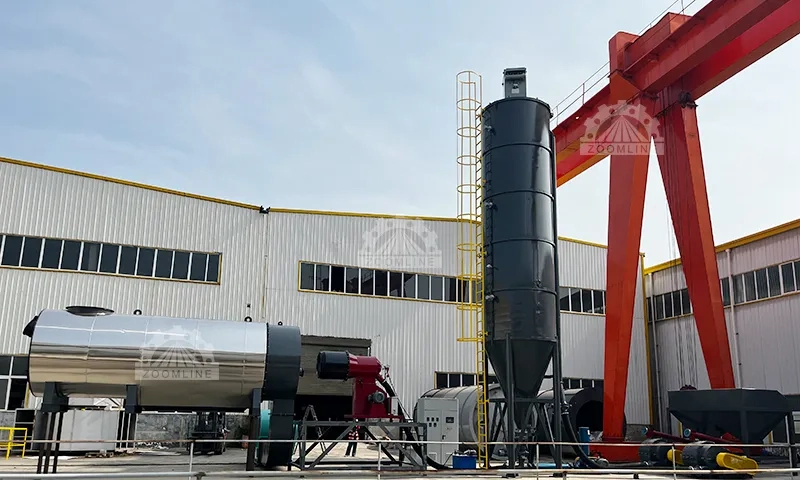
Working Principle of Hot Air Generator
The operation of the whole set of equipment is divided into 6 standardized processes, and only the heat source generation link is different for different fuel models:
Heat source output (combustion/electric heating)
Fuel type (gas/diesel/biomass): Burner/furnace fuel fully combusted to release high temperature flue gas; Electric heating type: Electric heating element energized directly converts electric energy into heat energy, no flue gas generation, clean and pollution-free.
Heat transfer conduction
High temperature flue gas/electric heating element contact heat exchanger, heat transfer to normal temperature air flowing through the cavity; indirect type flue gas and process air are completely isolated to eliminate pollution; direct combustion flue gas directly mixed with hot air, heat exchange efficiency is higher.
The fresh air suction
Blower extracts ambient air at normal temperature from the air inlet and continuously passes it into the heat exchanger cavity.
Hot air heats up
The air flows through the heat exchange channel to fully absorb heat, and the temperature rises to the required interval of the process (adjustable from normal temperature to 1000℃).
Hot air conveying and distribution
Fan pressurization, high temperature hot air through the duct, nozzle delivery to drying room, curing line, workshop heating area.
Intelligent constant temperature control
Temperature sensor real-time collection of air temperature, control system automatically adjust fuel supply, fan air volume, stable temperature control, automatic shutdown protection over temperature.
Mainstream classification of Hot Air Generators
By fuel energy
| Model Type | heat source medium | core features | applicable scenarios |
| Electric heating hot air generator | electric energy | Zero emission, clean without smoke, low noise, temperature control accuracy ±1℃, no fuel storage | Food, pharmaceutical, dust-free workshop, strict environmental control plant, small precision drying |
| hot blast heater with fired | Natural gas/propane | Fast temperature rise, large thermal load, moderate operation cost, high degree of automation | Medium and large drying line, workshop heating, automobile paint curing |
| Oil-fired hot air generator | diesel | No need for gas pipeline, portable and mobile, high power and high temperature output | Field construction, no pipe network plant area, temporary heating conditions |
| Biomass hot-air generator | Firewood, straw, biomass particles | Extremely low fuel cost, can consume plant waste, economical | Wood processing, grain drying, organic fertilizer processing, large plant heating |
Divided by heat transfer mode
Direct combustion hot air generator
Combustion flue gas directly mixed with air to form hot air, heat exchange efficiency of more than 98%, lower cost; only suitable for flue gas will not pollute the product conditions (wood drying, plant heating), food, pharmaceutical industry prohibited use.
Indirect hot air generator
Heat exchanger isolated flue gas and process air, output 100% clean hot air, no impurities, no sulfide pollution; suitable for food, pharmaceutical, fine chemical and other high clean requirements of production lines, is the mainstream high-end models.
Components of Hot Air Generator
Burner/electric heating component: the core of heat generation, which determines the adequacy of combustion and heating power; the biomass model is equipped with an automatic feeding and ash cleaning system;
Heat exchange cavity (heat exchanger): determines thermal efficiency, stainless steel material corrosion resistance, adapt to wet, chemical conditions; multi-return heat exchanger heat recovery efficiency is higher, energy saving 15%-30%;
High-pressure blower: control air volume, wind pressure, matching air duct length, drying line volume;
Intelligent control system: temperature sensor, frequency conversion module, overload/over-temperature/wind pressure protection, to achieve full automatic operation;
Air duct and distribution nozzle: conveying hot air, optimizing air distribution uniformity, reducing heat loss of pipeline;
Auxiliary equipment: biomass model additional bin, ash removal device; explosion-proof model supporting explosion-proof motor, sealed furnace.
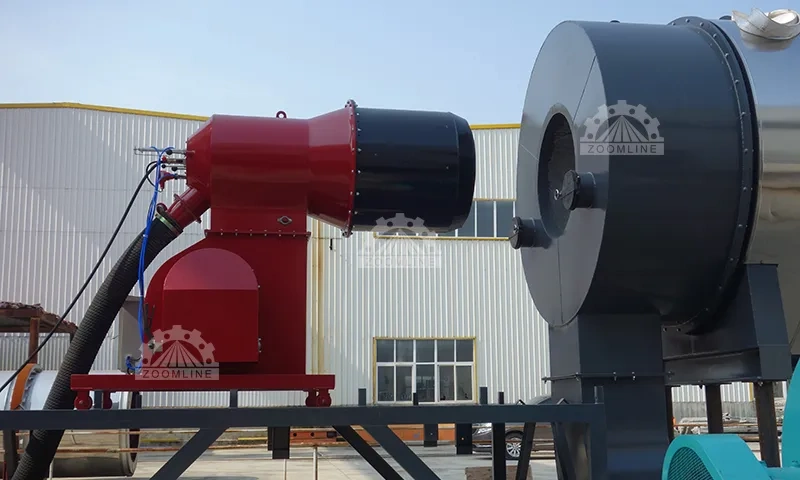
Industry-wide Application Scenarios
Food processing industry
fruits and vegetables, Chinese herbal medicine, meat products drying, food equipment sterilization baking; preferred stainless steel indirect hot air generator, meet food hygiene standards, no smoke pollution raw materials.
Pharmaceutical industry
powder, particles, raw materials low-temperature drying; must be clean indirect electric heating/gas models, to avoid impurities affecting the purity of drugs.
Chemical industry
chemical raw material dehydration, resin curing, powder drying; corrosion conditions using stainless steel heat exchange structure, flammable and explosive scene supporting explosion-proof system.
Textile industry
fabric shaping, yarn drying, drying after the road humidification; large air constant temperature models to ensure uniform fabric color.
Electroscopic paint and finish paint of automobile manufacturing industry parts are dried and cured; high temperature and high power gas hot air generator can stabilize temperature control to avoid paint color difference.
Wood/agricultural and forestry processing
boards, straw, edible fungi drying; biomass hot air generator can consume waste on site, greatly reducing fuel costs.
General industrial scene
Large workshop, warehouse, workshop winter space heating; metal work piece heat treatment, glue, adhesive curing drying.
Selection core considerations of Hot Air Generator
6 key indicators must be checked before purchasing to avoid mismatch between equipment and production line:
Heating power/heat load
Calculated according to the volume of drying room, moisture content of materials and production capacity. Insufficient power will lead to low drying efficiency, and excess power will cause energy waste.
Fuel compatibility
selected in combination with existing energy pipelines and fuel procurement costs in the plant; natural gas pipelines are preferred for gas, agricultural and forestry waste materials are selected for biomass in the plant, and electric heating is selected for dust-free workshops.
Cleanliness requirements
Food, medicine, fine chemicals mandatory selection indirect; wood, plant heating can be selected low-cost direct-fired.
Air volume and temperature range
Precision material drying needs small air volume, low temperature stable output; Paint, heat treatment needs large air volume, high temperature model, custom adjustable frequency fan.
Maintenance and installation space
Reserved heat exchanger cleaning, burner maintenance, ash removal operation space; compact production line can choose vertical compact model.
Environmental protection and safety qualification
Chemical and explosion-proof conditions require explosion-proof certification; Food industry equipment requires stainless steel sanitary grade materials; Biomass models are equipped with exhaust dust removal devices to meet environmental emission requirements.
Purchase hot air generator, 5 fatal mistakes that 90% of enterprises will step on
Mistake 1: Do not distinguish between direct combustion/indirect, only look at low prices
Some manufacturers offer lower prices for direct-fired models, but flue gas directly contacts materials, raw material pollution occurs after food and pharmaceutical production lines are used, finished products are scrapped, and rework costs far exceed equipment price differences. Judgment standard: whether the material is in contact with hot air, clean products must be indirect heat exchange models.
Mistake 2: only compare fuel consumption, ignoring air volume and pipeline heat loss
The thermal efficiency of equipment nameplate is ideal data in laboratory. More than 30% heat will be wasted due to many elbows, no insulation and unbalanced air volume of air duct on site. The fan and duct insulation scheme must be matched synchronously during selection, and the whole system shall be designed cooperatively.
Mistake 3: Neglecting equipment maintenance operation space
Ash deposition on heat exchange core, maintenance of burner and biomass ash removal all require operation space; installation layout covers maintenance opening, enterprise neglects maintenance for a long time, thermal efficiency decreases year by year, equipment failure occurs frequently, shutdown is delayed.
Myth 4: Simply equating temperature control with ordinary thermostats
The temperature stability of drying production line is affected by air volume, feed rate, air duct loss and exhaust emission. It is impossible to control temperature stably only by a single temperature controller, and it needs to be equipped with variable frequency fan, multi-point sensor and linkage exhaust control system.
Mistake 5: Purchase hot air generators separately, do not match the whole drying production line
hot air generator, fan, drying box, dust removal and tail gas system are integrated process units; non-standard equipment purchased separately, air volume and heat do not match, and the production capacity of the whole production line cannot reach the design standard, so it cannot be modified and remedied.
FAQ of hot air generators
Q1: Electric heating or gas generator which is cheaper to operate?
A: There are natural gas pipelines in the factory, continuous 24-hour production, gas models with lower comprehensive cost; small intermittent production, dust-free clean workshop, electric heating models without pipeline input, more convenient to use.
Q2: Can I use a biomass direct-fired hot air generator for food drying?
A: No. Direct combustion flue gas will mix dust, impurities pollution food raw materials, food processing must choose stainless steel indirect heat exchange hot air generator, isolated combustion flue gas.
Q3: What is the maximum temperature of the hot air generator?
A: Conventional models 0-350℃, industrial heat treatment customized models up to 1000℃, customized temperature control interval according to process requirements.
Q4: What kind of Hot Air Generator is suitable for small processing plants?
A: Daily production capacity of less than 8 hours, narrow space, priority to vertical compact electric heating/small gas models; own agricultural and forestry waste, large-scale drying, use vertical biomass hot air generator.
Q5: Can the old drying line be retrofitted with hot air generator?
A: Support transformation, manufacturers can customize matching models according to the original air duct and drying room size, without replacing the drying equipment as a whole, with low transformation cost and quick effect.