Status of Infrastructure Construction in Africa: Mobile Mixing Plant Becomes a Rigid Solution
Africa is in the explosive period of infrastructure construction, especially the blossoming of projects such as connecting rural highways, upgrading urban road networks, and perfecting infrastructures in remote areas. However, the local scattered construction sites, complex terrain conditions (mountainous, Gobi mostly), weak transportation and logistics system, as well as the construction of unstable regional power supply and other issues, so that the traditional fixed asphalt mixing plant is difficult to adapt.
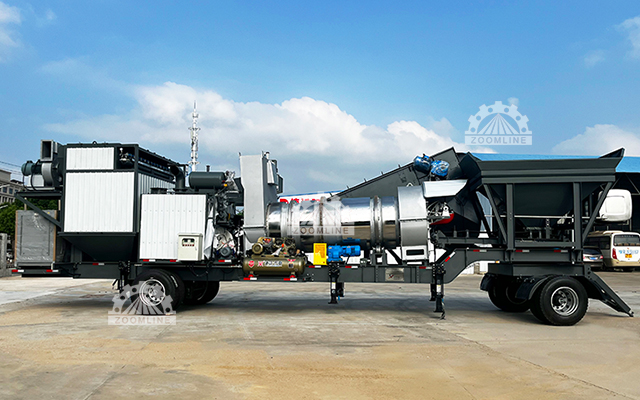
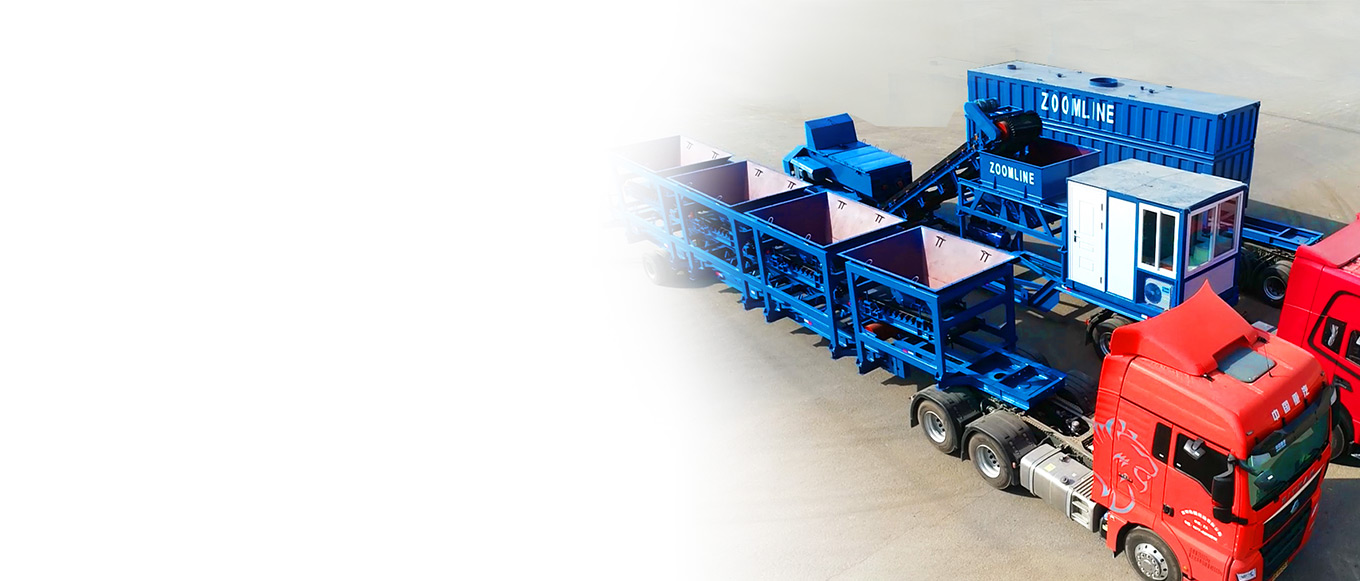
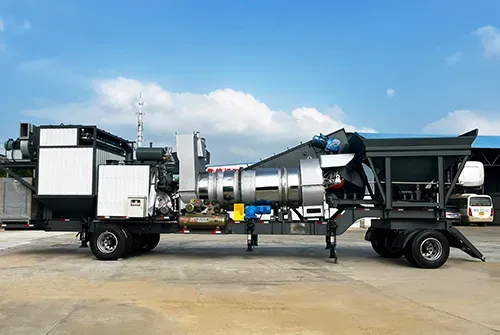
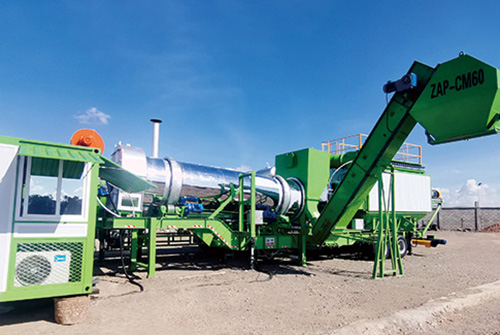
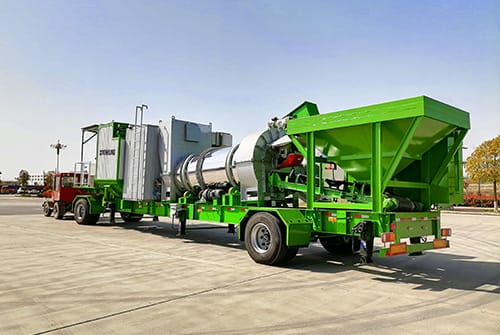
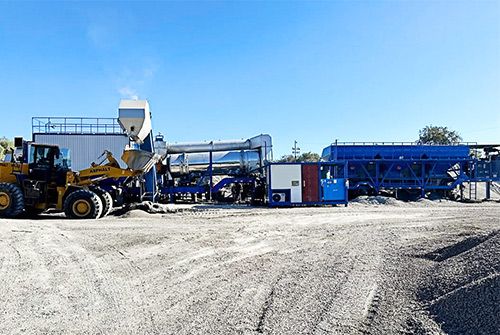
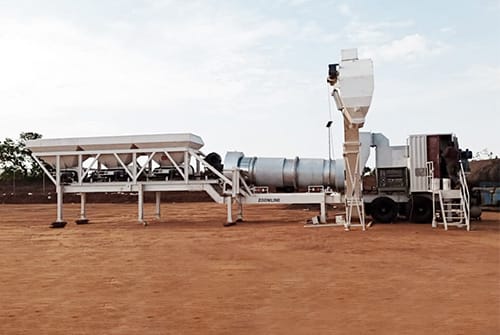
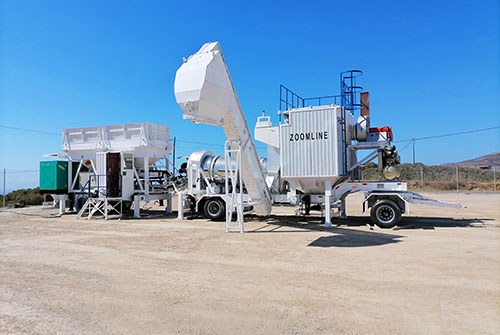
Mobile drum asphalt mixing plant with “mobile, easy to install, high efficiency and energy saving” core advantages, accurate solution to the construction pain points in Africa, become the local road construction “equipment”, but also China’s asphalt equipment to go overseas the core of the main models.
Benchmark case landing: practical application covering many countries in Africa
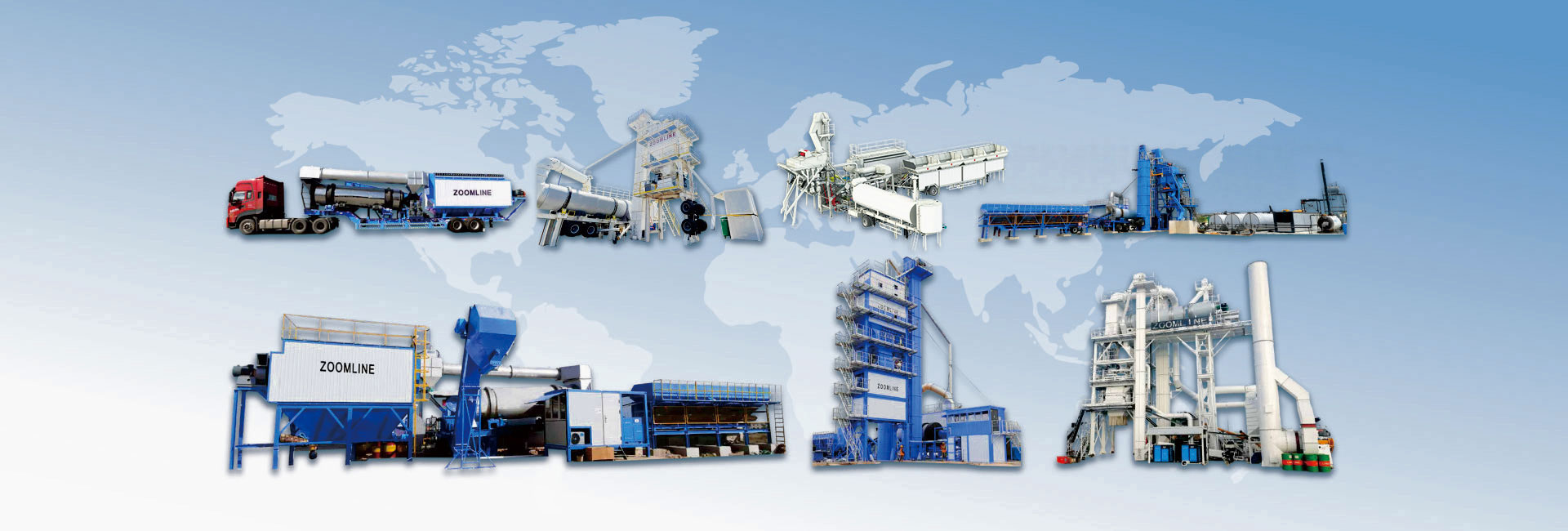
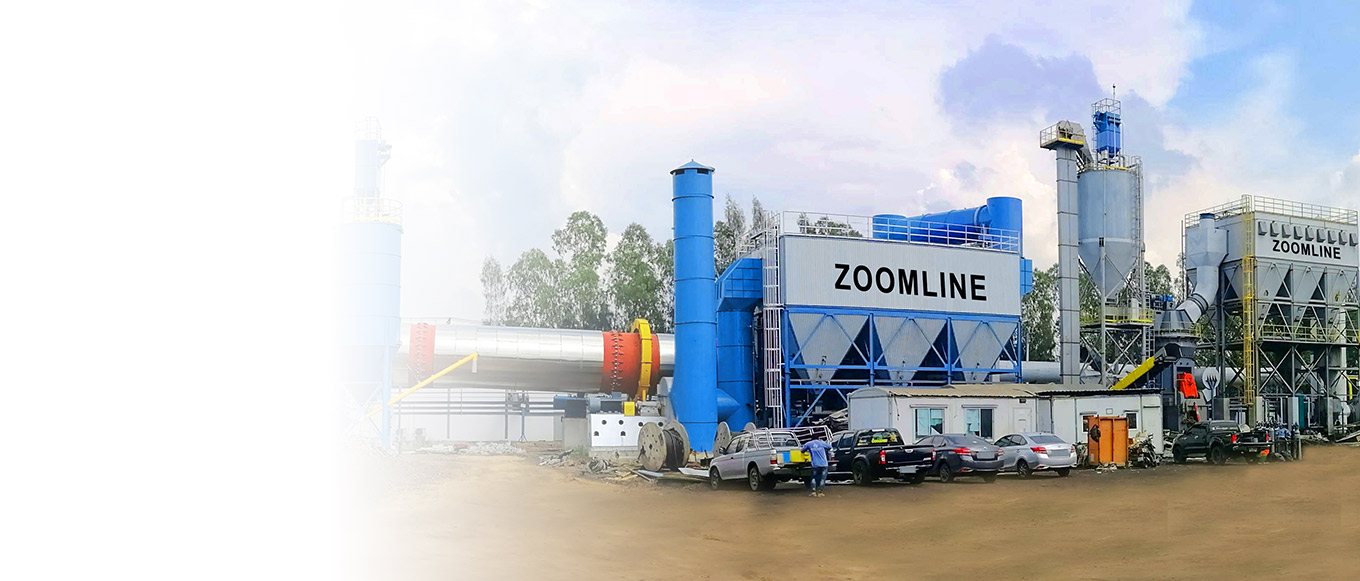
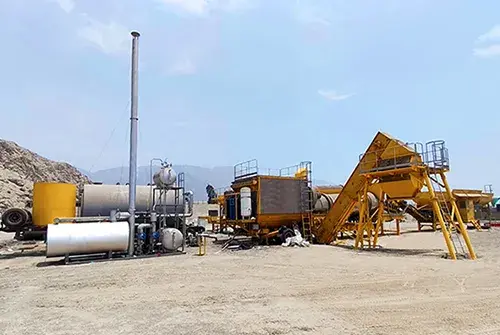
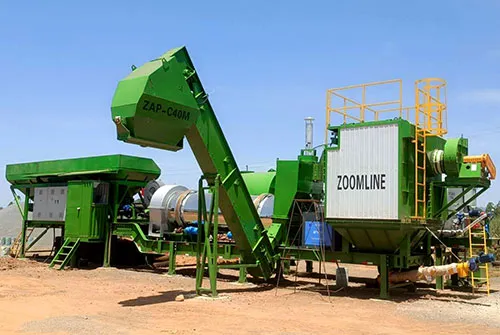
As a leading domestic asphalt mixing equipment company, ZOOMLINE has mature project experience and perfect service system in the African market, and its equipment application has covered many countries such as Mali, Kenya, Madagascar, Zimbabwe, Nigeria, etc., which is suitable for construction needs of different scales and terrains, and has left many benchmark projects.
In 2022, Zimbabwe launched an urban road upgrading project, and in response to the pain point of limited construction space in the urban area and the need for frequent transshipment, ZOOMLINE introduced 80TPH mobile drum asphalt mixing plant, which realized the simultaneous construction of multiple road sections, significantly shortened the construction period, and ultimately completed the refurbishment of the urban trunk road three months ahead of schedule.
During the same period, in order to solve the problem of infrastructure material transportation in remote areas, Nigeria introduced 40TPH model to produce asphalt mixtures on site, eliminating the cost of long-distance transportation and temperature loss of mixtures, and successfully assisted the local three rural highways to pass through, improving the travel conditions of local residents.
In 2025, Kenya focuses on improving the quality of county highways and deploys medium-sized mobile drum asphalt mixing plant of ZOOMLINE Machinery, which is adapted to decentralized construction sites in the county, taking into account the efficiency and cost; Mali, combined with the smaller scale of rural road construction and the characteristics of decentralized construction sites, decided to install a 20TPH model in December 2025, which is specifically used for construction and small-scale maintenance works of rural roads to further improve the local road network. Local road network.
Adaptation core: why is the mobile drum mixing plant suitable for the African market?
These successful application cases fully reflect the high adaptability of mobile drum mix plants to African construction scenarios, and the core advantages are focused on four points:
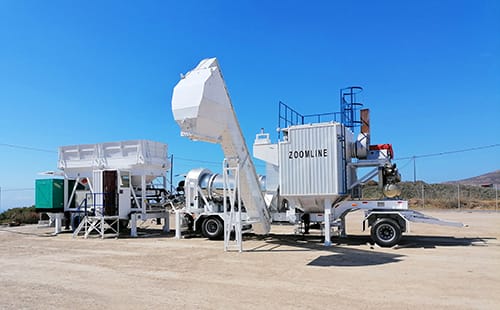
Firstly, the strong mobility perfectly solves the problems of scattered construction sites and inconvenient transportation in Africa. The equipment can be transported directly to remote construction sites by trailers without disassembling, which greatly reduces the transportation cost and the difficulty of transferring to other sites.
Secondly, the 20-80TPH multi-speed capacity can accurately match the demand of all scenarios from village road maintenance (20-30TPH) to high-speed construction (60-80TPH), avoiding the waste or insufficient capacity.
Thirdly, the equipment adopts integrated design, which is easy to install and does not require complicated foundation hardening. Even in areas with unstable power supply, it can be paired with a standby generator for normal operation to ensure construction continuity.
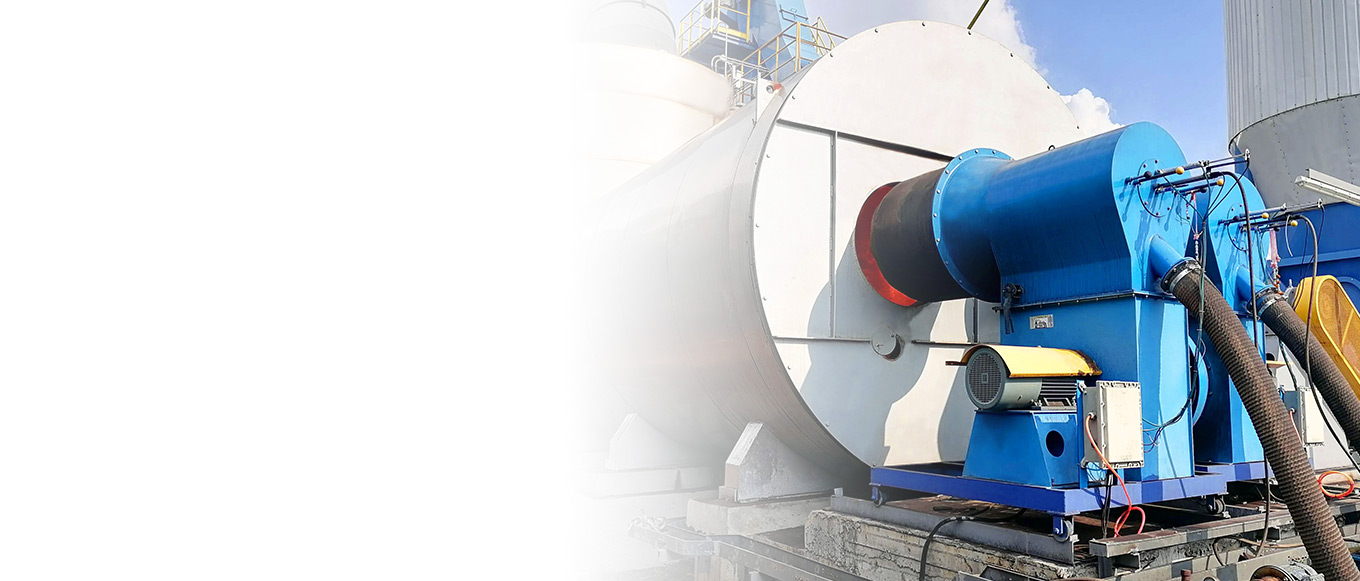
In addition, the energy-saving and consumption-reducing features also fit the current situation of energy constraints in the African region. The advanced burner system can reduce fuel consumption by 15%-20%, helping local contractors to further control operating costs.