



What User Should Prepare for Asphalt Plants Erection
Why Proper Preparation Determines Erection Success
Asphalt mixing plant is the core equipment for road construction, the installation quality directly determines the subsequent production efficiency, mixture quality and project progress. Its installation of professionalism, systematic and strong, adequate preparation is the key to avoid risk and ensure smooth installation. Based on the complexity of the installation of the problem of pre-judgment, good planning, in order to realize the installation of efficient, low-cost, low-risk landing.
Overview of the Complexity of Asphalt Mixing Plant Installation
The complexity of asphalt mixing plant installation stems from the structural characteristics of the equipment, the impact of the construction environment and the requirements of the technical standards, which is reflected in three aspects.
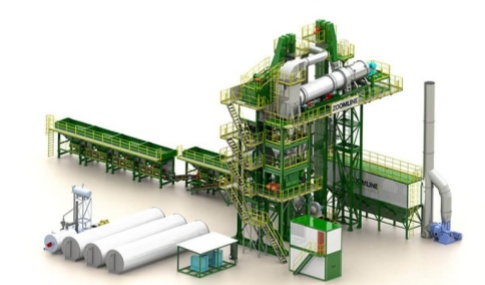
First, the equipment system is complicated, covering twelve core systems such as batching, drying, mixing, dust removal, etc., which involves a number of linkage technologies, and any deviation may cause overall failure. Large-scale mixing plant vibrating screen, drying cylinder and other components vibration, foundation flatness needs to be controlled within ± 2cm, otherwise long-term resonance is easy to lead to component damage, laying a hidden safety hazard.
Second, the site and environmental constraints are harsh. Site selection needs to take into account the geology, transportation, environmental protection requirements, soft base sites need special reinforcement treatment, and need to be away from sensitive areas to avoid pollution, to ensure a stable supply of water and electricity. Third, the technology and personnel requirements are high. Equipment power up to 600kW ~ 1000kW, cable wiring, high-voltage protection and signal shielding need to be operated by professional electricians, and need to be equipped with a composite team to ensure that the installation and commissioning of smooth connection.
Common Erection Delays Caused by Poor Preparation
Omission of preparation in the early stage is prone to cause delays, the problem is concentrated in the three aspects of equipment selection, site planning, technical reserves. Equipment selection and volume mismatch is the main reason, the model is small, resulting in insufficient capacity, slow progress, large equipment idle, process jam. In addition, the equipment into the field before the failure of a comprehensive troubleshooting, will lead to the midway stop maintenance, disrupt the construction rhythm.
Lack of site planning can cause chain delays. Selection of the site without geological research, the soft foundation bearing capacity is insufficient to require additional reinforcement, prolonging the construction period; site layout is unreasonable will reduce transportation efficiency. At the same time, the lack of advance confirmation of the utility access program will lead to equipment commissioning stagnation. Insufficient technical and personnel reserves can also lead to construction stagnation, such as blind wiring burned components, shortage of professionals can not quickly deal with the problem.
How Early Planning Reduces Cost, Risk, and Installation Time
Scientific advance planning can realize the cost, risk, schedule closed-loop control. Cost control, site selection priority near the origin of raw materials and construction section, reduce transportation costs; optimize the foundation program with the geology to avoid rework and waste, while reserving contingency funds to deal with emergencies and stabilize expenditures. Equipment selection follows the principle of “dominant fit”, with supporting equipment to form the optimal combination and reduce idleness.
Risk prevention and control needs to be a whole-process planning, technically establish a quality control system, equipped with testing equipment and a clear inspection process, to avoid the risk of quality rework; compliance with the installation of environmental protection equipment in advance, to ensure that the emissions meet the standards, and equipment deployment away from the high-voltage cables and disaster areas, to reduce the risk of safety and environmental protection.
The core of shortening the construction period lies in process optimization and advance preparation. The company formulated a radial installation process centered on the main building to shorten crane rental time and improve efficiency. Before entering the site, comprehensively investigate equipment failures, optimize staffing and clarify job responsibilities. Introduce intelligent control system, real-time monitoring parameters, early warning of abnormalities, to avoid the expansion of faults and delays in the schedule.
Basic Project Planning Before Asphalt Plant Erection
Confirm Plant Type and Configuration
Scientific selection of the type and configuration of asphalt mixing plant is a prerequisite for adapting to the needs of the project and enhancing the efficiency of the installation, which needs to be accurately determined in conjunction with the construction scenarios and the amount of work.
Asphalt batch type mixing plant and drum-type asphalt mixing plant: the core difference in the process and the scene. Batch type asphalt mixing plant completes aggregate drying and mixing step by step, with accurate measurement and stable material quality, which is suitable for highway and other high-quality projects; drum type asphalt mixing plant operates continuously, with simple structure but low precision, which is suitable for low-grade highway and temporary projects.
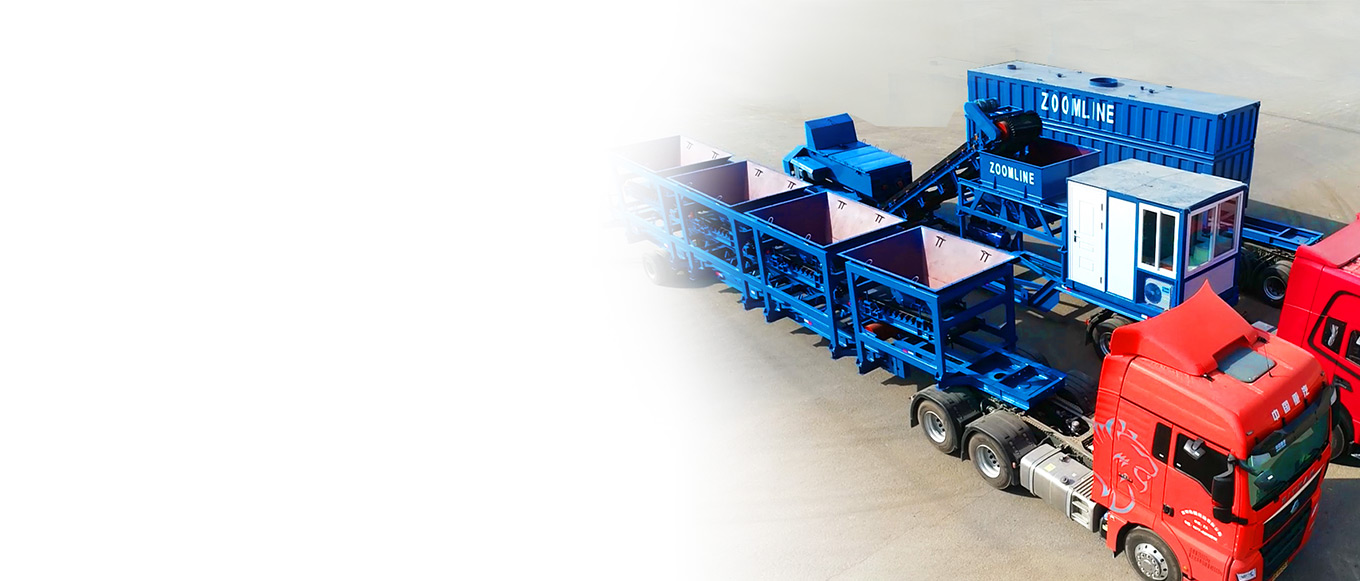
Stationary asphalt mixing plant and mobile asphalt mixing plant: fixed asphalt mixing plant is suitable for large-scale projects with centralized engineering and long construction period, with stable production capacity but needing to improve the foundation; mobile asphalt mixing plant is modular in design, can be flexibly transferred, occupies a small area and is quick to install, and is suitable for county and township highways with strong mobility and repair works.
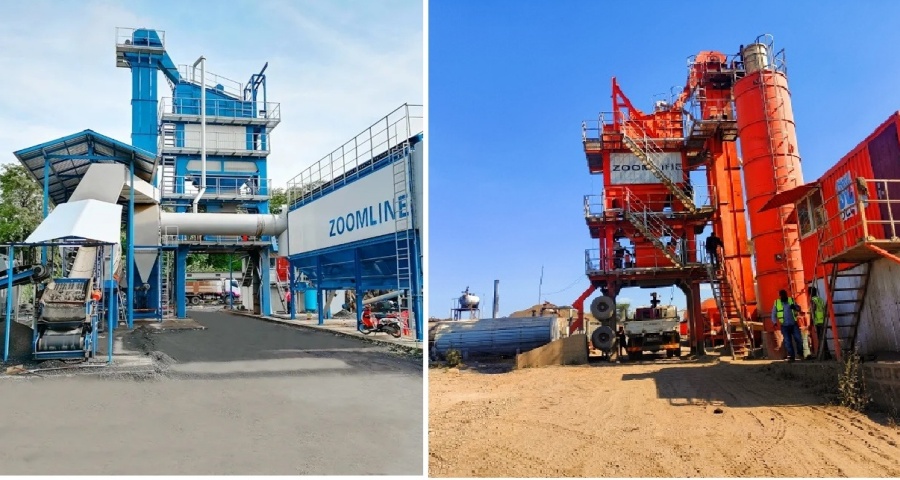
Capacity selection of asphalt mixing plant (40-320 tons/hour): it should be determined according to the duration of the project and the amount of work, to avoid idling or insufficient capacity. 40-80 tons/hour is suitable for small-scale repair projects, 80-200 tons/hour is suitable for general highways, and 200-320 tons/hour meets the high speed and large-scale construction, and the theoretical capacity of 80%-90% is the actual reference. Matching the capacity of supporting equipment.
Optional system configuration: according to the environmental protection requirements, engineering design and budget configuration, RAP system to achieve old material recycling, fiber delivery system to enhance the crack resistance of the mixture, warm mixing system to reduce costs and emissions reduction, dust recovery system (cyclone + bag combination) can make the emissions ≤ 100mg/Nm³, to meet the environmental compliance.
Review Technical Drawings and Layout Plans
Drawing review is the key to avoid installation deviation and optimize site utilization, focusing on verification of foundation stability, equipment layout and material flow efficiency.
Foundation drawings: the core review of foundation bearing capacity and flatness, combined with the geological report to confirm the program, soft foundation needs to be reinforced, and at the same time, verify the location and elevation of pre-embedded bolts to ensure accurate matching with the equipment mounting holes.
General Arrangement of Equipment (GA): Confirm the positioning, spacing and safety distance of equipment, verify the layout according to the principle of functional zoning, reserve space for maintenance and fire fighting, avoid risk areas, and check the consistency of the drawings with the actual equipment size.
Material flow and traffic planning: material flow needs to be closed and smooth, raw materials stored in separate warehouses, preventing water mixing; traffic zones transportation routes, hardening of the roads in the field, shorten the distance of finished product transportation to reduce temperature loss, to avoid congestion.
Site Preparation Requirements for Asphalt Plant Erection
Site Location and Accessibility
The site selection should take into account the construction efficiency and transportation convenience, and the transportation distance of finished products should be controlled within 5-15 kilometers as a priority, and it is preferable to choose the middle part of the route for the temporary base. The off-site road should meet the heavy equipment load-bearing, and the weak section should be temporarily reinforced; the on-site road is fully hardened, and the heavy traffic lane adopts 15cm crushed stone bedding +20cm C20 concrete, the turning radius of large vehicles is ≥15 meters, and the width of the main road is ≥6 meters.
Heavy trailers and cranes need to pass through the verification in advance, the field road to ensure that heavy equipment into the operation without settlement damage; intersections to expand the turning space, to avoid vehicle congestion cut equipment.
Ground Conditions and Leveling
Soil bearing capacity according to regional functional differentiation requirements, the main plant, asphalt tanks ≥ 200kPa, aggregate yard and road ≥ 150kPa, soft foundation needs to be replaced, compacted or piling reinforcement. Site compaction ≥95%, heavy roller compaction in layers, review the quality before hardening, to prevent late cracking and deformation.
Drainage and flood control according to the “low around, high center” planning, surface slope ≥ 1.5%, non-motorized area set up 300mm open ditch, the vehicle area with cover ditch seepage control. Sand sinking wells and filtration pools are set up on the outside, and wastewater is recycled; the site elevation is higher than the highest historical flood level to avoid water accumulation during flood season.
Space Planning
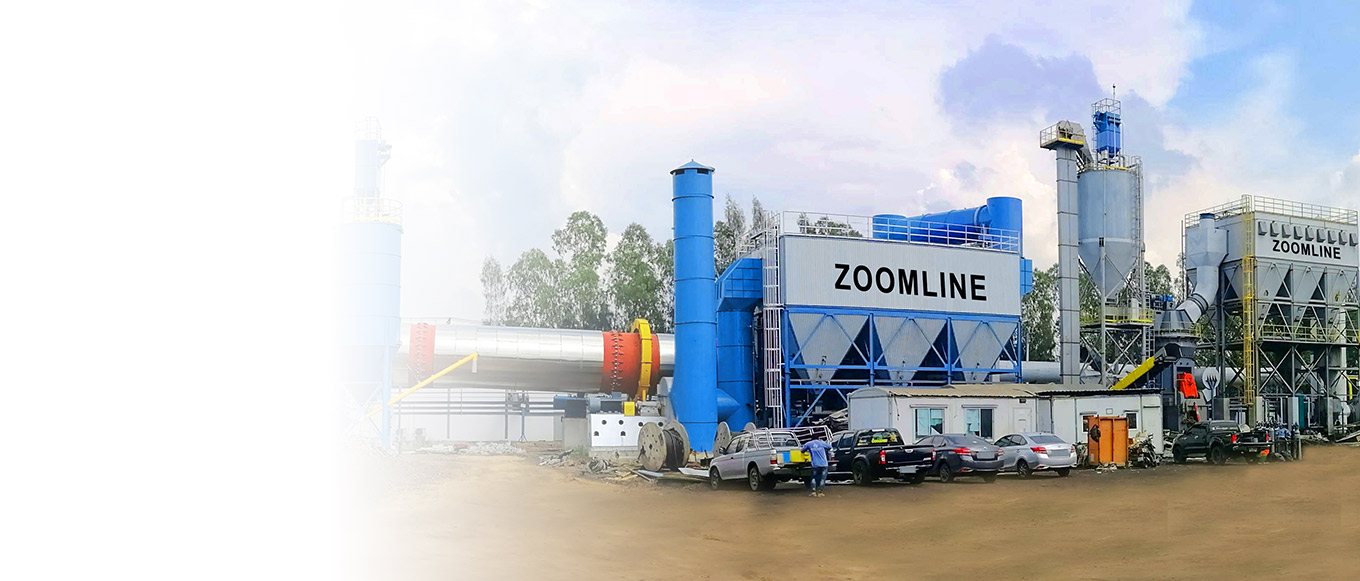
Main plant area: reserve space for installation and maintenance, mixing building fully closed, steel body with color steel core board, ≤ 50m from residential area with sound insulation device, dust collector exhaust height ≥ 15 meters.
Aggregate cold storage and stacking yard: closed bin design, partition wall height ≥ 2.5m, width 60cm, bin slope ≥ 3% to prevent water accumulation, the top of the lightweight steel roof, the feed end of the installation of dust curtains to control dust.
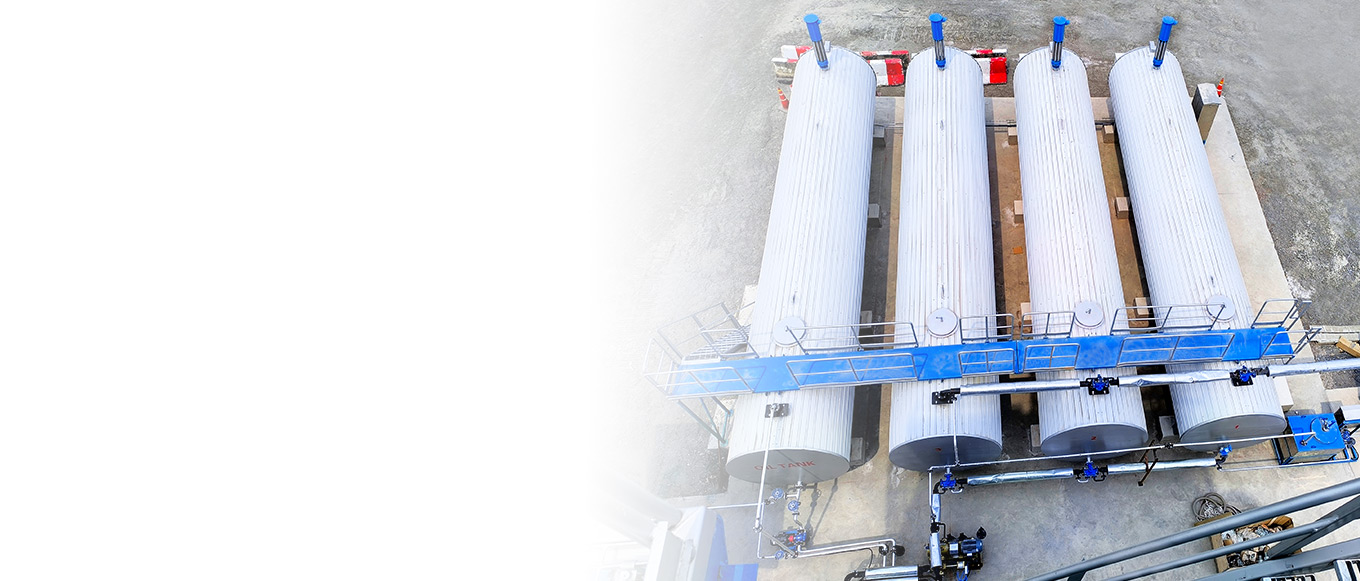
Asphalt tank area: maintain a safe fire distance from the main plant and living area, set up an independent isolation area and fire fighting facilities, ground seepage treatment, equipped with asphalt leakage emergency recovery device, in line with environmental safety norms.
Control room and laboratory: control room from the mixing building ≥ 25m, an area of ≥ 40 square meters, set up scheduling and quality control area and remote control, monitoring equipment; laboratory area of ≥ 400 square meters, set up a functional area of zoning to ensure that the lighting and ventilation and water and electricity supply.
Finished product storage and loading area: adjacent arrangement to shorten the transit distance, loading area with the same hardening standards for heavy-duty roadway ground, set up guiding signs to divide the route, reserved parking space, to enhance the loading efficiency.
Finished product storage and loading area: adjacent arrangement to shorten the transit distance, loading area ground with the same heavy-duty lane standard, set up guide signs, reserved parking space to enhance efficiency.
Foundation and Civil Works Preparation
Asphalt Plant Foundation Design
Importance of foundation accuracy for long-term stability: foundation accuracy determines the safety and life of the equipment, deviation under high-frequency vibration is easy to lead to uneven force, resonance wear and tear, and in serious cases, it triggers tilting and cracking of the equipment, so it is necessary to guarantee the accuracy to prevent the operation from abnormality.
The foundation drawings provided by the manufacturer: the drawings are the core basis for the construction, which should be combined with the geological report to check the suitability, and the construction should be carried out strictly according to the drawings, and when the geology does not match, the program should be adjusted jointly by many parties to ensure that the foundation is matched with the equipments.
Consideration of static load and dynamic load: static load contains equipment, materials, foundation weight, core area bearing capacity ≥200kPa; dynamic load from vibration and start-up impact, need to enhance the foundation stiffness, additional shock absorbing layer, the calculation of the ability to resist overturning and sliding.
Foundation Construction Requirements
Concrete strength grade and curing time: foundation concrete adopts C30-C40, curing is executed according to the construction specification of concrete structure engineering, ordinary cement concrete ≥7 days, special concrete ≥14 days, large volume foundation extends to more than 28 days, and it is forbidden to bear load in advance.
Positioning accuracy of ground bolts: plane position deviation ≤±2mm, top elevation deviation ±3mm, verticality error ≤1/100, positioning accuracy up to ±0.5mm. fixed with positioning template, double-checked after pouring, bolts with hot-dip galvanized layer ≥84μm to safeguard corrosion protection.
Leveling and elevation tolerance: key areas of the foundation leveling error ≤ 0.5mm / m, elevation tolerance ± 3mm, surface flatness ± 2cm, segmented detection to avoid uneven stress affecting the commissioning operation.
Foundation Inspection Before Erection
Dimension checklist: check the foundation dimensions, pre-drilled holes, embedded plates and ground bolts parameters, check cracks (width ≤ 0.3mm, no penetration joints), scum and other defects to ensure consistency with the equipment drawings.
Common foundation construction errors and ways to avoid them: avoiding the problems of insufficient concrete maintenance, bolt positioning deviation, and base compaction not in place, manned maintenance, digitally calibrated bolts, base compaction ≥95%, and early reinforcement of soft foundation.
Utility Preparation Before Erection
Power Supply System
Required voltage, frequency and capacity: General 380V/400V three-phase alternating current, 50Hz, capacity reserved according to the total power of the equipment 1.2~1.5 times, 300-500kVA for small-sized stations, 800-1250kVA for large-sized stations.
Transformer and standby power supply considerations: transformer loading rate of 70%-85%, with cooling Transformer and standby power notes: transformer load ratio 70%-85%, with cooling device. Standby diesel generator power ≥ 70% of the main power supply, reserved independent machine room and fuel space.
Cable trench and grounding system: cable trench fire sealing, seepage prevention, cable layering identification. Independent grounding system, grounding resistance ≤ 100Ω, equipment shell reliable grounding anti-static and lightning.
Fuel Supply Preparation
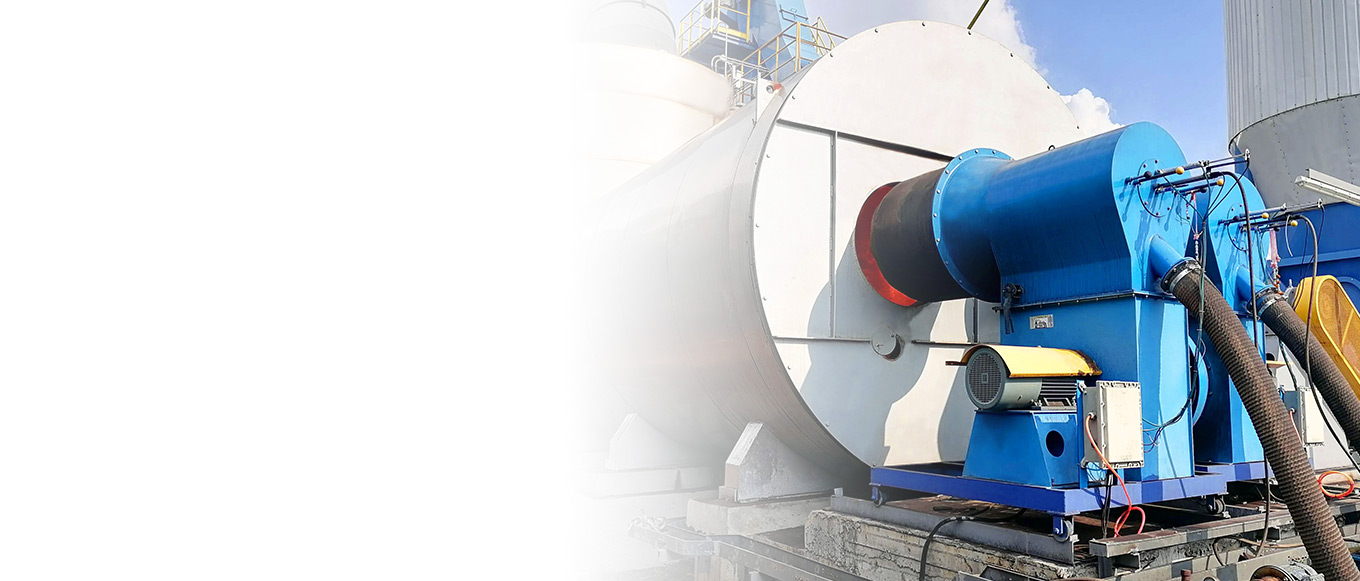
Heavy oil, diesel fuel or natural gas supply requirements: diesel fuel selection -10 # ~ 0 #, heavy oil preheating to 80-120 ℃, natural gas purity ≥ 95%, pressure 0.1-0.2MPa, reserve 3-7 days of dosage.
Fuel storage tank safety standards: distance between Class A storage tanks and main plant, residential areas ≥ 25 meters, open storage tanks are equipped with sun shading facilities, impermeable ground and fire protection, leakage detection devices.
Burner compatibility and pipeline layout: the burner is suitable for the fuel type, natural gas burner with explosion-proof device. Piping with seamless steel pipe, according to the norms of the layout and add accessories, good anti-corrosion marking.
Water Supply and Drainage
Dust suppression and clean water consumption: 0.5-1L/(h-m2) for dust suppression, average daily 10-15m³ for small stations, 30-50m³ for large stations, additional 20% clean cooling water reserved, combined with fire-fighting needs to account for the total amount.
Drainage system design to prevent accumulation of water: additional drainage ditches are installed in the equipment area (slope ≥2%), the pipe network is connected to sand sinking wells and filtration pools, and the waste water is recycled for dust suppression to prevent accumulation of water from soaking the foundation.
Compressed Air System (If Required)
Air pressure and flow requirements: pneumatic element air pressure stabilized at 0.6-0.8MPa, flow rate of 2-5m³/min for small stations, 8-15m³/min for large stations, with storage tanks to buffer pressure.
Air dryer and filtration recommendations: equipped with a refrigerated dryer (dew point control at 2-10 ℃), the use of three-stage and above filtration device to ensure that the air oil ≤ 0.5mg/m³, dust particle size <1μm, effective protection of pneumatic components.
Raw Material and Auxiliary Equipment Preparation
Aggregate Stockpiles
Aggregate grading planning: according to the engineering design documents to specify the aggregate grading standards, yard storage of 4-6 kinds of aggregates of different grain sizes in bins, partition wall height ≥ 2.5m to prevent mixing, reserved for the loader operation channel, stacking height ≤ 8m to avoid segregation. Gradation should be sent to the inspection and review in advance to ensure that it meets the requirements of asphalt mixture ratio, and the deviation should be controlled within ±5%.
Moisture control and storage methods: the yard is fully covered with rainproof roof, the ground is hardened and sloped to prevent water accumulation, and the drying equipment is turned on in wet weather for pre-dewatering to ensure that the moisture content of aggregate is ≤5%. Short-term storage adopts layered stacking method, long-term storage requires regular turning and ventilation, and water is sprinkled to reduce temperature in high temperature season, so as to avoid fluctuation of moisture content affecting mixing quality.
Bitumen Binder Storage
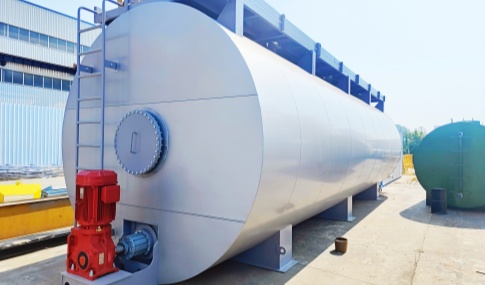
Bitumen tank capacity planning: single tank capacity is designed according to 3-5 days’ reserve of average daily oil consumption, supporting 2-3 spare tanks, the total capacity needs to meet the demand of the maximum construction intensity. 40-80 tons/hour small-sized station single tank capacity ≥50m³, 200-320 tons/hour large-sized station single tank capacity ≥150m³, reserving 10% space to cope with the thermal expansion and contraction of asphalt.
Heating system and heat preservation requirements: the use of thermal oil heating, heating temperature control at 130-160 ℃, equipped with temperature sensors for real-time monitoring. Tank outside the package rock wool insulation (thickness ≥ 50mm), the outer layer of color steel protection, insulation effect to meet the ambient temperature -10 ℃, asphalt cooling rate ≤ 5 ℃ / 24h, to avoid local caking.
Filler and Additive Systems
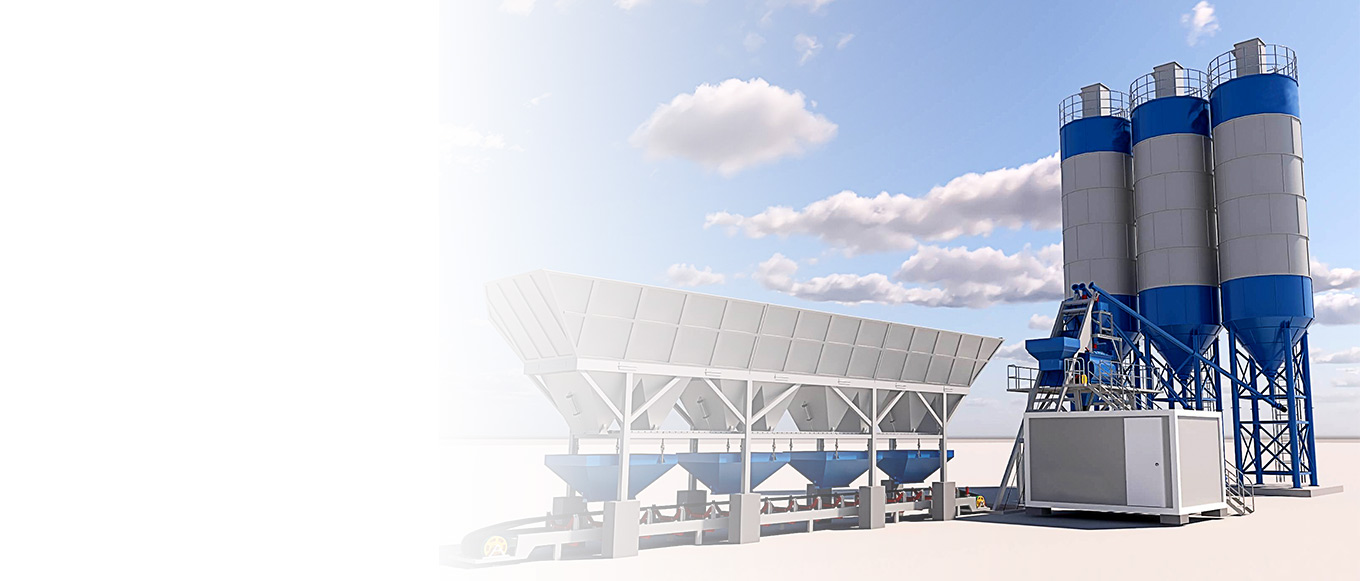
Mineral powder silo preparation: silo capacity ≥ 30m ³, closed design, the top of the dust collector, the bottom of the vibration device to prevent clogging. The inner wall of the silo is treated with anti-corrosion, a material level meter is installed to monitor the storage capacity in real time, and the discharge port is equipped with a screw conveyor to accurately match the conveying rate with the capacity of the mixing plant.
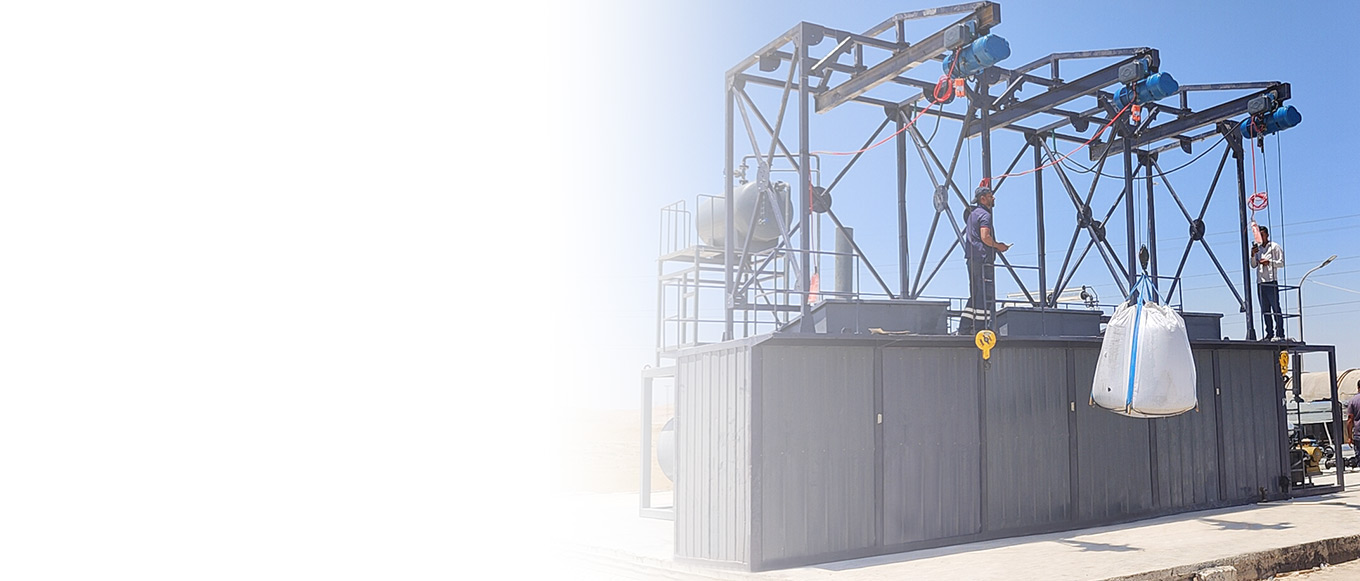
Fiber, additives and RAP conveying system preparation: fiber conveying system needs to debug the metering accuracy, error ≤ ± 1%, pipe connection sealing treatment to prevent leakage; additives conveying pump test run in advance to ensure stable flow rate; RAP system to check the crushing equipment, screening device, conveying belt with anti runaway device, the moisture content of old material is controlled at 8% or less.
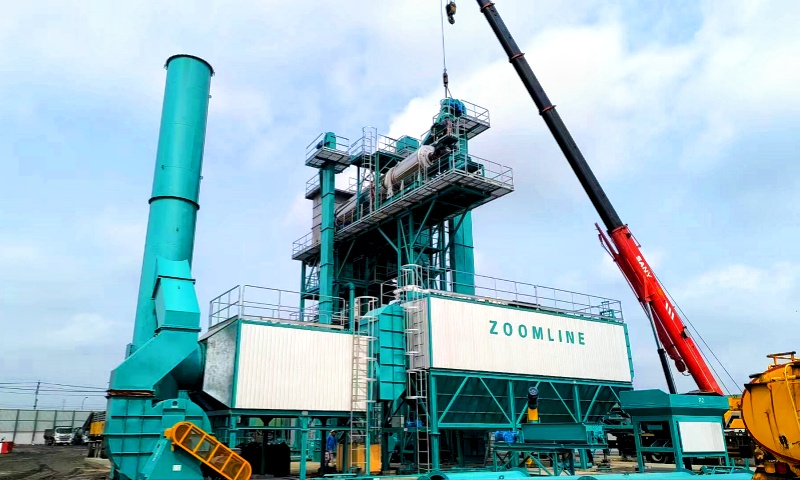
Crane tonnage selection: Selection according to the maximum weight of lifted parts, 50-100 tons of truck cranes are required for lifting the main body of the mixing building, and 25 tons of cranes are used for lifting small parts, and redundancy is required to increase the tonnage when the lifting radius is ≥10 m. The legs of the crane should fall on the ground and be hardened. Crane outriggers should be placed on the hardened ground or pads, with a load capacity of ≥250kPa.
Forklift and Lift: Equipped with 3-5 tons forklift trucks for the handling of small components, and lifting platforms with a load of ≥2 tons to meet the height requirements of the equipment installation. Forklift working radius avoiding lifting area, lifting platform should be equipped with guardrail, and the ground should be fixed firmly to prevent shaking.
Safety inspection before use: verify the wear and tear of crane wire rope, braking system and torque limiter, forklift braking, steering system and lighting should be intact, and the limit switch of lifting platform should be sensitive and effective. All equipment need to provide annual inspection reports, operators are licensed, and illegal overloading operations are strictly prohibited.
Installation Tools
Welding machine: choose DC arc welding machine with power 20-50kW, suitable for steel structure welding needs, equipped with rainproof and fireproof protection facilities. The length of welding cable is ≥20m, the insulation layer is not damaged, and the grounding resistance is ≤4Ω, so as to avoid safety hazards caused by electric sparks during welding.
Alignment tools: Equipped with laser alignment instrument (accuracy ± 0.1mm/m), level (length 1.5-2m) and plug ruler, used for equipment installation and positioning calibration, to ensure that the components docking deviation in line with technical requirements. Alignment tools need to be calibrated before use to avoid precision deviation affecting the installation quality.
Torque wrenches: Equipped with torque wrenches of different specifications (torque range of 50-1000N-m) to meet the fastening needs of ground bolts and connectors, and the torque value should be reviewed after fastening, and the deviation should be controlled within ±3%. The wrenches are calibrated regularly, and the calibration period is not more than 6 months to ensure the torque accuracy.
Manpower and Organization Preparation
Erection Team Composition
Mechanical Installation Workers: Equipped with 5-8 licensed personnel, who need to be proficient in steel structure assembly, equipment docking and other skills, with experience in installation of mixing plant components, and be able to accurately execute the requirements of the drawings to cope with the flange buttressing, sealing installation and other key processes, to ensure the accuracy and sealing of the installation.
Electrical and control engineers: 2-3 professionals responsible for circuit wiring, control system debugging and sensor calibration, familiar with PLC control system and frequency conversion equipment operation, able to troubleshoot electrical faults, to ensure that the equipment linkage and intelligent control function is normal, to meet the needs of automated production.
Crane operator: equipped with two licensed personnel, need to be familiar with the operation of 50-100 tons truck crane, master the lifting force calculation method, with the signalman to complete the work at height, strictly follow the lifting procedures, to avoid equipment collision, component damage and other risks.
Safety Supervisor: 1 full-time staff with construction safety management qualification, responsible for formulating safety regulations, carrying out pre-job training, inspecting high-risk processes such as lifting, welding, etc., and checking hidden dangers of fire prevention and fall prevention to ensure that the construction is in line with safety norms.
Coordination With Manufacturer’s Engineers
Responsibilities of the supplier’s installation engineers: provide technical guidance, review the installation process and basic accuracy, lead the debugging and commissioning of the equipment, and solve the problems of component adaptation and system linkage in the installation; be responsible for the technical training of the operators, make clear the main points of the equipment maintenance, and provide the trouble-shooting manuals, so as to ensure that the installation is in line with the design standards of the equipment.
Communication and Reporting Mechanism: Establish the mechanism of daily morning meeting and weekly meeting to synchronize the installation progress and technical problems. Designate specialists to dock with the manufacturer’s engineers, confirm the acceptance results of key processes in the form of written reports, and retain debugging data and rectification records to ensure timely feedback and closed-loop handling of problems.
Installation schedule: Jointly formulate a phased schedule with the manufacturer’s engineers, specifying key nodes such as foundation acceptance, component installation, commissioning and trial operation, and reserving a buffer period of 3-5 days to cope with unexpected problems. Progress adjustments need to be confirmed in writing by both parties to ensure convergence with the overall construction program, to ensure seamless integration of equipment installation with raw material supply and subsequent construction.
Safety and Compliance Preparation
Safety Management System
Site safety rules and access control: formulate special safety regulations for lifting, fire, electrical work, set up safety signs and slogans and inspection system in the site, and divide into prohibited zones for high-risk work and isolate and warn. Implement closed management, set up fencing and access control system, non-construction personnel are strictly prohibited from entering the site, construction personnel enter and exit the site with their work permits, register foreign visitors and vehicles, and arrange special patrols at night to prevent burglary.
Personal protective equipment (PPE) requirements: all staff are equipped with helmets, anti-smash safety shoes, reflective undershirts, and safety belts, anti-skid shoes and safety nets for overhead workers; electrical workers wear insulated gloves and insulated shoes, and welding workers are equipped with protective masks, fire-resistant clothing and protective glasses. The safety supervisor checks the wearing of PPE every day and forbids illegal operation.
Risk Assessment Before Erection
High-risk lifting operations: assess the lifting weight, radius and site environment, and make it clear that lifting of more than 50 tons requires the preparation and approval of a special plan. Before operation, check the crane torque limiter, braking system and wire rope wear and tear, legs fall on the hardened ground or pad, set up a warning area, equipped with a full-time signalman and observers, the whole process of monitoring to avoid the risk of collision, overturning.
Safety measures for electrical and fire work: disconnect and check the power before electrical work, put up signs for warning, equip insulated tools and calibrate them regularly, and comply with the specifications for temporary electricity use to avoid overloading the lines. The fire operation needs to apply for a fire permit, clean up the surrounding flammable materials (especially around the asphalt tank area), equipped with fire extinguishing equipment and fire catching buckets, arrange for special supervision, and confirm that there is no potential fire hazard before leaving the site after the operation.
Local Regulations and Permits
Installation license and inspection requirements: Apply for special equipment installation license and construction license in advance, and apply for acceptance by a third-party inspection agency after the installation is completed, focusing on verifying the foundation strength, equipment precision and the effectiveness of safety devices. Lifting equipment is required to provide annual inspection reports, operators are licensed to work, and can only be put into operation after acceptance and obtaining the use registration certificate.
Environmental and fire safety approval: for environmental impact registration form (or report form), the implementation of dust, noise and wastewater treatment measures to ensure that emissions meet standards. For fire safety approval, it is necessary to provide a fire layout plan of the site, equip with sufficient fire fighting equipment, set up fire fighting channels and emergency water sources, the lightning protection device needs to be professionally accepted and qualified, and the generator should be arranged far away from the living area to guard against the risk of fire and electrocution.
Logistics and Equipment Arrival Planning
Transportation and Unloading Plan
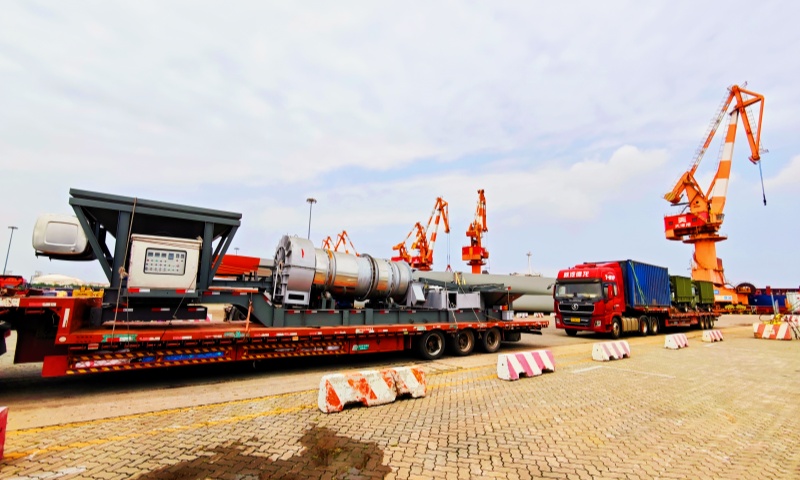
Equipment Delivery Sequence: The delivery sequence is arranged in reverse order according to the installation process, with priority given to the delivery of foundation pre-embedded parts, ground bolts and other civil supporting parts; followed by the delivery of the main structure of the mixing building, the aggregate silo and other large-scale components; and the final distribution of the electrical control cabinets, sensors and piping accessories, to ensure the arrival of the seamless connection with the installation process and to avoid work stoppages. Confirm the transportation route with the supplier before delivery, and apply for over-limit transportation permit in advance.
Temporary storage and protection measures: large steel structure parts are stored in hardened sites, padded 20-30cm high to prevent moisture and fully covered with rainproof cloths, and steel structure interfaces are coated with anti-rust oil. Electrical equipment and precision instruments are stored separately in the temporary warehouse, temperature and humidity are controlled (temperature 5-30℃, humidity ≤70%), and collision and dust intrusion are avoided. The storage area is divided and labeled, fenced for protection, and registered under the supervision of a person.
Inventory Check Before Erection
Packing List Verification: Organize the installation team, supplier representatives and supervisors to jointly verify, one by one, whether the equipment type and quantity are consistent with the packing list and the contract, focusing on confirming the integrity of the large components, recording the appearance of damages, missing parts and other issues and signing to confirm, and synchronously retaining the image data as a basis for subsequent recourse and replenishment.
Confirmation of spare parts and accessories: count the number of spare parts (bolts, seals, bearings, etc.), check the specifications and equipment suitability, and separately categorize and store them and mark their use. Check the integrity of hydraulic pipes, cables, connectors and other accessories, confirm that the interface is not broken, seals are not aging, and reserve extra stock for wear parts to ensure adequate supply during installation and test run.
Pre-Erection Inspection and Final Readiness Check
Technical Document Review
Installation manuals and drawings: tripartite review by the joint installation team, manufacturer’s engineers and supervisors to check the consistency between installation manuals and equipment models, focusing on confirming the order of assembly of components, tightening torque standards and commissioning process. Drawings need to review the base size, equipment layout and the actual suitability of the site, to correct the design and construction deviations, and retain the records of the review signed and filed as the basis for installation.
Electrical and control system schematic drawings: electrical engineers take the lead in reviewing, confirming that the circuit topology, PLC interface definition, sensor wiring and grounding design is in line with the specifications, and checking the cable specifications and equipment power match. Verify the linkage logic of the control system, label the key control points and fault emergency circuits, ensure that the schematic diagram corresponds to the physical components one by one, and avoid wiring errors.
Pre-Erection Checklist
Site Readiness Confirmation: Verify the site hardening, drainage system and space layout to meet the standards, confirm that the aggregate silo, asphalt tanks, and other areas of reasonable zoning, lifting site bearing capacity to meet the requirements of the turning radius of the road, the width of the operating channel to match the equipment transportation and installation, no obstacles to affect the construction.
Utility system verification: power test voltage stability of the power supply system, grounding resistance value, test run standby generator switching function; check the fuel, water pipeline sealing and pressure up to standard, verify the dryness of the compressed air system, air pressure stability; ensure that the utilities and equipment interfaces are appropriate, and operate normally without leakage.
Safety readiness approval: acceptance is organized by the safety supervisor to confirm that safety signs, warning areas and protective facilities are arranged in place, PPE is fully equipped and qualified, and the special plan for high-risk operations is approved. Verify the effectiveness of fire-fighting equipment, emergency water sources, lightning protection devices, organize a full safety briefing and sign, acceptance and approval of the installation issued after the start of the approval documents.
Common Mistakes Users Make Before Asphalt Plant Erection
Incomplete Foundation Work
Some users in order to catch up with the schedule, in the foundation of the concrete is not up to the design strength, the maintenance time is not enough, or pre-buried bolts positioning deviation has not been corrected before the start of the installation. This will easily lead to foundation settlement after equipment installation, uneven stress on components, triggering resonance noise or even structural deformation, and later rectification will require dismantling the equipment and re-construction, which will delay the cycle by 1-2 weeks. It is necessary to strictly follow the requirements of the foundation maintenance cycle, and can be installed on site only after acceptance.
Underestimated Power Capacity
The power supply is only configured according to the rated power of the equipment without reserving 1.2-1.5 times of redundancy, ignoring the shock load of the drying cylinder, mixing cylinder and other high-power components starting at the same time. Easy to cause voltage instability, transformer overload tripping, and even burned electrical components, affecting the normal start of equipment. Combined with the total power of the equipment and start-up mode, accurate accounting of the transformer, cable specifications, supporting backup power supply to cope with sudden power outages.
Poor Site Drainage Design
There are problems such as insufficient drainage slope, small pipe diameter or failure to set sand-sedimentation and filtration devices, etc. In rainy days, the site is prone to stagnant water, which can cause corrosion by immersing the foundation of the equipment, and at the same time, affect the water content of aggregate storage and interfere with the quality of mixing. It needs to be designed according to the principle of “zoning drainage, rapid drainage” to ensure that the drainage slope is ≥1.5% and the pipe network is suitable for the maximum rainfall.
Lack of Spare Parts
Failure to check the list of spare parts before installation, omission of bolts, seals, bearings and other wearable parts, or failure to reserve additional stock. In the event of damage to parts or non-conformity of specifications during installation, temporary procurement of replenishment is required, resulting in a stagnation of the work schedule. It is necessary to jointly inventory spare parts with suppliers and reserve extra stock for high-frequency wear parts to ensure that the model is suitable for the equipment.
Insufficient Safety Planning
Failure to formulate a special plan for high-risk operations, lack of necessary safety protection facilities, incomplete PPE equipment or failure to carry out pre-job safety briefing are likely to lead to safety accidents such as lifting and collision, fire and electrocution, and so on. Need to improve the safety management system in advance, the implementation of protective measures, after the safety acceptance before starting.
How Proper Preparation Reduces Erection Time and Cost?
Shorter Installation Cycle
Completing the foundation acceptance, equipment arrival planning and site utilities debugging in advance can avoid stopping work and waiting for materials during installation due to foundation defects, component shortages, water and electricity interruptions and other problems. According to the installation process in reverse order of equipment delivery, to realize the “arrival that is installed”, reduce the process gap, usually shorten the installation cycle by 20% -30%, especially large-scale mixing plant can be completed 1-2 weeks ahead of schedule.
Lower Crane and Labor Costs
Accurately calculate the lifting demand in advance, reasonably select the crane tonnage and plan the operation route, to avoid the second shift or tonnage upgrade of the crane due to site constraints and unstable foundations, and to reduce the equipment leasing costs. At the same time, complete the technical briefing and personnel deployment in advance to reduce manual labor, rework, skilled team with the preliminary preparation can reduce labor costs by about 15%, to avoid the temporary deployment of additional personnel to incur additional expenses.
Faster Commissioning Speed
Before installation, complete the review of technical documents, verification of electrical schematic diagrams and component suitability checks, and debug the control system linkage logic and pneumatic and hydraulic system sealing in advance. Synchronized completion of operator training, debugging can quickly locate and solve small faults, avoiding debugging stagnation due to drawing deviations, incompatible components, debugging efficiency can be increased by more than 30%, shorten the commissioning cycle.
Lower Risk of Equipment Damage
Do a good job in advance of the temporary storage protection of equipment, lifting scheme demonstration and site drainage optimization, to avoid moisture and corrosion of components, lifting collision and water soaking damage. Check the list of spare parts and reserve wearing parts before installation, so as to replace the slightly damaged parts in time and avoid the expansion of failure to the whole machine. Adequate preparation can control the damage rate of the equipment during the installation period within 2%, and significantly reduce the cost of maintenance and parts replacement.
Conclusion
The installation of asphalt mixing plant is both systematic and professional, and the preliminary preparation is the core of risk avoidance and construction protection. The full-dimension planning of the basic site, equipment logistics, personnel technology and safety compliance can effectively solve all kinds of hidden dangers and lay the foundation for the stable operation of the equipment. The core preparation covers four dimensions: the basic site to ensure that the standard, equipment logistics to do a good job of delivery and storage and spare parts reserves, personnel and technology in advance of the debugging review, safety compliance to improve protection and complete the permit. Adequate preparation can shorten the installation cycle by 20%-30%, reduce the cost of manual lifting by about 15%, improve the commissioning efficiency by more than 30%, but also extend the life of the equipment, reduce maintenance costs, avoid risks and protect the production and mix quality. It is recommended to link up with the manufacturer at the early stage of planning, borrowing its technology to optimize the solution, solve the problems and carry out training, and then cooperate with it in the long run to ensure the efficient operation and maintenance of the equipment.