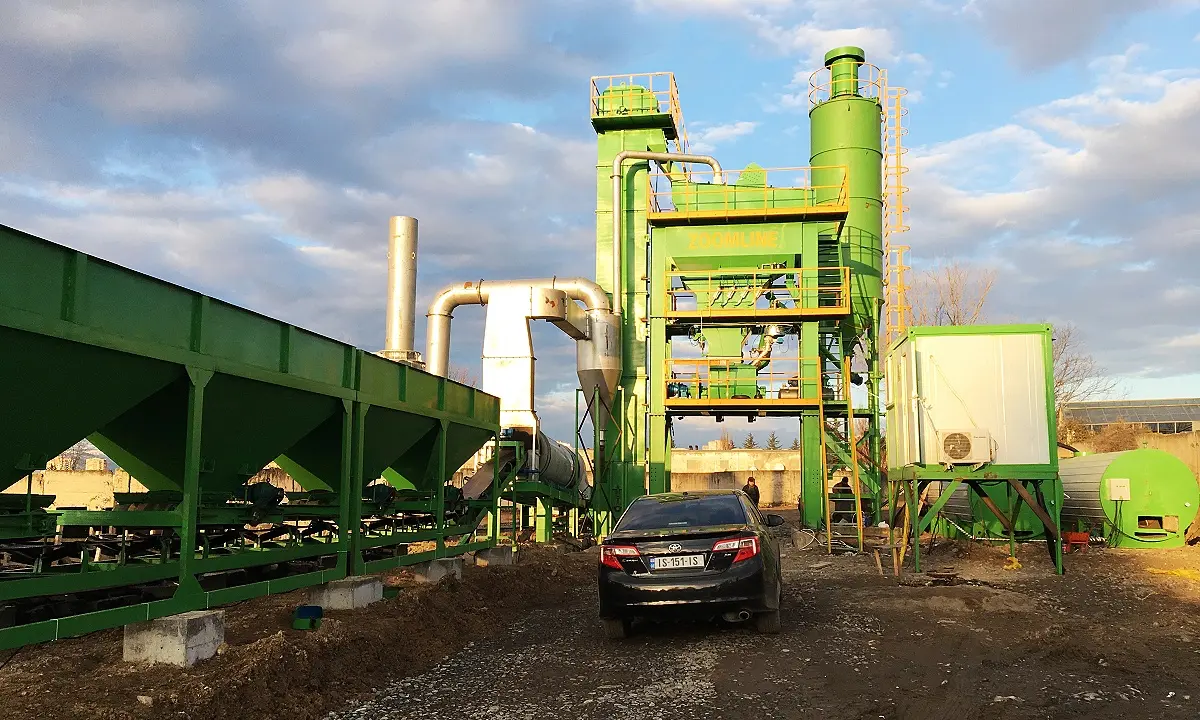
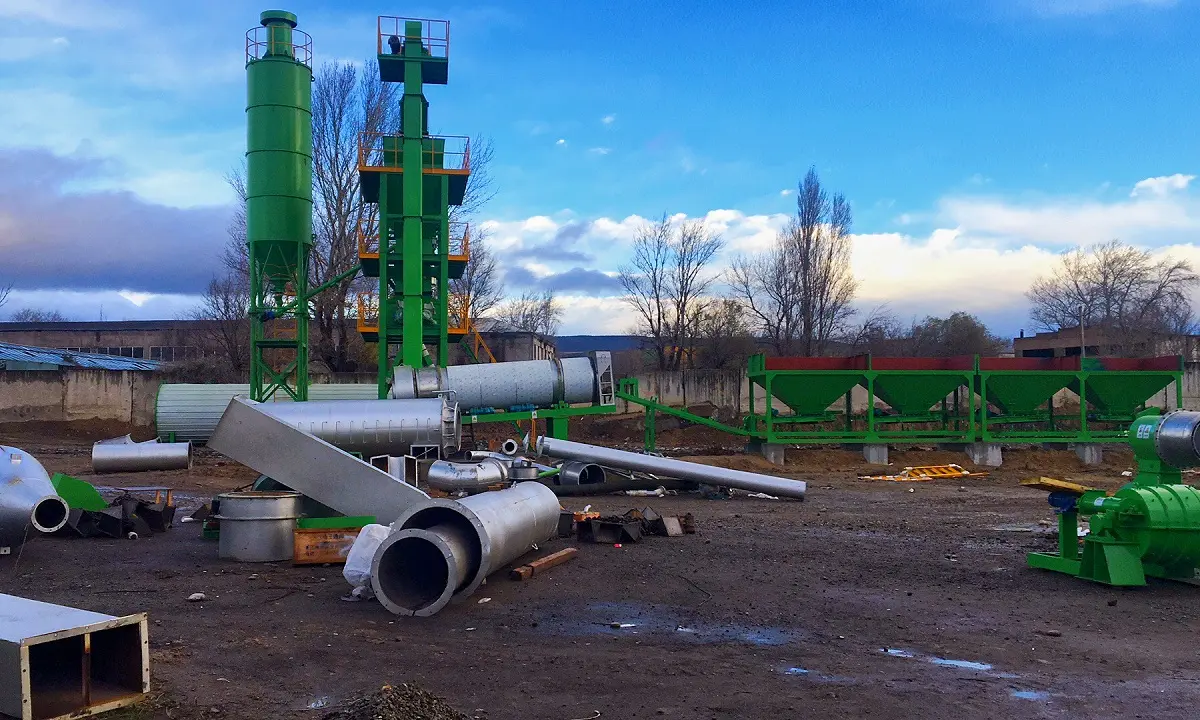
Time: December, 2018
Location: Tbilisi, Georgia
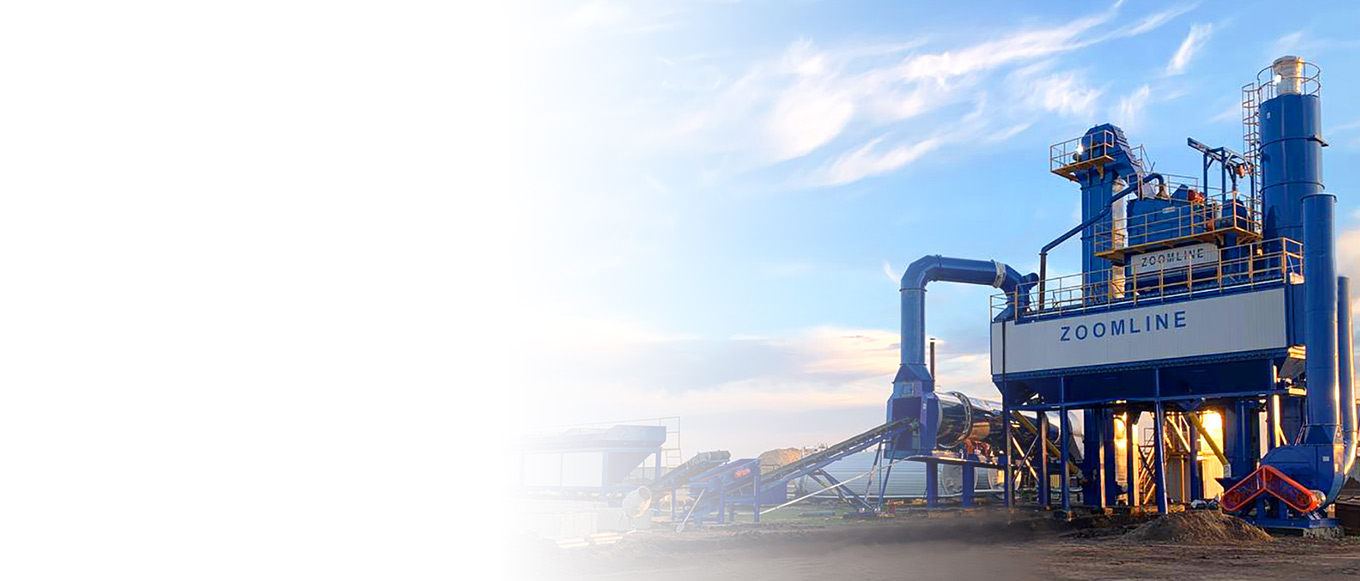
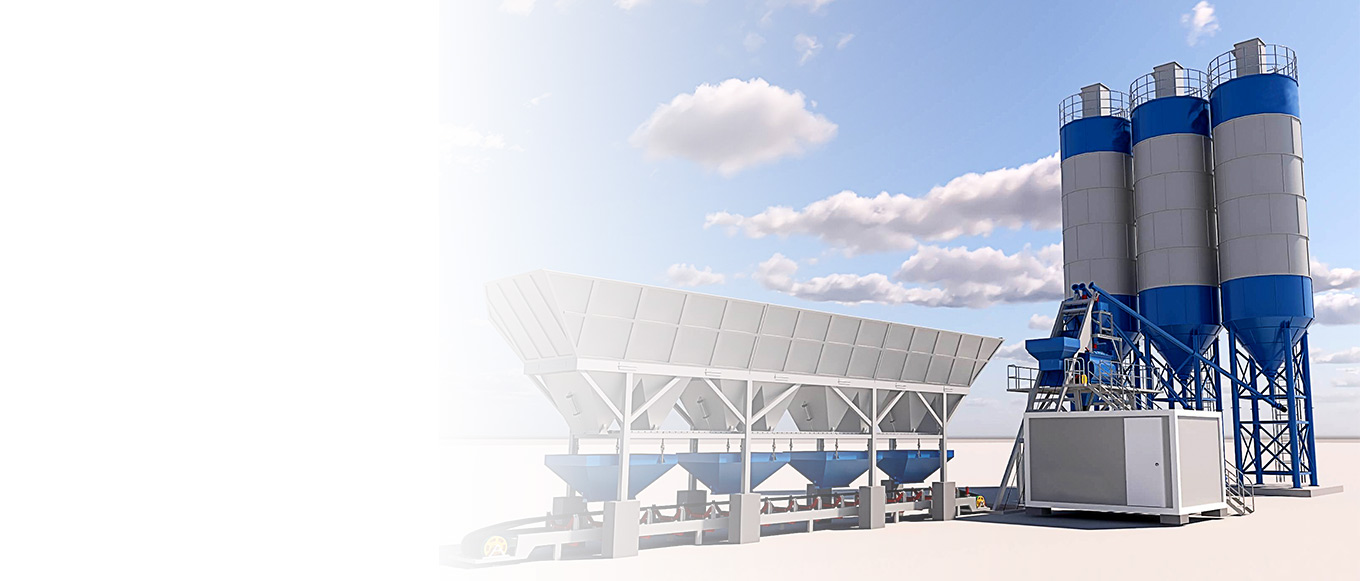
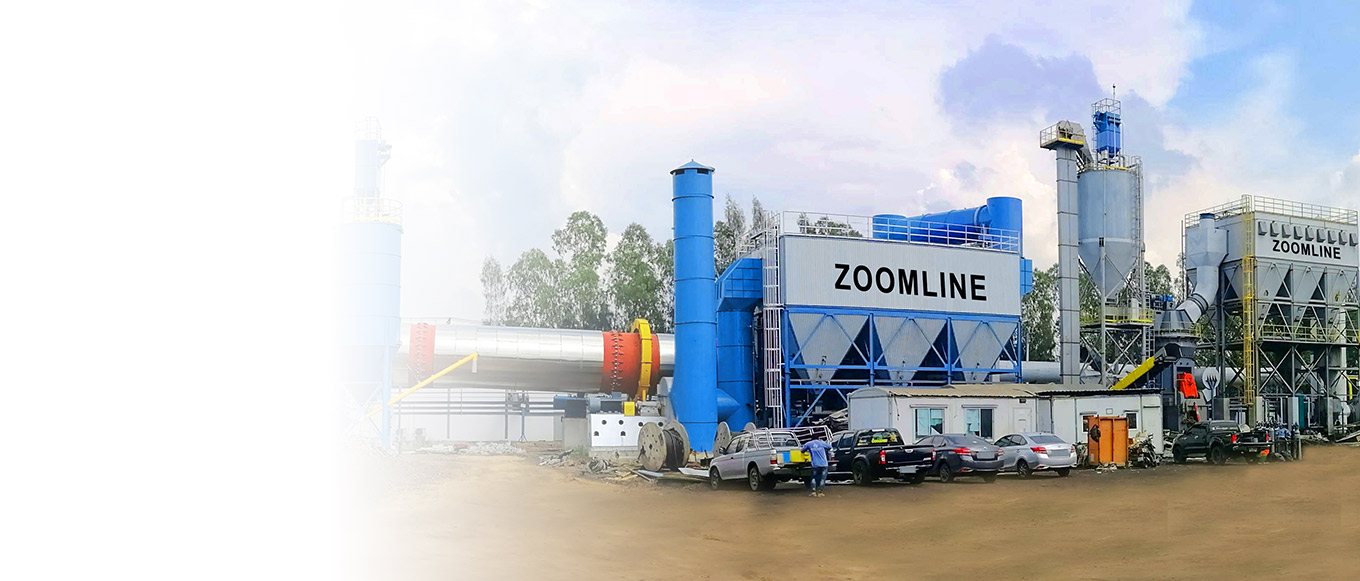
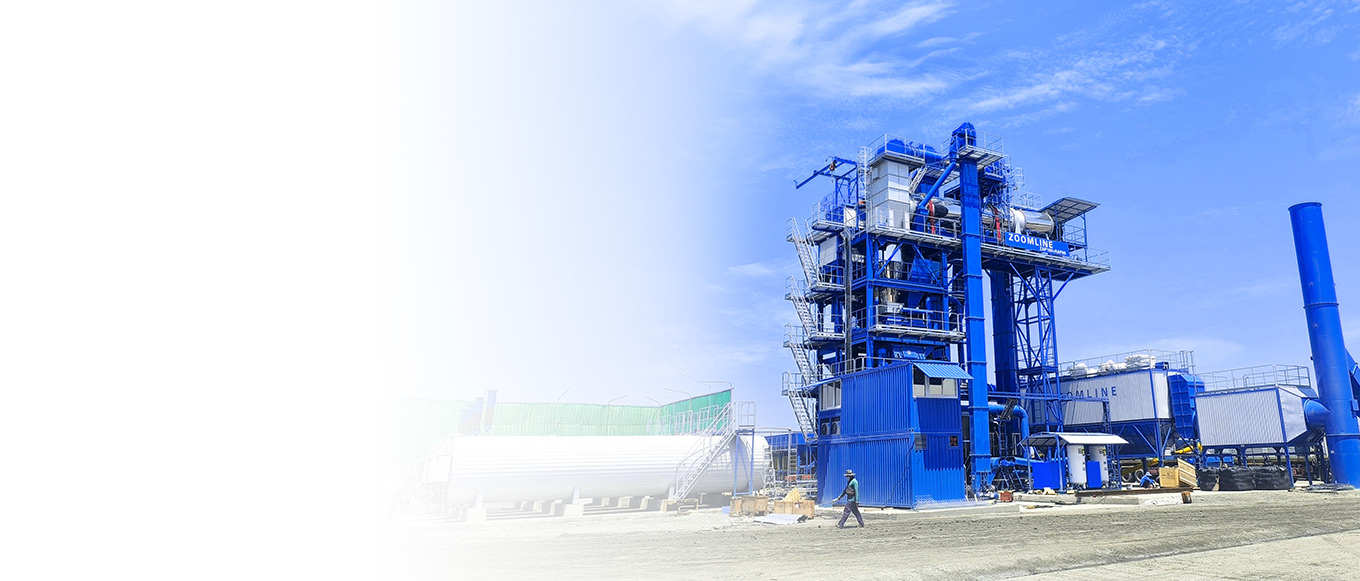
Equipment: ZAP-S60 Stationary Asphalt Batch Mix Plant, 60T/H
Under the background of continuous expansion of global infrastructure construction, Georgia, relying on its core location advantages in Eurasian hub, deeply participates in the construction of regional infrastructure interconnection and comprehensively promotes key projects such as upgrading of national highway network, urban municipal renewal and rural road quality improvement. As the national political, economic and transportation core hub, the capital Tbilisi has concentrated on municipal road renovation, old Urban area road network reconstruction, suburban road normalization maintenance and other projects, and the market demand for regional road construction continues to be released steadily.
However, while the infrastructure market is booming, most small and medium-sized road construction enterprises in Georgia rely on traditional old asphalt mixing plant for a long time, generally facing a series of industrial pain points such as unbalanced capacity matching, high operation energy consumption cost, unstable asphalt mixture quality, substandard environmental protection emission, lack of localized after-sales guarantee, etc., which seriously restrict project construction efficiency and enterprise profit space. ZOOMLINE successfully put into operation ZAP-S60 60TPH stationary batch mix asphalt plant in Tbilisi in December 2018 to solve customer construction problems accurately with deep localization customization scheme, becoming a benchmark equipment case for improving quality, reducing cost, compliance and efficiency of small and medium-sized municipal road projects in Georgia.
In recent years, the Georgian government has continued to increase infrastructure investment, listing highway upgrading, municipal public facilities reconstruction and rural road network improvement as key support areas. At the same time, it has implemented a friendly investment promotion policy for foreign-funded equipment, effectively promoting the iterative renewal and upgrading of local asphalt plants. At present, the local equipment market is dominated by 40 – 100TPH small and medium-sized asphalt mixing plants, which are highly suitable for small and medium-sized construction scenarios such as municipal reconstruction, rural road repair and highway normalization maintenance. However, due to geographical construction characteristics, technical limitations of traditional equipment, local energy structure and increasingly strict environmental protection policies, Georgian road contractors have long faced five common industry problems:
Serious capacity dislocation and low equipment investment utilization rate: construction sites in Tbilisi and surrounding areas are scattered, single project volume is moderate, and the overall characteristics of “multi-point distribution, moderate volume and phased centralized construction” are presented. Traditional small bitumen mixing plants of 40TPH and below have insufficient production capacity and cannot meet the continuous supply demand of centralized construction period nodes, which easily leads to construction interruption and construction period lag; while large mixing plants of 80 – 160TPH have high procurement cost, large infrastructure investment and large capacity redundancy, and operate under low load for a long time under medium and small construction scenarios, with serious idle capacity and low return on investment, which puts local contractors into the dilemma of “insufficient small equipment and insufficient large equipment”.
High fuel energy consumption, project profits continue to be compressed: Georgia’s traditional asphalt batching plant generally adopts diesel combustion heating mode, local diesel procurement unit price is high, energy consumption is large, long-term large-scale construction will produce high fuel costs. At the same time, the old asphalt mix plant technology is backward, the structure is aging, the failure rate is high, the daily maintenance, spare parts replacement and manual operation and maintenance costs remain high, and the multiple cost superposition continues to squeeze the profit space of small and medium-sized infrastructure projects, resulting in the increasing profit pressure of construction enterprises year by year.
Environmental protection standards continue to upgrade, and equipment compliance risks are prominent: With the continuous improvement of Georgia’s ecological and environmental protection regulations, the standards for dust emission, exhaust gas treatment and on-site environmental protection control in infrastructure construction continue to improve. Traditional asphalt batch plant is only equipped with simple dust removal device, dust purification efficiency is low, waste gas treatment capacity is weak, dust leakage and waste gas exceeding standard frequently occur during construction, which is easy to cause environmental protection rectification, on-site shutdown, administrative punishment and other problems, seriously affecting the smooth progress of the project and compliance operation of the enterprise.
Insufficient mixing precision and poor durability of road products: municipal roads and highway maintenance projects have strict standardization requirements for aggregate grading, asphalt aggregate ratio precision, mixing uniformity and discharge temperature stability of asphalt mixture. However, the traditional old asphalt mixer plant has poor metering accuracy, low automation degree, weak mixing controllability, easy to appear quality problems such as mixture ratio disorder, large temperature fluctuation, uneven mixing, etc., which directly leads to insufficient pavement flatness, poor wear resistance, frequent cracking pit diseases, high repair rate in the later stage of the road, and cannot meet the requirements of high-quality road construction.
Overseas after-sales system is not perfect, equipment operation and maintenance is not guaranteed: Georgia local professional engineering equipment service providers are scarce, and most imported equipment brands have not established localized resident technical teams and spare parts storage systems. After the equipment fails in high-intensity operation, the response delay of troubleshooting, the long supply cycle of core spare parts and the absence of on-site technical support are easy to cause long-term shutdown of batch asphalt mixing plant and overall stagnation of construction site, which will bring irreversible delay and economic loss to the construction enterprise.
This cooperation customer is a professional road engineering contractor with great scale and industry reputation in Tbilisi, Georgia. It has been deeply engaged in the field of local municipal infrastructure and highway construction for many years. Its core business covers all scenarios such as urban trunk road pavement, municipal reconstruction of old Urban area, rural road network repair, normal maintenance of regional trunk roads, etc. The enterprise has perfect construction qualification, mature project operation system, stable government-enterprise cooperation resources and professional construction team. It has deeply cultivated the local market for many years, has rich practical experience in localization projects, and has long undertaken key livelihood infrastructure projects in Tbilisi and surrounding areas. It is a highly competitive backbone enterprise in the local infrastructure field. With the comprehensive promotion of urban renewal and highway upgrading projects in Georgia, the project volume, construction scope and number undertaken by customers continue to expand, the performance shortcomings of the original old small batch mix asphalt plant are fully highlighted, and the production capacity, process, energy consumption, quality, operation and maintenance cannot meet the modern construction needs of scale, standardization and high quality, gradually exposing a series of core pain points restricting project promotion and long-term development of enterprises:
The customer’s original small batch mix plant has limited production capacity, which can only meet sporadic and small road repair operations, and is completely unable to adapt to the large-scale construction scenarios of batch municipal renovation and continuous road reconstruction. During the centralized construction period, the average daily asphalt output of the equipment is seriously insufficient, and continuous and stable supply cannot be realized. The construction process frequently stagnates and the construction period continues to lag, which not only affects the project performance delivery, but also seriously restricts the development planning of enterprises to undertake large-scale projects and expand local market share.
The customer’s original asphalt batch mix plant is a traditional semi-automatic old model, the control system is old, the intelligent degree is low, the measurement accuracy deviation of aggregate, asphalt and powder is large, the mixing uniformity and discharge temperature cannot be accurately adjusted, and it is easy to cause the mixture ratio imbalance, excessive temperature difference and uneven mixing. The pavement paved with unqualified mixture is prone to quality diseases such as sanding, cracking, pitting and rapid wear, which not only greatly increases the repair and maintenance cost of the road in the later stage, but also causes the project acceptance to be blocked, which seriously affects the reputation of the enterprise project and the market reputation.
The customer’s original bitumen batch mix plant adopts diesel combustion heating mode throughout the whole process, which is in line with the regional configuration of high oil prices in Europe and seriously does not match the local energy structure of Georgia. The local diesel procurement cost is high, and under the long-term large-scale construction, fuel cost has become one of the core expenditure items of enterprises. At the same time, the aging structure of old bitumen hot mix plant, frequent failures, daily maintenance, replacement of accessories and continuous superposition of manual operation and maintenance costs further raise the comprehensive operation cost of the project, continuously compress the limited profit space of road engineering, and the operating profit pressure of the enterprise increases year by year.
The asphalt hot mix plant brands previously cooperated with customers did not have a Georgia localization service system, no resident technical team, and no local spare parts warehouse. In case of sudden failure and shutdown error of equipment in high-intensity continuous operation, rapid response and on-site maintenance cannot be realized. Cross-border procurement of core accessories and long logistics cycle often cause long-term shutdown of equipment and overall stagnation of construction site, seriously disrupt project construction planning, and easily cause multiple economic losses such as time limit breach and on-site delay.
In the stage of hot mix plant upgrading and selection, the customer deeply combined with the local construction conditions to judge: Tbilisi municipal engineering is mainly decentralized, medium and small volume transformation and normal maintenance, and there is no super-large centralized construction scenario. 80TPH and above large-scale asphalt mixing plant not only equipment procurement, site infrastructure, installation and commissioning early investment is high, the ultra-large capacity is also seriously incompatible with the local construction volume, long-term low load operation will cause a large number of idle capacity, resulting in equipment resources waste and investment losses. Based on the actual working conditions of the project and the long-term operation planning of the enterprise, the customer urgently needs a medium-sized stationary asphalt mixing plant with moderate production capacity, excellent cost performance, stable operation, low operation and maintenance cost and deep adaptation to local working conditions, so as to supplement the short board of equipment and support the high-quality large-scale development of the enterprise.
Combined with long-term construction pain points, existing equipment shortcomings and project upgrade needs, customers completely abandon inefficient small hot mix asphalt plant and large hot mix asphalt plant with redundant production capacity, sort out clear, accurate and implementable equipment procurement standards, and solve various construction problems and operational difficulties. The dilemma is transformed into standardized and quantifiable equipment technical requirements and business needs:
Balanced and stable capacity demand: The hot mix asphalt plant shall have stable rated capacity of 60 tons/hour, which can realize continuous, balanced and stable discharge, fully match the daily asphalt material demand of medium-sized municipal and highway maintenance projects, and eliminate the problems of construction interruption and time delay caused by insufficient capacity from the source.
High-precision quality control requirements: priority shall be given to batch mixing process, accurate measurement shall be supported, intelligent proportioning shall be supported, and parameters shall be adjustable to ensure that each batch of asphalt mixture is uniform, stable and uniform in quality, fully conforming to Georgia local road construction quality acceptance specifications, and ensuring project quality up to standard.
Low-cost long-term operation requirements: optimize fuel structure and combustion thermal efficiency, reduce unit production energy consumption, reduce equipment failure rate and daily operation and maintenance costs, adapt to the refined cost control mode of enterprises, and realize long-term cost reduction, efficiency improvement and stable profitability.
High standard environmental compliance requirements: The hot asphalt mixing plant shall be equipped with efficient professional dust removal and purification system, strictly control dust and exhaust gas emissions, fully adapt to Georgia’s increasingly strict environmental protection regulatory policies, avoid compliance risks such as environmental protection rectification and shutdown punishment, and realize green construction.
Stable operation and full-cycle service requirements: adopt fixed structure design, adapt to long-term on-site and continuous production conditions, stable operation of equipment and strong anti-interference; at the same time, the brand party is required to provide full-process services from scheme customization, installation and commissioning, technical training to life-long spare parts supply, so as to completely solve the worries of overseas asphalt mixer machine operation and maintenance.
Abandoning the extensive mode of “standardized equipment universal adaptation to all scenarios” common in the industry, ZOOMLINE conducted in-depth research on local construction conditions, regional energy structure, environmental protection regulations and upgrading requirements of customer enterprises in Tbilisi, and customized the overall solution of ZAP-S60 60TPH stationary batch mix asphalt mixing plant for customers aiming at the construction characteristics of local small and medium-sized, multi-point dispersion and perennial maintenance. Relying on mature equipment R & D technology, rich overseas localization adaptation experience and perfect full-cycle engineering service system, point-to-point accurate solution to five core pain points of customer capacity mismatch, high energy consumption, unstable quality, high compliance pressure and unsecured operation and maintenance, and all-round implementation of the core objectives of quality improvement, cost reduction, efficiency enhancement and compliance operation. The specific customization scheme is as follows:
Tbilisi municipal reconstruction and suburban road maintenance projects generally present the characteristics of moderate single-point engineering quantity, scattered construction points and concentrated construction period, which require extremely high equipment stability and flexibility. Traditional small-sized asphalt mixing machine with 40TPH and below has a large capacity gap, and continuous supply cannot be guaranteed during peak construction period, which is easy to cause delay in construction period and breach of contract; procurement and infrastructure cost of large-sized asphalt plant equipment above 80TPH are high, which is seriously disconnected from local small and medium-sized construction demand, and long-term low-load operation causes a large amount of idle capacity and investment waste. The 60TPH model selected this time accurately positions the golden production capacity range of local construction, supports intelligent dynamic adjustment of production capacity, and can flexibly adjust the production rhythm according to the single-day construction quantity and asphalt material demand, which can not only meet the continuous supply demand of continuous municipal renovation projects, but also adapt to the lightweight production conditions of scattered road repair, completely solve the dilemma of “insufficient small equipment and uneconomical large equipment” of customers, and realize the optimal balance of production capacity, cost and construction efficiency.
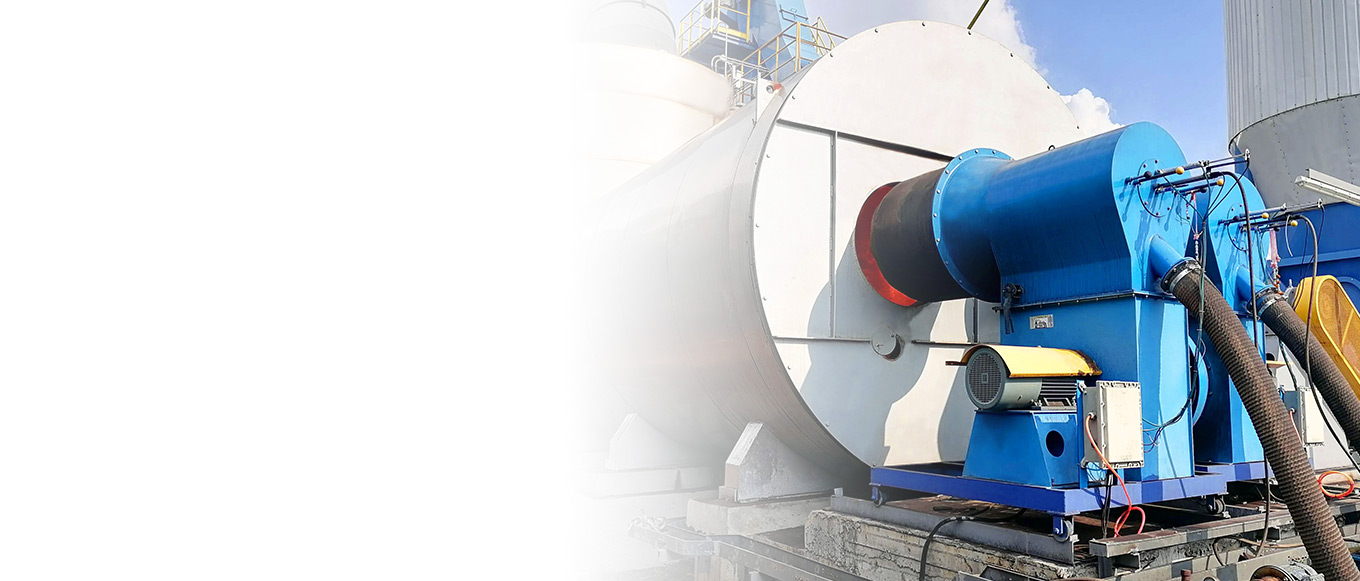
Georgia has sufficient local pulverized coal resources, stable procurement channels, low fuel unit price, and excellent construction conditions for pulverized coal to replace fuel oil. However, traditional imported bitumen plant is mostly equipped with diesel combustion system, which is suitable for European high oil price market, which is seriously mismatched with local energy structure, and the long-term fuel cost remains high, which continuously squeezes project profits. In response to this core pain point, ZOOMLINE customized an exclusive pulverized coal combustion adaptation systemfor this 60TPH asphalt hot plant, completed a special upgrade of the localization of the fuel structure, and completely replaced the high-cost diesel heating model. Customized pulverized coal burner through professional thermal optimization design, high thermal conversion rate, full combustion, uniform and stable heat output, effectively avoid the traditional pulverized coal equipment combustion is insufficient, uneven heat, energy consumption and loss of disadvantages. Under the premise of ensuring stable asphalt heating temperature and meeting the standard drying effect of mixture, the unit production energy consumption is greatly reduced. Compared with traditional diesel equipment, it can help customers save more than 40% of fuel operation cost. The cost advantage under long-term large-scale construction continues to enlarge, solving the problem of weak profit space of enterprises from the root cause, and significantly improving project profit margin and market competitiveness.
Municipal roads and highway maintenance projects have strict standardization requirements for asphalt mixture asphalt aggregate ratio, aggregate grading, mixing temperature and uniformity. However, the original hot mix plant of customers has low automation degree, more manual intervention and large measurement accuracy deviation, which is easy to cause problems such as mixture quality fluctuation, uneven mixing and temperature imbalance, which directly induces various pavement quality diseases and greatly increases repair costs. Therefore, ZAP-S60 asphalt mixing plant is equipped with industrial-grade automatic PLC intelligent control system to realize intelligent unmanned operation in the whole production process, accurately complete independent metering and weighing of coarse aggregate, fine aggregate, mineral powder and asphalt, dynamically adjust mixing parameters in real time, accurately control standard oil-stone ratio, and ensure uniform mixture ratio, constant temperature and uniform mixing of each batch of mixture. The system supports parameter customization, which can flexibly adapt to the mixture production standards of different road grades and different construction scenarios, and completely solve the pain point of unstable quality of traditional asphalt batch mix plant. Stable and high-quality asphalt products can effectively improve the compactness, flatness and crack resistance and wear resistance of pavement, greatly prolong the service life of roads, assist customers to complete project acceptance with high standards, and accumulate high-quality market reputation.
In recent years, Georgia has continuously tightened the environmental protection control policies for infrastructure construction, and issued strict control standards for dust and exhaust gas emissions during asphalt mixture production. The purification efficiency of traditional simple dust removal equipment is low, dust leakage and air pollution problems are prominent, and it is easy to trigger business risks such as environmental protection rectification, administrative punishment and project shutdown, which has become the main development hidden danger of local construction enterprises. The 60TPH asphalt concrete plant is equipped with a two-stage high-efficiency bag dust removal and purification system. It adopts graded filtration and precise purification technology, which can comprehensively capture the large particle dust and fine suspended dust generated in the filtration production process. The dust removal efficiency far exceeds the local industry standard of Georgia. There is no dust leakage or air pollution during the entire operation of the equipment. The emission indicators fully comply with the requirements of local environmental protection regulations, truly realize green, compliant and pollution-free construction, completely avoid environmental protection compliance risks from the equipment level, and ensure the continuous and stable advancement of various engineering projects., eliminate the construction period and economic losses caused by environmental protection shutdowns.
In view of the industry pain points of imperfect after-sales system of local engineering equipment in Georgia, lack of operation and maintenance resources and lagging response of overseas equipment, ZOOMLINE has built a full-process, one-stop and life-long landing service system for customers, and comprehensively supplemented the operation and maintenance shortcomings of overseas equipment. In the early stage of the project, the professional technical team completed accurate site survey, equipment foundation planning, power adaptation commissioning and plant layout optimization in combination with customer site conditions, construction planning, power allocation and raw material stacking requirements, laying a solid foundation for stable commissioning of equipment; in the middle stage of the project, the engineering team standardized the lifting of equipment main body, pipeline docking, circuit layout, system commissioning and multi-round trial production inspection in strict accordance with industrial standards, ensuring successful commissioning and smooth commissioning of asphalt plant equipment at one time; After the project is delivered, one-on-one exclusive practical operation and maintenance training will be provided to guide customer operators to master core skills such as asphalt mixing plant start-up and shutdown, parameter adjustment, daily maintenance and basic troubleshooting, so as to help customers quickly realize independent operation and maintenance. At the same time, it has set up an all-weather technical response channel and a global spare parts supply system to quickly respond to customer technical consultation and equipment failure requirements, quickly replenish original parts, comprehensively ensure long-term continuous and stable operation of equipment, and completely eliminate customers ‘worries about overseas equipment procurement and operation.
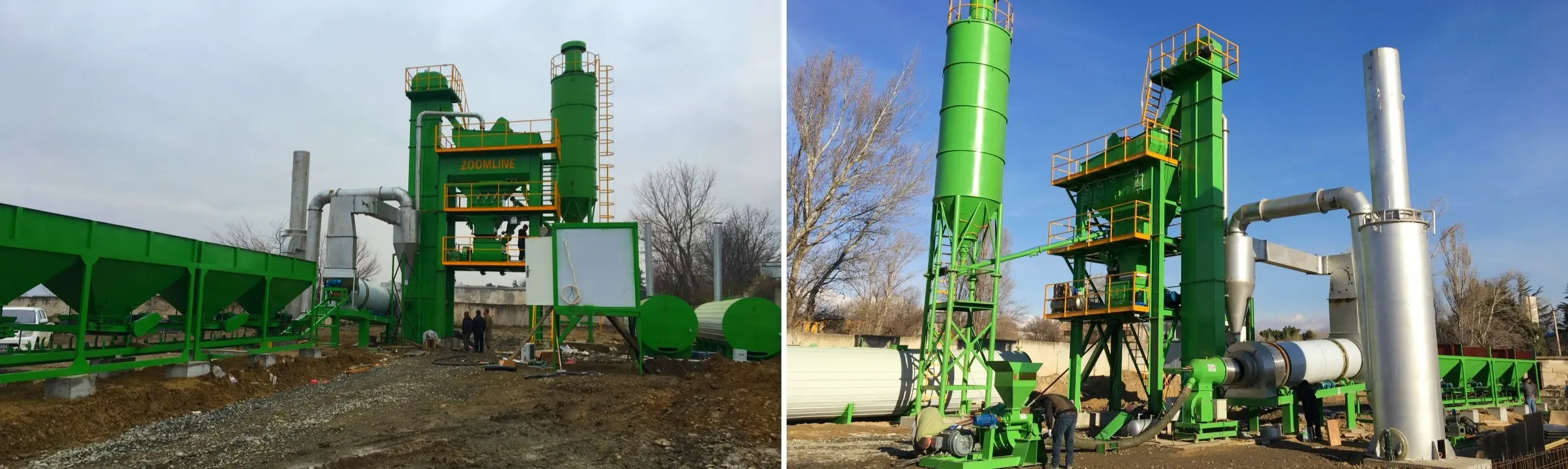
ZOOMLINE ZAP-S60 60TPH stationary batch type asphalt mixing plant has become the best selection scheme for local municipal reconstruction and highway maintenance projects by virtue of accurate model positioning, mature process advantages and deep localization adaptation configuration. The core competitive advantages are concentrated in three dimensions:
Compared with traditional continuous asphalt mixing plant, batch type asphalt plant has higher metering accuracy, process flexibility and finished product stability, which can realize independent and accurate metering of aggregate, asphalt and powder, layered feeding and full mixing, and comprehensively upgrade mixture uniformity, asphalt aggregate ratio stability and discharge temperature controllability. It can accurately adapt to the strict construction standards of Tbilisi municipal roads and high-quality highway maintenance projects, avoid quality diseases such as road cracking, wear and pit grooves from the source of materials, effectively extend the service life of road pavement, and help customers create benchmark infrastructure projects with high quality and high durability.
At present, the road construction market in Georgia is dominated by 40 – 100TPH small and medium-sized bitumen mixing plant, which accurately adapts to the local construction mode of small and medium-sized volume, multi-point dispersion and phased construction. The 60TPH model is just in the golden balance range of production capacity, cost and operation and maintenance cost, which not only solves the problem of insufficient production capacity of small asphalt mixing plant and cannot support continuous construction, but also avoids the pain points of large asphalt batching plant capacity redundancy, high investment cost and long-term idle waste. The asphalt mix plant equipment procurement threshold is moderate, the comprehensive cost performance is outstanding, the investment return cycle is short, and it comprehensively matches the core business needs of improving quality, reducing cost and increasing efficiency of local small and medium-sized infrastructure projects. It is a gold model suitable for Georgia market.
The 60TPH asphalt batch plant adopts industrial grade reinforced fixed integral structure, with strong rigidity, high stability, outstanding wind and earthquake resistance, loss resistance and environmental interference resistance, and the overall working condition stability far exceeds that of mobile mixing equipment. According to the fixed site construction scenario of annual renovation of Tbilisi municipal roads and normal maintenance of roads, it can realize fixed-point, long-term continuous and stable production, low equipment failure rate and stable operation conditions, continuously undertake batch and periodic infrastructure maintenance projects, and perfectly meet the core requirements of local long-term site and normal construction.
In December 2018, the 60TPH stationary asphalt mixing plant was successfully commissioned and put into operation at one time on the Tbilisi project site. Over the years, the asphalt mixer plant has been running stably, the production capacity has reached the standard, the quality is controllable, and the energy consumption is excellent. It comprehensively solves the customer’s past construction pain points and business problems. The project has achieved remarkable results:
The production capacity is fully up to standard, and the construction period guarantee ability is significantly improved: the asphalt mixer plant can maintain the rated discharge capacity of 60 tons/hour for a long time stably, the raw material supply is sufficient, continuous, balanced and free of fluctuation, completely solving the problems of insufficient production capacity, construction interruption and construction period lag of small equipment in the past, comprehensively improving the construction efficiency of the project, and ensuring the timely delivery of various municipal and highway projects.
The mixing quality is comprehensively upgraded, and the project acceptance is more guaranteed: relying on the high-precision batch mixing process and intelligent proportioning system, the uniformity, temperature stability and proportioning accuracy of asphalt mixture are greatly optimized, the pavement surface is smooth and dense, wear-resistant and crack-resistant, which fully meets the quality standard of Georgian road construction, the incidence rate and repair rate of late road diseases are significantly reduced, and the project quality is guaranteed in an all-round way.
The operation cost has been greatly reduced, and the profitability of the project has been continuously improved: the customized pulverized coal combustion system optimizes the energy consumption structure from the root cause, greatly reduces the fuel operation cost; with the advantages of low failure rate and low operation and maintenance loss of batch asphalt mixing plant, multiple cost reduction effects are superimposed to help customers achieve long-term stable cost savings, effectively broaden the profit margin of the project, and improve the overall profitability of the enterprise.
The whole process of green compliance construction, zero environmental protection shutdown risk: two-stage efficient bag dust removal system accurately controls dust emission, the whole process of construction compliance standards, green environmental protection, completely avoid environmental protection penalties, shutdown rectification and other business risks, to ensure efficient, continuous and orderly progress of the project.
Stable equipment operation, comprehensive operation and maintenance guarantee: stable equipment structure, mature performance, low failure rate since production; relying on ZOOMLINE’s perfect global technical response mechanism and spare parts supply system, completely eliminate long-term downtime loss, and realize normal continuous and stable production.
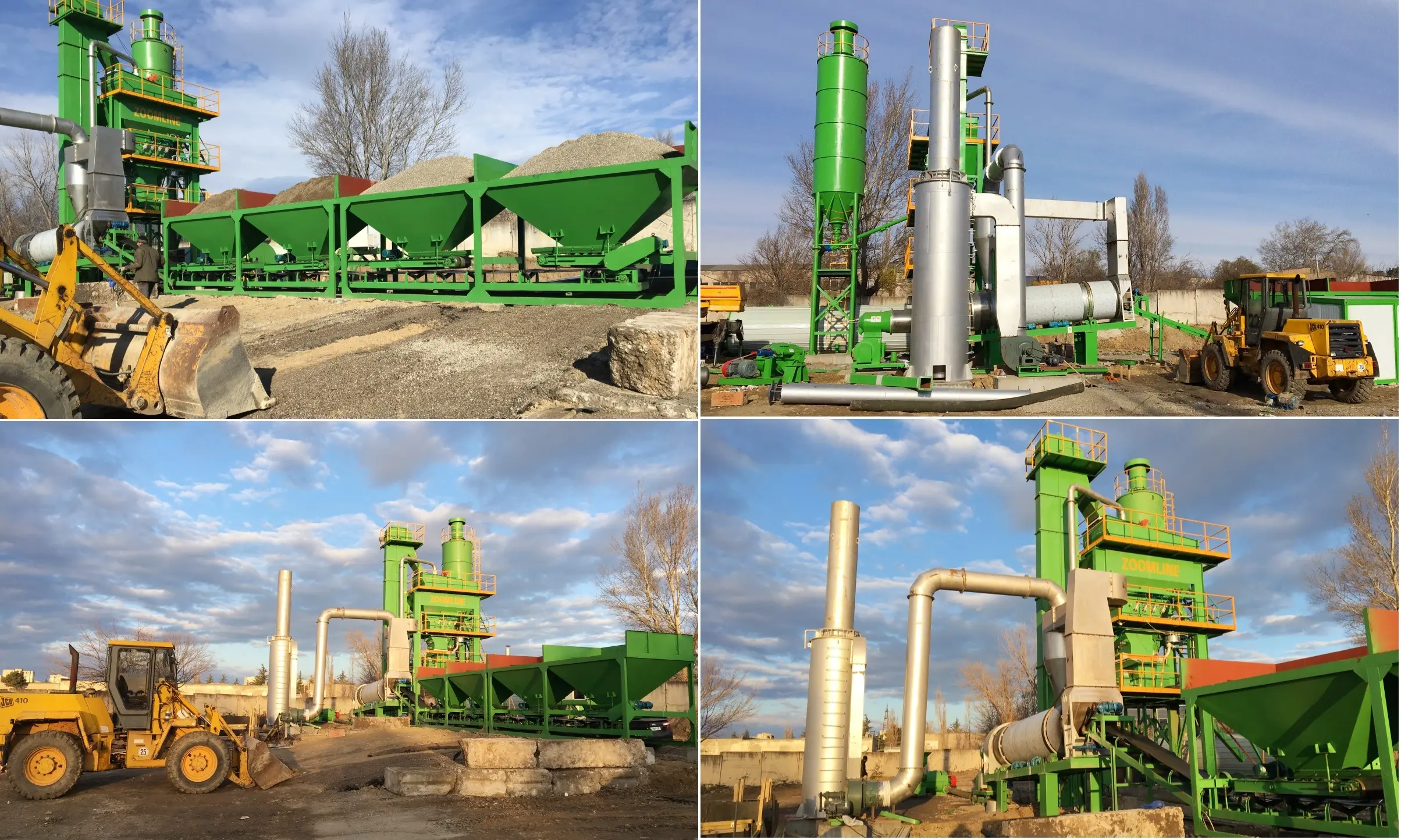
ZOOMLINE ZAP-S60 60TPH stationary asphalt mixing plant has been in continuous and stable operation for many years since it was officially put into operation in December 2018. After several rounds of municipal reconstruction and actual test of centralized road maintenance period, the equipment performance is stable and the comprehensive benefits are outstanding. The core dimensions such as capacity output, finished product quality, cost control and operation and maintenance guarantee have comprehensively exceeded customer expectations, completely solving the equipment shortage and construction problems that have plagued the enterprise for many years. Based on long-term field experience, customers have given high recognition and positive evaluation to the comprehensive performance of equipment and ZOOMLINE one-stop landing service from three dimensions: production performance, economic benefit and service experience:
The customer clearly stated that the 60TPH stationary asphalt mixing plant can maintain the rated continuous discharge capacity of 60 tons per hour for a long time, and the discharge is balanced without fluctuation, which fully matches the daily material demand of Tbilisi municipal renovation and suburban road normalization maintenance. It completely reversed the difficulties of insufficient production capacity of small equipment, large supply gap during peak period and frequent cut-off of construction, and eliminated the problems of process disconnection, construction period delay and contract breach caused by unstable supply of raw materials from the source. Relying on high-precision PLC intelligent proportioning system and batch mixing process, the equipment can accurately control aggregate proportioning, oil-stone ratio, mixing temperature and mixture uniformity, resulting in uniform finished product quality and strong stability, which fully meets the acceptance standards for local road construction in Georgia. After batch paving, the pavement is flat and dense, crack resistance and wear resistance, and the durability is strong, and the incidence rate of diseases in the later stage of the road is greatly reduced, which not only effectively improves the acceptance rate of the project, but also helps the enterprise accumulate high-quality construction reputation, assists customers to continuously win local key municipal cooperation projects and further expands market share.
At the level of long-term operation cost control, the implementation of customized pulverized coal combustion system has brought disruptive cost reduction effect to customers. Compared with the traditional diesel heating equipment of enterprises, relying on Georgia’s abundant and cheap pulverized coal resources, the equipment fuel procurement cost is greatly reduced, and with the optimized thermal system, the combustion is more complete, the thermal efficiency is higher, and the unit energy consumption is lower. Long-term operation data show that the monthly and annual fuel operation costs of equipment have been greatly reduced, effectively relieving the operating pressure of high fuel costs squeezing project profits. At the same time, the equipment adopts high-strength modular structure design, reliable quality of core accessories and extremely low failure rate of the whole machine, which greatly reduces the extra expenses of daily maintenance, accessory replacement and manual operation and maintenance. The long-term continuous and stable operation of the equipment, the ineffective shutdown loss is almost zero, effectively improving the effective construction working hours and project construction efficiency, the superposition of multiple advantages, continuously increasing the comprehensive profit margin of various road projects, and laying a solid profit foundation for the long-term and stable operation of the enterprise.
In addition to excellent equipment hardware performance, ZOOMLINE’s full-process, professional and highly responsive landing service system is one of the core advantages most recognized by customers. In the early stage of the project, our technical team deeply combined with Georgia’s construction conditions, energy conditions, environmental protection policies and customer project volume, tailor-made 60TPH exclusive solutions, eliminating redundancy in equipment selection and waste of resources, and ensuring that the solutions accurately meet localization needs. At the landing stage of the project, the professional engineering team will stay on site throughout the whole process, standardize the whole process of equipment hoisting, pipeline docking, circuit layout, system debugging, trial production, etc., complete the landing of equipment with high efficiency and quality, and realize one-time successful production. At the same time, one-to-one practical operation training, maintenance guidance and troubleshooting teaching are carried out for customer operation and operation and maintenance teams to help customers quickly master equipment core operation and independent operation and maintenance skills. After the equipment was put into production, we continued to provide all-weather technical response, remote Q & A, on-site inspection and rapid spare parts supply services to quickly solve equipment operation problems, completely make up for the industry shortcomings of Georgia local batch mix plant after-sales, completely eliminate customers ‘worries about overseas equipment procurement and operation and maintenance, and lay a solid foundation for long-term and in-depth strategic cooperation between the two parties.
The successful landing of Tbilisi 60TPH stationary asphalt mixing plant project fully verified that medium-sized customized batch type asphalt mixing equipment is highly suitable for the localized construction scenarios of Georgia municipal renewal and road maintenance. ZOOMLINE accurately focuses on core pain points such as customer capacity mismatch, high cost, unstable quality, limited environmental protection and weak after-sales service. Through precise model optimization, localized energy customization, intelligent process upgrading, high-standard environmental protection configuration and full-cycle exclusive service, ZOOMLINE realizes multi-dimensional value upgrading of quality improvement, cost reduction, efficiency enhancement and compliance for customers in an all-round way, helping enterprises break through equipment bottlenecks and enhance market competitiveness.
Combined with the overall characteristics of Georgia’s infrastructure market, 40 – 60TPH small and medium-sized asphalt batch mix plant is the most preferred type for local municipal roads, rural road networks, and daily maintenance small and medium-sized projects due to its high cost performance, short investment return cycle, and strong scene adaptability; The 80 – 160TPH large-scale bitumen batch mix plant is more suitable for high-capacity demand scenarios such as the construction of new regional main roads and large-scale municipal benchmark projects.
ZOOMLINE can provide one-to-one exclusive asphalt mixing plant customized solutions based on construction conditions, energy structure, environmental protection policies and project volume in different regions around the world, covering equipment selection, personalized configuration, production delivery, installation and commissioning, technical training, and global spare parts support full-chain services. For cost-effective asphalt mixing equipment solutions and accurate project quotations for the Georgian market, please feel free to contact us for exclusive engineering solutions.