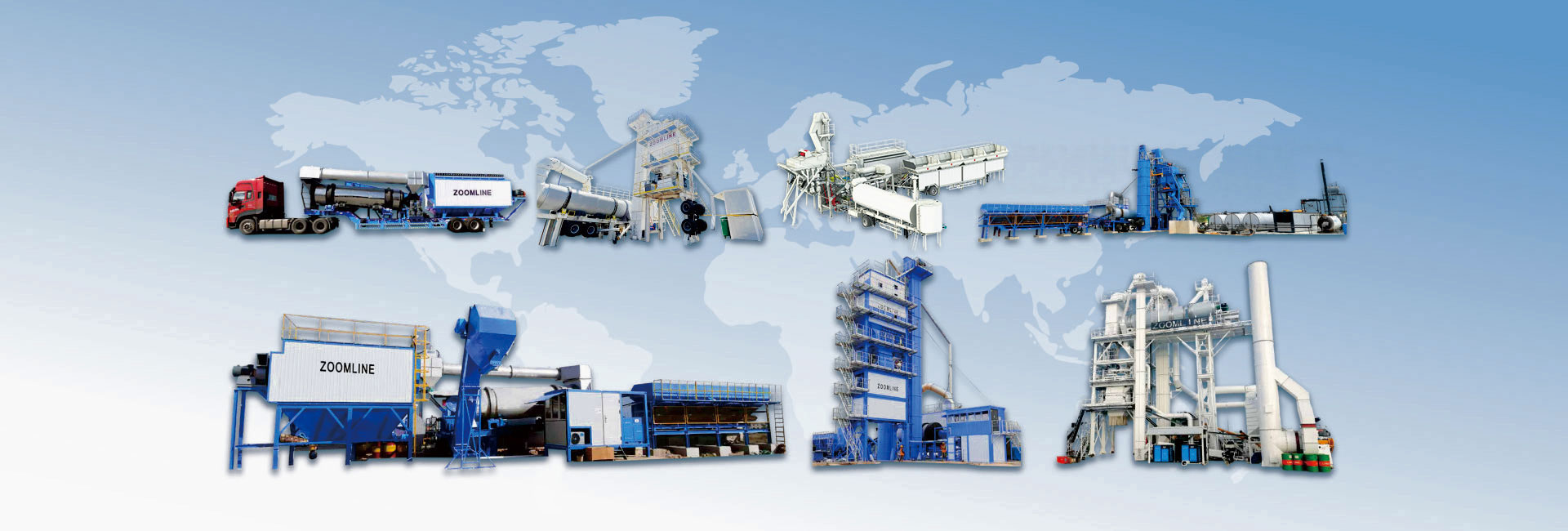
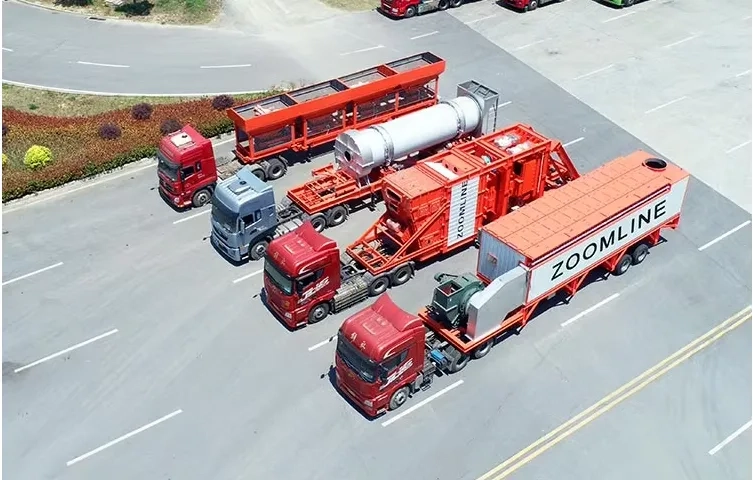
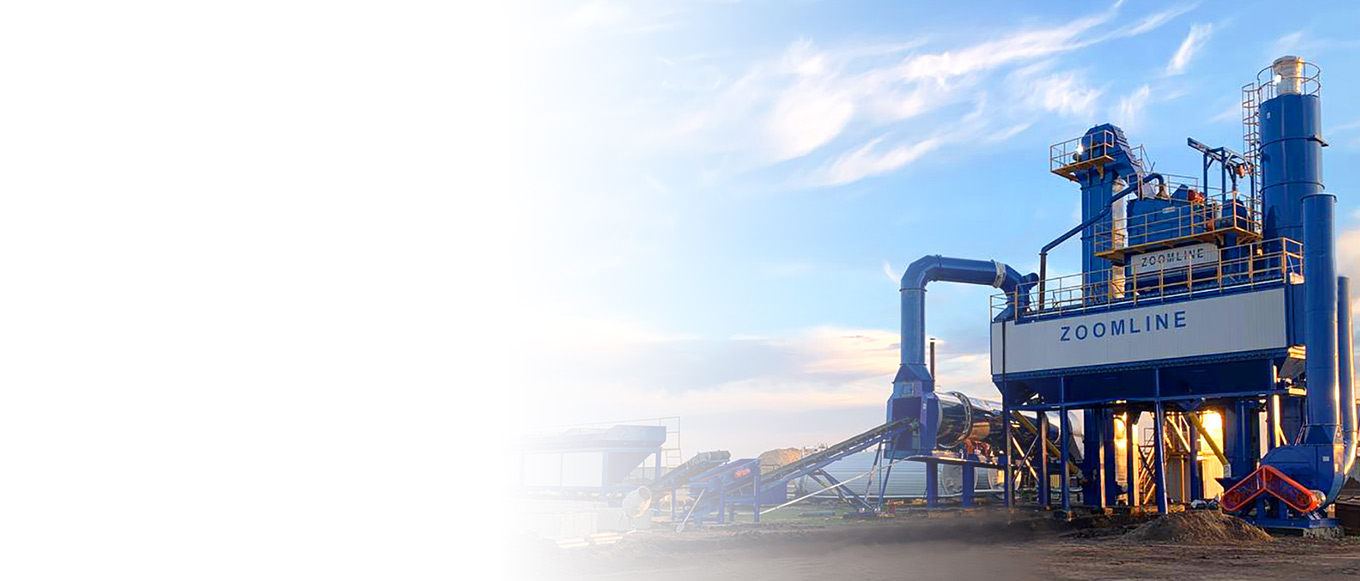
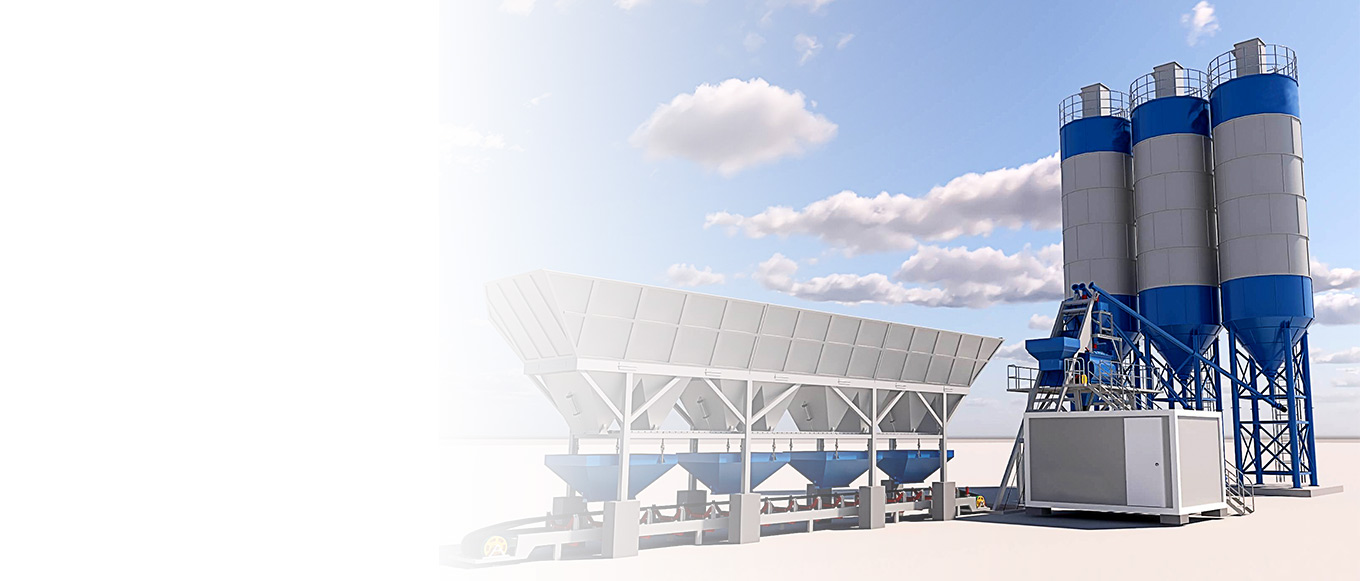
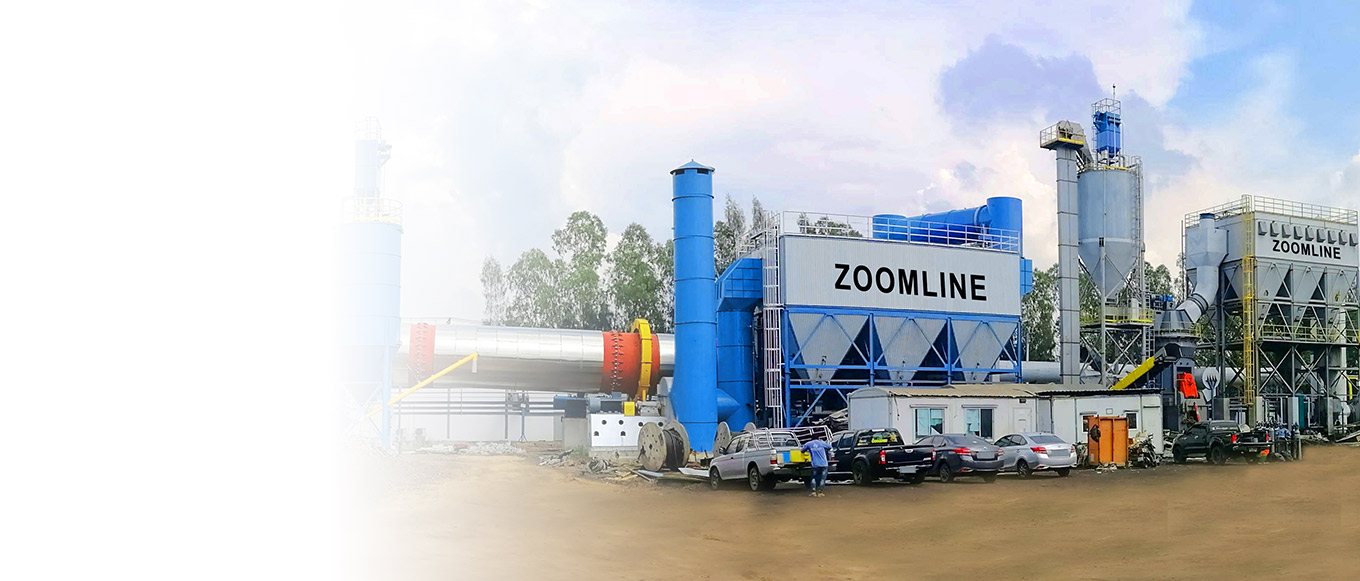
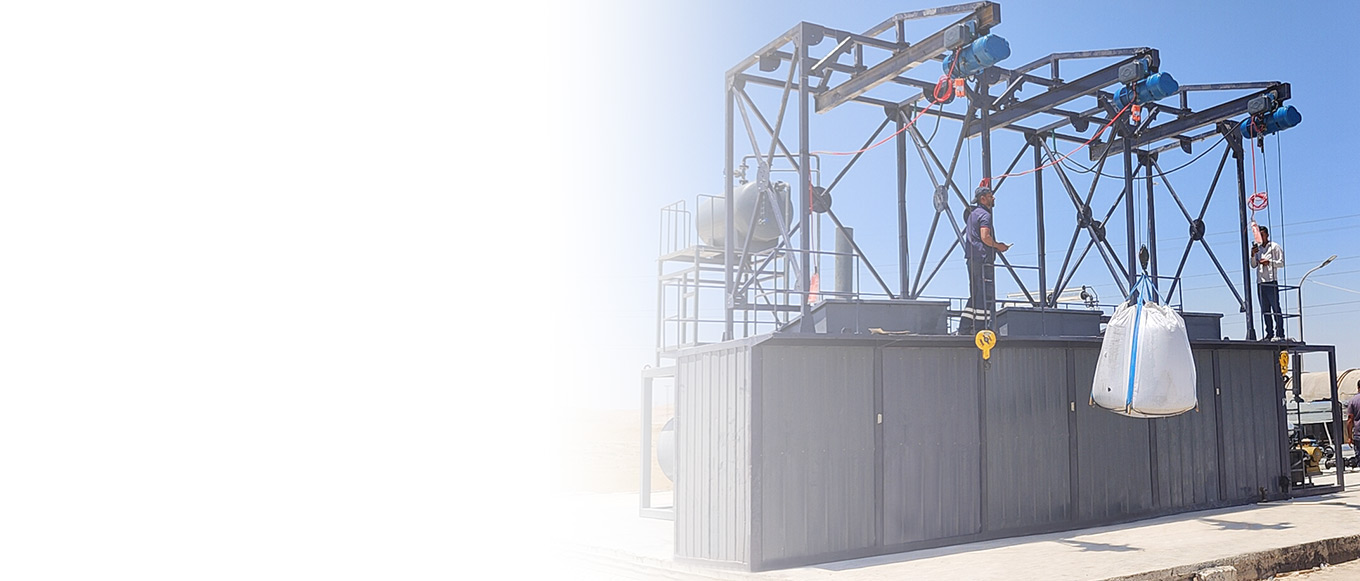
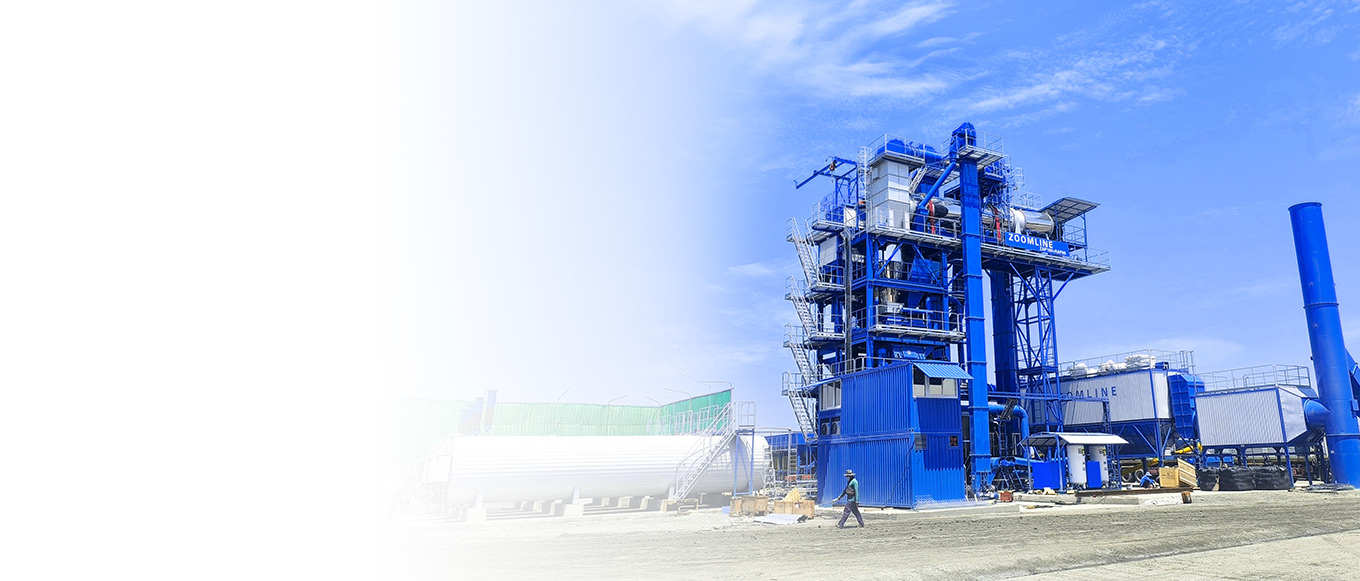
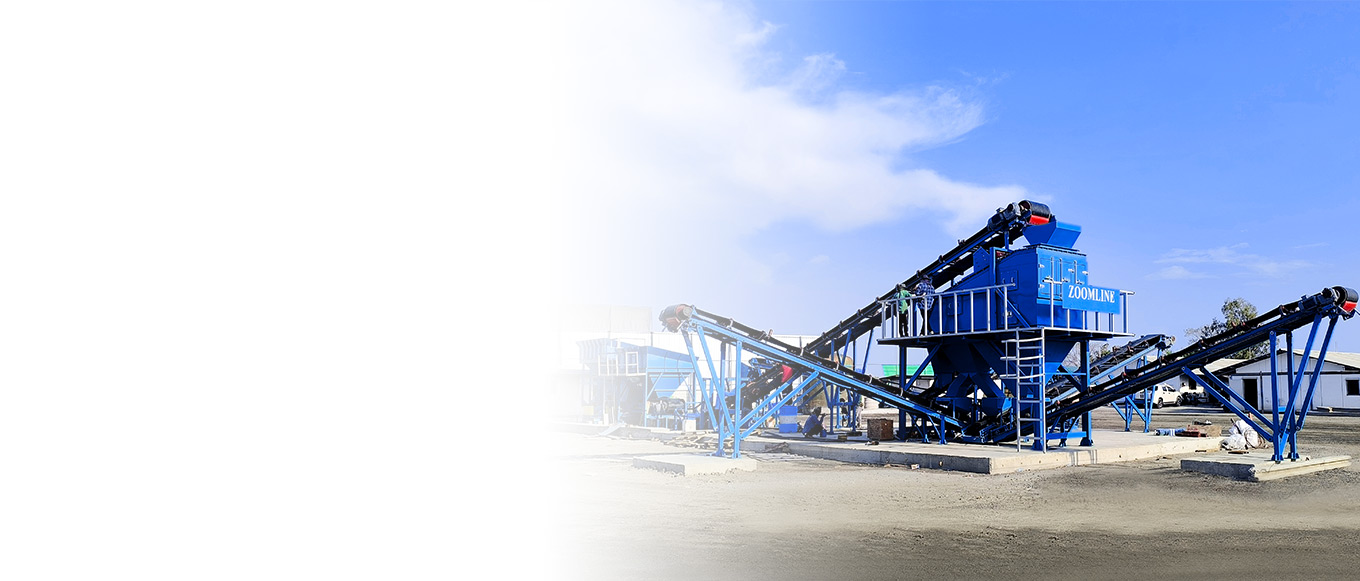
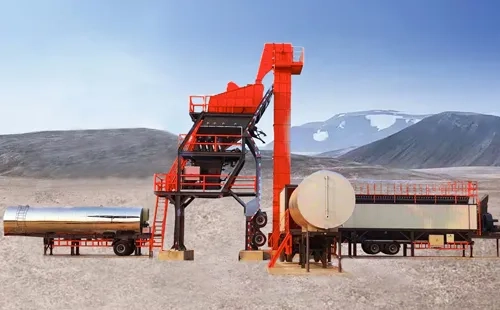
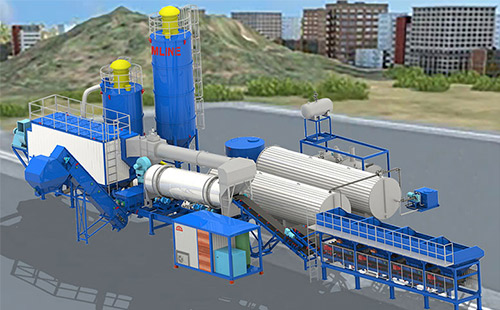
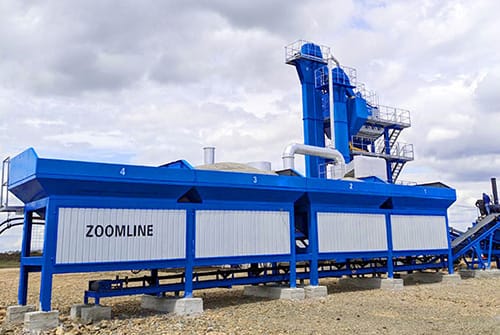
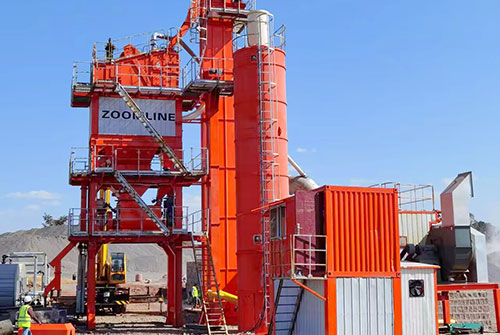
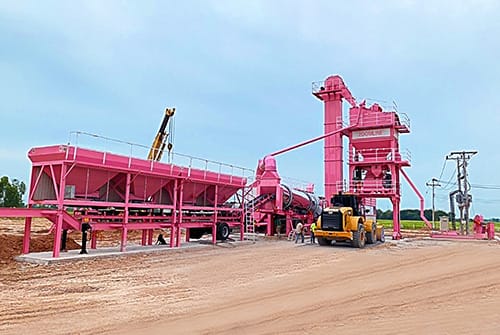
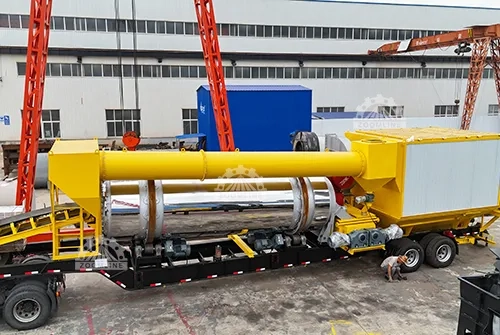
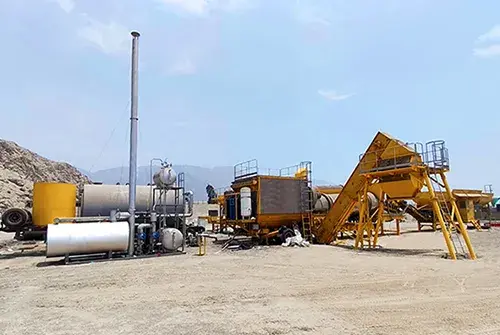
Road construction in different regions has differences in terrain, climate, environmental protection standards, and construction requirements. The ZOOMLINE modular asphalt mixing plant achieves precise adaptation to various regions around the world through customized modular combinations, showing unique advantages, especially in core regions such as Central Asia, Africa, and North America.
Central Asia “Belt and Road” Corridor: Core Advantages of Modular Equipment
The Central Asian region is a core transportation corridor for the “Belt and Road”, with road construction mostly being remote projects across deserts and desolate areas, characterized by high transportation difficulties, poor site conditions, and short construction periods as core pain points:
The ZOOMLINE modular products can be disassembled and transported through desert highways by ordinary cargo vehicles, without the need for large-scale transportation;
No need for reinforced foundation, the Gobi Desert can be simply leveled for deployment, achieving production within 7 days, meeting the short project timeline requirements;
High-temperature resistance and sand-dust resistance design, the equipment can operate continuously for 24 hours in the extreme high-temperature environment of Central Asia, and the dust removal system can effectively deal with dust pollution brought by sand and dust.
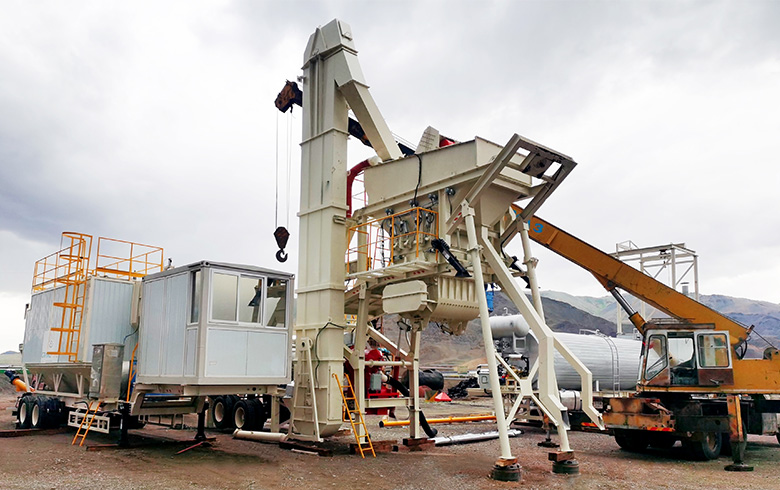
Application cases: Kazakhstan Kokshetau Highway project, using ZOOMLINE ZAP-S100 mobile intermittent asphalt mixing plant, the equipment arrived on May 21st, completed installation, debugging, and production on June 21st, accurately ensuring the construction schedule of the highway.
Urbanization and Resource Development in Africa: Mobility Matches Dispersed Construction
Africa is in the stage of accelerated urbanization and resource development, road construction has the characteristics of dispersed projects, uneven engineering volume, and weak infrastructure, making mobile modular asphalt plant Africa a core requirement:
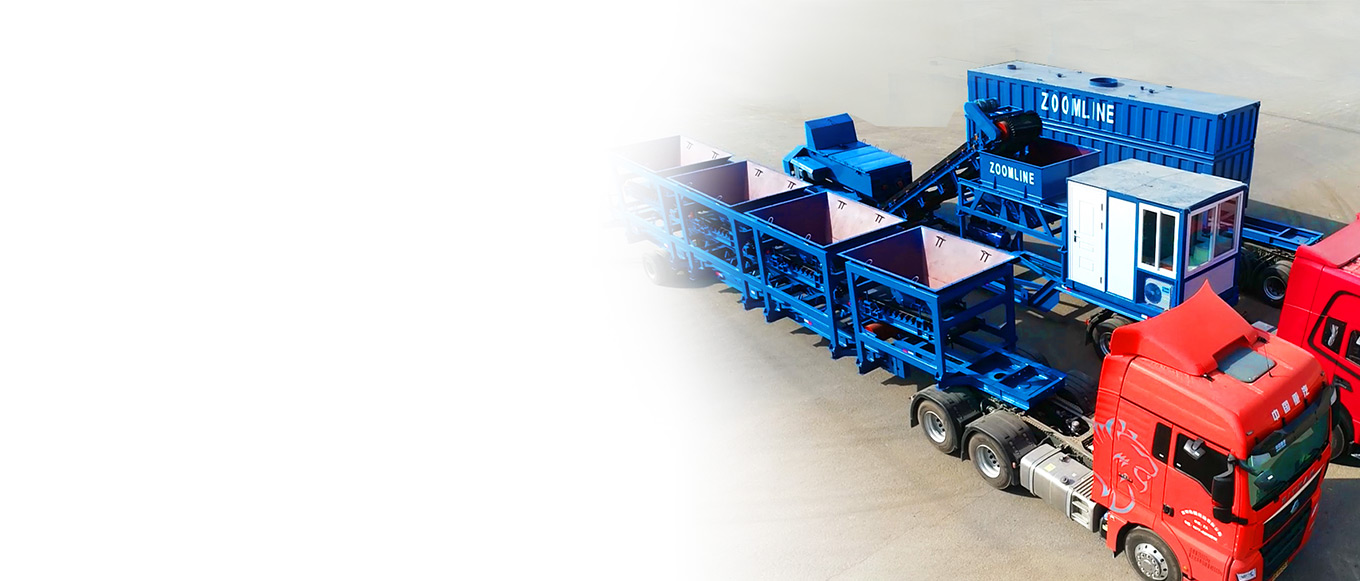
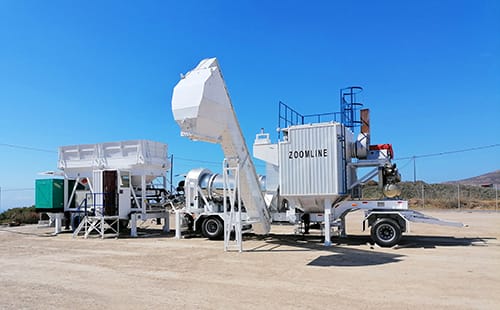
A semi-trailer mounted mobile design that can operate on unimproved roads in Africa, adapting to scattered construction sites in mining areas and rural areas;
With a wide production capacity range of 20-200t/h, it can be flexibly adjusted according to the project volume, avoiding waste of equipment production capacity;
A simple operation interface, no need for professional technical personnel, local workers can start work after simple training, reducing labor costs.
Application cases: Madagascar adopts ZOOMLINE ZAP-C60M super mobile continuous asphalt mixing plant, completing multiple rural road upgrading projects. The equipment is flexible in relocation, has low fuel consumption, and greatly reduces the project construction cost.
North American Road Reconstruction and Environmental Regulations: Sustainable and high environmental compatibility
The highway network in the North American region is mature, mainly focusing on road renewal and maintenance, while environmental protection regulations are strict, with high requirements for dust emissions and RAP recycling utilization:
The ZOOMLINE environmental protection modular product has a dust removal efficiency greater than 99%, meeting the North American EPA environmental protection standards;
The RAP addition ratio can reach 50%, perfectly matching the North American highway renewal demand for recycled asphalt, reducing raw material costs;
An intelligent remote monitoring system can achieve unmanned operation of equipment, fitting the characteristics of high labor costs in North America.
Extreme weather and remote terrain: full environmental adaptability
The ZOOMLINE modular asphalt mixing plant, designed with special features, can adapt to various extreme climates and remote terrains worldwide:
High-altitude areas: Equipped with plateau-type burners to ensure normal combustion at altitudes above 4000 meters, compatible with projects such as the Tibetan Plateau and the Andes Mountains;
Tropical rainforest areas: Designed with anti-rust and moisture-proof features, the electrical system is sealed to avoid failures caused by damp environments, compatible with projects in Southeast Asia and South American rainforests;
Extreme cold areas: Equipped with low-temperature start-up systems and equipment insulation layers to ensure normal start-up in environments below -30°C, compatible with projects in Siberia and Northern Europe.