







Asphalt vs. Bitumen vs. Tar: What’s the Difference?
Introduction
In road infrastructure, municipal construction and industry procurement scenarios, asphalt, bitumen and tar are often mixed up. Most construction personnel, procurement novices and even old masters who have been working for many years generally believe that the three are just different names and belong to the same material.
However, from the perspective of professional engineering definition, raw material composition, physical properties and construction specifications, the three attributes are completely different and cannot be substituted for each other, and their application status in modern road engineering is very different. Clarifying the differences among them is the basis for selecting pavement materials, controlling construction quality and avoiding common faults.
First, clarify the core positioning of the three and establish a unified cognition of the full text:
- Bitumen: Petroleum-based viscous bonding raw materials, semi-finished products, is the core of asphalt pavement bonding substrate
- Asphalt: finished composite pavement material, mixed by asphalt, aggregate and mineral powder, can be directly paved for construction
- Tar: Traditional organic bonding material, poor performance, not environmentally friendly, has been completely eliminated by modern road engineering
The greatest practical value of distinguishing the three is to understand the production logic of modern pavement: high-quality asphalt mixture is not naturally formed, it must rely on qualified bitumen raw materials, through standardized asphalt mixing plant precision ratio, constant temperature mixing, which is also the professional asphalt mix plant to become the key reason for road infrastructure equipment.
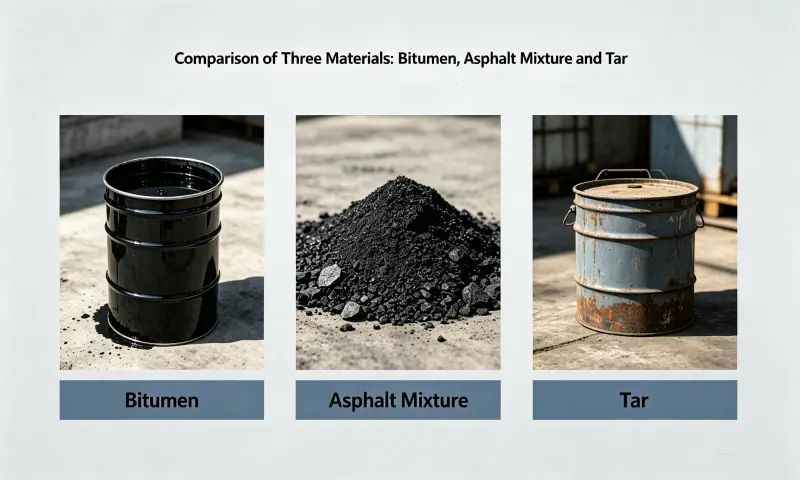
Asphalt vs. Bitumen vs. Tar at a Glance
In order to facilitate engineering material selection, technical disclosure and data consultation, the core differences of the three materials are comprehensively compared from the following six dimensions: material essence, raw material source, core use, road applicability, associated equipment and construction scenario.
| Contrast Dimension | Asphalt | Bitumen | Tar |
| Material nature | Pavement finished composite material, can be directly constructed | Petroleum-based viscous bonding raw materials (semi-finished products) | Old-fashioned bonding material made from carbonized organic matter |
| Main source | Bitumen + aggregate + mineral powder + modifier, high temperature stirring synthesis | Heavy hydrocarbon residues after petroleum refining fractionation | Dry distillation and carbonization extraction of organic matter such as coal and wood |
| Core uses | All kinds of road, plant, site pavement engineering finished materials | Asphalt mixture core binder, waterproof and anticorrosive raw materials | Old simple pavement, traditional anti-corrosion seal (now obsolete) |
| Suitability of modern roads | Mainstream universal, adapted to all levels of modern road engineering | Core essential raw materials, common to all asphalt pavements | Basic elimination, modern standardized roads prohibited |
| Associated core device | Asphalt mixing plant | Bitumen storage, heating, thermostatic, metering equipment | Old-fashioned tar mixing equipment (obsolete) |
| Typical construction scenarios | Highways, municipal roads, airport runways, parking lots, factory roads | Binder aggregate preparation of asphalt mixture, engineering waterproof corrosion | Old simple pavement, traditional industrial anti-corrosion niche scene |
What Is Asphalt?
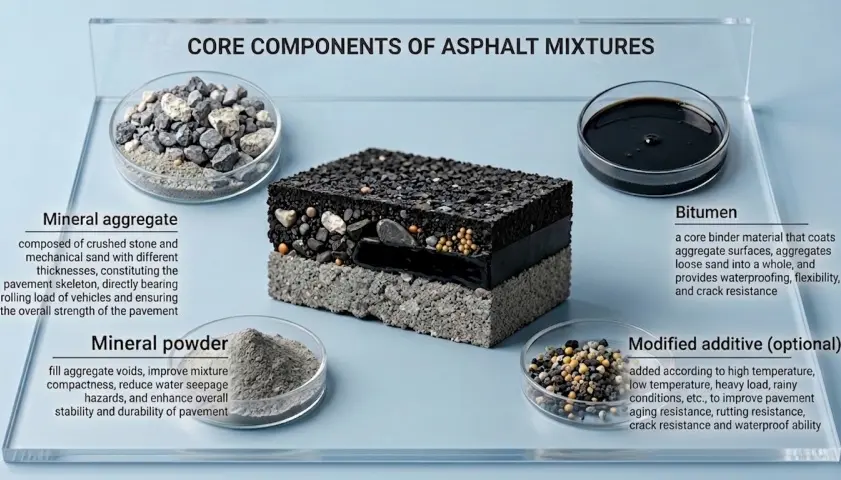
Core Components of Asphalt Mixtures
From the professional definition, asphalt mixture is a composite pavement building material made of bitumen as the binder substrate, with different specifications of mineral aggregates, mineral powder and functional additives, and uniformly stirred at high temperature. It is also the most widely used finished pavement material for municipal, highway and airport projects.
The standard hot mix asphalt mixture formula is stable and the hierarchy is clear. It mainly includes four components. Each component performs its own duties and jointly determines the overall performance of the pavement:
- Mineral aggregate: composed of crushed stone and mechanical sand with different thicknesses, constituting the pavement skeleton, directly bearing the rolling load of vehicles and ensuring the overall strength of the pavement
- Bitumen: a core binder material that coats aggregate surfaces, aggregates loose sand into a whole, and provides waterproofing, flexibility, and crack resistance
- Mineral powder: fill aggregate voids, improve mixture compactness, reduce water seepage hazards, and enhance overall stability and durability of pavement
- Modified additive (optional): added according to high temperature, low temperature, heavy load, rainy conditions, etc., to improve pavement aging resistance, rutting resistance, crack resistance and waterproof ability
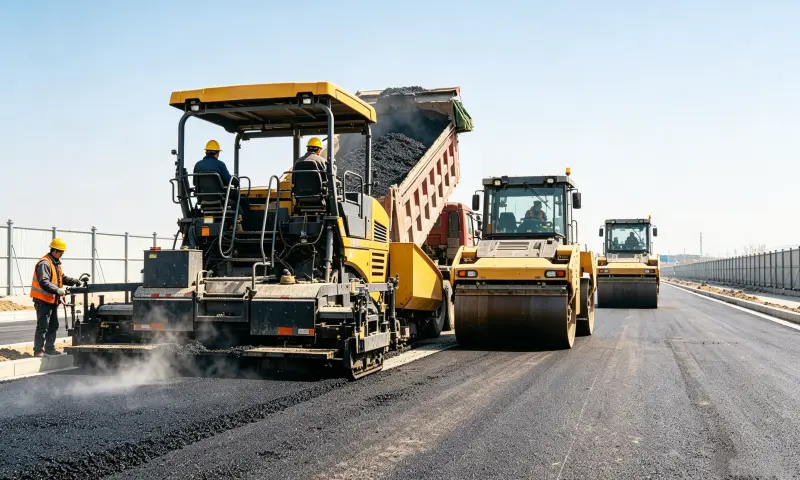
Main Application Scenarios of Asphalt Mixture
With the advantages of high flatness, comfortable driving, convenient maintenance and recyclable utilization, asphalt mixture is suitable for most modern pavement projects, covering all scenarios such as traffic trunk lines, urban municipal administration and industrial sites:
- High-grade traffic roads such as expressways, national and provincial trunk roads, urban and rural trunk roads, etc.
- Urban municipal roads, bypass roads, non-motor vehicle lanes, landscape roads
- Airport runway, apron and other high-standard special pavement scenes
- Commercial parking lot, community park pavement, city square pavement
- Industrial Park, Logistics Park, Port Heavy Duty Pavement
Why Is Asphalt Widely Used in Modern Road Construction
Compared with traditional cement pavement and old tar pavement, the comprehensive performance of asphalt mixture is more suitable for modern traffic demand, which is also the core reason why it has become the mainstream of the industry:
- Strong structural durability: aggregate skeleton with asphalt bonding layer, compression and wear resistance, long-term withstand high-frequency, high-flow vehicles, not easy to structural damage
- Excellent flexibility of pavement: good deformation adaptability, can adapt to slight settlement of subgrade, thermal expansion and contraction, effectively reduce cracking and plate breaking problems
- Excellent environmental weather resistance: strong adaptability to high and low temperatures, not easy to rut and bag in summer, not easy to crack and slag in winter, suitable for multi-regional climate in China
- Green recycling: Waste asphalt mixture can be crushed, screened, remixed and reused through asphalt recycling plant equipment, reducing project costs and meeting green infrastructure requirements
- Convenient construction and maintenance: after paving and forming, it can be opened to traffic after cooling, with short construction period, short closed traffic time, simple repair of late diseases and lower cost
What is Bitumen?
Origin and Processing Technology of Bitumen
Bitumen is a typical petroleum-based raw material, which is different from tar extracted from organic matter and is a heavy by-product after deep refining of crude oil. In the refining process of crude oil, light fuels such as gasoline, diesel oil and kerosene are extracted by fractionation technology, and the heavy viscous components that cannot be volatilized are the primary bitumen.
According to the core index differences such as penetration, softening point, ductility and viscosity, the industry divides asphalt into different grades. Different grades of bitumen adapt to different working conditions such as cold, heat, heavy load and light load, which directly determine the high temperature stability, low temperature crack resistance and overall service life of asphalt mixture, which is the core source of pavement quality.
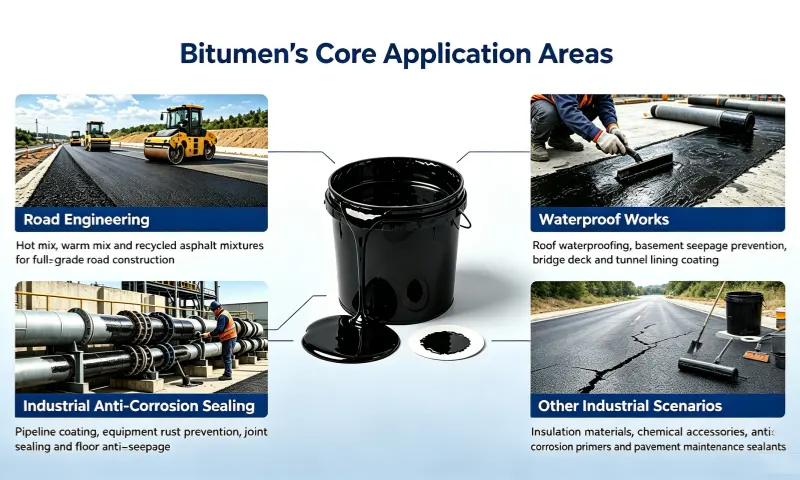
Bitumen’s Core Application Areas
Bitumen is not only used for road pavement, but also widely used in transportation, construction, chemical industry and other fields due to its excellent adhesion, waterproof and corrosion resistance. It is an important basic raw material for industrial infrastructure:
- Road engineering: as the core bonding substrate, production of hot mix, warm mix, recycled asphalt mixture, suitable for full-grade road construction
- Waterproof works: used for roof waterproofing, basement seepage prevention, bridge deck waterproofing, tunnel lining waterproof coating
- Industrial anti-corrosion sealing: pipeline anti-corrosion coating, equipment rust prevention, building gap sealing, floor anti-seepage treatment
- Other industrial scenarios: insulation materials, chemical accessories, anti-corrosion primers, pavement maintenance sealing materials, etc.
Why Is Bitumen Important in Asphalt
The most common mistake in engineering is to confuse bitumen with asphalt mixture. It needs to be clear that bitumen is a raw material, asphalt mixture is a finished product, pure bitumen can not be directly used for paving, must be mixed with aggregate, mineral powder mixing molding.
In the asphalt mixture system, bitumen undertakes five core functions, which directly determine the pavement molding quality and long-term stability:
- Strong adhesion: tightly wrap the aggregate surface, so that sand particles firmly adhere to prevent loose pavement, particle loss, sand
- Overall Cohesion: Series the overall mixture structure, improve the integrity of the pavement, distribute vehicle loads, and avoid local damage
- Efficient waterproof: sealing aggregate gaps, forming a dense waterproof layer, blocking rainwater infiltration, protecting the subgrade from water erosion
- Structural flexibility:buffer vehicle impact pressure, adapt to small deformation of subgrade, greatly reduce the probability of pavement cracking
- Temperature self-adaptation: dynamic adjustment of viscosity with temperature, high temperature to ensure bond strength, low temperature to retain moderate toughness
What Is Tar?
Where Does Tar Come From
Tar belongs to organic carbonized materials, which are completely different from petroleum base bitumen raw material system. It is mainly obtained from biomass raw materials such as coal, wood, straw, etc. through high temperature dry distillation, carbonization and distillation. It has complex components, high impurity content and poor stability. It is an alternative bonding material in the early infrastructure shortage era.
Traditional Application Scenarios for Tar
During the period of immature petroleum refining technology and insufficient bitumen production capacity, tar has become the mainstream binder material by virtue of its easy availability and is widely used in simple infrastructure projects:
- Early rural dirt road hardening, simple factory pavement (traditional Tarmac pavement core material)
- Construction of waterproof, wood preservative and metal antirust coatings for old-fashioned buildings
- Traditional industrial equipment sealing, pipeline plugging, simple anti-corrosion engineering
Why Is Tar Rarely Used for Modern Road Construction
With the upgrading of infrastructure standards, tightening of environmental protection policies and iteration of material technology, tar’s performance defects and potential safety hazards have been thoroughly highlighted and have been banned by all standardized road projects. The core reasons are divided into three points:
- Very unstable performance:high impurity content, uneven composition, easy to flow deformation at high temperature, easy to crack and fall off at low temperature, short road life and many diseases
- There are safety and environmental hazards: it contains a variety of harmful volatiles, and high temperature construction will release toxic smoke, endanger the health of construction personnel, and pollute the surrounding environment.
- Unable to adapt to modern working conditions:not resistant to heavy loads, weather resistance, poor water stability, completely unable to meet the long-term traffic requirements of high-speed and municipal roads
Asphalt vs. Bitumen: Are They the Same?
Asphalt: A finished paving material that can be directly paved
Asphalt mixture is a kind of finished composite material after industrial deep processing. Bitumen is used as the bonding core, accurately matched with multi-graded aggregate, mineral powder and modifier, mixed at constant temperature and evenly mixed. It can be directly transported to the site for paving and rolling without secondary processing.
Bitumen: Pure raw material for binding semi-finished products
Bitumen is a single viscous colloidal material, no aggregate, no skeleton, no filler, only with bonding, waterproof, sealing basic performance. It cannot be used alone to form a stable pavement structure. It belongs to typical semi-finished raw materials and must be mixed by equipment before it can be put into pavement construction.
Why the Terms Are Sometimes Confused
The confusion of industry terms mainly comes from geographical differences and colloquial habits: Bitumen is often referred to as asphalt in British and American materials, and the domestic construction colloquial simplification is serious, resulting in a large number of personnel confusing raw materials with finished products, which is also the frequent cause of engineering material selection errors.
Core Industry Conclusion: Bitumen ≠ Asphalt. The former is a raw material for production, while the latter is a finished product; the former cannot be paved directly, while the latter is the only compliant pavement material for modern pavements.
Asphalt vs. Tar: What’s the Difference?
Essential Differences between Raw Materials and Ingredients
Asphalt relies on petroleum base bitumen production, pure components, controllable indicators, stable performance, batch consistency. Tar comes from carbonization and extraction of organic matter, with complex components, random impurities and large batch differences. There is no unified standardized index for the material itself.
Differences in Pavement Performance and Durability
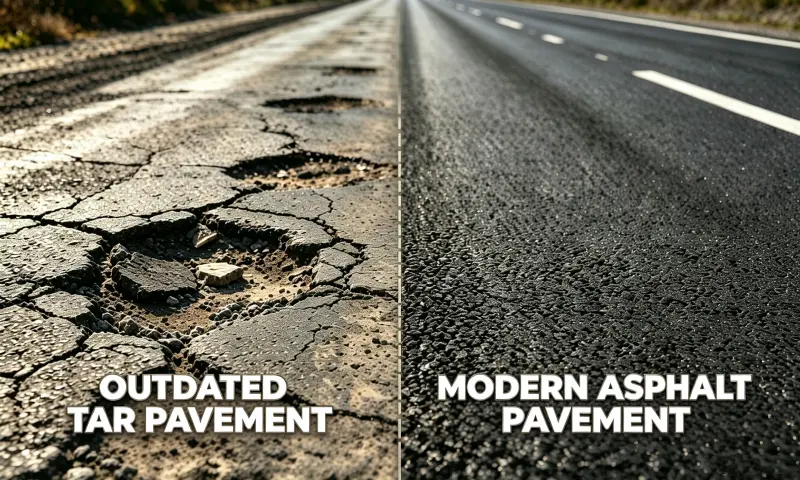
Standardized asphalt mixture pavement has high compactness, uniform adhesion and strong weather resistance, and can be used stably for several years to more than ten years under normal maintenance. The tar-based pavement has loose structure and weak adhesive force, which is easy to appear pit, crack, sand, water seepage and other diseases in a short period of time, and the maintenance cost in the later period is extremely high.
Why Asphalt Has Replaced Tar in Modern Paving
There is a difference between the old and the new generation of “asphalt road” commonly known by the public: the old Tarmac road uses tar as the binder and belongs to the elimination process; the modern municipal and high-speed asphalt roads are all asphalt mixture pavements based on bitumen. The two materials, performance and environmental protection are completely different and cannot be equal.
How Does Bitumen Become Asphalt?
Pure asphalt cannot be naturally formed, nor can it be simply mixed manually to meet the standards. In order to produce high-quality asphalt mixture conforming to road construction specifications, we must rely on professional equipment to complete standardized and precise process flow.
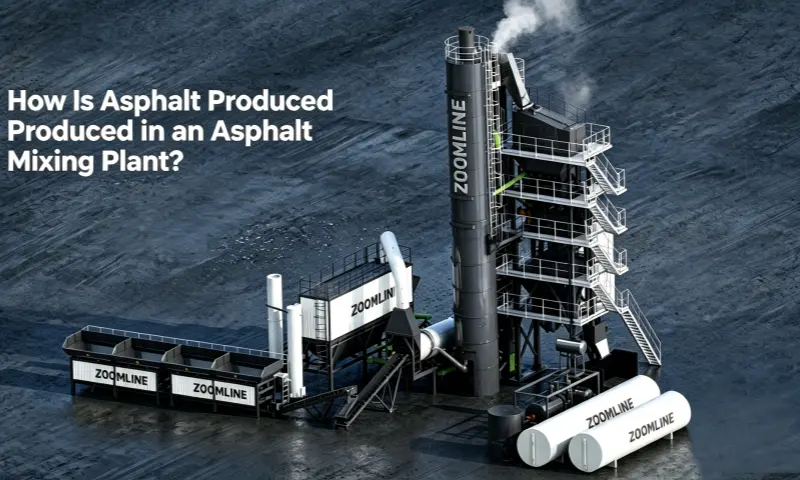
Complete production chain logic is clear: graded aggregate drying dehumidification → bitumen constant temperature heating → accurate proportioning measurement → high speed uniform mixing → finished asphalt mixture discharge.
Any parameter deviation of temperature, asphalt aggregate ratio, mixing time and aggregate gradation will lead to quality problems such as white material, segregation, cracking and seepage. Therefore, asphalt plant is the core guarantee equipment for modern asphalt pavement construction.
How Is Asphalt Produced in an Asphalt Mixing Plant?
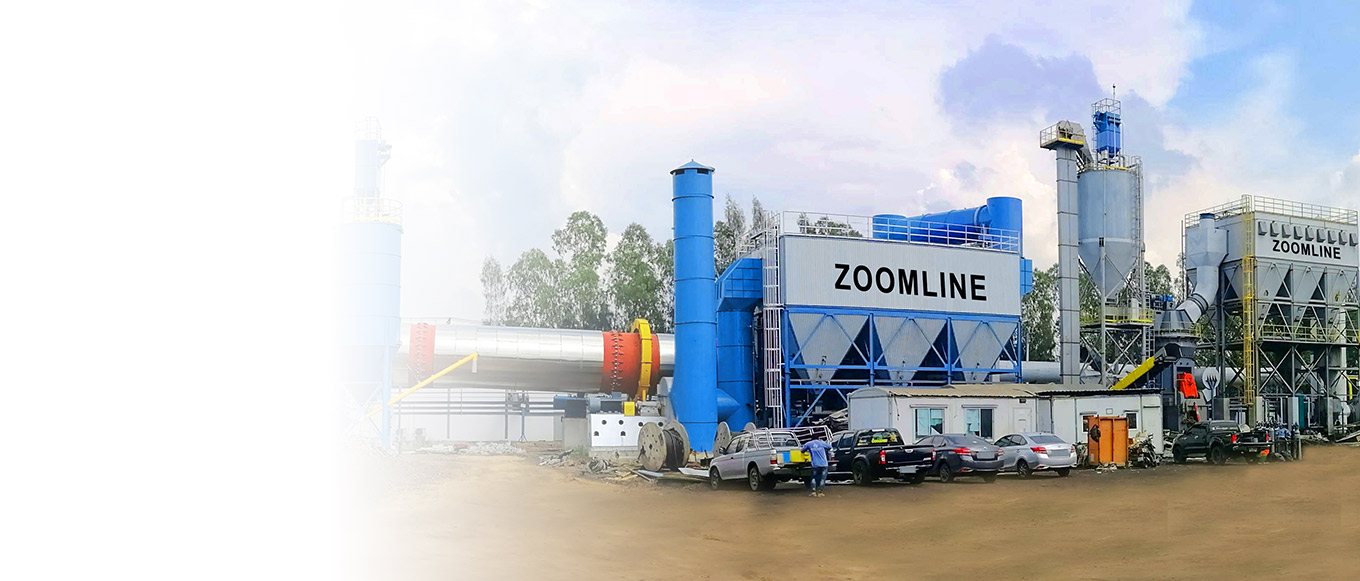
The modern asphalt mixer plant realizes the automation of raw material treatment, proportioning, mixing, discharging and environmental protection dust removal, effectively ensuring the stable quality of asphalt mixture batches. The seven core processes are as follows:
1. Cold Aggregate Feeding
According to the construction formula, aggregates with different particle sizes are put into corresponding cold storage bins, and the system is quantitatively and uniformly fed, and the aggregate grading base is strictly controlled, laying a foundation for subsequent accurate mixing.
2. Aggregate Drying and Heating
Wet aggregate enters the drying drum for high temperature dehumidification and heating, completely eliminating the problem of loose mixture and water loss caused by moisture, and heating the aggregate to the process temperature to ensure the bonding effect with asphalt.
3. Screening and Proportioning
High temperature aggregate is classified and screened by screening system, accurately weighed, strictly abide by engineering mix ratio, avoid poor pavement flatness, cracking, insufficient strength and other problems caused by unbalanced grading.
4. Bitumen Heating and Metering
Special bitumen equipment for bitumen constant temperature insulation, temperature control heating, to ensure stable viscosity; high-precision metering system accurately control bitumen dosage, stable asphalt stone ratio, from the source to control bonding performance.
5. Mix Aggregate and BitumenEvenly
The system automatically puts aggregate, mineral powder and asphalt raw materials, and stirs them according to the standard time, so that asphalt can evenly wrap each aggregate and eliminate quality defects such as white material, segregation and agglomeration.
6. Finished Product Constant Temperature Discharge Storage
Standard asphalt mixture constant temperature discharge, temporary storage, full temperature control to ensure the paving temperature, can be continuously loaded to supply the construction site, to meet the needs of large-scale construction.
7. Dust Collection and Emission Contro
It is equipped with professional dust removal, noise reduction and exhaust gas purification systems to effectively control dust and exhaust gas emissions, meeting the environmental protection acceptance standards of green infrastructure and low-carbon construction.
What Is the Difference Between an Asphalt Mixing Plant and a Bitumen Plant?
It is easy to confuse two types of equipment in engineering procurement. Their functions, uses and outputs are completely independent and irreplaceable. The specific differences are as follows:
| Contrast Dimension | Asphalt Mixing Plant | Bitumen Plant |
| Core uses | Production of finished asphalt mixtures ready for direct construction | Storage, heating, heat preservation, purification of pure bitumen raw materials |
| Treating the feedstock | Aggregate + bitumen + mineral powder + functional additive | Processing only pure bitumen feedstock |
| Heating target | Aggregate, bitumen double heating temperature control | only constant temperature heating of bitumen feedstock |
| Final outputs | Standard hot mix asphalt mixture (finished building materials) | Constant temperature standard bitumen raw material (semi-finished product) |
| Application scenarios | Road pavement engineering, asphalt mixture mass production | Bitmen raw material reserve, auxiliary use of supporting asphalt mixing plant |
Core summary: bitumen plant is responsible for “maintenance of raw materials”, asphalt mixing plant is responsible for “production of finished products”, the two supporting coordination, is the necessary combination of standardized asphalt construction.
Can a Tar Mixing Plant Be Used to Produce Asphalt?
The answer is no. The physical and chemical properties, viscosity characteristics and temperature parameters of tar and petroleum base bitumen are very different. The temperature control, proportion and mixing logic of the old tar mixing equipment are only suitable for tar materials, which cannot meet the production process requirements of modern asphalt mixture.
At the same time, modern road construction specifications have clearly eliminated tar materials and supporting old equipment. All standardized pavement projects must use bitumen substrate + finished mixture produced by professional asphalt mixing plant.
Why Asphalt Mixing Plants Are Essential for Modern Road Construction
Under the industry trend of intelligent construction and green infrastructure, standardized asphalt mixer plant is the core equipment to ensure pavement quality, improve construction efficiency and reduce disease rate. The core value is reflected in seven aspects:
- Accurate proportioning control: intelligent system strictly controls the ratio of oil to stone and aggregate grading, eliminates manual errors, and ensures uniform and stable pavement quality.
- Stable finished product quality: standardized temperature control and stirring throughout the process, high uniformity of mixture, greatly reducing road cracking, pits and loose diseases
- High precision temperature control system: adapt to high and low temperature construction conditions, solve high temperature rutting and low temperature brittle crack problems from the source
- Flexible formula adaptation: can quickly switch modified, recycled, common and other mixture formulas, adapt to different engineering standards
- Efficient mass production construction: automatic continuous production, stable production capacity, can meet the requirements of large-scale infrastructure projects
- Green environmental protection compliance: complete environmental protection treatment system, dust, exhaust gas emission standards, adaptation to low-carbon construction policies
- Support recycling construction: It can be combined with RAP recycling system to realize recycling and reuse of waste asphalt mixture, reduce costs, increase efficiency, and be green and environmentally friendly.
Main Asphalt Mixing Plant Types and Adaptation Project Scenarios
Different project scales, construction standards, site conditions, adapt to different types of asphalt hot mix plant, four mainstream models are clearly positioned and perform their duties:
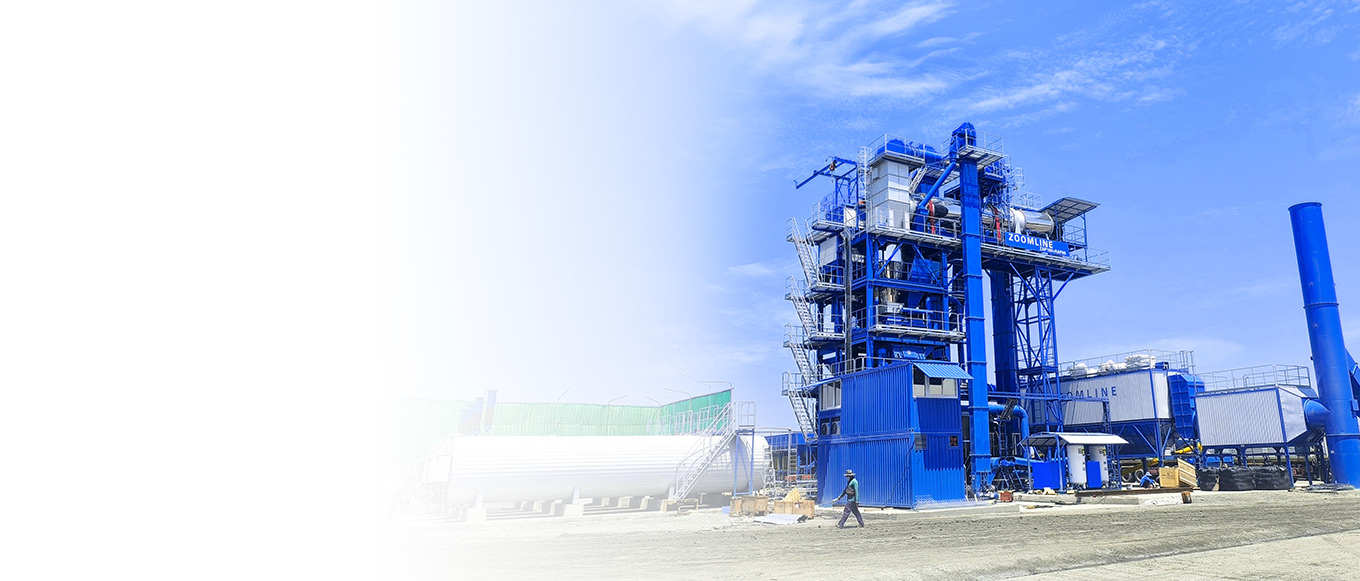
Batch Asphalt Mixing Plant
It has the characteristics of high proportion accuracy, strong formula adjustability and extremely stable finished product quality. It supports frequent switching of multi-formula production and adapts to high-standard and high-requirement pavement projects such as expressways, airport runways and municipal key projects.
Continuous Mix Asphalt Plant
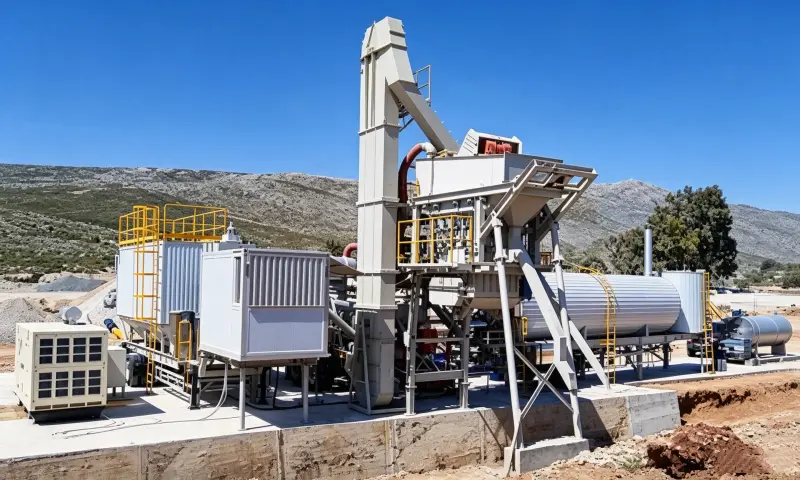
Continuous asphalt mixjng plant has high mass production efficiency, stable equipment operation, low failure rate, suitable for large-scale continuous construction projects with fixed formula, large engineering quantity and tight construction period, such as urban trunk road reconstruction and expansion, park overall pavement project.
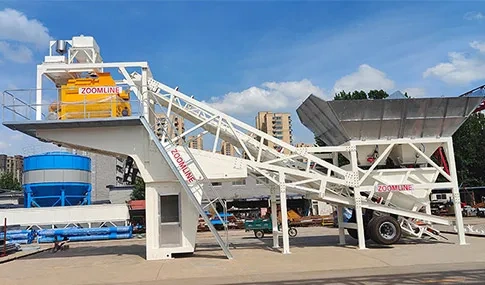
Mobile Asphalt Mixing Plant
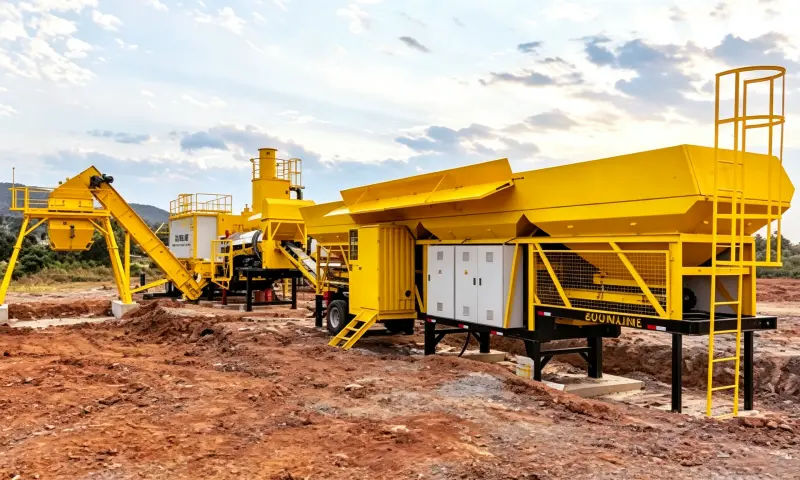
Modular design of the whole machine, fast transition, convenient installation, no fixed foundation, suitable for remote construction sites, short-term sporadic projects, multi-point construction scenarios, high flexibility.
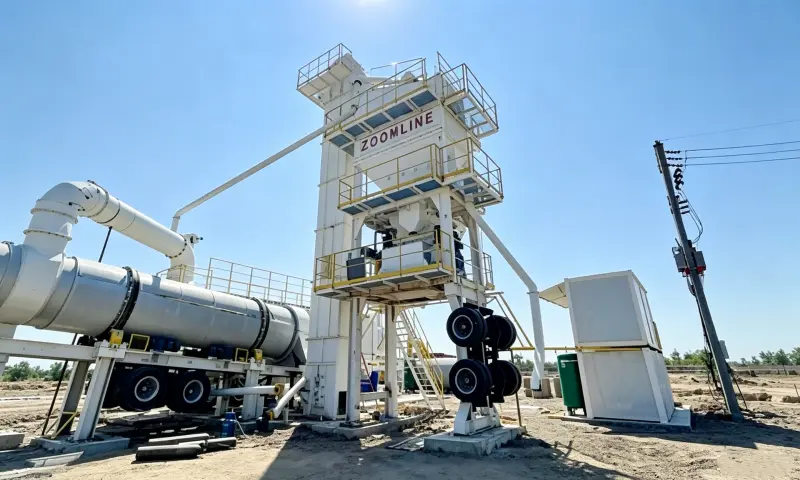
Stationary Asphalt Mixing Plant
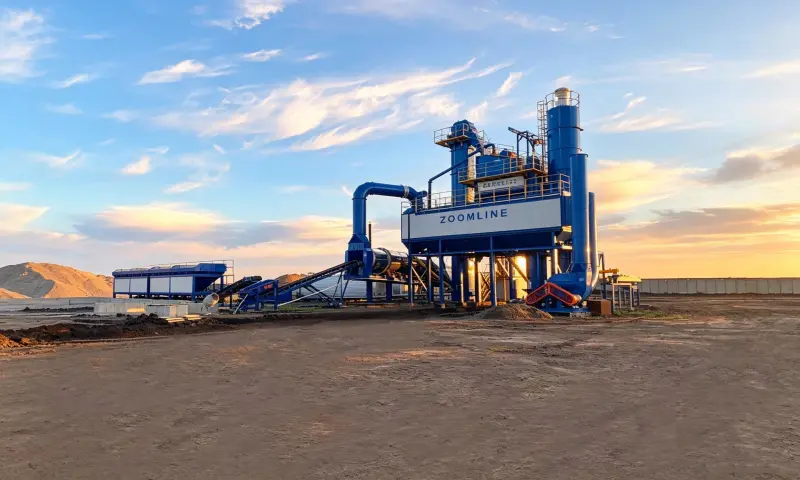
Large production capacity, strong stability, long service life, suitable for long-term fixed-point urban supply, large-scale infrastructure base, perennial construction of road and bridge engineering enterprises normal production and use.
How to Choose the Right Asphalt Mixing Plant
Asphalt mixer machine procurement does not need to pursue high configuration blindly. Only in combination with project working conditions, construction scale and site conditions can construction quality, production efficiency and cost control be taken into account. The following eight core selection dimensions comprehensively cover various project procurement scenarios and accurately adapt to different construction needs:
- Matching production capacity: reasonable selection according to the total project volume and construction period, can adapt to 40-60TPH, 80-100TPH, 120-160TPH, 200TPH and above full series asphalt plantmodels, accurately match the construction rhythm, avoid overcapacity or insufficient capacity affecting the construction period.
- Finalize the mixing process: For high-standard municipal, airport and variable formula construction projects, batch mixing plants are preferred; for infrastructure projects with large quantities, fixed formula and long-term continuous operation, continuous asphalt mixing plants are preferred to ensure mass production efficiency.
- Clarify the equipment form: mobile asphalt plants are preferred for short-term construction, multi-point operations, and remote construction sites, with flexible transitions and convenient installation; urban infrastructure and large-scale engineering bases with long-term fixed-point supply and regular construction are suitable for stationary asphalt mixing plant, equipment stability is stronger.
- Verification of bitumentreatment system: focus on checking the accuracy of bitumen heating, constant temperature insulation and accurate metering system, stabilize the asphalt stone ratio parameters, control the adhesion performance and finished product quality of asphalt mixture from the source, and eliminate the problem of substandard materials.
- Adapted environmental protection configuration: combined with the environmental protection acceptance standards of the project location, it is equipped with efficient dust removal, exhaust gas purification, noise reduction and load reduction systems to meet the green and low-carbon construction requirements and easily pass the environmental protection verification.
- Taking into account the recycling construction needs: For projects with recycling needs of waste asphalt mixture, RAP asphalt recycling system can be used to realize waste recycling, effectively reduce raw material procurement and construction costs, and conform to the trend of green infrastructure.
- Optimize intelligent supporting configuration: give priority to intelligent modules such as full automatic control system, intelligent temperature control and data traceability, realize accurate control of construction parameters, traceable production data and adapt to modern intelligent construction standards.
- Evaluation of brand after-sales ability: give priority to regular brands with simple operation and maintenance, complete supply of accessories and timely after-sales response, reduce the risk of equipment failure and shutdown, and ensure the steady progress of the project and completion on schedule.
Frequently Asked Questions
Q1: Are asphalt mixtures and bitumen the same material?
A1: No. Bitumen is a petroleum-based bonding raw material, which belongs to semi-finished products; asphalt mixture is a finished pavement material made of bitumen mixed with aggregate and mineral powder. The two are the subordinate relationship between raw materials and finished products and cannot be mixed.
Q2: Can pure bitumen be used directly for paving?
A2: No. Pure bitumen has no aggregate framework support, can not form a stable pavement structure, laying alone is easy to deform, damage, must be mixed into asphalt mixture before construction.
Q3: What is the core difference between tar and bitumen?
A3: The raw material system is completely different. Tar is carbonized and extracted from organic matter, with poor performance, no environmental protection and many hidden dangers; bitumen is petroleum refined raw material, stable performance and green compliance, which is the only mainstream bonding substrate for modern pavement.
Q4: Will modern road engineering still use tar construction?
A4: Tar has been completely eliminated in standardized municipal, expressway and highway projects, and only a few old and temporary niche scenes are occasionally used. Tar materials are strictly prohibited in regular infrastructure projects.
Q5: Why is Bitumen the core raw material of asphalt mixture?
A5: Bitumen has excellent bonding, waterproof, flexible and weather resistance properties, and can aggregate loose aggregates into a compact and stable overall structure. It is the core substrate that determines the strength, waterproof and durability of pavement.
Q6: Can asphalt mixing plant directly produce bitumen raw materials?
A6: No. Asphalt mixing plant is only responsible for the production of asphalt mixture finished products, bitumen raw material storage, heating, purification needs to be completed by special bitumen plant.
Q7: What is the core difference between asphalt mixing plant and bitumen plant?
A7: Bitumen plant only processes and maintains asphalt raw materials; asphalt mixing plants use asphalt raw materials with aggregates to produce finished mixtures, which have different functions and cannot be replaced.
Conclusion
Through full-text professional analysis, the core positioning of the three can be clarified: bitumen is the bonding raw material, asphalt is the finished pavement, tar is the elimination of old-fashioned building materials . The core logic of modern high-quality road construction is to prepare durable, stable and compliant asphalt mixture by relying on standardized bitumen raw materials, precise proportioning, constant temperature mixing and environmental protection production in professional asphalt mixer machine.
Accurately distinguishing material attributes and selecting matching production equipment are the keys to avoid road diseases, improve project quality and control construction costs. Under the industry trend of green infrastructure and intelligent construction, standardized asphalt mixer plant has become the core equipment for improving the quality and efficiency of road infrastructure.
If you need to customize the selection scheme of asphalt hot mix plant according to your project capacity, construction scenario, environmental protection standard and recycling demand, you can contact us at any time to match the optimal equipment configuration one by one.