

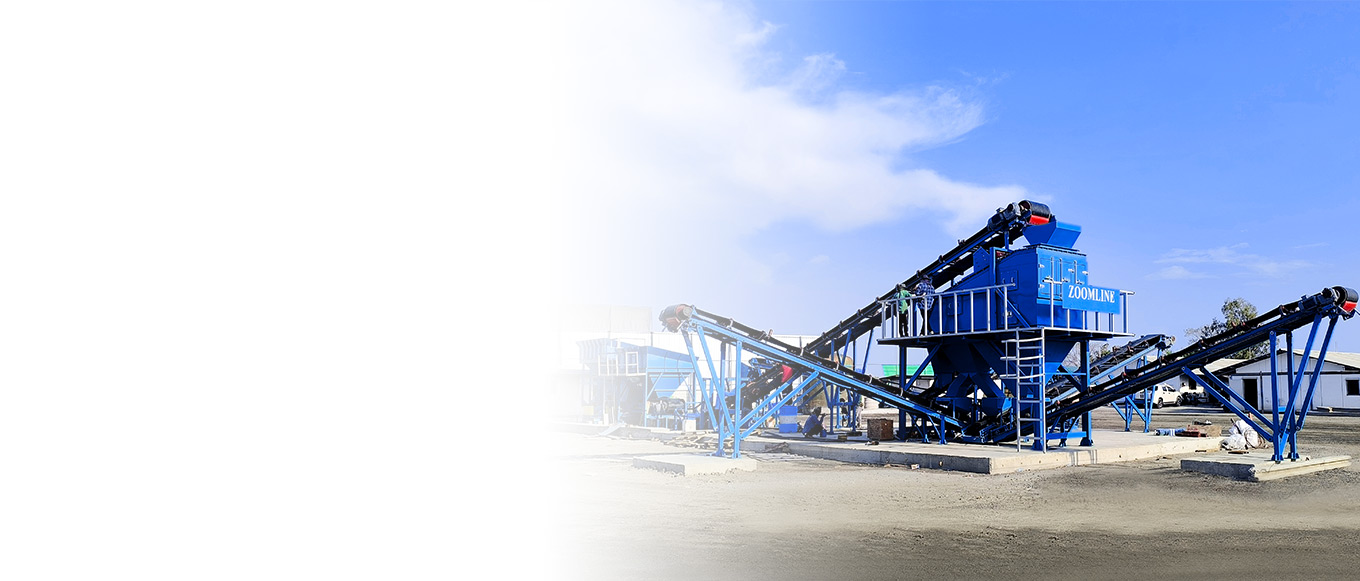



What Kind of Projects Can Benefit from an Asphalt Drum Mix Plant?
In modern road construction, the selection of asphalt mixing equipment directly impacts project efficiency, cost, and quality. Among these, the asphalt drum mixer plant stands out as the preferred choice for numerous projects due to its unique continuous production mode. Its presence is evident everywhere—from rural access roads in remote villages to municipal maintenance projects in urban areas. Today, we delve into the core value of asphalt drum mixer plants and explore which engineering projects best leverage their advantages.
What is an Asphalt Drum Mixing Plant?
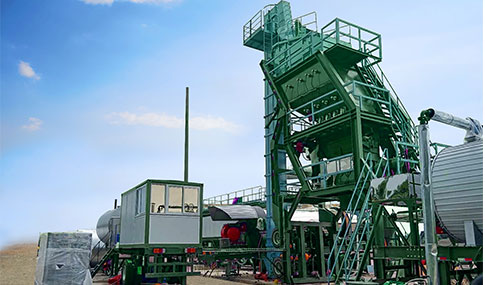
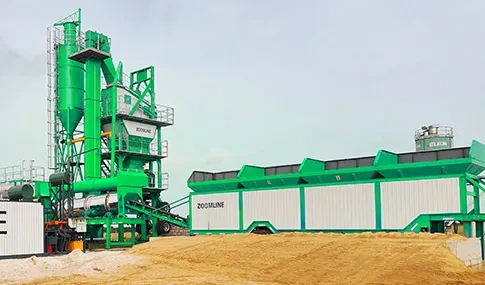
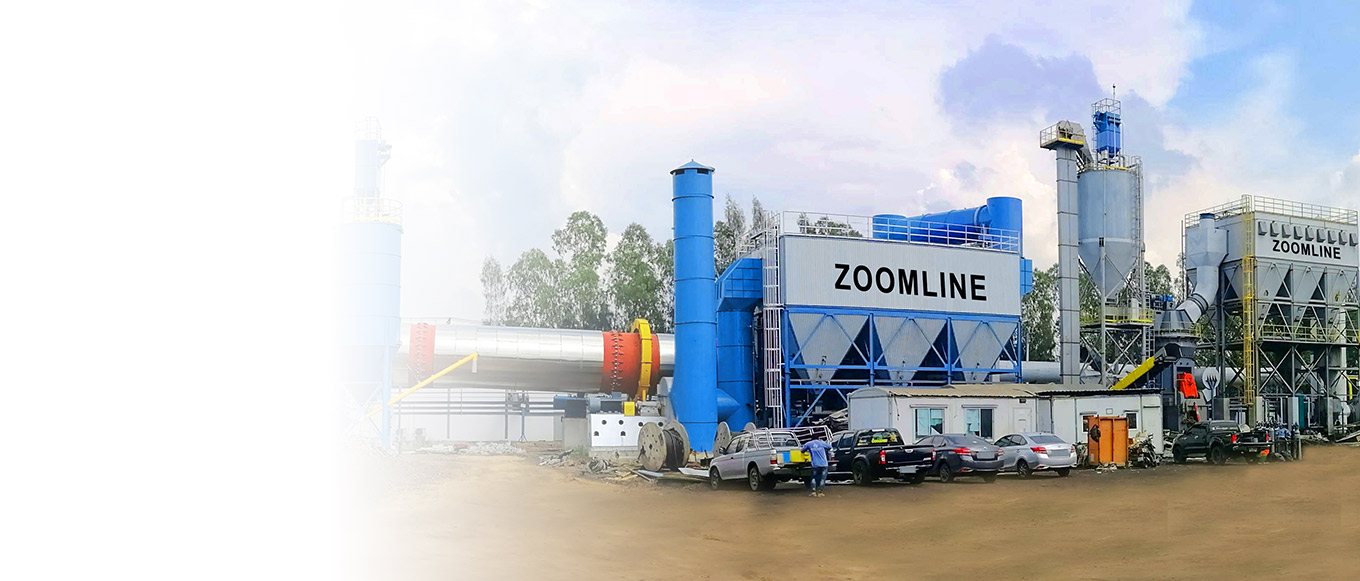
An asphalt drum mixing plant is a continuous mixing device that simultaneously dries and mixes asphalt mixtures within a single drum. Unlike the “batch production” model of traditional intermittent plants, it enables uninterrupted asphalt output. The widespread adoption of this equipment in global road construction stems from its precise alignment with modern engineering’s core demands for “efficiency, economy, and flexibility.”
Core Working Principle and Components
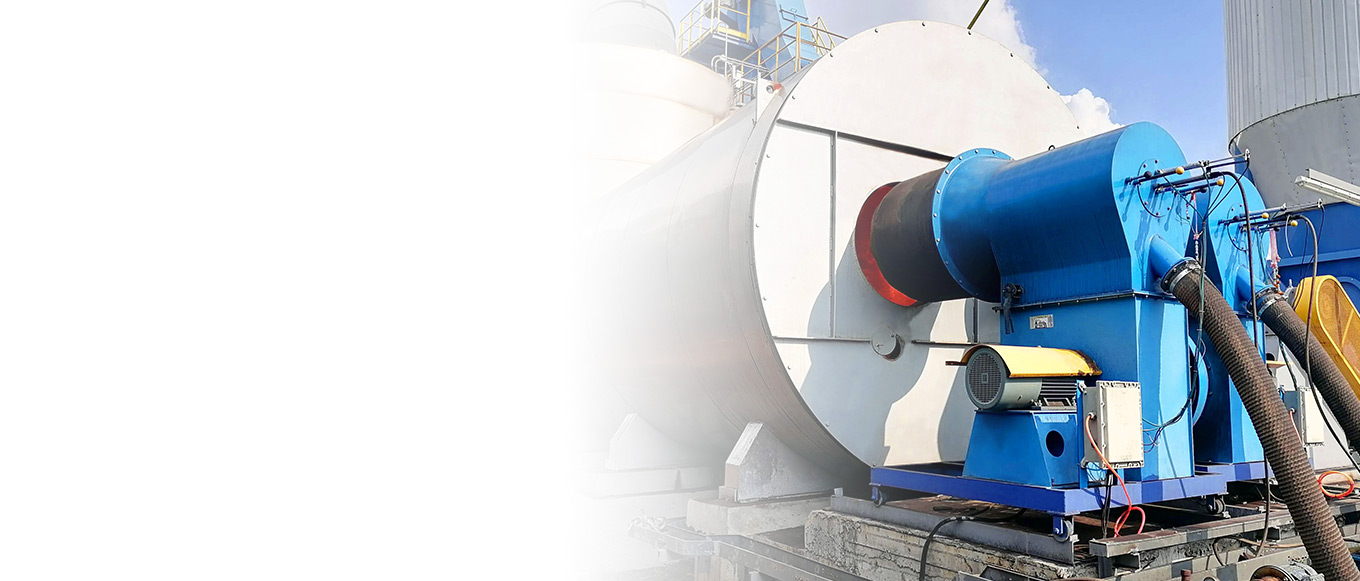
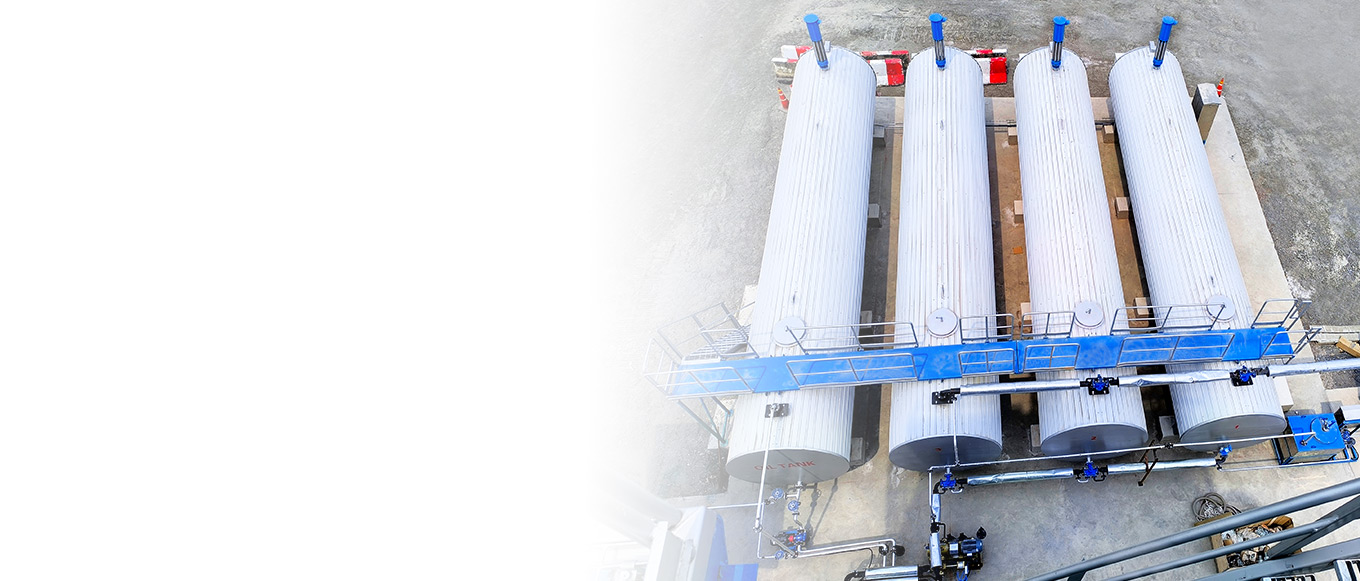
Its workflow exhibits high continuity: cold aggregate is fed proportionally into the drying drum by a feeder. During drum rotation, burners provide heat for drying and temperature elevation. Simultaneously, the heated aggregate mixes with liquid asphalt from the asphalt tank and supplementary materials like mineral powder within the drum, ultimately forming a uniform asphalt mixture. The core components of the complete system include the cold aggregate feeder, drying and mixing drum, burner, dust removal equipment, asphalt storage tanks, and intelligent control system. These elements work in concert to ensure efficient and stable production.
Primary Types and Key Advantages
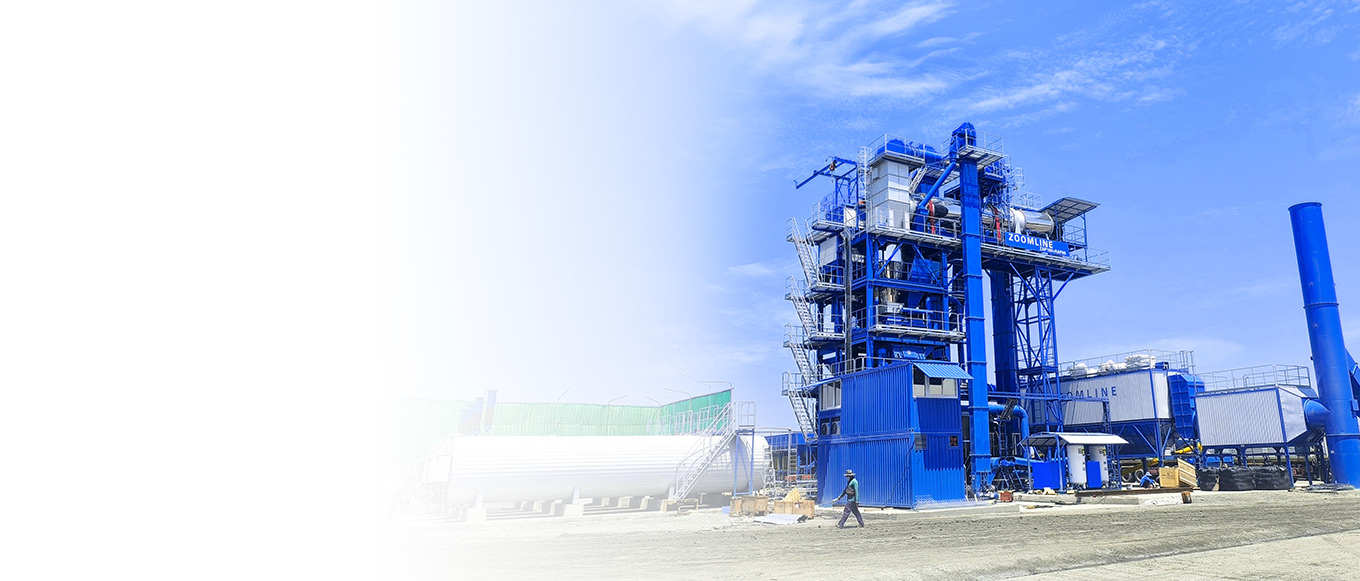
Based on installation methods and mobility, asphalt drum mixers fall into three main categories: Mobile drum mixers feature high integration and rapid disassembly/transportation, ideal for multi-site projects; Stationary drum mixers offer stable output, suited for large-scale, long-term centralized production; Ultra-mobile drum mixers are compact, quick to install, and designed for remote overseas projects or emergency operations.
Their core advantages directly address key project challenges: fuel consumption is 15%-20% lower than traditional equipment, significantly reducing operating costs; continuous production mode boosts output by over 30%, while the relatively simple equipment structure lowers maintenance expenses; flexible installation and relocation capabilities enable rapid adaptation to diverse site conditions, substantially shortening construction preparation cycles.
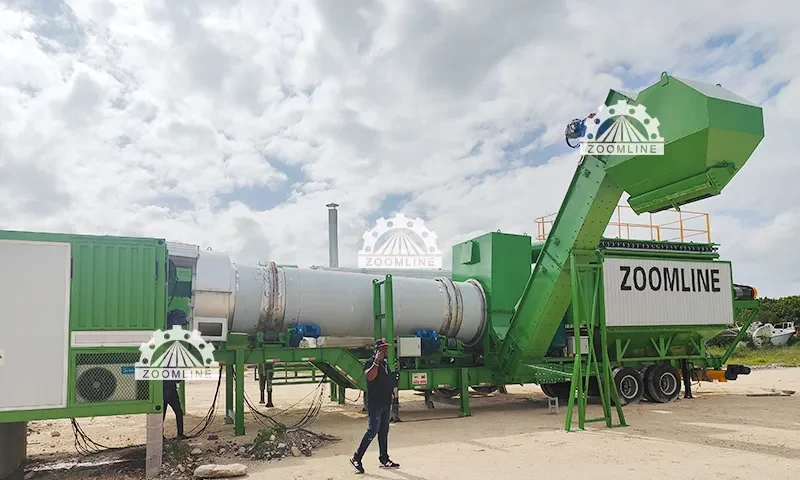
7 Core Application Scenarios Maximizing the Value of Drum Mixing Plants
The inherent characteristics of asphalt drum mixing plants mean they are not “universal equipment,” but their advantages can be fully leveraged in specific project scenarios. Selecting them for the following seven project types ensures a dual guarantee of “high efficiency + cost-effectiveness.”
Rural and Low-Traffic Road Projects
County/township highways, village access roads, and rural service roads typically feature long stretches, small individual sections, and limited budgets. The low investment cost of drum mixers aligns perfectly with local government budgets, while their consistent mix quality meets the service requirements of these medium-traffic roads. In one county’s village access road project, a 60tph drum mixer plant completed paving 12 roads in just 3 months, reducing costs by 22% compared to projections.
Municipal Road Construction and Maintenance
Urban feeder roads, residential access roads, public facility paving, and routine road repairs demand high construction efficiency while often requiring work around peak traffic hours. The continuous production capability of asphalt drum mixers ensures uninterrupted aggregate supply, preventing schedule delays caused by material shortages. Mobile units can be deployed directly to temporary urban sites, reducing aggregate transport distances and minimizing temperature loss during transit. In a downtown road repair project, a mobile drum mixer enabled an efficient “night production, daytime construction” model, completing all repairs five days ahead of schedule.
Highway Shoulder and Maintenance Projects
Maintenance projects for highways—including patching, overlaying, and widening—require mixes with stable gradation and temperature consistency. These projects often involve lengthy construction zones demanding strict production continuity. Drum mixers deliver uniformly stable mixes for extended construction stretches. Their rapid production capacity significantly boosts maintenance efficiency and minimizes road closure durations. In a highway widening project, an 80tph drum mixer plant operated continuously for seven days, ensuring construction progress on the widened section. The work, originally estimated for 15 days, was completed in just 10 days.
Small-to-Medium Airports: Runways and Taxiways
Runways and taxiways at regional airports and small commercial airports demand high asphalt performance but involve relatively limited project volumes, eliminating the need for costly large batch plants. Asphalt drum mixers, equipped with precise control systems, produce high-performance asphalt mixes meeting uniformity standards and fulfilling airport pavement load-bearing requirements. In a regional airport expansion project, a 100tph drum mixer plant produced asphalt mix that met all airport pavement standards upon testing, while reducing costs by nearly 30% compared to using a batch plant.
Industrial Zone and Logistics Park Roads
Roads within factory premises, mining sites, logistics warehousing parks, and similar areas must withstand repeated heavy vehicle traffic, demanding exceptionally high strength and durability from the asphalt mixture. The mix produced by asphalt drum mixers features stable gradation, ensuring extended road service life. Stationary models can be permanently deployed in industrial zones, providing a reliable supply for ongoing road construction and maintenance. In a major mining operation’s haul road project, a stationary drum mixer produced heavy-duty asphalt mix that extended the road’s service life from 3 to 6 years.
Residential and Commercial Development Projects
Parking lots, internal community roads, and supporting roads for commercial complexes in real estate projects are often budget-sensitive. Developers strictly control construction costs. The low-cost operational advantage of asphalt drum mixers effectively reduces project material expenses. Simultaneously, their flexible production scheduling allows output to be adjusted according to project progress, preventing mix waste. In a residential project, a mobile drum mixing plant supplied materials for roads and parking lots across three clusters, achieving total cost savings of 180,000 yuan compared to using an external plant.
Large-Scale Road Rehabilitation Projects
Major rehabilitation projects like milling and repaving old roads typically involve dispersed construction zones requiring substantial on-site material supply. Deploying mobile drum mixers directly near construction zones significantly reduces transportation costs and time while preventing quality degradation from long-distance haulage. In a municipal road rehabilitation project, placing drum mixers at three separate work zones cut material transport costs by 40% and accelerated project completion by 20 days.
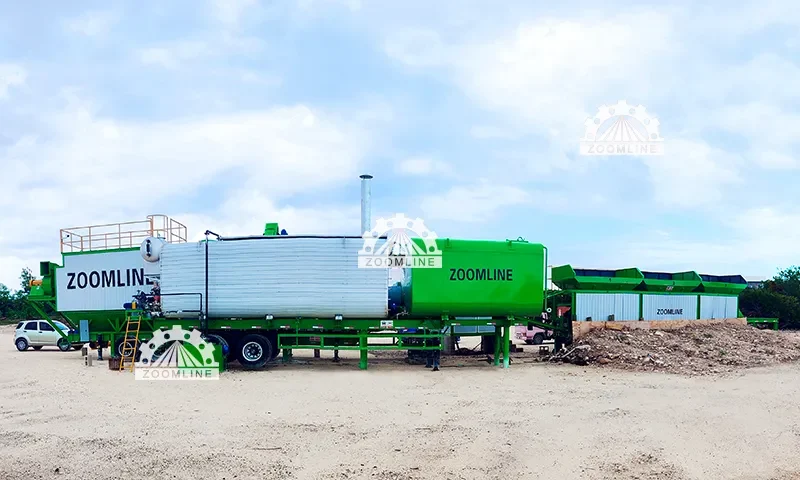
3 Scenarios Where Drum Mixing Plants Excellent
Beyond specific project types, asphalt drum mixing plants demonstrate amplified value in certain specialized construction scenarios, becoming irreplaceable choices.
Linear Projects Requiring Continuous Asphalt Supply
For long-distance road construction like highways and national routes, once paving begins, it cannot be easily halted. Otherwise, construction joints will form, compromising road smoothness and service life. The 24/7 continuous production capability of drum mixers ensures an uninterrupted supply of mix for such projects, enabling seamless paving operations and enhancing road construction quality.
Remote Areas with Weak Infrastructure
In mountainous regions and remote villages with inadequate infrastructure, transporting large equipment is difficult, installation takes a long time, and external mix transportation costs are extremely high. Asphalt drum mixers, especially ultra-mobile models, are easy to transport and quick to install, typically completing commissioning and starting production within 1-2 days. Simultaneously, on-site production significantly reduces logistics costs, solving the “material supply dilemma” for road construction in remote areas.
Small-to-Medium Projects with Limited Budgets
Compared to batch plants, drum mixers reduce equipment procurement costs by 30%-50% while offering lower fuel and maintenance expenses, making them ideal for small-to-medium road projects with constrained budgets. For local governments and small construction firms, selecting drum mixers ensures project quality and schedule adherence while maintaining cost control.
Continuous Mixing Plant vs. Batch Mixing Plant: How to Choose Without Falling into Pitfalls?
Many people agonize over whether to choose a continuous asphalt mixing plant or a batch mixing asphalt plant. The core consideration is project requirements—there is no absolute “better” or “worse” between the two, only whether they are suitable for the application.
Simply put, drum plants are preferred when: the project involves continuous paving (e.g., long linear roads, routine maintenance), cost sensitivity is high, frequent equipment relocation is required, and the mix types are relatively simple.
Batch plants are more suitable when: producing specialty asphalt mixes (like modified or rubberized asphalt), requiring extremely precise aggregate gradation (e.g., core sections of highway main lanes), or for extremely large-scale projects permanently fixed at a single location.
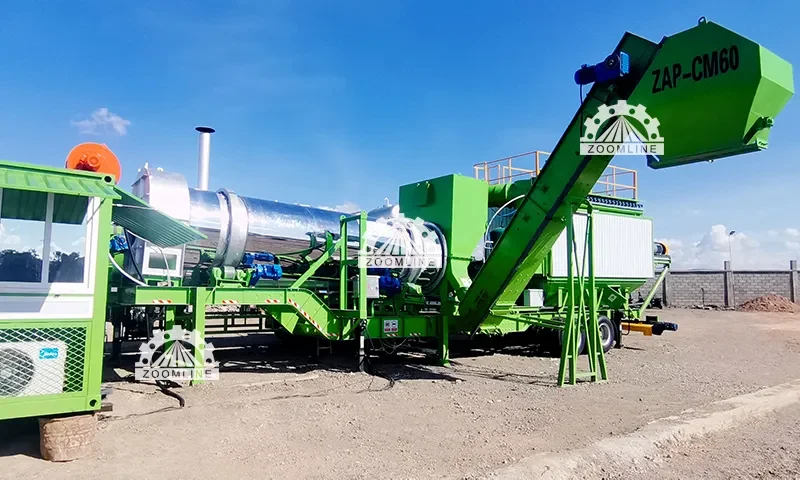
Choosing the Right Drum Mixer Station Means Half the Battle Won
After determining the project suits a drum mixer station, how to select the specific model? Focus on these 4 key points:
Capacity Matching: select models based on demand to avoid mismatch and waste
Capacity is the primary selection criterion, calculated based on average daily paving volume, construction duration, and project timeline requirements. Reserve 10%-20% capacity for contingencies:
Example reference: For 1,000 tons/day asphalt paving (10-12 hours effective construction), select 80-100 tph models; For peak demands of 1,200 tons/day, upgrade to 120 tph models;
For small municipal maintenance projects (300-500 tons/day), select 40-60 tph models.
Fuel Type: Balance Supply and Cost to Match Project Requirements
Select based on fuel supply stability, cost, and environmental regulations at the project site. Key fuel type comparisons:
Diesel models: Flexible and convenient, requiring no fixed supply infrastructure. Suitable for remote areas and multi-site mobile operations. Disadvantages include higher operating costs and mandatory exhaust treatment equipment for compliance.
Natural gas models (CNG/LNG): Lower operating costs (approx. 50%-70% of diesel), cleaner emissions. Ideal for long-term fixed sites and large projects with stable gas supply. Requires storage tanks and vaporization equipment, resulting in higher initial investment.
Selection Recommendations:
Prioritize natural gas models in urban and environmentally regulated zones;
Select diesel models for overseas or remote projects;
Consider dual-fuel models for large fixed projects to optimize costs.
Mobility Requirements: Configure based on construction scenarios, balancing flexibility and stability
Select machine type based on construction duration, relocation frequency, and site conditions.
Mobile: High integration, relocation completed in 1-3 days. Suitable for short-term projects (3-6 months), multi-site mobile operations, and capacities ≤100 tph.
Fixed: Requires concrete foundation, installation period 7-15 days. Capacity 120-240 tph. Suitable for long-term fixed (over 1 year) and large-scale projects with high stability.
Ultra-mobile: Compact size, installation completed in 4-8 hours, capacity 20-40 tph, suitable for emergency repairs and small overseas projects.
Semi-mobile: Simple foundation, relocation takes 3-5 days, capacity 60-120 tph, suitable for medium-scale projects with durations of 6-12 months.
Environmental Protection and Automation, Compliance-focused, enhancing efficiency and safety
Environmental Configuration: Strictly follows local standards (e.g., GB 20420-2023). Prioritizes pulse jet baghouse dust collectors (efficiency ≥99.9%). Diesel models equipped with SCR denitrification and DPF. Large projects may add RAP recycling systems (30%-50% addition ratio) to reduce costs and enhance environmental performance.
Automation Level: Prioritize PLC touchscreen control systems supporting precise parameter settings, real-time monitoring, and fault alerts. Must include automatic feeding, metering, and temperature control functions to reduce human error and boost efficiency by 30%-50%. Equipped with safety devices like emergency shutdown and overload protection.
Selection Recommendations: Environmental configurations should align with the latest standards to avoid shutdown risks. Small-scale projects should choose basic automation models, while large-scale projects can upgrade to smart models for digital management.
Conclusion
Asphalt drum mixers play an irreplaceable role in numerous projects—from rural roads and municipal maintenance to highway repairs—thanks to their core advantages of continuous production, controllable costs, and flexible convenience. Selecting the right mixer not only reduces project costs but also boosts construction efficiency and quality, providing solid assurance for project success.
If your project faces equipment selection challenges, consider the above analysis to determine whether an asphalt drum mixer plant could become your “reliable construction partner.”