


The Complete Guide to Choosing the Right Bitumen Storage Tank
For road infrastructure, asphalt plant, bitumen storage logistics, bitumen storage tank is the core equipment to ensure bitumen quality and stable construction efficiency. bitumen is easy to solidify at normal temperature, easy to oxidize and age at high temperature, and ordinary storage tanks cannot meet the requirements of constant temperature storage; vertical, horizontal, mobile, container-type, heat transfer oil/electric heating and other categories on the market are complicated, and many purchasers choose wrong tanks, resulting in bitumen agglomeration and scrapping, double energy consumption, inability to put down the site, inability to transfer the site, failure to pass the safety acceptance and other problems.
This article combines the requirements of asphalt mixing plant, road construction, bitumen refinery and cross-border logistics, completely disassembles the definition, structure, classification, capacity calculation, selection standard and standardized procurement steps of bitumen storage tank, and solves the procurement problem of bitumen tank in one stop.
What is an bitumen storage tank? Core functions and core structural components
Bitumen Storage Tank Foundation Definition
The bitumen storage tank is a special pressure-bearing storage container with thermal insulation + constant temperature heating system. It is specially used to store liquid base bitumen, modified SBS bitumen, and emulsified bitumen. The bitumen is maintained at 150-180 ° C pumping state through continuous temperature control to solve the problem of low-temperature solidification., high-temperature oxidation and deterioration are two major industry problems, and are widely equipped with bitumen mixing stations, road maintenance sites, bitumen refineries, and building waterproofing projects.
Seven core essential components of bitumen tank
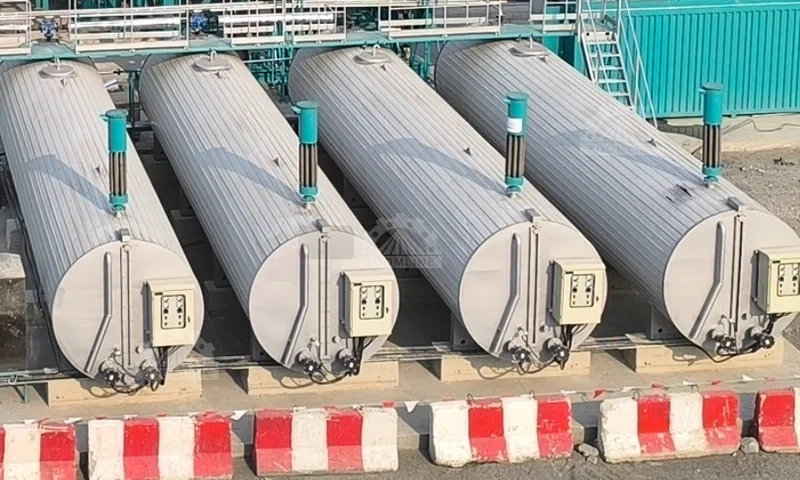
All parts of the tank cooperate to ensure temperature, material quality and operation safety. Check the configuration item by item during procurement:
Tank body: the mainstream adopts high temperature resistant carbon steel, storage modified/special bitumen optional 316L stainless steel, high temperature bitumen corrosion resistance, pressure resistance thermal expansion; vertical, horizontal, container structure process is different, thickness according to the volume of pressure calculation.
Heating system: the core heating unit at the bottom of the tank is divided into four categories: indirect heating by heat transfer oil, electric heating, direct combustion heating and steam coil heating, which directly determine the uniformity of temperature rise, energy consumption and coking of bitumen.
Temperature control system: equipped with temperature sensor + PLC intelligent control cabinet, real-time monitoring of tank temperature, automatic start and stop heating, temperature control accuracy ±5℃, modified bitumen storage must be high-precision temperature control.
Insulation layer: rock wool/polyurethane foam double insulation, thickness 80-150mm, outer layer with galvanized aluminum skin protection; poor insulation will cause rapid heat loss, continuous heating throughout the day increases fuel/electricity costs.
Mixing system (necessary for high configuration): large storage tank and modified bitumen tank are mandatory to prevent bitumen bottom precipitation and stratification, ensure uniform temperature in the tank, and avoid local high temperature aging.
Safety protection components: safety valve, pressure gauge, high temperature emergency stop device, overflow protection, electrostatic grounding, liquid level alarm; explosion-proof electrical accessories are required under flammable and explosive conditions.
Auxiliary equipment: bitumen conveying pump, inlet and outlet valve, sewage outlet, remote monitoring module, suitable for automatic linkage production of mixing plant.
Four classification systems of bitumen storage tanks, which tanks are suitable for different scenarios?
bitumen tanks in the industry are classified into four dimensions according to structure, movement attribute, heating mode and use function. The four dimensions do not conflict with each other. One tank can match multiple attributes at the same time. Select according to its own site, construction period and energy conditions:
According to structure: vertical/horizontal
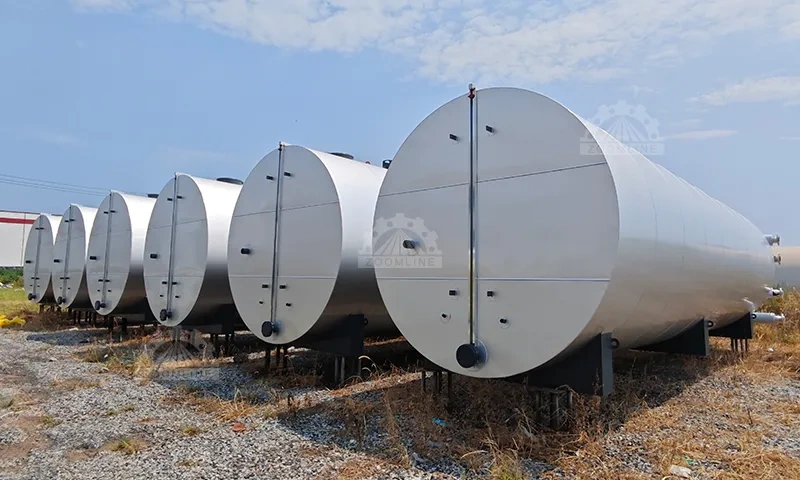
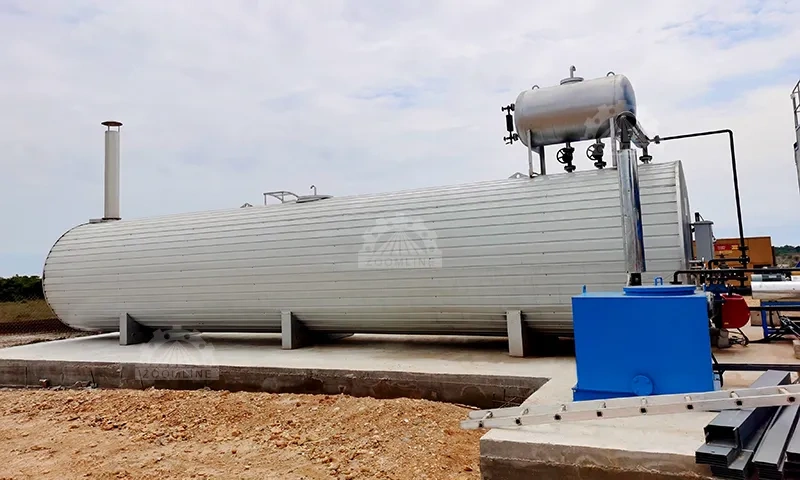
Horizontal bitumen tank (preferred for construction sites and small and medium-sized mixing stations)
Advantages: low center of gravity, convenient operation of ground valves and access openings, prefabricated complete machine can be transported and installed as a whole, and the foundation load requirement is low; disadvantages: the same volume covers a larger area, the surface heat dissipation area is higher, and the insulation layer needs to be thickened; adaptation: small and medium-sized bitumen mixing stations, temporary road maintenance sites, and mobile projects.
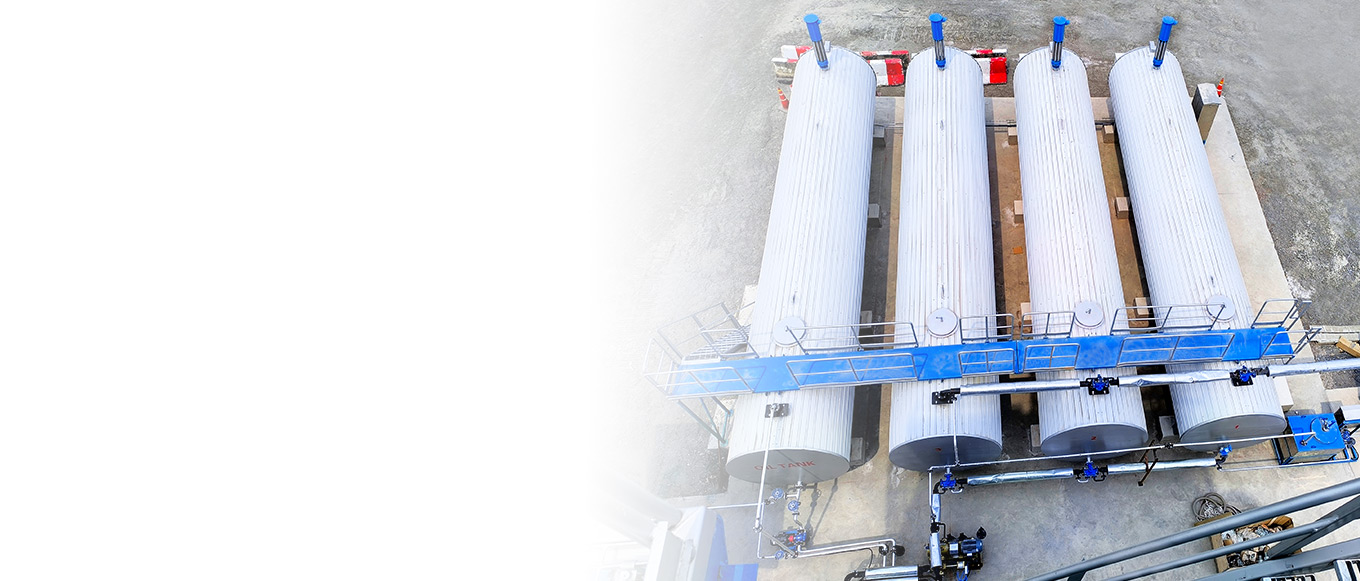
Vertical bitumen tank (large-scale fixed mixing station, bitumen refinery)
Advantages: small floor area, less heat dissipation per unit volume, lower energy consumption for long-term insulation, centralized precipitation area for regular cleaning; disadvantages: need high-strength concrete foundation, maintenance needs to climb platform, unable to transfer as a whole; adaptation: long-term fixed production of large-scale mixing station, bitumen transfer depot, refinery large capacity storage.
By mobile attribute: stationary/mobile/ ISO container tank
Fixed bitumen tank: permanent pouring foundation installation, capacity more than 25m³, single tank storage capacity, ton bitumen storage cost is the lowest; suitable for perennial continuous production of mixing plants, bitumen processing plants.
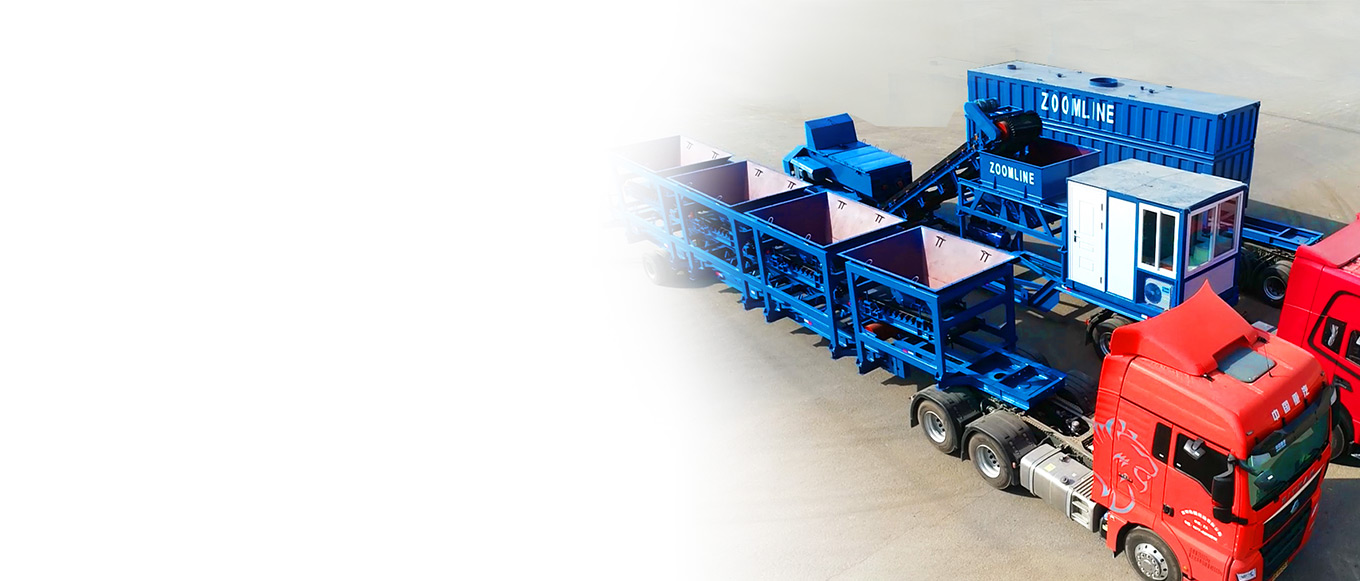
Mobile/skid-mounted bitumen tank: with base bracket, trailer transfer, overall lifting, capacity of 5-25m³; suitable for short-term road repair, multi-site circulation maintenance project.
ISO containerized bitumen tanks (cross-border, long-distance logistics)
Comply with standard 20-foot container size, integrated explosion-proof electric heating, complete insulation, multi-modal transportation by road, railway and sea without repeated pump loss; suitable for cross-regional supply and overseas infrastructure projects, with ADR, IMDG and ATEX explosion-proof certification.
By heating method
| heating type | operating principle | advantage | short slab | applicable scenarios |
| indirect heating of heat transfer oil | Heat exchange of circulating coil of heat conduction oil furnace | Uniform heating, no local high temperature, no coking of modified bitumen, stable temperature control | Heat transfer oil boiler is required, and the initial investment is slightly higher. | Large mixing plant, modified bitumen storage, long-term continuous production |
| explosion-proof electric heating | Explosion-proof electric heating element in tank for heating | No boiler, simple structure, high degree of automation, zero open fire | High cost of electricity for continuous operation | Mobile tanks, container tanks, remote construction sites without fuel |
| direct-fired heating | Direct heating tank with open flame at bottom | Fast heating speed, low initial cost of equipment | Local high temperature is easy to cause bitumen carbonization aging, loss of raw materials | Short-term temporary repair, intermittent use of common base bitumen |
| steam coil heating | External factory steam circulation heating | Safe without open flame, soft temperature control | Rely on the plant steam pipe network and cannot be used alone | Refinery with its own steam system |
Classification by capacity
Small tank: ≤25000L (25m³): road repair, small mobile site, container tank;
Medium tank: 25000-80000L (25-80m³): regional medium and small bitumen mixing station;
Large tank: >80000L (80m³): bitumen refinery, large fixed mixing station, storage and transit base.
Small rural maintenance site consumes 5 tons per day, reserves for 2 days, and selects 12 tons skid-mounted mobile tanks.
Five core selection criteria for bitumen tank
Tank material standard
Common matrix bitumen: carbon steel tank, the highest cost performance, industry general;
SBS modified bitumen, color bitumen, special bitumen corrosion: 316L stainless steel inner wall, to avoid additive corrosion, material discoloration;
All tank welds shall be subject to nondestructive testing to eliminate high temperature leakage hazards.
insulation performance standard
Comparison of mainstream materials of insulation layer: polyurethane foam insulation effect is the best, rock wool cost-effective; insulation layer thickness ≥120mm in cold areas, ≥80mm in normal temperature areas, the outer layer must be equipped with waterproof galvanized/aluminum skin to prevent rain erosion insulation layer failure.
Temperature control and material adaptation standards
Ordinary road bitumen: stored at a constant temperature of 150-180℃, heated by conventional heat transfer oil;
Modified bitumen: constant temperature range 170-185℃, temperature difference shall not exceed ±5℃, mandatory matching stirring system, storage period shall not exceed 5 days;
Storage temperature is strictly prohibited to exceed 200℃, long-term over-temperature will lead to bitumen hardening, bonding performance scrap.
Complete set of safety configuration standards (necessary for site and port acceptance)
Pressure safety valve, high temperature automatic shutdown, high and low level alarm, overflow protection, electrostatic grounding; electrical equipment must be explosion-proof, container cross-border tanks need Zone2 explosion-proof ATEX/IECEx certification.
Industry scenarios in one step
Scenario 1: Stationary bitumen mixing plant (long-term production)
Vertical heat-conducting oil heating carbon steel storage tankis preferred, and the capacity is calculated according to the peak consumption of 7 days; the modified bitumen production line is additionally equipped with special storage tank with stirring function, and the tank is equipped with PLC linkage mixing station control system for automatic material feeding and discharging.
Scenario 2: Road maintenance, temporary road construction site (multi-project circulation)
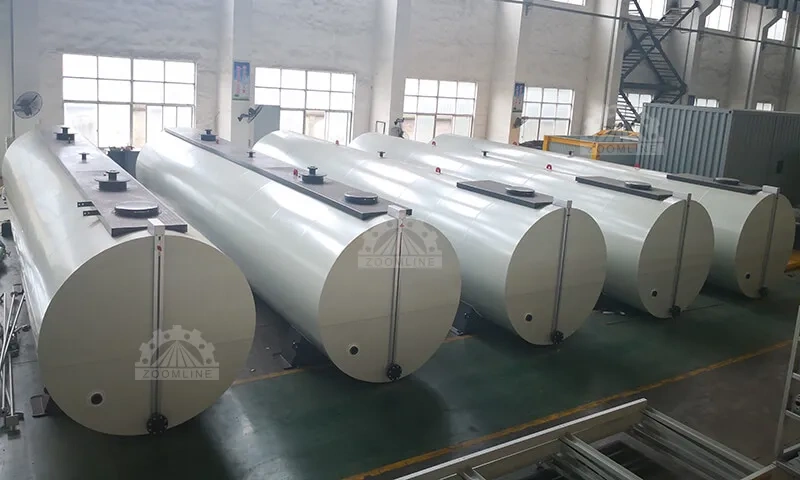
Select skid-mounted horizontal explosion-proof electric heating mobile bitumen tank with capacity of 5-25m³, which can be transported by trailer as a whole without pouring permanent foundation, suitable for scattered repair projects in mountainous areas and villages.
Scenario 3: Bitumen refinery, regional bitumen storage base
Large-capacity vertical carbon steel storage tank group (single tank more than 80m³), heat transfer oil centralized heating, supporting nitrogen sealing device to isolate air, prevent long-term storage of large quantities of bitumen oxidation.
Scenario 4: Cross-border overseas infrastructure, long-distance bitumen logistics
20 feet ISO explosion-proof electric heating container bitumen tank, with a full set of international dangerous transportation certification, multi-modal transport without transfer tank, reduce material loss.
Scenario 5: Building waterproofing and small-scale roof waterproofing works
Small horizontal electric heating tank (5-10m³), accurate constant temperature, suitable for waterproof bitumen spraying construction.
5-Step Standardized Decision Process for bitumen Tank Procurement
Step 1: Calculate accurate storage capacity
Calculate the maximum bitumen consumption per day and planned buffer storage days of the project, apply the volume formula to calculate the minimum tank capacity, and select vertical/horizontal according to the length and width limit of the site.
Step 2: Determine tank movement attributes
Project long-term fixed → fixed storage tank; 1 – 3 years short-term construction site, multi-site construction → mobile skid-mounted tank; cross-border long-distance transfer → ISO container tank
Step 3: Matching the heating system
The factory is equipped with heat transfer oil boiler, long-term continuous production → heat transfer oil heating; no fuel oil matching, mobile transfer → electric heating.
Step 4: Check Material and Configuration
Storage modified bitumen, special bitumen upgrade stainless steel inner wall + mixing system; all working conditions equipped with a full set of safety protection, temperature control alarm device, check the corresponding industry certification.
Step 5: Comprehensive life-cycle costing
Not only look at the purchase price of equipment, but also calculate the insulation energy consumption, heating electricity/fuel cost, annual maintenance cost and service life simultaneously; thick insulation, heat conduction oil tank body has a slightly higher investment in the early stage, but the long-term operation energy consumption is lower and the comprehensive cost is better.
If you are an bitumen mixing plant, road engineering contractor or bitumen storage enterprise, you do not know which bitumen tank is suitable for your own working conditions and cannot accurately calculate the required capacity. You can provide the site size, daily bitumen consumption, transportation demand and bitumen storage type. Our engineers will issue a one-to-one bitumen tank selection scheme, supporting vertical, horizontal, skid-mounted mobile and ISO container non-standard customization of all categories of bitumen tanks. The equipment meets the full set of domestic and international safety certifications and is equipped with door-to-door installation. Operational guidance services.
Bitumen Storage Tank Procurement FAQ
Q1: What is the standard storage temperature of bitumen?
Common base bitumen 150-180℃;SBS modified bitumen 170-185℃; temperature below 120℃ bitumen viscosity increase can not be pumped, higher than 200℃ will quickly aging failure.
Q2: What are the disadvantages of bitumen tanks without mixing system?
Heavy components precipitate at the bottom of bitumen after long-term standing, the temperature is uneven, and the mixture ratio is unstable; polymer layering will occur in modified bitumen, which will directly affect the quality of pavement construction.
Q3: Electric heating and heat transfer oil heating which is more economical?
Fixed large-scale mixing station, continuous start-up throughout the year, lower comprehensive energy consumption of heat transfer oil heating; short-term mobile site, convenient electricity, intermittent start-up, explosion-proof electric heating is more suitable.
Q4: Is the thicker the bitumen tank insulation layer, the better?
No, 80-100mm rock wool is sufficient in normal temperature areas, and thickened to 120-150mm in cold areas; excessive thickening will increase equipment weight and procurement costs, resulting in waste of resources.
Q5: What is the difference between container bitumen tank and ordinary mobile tank?
Container tanks meet international shipping and railway standards, with a full set of dangerous transportation certification, and can be inter-modal; ordinary skid-mounted mobile tanks only support short-distance trailer transshipment, and cannot be transported across ports.