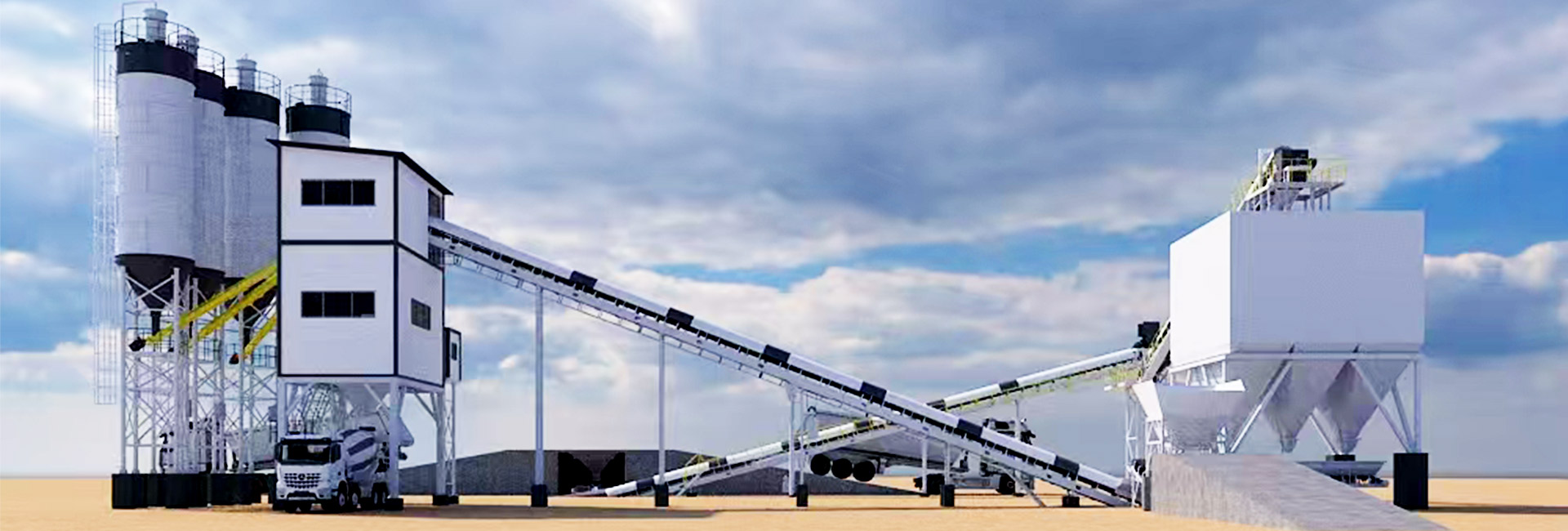
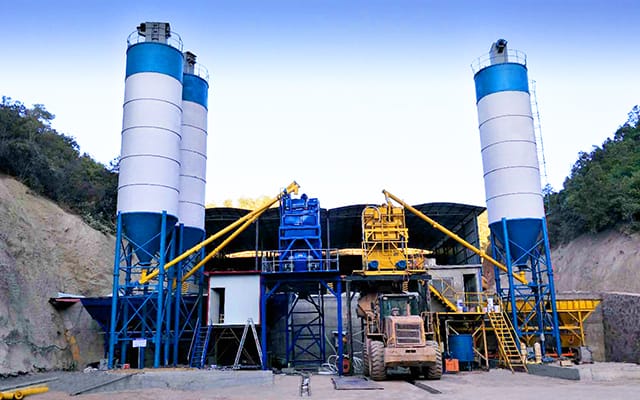
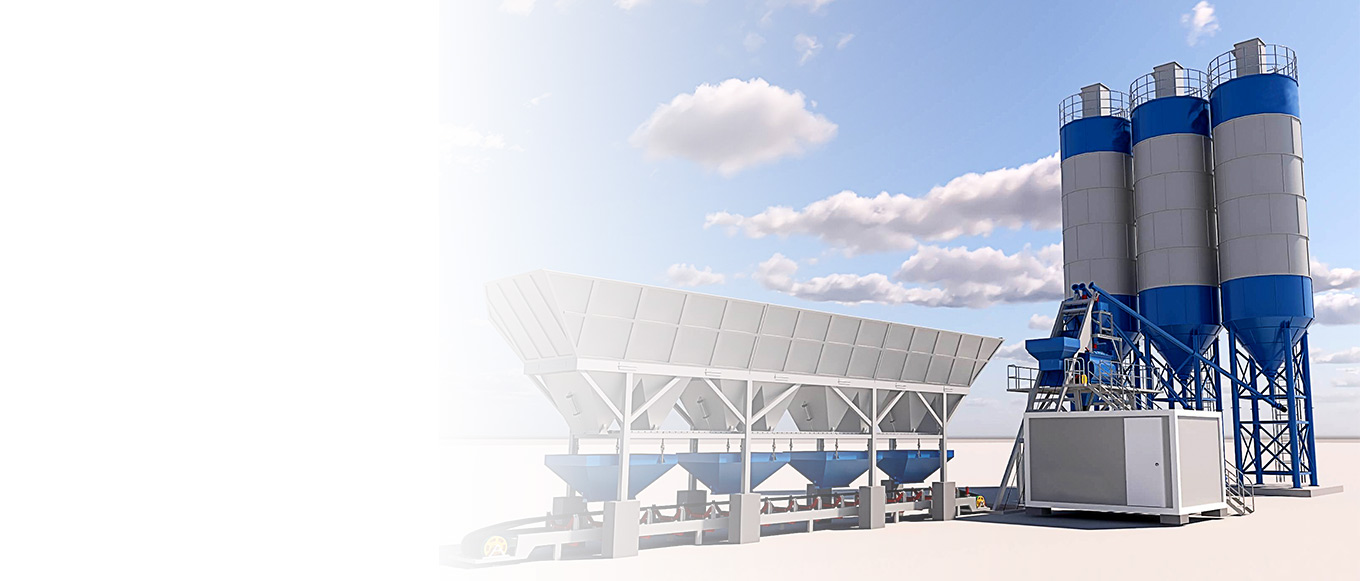
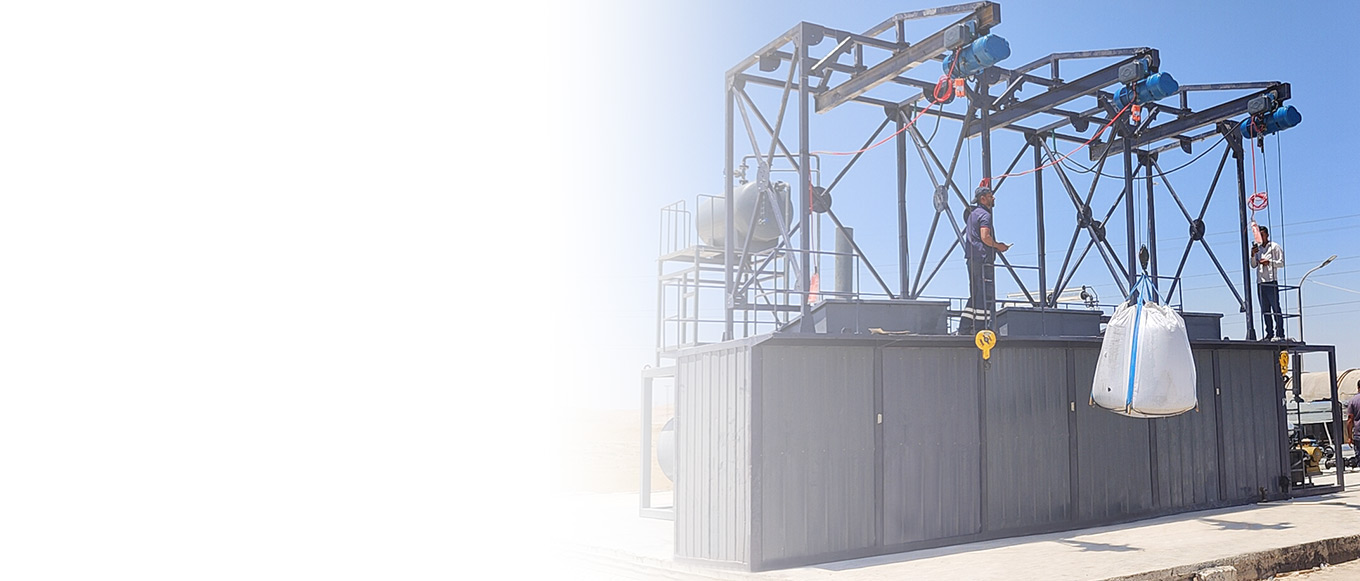
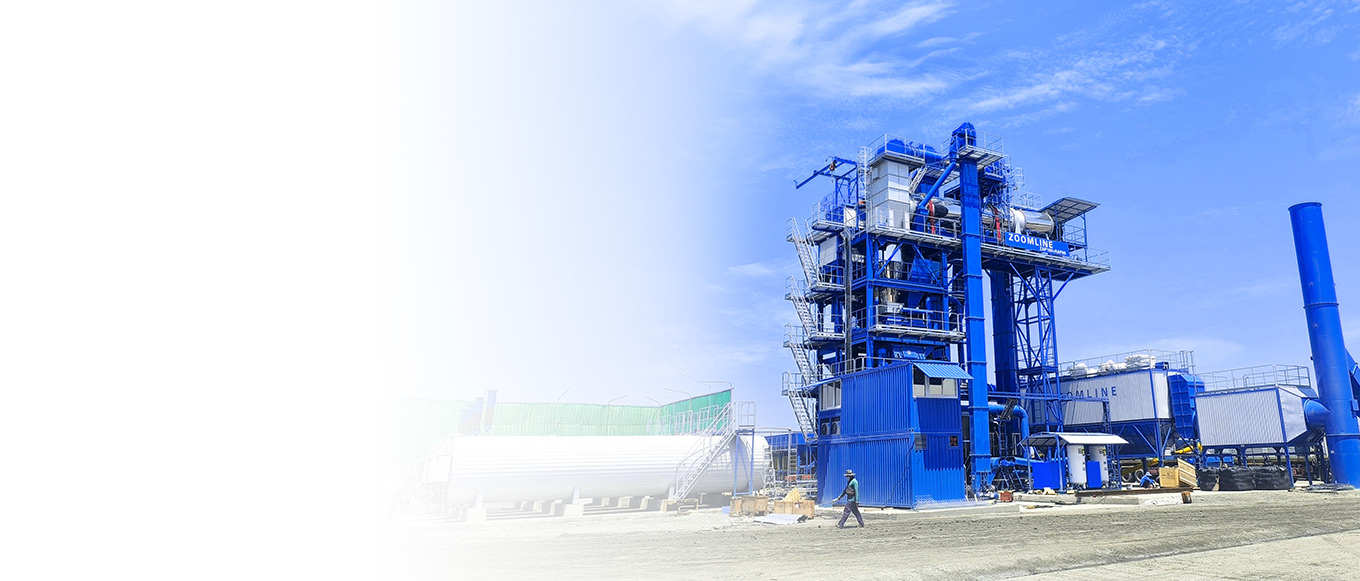
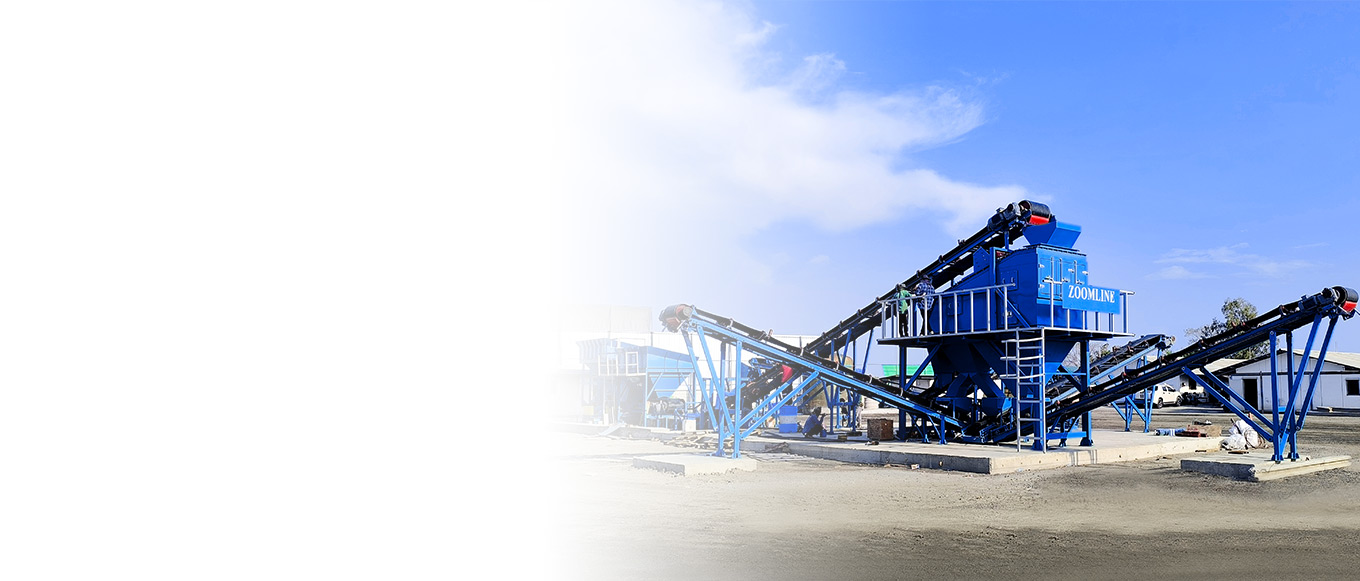
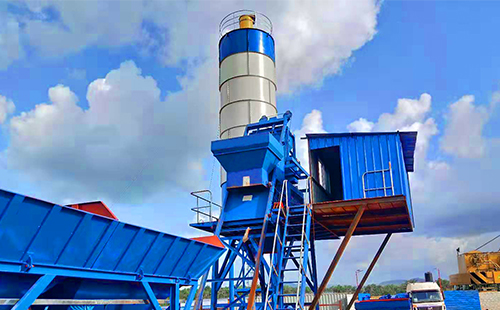
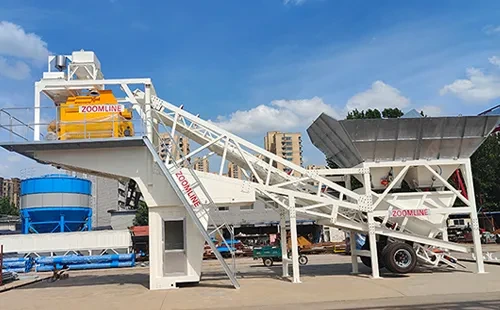
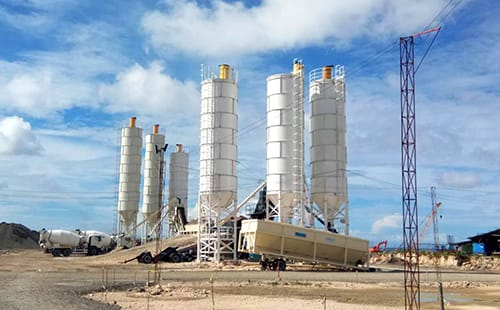
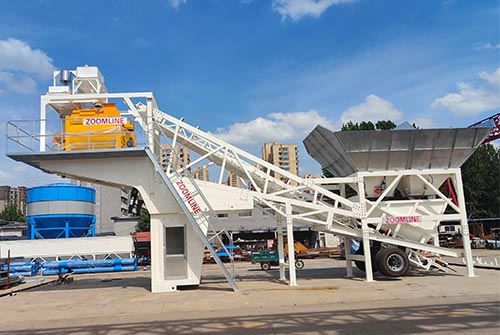
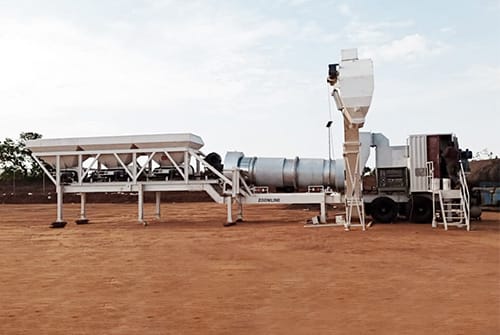
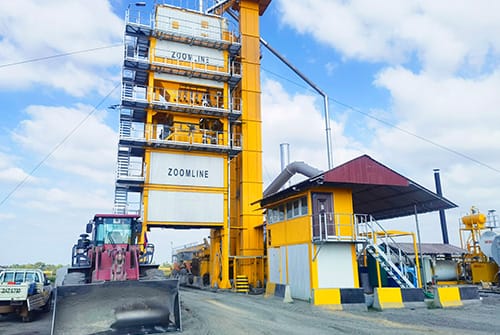
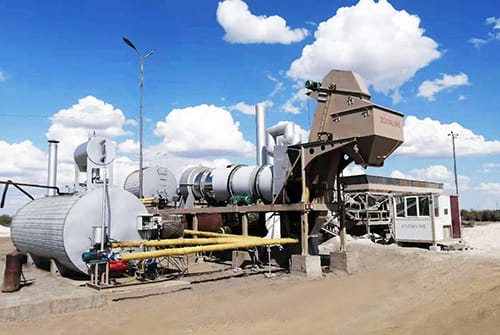
Concrete batching plant can fit the demands of industry, civil building, highway, railway, bridge, electricity, irrigating, port, pier, and airport and so on.
We offering the suggestions on constructions and recommend the suitable equipment for client.
Equipment Customization Service
We can customize design and process design for your project, and design and manufacture products according to your special needs.
Installation & Commissioning Service
Our engineers go to the client’s site to guide them to installation, debugging and training operators.
Remote Control System & Maintenance Service
Our engineers can diagnose the problem directly and offer an appropriate solution through the remote control system.
Spare Parts Supply Service
We guarantee the supply of original spare parts in the whole working life of the ZOOMLINE equipment.
7*24H Online Service
Whenever there is any accidental technical problem or need support, we are here and will reply within 6 hours.
Looking forward to working with you
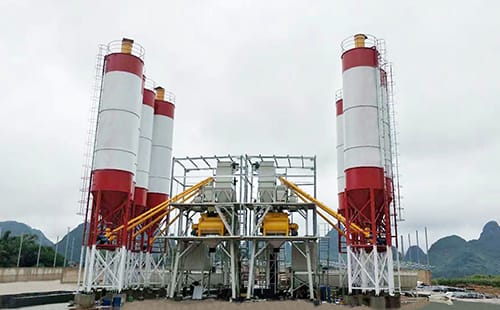
Project of Concrete Batching Plant
Concrete batching plant can fit the demands of industry, civil building, highway, railway, bridge, electricity, irrigating, port, pier, and airport and so on.
Is there a difference between a concrete batching plant and a commercial mixing tower?
Both serve the same function, but the main differences lie in their structural layout and height. Mixing towers are taller, use gravity-fed material discharge, have higher production capacity, and require less floor space; batching plants typically feature a horizontal layout with belt conveyors, offer better value for money, and are currently the mainstream choice for construction sites.
Can a mobile concrete batching plant meet the demands of large-scale projects?
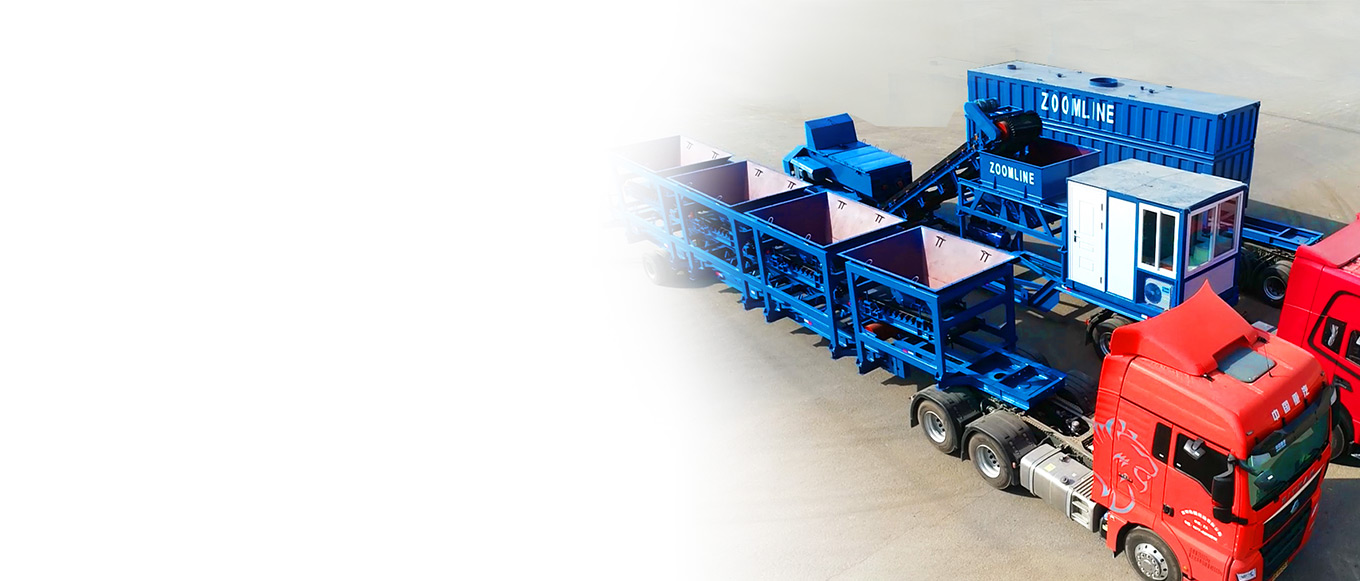
It is not recommended. Mobile batching plants are designed for flexible relocation and quick installation, with hourly capacities typically ranging from 30 to 100 m³. They are suitable for short-term, dispersed, and small-scale projects. For large-scale, long-term infrastructure projects and ready-mix concrete production, high-capacity stationary batching plants must be selected.
What key equipment does a concrete batching plant typically include?
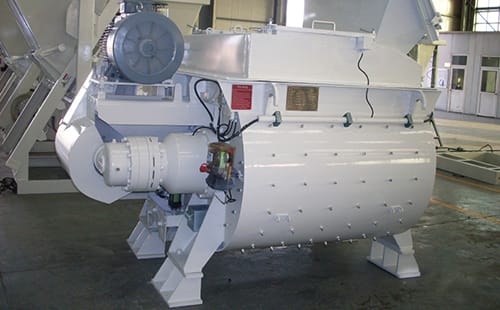
Core components include: aggregate batchers, belt conveyors, cement silos, screw conveyors, weighing systems, mixing drums, and fully automated control systems, plus environmental auxiliary equipment such as dust collection, noise reduction, and wastewater recycling systems.
What are the common challenges in the daily operation and maintenance of concrete batching plants?
Challenges primarily center on wear of the mixing drum liners and blades, dust blockages in powder silos, accuracy drift in weighing sensors, and belt misalignment and aging. Regular cleaning, timely lubrication, and periodic calibration of the weighing system can significantly reduce failure rates.
How do you determine the required capacity of a concrete batching plant?
First, calculate the maximum daily concrete consumption and divide it by the daily operating hours to determine the base hourly capacity. Then, add a 15%–20% buffer to avoid overloading during peak periods and ensure a continuous supply of concrete for construction.
How should one choose between wet-mix and dry-mix concrete batching plants?
or urban construction, high-standard buildings, and bridge and water conservancy projects, select a wet-mix batching plant, as it provides better concrete uniformity; For remote outdoor sites, long-distance transport, and emergency repair projects, dry-mix plants are recommended for greater flexibility.
What configurations are required for a concrete batching plant to meet environmental standards?
Standard configurations include pulse baghouse dust collectors, fully enclosed silos and conveyors, quiet drive systems, wastewater recycling systems, and misting dust suppression equipment, which meet regional environmental requirements for dust, noise, and wastewater discharge.
Can the batching plant produce concrete of different grades?
Absolutely. The intelligent control system can pre-store recipes for various grades, ranging from C15 to C60. With a single-button switch, it allows for flexible production of specialty concretes such as waterproof, wear-resistant, and lightweight concrete.
When purchasing a concrete batching plant for small-scale projects, which parameters should be prioritized?
Prioritize hourly output, footprint, installation time, energy consumption, mixer model, weighing accuracy, automation level, and after-sales maintenance capabilities, while evaluating overall cost-effectiveness and suitability.
CONTACT US
Get Free Solution
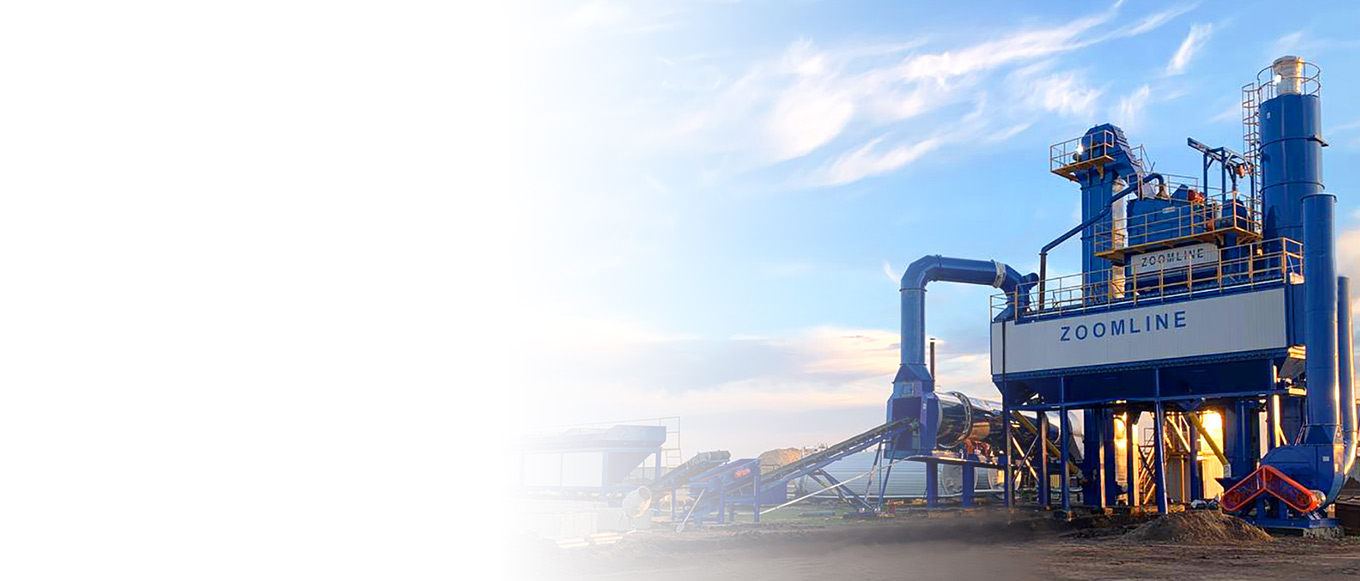
ZOOMLINE offers economical, environmentally friendly, flexible and advanced solutions for asphalt
production. Our asphalt mixing plant equipment have been exported to more than 80 countries, highly
praised by customers.