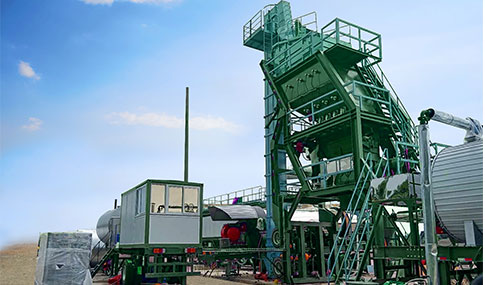
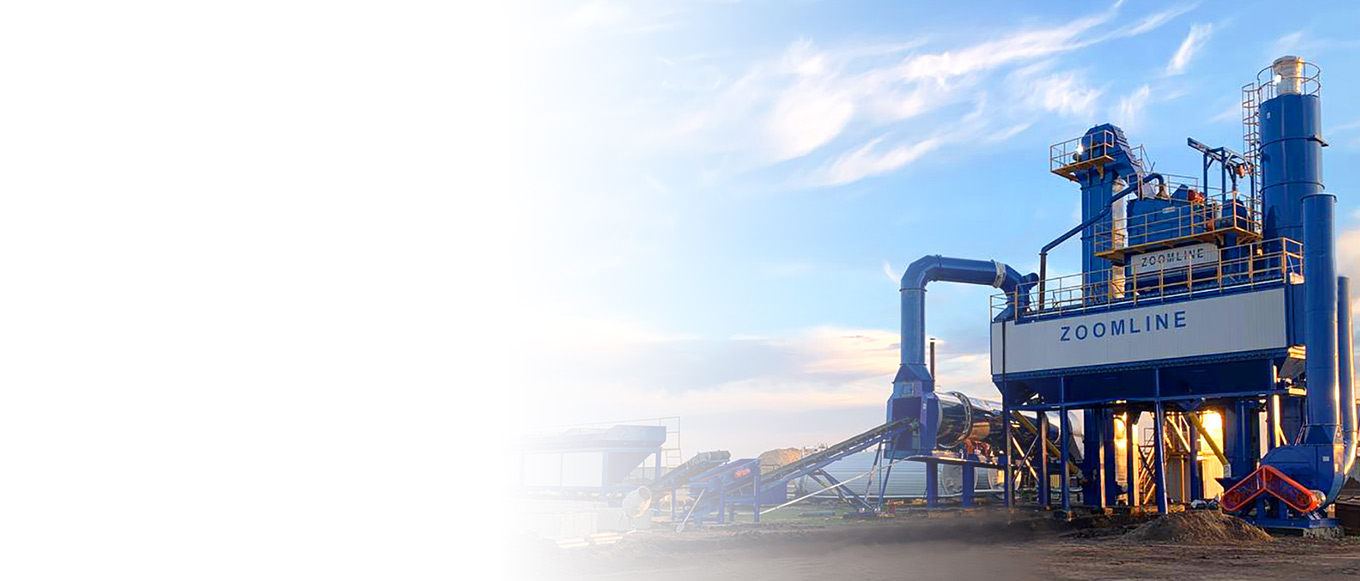
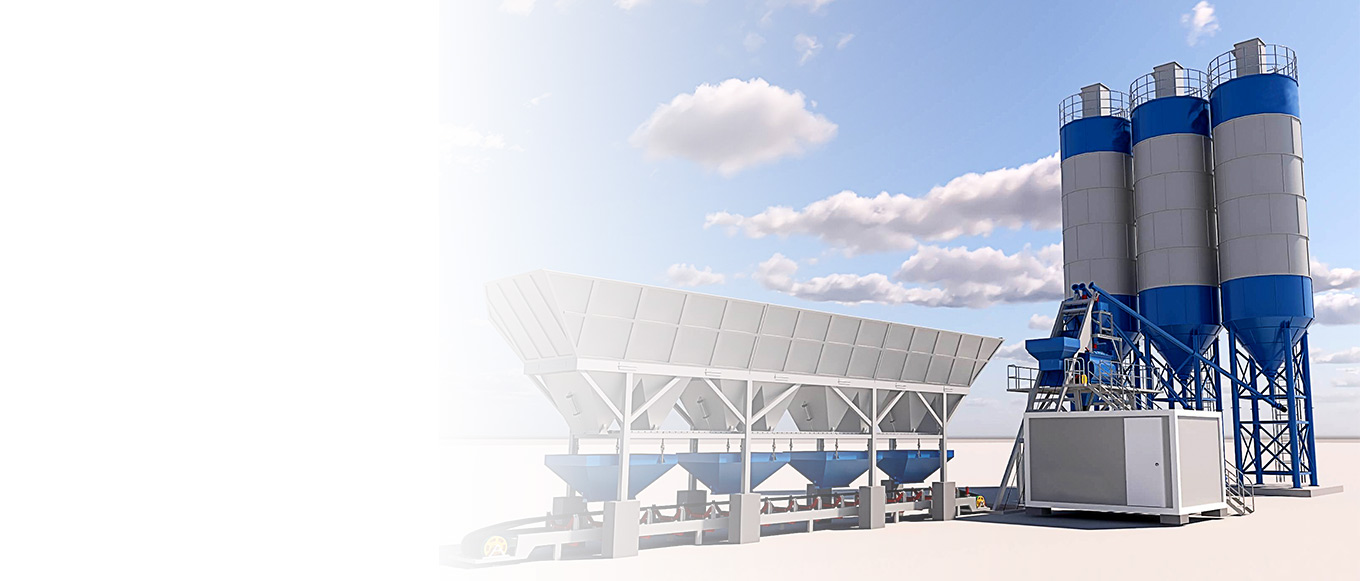
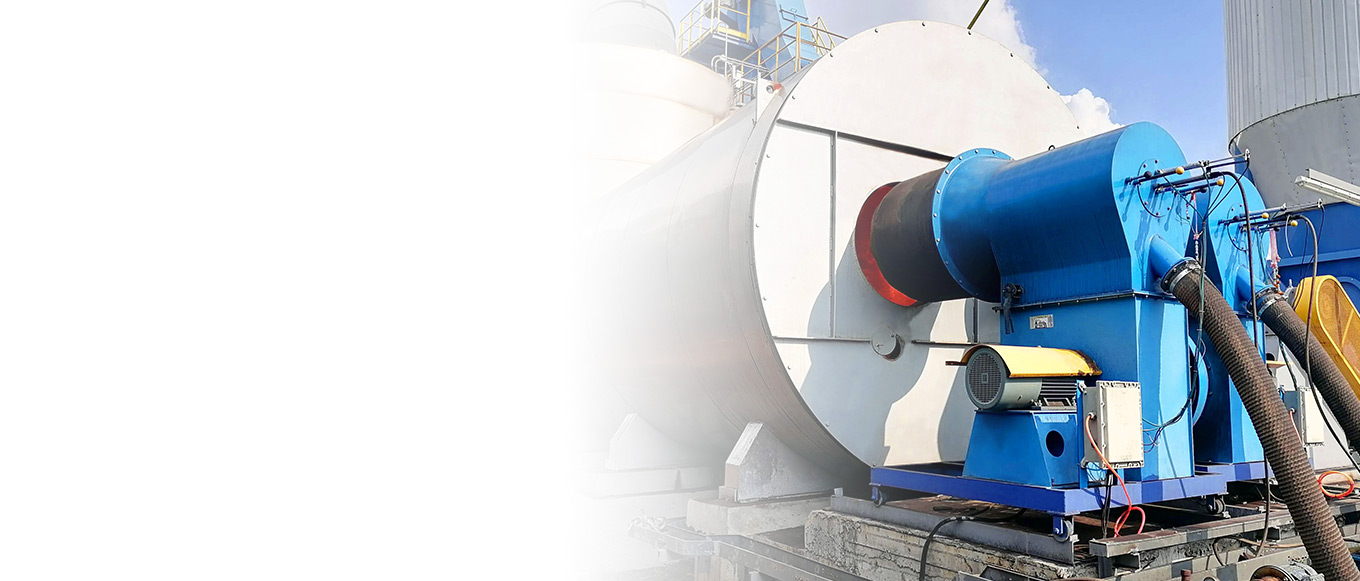



Modular Asphalt Mixing Plant: The preferred solution for efficient and flexible road construction
[ez-toc]Against the backdrop of the accelerated progress of global infrastructure construction, road engineering has higher requirements for the rapid deployment, flexible adaptation, and green and efficient operation of construction equipment. The modular asphalt mixing plant, with its core characteristics of being divisible, easy to transport, and quick to install, has become the preferred solution to replace traditional fixed asphalt mixing plants. It particularly shows its irreplaceable advantages in scenarios such as cross-regional construction, operations in remote sites, and emergency road maintenance. HENAN ZOOMLINE Machinery CO., Ltd., as a high-tech enterprise specializing in road construction equipment, has a series of modular (mobile) asphalt mixing plants that are at the core of mobile intermittent and super mobile continuous types, integrating advantages such as low consumption, environmental protection, and intelligence. The products have been exported to over 80 countries and regions, becoming a reliable choice for global infrastructure projects.
Basic Knowledge of Modular Asphalt Mixing Plant: Reconstructing the design logic of road construction equipment
Definition and Design Principles of Modular Asphalt Mixing Plant
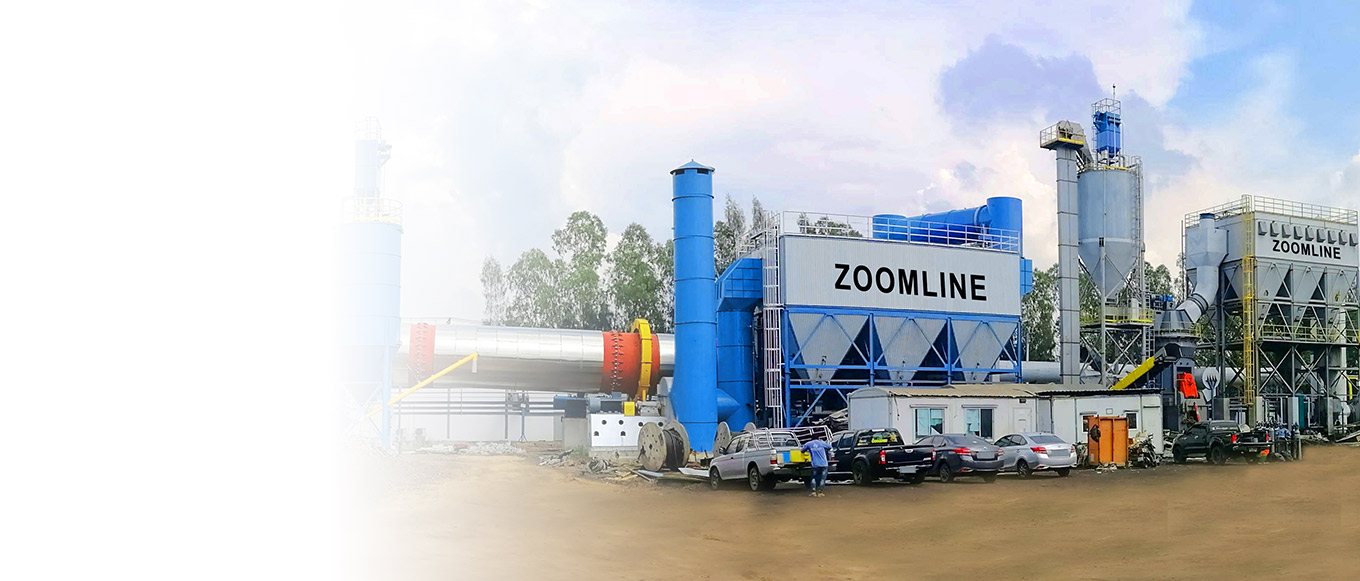
The modular asphalt mixing plant disassembles the core systems of drying, screening, mixing, and control of traditional fixed asphalt mixing plants into multiple standardized and interconnectable module units. Through modular design, it achieves the convenience of transportation, the rapidity of installation, and the flexibility of layout for hot mix asphalt production equipment. The design core follows the principle of “standardized modules + customized combinations.” All modules are pre-assembled and debugged in the factory, and only assembly and connection are required on-site, greatly reducing the difficulty of on-site construction.
Modular vs Fixed: The Core Differences in Deployment and Flexibility
| Comparison Dimensions | Modular asphalt batching plant | Fixed asphalt batching plant |
| Installation Period | The small mobile version can be debugged and put into production in 7-10 days, and the modular assembly can be completed in a few hours | Medium-sized systems take 15-20 days, large and complex systems take 30-45 days, and complex foundation construction needs to be completed |
| Logistics transportation | Modular disassembly is adaptable to ordinary cargo transport/trailers, without oversized or over-height parts, suitable for transportation in remote areas | Large in overall volume, requires professional oversized transportation, with high requirements for transportation routes |
| Site Adaptation | No need for specialized solid foundation, can be deployed on a small area, and can be quickly withdrawn after construction without leaving the site | Requires a fixed solid site and special foundation, with high site transformation costs and inability to migrate |
| Capacity Adjustment | Capacity can be flexibly adjusted through module addition and reduction to meet the needs of different project stages | Production capacity is fixed, and it is difficult and expensive to upgrade and transform later. |
Differences in modular applications between Batch Mix and Drum Mix:
Modular design can perfectly adapt to both core mixing processes, meeting the quality and efficiency requirements of different projects:
Intermittent (Batch Mix): Adopting a “weighting-mixing-unloading” batch production mode, each batch interval is 40-45 seconds, with mixing accuracy up to the gram level, supporting rapid switching between multiple formulas, maintaining high precision after modularization, and suitable for projects with strict requirements on road quality;
Continuous (Drum Mix): Drying and mixing are completed continuously in the same drum, without a separate mixer, which improves production efficiency. After modularization, the structure is further simplified, suitable for continuous construction scenarios with a single formula and large project quantities.
The core characteristics of mobile modular design: semi-trailer and quick installation
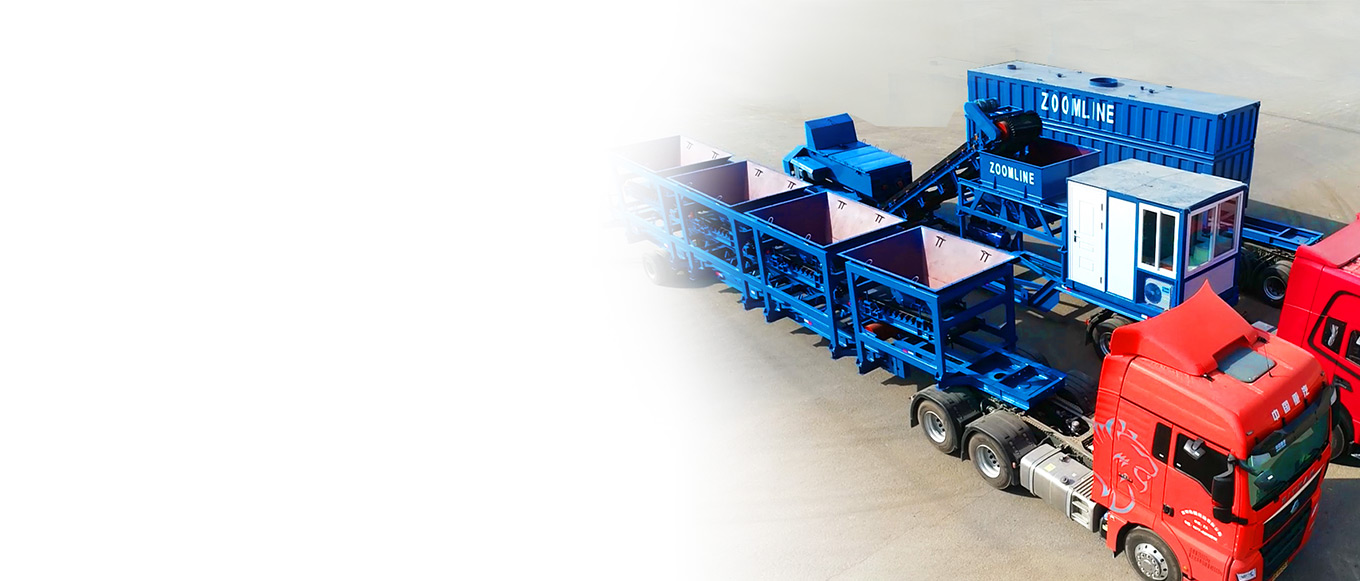
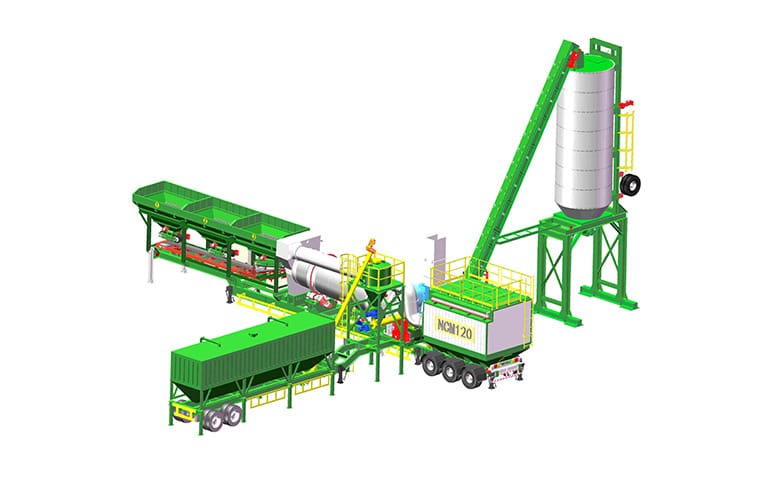
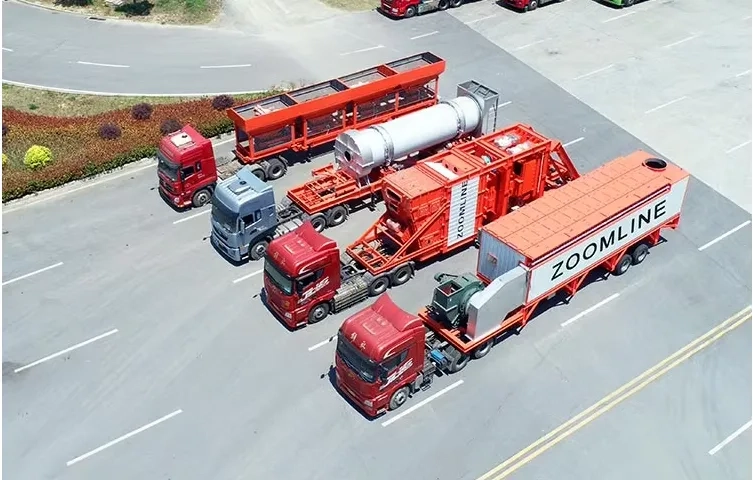
The mobile design of ZOOMLINE modular asphalt mixing plant is based on the semi-trailer chassis, achieving integrated “one vehicle, one equipment”. No additional lifting equipment is required; on-site, only power and material interface connection is needed. Some small models can be put into use within a few hours; at the same time, it adopts a quick-disconnect structure, all pipelines and circuits are standardized interfaces, and non-professionals can also complete basic disassembly and assembly, greatly improving the equipment’s ability to change locations.
ZOOMLINE modular asphalt mixing plant: Full-dimensional advantages to create core competitiveness
The ZOOMLINE modular asphalt mixing plant takes low consumption, environmental protection, intelligence, and reliability as the core, covering the full production capacity range of 20-400t/h, perfectly matching all kinds of road construction projects from small rural roads to large expressways. Its core advantages are all verified by factory tests and projects in more than 80 countries around the world.
Ultimate fuel economy, reducing operating costs
The fuel consumption of the full product line is controlled at 5.5-7kg/t, among which the mobile intermittent products are ≤6.5kg/t, and the super mobile continuous products are ≤7kg/t, which is much lower than the industry average. Calculated based on an annual production capacity of 100,000 tons, it can save over a million yuan in fuel costs every year, achieving cost reduction and efficiency improvement.
Efficient dust removal system, meets global environmental standards
Equipped with bag-type/water film dust removal equipment, the super mobile continuous products have a filtration area of 115-340m², with a dust removal efficiency of >99%, which can effectively capture dust particles in the production process. At the same time, it is matched with flue gas treatment facilities to meet the environmental emission requirements of different regions such as Central Asia, Africa, and North America, realizing green construction.
Wide production capacity range of 20-400t/h, suitable for all-scenario projects
From 20t/h small rural road projects to 400t/h large-scale highway, airport runway projects, ZOOMLINE can achieve flexible capacity matching through modular combination, without the need to purchase equipment separately for different projects, greatly improving equipment utilization.
PLC intelligent control + remote monitoring, achieving unmanned, efficient operations
Equipped with Siemens electrical components as the core of the intelligent control system, it monitors key parameters such as temperature, ratio, and production capacity in real-time, supporting automatic batching, automatic temperature control, and fault alarms; at the same time, it is equipped with a remote monitoring system, allowing engineers to perform equipment fault diagnosis and parameter adjustment through the cloud without on-site supervision, reducing labor costs.
Long-life core components, ensuring stable operation of the equipment
The drying drum is designed with a 50mm thick insulating layer + wear-resistant inner lining plate, resistant to high temperature and wear, with a service life far exceeding the industry average; the vibration screen is designed with 4-6 layers, ensuring high screening accuracy and low failure rate; all transmission components are from well-known brands, with a 15-month warranty for core components and lifetime technical support, significantly reducing the frequency of equipment maintenance.
Core value of modular design: reduced logistics costs + rapid startup
After module splitting, it can be adapted to ordinary cargo vehicles, and compared with fixed equipment, the logistics cost can be reduced by more than 30%; at the same time, there is no need for on-site foundation construction, and the installation and debugging can be completed within 7-10 days after the equipment arrives, which is 80% ahead of the traditional equipment production time, greatly shortening the project construction period and accelerating the return of capital.
Core Product Details: T-type Mobile Batch Mix and Super Mobile Drum Mix as the two main forces
The ZOOMLINE modular asphalt mixing plant takes the T-type Mobile Batch Mix Asphalt Plant and Super Mobile Drum Mix Asphalt Plant as the core products, focusing on high precision quality and high efficiency construction respectively, and has become the mainstream choice for road construction worldwide.
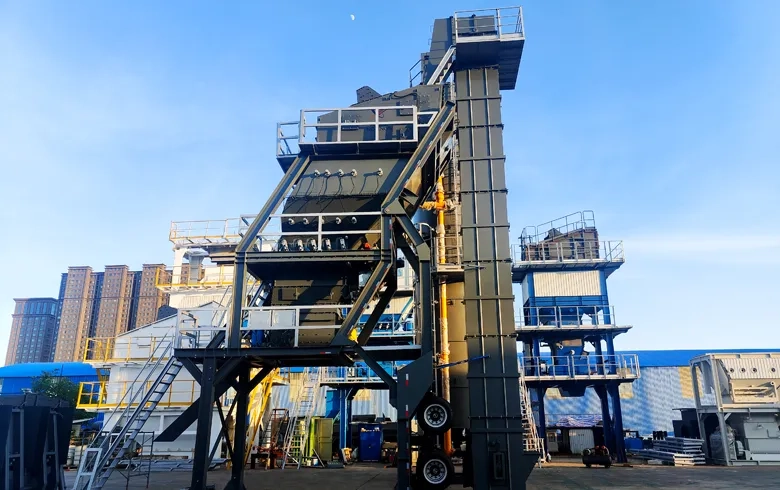
T-type Mobile Batch Mix Asphalt Plant: the preferred choice for high-precision road surfaces
Core Parameters
Production capacity range: 60~200t/h
Mixing tank capacity: 800~2500kg
Fuel consumption (oil): ≤6.5kg/T
Total power: 154~500kW
Dust removal method: Bag filter / Water film dust removal, dust removal efficiency > 99%
Core Advantages
High precision mixing: Using an independent weighing system, aggregates, asphalt, and mineral powder are precisely weighed, ensuring a mixing error of less than ±1%, which guarantees the uniformity of asphalt mixtures and is suitable for projects with strict requirements for road strength and flatness such as expressways, national roads, bridges, and airport runways;
Modular quick assembly: After the main modules are disassembled, they can be transported by semi-trailers. On-site assembly only takes a few hours, and the debugging and commissioning can be completed in 7-10 days, shortening the installation time by 60% compared to traditional intermittent equipment;
Flexible switching of multiple formulas: Supports the storage of 3-9 asphalt mixture formulas, with one-click switching to meet the construction needs of different road sections such as main roads, auxiliary roads, and pedestrian walkways without stopping the machine for adjustment;
Significant cost advantages: Compared with traditional fixed intermittent equipment, logistics costs are reduced by 30%, maintenance costs are reduced by 20%, and the equipment can be reused at project sites, with a higher residual value.
Super Mobile Drum Mix Asphalt Plant: Benchmark for Efficient Construction
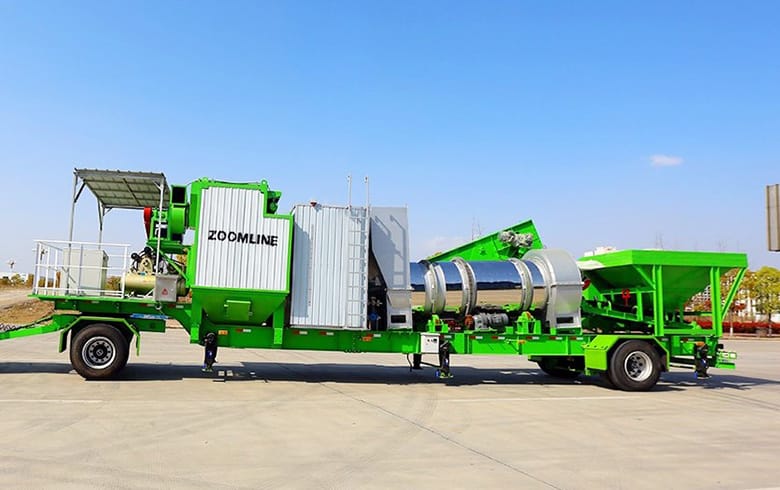
Core Parameters
Production Capacity Range: 20~200t/h
Fuel Consumption (Oil): ≤7kg/t
Drying Drum Size: (1200- 3800)*(1800- 8500)mm
Filtering Area: 115-340m²
Mobility: Semi-trailer full mobility, enabling quick on-site transfer
Core Advantages
Continuous production with high efficiency: Integrated design of drying and mixing, no batch intervals, 24-hour continuous construction capacity is stable, 30% production efficiency improvement compared to intermittent equipment, suitable for single formula, large-scale projects such as rural highways, mining area roads, and large-scale infrastructure auxiliary roads;
High mobility: Integrated semi-trailer chassis design, the whole vehicle can legally drive on highways, remote construction sites with no paved roads can also be accessed, can directly go to the next construction site after completion of construction, the transfer time is shortened to several hours;
Large filtration area environmental protection: 115-340m² ultra-large filtration area dust removal system, which can effectively handle a large amount of dust produced by continuous production, with discharge concentration far below international standards, and can be normally constructed even in stringent environmental protection regions such as North America and Europe;
Low consumption and long operation: fuel consumption of ≤7kg/t, with a wear-resistant drum design, continuous operation without failure, suitable for construction sites in remote areas without professional maintenance personnel, significantly reducing operation and maintenance costs.
Continuous mixing vs. intermittent mixing: efficiency analysis
Under the same production capacity (100t/h), the super mobile continuous equipment can produce 2400 tons of mixed material in a single day (24h), a 20% increase compared to mobile intermittent equipment (2000 tons per day). In large single-formula projects, it can shorten the construction period by more than 25%, significantly reducing indirect costs such as labor and equipment rental.
ZOOMLINE modular product matrix: full-scenario coverage, customized adaptation
In addition to the core intermittent mobile and super mobile continuous products, ZOOMLINE has also developed a full series of modular asphalt mixing plant products to meet the personalized needs of different projects, while supporting RAP recycling asphalt, achieving sustainable construction.
Additional Modular Product Series
Super Mobile Batch Mix Asphalt Plant:
Production capacity of 40-90t/h, 2-4 aggregate storage silos, fully mobile trailer design, integrated bag filter/water film dust removal, suitable for small-scale inter-regional road maintenance projects, maximum mobility;
Mobile Asphalt Mixing Plant General Series:
Capacity of 60~320t/h, mixer capacity of 800-4000kg, fuel consumption of 6-7kg/t, capable of flexible switching between batch and continuous processes, suitable for medium-sized highway construction and reconstruction projects;
Environmental friendly modular asphalt mixing station:
Capacity of 80~400t/h, asphalt aggregate ratio of 3%-9%, mineral powder ratio of 4%-12%, equipped with high-efficiency dust removal and RAP recycling system, suitable for urban road construction projects with strict environmental protection requirements;
Fixed modular expansion solution:
Capacity of 40~400t/h, fixed modular equipment with modular design, which can adjust the capacity by adding or subtracting modules, shortening the installation time by 50% compared to traditional fixed equipment, suitable for large-scale infrastructure projects with long-term fixed sites.
Guidelines for Project Scale and Modular Model Matching
| Project Scale | Daily Paving Volume | Recommended Capacity | Core Recommended Products | Application Scenarios |
| Small | <1000 tons | 20-120t/h | Super Mobile Continuous/Super Mobile Batch Mix | Rural roads, mining area roads, road emergency maintenance |
| Medium-sized | 1000-3000 tons | 120-200t/h | Mobile intermittent/mobile asphalt mixing plant general series | National highways, county roads, urban secondary roads |
| Large-scale | >3000 tons | 200-400t/h | Mobile intermittent/Environmental modular fixed type | Expressways, airport runways, port pavements, and urban main roads |
RAP Recycled Asphalt Compatibility: The Core Support for Sustainable Construction
The ZOOMLINE full series of modular products are compatible with RAP (Recycled Asphalt Mixture) recycling and utilization, with RAP addition ratio up to 30%-50%. It can recycle and process the old asphalt pavement materials, and reuse them in road construction. According to the relevant research data of the National Asphalt Pavement Association of the United States (https://www.asphaltpavement.org/uploads/documents/IS138-2022_RAP-RAS-WMA_Survey__WITH_APPENDICES_508.pdf), the RAP recycled asphalt technology can greatly reduce the raw material and cost investment in road construction, while also reducing the environmental pollution caused by the landfill of waste asphalt materials, and is in line with the global “double carbon” goal and sustainable construction concept.
Core Application Scenarios of Modular Asphalt Mixing Plant: Full Coverage, Efficient Adaptation
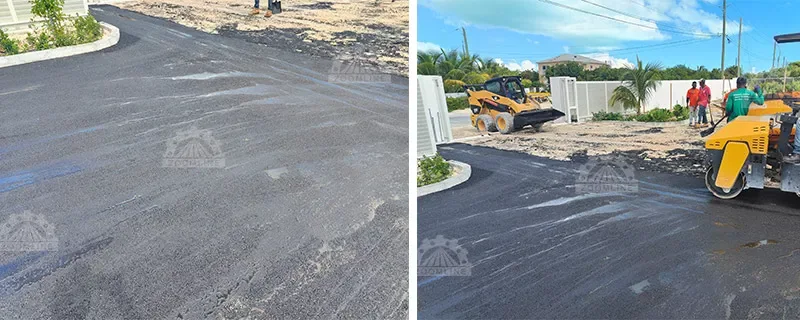
The flexibility and efficiency of the modular asphalt mixing plant make it the preferred equipment for various road construction and maintenance projects, from expressways to rural roads, from urban construction to remote mining areas, all can exert core value.
Highway and Expressway Construction: Rapid Deployment, Guaranteed Project Schedule
Highway construction is often cross-regional, with high requirements for equipment relocation and production speed. The ZOOMLINE mobile intermittent asphalt batching plant can quickly relocate to construction sections, complete the commissioning of a new site within 7 days, and ensure the strength and durability of highway pavements with high-precision batching, while the wide production capacity range can meet the different construction needs of expressways and auxiliary roads.
Airport Runways and Port Pavements: High Precision, High Stability
Airport runways and port pavements have extremely high requirements for the uniformity and strength of asphalt mixtures. The kilogram-level weighing precision of the mobile intermittent asphalt batching plant can ensure stable mixture quality and avoid problems such as pavement settlement and cracking; at the same time, the modular design can be flexibly deployed in limited areas of airports and ports without affecting existing traffic and operations.
Urban Road Maintenance and Rural Highway Upgrade: Flexible and Convenient, Cost-Effective
Urban road maintenance is mostly local construction with significant traffic disruption, modular mixing stations can be constructed at night and removed during the day, without occupying fixed sites; rural road upgrading projects are often located in remote areas, with great difficulty in equipment transportation, ZOOMLINE super mobile continuous products can be delivered directly to the construction site by semi-trailers, without the need for special lifting equipment, significantly reducing construction costs.
Bridge and Water Conservancy Projects: Dispersed Sites, Precise Matching
The construction sites for bridges and water conservancy projects are scattered, with each work point having a small amount of work and a short construction period. Modular asphalt mixing stations can achieve flexible layout with “a module for each work point”, allowing for quick disassembly and relocation to the next work point after completion, significantly improving construction efficiency and reducing equipment idle costs compared to fixed equipment.
Global Belt and Road Initiative and International Infrastructure Projects: Global Adaptability, Export Verification
The ZOOMLINE modular asphalt mixing station has been exported to over 80 countries and regions, widely used in infrastructure projects along the Belt and Road Initiative. Whether it’s the desert roads in Central Asia, the grassland roads in Africa, or the tropical rainforest roads in Southeast Asia, the equipment can adapt to different climatic and topographical conditions. It also provides multi-language operation interfaces and global after-sales support, making it the preferred brand for international infrastructure projects.
Adapting to the Construction Needs of Different Regions
Road construction in different regions has differences in terrain, climate, environmental protection standards, and construction requirements. The ZOOMLINE modular asphalt mixing plant achieves precise adaptation to various regions around the world through customized modular combinations, showing unique advantages, especially in core regions such as Central Asia, Africa, and North America.
Central Asia “Belt and Road” Corridor: Core Advantages of Modular Equipment
The Central Asian region is a core transportation corridor for the “Belt and Road”, with road construction mostly being remote projects across deserts and desolate areas, characterized by high transportation difficulties, poor site conditions, and short construction periods as core pain points:
The ZOOMLINE modular products can be disassembled and transported through desert highways by ordinary cargo vehicles, without the need for large-scale transportation;
No need for reinforced foundation, the Gobi Desert can be simply leveled for deployment, achieving production within 7 days, meeting the short project timeline requirements;
High-temperature resistance and sand-dust resistance design, the equipment can operate continuously for 24 hours in the extreme high-temperature environment of Central Asia, and the dust removal system can effectively deal with dust pollution brought by sand and dust.
Application cases: Kazakhstan Kokshetau Highway project, using ZOOMLINE ZAP-S100 mobile intermittent asphalt mixing plant, the equipment arrived on May 21st, completed installation, debugging, and production on June 21st, accurately ensuring the construction schedule of the highway.
Urbanization and Resource Development in Africa: Mobility Matches Dispersed Construction
Africa is in the stage of accelerated urbanization and resource development, road construction has the characteristics of dispersed projects, uneven engineering volume, and weak infrastructure, making mobile modular asphalt plant Africa a core requirement:
A semi-trailer mounted mobile design that can operate on unimproved roads in Africa, adapting to scattered construction sites in mining areas and rural areas;
With a wide production capacity range of 20-200t/h, it can be flexibly adjusted according to the project volume, avoiding waste of equipment production capacity;
A simple operation interface, no need for professional technical personnel, local workers can start work after simple training, reducing labor costs.
Application cases: Madagascar adopts ZOOMLINE ZAP-C60M super mobile continuous asphalt mixing plant, completing multiple rural road upgrading projects. The equipment is flexible in relocation, has low fuel consumption, and greatly reduces the project construction cost.
North American Road Reconstruction and Environmental Regulations: Sustainable and high environmental compatibility
The highway network in the North American region is mature, mainly focusing on road renewal and maintenance, while environmental protection regulations are strict, with high requirements for dust emissions and RAP recycling utilization:
The ZOOMLINE environmental protection modular product has a dust removal efficiency greater than 99%, meeting the North American EPA environmental protection standards;
The RAP addition ratio can reach 50%, perfectly matching the North American highway renewal demand for recycled asphalt, reducing raw material costs;
An intelligent remote monitoring system can achieve unmanned operation of equipment, fitting the characteristics of high labor costs in North America.
Extreme weather and remote terrain: full environmental adaptability
The ZOOMLINE modular asphalt mixing plant, designed with special features, can adapt to various extreme climates and remote terrains worldwide:
High-altitude areas: Equipped with plateau-type burners to ensure normal combustion at altitudes above 4000 meters, compatible with projects such as the Tibetan Plateau and the Andes Mountains;
Tropical rainforest areas: Designed with anti-rust and moisture-proof features, the electrical system is sealed to avoid failures caused by damp environments, compatible with projects in Southeast Asia and South American rainforests;
Extreme cold areas: Equipped with low-temperature start-up systems and equipment insulation layers to ensure normal start-up in environments below -30°C, compatible with projects in Siberia and Northern Europe.
Real application cases and quantitative benefits: Using data to verify the value of modularization
The ZOOMLINE modular asphalt batching plant has been verified in projects in over 80 countries around the world, achieving significant benefits in terms of project duration, cost, and environmental protection, demonstrating overwhelming advantages over traditional fixed equipment.
Core Case Sharing
Kazakhstan ZAP-S100 mobile intermittent project: With a production capacity of 100t/h, the installation and debugging were completed and the plant was put into operation 30 days after the equipment arrived, shortening the construction period by 45 days compared to traditional fixed equipment, reducing logistics costs by 35%, and ensuring the highway pavement passes the acceptance test on the first try with high-precision batching;
Ethiopia ZAP-M160 mobile asphalt batching plant project: With a production capacity of 160t/h, used for national road construction, the equipment was transferred 3 times, each taking only 2 days, shortening the transfer time by 80% compared to traditional equipment, and shortening the overall project duration by 20%;
Thailand RAP recycled asphalt project: Using the ZAP-S160&RAP80 modular recycled asphalt batching plant, with a RAP addition ratio of 40%, saving about 2 million Thai baht in raw material costs annually, while reducing the landfill of waste asphalt by about 5,000 tons, achieving dual benefits of environmental protection and economic benefits.
Comparison of Traditional Fixed Layout vs Modular Deployment: Quantitative Benefits
Taking a highway project with a capacity of 100t/h and a construction period of 1 year as an example, the core benefits of modular equipment compared to traditional fixed layout equipment:
Time saving: The installation and debugging time is shortened from 20 days to 7 days, resulting in an overall project duration reduction of more than 10%;
Cost saving: Logistics costs are reduced by 30%, site transformation costs are reduced by 80%, maintenance costs are reduced by 20%, and the total construction costs are reduced by 15%-20%;
Environmental benefits: Using RAP recycling technology, raw material consumption is reduced by 40%, carbon dioxide emissions are reduced by 30%, and dust emissions are reduced by 99%.
Summary of Global Environmental Protection and Economic Benefits
According to the research report of the National Asphalt Technology Center (NCAT) at Auburn University in the United States, the efficiency improvement and density optimization of asphalt pavement construction can potentially save $17.5-$8.75 billion in costs for global road construction each year (Data source: https://eng.auburn.edu/research/centers/ncat/files/technical-reports/rep17-05.pdf). The ZOOMLINE modular asphalt mixing plant, through rapid deployment to enhance construction efficiency, RAP recycling to reduce raw material consumption, and high-precision blending to increase pavement density, perfectly aligns with this research conclusion, achieving both economic and environmental benefits for global road construction.
Modular Asphalt Mixing Plant Selection Guide: Scientific Matching for Maximum Benefit
When selecting a modular asphalt mixing plant, it is necessary to consider core factors such as project scale, environmental standards, logistics conditions, and after-sales service, to scientifically match the model, avoid capacity waste or shortfall, and achieve maximum project benefits.
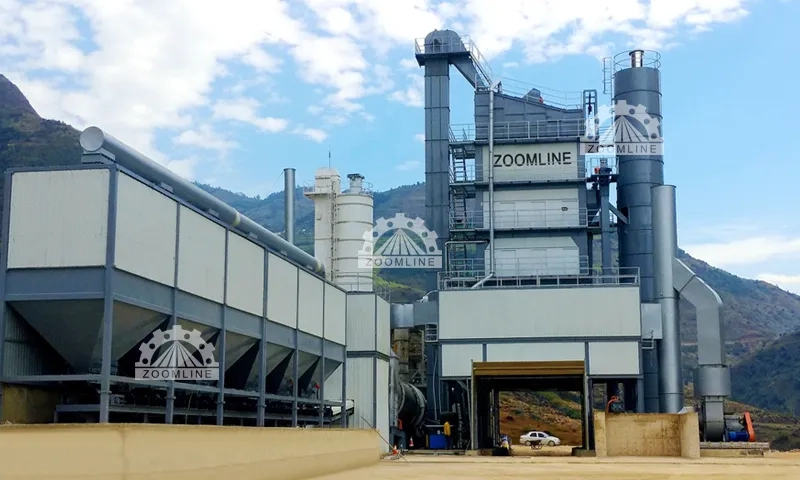
Project Scale and Capacity Matching: Core Principle “Match First, Leave Buffer”
Small-scale projects (daily paving <1000 tons):
Choose the 20-120t/h Super Mobile Batch Mix, prioritizing mobility and low consumption;
Medium-scale projects (daily paving 1000-3000 tons):
Choose the 120-200t/h Mobile Intermittent/General Series, balancing accuracy and efficiency;
Large-scale projects (daily paving >3000 tons):
Choose mobile intermittent/eco-friendly modular fixed-type with a capacity of 200-400t/h, prioritizing high precision and high productivity, and reserving 10%-20% production capacity buffer to cope with peak construction periods.
Environmental standards and fuel consumption: Consider regional priorities
Strictly environmental areas (North America, Europe, first-tier cities in China): Prioritize eco-friendly products, with a combination of bag filter + cyclone dual dust removal + RAP regeneration system, dust removal efficiency > 99%;
Cost-sensitive areas (Africa, Central Asia, rural Southeast Asia): Prioritize low fuel consumption products, mobile intermittent ≤6.5kg/t, super mobile continuous ≤7kg/t, to reduce operating costs;
Global export projects: Choose products that meet international environmental standards (CE/ISO/ERC/SGS) to ensure smooth construction in the target country.
Logistics Transportation and Installation Time: Key Considerations for Site and Route
Remote Areas/Unpaved Roads: Prioritize semi-trailer-type fully mobile products, modular splitting to adapt to general cargo transport, no need for oversized transportation;
Urban Construction/Busy Traffic Areas: Prioritize small modular products, capable of night-time transport, rapid installation, and daytime withdrawal to minimize traffic disruption;
Short-term Projects: Prioritize products with high pre-assembly levels, which can be put into operation within 7 days to ensure project timelines.
RAP Recycling Ratio: A Core Indicator for Sustainable Selection
Road renewal project: Select products with RAP addition ratio of 30%-50% to maximize the use of recycled asphalt materials and reduce raw material costs;
New road project: Can choose basic RAP products, reserve再生 system interfaces for future upgrades and renovations, in line with the trend of sustainable construction;
Projects with high environmental protection requirements: Choose RAP regeneration + dust removal integrated products to achieve resource recycling and green construction;
After-sales service and remote monitoring: The core of long-term support
The post-maintenance and after-sales support of modular equipment directly affects the utilization rate of the equipment, which needs to be considered as a priority when selecting:
Global After-Sales Network: Whether there is an agent or service point in the target country that can provide on-site support quickly;
Remote Monitoring Capability: Whether equipped with a cloud-based remote diagnosis system that can quickly identify faults and reduce downtime;
Parts Supply: Whether to provide lifetime original factory parts supply, and whether parts transportation is convenient;
Technical Support: Whether to provide 7×24-hour technical support, and whether on-site operation and maintenance training can be provided.
Why choose ZOOMLINE modular asphalt mixing plant? Triple advantages, globally trusted
In the global modular asphalt mixing plant market, ZOOMLINE has become the common choice of customers in over 80 countries due to its triple advantages of economy, environmental protection, and flexibility, as well as its global export experience and perfect after-sales service. Its core competitiveness is reflected in the following aspects:
Economy: Lowest life cycle cost
Procurement cost: Compared with imported brands, the price is 30%-50% lower, and it also supports OEM/ODM customization, configure modules as needed, and avoid functional waste;
Operation cost: Fuel consumption of 5.5-7kg/t, much lower than the industry average, maintenance cost reduced by 20%, and RAP recycling technology reduces raw material costs by 40%;
Residual value cost: Modular design allows for repeated disassembly, relocation, and use, with equipment residual value rate more than 50% higher than fixed equipment.
Environmental Protection: Global Standards, Green Construction
Dust removal efficiency > 99%, meeting international environmental protection standards such as CE/ISO/ERC/SGS, and compatible with emission requirements in different regions of the world;
RAP (Reclaimed Asphalt Pavement) addition ratio of 30%-50%, achieving recycling of waste asphalt materials, reducing environmental pollution and resource waste;
Low fuel consumption reduces carbon dioxide emissions, aligning with the global “double carbon” goal, and eligible for environmental subsidies in some countries.
Flexibility: Full-scenario Adaptability, Rapid Response
Capacity flexibility: full capacity coverage from 20-400t/h, adjustable by modules to meet the needs of different project stages;
Mobility flexibility: semi-trailer full mobile design, capable of transportation and relocation under various terrain and road conditions worldwide, with site switching completed in a few hours;
Operation flexibility: simple operation interface + intelligent control system, supporting manual/half-automatic/automatic three modes, no need for professional technical personnel, reducing labor costs.
Global export experience and 7×24-hour technical support
80+ export countries and regions, with rich global project experience, offering customized solutions according to different regional climates, terrains, and environmental protection standards.
7×24 hours online service, technical personnel response time less than 6 hours, remote diagnosis can solve more than 80% of equipment failures, general faults are resolved within 24 hours;
15 months of equipment warranty, lifetime technical support, original factory spare parts globally supplied, ensuring long-term stable operation of the equipment;
Provide full-process training for equipment installation, debugging, operation, and maintenance, cultivating professional equipment operation and maintenance teams for customers.
Performance comparison with the industry average: fully leading
| Performance indicators | ZOOMLINE modular products | Industry average level | Leading margin |
| Fuel consumption | 5.5-7kg/t | 8-10 kg/t | 20%-30% |
| Installation time | 7-10 days | 20-30 days | 60%-70% |
| Dust removal efficiency | >99% | About 95% | 4% or above |
| RAP Add Ratio | 30%-50% | 20%-30% | 10%-20% |
| Equipment Warranty | 15 months | 12 months | 25% |
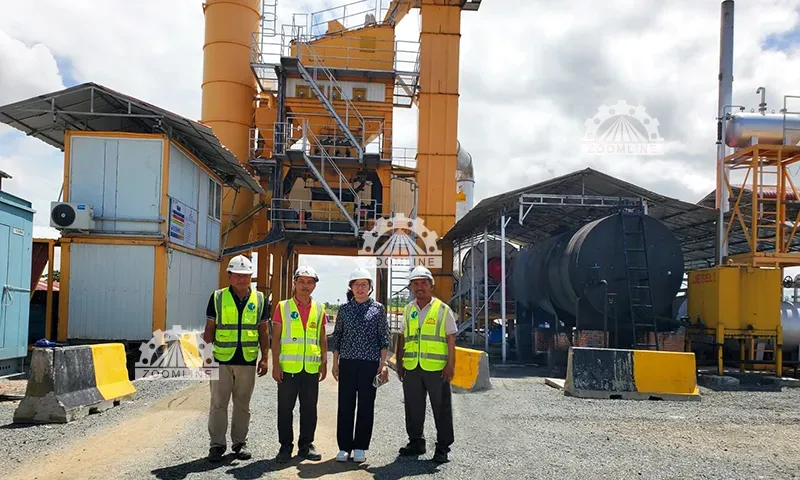
Modular asphalt mixing plant, reconstructing the future of road construction
Under the dual trends of global infrastructure upgrading and sustainable development, modular asphalt mixing plants are reconstructing the industry landscape of road construction equipment with their core characteristics of high efficiency, flexibility, greenness, and economy. They are replacing traditional fixed equipment as the mainstream choice. Not only do they solve the pain points of traditional equipment such as slow installation, difficult transportation, limited site, and high costs, but they can also adapt to road construction projects of different regions and types worldwide, achieving a double improvement in construction efficiency and environmental benefits.
ZOOMLINE as the core supplier of modular asphalt mixing stations globally, with over 20 years of industry experience, verification of projects in more than 80 countries, a full range of product matrices, and comprehensive global after-sales service, has become a reliable partner for global road construction projects. From the desert highway of the Central Asia “One Belt and One Road”, to the upgrading of rural roads in Africa, from the road renovation in North America, to the urban road construction in Southeast Asia, ZOOMLINE modular asphalt mixing stations are actively helping to build global infrastructure with practical actions, creating high cost-performance road construction solutions for customers.
✅ Immediately obtain the customized quotation for ZOOMLINE modular asphalt mixing stations, matching the optimal model according to your project requirements;
✅ Visit the official website https://www.zoomline.com.cn/ to view the complete product series and global project cases;
✅ Book a regional agent for on-site demonstration and technical consultation, experiencing the core advantages of ZOOMLINE modular equipment at zero distance;
✅ 24/7 service hotline: +86-18838114766, ready to answer your questions about equipment selection and technical issues at any time.
Frequently Asked Questions (FAQ)
Q1: What are the core advantages of modular asphalt mixing plants compared to fixed ones?
A: The core advantages are Quick installation, easy transportation, flexible site, low cost, and mobility: installation time is shortened by more than 60%, logistics costs are reduced by 30%, no need for hardened foundation, can be moved to different projects for reuse, total construction costs are reduced by 15%-20%, and production capacity can be flexibly adjusted by adding or removing modules.
Q2: Which road projects is the Mobile Batch Mix Asphalt Plant suitable for?
A: It is suitable for projects with strict requirements for road quality, such as expressways, national roads, bridges, airport runways, port pavements, and urban main roads. Its high-precision batching ensures the uniformity of asphalt mixtures, supports quick switching between multiple formulas, and meets the construction needs of different road sections.
Q3: What is the installation time for the Super Mobile Drum Mix Asphalt Plant?
A: The Super Mobile Continuous Series products are designed with full trailer integration, requiring only power and material interface connections on site. The main installation can be completed in a few hours, and the debugging and formal production can be completed in 7-10 days, which is 80% shorter than the installation time of traditional continuous equipment.
Q4: How does the ZOOMLINE equipment achieve RAP asphalt recycling?
A: All ZOOMLINE series products are equipped with a special RAP recycling feeding system and mixing system, which can crush and screen the old asphalt pavement materials, mix them with new aggregates and asphalt in a ratio of 30%-50%, and re-mix them into qualified asphalt mixtures, realizing the recycling of waste materials. At the same time, a special dust removal system is provided to handle the dust during the RAP recycling process.
Q5: How is the logistics support for modular mixing stations in Central Asia or Africa projects?
A: For areas with poor logistics conditions such as Central Asia and Africa, ZOOMLINE provides customized logistics solutions: the equipment is divided into standardized small modules, suitable for general cargo transportation/trailers, without oversized or over-height parts; at the same time, we cooperate with well-known global logistics companies, which can realize door-to-door transportation of equipment from the factory to the construction site, ensuring the safety and timely arrival of the equipment.
Q6: Are the fuel consumption and environmental data of modular equipment real?
A: All data is actual test data from ZOOMLINE’s factory, and has been certified by internationally authoritative organizations such as CE/ISO/ERC/SGS, and also verified by actual projects in 80+ countries around the world. The fuel consumption and dust removal efficiency both meet the marked standards, and are real and verifiable.
Q7: How do you calculate the payback period for the investment in modular mixing stations?
A: Payback period = equipment purchase cost ÷ (annual fuel saving cost + annual logistics saving cost + annual maintenance saving cost + RAP regenerative raw material saving cost). Taking an equipment with a production capacity of 100t/h as an example, with an annual production capacity of 100,000 tons, it can achieve comprehensive cost savings of about 1-2 million yuan per year, and the payback period is generally 3-5 years, which is much lower than that of traditional fixed equipment, and the equipment can be moved to different sites for reuse, generating continuous income in the later stage.