



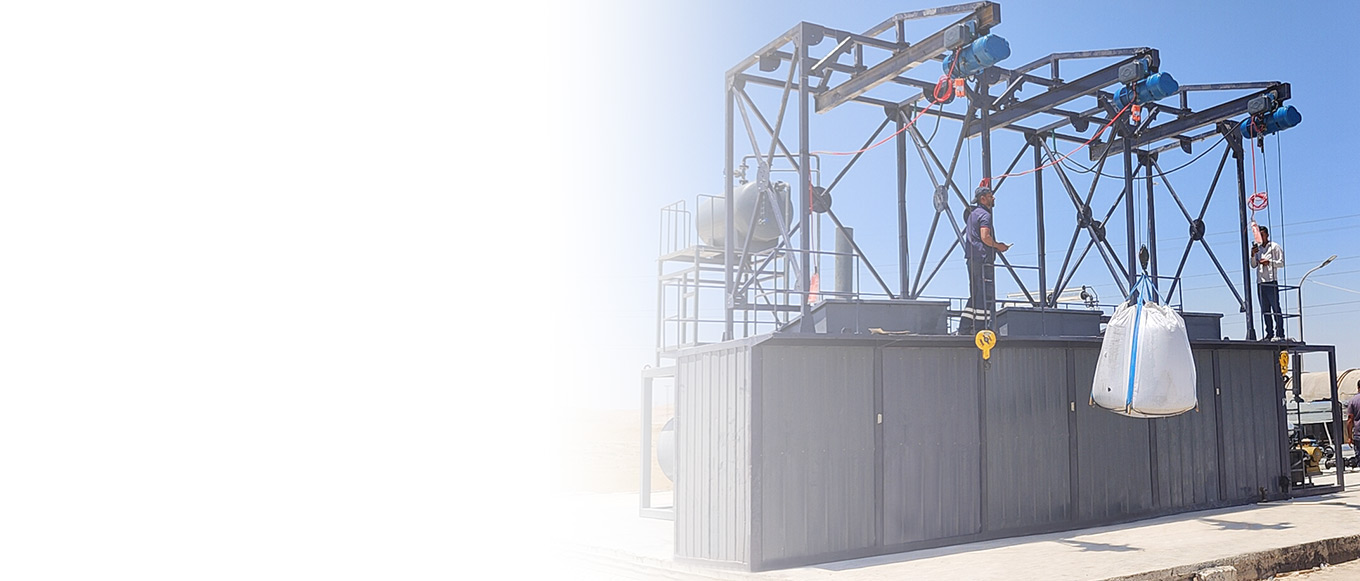





How to Solve the Asphalt Plant Emission Problem
In today’s era of rapid infrastructure development, asphalt mixing plants serve as the core hubs of road construction. However, their environmental issues have become increasingly prominent. Excessive emissions not only trigger complaints from nearby residents but also violate environmental regulations, leading to plant shutdowns for rectification. This directly impacts corporate profitability and brand reputation. How to scientifically address emissions from asphalt mixing plants and achieve a win-win for environmental protection and profitability has become a critical challenge the industry urgently needs to solve. This article will systematically examine the importance of emission control, categorize emission types and causes, and provide comprehensive remediation solutions to offer practical guidance for asphalt mixing plant enterprises.
Why Must Emission Control at Asphalt Mixing Plants Be Prioritized?
The various pollutants generated during asphalt mixing plant operations constitute a significant source of atmospheric pollution. These emissions encompass not only visible contaminants like dust and particulate matter but also asphalt fumes, volatile organic compounds (VOCs), and harmful gases such as sulfur dioxide (SO₂) and nitrogen oxides (NOx), posing dual threats to human health and the ecological environment.
From a policy perspective, national and local environmental regulations have tightened significantly in recent years, imposing increasingly stringent emission limits on asphalt mixing plants while strengthening enforcement. Many regions now explicitly require plants to meet ultra-low emission standards, with non-compliant facilities facing rectification orders, fines, or even shutdowns. Concurrently, heightened environmental awareness among surrounding communities makes emission issues prone to sparking environmental disputes, disrupting normal business operations.
Conversely, effective emission control offers substantial benefits for enterprises. It not only ensures compliance and mitigates policy risks but also enhances corporate social image and market competitiveness. Long-term environmental investments yield more than emission reductions—they drive energy savings through equipment optimization, boost production efficiency, and deliver sustained economic returns.
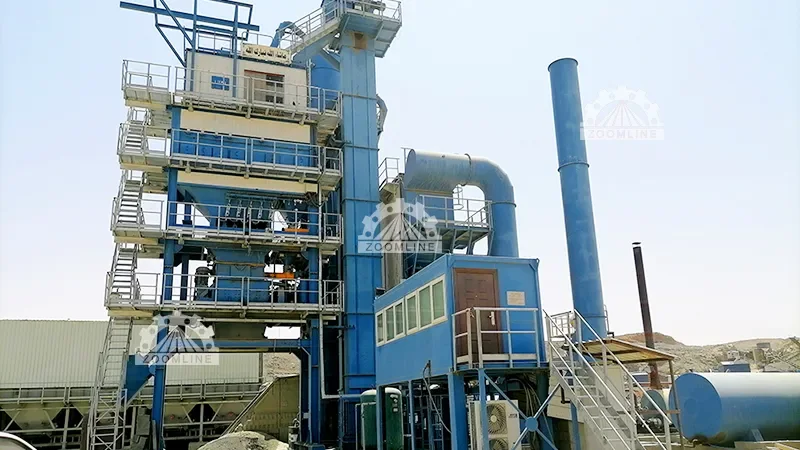
What Emissions Does an Asphalt Mixing Plant Produce? Where Do They Originate?
To address emissions effectively, it is essential to first identify the types and sources of emissions for targeted remediation. Emissions from asphalt mixing plants primarily fall into three categories, each with distinct origins.
Primary Emission Types
Dust and Particulate Matter (PM): The most visible emissions from asphalt mixing plants, primarily originating from aggregate crushing, screening, and drying processes. These fine particles readily suspend in the air, posing significant hazards to the respiratory system.
Asphalt fumes and VOCs: During asphalt heating and mixing, volatile light components in the asphalt produce fumes containing various VOCs. These emit pungent odors, and some components are carcinogenic.
Combustion Exhaust (SO₂, NOx, CO): Primarily generated during fuel combustion in equipment like dryers and burners, this includes harmful gases such as sulfur dioxide, nitrogen oxides, and carbon monoxide—key contributors to acid rain and smog formation.
Core Emission Sources
Emission issues arise not from a single stage but permeate the entire asphalt production process. Three major systems serve as core emission sources: First, the aggregate drying system generates substantial dust and combustion exhaust during high-temperature aggregate drying. Second, the mixing unit releases significant asphalt fumes and VOCs when asphalt mixes with aggregates. Third, the asphalt heating and storage system, where light components continuously volatilize during heating and storage, resulting in fugitive emissions.
Exceeding Emission Standards? Beware These Culprits
Excessive emissions from asphalt mixing plants rarely stem from a single factor but rather reflect a convergence of issues involving equipment, processes, and operations. Common causes include:
Inefficient dust collection systems: Some plants still use outdated, low-efficiency dust collectors, or suffer from aged filter bags and malfunctioning cleaning systems, resulting in incomplete dust capture and direct release of large amounts of particulate matter.
Low burner combustion efficiency: Improper burner selection, inadequate calibration, or use of low-quality fuel can cause incomplete combustion. This not only increases energy consumption but also generates substantial emissions of CO, NOx, and other pollutants.
Aging equipment and lack of maintenance: Long-term operation without regular maintenance leads to issues like worn seals and pipeline leaks, exacerbating fugitive emissions. Aging equipment itself struggles to achieve optimal environmental performance.
Improper recycled asphalt (RAP) processing: While recycled asphalt use aligns with industry trends, uneven RAP feeding or improper heating temperature control can substantially increase dust and VOC emissions.
Non-standardized operational management: Untrained operators, unreasonable adjustments to equipment parameters, or failure to strictly follow environmental operating procedures can also cause fluctuating emissions exceeding standards.
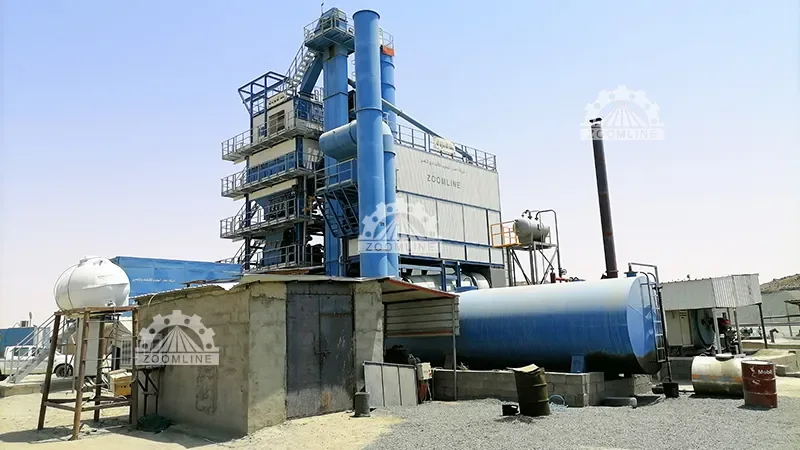
Precision Breakthrough: Core Solutions for Asphalt Mixing Plant Emissions Control
To address the aforementioned emission issues and their root causes, a comprehensive emissions control system must be established through multi-dimensional approaches including equipment upgrades, process optimization, and management enhancement. The following are core solutions validated through practical application:
Upgrade Dust Collection Systems: Intercept Dust at the Source
Dust control is paramount in emission management. Selecting and upgrading high-efficiency dust collection systems is key to reducing dust emissions. The two primary dust collection technologies are baghouse dust collectors and cyclone separators. Baghouse systems, with their superior dust removal efficiency (up to 99.9% or higher), have become the preferred choice for asphalt mixing plants.
Optimizing baghouse performance requires focusing on three key aspects: First, select high-temperature and wear-resistant filter bags to ensure long-term stable operation in the high-temperature, high-dust environment of asphalt mixing plants, thereby extending service life. Second, equip the system with a pulse-jet cleaning mechanism that uses high-frequency pulses to efficiently remove dust from the bags, preventing clogging and maintaining dust removal efficiency. Third, rationally control the air-to-cloth ratio by adjusting the air volume to filter bag area ratio based on dust concentration and equipment scale, ensuring effective dust removal while reducing energy consumption.
Optimizing Combustion and Drying Systems: Reducing Exhaust Emissions
Burners are the primary source of combustion exhaust. Optimizing combustion systems reduces emissions like SO₂ and NOx at the source. First, adopt low-emission, high-efficiency burners. These precisely control air-fuel ratios to achieve complete combustion, significantly lowering harmful emissions. Second, enhance combustion efficiency by regularly calibrating and maintaining burners to ensure optimal atomization and stable flames. Additionally, prioritize clean fuels like natural gas or light oil over traditional heavy oil and coal to fundamentally reduce pollutant generation.
Additionally, optimizing aggregate drying systems is crucial. Adjusting dryer speed, tilt angle, and hot air velocity ensures uniform drying, preventing localized overheating that causes dust dispersion and increased exhaust emissions.
Strict Control of Asphalt Fumes and VOCs: Implementing “Full-Process” Collection and Treatment
Asphalt fumes and VOCs management must follow the “collection + treatment” principle to achieve full-process control. During collection, sealed mixing and conveying systems should be employed. Seal volatile-prone areas like asphalt storage tanks and mixing drums to reduce fugitive emissions. Simultaneously, install dedicated collection hoods and ducts to centrally capture evaporated asphalt fumes.
For treatment, select appropriate technologies based on emission scale and environmental requirements: For small-to-medium mixing plants, a combined “secondary dust filtration + activated carbon adsorption” process effectively removes particulates and VOCs from fumes. For large-scale plants, thermal oxidation technology is the preferred choice, decomposing VOCs into harmless carbon dioxide and water through high-temperature oxidation, achieving over 95% treatment efficiency.
Scientific Utilization of Recycled Asphalt Pavement (RAP): Balancing Environmental Protection and Economic Benefits
Efficient RAP utilization is a key direction for environmental upgrades in asphalt plants. However, excessively high RAP content or improper handling can increase emissions. Advanced RAP feeding and heating technologies are crucial for addressing this: Parallel drum systems enable separate heating of RAP and new aggregates, preventing excessive RAP heating that generates large amounts of waste gas. while hot gas bypass systems precisely control temperatures to minimize RAP volatilization.
Concurrently, enhanced RAP pretreatment and management are essential. Strictly controlling RAP moisture content and temperature ensures uniform feeding, preventing increased drying loads and emission exceedances caused by excessive moisture. Through scientific management, RAP utilization rates can exceed 50%, reducing raw material costs while alleviating environmental pressure.
Intelligent Upgrades: Enhancing Emission Control Precision
The intelligent control system serves as the “smart brain” for emission management in modern asphalt mixing plants. Through automation technology, it effectively minimizes emission fluctuations caused by human operation. Leveraging PLC (Programmable Logic Controller) and IoT technology, it enables real-time monitoring and automatic adjustment of parameters such as temperature, airflow, and dust concentration across all plant processes, ensuring equipment consistently operates under optimal environmental conditions.
For instance, when dust concentration exceeds limits, the system automatically increases pulse cleaning frequency; when combustion efficiency drops, it precisely adjusts fuel-air ratios. This intelligent upgrade not only enhances emission control accuracy but also provides data-driven insights for equipment maintenance and process optimization, further reducing emissions.
Strengthened Operations Management: Building a Robust Environmental Defense
Comprehensive O&M management is essential for implementing emission control measures, requiring an “O&M system centered on prevention and full-process control.” On one hand, strict preventive maintenance plans must be established to regularly inspect and maintain dust removal equipment, burners, sealing systems, etc., promptly replacing aged components to prevent emission exceedances caused by equipment failures. On the other hand, detailed equipment inspection checklists should be compiled, clearly defining inspection frequencies and standards for wear-prone components such as dust collection filter bags, activated carbon, and seals.
Simultaneously, enhancing operator training is crucial. Systematic training should familiarize operators with the operational principles and standards of environmental protection equipment, equipping them with parameter adjustment skills to prevent emission issues caused by operational errors. Furthermore, a comprehensive emission monitoring and recording system must be established, involving regular testing of emission indicators and data retention to provide robust support for environmental acceptance inspections and compliance audits.
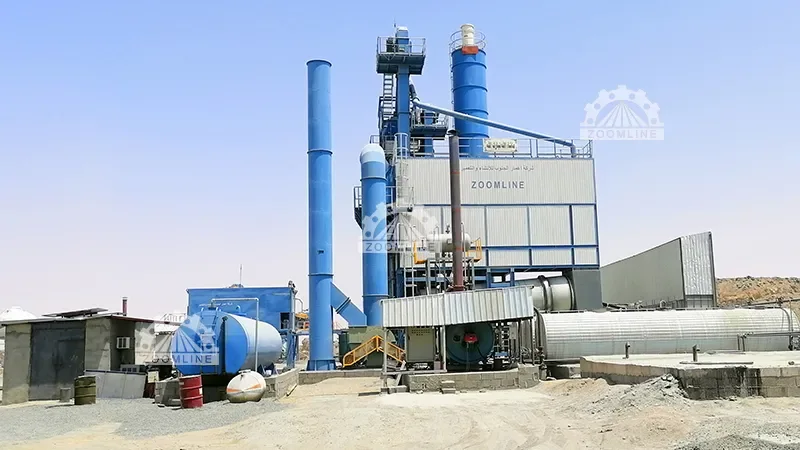
Compliance and Forward-Looking: The Environmental Development Path for Asphalt Mixing Plants
For asphalt mixing plant enterprises, emission control is not only a mandatory requirement to meet current environmental standards but also a cornerstone for long-term business development. At the compliance level, it is essential to thoroughly understand local and national emission standards, such as the “Emission Standards for Air Pollutants from Asphalt Concrete Mixing Plants,” and develop specialized remediation plans tailored to these requirements. This ensures preparedness for environmental acceptance inspections and audits. Modern low-emission asphalt mixing plants can easily meet or exceed national standards through these comprehensive measures, helping enterprises mitigate policy risks.
From an industry perspective, green and low-carbon practices have become the core development direction for asphalt mixing plants. In the future, warm mix asphalt technology will gradually replace traditional hot mix asphalt techniques, reducing energy consumption and emissions by lowering mixing temperatures. Electrification upgrades for mixing plants will accelerate, replacing fossil fuels with electricity to achieve zero pollutant emissions. Concurrently, eco-friendly plant designs will become mainstream, integrating greening, soundproofing, and sealing measures to foster harmonious coexistence with surrounding environments.
Conclusion: Paving a New Future for Asphalt Mixing Plants Through Environmental Upgrades
Addressing emissions from asphalt mixing plants requires a multidimensional, systematic approach encompassing equipment, processes, management, and intelligent solutions—not merely upgrading individual equipment or optimizing single processes. Every measure is essential: from upgrading dust collection systems and optimizing combustion processes to strictly controlling asphalt fumes, scientifically utilizing recycled asphalt, implementing intelligent management, and strengthening operations and maintenance.
Investing in environmental protection is investing in the future. For asphalt mixing plant enterprises, proactively upgrading emission control not only ensures compliance but also enhances competitiveness and earns market trust. Whether retrofitting existing equipment or constructing new eco-friendly plants, long-term vision is paramount—selecting advanced, reliable environmental technologies and solutions is essential.
Let us act together, driving the transformation of the asphalt mixing plant industry with green technology. By infusing infrastructure development with environmental responsibility, we build a brighter future—where skies are bluer and roads flow smoother.