






How to Check Potential Safety Hazards in Asphalt Plant
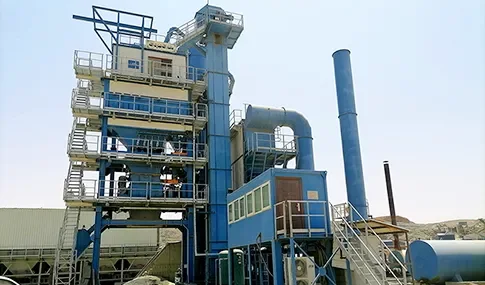
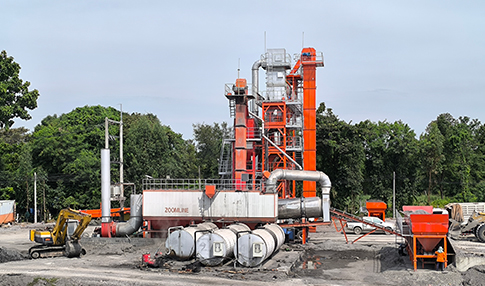
As core equipment in road construction, asphalt mixing plants handle critical processes such as high-temperature aggregate heating, asphalt blending, and finished product production. Their operational environment involves multiple risk sources, including mechanical transmission, high-voltage electricity, high-temperature media, and chemical volatiles. Safety inspections are not only fundamental requirements for protecting frontline workers’ lives but also a core element in maintaining continuous, stable equipment operation and preventing major production accidents. Effective hazard identification directly reduces equipment downtime and maintenance costs while ensuring compliance with OSHA (Occupational Safety and Health Administration) and local safety regulations, mitigating regulatory risks. This document aims to provide a systematic, actionable hazard identification framework to help asphalt plant operators achieve proactive risk assessment and precise prevention, balancing production efficiency with safety assurance.
Common Safety Hazards in Asphalt Mixing Plants
Mechanical Hazards
Core equipment, such as mixers, conveyors, and feeders, harbors significant risks due to their high-speed rotating components. Missing, damaged, or improperly installed guards can easily result in clothing or limbs being caught, causing severe injuries like crushing or lacerations. Equipment operating under prolonged high loads can lead to bearing deterioration, conveyor belt misalignment, excessive component wear, and even critical component failure. This not only halts production but may also cause fatal injuries to operators. Additionally, transmission system issues like jamming due to a lack of regular lubrication and component detachment caused by loose connections represent frequent yet serious safety hazards.
Electrical Hazards
As the core operational hub, the mixing plant’s electrical system encompasses critical components such as high-voltage control cabinets, power cables, and sensors. Aging or damaged insulation on wiring, prolonged circuit overload, and inadequate equipment grounding can easily trigger short circuits and electric shock accidents. Dust accumulation inside control boxes or humid environments accelerates electrical component failures. Outdoor electrical equipment lacking lightning protection devices faces severe risks during thunderstorms: not only can equipment be destroyed, but the lives of workers are seriously endangered, posing major production hazards.
Thermal and Fire Hazards
Core equipment like asphalt mixing plants, dryers, and burners operate continuously under high-temperature conditions. Aggregate heating peaks at 160-180°C, while asphalt storage requires constant temperature maintenance between 130-160°C. Under these conditions, a malfunction in the temperature control system or excessive coking buildup on the dryer cylinder walls due to material residue can easily cause localized overheating and ignite fires. Additionally, failure to adhere to safety protocols during fuel storage (e.g., diesel, natural gas), leaks in aging or corroded pipelines, and seal failures in thermal oil systems all pose potential triggers for fires and explosions.
Environmental and Dust Hazards
During aggregate crushing, screening, and conveying, mixing plants generate substantial dust. Untreated dust not only causes air pollution but also poses significant dust explosion risks. Additionally, clogged or damaged filter bags in baghouse dust collectors can lead to excessive dust emissions, violating environmental regulations. Furthermore, the high-decibel noise generated by equipment like crushers and fans during operation can cause long-term damage to workers’ hearing health—a safety hazard that is often overlooked.
Chemical and Fume Hazards
Asphalt fumes and VOC pollution risks: Asphalt continuously releases volatile organic compounds (VOCs) and fumes during high-temperature heating. Without efficient purification systems like adsorption or catalytic combustion, these harmful gases accumulate in work areas and directly enter workers’ respiratory tracts. Long-term exposure may cause chronic respiratory diseases.
Additive Management Risks: Additives like anti-stripping agents and modifiers pose risks of violent chemical reactions if not stored according to their chemical properties. Mixing processes violating standard ratios may trigger abnormal polymerization, decomposition, or other side reactions, releasing toxic gases or generating unstable substances.
Personal Protection Deficiency Risk: Failure to properly wear PPE, such as respirators (equipped with organic vapor filters) and chemical-resistant gloves, significantly increases the risk of skin contact with asphalt and additive residues or inhalation of leaked volatile gases, directly threatening occupational health and safety.
Pre-Inspection Preparations
Familiarize with Safety Standards and Regulations
Strict adherence to multi-dimensional regulatory requirements is essential before inspection:
International Standards: Reference asphalt production safety standards to ensure compliance with globally accepted safety protocols;
Domestic Regulations: Implement localized safety inspection requirements based on construction safety inspection standards;
Equipment Guidelines: Conduct targeted operational safety checks using manufacturer-provided safety manuals;
Corporate Standards: Execute internal safety SOPs (Standard Operating Procedures) to ensure seamless integration of inspection processes with corporate management systems. Coordinating these four elements establishes a comprehensive compliance framework, mitigating risks of omitting critical inspection items.
Prepare Professional Inspection Tools
To ensure precise and efficient inspections, equip with specialized detection tools and use them according to protocols:
- Personal Protective Equipment (PPE): Heat-resistant gloves, impact-resistant goggles, gas masks, reflective vests to safeguard personnel safety
- Detection Instruments:
◦ Thermal imaging camera: Identifies abnormal heat sources in equipment
◦ Vibration monitor: Real-time vibration tracking for mechanical failure prediction
◦ Temperature gauge: Precise measurement of critical component temperatures
◦ Electrical testers: Insulation resistance tester (evaluates electrical insulation), ground resistance tester
◦ Pressure monitoring tools: Pressure gauges to ensure safe operation of pressure vessels
◦ Environmental monitoring instruments: Dust concentration detectors to monitor workplace safety
All testing tools must be calibrated in advance to ensure data accuracy and reliability, providing scientific basis for hazard identification.
Develop a Detailed Inspection Checklist
Leveraging the modular structure of the mixing plant, establish a three-dimensional safety inspection system:
Equipment Safety Checklist
◦ Mechanical Systems: Inspect conveyor belt guard gap (≤10cm), integrity of transmission component guards; mixer shaft seal wear, mixing blade bolt torque values
◦ Electrical Systems: Test distribution cabinet ground resistance (≤4Ω), insulation layer aging; inverter cooling fan operation, motor terminal tightness
◦ Thermal Systems: Verify asphalt tank safety valve calibration validity and thermal oil pipeline insulation integrity; burner ignition system responsiveness and flue ash accumulation
Personnel Management Checklist
◦ Certification: Confirm validity of special operation personnel credentials (electricians, pressure vessel operators)
◦ Protective Gear: Inspect workers’ chin strap usage on safety helmets, dust mask seal integrity, and provision of heat-resistant gloves for high-temperature operations
◦ Training Records: Verify new employee Level 3 safety training records, annual safety assessment results, and emergency drill participation logs
Operational Procedure Checklist
◦ Pre-startup Inspection: Confirm lubrication system oil levels and pneumatic system pressure values; Inspect dust bag clogging and silo limit switch responsiveness
◦ Operational Monitoring: Track mixer current fluctuations and asphalt temperature curves; log discharge chute fall arrest status and on-site dust concentration readings
◦ Post-Shutdown Maintenance: Verify residual material clearance and electrical cabinet moisture control; document equipment anomalies in shift handover logs
Step-by-Step Guide to Checking Safety Hazards
Structural and Foundation Inspection of Asphalt Mixing Plant
- Structural Stability Verification: Conduct comprehensive structural inspections of towers, operating platforms, and staircases. Focus on checking for weld cracking and loose bolts. Simultaneously monitor concrete foundation settlement to promptly identify and eliminate potential structural risks.
- Elevated Safety Barrier Inspection: Strictly enforce guardrail height standards (≥1.2m) to ensure compliance with safety regulations. Conduct detailed assessments of ladder tread slip resistance, evaluating wear on anti-slip patterns. Accurately measure walkway panel load-bearing capacity to prevent falls due to defective safety barriers.
- Corrosion Prevention Inspection for Metal Structures: Quantify rust levels on exposed outdoor metal components using professional detection methods. Establish a corrosion risk log and implement anti-corrosion treatments based on rust classification to ensure structural safety and durability.
Comprehensive Mechanical System Inspection
Check motor operating temperature (normal ≤80°C) and bearing vibration values (≤4.5mm/s), ensuring no abnormal noises; Verify conveyor belt tension and alignment, assess idler roller rotation flexibility, and clean material buildup from drum surfaces;
Confirm lubrication system oil levels and quality, inspect gearboxes and couplings for leaks;
Test emergency stop buttons and safety interlocks (e.g., door interlocks, overload protection) for responsiveness, ensuring immediate equipment shutdown upon activation.
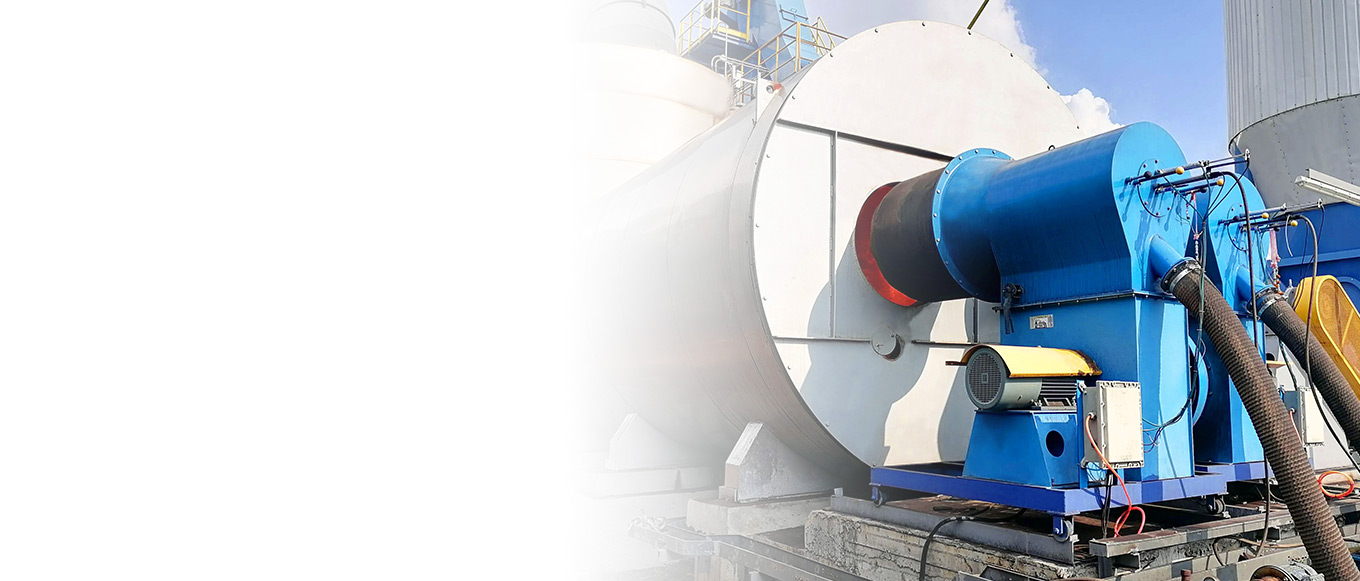
Dryer and Heating System Inspection
Burner System Inspection:
◦ Observe flame condition to ensure stable blue flame without yellow flames, black smoke, or other anomalies
◦ Monitor combustion stability and verify fuel supply pressure fluctuations meet standards
Dryer Safety Inspection:
◦ Inspect dryer cylinder seals to prevent high-temperature gas leaks causing burns or fire hazards
Temperature Control System Calibration:
◦ Test temperature control system accuracy to ensure aggregate outlet temperature fluctuations remain within ±5℃
Fuel Delivery System Inspection:
◦ Inspect fuel delivery pipelines and valve seals to eliminate leakage hazards
◦ Verify regular calibration records for safety valves and pressure gauges to ensure safe equipment operation
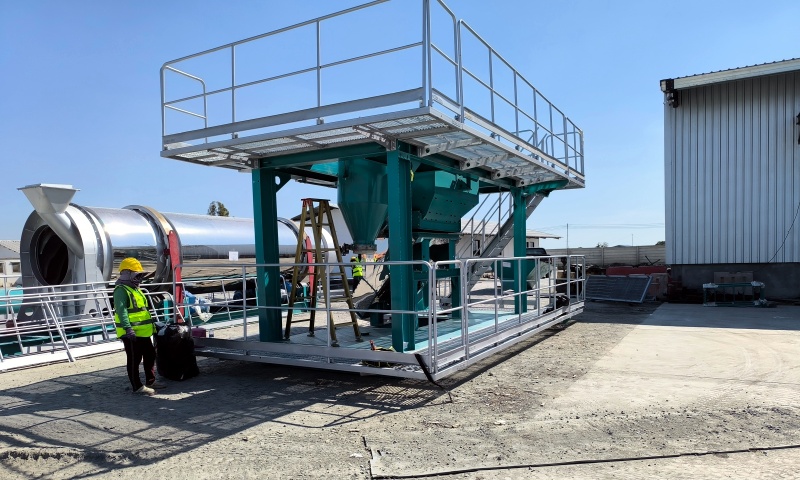
Handling and Environmental Protection System Inspection
Filter Bag Inspection: Integrate cleanliness and damage checks with differential pressure monitoring, emphasizing key metrics and anomaly detection.
Dust Bin: Emphasize the operating mechanism and abnormal risks of pressure relief valves.
Fans and Ductwork: Clearly define inspection priorities and objectives.
Exhaust Outlet: Specify testing purposes and standard references.
- Filter Bag Maintenance: Regularly inspect baghouse filter bag cleanliness and damage, concurrently monitoring bag resistance via differential pressure gauges. If readings persistently exceed 1500Pa, promptly investigate blockages or damage.
- Dust Bin Safety: Prioritize verification of pressure relief valve operation to ensure automatic pressure release during abnormal bin pressure buildup, preventing dust explosion risks.
- Ventilation System: Conduct comprehensive checks on fan operating parameters and stability. Simultaneously inspect ductwork joint seals to eliminate dust leakage hazards caused by seal failure.
- Environmental Monitoring: Regularly test exhaust port dust concentrations using professional equipment. Strictly adhere to national environmental emission standards to ensure compliance.
Electrical System Safety Verification
- Enhanced Testing Specifications: Specify insulation resistance meter models and testing conditions to improve professionalism; reinforce standardization with concrete numerical values and ranges.
- Detailed Hazard Identification: Classify cable sheath aging and damage conditions for operational clarity; specify dust removal methods and tools for control cabinets.
- Enhanced Functional Testing: Add simulated scenarios for emergency shutdown circuit testing; include time requirements for backup power switchover verification.
- Protective System Refinement: Specify ground resistance testing frequency and lightning protection device inspection criteria.
- Cable Insulation Testing: Test cables using a 500V insulation resistance meter to ensure insulation resistance ≥1MΩ. Conduct visual and tactile inspections to examine cable jackets for cracks or damage, focusing on bends and joints. Immediately replace cables with cracks deeper than 1mm or exposed conductors.
- Control Box Maintenance and Inspection: Clean dust and debris inside the control box using dry compressed air (pressure ≤0.4MPa) and an anti-static brush to ensure internal cleanliness. Inspect each terminal individually and tighten with a torque wrench to the specified torque to prevent short circuits or poor contact caused by loosening.
- Emergency Function Testing: Simulate abnormal equipment conditions by triggering the emergency stop button. Test the emergency stop circuit response time, which should be ≤2 seconds. Conduct backup power switching tests: after main power failure, the backup power must automatically switch within 10 seconds to ensure stable power supply.
- Grounding and Lightning Protection System Verification: Monthly inspection of the grounding system using a ground resistance tester to ensure ground resistance ≤4Ω. Regular inspection of lightning protection devices, including air terminals, down conductors, and grounding systems. Enhanced protection for outdoor electrical equipment, ensuring secure connections with no corrosion or fractures.
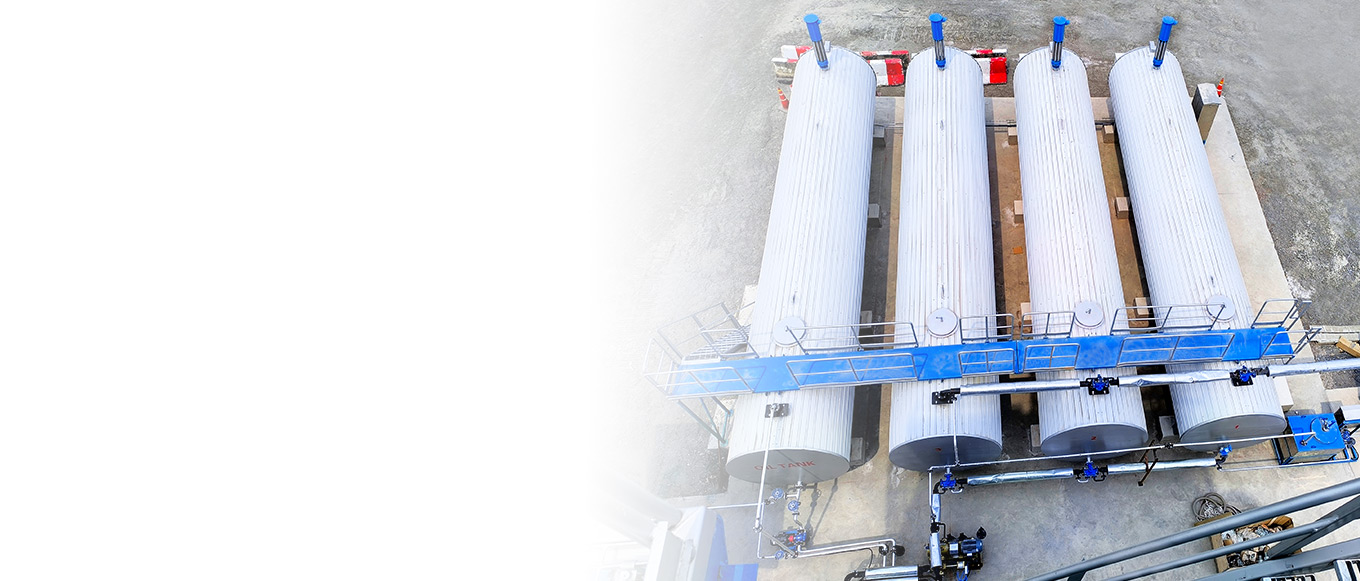
Bitumen Supply and Storage System Inspection
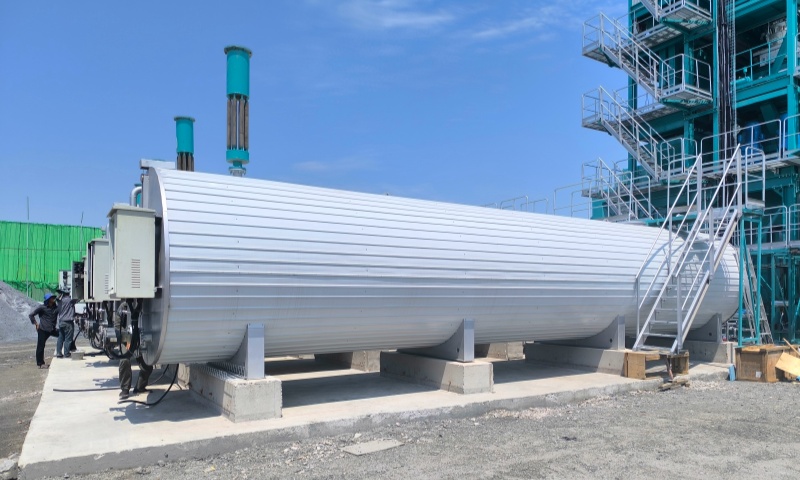
- 1.BitumenTank Body Inspection
◦ Insulation Integrity Verification: Periodically inspect insulation for damage or detachment to prevent asphalt solidification and tank blockage due to heat loss.
◦ Calibration of liquid level and temperature monitoring: Verify accuracy of level gauges and temperature sensors for real-time data reliability; test sensitivity of overflow protection devices (e.g., float switches) to prevent tank overflow incidents
- 2. Conveying System Seal Testing
◦ Asphalt pump and pipeline seal inspection: Employ specialized leak detection equipment to examine connections between asphalt pumps and pipelines, eliminating leakage risks that could cause burns or fires
- 3. Safety Device Performance Verification
◦ Dual Pressure-Temperature Control Calibration: Verify safety valve set points to ensure timely pressure relief during overpressure events; calibrate pressure gauge accuracy to maintain tank temperature and pressure within process safety limits in conjunction with temperature sensors
Aggregate Storage and Feeding System Inspection
- Conduct regular inspections of aggregate silo and hopper interior wear and structural integrity, focusing on material adhesion and blockage risks in corners and retention zones;
- Conduct comprehensive sensitivity testing of level sensors, verify calibration intervals and response accuracy to prevent abnormal conditions like bin overflow or empty bin operation caused by false or missed alarms;
- Thoroughly inspect feeder vibration parameters and abnormal noises, test adjustment device flexibility and reliability to avoid abnormal equipment overload due to uncontrolled aggregate flow.
Personnel Safety and Operational Behavior Oversight
- Personal Protective Equipment (PPE) Management: Strictly inspect PPE usage, ensuring high-temperature workers wear heat-resistant uniforms and protective face shields, while dust-exposed personnel properly wear N95-grade dust masks and safety goggles.
- Equipment Operation Safety Control: Implement full-process supervision of loaders and transport vehicles. Designate dedicated work zones and install warning signs to prevent collision accidents caused by overlapping operations.
- Safety Training Effectiveness Verification: Conduct comprehensive reviews of employee safety training records. Confirm operators are proficient in equipment safety protocols and possess emergency response capabilities. Ensure all personnel pass both theoretical and practical assessments before being authorized to work.
Inspection Findings Documentation and Reporting
Standardize Documentation of Inspection Findings
- Standardize inspection procedures using standardized checklists to detail hazard locations, descriptions, severity levels, and discovery times;
- Document critical hazards with photographic or video evidence for traceability;
- Maintain dynamic hazard logs for immediate recording and rectification of minor issues (e.g., loose bolts, dust accumulation), eliminating risks at their inception.
Scientific Risk Classification
Establish a three-tier risk management system based on hazard severity and potential consequences:
- High-risk hazards: Major risks directly threatening personal safety, such as gas leaks or electrical short circuits, which may cause catastrophic outcomes like explosions, fires, or casualties. Require immediate emergency response and time-bound rectification.
- Medium-risk hazards: Equipment defects like loose guardrail structures or damaged dust filter bags. While not immediately life-threatening, these may cause equipment failure, shutdowns, or minor injuries if unaddressed. Rectification must be completed within 72 hours.
- Low-risk hazards: Environmental issues such as missing safety signage or dust accumulation in work areas. Primarily impacting productivity and workplace conditions, these are incorporated into routine inspection plans and addressed through periodic maintenance.
By scientifically categorizing risk levels, limited safety resources are prioritized for high-risk mitigation, enabling targeted hazard identification and remediation.
Submit Reports to Management
- Develop systematic safety hazard investigation reports: Establish a comprehensive reporting framework covering hazard inventories, risk level assessments, remediation recommendations, estimated remediation costs, and timelines. Risk levels are categorized as high, medium, or low based on dual dimensions of occurrence probability and severity. Rectification recommendations specify responsible parties, technical solutions, and implementation steps; costs and timelines are scientifically calculated using resource consumption models.
- Enhance data visualization: Use pie charts to intuitively display risk distribution proportions and analyze the weight of each hazard category within overall risk. Employ line charts to compare historical hazard data and illustrate trend changes. Supplement with data annotations and trend analysis to improve report readability and decision-making value.
- Precisely drive resource allocation for remediation: Deliver specialized reports to management, combining historical incident cases and industry loss data to quantitatively illustrate potential impacts such as production interruptions, equipment damage, and personnel casualties. Accurately anchor the cost-benefit ratio of remediation efforts to secure necessary human, material, and financial resources.
Preventive Measures and Continuous Improvement
Establish a Routine Safety Maintenance Plan
Implement a Tiered Equipment Inspection and Maintenance System:
- Daily Inspection: Focus on checking wear-prone components such as conveyor belt abrasion and seal aging to ensure basic equipment operational status
- Weekly Inspection: Conduct specialized checks on electrical system insulation performance and lubrication system oil flow integrity
- Monthly Inspection: Perform comprehensive mechanical structure stability checks and test the effectiveness of safety features like emergency stop devices and guardrails
- Annual Inspection: Conduct in-depth maintenance through equipment disassembly, combined with performance testing for systematic upgrades
Simultaneously, implement predictive maintenance technologies:
- Utilize vibration monitoring systems to capture real-time abnormal vibration signals
- Conduct oil physicochemical analysis to anticipate wear trends in critical components like bearings and gears
- Establish equipment health records for intelligent early warning and proactive prevention of potential failures
Upgrade Critical Safety Components
Implement intelligent safety retrofits for aging equipment:
- Install infrared sensor protection devices and automatic overload shutdown systems to establish multi-level safety interlocking
- Comprehensively replace aged electrical wiring and sensors with industrial-grade components resistant to water, dust, and high temperatures
- Upgrade dust treatment systems with high-efficiency filter bags and intelligent pulse-jet cleaning devices, simultaneously enhancing environmental and safety performance
Strengthen Employee Training and Safety Culture Development
- Strengthen Training Framework: Establish a tiered, comprehensive safety training system requiring new hires to pass both theoretical and practical assessments before operation. Training focuses on hazard identification techniques, standardized equipment procedures, and emergency response protocols to ensure robust safety competencies.
- Practical Emergency Drills: Conduct quarterly multi-scenario drills covering fire evacuation, equipment failure repairs, hazardous chemical leaks, and other critical incidents. By simulating real-world incidents, these drills enhance the entire workforce’s emergency response speed and collaborative handling capabilities while refining the practicality of emergency plans.
- Multi-dimensional Safety Education: Prominent safety warning signs and visual operation flowcharts are placed in work areas. Pre-shift meetings utilize case studies for cautionary education, while safety bulletin boards dynamically update safety knowledge. Through diverse educational methods, we cultivate a corporate safety culture where “everyone prioritizes safety, and safety is emphasized in every task,” fortifying the defense for safe production.
Core Value of Regular Hazard Inspections
- Mitigate accident risks and downtime losses: Precisely identifying and eliminating safety hazards significantly reduces equipment downtime caused by sudden failures. This effectively avoids economic compensation and legal disputes stemming from workplace injuries, ensuring the continuity and safety of production activities.
- Extend equipment lifecycle: Standardized hazard inspections and preventive maintenance slow wear rates on core equipment like dryers and mixers, prolonging critical component lifespan. This substantially reduces equipment replacement costs and enhances fixed asset investment returns.
- Ensuring Stable Production Output: Establishing a secure and reliable production environment minimizes production interruptions caused by safety incidents, ensuring continuous and stable operation of asphalt mixing plants. This provides robust production capacity assurance for project delivery.
- Strictly adhere to regulatory compliance: Fully implement environmental protection and safety production standards, proactively avoid risks of administrative penalties and production suspensions due to non-compliant operations, maintain normal business operations, and solidify the foundation for sustainable development.
- Enhance market competitiveness: An exceptional safety management system not only strengthens client confidence and fosters a responsible corporate image but also creates a differentiated competitive edge in market bidding processes, helping expand business reach.
Conclusion
Safety management at asphalt mixing plants is a systematic endeavor requiring a mindset shift from “reactive response” to “proactive prevention.” Establishing standardized hazard identification procedures, implementing full-cycle equipment maintenance systems, and conducting tiered safety training are essential to curb safety risks at their source. Enterprises should increase safety investments, prioritize production equipment with intelligent protection devices and intrinsically safe designs, and establish dynamic safety management mechanisms. By continuously optimizing risk prevention plans, they can safeguard production operations. Safety is the lifeline of development. Only by adopting a “zero-tolerance” approach to hazard identification and resolving risks at their inception can asphalt mixing plants ensure safe, efficient, and sustainable operation.