Calculate the demand first: Define the core parameters
The first step of choosing a mixing plant is to accurately calculate your own demand:
Firstly, determine the annual output, estimate the annual production capacity of the required equipment according to the amount of construction work undertaken each year, to avoid overcapacity or undercapacity;
Secondly, determine the daily peak production capacity, taking into consideration of the concentrated production demand that may occur in the peak construction season, the daily peak production capacity should be 20-30% higher than the average daily demand; then determine the proportion of RAP recycled material used. Considering the concentrated production demand that may occur during the peak construction season, the daily peak production capacity of the equipment should be 20-30% higher than the average daily demand;
Further determine the proportion of RAP recycled material, if the project requires a high proportion of recycled material, give priority to the counter-flow drum or intermittent equipment equipped with a special RAP system;
Lastly, consider the formula switching frequency, if it is necessary to undertake a variety of specifications of the road project, the intermittent mixing plant’s flexibility of the high proportion of the more advantageous.
Capacity Matching Recommendation
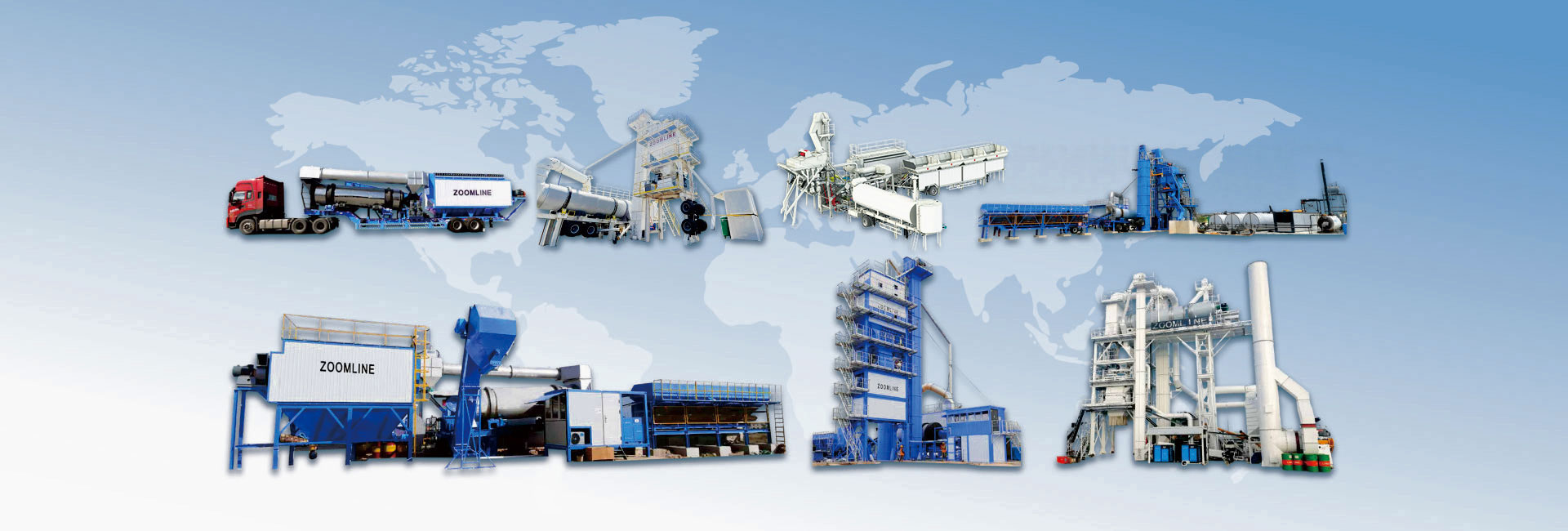
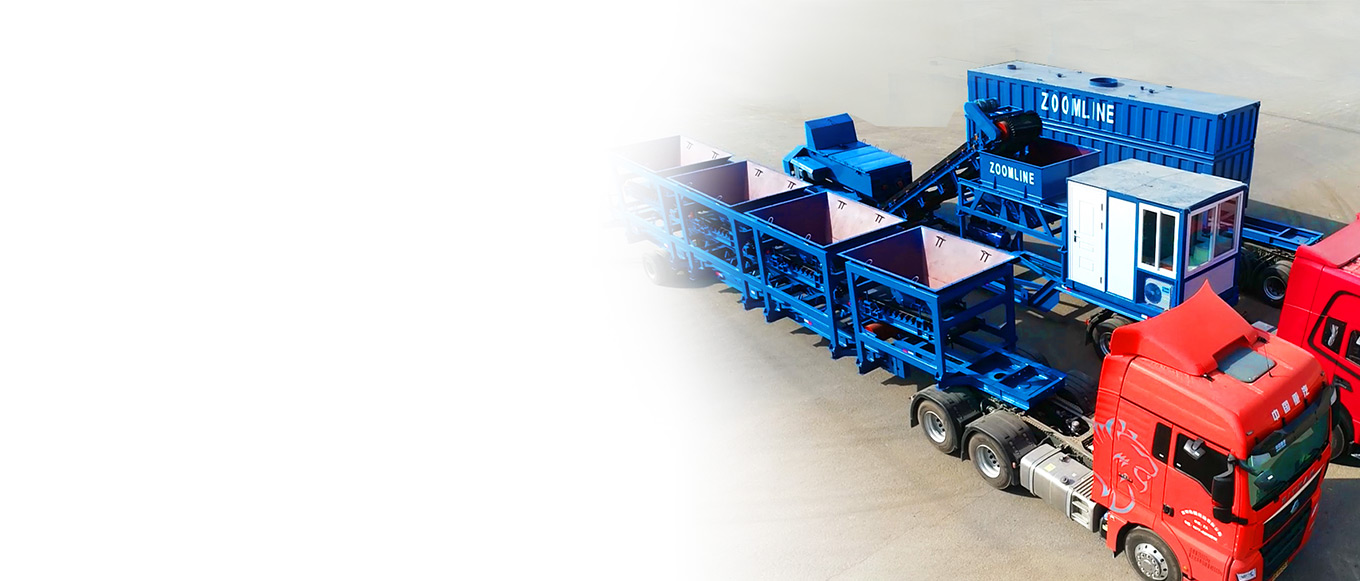
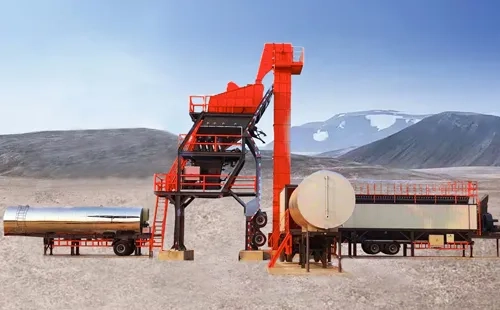
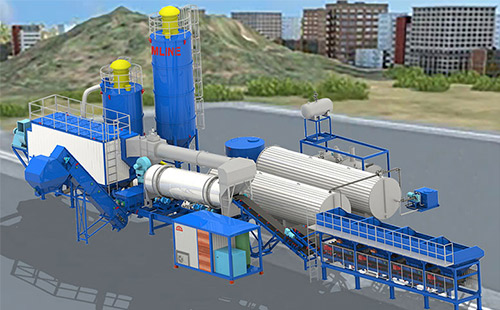
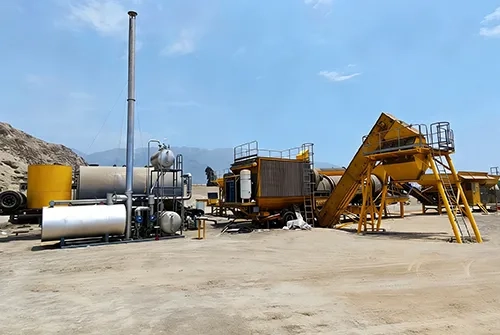
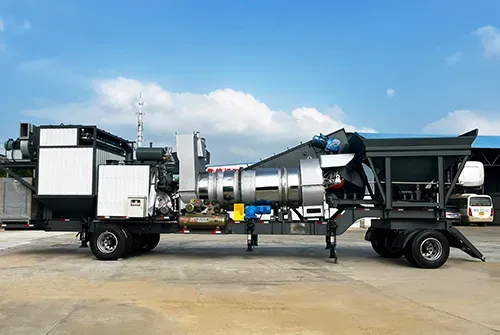
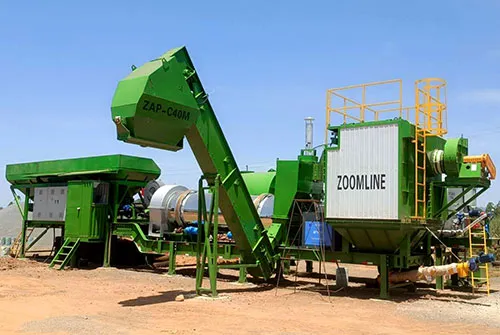
Equipment with 50-80 TPH capacity range is suitable for small contractors, township road maintenance and emergency repair projects, and mobile Drum Mixing Plant is recommended.
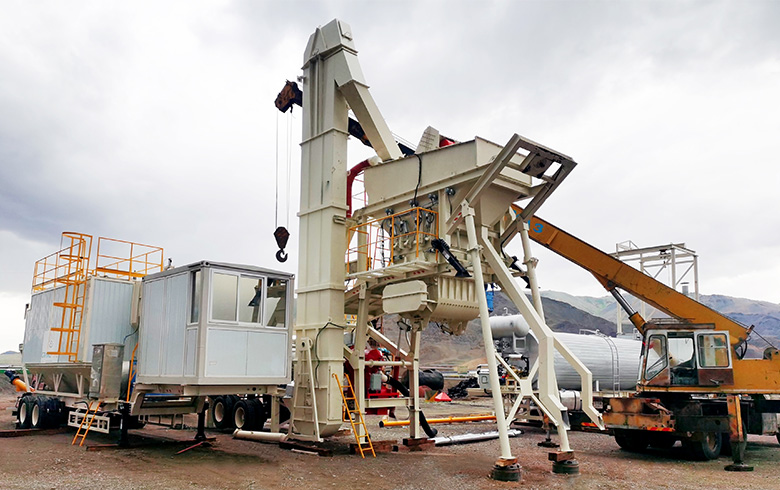
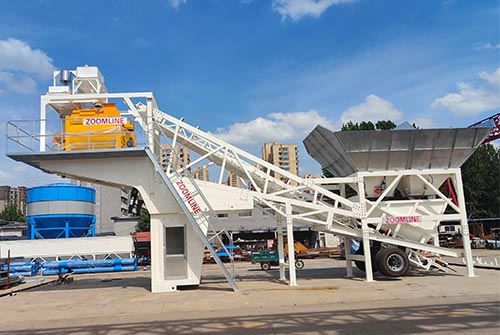
Equipment with 80-120 TPH capacity range is suitable for small and medium-sized municipal projects, county highway reconstruction and multi-site transfer projects, and mobile or semi-fixed B Mixing Plant can be chosen. Mobile or semi-fixed Batch Mixing Plant and Drum Mixing Plant are recommended;
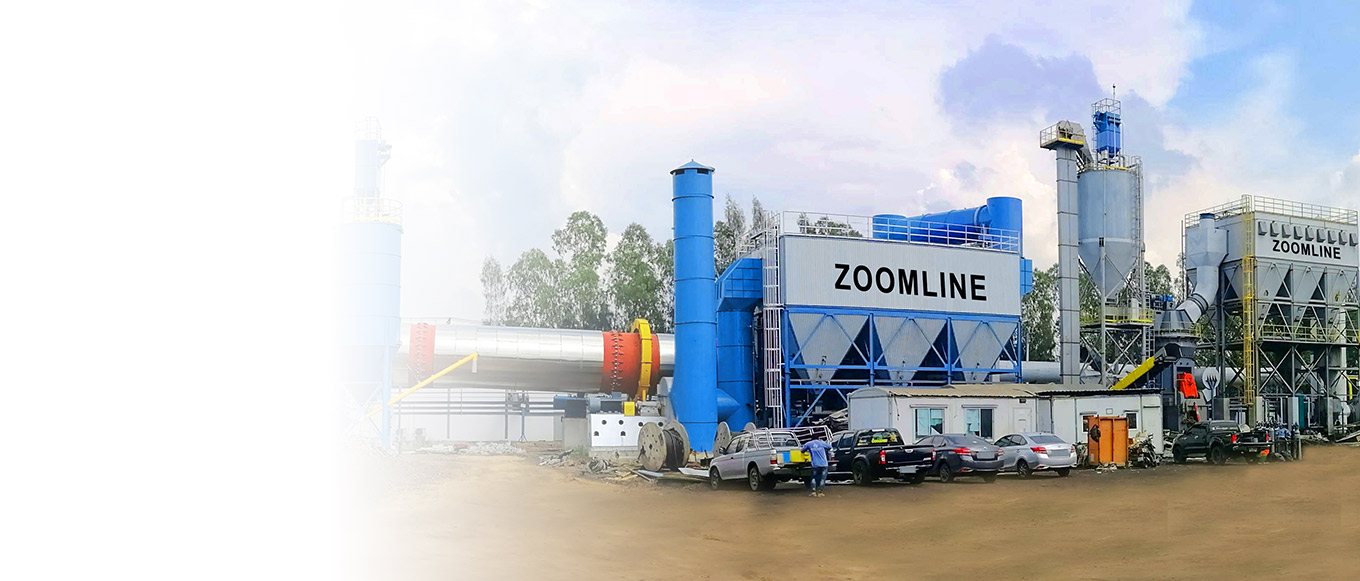
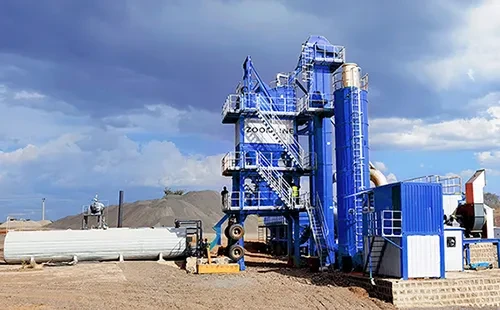
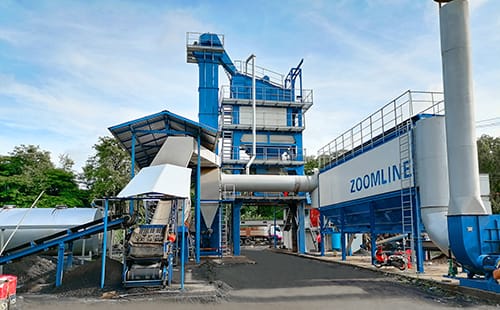
Equipment with capacity range of 120-200 TPH is suitable for main roads of prefecture-level municipalities, highway connecting lines and long-term stable production projects, and semi-fixed Batch Mixing Plant or Countercurrent Drum Mixing Plant is recommended;
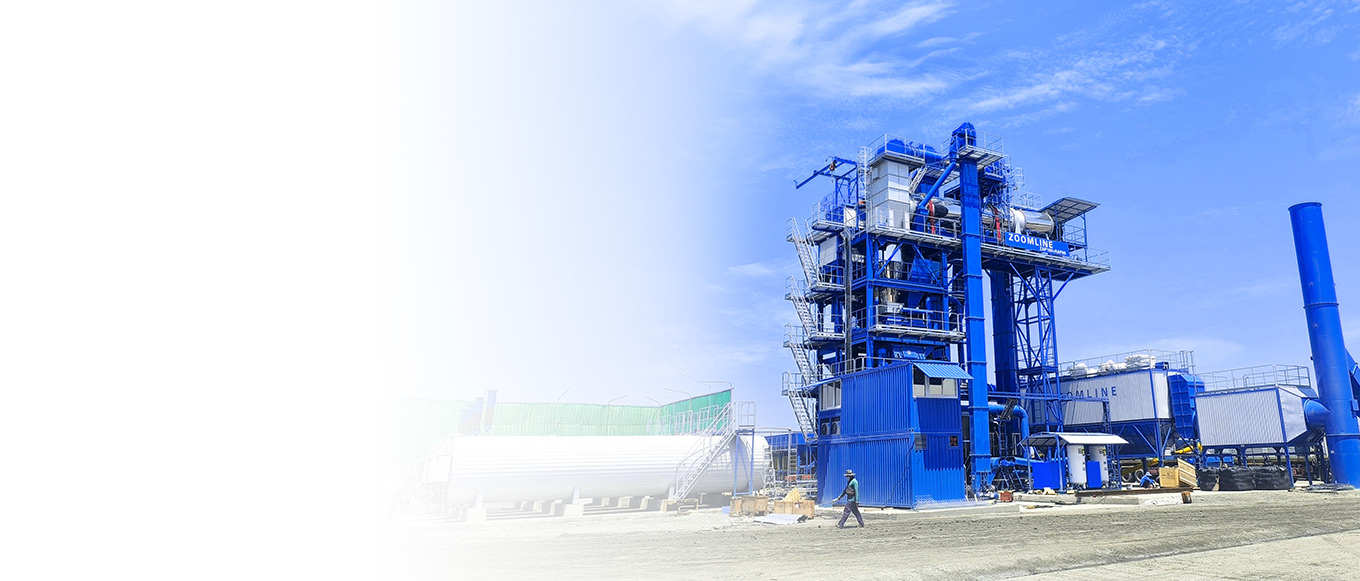
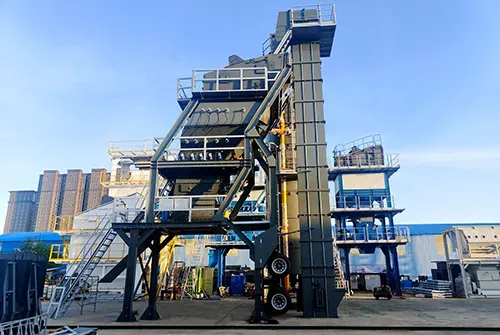
Equipment with capacity range of 200-320 TPH is recommended; Equipment with capacity range of 200-320 TPH is recommended; Equipment with capacity range of 200-320 TPH is recommended. The equipment with capacity range of 200-320 TPH is suitable for highway main road, large-scale municipal projects and regional mixing stations, and fixed Batch Mixing Plant is preferred.
The equipment with capacity range of 320+ TPH is specially designed for extra-large highway projects, permanent mixing stations and inter-regional construction enterprises, and large-scale stationary Batch Mixing Plant (Multi-tower Combination) is recommended. ).
Scenario-based Recommendation
Small Contractors / Road Maintenance Teams
Priority is given to 60-120 TPH Mobile Drum Mixing Plant, which is convenient for equipment transfer, fast installation and commissioning, low initial investment, and can satisfy the needs of piecemeal projects and emergency repairs, while reducing capital pressure.
Highway main contractor
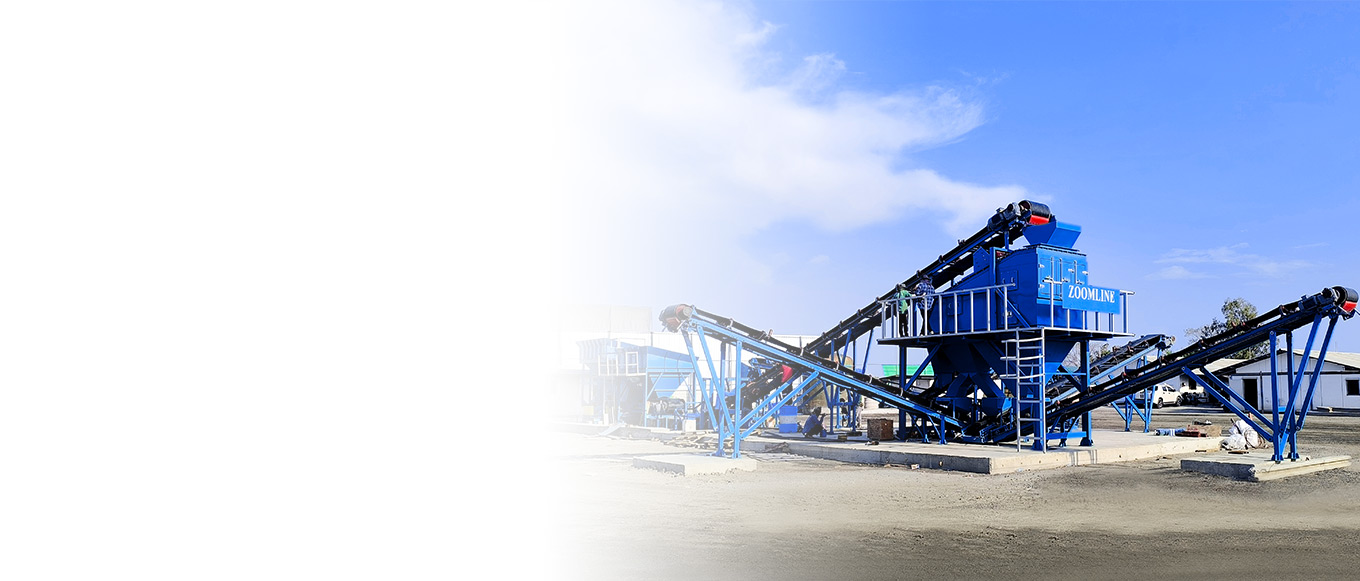
recommends 200+ TPH stationary Batch Mixing Plant with large-capacity finished product silo, which can ensure the strict requirements of high-grade highway on the quality and continuous supply of mixture, and the precise proportion can guarantee the strength and durability of road surface, which is suitable for long-term large-scale production.
High Environmental Protection / High RAP Demand Projects
Choose Recycling Asphalt Plant with independent RAP heating system or high configuration batch mixing plant, which can meet the requirement of over 40% of RAP recycling ratio, and comply with the 2026 ultra-low emission regulations, and at the same time, reduce the cost of energy consumption.
Municipal projects in urban core areas
Priority is given to modular, low-noise, low-dust mixing plants. Mobile Batch Mixing Plants may be considered to minimize the impact on the surrounding environment and to adapt to the characteristics of limited urban construction sites.
Other Key Decision-making Factors
Mobility Requirements
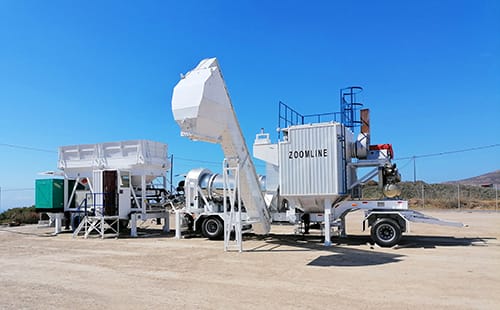
Select mobile or stationary equipment according to the distribution of the project. If multi-site transshipment is involved, give priority to mobile batching plant to enhance the flexibility of construction scheduling.
Environmental compliance
Confirm whether the emission indexes of the equipment comply with the latest local environmental protection standards, including dust, noise, and exhaust gas emission, etc., so as to avoid project stoppage due to non-compliance with emission standards.
Capacity Expansion Potential
Select equipment with modular design to facilitate the later addition of core components (e.g., aggregate silos, mixing cylinders, and finished product silos) to increase capacity, to meet the needs of business scale expansion, and to reduce secondary investment costs.
Spare parts supply and after-sales service
Priority is given to manufacturers with spare parts warehouses and after-sales service teams in or around the project site to ensure quick response in case of equipment failure, timely provision of spare parts replacement and technical support, and reduction of downtime losses.