

Benefits of Mobile Concrete Batching Plant for Small Businesses
In small-to-medium-sized infrastructure projects, rural development, road maintenance, and small-scale civil engineering projects, the biggest operational challenge for small construction firms is often not construction technology, but rather the unpredictability of concrete supply.
Relying on third-party ready-mix concrete plants for supply can lead to issues such as transportation delays, inconsistent slump, high freight costs, and material waste. Leasing a stationary concrete batching plant involves high upfront costs and severe site constraints, making it completely unsuitable for the short-term, multi-site, and flexible construction needs of small businesses.
In contrast, mobile concrete batching plants—with their portability, low cost, high precision, and full automation—have become the core equipment for small and medium-sized construction crews and small engineering firms in recent years, helping them reduce costs, improve efficiency, and expand their scope of work. This article provides a detailed breakdown of the ten core benefits these concrete batching plants offer small businesses, along with selection recommendations and common FAQs to assist companies in making informed decisions.
What Is a Mobile Concrete Batching Plant?
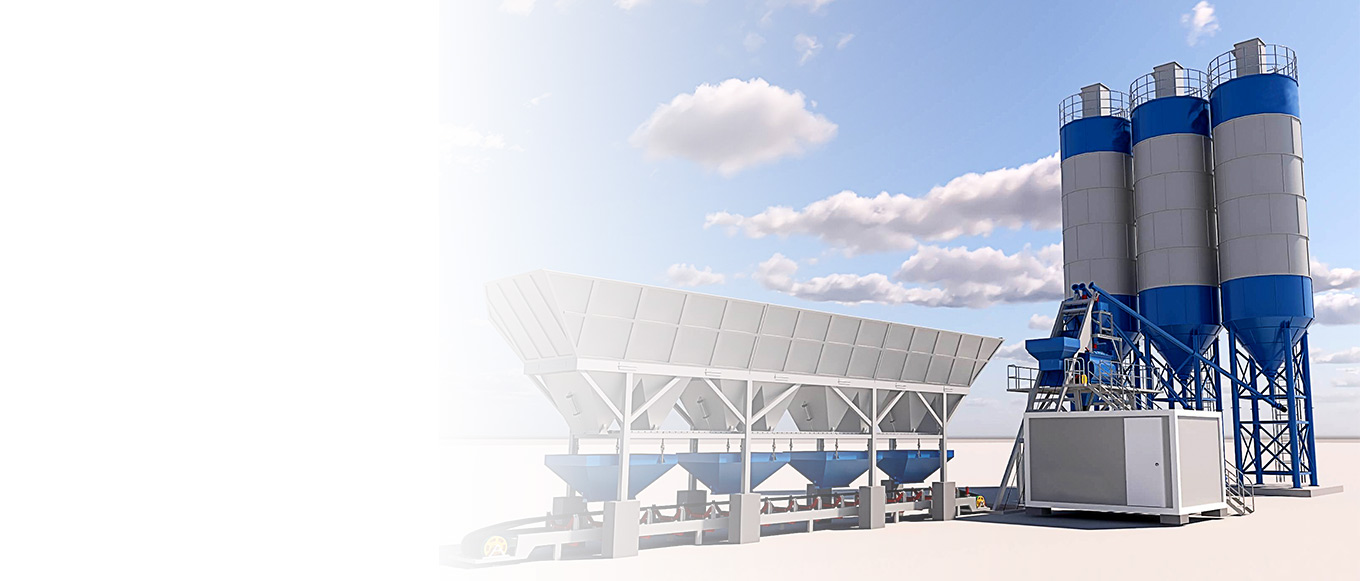
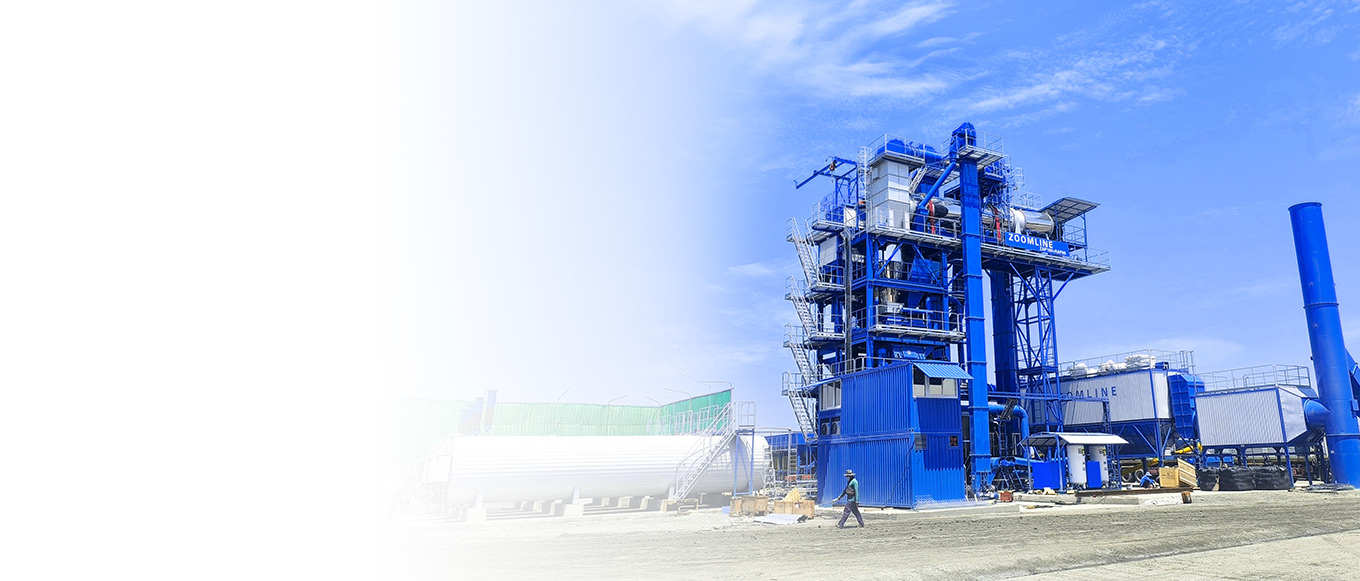
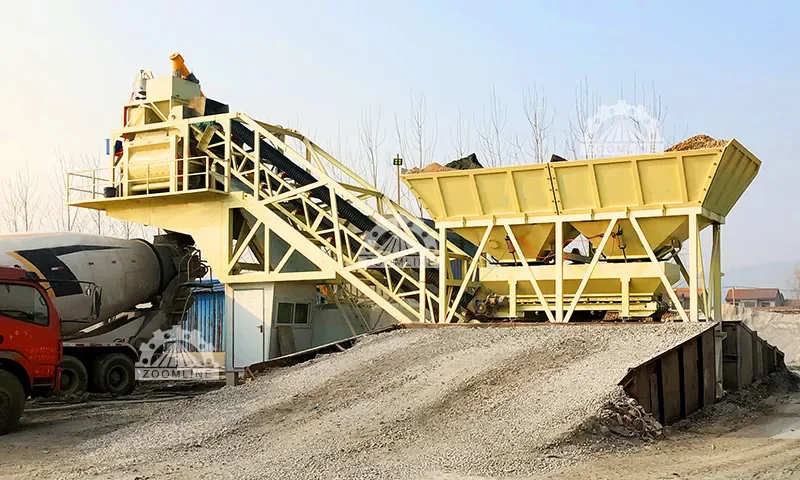
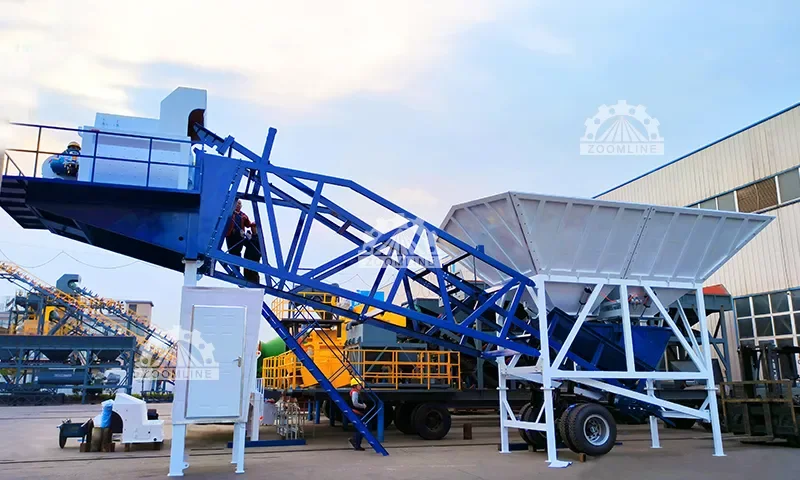
A mobile concrete batching plant is an integrated mixing system mounted on a trailer chassis, effectively functioning as a small, mobile, smart concrete factory. The equipment integrates aggregate bins, cement silos, a weighing system, a mixing unit, and an electrical control system, eliminating the need for complex civil engineering foundations.
The key difference from traditional fixed batching plants is its ability to relocate at any time and achieve rapid installation and commissioning. Featuring a modular design and built-in travel mechanism, it is ideal for temporary construction sites, remote mountainous areas, and scattered work locations.
This equipment is designed for small-to-medium production capacity and flexible operations, perfectly aligning with the project characteristics of small construction firms. It represents the optimal mixing solution for short-term projects, multi-site construction, and remote infrastructure projects.
Benefits of Mobile Concrete Batching Plant for Small Businesses
Flexible relocation of the entire unit, enabling a wider service area
Most small construction firms undertake scattered, short-term, and multi-site projects. Fixed concrete batching plants cannot be moved along with these projects, which severely limits their utility.
Mobile concrete batching plants are mounted on trailers and can be towed directly for transport without the need to disassemble core components. Whether for rural roads, mountainous infrastructure, pipeline renovations, or sectional highway projects, they can be rapidly deployed on-site.
This flexibility allows small businesses to expand beyond fixed service areas, enabling them to take on niche projects in remote, temporary, or confined sites, thereby significantly broadening their business scope.
Dramatically reduces overall costs and increases project profitability
Cost control is key to profitability for small construction firms. The traditional model of purchasing ready-mix concrete involves high transportation, pumping, and expedited delivery fees, with long-distance shipping costs remaining particularly high.
Mobile batching plants enable on-site mixing and immediate use, completely eliminating third-party delivery fees. Additionally, the high level of automation requires only one operator to complete the entire process, significantly reducing labor costs.
Compared to fixed batching plants, mobile units have lower procurement costs, require no site hardening, and involve minimal civil engineering investment, resulting in lower upfront investment pressure and better alignment with the budgets of small and medium-sized enterprises.
On-demand production eliminates concrete waste
Purchasing ready-mix concrete often presents the dilemma of “over-ordering leading to waste or under-ordering causing work stoppages.” To avoid material shortages during construction, companies often over-order concrete, resulting in leftover materials being scrapped—a practice that leads to significant cumulative losses over time.
Mobile batching plants support small-batch, high-frequency, on-demand production, allowing batch output to be flexibly adjusted based on daily construction progress. By precisely matching construction needs, they reduce material waste at the source and effectively improve project gross profit margins.
Fully Automated, Precise Batching Ensures Consistent Construction Quality
Manual on-site mixing involves significant variability in proportions, making it difficult to control the ratios of cement, sand, gravel, and water. This often leads to quality issues such as substandard concrete strength, inconsistent slump, cracking, and spalling, thereby increasing rework costs.
Modern mobile batching plants are equipped with PLC intelligent control systems and high-precision weighing modules. Aggregates, cement, water, and admixtures are all automatically measured and precisely proportioned, with measurement errors controlled within industry standards.
The equipment can store common mix designs such as M15, M20, M25, and M30, which can be recalled and reused with a single click. This ensures consistent and stable quality for every batch of concrete, effectively mitigating potential construction quality risks. Additionally, the system automatically generates production reports for project quality inspections and audit documentation.
Rapid Deployment and Commissioning, Without Delaying Project Schedules
Fixed batching plants require foundation construction, pipeline installation, and equipment commissioning, with an overall installation cycle lasting several weeks—making them completely unsuitable for short-term emergency projects.
Mobile batching plants feature a modular, integrated design that eliminates the need for complex civil engineering work. Once the site is leveled, installation, commissioning, and full-scale production can be completed within 1–2 days.
For government small-scale projects, emergency repairs, and temporary infrastructure projects with tight schedules, these plants can be rapidly deployed to begin operations, eliminating delays caused by equipment preparation.
Highly Adaptable to Multiple Scenarios, with Exceptional Construction Versatility
Small construction firms handle a wide variety of projects, spanning rural infrastructure, road maintenance, water conservancy channels, photovoltaic and wind power foundations, small-scale building construction, and municipal renovations.
The mobile batching plant adapts to all types of construction scenarios and allows for flexible adjustment of concrete mix ratios. It can produce standard residential concrete as well as customize high-strength and special-slump materials for engineering projects.
Whether for large-scale continuous pouring or small-scale sporadic pouring, it performs reliably. A single unit can meet the vast majority of a company’s construction needs.
Break Free from Supplier Dependency and Gain Greater Control Over Construction
Purchasing ready-mix concrete is highly susceptible to factors such as supplier capacity, traffic conditions, and weather, often leading to delivery delays and material shortages, which result in idle labor and project delays.
By deploying a mobile batching plant, companies can achieve self-sufficiency in concrete production and fully control the production schedule. Construction can proceed around the clock—day or night—according to the schedule, free from third-party supply constraints, ensuring full control over the project.
Expand Production Capacity to Take on Larger Projects
Traditional manual mixing is extremely inefficient and has limited capacity, restricting small businesses to small, scattered projects and preventing them from scaling up.
Mobile batching plants operate continuously and automatically, far surpassing manual mixing in efficiency and reliably meeting the concrete demands of small-to-medium-sized projects.
This increased production capacity enables small enterprises to undertake medium-sized road, water conservancy, and municipal projects, breaking through business scale bottlenecks and supporting steady corporate expansion.
Eco-Friendly and Energy-Efficient, Easily Passing Construction Site Environmental Inspections
Environmental regulations on construction sites are becoming increasingly strict; exceeding limits for dust, noise, or wastewater can lead to work stoppages and corrective actions. Traditional open-air manual mixing generates significant dust and pollution, making it difficult to meet standards.
The new mobile batching plant is equipped with enclosed batching hoppers, dust-proof conveyor belts, quiet motors, and a wastewater recycling system. The operation produces minimal dust, low noise, and no material spillage, meeting green construction standards.
The equipment effectively reduces carbon emissions during construction, meets the environmental acceptance requirements for various formal projects, and avoids work stoppage losses caused by environmental issues.
High Resale Value, Outstanding Long-Term Investment Value
For small businesses, the cost-effectiveness of equipment investments is crucial. Mobile mixing plants not only have a low entry barrier but also offer exceptional versatility and strong value retention.
The equipment has a low failure rate, is easy to maintain, and incurs minimal daily upkeep costs. When idle, it can be leased out to generate revenue; even when relocated or sold, it retains a high residual value. Long-term use allows for the gradual amortization of equipment costs, making it a sound fixed-asset investment for small and medium-sized enterprises.
How Can Small Businesses Determine Whether They Need a Mobile Concrete Batching Plant?
Not all construction scenarios require the purchase of a mobile concrete batching plant. You can make an accurate assessment based on your specific business model:
Suitable scenarios
Small construction companies engaged in multi-site mobile construction, short-term temporary projects, remote locations without ready-mix concrete plants, frequent supply delays, a desire to strictly control costs and quality, or plans to expand their service area.
Scenarios Not Suitable for Purchase
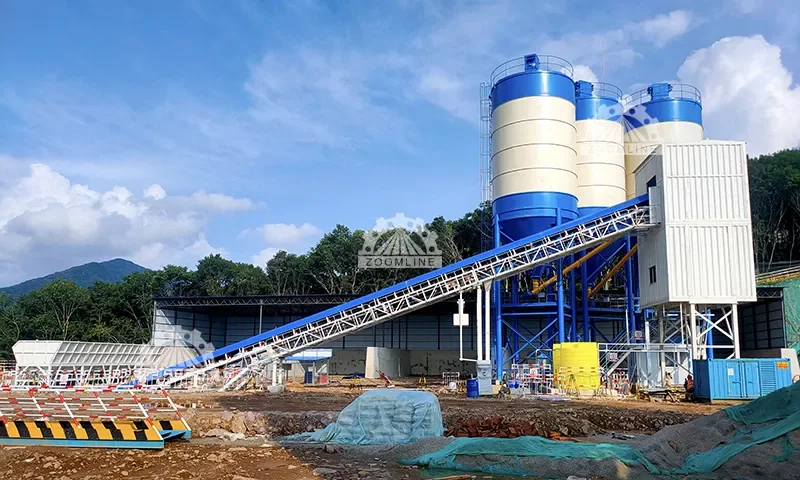
Long-term, fixed, single large construction sites; or situations requiring extremely high continuous pouring capacity. In such cases, it is more cost-effective to prioritize fixed concrete batching plants.
Frequently Asked Questions (FAQ)
What is the fundamental difference between a mobile concrete batching plant and manual on-site mixing?
Manual mixing relies on experience-based ratios, resulting in significant errors, inconsistent quality, high waste, and low efficiency. Mobile concrete batching plants use fully automated, computer-controlled precision measurement, ensuring standardized ratios, traceable quality, stable output, and minimal waste, fully meeting formal engineering acceptance standards.
Can the construction efficiency of a mobile batching plant match that of a fixed plant?
For small- to medium-scale, mobile projects, the efficiency of a mobile batching plant is fully sufficient and offers greater flexibility. Fixed plants excel in ultra-high capacity and continuous operation, while mobile plants excel in low cost, site mobility, and rapid deployment, making them better suited to the core needs of small businesses.
How long does it take to install a mobile concrete batching plant? Is the installation process difficult?
Installation is extremely simple and requires no complex civil engineering foundations. The plant can be operational within 1–2 days after the site is leveled. The equipment features intelligent operation; after brief training, a single operator can manage it without the need for a specialized technical team, making the installation process very accessible.
For which construction scenarios is a mobile concrete batching plant suitable?
It is widely suitable for various small-to-medium-sized mobile construction projects, including rural infrastructure, highway maintenance, river and water conservancy, photovoltaic and wind power foundations, municipal pipeline renovations, small-scale building construction, emergency repairs, and projects in remote mountainous areas.
Conclusion
For small construction firms, a mobile concrete batching plant is more than just a piece of production equipment; it is a core tool for optimizing supply chains, controlling costs, enhancing competitiveness, and expanding business opportunities.
It addresses the five major pain points of traditional construction—slow supply, high costs, inconsistent quality, significant waste, and site constraints—helping small and medium-sized enterprises reduce costs, increase revenue, and expand steadily in the face of intense market competition through lower investment, more flexible operation models, and more stable construction quality.