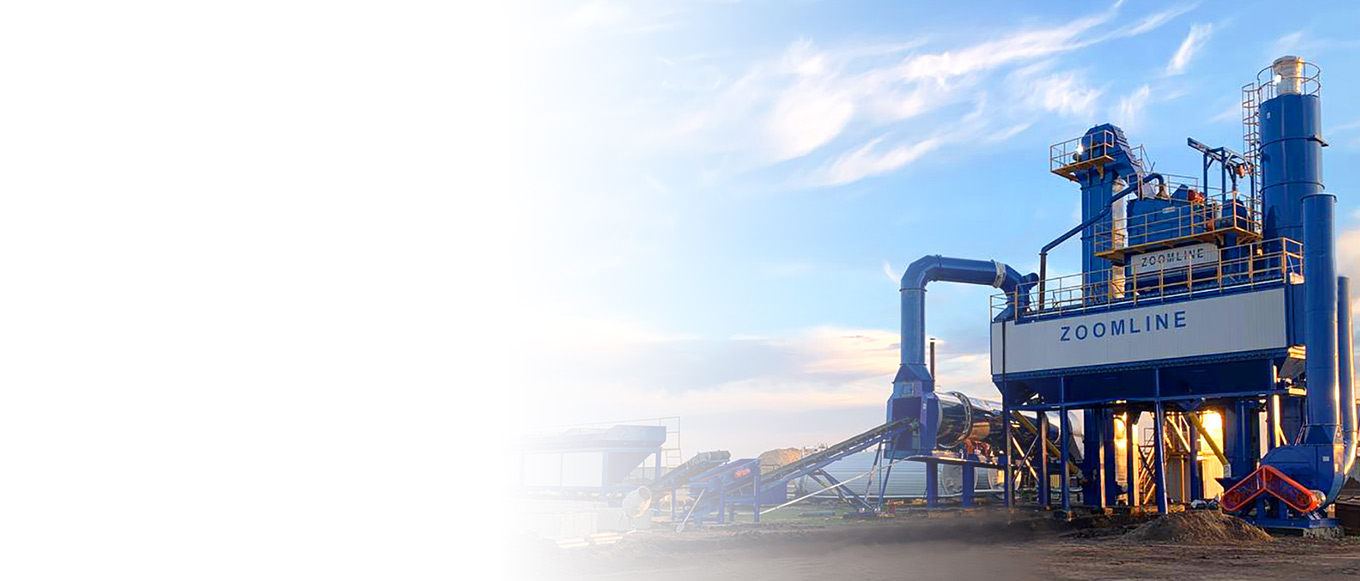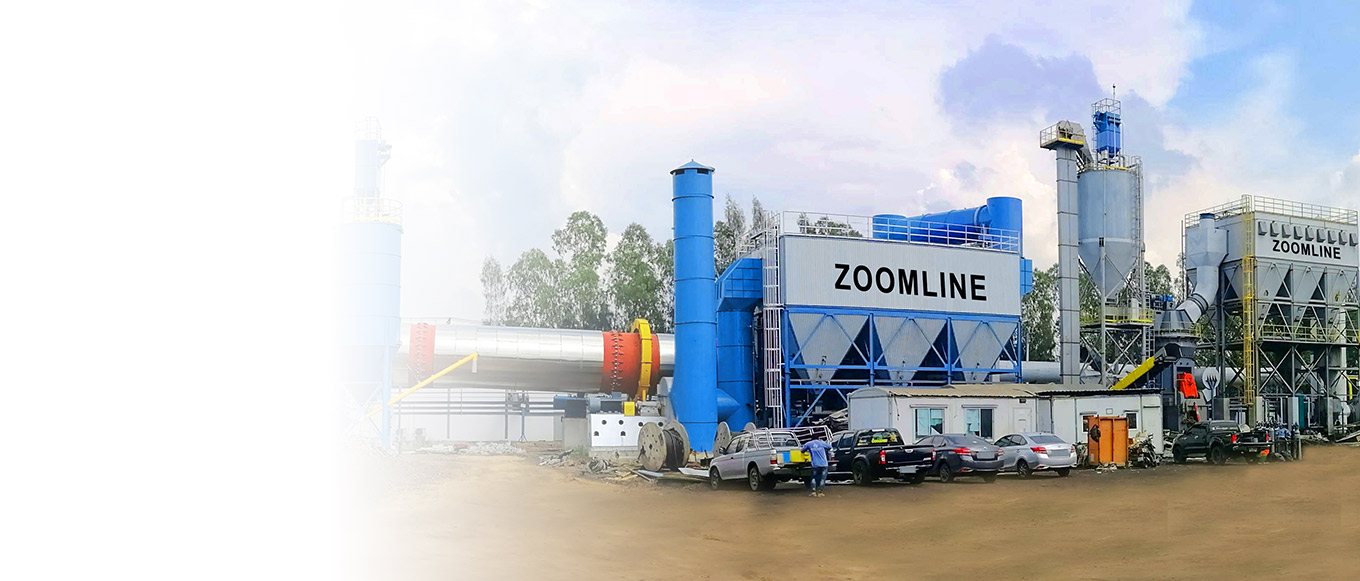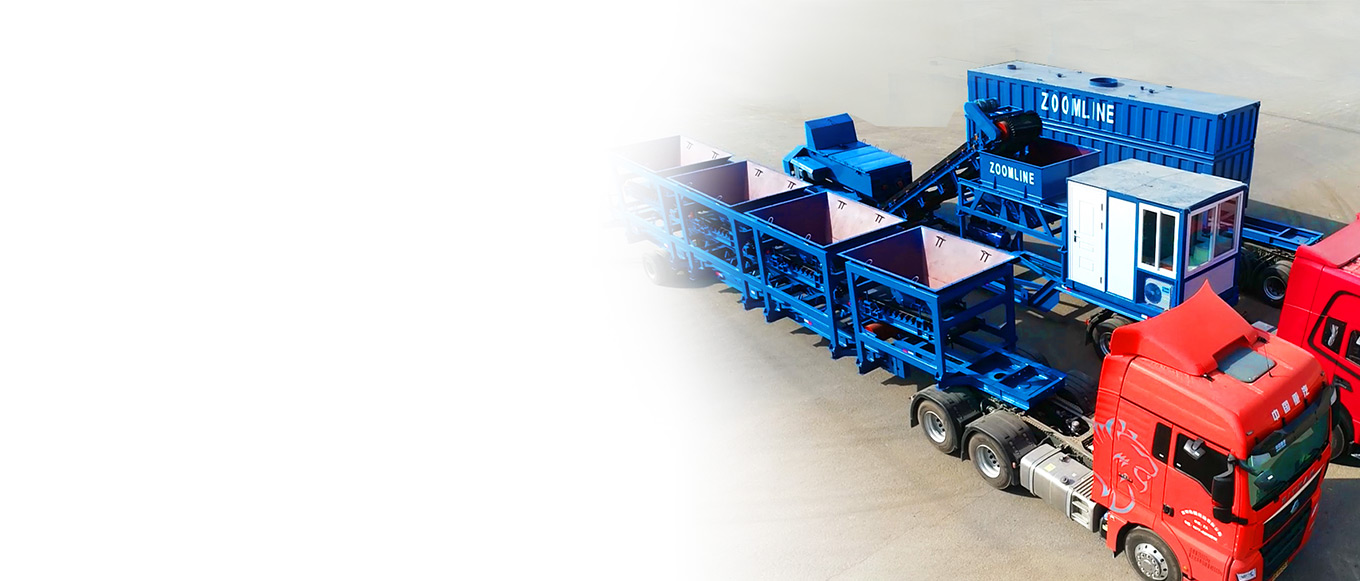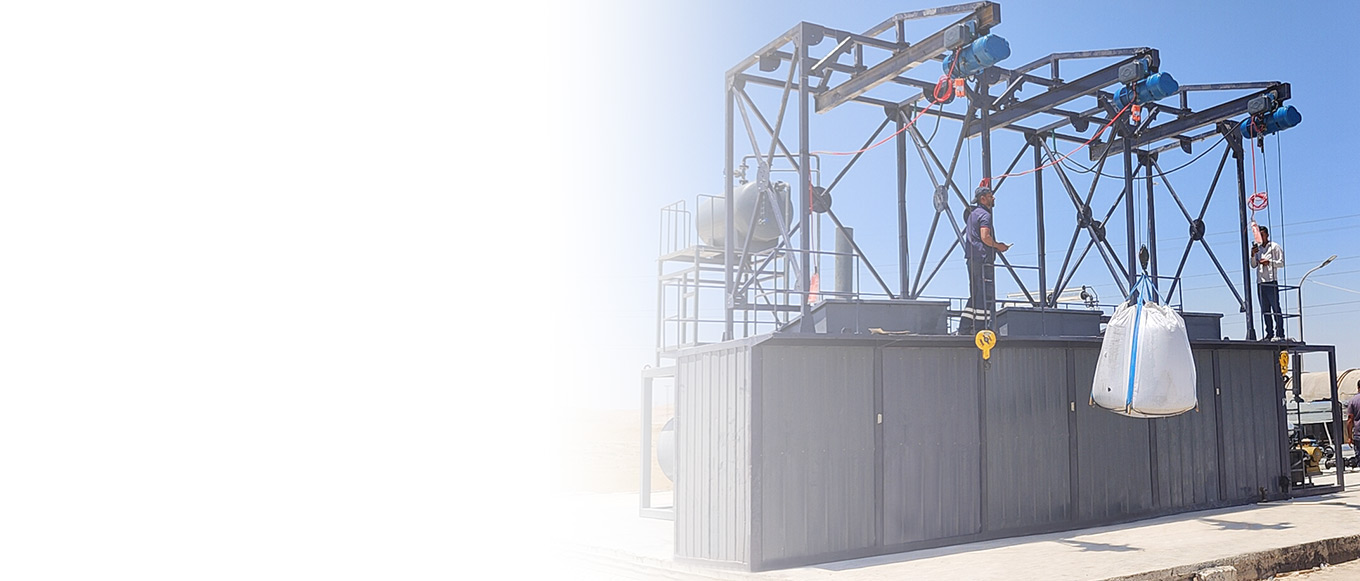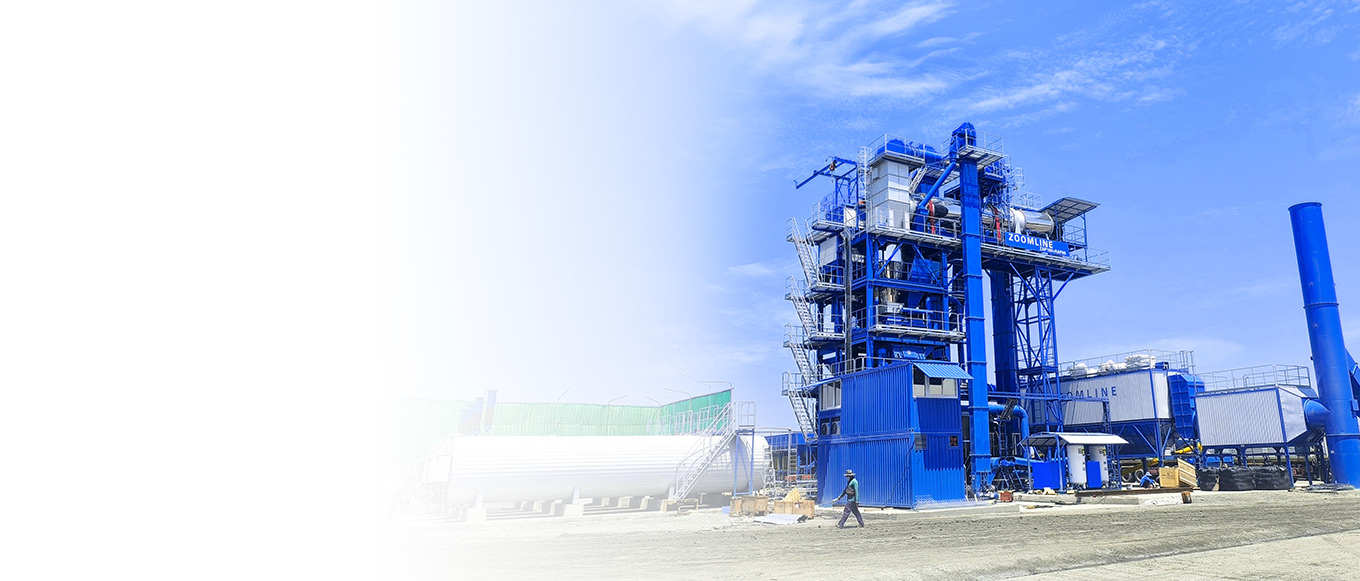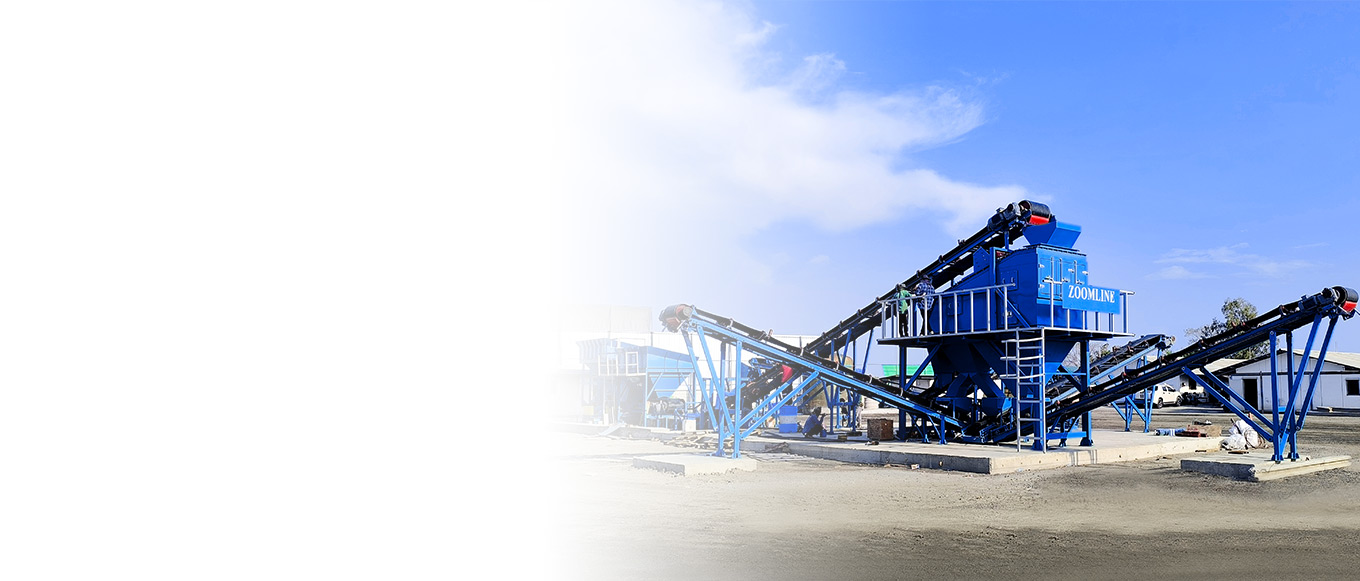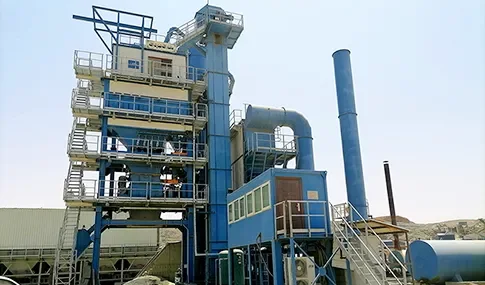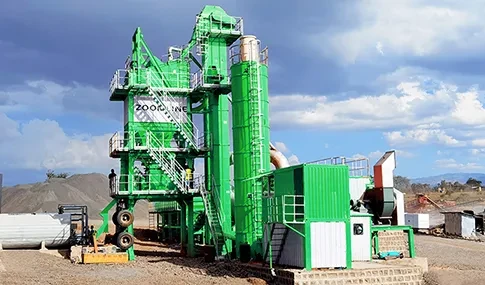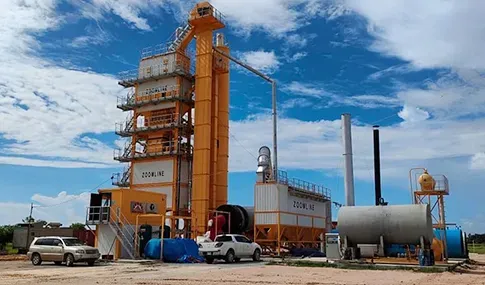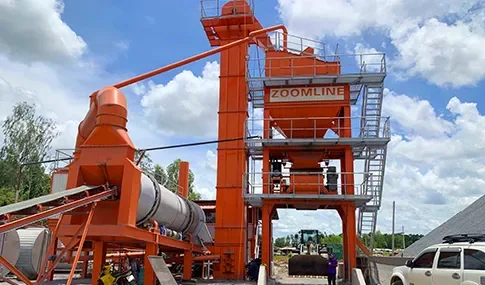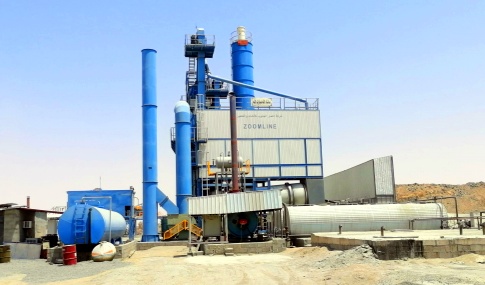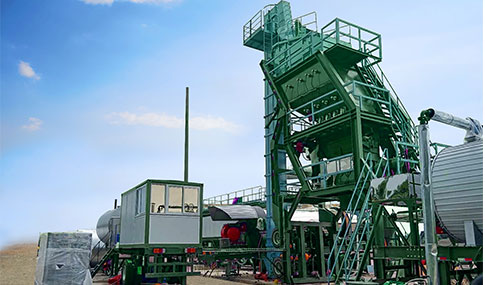


In small and medium-sized road construction, municipal maintenance, rural highway upgrading and other projects,mini asphalt mixing plant by virtue of flexible and convenient, controllable investment, adaptability advantages, become the core equipment choice of the construction side. With the continuous improvement of asphalt mixture quality requirements of the project, as well as environmental protection, energy-saving policies are becoming increasingly stringent, relying solely on the basic functions of the equipment has been unable to meet the needs of the construction – technology configuration of the scientific and rational, directly determines the mixing plant production efficiency, mixture quality, operating costs, and even affect the construction side of the market competitiveness.
Mini asphalt mixing plant refers to the modular mixing equipment with a rated capacity of 80t/h and below, which can realize the batch or continuous production of asphalt mixtures, and is suitable for the small and medium-sized construction scenarios. Compared with large-scale mixing plant, its core advantages are focused on three points: first, strong flexibility, flexible capacity adjustment according to the scale of the project, small footprint, convenient installation and dismantling, suitable for temporary construction site deployment; second, low investment threshold, equipment procurement, site construction, manpower input costs more in line with the budget of small and medium-sized construction enterprises; third, easy to operate, without the need for a complex professional team, can be realized after simple training. Third, convenient operation, no complicated professional team, can be realized after simple training, standardized operation, suitable for grass-roots construction needs.
In recent years, the number of domestic small and medium-sized road construction, municipal maintenance projects continues to grow, and the rural revitalization strategy of highway upgrading, renovation of old roads and other projects, further promoting the market demand for small asphalt mixing plant. However, at the same time, the pain points faced by the construction side are also increasingly prominent: unstable mixture quality, high energy consumption, environmental protection does not meet the standards, high equipment failure rate, high maintenance costs, etc., the core of these problems is the root cause of the technical configuration is not reasonable.
For mini asphalt mixing plant, the optimization of technical configuration is not “upgrading high-end equipment”, but according to their own construction needs, material characteristics, environmental protection requirements, the core components for scientific selection, system debugging, to achieve the “adaptability of the maximum”: not only can ensure that Not only to ensure that the mixture meets the construction standards, but also to reduce energy consumption and maintenance costs, extend the service life of the equipment, and ultimately improve the construction efficiency and economic benefits.
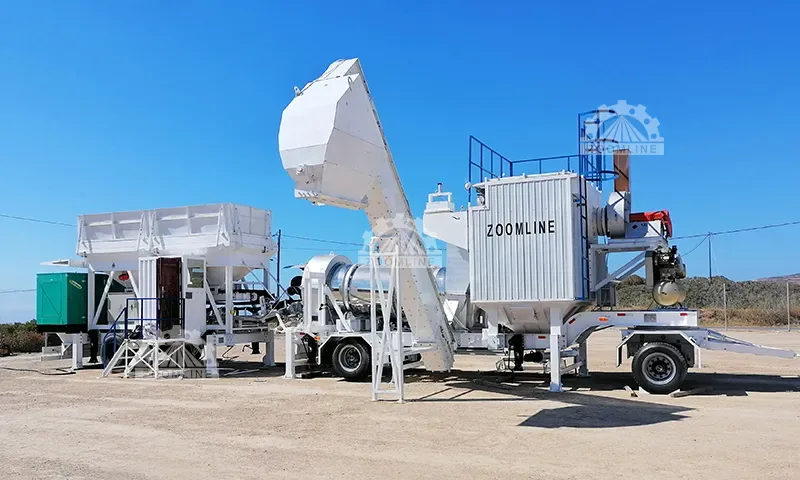
The normal operation of small asphalt mixing plant depends on the core components work together, the configuration of the different components, directly affecting the overall performance of the equipment. First of all, we need to clarify the differences between the two mixing systems, and then targeted optimization of the core components configuration.
Mini asphalt mixing plant is mainly divided into two types of mixing systems, batch (Batch Mix) and continuous (Drum Mix), both have their own advantages and disadvantages, according to the construction needs of the precise selection, to avoid “too big for the job” or “inadequate adaptation”. “Inadequate adaptation”.
Batch mixing system: the core advantage is strong flexibility, according to the construction demand, flexible adjustment of the mix ratio, suitable for the need to customize the mix (such as different grades, different aggregate ratio) scenarios, such as municipal maintenance, rural highways and other small and medium-sized projects, the demand for a small amount of mix but a variety of different types. The disadvantage is that the capacity is relatively low and the energy consumption per unit is slightly high, which is suitable for batch production.
Continuous mixing system: the core advantage is stable capacity, can realize continuous production, suitable for the scene of large demand for mixture, fixed ratio, such as long-distance rural highway construction, can reduce downtime waiting time, improve production efficiency. The disadvantage is the lack of flexibility, it is difficult to quickly adjust the proportion, and the homogeneity of the aggregate requirements are high, suitable for large-scale, standardized production.
For most small-scale builders, the intermittent mixing system is more adaptable – it can meet diversified construction needs and control equipment procurement and operating costs, making it the mainstream choice for small-scale asphalt mixing plants.
The core components of a small asphalt mixing plant include: cold aggregate feeding system, asphalt storage and heating system, mixing machine, control system, dust removal system, and environmental protection treatment unit, and the configuration of each component should follow the principle of “adapting to the production capacity, guaranteeing the quality, and saving energy and environmental protection”.
Responsible for transporting aggregates of different specifications to the drying cylinder according to the proportion, the core requirement is “uniform transportation, accurate proportioning”, to avoid the deviation of mix quality caused by unstable supply of aggregates;
Responsible for storing, heating and transporting asphalt, the core requirement is “stable temperature, energy saving and reduction”. Asphalt storage and heating system: responsible for asphalt storage, heating and conveying, the core requirement is “stable temperature, energy saving and consumption reduction”, not only to ensure that the asphalt is heated to the specified temperature, but also to reduce the heat loss and fuel waste;
The core working parts, responsible for mixing aggregate, asphalt, filler uniformly, the core requirements of “uniform mixing, high efficiency, small wear and tear”, which directly determines the mix quality deviation. The core requirements are “uniform mixing, high efficiency and low abrasion”, which directly determines the quality of the mixture;
The ‘brain’ of the equipment, responsible for controlling the components to work together, the core requirements are “convenient operation, precise control and traceability”, which reduces the error of manual operation;
Responsible for handling the dust generated during the production process; dust removal system: responsible for handling the dust generated during the production process. Dust removal system: responsible for dealing with the dust generated in the production process, the core requirements are “standard discharge, stable operation”, to meet the requirements of environmental protection policies;
Mixing machine is the “core heart” of the mini asphalt mixing plant, its selection and configuration directly determines the quality of the mixture, production efficiency and energy consumption, the key to optimization is to “adapt to the capacity, improve mixing uniformity, reduce energy consumption and wear and tear”. The key to optimization is to “fit the capacity, improve the mixing uniformity, reduce energy consumption and wear and tear”.
For small-sized asphalt mixing plant, the capacity of intermittent mixing machine is recommended to choose 1.5m³-3m³, which is suitable for the rated capacity of 80t/h or below, which can not only satisfy the batch production demand of small and medium-sized projects, but also control the volume of equipment and energy consumption. Its core optimization points include:
Stirring blade selection: choose wear-resistant alloy blade, increase blade thickness and wear-resistant layer, reduce wear and tear during mixing, and prolong service life; meanwhile, optimize the blade angle, improve mixing uniformity, shorten mixing time (it is recommended to control mixing time at 45-60 seconds/batch), and improve production efficiency.
Mixing speed debugging: according to the type of mix, debug the mixing speed (generally 25-30r/min), to avoid too fast speed leading to increased energy consumption, aggregate crushing, or too slow speed leading to uneven mixing.
If the construction scene is large-scale and standardized production (such as long-distance rural highway), the continuous mixing machine can be chosen, and the core optimization point is to “stabilize the production capacity and control the ratio deviation”:
Integrated design of drying and mixing: the choice of integrated equipment between drying and mixing cylinders reduces aggregate transportation, reduces heat loss and dust generation, and improves production efficiency at the same time.
Optimization of proportioning control system: Equipped with accurate measuring device, real-time monitoring of aggregate and asphalt delivery, avoiding proportioning deviation and ensuring stable quality of the mixture.
Regardless of which mixing machine to choose, you need to focus on three major factors: mixing efficiency (to match your own capacity needs), energy consumption (give priority to energy-saving host, reduce energy consumption per unit of mixture by 10%-15%), downtime (choose easy maintenance, wear-resistant models to reduce downtime).
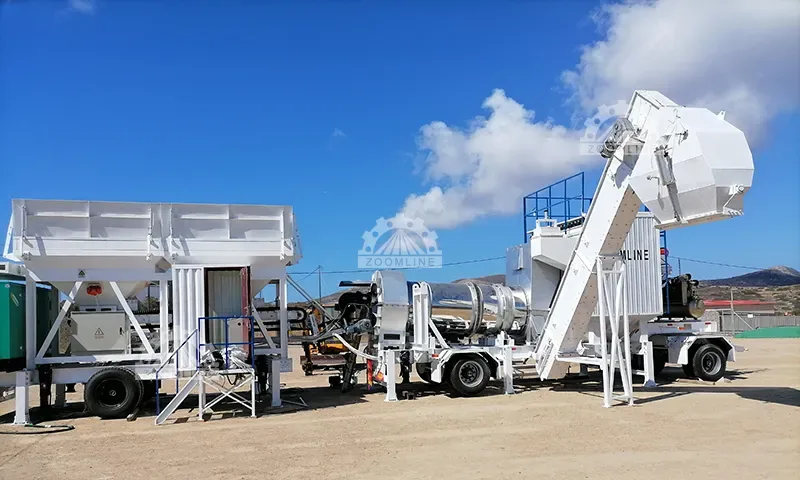
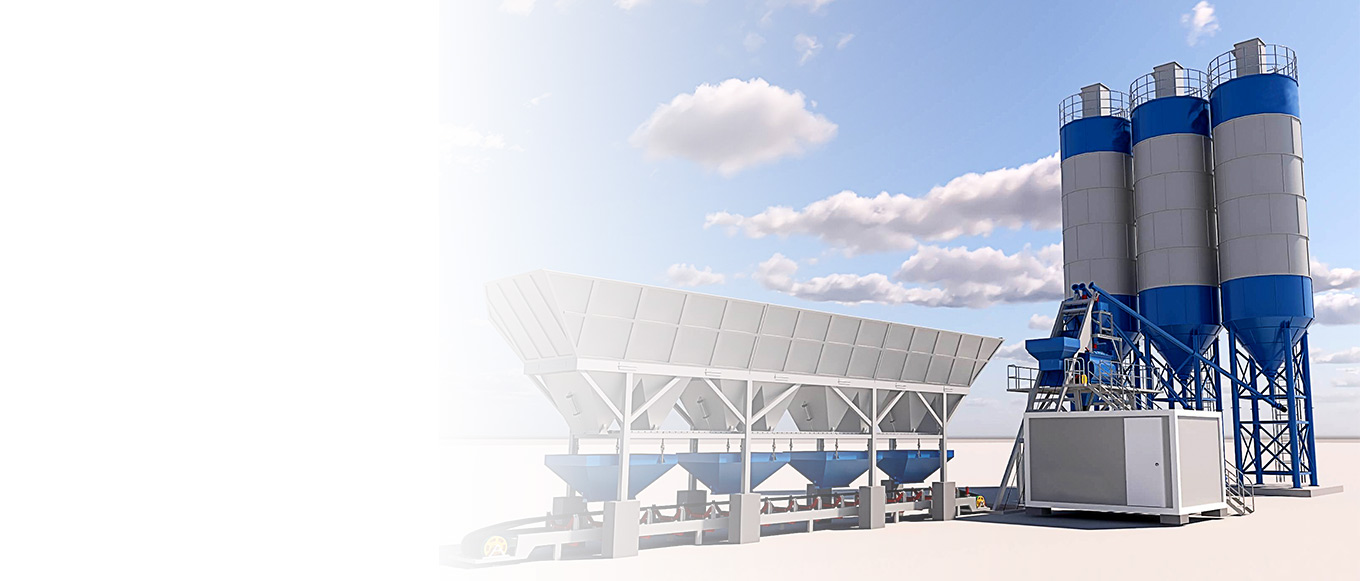
Aggregate feeding system stability and precision directly determines the uniformity of the mix gradation, the core of the optimization of the small station is the selection of the right type of fit, control precision, reduce dust, fit the production requirements.
Small station priority belt conveyor (stable, easy to maintain), optimize the wear-resistant belts and dust cover; site narrow scene can choose bucket elevator, pay attention to prevent blocking, wear and tear.
Match the capacity of the mixing machine to determine the feeding capacity, equipped with electronic belt scales and other accurate measuring devices, give priority to the use of automated material control, limited budget can be used in manual + semi-automatic combination mode, to reduce the operating error.
Add dust cover and linkage dust removal system in the feeder and conveyor, set up spraying device in the aggregate stacking area, and choose sealed equipment to reduce dust leakage and flying.
Aggregate is the core raw material of asphalt mixture, the stability and accuracy of the aggregate feeding system directly affects the grading uniformity of the mixture, which in turn affects the quality of pavement construction. Small asphalt mixing plant optimization of the aggregate feeding system, focusing on the “selection of the right match, control precision, reduce dust.
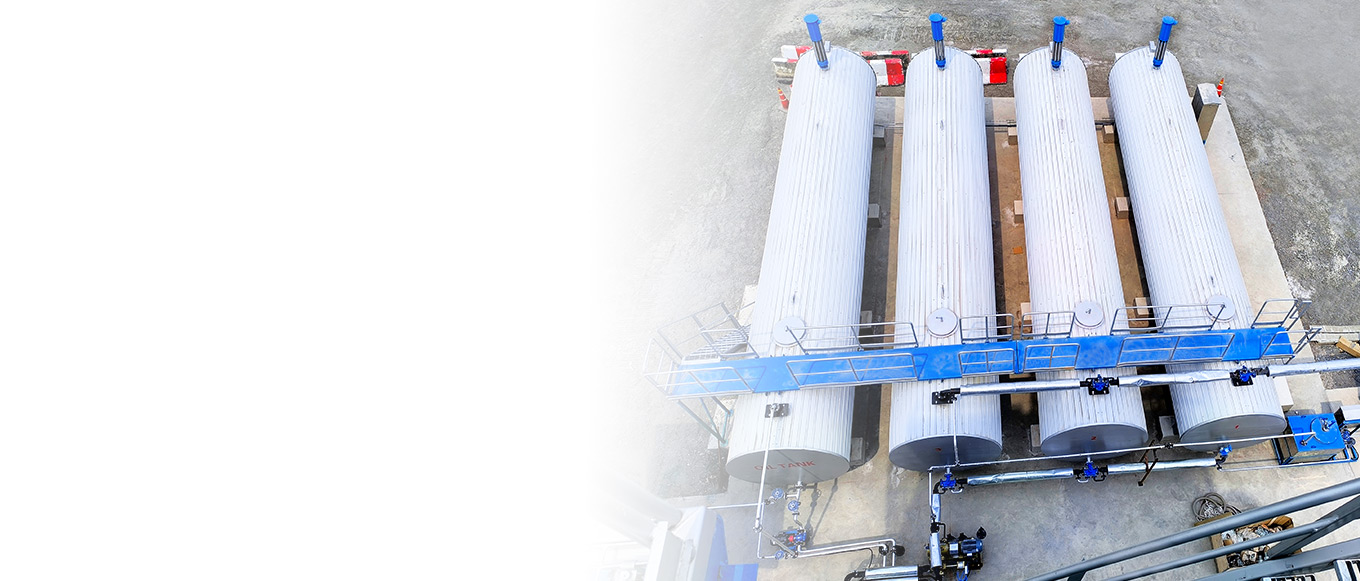
The core of optimization of asphalt storage and heating system is energy saving, temperature stability, avoiding asphalt aging, adapting to the construction capacity and asphalt demand, and taking into account the convenient maintenance.
Small station selects 50-100m³ anticorrosive sealed heat preservation storage tanks, equipped with level meter and temperature monitoring device, and prioritizes the tanks with heat pipe heat transfer element to improve heating efficiency and prolong service life.
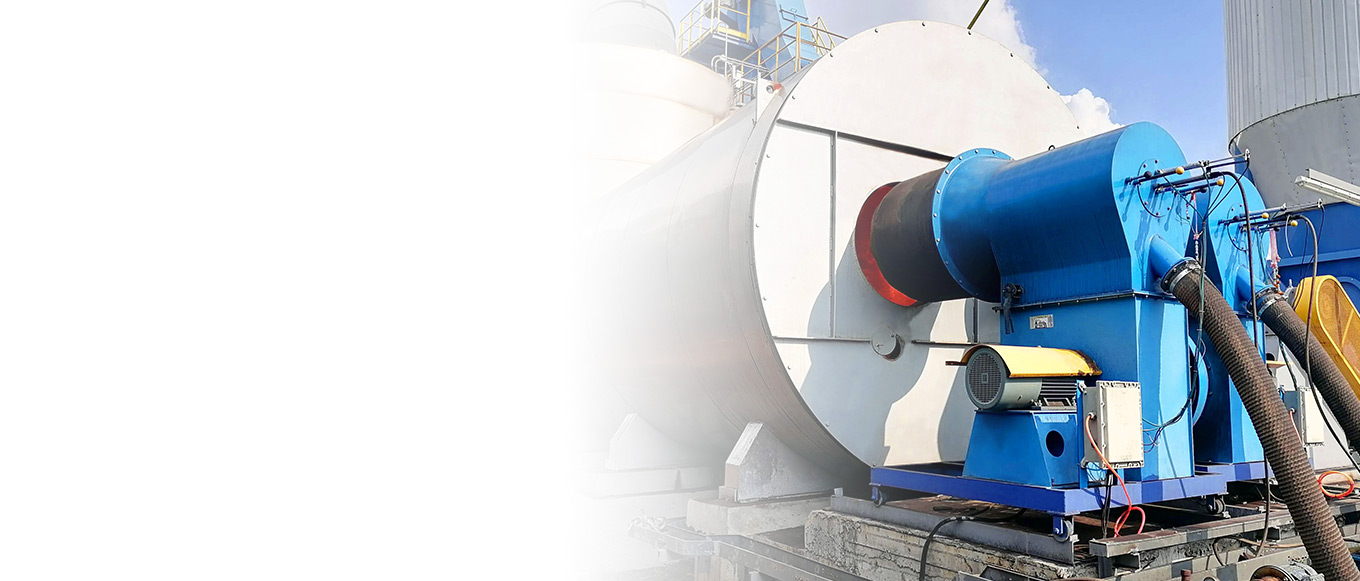
According to the asphalt demand and construction cycle, choose direct or indirect heating mode, with high-efficiency burner or energy-saving thermal oil furnace, retrofitting waste heat recovery device, reduce fuel consumption, and ensure heating safety.
Storage tanks and heating pipes with 50-80mm insulation, equipped with accurate automatic temperature control system, the error is controlled within ± 5 ℃, can be accessed to the central control system on-demand adjustment of the heating load, reduce heat loss.
The storage and heating quality of asphalt directly affects the bonding performance of asphalt mixture and the quality of pavement construction. Small asphalt mixing plant asphalt storage and heating system optimization, the core is “energy saving, stable temperature, avoid asphalt aging”, while adapting to different construction scenarios of asphalt demand.
The core of control system optimization is to reduce labor costs, reduce operational errors, intelligent operation and maintenance, according to the professionalism of the construction team and the budget, choose the appropriate control mode.
Manual control system can be selected for limited budget and general professionalism of the team; simple automation system (equipped with PLC module and touch screen) can be selected for the pursuit of precision and high efficiency to realize the core parameter control and to meet the needs of small stations.
The automation system focuses on optimizing three major functions: real-time monitoring of equipment operating parameters and abnormal alarms, pre-set parameters to achieve automatic production, and integrated maintenance reminder function, which helps preventive maintenance and reduces downtime.
The control system is the “brain” of the small asphalt mixing plant, and its level of intelligence directly affects the ease of operation, control accuracy and operational efficiency of the equipment. With the development of intelligent technology, the optimization of the control system of small-sized plant has been upgraded from “manual control” to “semi-automatic and fully automatic”, and the core of which is to “reduce labor costs, reduce operating errors, and realize intelligent operation and maintenance. The core is to “reduce labor costs, reduce operational errors, and realize intelligent operation and maintenance”.
Environmental protection, energy saving has become a necessary requirement for mini asphalt mixing plant, the optimization of the configuration can not only fit the policy, but also reduce operating costs. The core is through equipment, process optimization to achieve energy saving, control dust, smoke, noise emissions, to ensure compliant production.
Select energy-saving core components (high-efficiency motors, energy-saving burners, etc.) to reduce energy consumption; optimize the mixing and drying process, and use waste heat recovery to improve the energy utilization rate; and strengthen the daily control to avoid idling and unnecessary loss of equipment.
Equipped with high-efficiency pulsed bag filter to control dust emission, installing flue gas purification device and low-NOx combustion technology to deal with hazardous gases, controlling noise through vibration-damping and sound insulation measures, and choosing environmentally friendly fuel to reduce pollution.
Strictly follow the local environmental protection policies to ensure that all emissions meet the standards; it can take the initiative to upgrade the waste asphalt recycling system to realize resource recycling and reduce the cost of raw materials.
With the increasingly stringent environmental protection policies, the energy saving and environmental protection configuration of small asphalt mixing plant has become a necessary requirement, and at the same time optimize the energy saving and environmental protection configuration, but also reduce operating costs and enhance the competitiveness of enterprises in the market. The core optimization direction is “energy saving, reduce emissions, meet the environmental standards”.
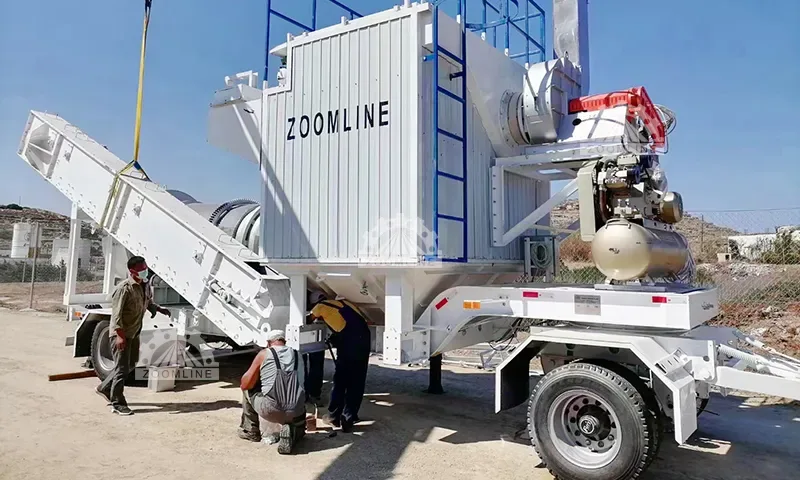
Optimized maintenance strategies can reduce equipment downtime, extend service life and reduce maintenance costs. The core is the implementation of preventive maintenance, reasonable selection of spare parts and timely upgrade of equipment.
Formulate a detailed regular maintenance plan, specifying the period, content and responsible person; focus on checking the mixing blades, belts and other vulnerable parts, timely replacement of wear parts, regular lubrication of equipment, and advance troubleshooting.
Select high-quality spare parts suitable for the equipment and make good reserves; according to the construction demand and technological development, upgrade the control system, energy-saving and environmental protection devices, etc., and eliminate the aging and inefficient parts in due time.
The operation cost of mini asphalt mixing plant not only includes energy consumption and raw material cost, but also includes equipment maintenance and failure repair cost. By optimizing the maintenance strategy, preventive maintenance can effectively reduce equipment downtime, extend equipment life, reduce maintenance costs and improve the overall operating efficiency of the equipment.
Mini asphalt mixing plant configuration optimization is the core of the “adaptable, energy-saving, environmentally friendly, easy to maintain” without the pursuit of high-end equipment, focusing on the optimization of the mixing host, feeding system, asphalt storage and heating systems, control systems and other core components, and do a good job! Energy saving and environmental protection and maintenance can realize cost reduction and efficiency.
The future development will be in three major directions: intelligent upgrading (automation control + Internet of Things, big data application), greening upgrading (energy saving, environmental protection and emission + resource recycling), and modularization upgrading (flexible adaptation to different construction scenarios).
For small and medium-sized construction enterprises, configuration optimization is the key to enhancing competitiveness. The only way to gain a foothold in the market is to realize efficient, energy-saving, environmentally friendly and stable production. The competitive core of the future mixing plant will focus on technical configuration, operational efficiency and environmental performance.