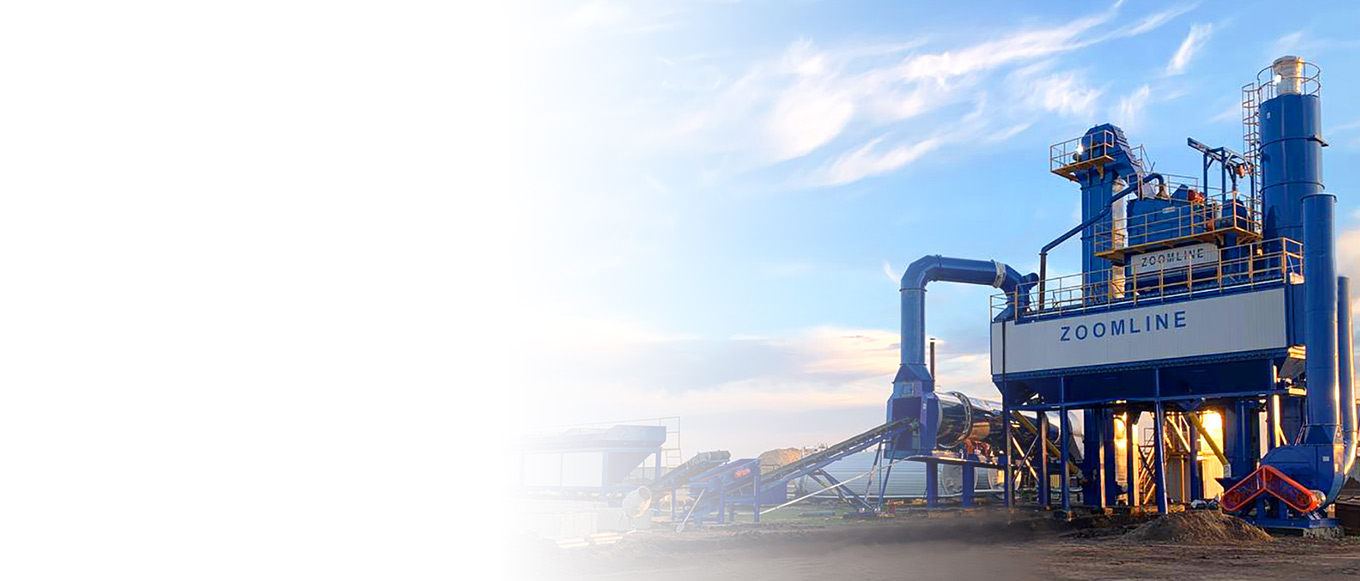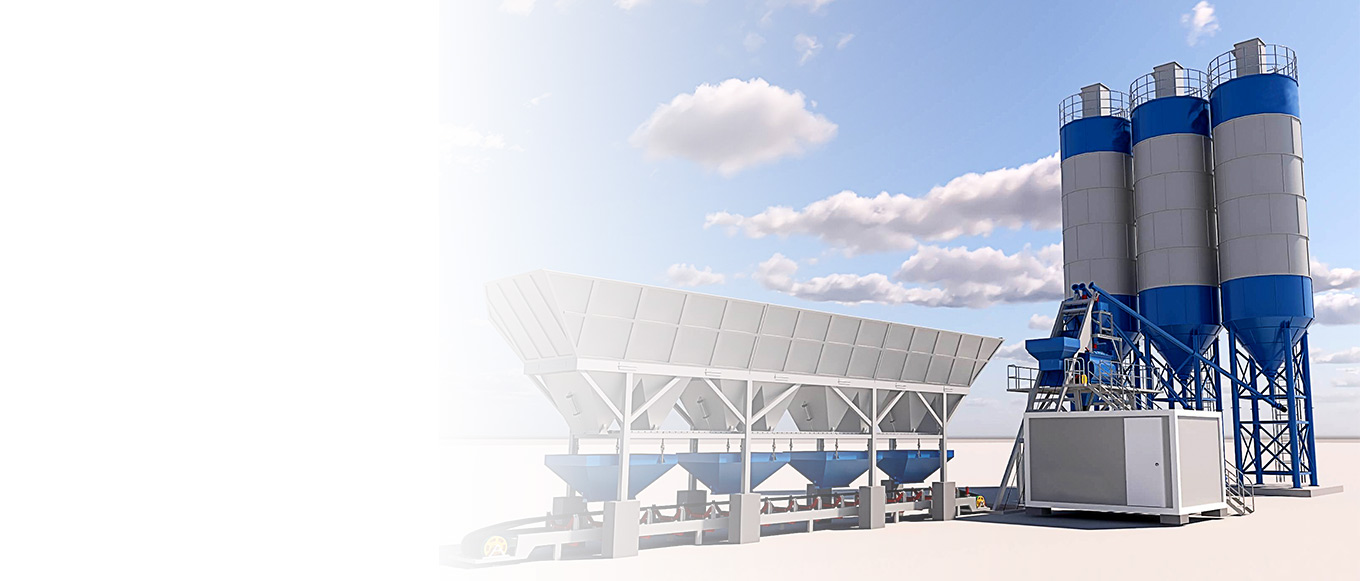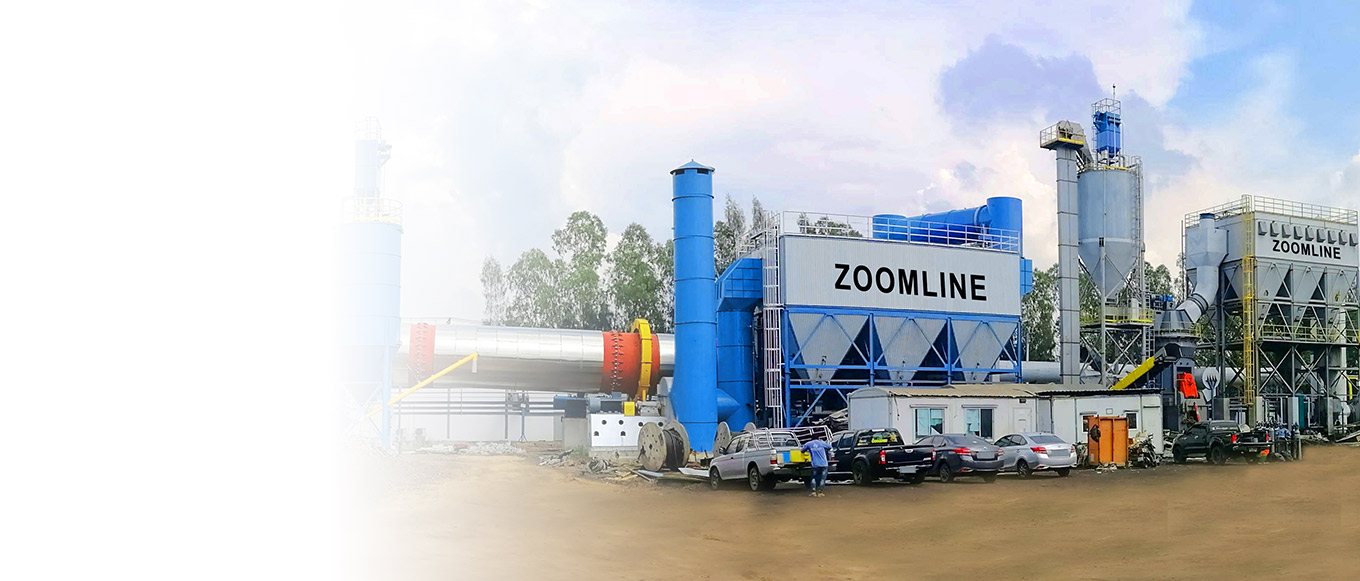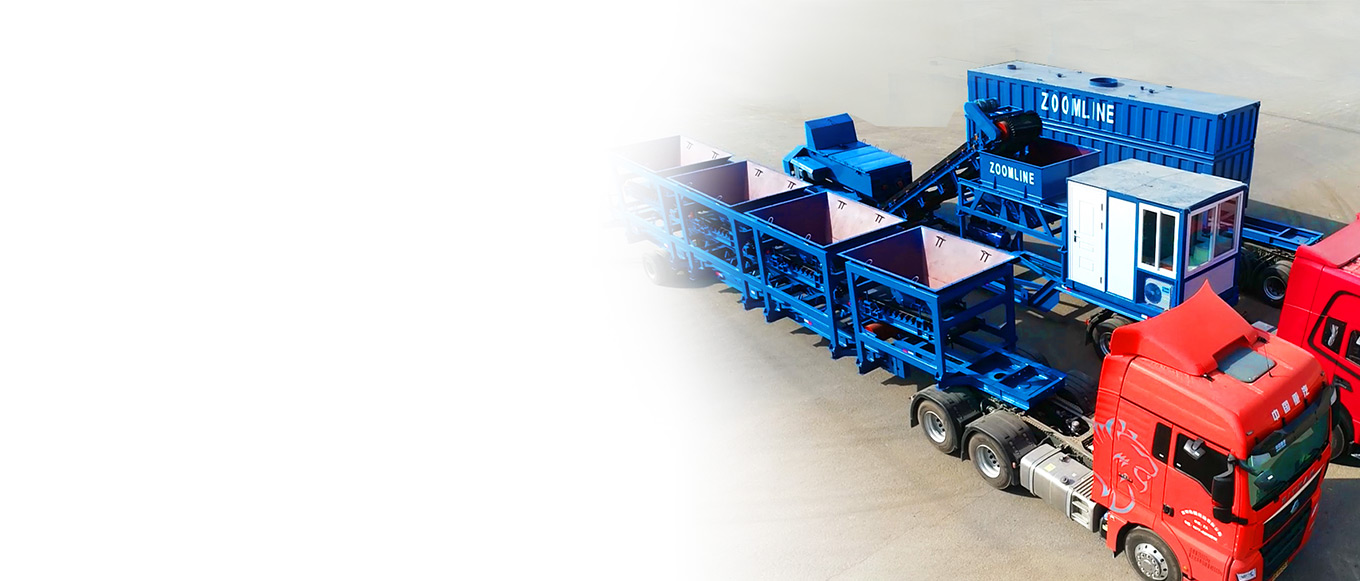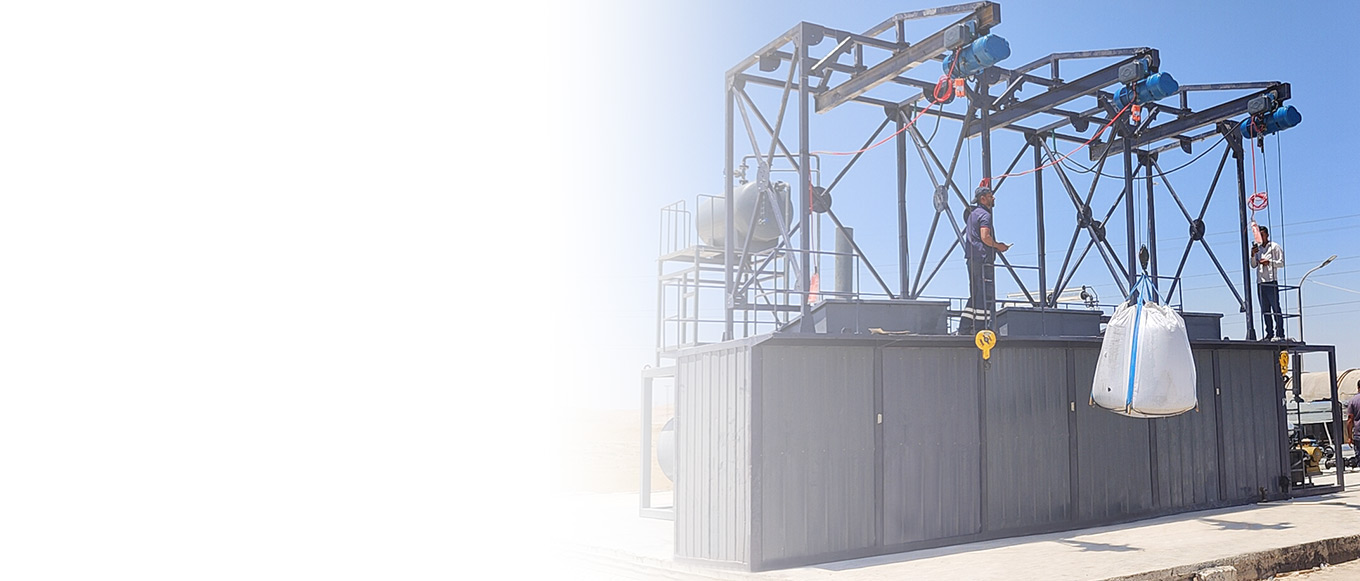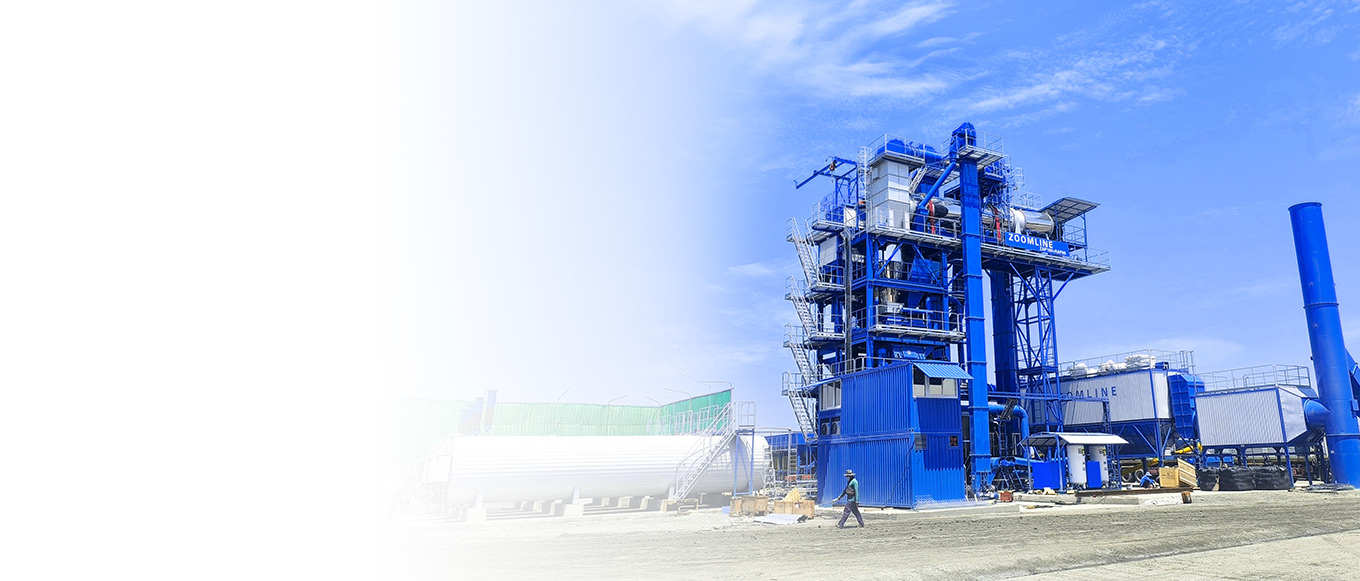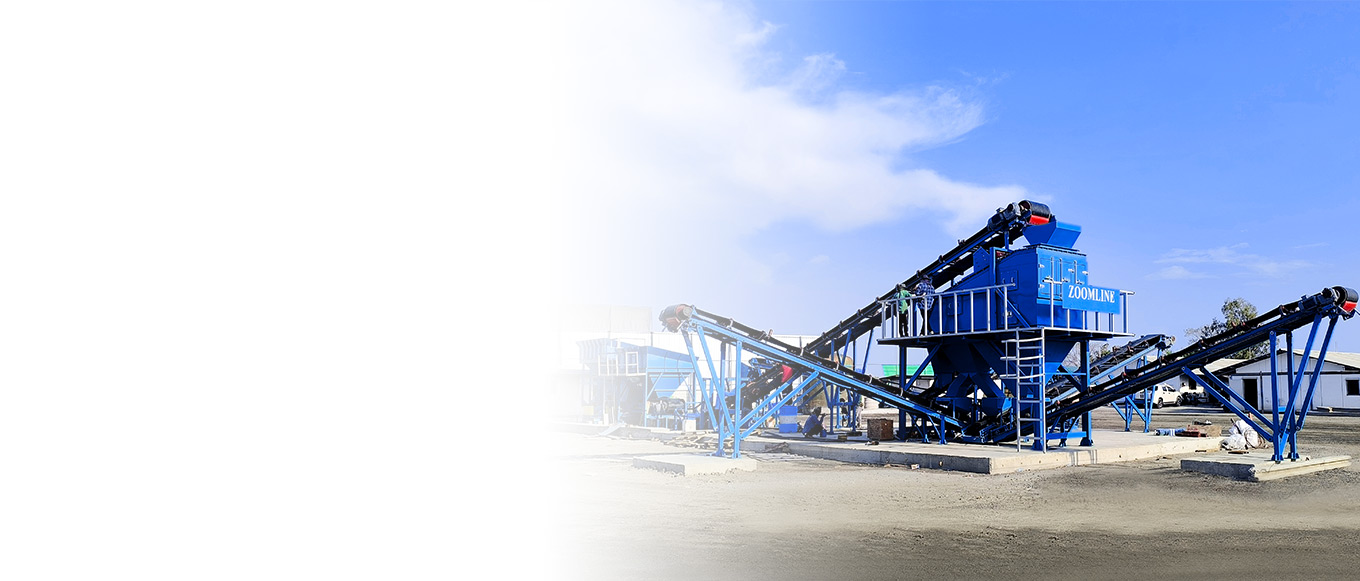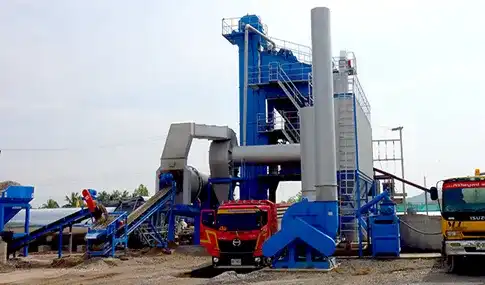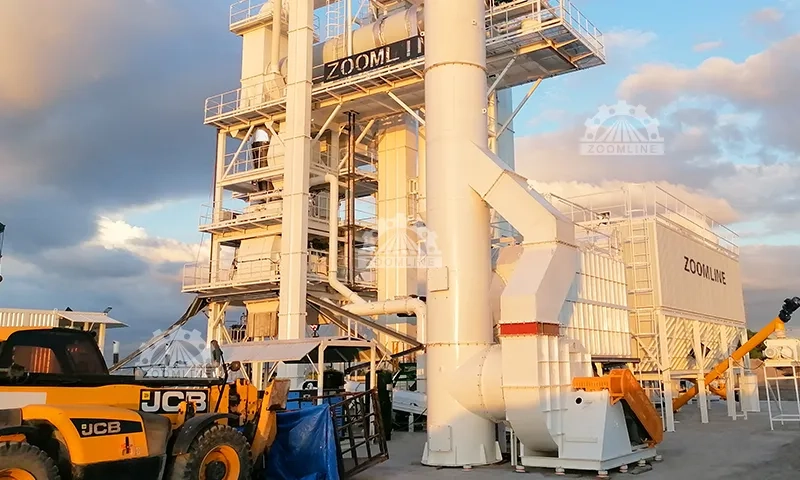

Hot Mix Asphalt Plant is the core equipment for road construction, its core role is to accurately proportion, high temperature mixing of high-quality hot mix asphalt mixture, which directly determines the strength, smoothness and service life of the road surface, and can solve the delay in the opening of the road, the pavement is fragile, the cost of the pressure of the industry and other pain points. 2026, the world’s infrastructure demand is booming, the environmental protection and the recycling requirements of RAP upgrade, the demand for a mobile, modular equipment has become the core competitiveness of enterprises to seize the market and control costs. In 2026, global infrastructure demand will be strong, environmental protection and RAP recycling requirements will be upgraded, and the demand for mobile and modular equipment will surge. An efficient, environmentally friendly and flexible mixing plant has become the core competitiveness of enterprises to seize the market and control costs.
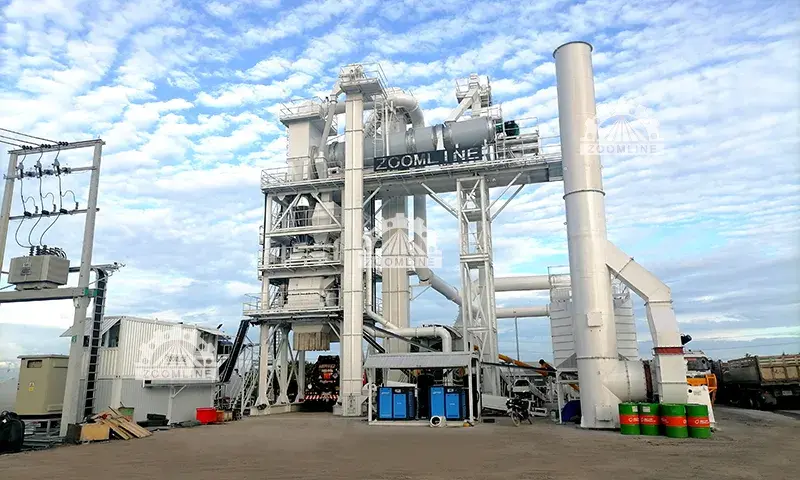
Hot Mix Asphalt Plant is a special equipment which, through a specific process, heats and dries aggregates (sand and gravel) and mixes them with asphalt, cement, mineral powder and other additives heated to a molten state in accordance with a precise ratio, and ultimately produces hot mix asphalt (HMA) in accordance with the technical specifications for road construction. Road construction specifications of the hot mix asphalt mixture (HMA) of the special equipment, the production of the mixture is widely used in highways, municipal roads, airports, bridges, tunnels and other types of pavement construction projects.
It is essentially different from cold mix asphalt mixing equipment, warm mix asphalt mixing equipment: cold mix equipment does not need to heat the aggregate and asphalt, directly at room temperature mixing, energy consumption is very low, but the mixture strength is low, poor durability, only for temporary repair or low-grade roads; warm mix equipment through additives to reduce the viscosity of asphalt, the mixing temperature than the hot mix is lower than the 30-50 ° C, energy consumption and emissions between the two, suitable for environmental protection, and the municipal engineering. Requirements of higher municipal projects; and hot mix asphalt mixing plant mixing temperature of up to 150-180 ℃, the asphalt can be more fully coated with aggregate surface, the mixture is compacted to form a high strength, water damage resistance, long service life of the pavement structure, is the first choice for high-grade road construction.
Hot mix asphalt production process: cold aggregate storage → quantitative transportation → drying and heating → hot aggregate screening → accurate weighing → forced mixing → finished product storage → on-demand discharge.
The mainstream hot mix asphalt mixing plant on the market is mainly divided into two major types, each with its own unique appearance and layout, suitable for different construction scenarios, while combining the scale and mobility, there is a more detailed classification.
The most notable feature is the tower structure, the overall height is high, from top to bottom, the distribution of hot material silo, weighing system, mixing pots, and other core components, screening layer is usually integrated in the middle of the tower, the structure of the hierarchy. When the equipment is in operation, a batch of production is completed by feeding, mixing and discharging in stages, and the opening and closing of the mixing pot and the intermittent output of the finished materials can be clearly seen visually, which is commonly used in large fixed construction sites.
takes a long tilting drum as the core component, the overall structure is more compact, there is no obvious tower structure, cold material supply, drying and heating, mixing and stirring processes are completed continuously in the drum, the equipment occupies a smaller area, and the appearance is more concise and smooth.
According to the capacity of the size of the hot mix asphalt mixing plant can be divided into three categories of small, medium and large, to meet the needs of different projects:
small mixing plant (capacity of 40-80t / h): the body of a relatively small, mobile design, easy to change the site;
medium-sized mixing plant (80-200t / h): both the capacity and flexibility, according to the needs of the choice of mobile or stationary models;
large-scale mixing plants (Medium-sized mixing plant (80-200t/h): both capacity and flexibility, can choose mobile or fixed model according to the demand; Large-sized mixing plant (more than 200t/h): mostly fixed, with a huge body and complete supporting equipment, usually used in large-scale highway projects or permanent mixing plants.
The core difference between the two is mobility and capacity adaptation, which corresponds to different construction scenarios:
adopts semi-trailer or integral design, which can be disassembled and transported, and is fast for on-site installation and debugging, and is suitable for the projects with short construction period and multi-site transitions, such as renovation of roads in towns and cities and emergency repair. 2. stationary mixing plant requires pouring of water, and is usually used for large highway projects or permanent repair.
need to pour special foundation, the installation cycle is longer, but with large capacity, strong stability, and more convenient replacement of accessories, suitable for large-scale projects with long construction period and large volume, such as highway mainline construction, municipal road renovation projects.
The cold feed system is the starting point of the production, which mainly consists of cold feed bins, conveyors and vibrating feeders. Cold feed bins are usually equipped with 2-4 bins, which can store different specifications of aggregates (such as gravel, sand, etc.) to avoid mixing of materials; vibrating feeders are installed at the bottom of each bin, which can adjust the feeding amount by vibration frequency to realize the accurate proportioning output of different aggregates; conveyors are used to continuously transport aggregates output from the bins to the drying system, and there are commonly used belt conveyor and screw conveyor, which have the characteristics of large conveying capacity and stable operation, It is characterized by large conveying capacity and stable operation.
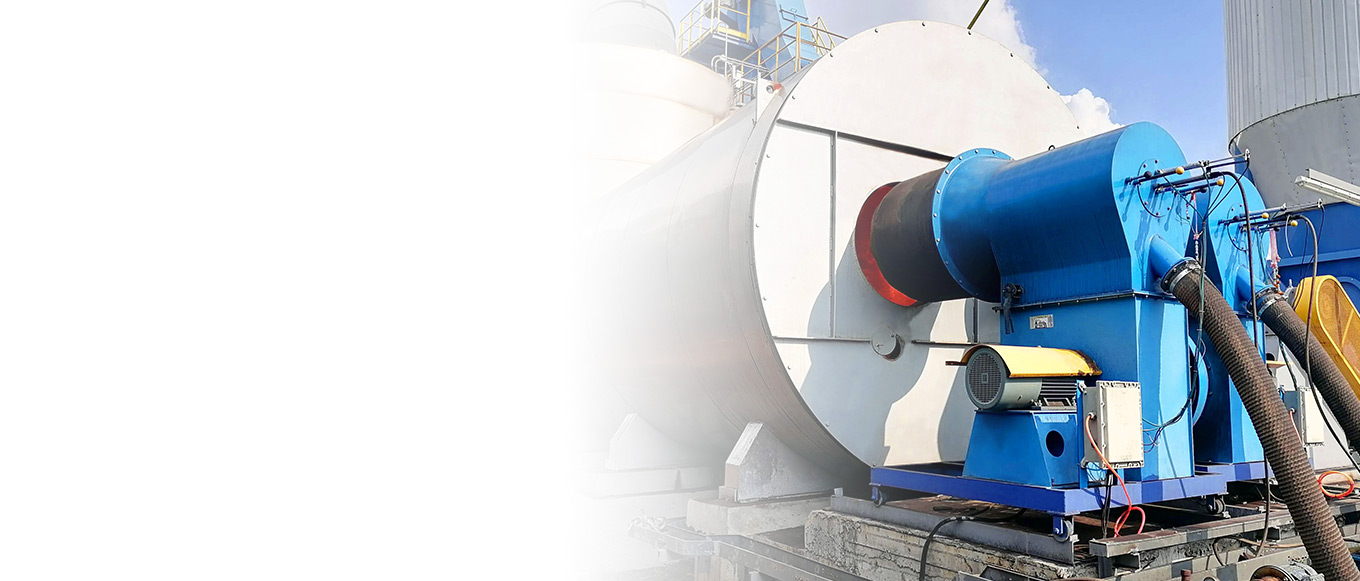
The drying and heating system is the key link in the production of hot mix asphalt, and the core components are drying drum and burner. The drying drum is inclined and rotated by motor drive. After entering the drum, the aggregate will be fully contacted with the high temperature airflow during the rotating process to realize the evaporation of moisture and temperature increase. Burner to provide heat source for the system, according to the type of fuel can be divided into natural gas, diesel, heavy oil, biomass burner: natural gas burner environmentally friendly and clean, low emissions, suitable for environmental protection requirements of the region, but dependent on natural gas pipeline; diesel burner mobility, no fixed pipeline, ignition fast, easy to obtain fuel, but the operating cost is relatively high; heavy oil burner fuel cost is low, suitable for long-term operation of large-scale equipment The fuel cost of heavy oil burner is low, which is suitable for long-term operation of large-scale equipment, but the combustion efficiency is slightly lower, and the requirement of exhaust gas treatment is higher; the biomass burner utilizes renewable energy, which is in line with the development trend of green energy, and is suitable for the region with abundant biomass resources.
With the tightening of environmental protection regulations in 2026, dedusting system has become an essential core component of the mixing plant. Baghouse Filter Bag Dust Collector is the most widely used type at present, filtering the dust in the flue gas through the filter bag, with the dedusting efficiency of 99% or above, which can effectively control the particulate emission. Venturi wet dust collector adopts water washing method to capture dust, which has good dust removal effect and can absorb part of the harmful gases at the same time, but it will produce sewage, which requires supporting sewage treatment equipment and has high operation cost; Cyclone (cyclone dust collector) is mainly used for pre-treatment, which utilizes centrifugal force to separate the large particles of dust, and it is often used in combination with filter bag dust collector to reduce the cost of dust removal. Cyclone (cyclone dust collector) is mainly used for pre-treatment, utilizing centrifugal force to separate large particles of dust, and is often combined with bag filter to reduce the pressure of subsequent dust removal. 2026 emission regulations focus on particulate emission concentration of less than 10mg/m³, and there are also clear limits on nitrogen oxides emissions, so high-efficiency bag filter has become the mainstream choice in the market.
After drying and heating, the aggregates are transported to the vibrating screen by the hot material elevator, which is mostly of plate chain or bucket structure, able to withstand the high temperature environment and with stable conveying efficiency. The vibrating screen is usually equipped with 4-6 layers of screen mesh, and the size of the screen holes can be adjusted according to the project requirements, so that the hot aggregates can be graded and screened into different particle size specifications, and the screened qualified aggregates will be stored in the corresponding hot bins, waiting for weighing and batching. The number of hot bins matches the number of vibrating screen grading, generally 3-6, and there is a heat preservation device inside the bin to prevent the temperature from dropping too quickly.
Weighing system is the core to ensure the accuracy of mix proportioning, adopting high-precision sensors, which is divided into aggregate weighing hopper, asphalt weighing device and mineral powder adding system. Aggregate weighing hopper receives different sizes of aggregates from the hot hopper, and completes quantitative weighing according to the preset formula; asphalt weighing device is linked with the asphalt supply system to accurately measure the amount of molten asphalt, and the error is controlled to be within ±1%; the mineral powder adding system usually adopts screw conveyor to transport mineral powder, and the conveying volume is controlled by frequency conversion to ensure that the proportion of mineral powder meets the design requirements (generally 4%-12%).
The mixing unit is responsible for mixing the weighed aggregate, asphalt, mineral powder and other materials. The stirring pot is mainly used in intermittent mixing plant, adopting double-shaft forced mixing structure, which has strong mixing strength and high mixing uniformity, and ensures that asphalt is fully coated with the aggregate, and the mixing time is adjustable (generally 30-60 seconds/second). The mixing time can be adjusted flexibly (generally 30-60 seconds / batch)
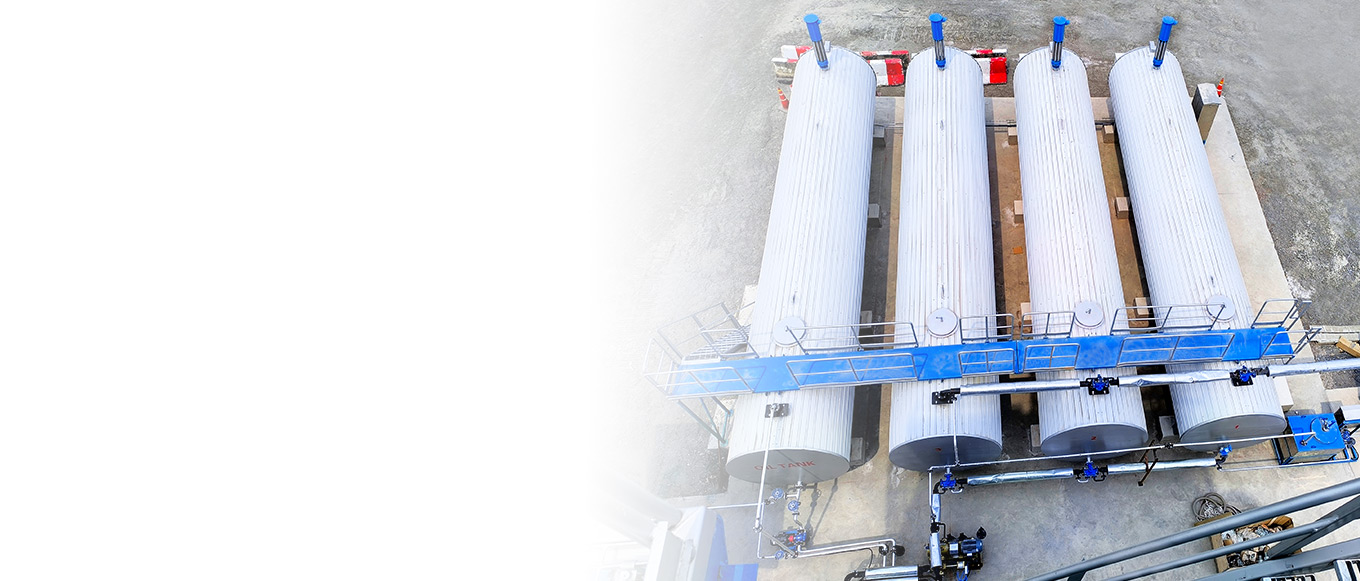
The asphalt supply system mainly consists of asphalt storage tanks, heating devices, transfer pumps and metering equipment. The asphalt storage tanks are divided into vertical and horizontal type, with heat preservation function, and maintain the asphalt temperature at 140-160℃ by means of heat-conducting oil, electric heating or direct heating to prevent the asphalt from solidifying; the conveying pump adopts high-temperature asphalt pump, which is characterized by high-pressure and high-temperature resistance to transfer the molten asphalt from the tanks to the weighing device; the metering equipment is linked with the weighing system to ensure that the amount of asphalt injected is precise and controllable, and there is a reflux device to avoid the waste of asphalt. Meanwhile, there is a backflow device to avoid waste of asphalt.
The finished product storage system is mainly a finished product silo (Surge Silo / Storage Silos), which is used to temporarily store the finished hot mix asphalt mixtures to avoid the disconnection between production and paving process. The capacity of the silo is designed according to the capacity of the plant, usually 10-50 tons. The silo is equipped with anti-segregation device and heat insulation layer to prevent separation of aggregate and asphalt during the storage process, and to maintain the temperature of the mixture (not less than 130℃). The discharging method is usually bottom discharging, equipped with hydraulic or pneumatic discharging gate, which can control the discharging speed and adapt to the working rhythm of the paver.
The control system is the “brain” of the mixing plant. At present, the mainstream adopts PLC (Programmable Logic Controller) combined with Siemens and other well-known brands of electrical components, and some high-end equipments are equipped with SCADA system to realize more comprehensive automation control. Operators can set production parameters (e.g. ratio, temperature, output, etc.) via touch screen, and the system automatically controls each component to run in concert; the remote monitoring function allows managers to check the equipment operation status and production data via cell phone or computer at off-site locations; and the data recording function can automatically store information such as production batches, ratio parameters, temperature curves, etc., which facilitates quality traceability and production management, and meets the requirements for project acceptance.
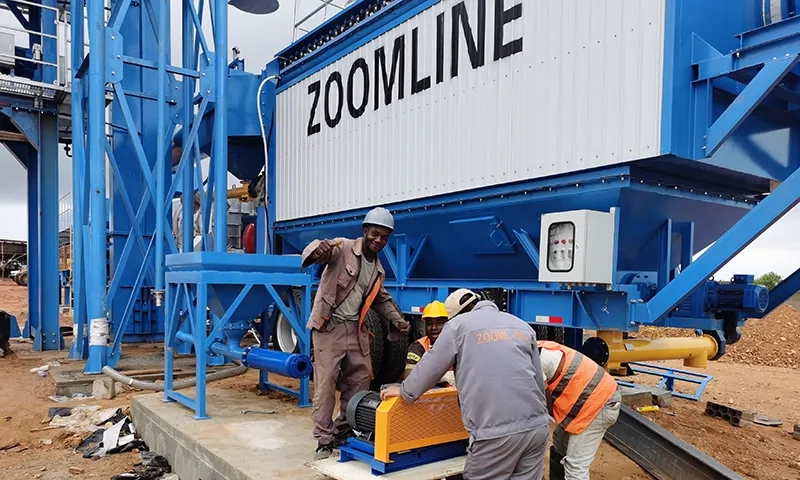
The production process of intermittent mixing plant has obvious batch nature, a complete production cycle is usually 60-90 seconds, the specific steps are as follows:
Cold Material Preparation: Aggregates of different specifications in the cold material bin are quantitatively outputted by the vibrating feeder, and then transported to the drying drum by the conveyor;
Drying and Heating: Aggregates are contacted with the high temperature airflow generated by the burner in the drying drum, and the temperature is increased to 150-180℃ during the rotation process. Drying and heating: the aggregate in the drying drum contacts with the high temperature airflow generated by the burner, completes the evaporation of water in the rotating process, and the temperature rises to 150-180℃;
Screening and storage of hot materials: the heated aggregates are transported to the vibrating screen by the hot material elevator and stored in the corresponding hot material silo after grading and screening;
Precise weighing: according to the preset formula, the aggregate in the hot material silo enters into the weighing hopper of the aggregates in order to be weighed, and at the same time, the asphalt and the mineral powder complete the measurement through their respective weighing systems;
Forced mixing: the aggregates, asphalt, and the mineral powder completed by the weighing Forced mixing: the weighed aggregate, asphalt, mineral powder and other materials enter the Pugmill mixing pot together. Forced mixing: the weighed aggregate, asphalt, mineral powder and other materials enter the Pugmill mixing pot together, and the forced mixing is carried out for 30-60 seconds to ensure the homogeneity of the mixture;
Discharge and storage of finished products: the finished mixture is discharged from the mixing pot, and transported to the finished product warehouse through the chute for temporary storage, waiting for the paving operation;
Cyclic production: after completing the production of one lot, the equipment is automatically reset to enter the next batch of the production cycle.
The production process of continuous mixing plant is continuous and uninterrupted operation, the core difference lies in the integration of drying and mixing process:
Cold material conveying: Aggregate in the cold material silo is quantitatively output by the vibrating feeder, and then continuously conveyed by the conveyor to the front of the inclined drying drum;
Drying, heating and mixing: Aggregate enters into the drum, and then it moves to the rear of the drum in the rotating process, and meanwhile, a burner jets high-temperature flames from the rear or front of the drum. Drying, heating and mixing: after the aggregate enters the drum, it moves to the end of the drum in the process of rotation, while the burner jets high temperature flame from the end or front end of the drum to realize the drying and heating of the aggregate; when the aggregate moves to the mixing area in the middle and rear part of the drum, the asphalt is uniformly sprayed in through the spraying device, and is mixed with the hot aggregate in the rotation of the drum in a continuous manner;
Finished product output: the evenly mixed hot-mix asphalt mixture is discharged from the tail end of the drum, and is transported to the finished product silo or the paver directly, no need to wait for the interval, and realize the continuous production.
Whether batch or continuous, the core process of a hot mix asphalt plant can be summarized as follows: cold material supply → drying and heating → hot material screening → accurate weighing / metering → mixing → finished product storage / discharge.
The key control points in the production process include three aspects: first, temperature control, the temperature of the aggregate after drying needs to be stabilized at 150-180 ℃, to ensure that the asphalt can be adequately coated; asphalt heating temperature control at 140-160 ℃, to avoid the temperature is too high to lead to the aging of asphalt, or the temperature is too low to affect the fluidity; second, time control, intermittent mixing plants need to be more than a single batch of mixing time of 30 seconds, continuous mixing plant of the single batch of mixing time is more than 30 seconds, the mixing time is more than 30 seconds. Second, time control, intermittent mixing plant single batch mixing time should be more than 30 seconds, continuous mixing plant aggregate in the drum residence time to meet the drying and mixing requirements (generally 2-4 minutes); Third, the proportion of precision control, aggregate, asphalt, mineral powder proportioning error needs to be controlled within ±1%, to ensure that the performance of the mixture in line with the design standards.
| Comparison Items | Batch Mix Plant | Drum Mix Plant |
| Production Method | Intermittent/batch production; proceed to the next batch after completing one batch | Continuous uninterrupted production; materials are continuously input and output |
| Mixing Quality | ★★★★★ (Forced mixing, highest mixing uniformity and optimal proportioning accuracy) | ★★★★ (Natural mixing in the drum, good uniformity, slightly inferior to batch type) |
| Proportioning Flexibility | Extremely high; can quickly switch different mixture formulas to meet the needs of multi-specification projects | Medium; suitable for long-term stable production of single or a few types of mixture formulas |
| Capacity Range | 40–400+ TPH (Tons Per Hour); large-scale equipment has a higher capacity upper limit | 40–240+ TPH (Tons Per Hour); capacity scale is relatively limited |
| RAP Usage Ratio | Up to 50%+; requires independent RAP crushing, screening and heating systems (RAP: Reclaimed Asphalt Pavement) | Usually 30–50%; counterflow drum can increase to more than 50% without complex additional systems |
| Initial Investment | High; high manufacturing cost due to tower structure and forced mixing system | Low; simple overall structure and low manufacturing cost, about 20–40% lower than batch type |
| Energy Consumption and Emissions | Medium; certain heat loss exists in intermittent operation | Low; especially counterflow drum has high heat exchange efficiency, with more advantages in energy consumption and emissions |
| Maintenance Complexity | High; many moving parts such as mixing bowl and weighing system, resulting in large maintenance workload | Low; the core component is the drum, with few moving parts, low failure rate and more convenient maintenance |
| Suitable Scenarios | High-grade highways, large municipal projects, multi-formula production needs, projects with extremely high requirements for mixture quality | Small and medium-sized road projects, long-term stable production of single formula, cost-sensitive projects, scenarios with high environmental protection requirements |
Industry trend in 2026: With the upgrading of the RAP regeneration technology, the utilization rate of RAP has been reduced after the counter-current drum plant is equipped with an independent RAP heating system. With the upgrading of RAP recycling technology, the utilization rate of RAP can reach more than 50%, which gradually narrows the gap between batch mixing plant and batch mixing plant in the application of recycled materials. Meanwhile, the proportioning control system of continuous mixing plant is constantly optimized, and the flexibility of proportioning is also improved, while the modular design of batch mixing plant reduces the threshold of the initial investment, and the application scenarios of the two are being gradually cross-fertilized.
The first step of choosing a mixing plant is to accurately calculate your own demand:
Firstly, determine the annual output, estimate the annual production capacity of the required equipment according to the amount of construction work undertaken each year, to avoid overcapacity or undercapacity;
Secondly, determine the daily peak production capacity, taking into consideration of the concentrated production demand that may occur in the peak construction season, the daily peak production capacity should be 20-30% higher than the average daily demand; then determine the proportion of RAP recycled material used. Considering the concentrated production demand that may occur during the peak construction season, the daily peak production capacity of the equipment should be 20-30% higher than the average daily demand;
Further determine the proportion of RAP recycled material, if the project requires a high proportion of recycled material, give priority to the counter-flow drum or intermittent equipment equipped with a special RAP system;
Lastly, consider the formula switching frequency, if it is necessary to undertake a variety of specifications of the road project, the intermittent mixing plant’s flexibility of the high proportion of the more advantageous.
Equipment with 50-80 TPH capacity range is suitable for small contractors, township road maintenance and emergency repair projects, and mobile Drum Mixing Plant is recommended.
Equipment with 80-120 TPH capacity range is suitable for small and medium-sized municipal projects, county highway reconstruction and multi-site transfer projects, and mobile or semi-fixed B Mixing Plant can be chosen. Mobile or semi-fixed Batch Mixing Plant and Drum Mixing Plant are recommended;
Equipment with capacity range of 120-200 TPH is suitable for main roads of prefecture-level municipalities, highway connecting lines and long-term stable production projects, and semi-fixed Batch Mixing Plant or Countercurrent Drum Mixing Plant is recommended;
Equipment with capacity range of 200-320 TPH is recommended; Equipment with capacity range of 200-320 TPH is recommended; Equipment with capacity range of 200-320 TPH is recommended. The equipment with capacity range of 200-320 TPH is suitable for highway main road, large-scale municipal projects and regional mixing stations, and fixed Batch Mixing Plant is preferred.
The equipment with capacity range of 320+ TPH is specially designed for extra-large highway projects, permanent mixing stations and inter-regional construction enterprises, and large-scale stationary Batch Mixing Plant (Multi-tower Combination) is recommended. ).
Small Contractors / Road Maintenance Teams
Priority is given to 60-120 TPH Mobile Drum Mixing Plant, which is convenient for equipment transfer, fast installation and commissioning, low initial investment, and can satisfy the needs of piecemeal projects and emergency repairs, while reducing capital pressure.
Highway main contractor
recommends 200+ TPH stationary Batch Mixing Plant with large-capacity finished product silo, which can ensure the strict requirements of high-grade highway on the quality and continuous supply of mixture, and the precise proportion can guarantee the strength and durability of road surface, which is suitable for long-term large-scale production.
High Environmental Protection / High RAP Demand Projects
Choose Recycling Asphalt Plant with independent RAP heating system or high configuration batch mixing plant, which can meet the requirement of over 40% of RAP recycling ratio, and comply with the 2026 ultra-low emission regulations, and at the same time, reduce the cost of energy consumption.
Municipal projects in urban core areas
Priority is given to modular, low-noise, low-dust mixing plants. Mobile Batch Mixing Plants may be considered to minimize the impact on the surrounding environment and to adapt to the characteristics of limited urban construction sites.
Mobility Requirements
Select mobile or stationary equipment according to the distribution of the project. If multi-site transshipment is involved, give priority to mobile batching plant to enhance the flexibility of construction scheduling.
Environmental compliance
Confirm whether the emission indexes of the equipment comply with the latest local environmental protection standards, including dust, noise, and exhaust gas emission, etc., so as to avoid project stoppage due to non-compliance with emission standards.
Capacity Expansion Potential
Select equipment with modular design to facilitate the later addition of core components (e.g., aggregate silos, mixing cylinders, and finished product silos) to increase capacity, to meet the needs of business scale expansion, and to reduce secondary investment costs.
Spare parts supply and after-sales service
Priority is given to manufacturers with spare parts warehouses and after-sales service teams in or around the project site to ensure quick response in case of equipment failure, timely provision of spare parts replacement and technical support, and reduction of downtime losses.
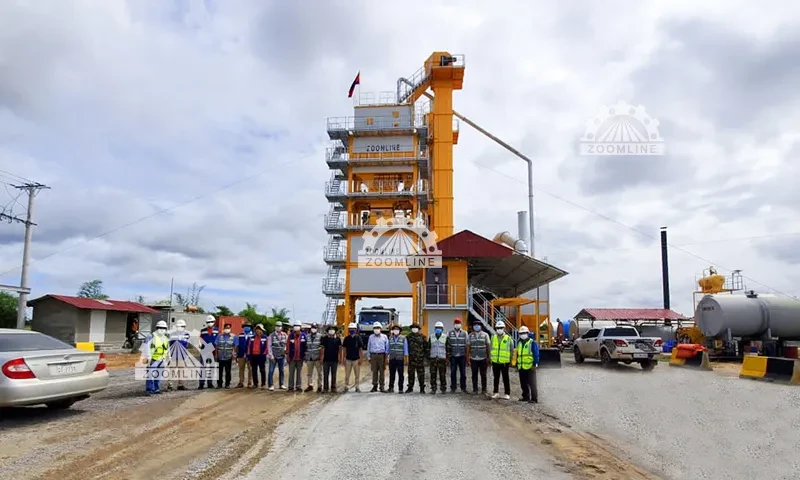
– Small Mobile Drum Batching Plant (50-80 TPH): US$70,000-250,000, with price differences mainly due to brand, configuration, and environmental standards, with domestic equipment costing less and European and American brands costing more.
– Medium-sized Batch Mixing Plant (120-200 TPH): US$250,000-600,000, with an additional US$30,000-80,000 if equipped with RAP recycling system.
– Large Stationary Batch Mixing Plant (240+ TPH): $600,000-$1,200,000+, with higher configurations (e.g., multi-tower, intelligent control system, high-efficiency de-dusting equipment) potentially costing more than $1.5 million.
– Foundation costs: Fixed mixing plants require special foundations to be poured, costing about 5-10% of the price of the equipment; mobile plants do not require complex foundations, but they do require a hardened site to be leveled, costing about $10,000-$30,000 USD.
– Electricity and environmental protection renovation: large-scale equipment needs to increase the capacity of electricity, the cost is about $20,000 to $20,000; some areas need to install additional denitrification and desulfurization equipment to meet the requirements of ultra-low emissions, the renovation cost is about $50,000 to $15,000.
– Installation and commissioning costs: about 10-15% of the price of the equipment, including on-site installation, pipeline connection, system commissioning and other services.
– Operation-related costs: first year spare parts reserve cost is about 3-5% of the equipment price; operator and maintenance staff training cost is about US$10,000 to US$30,000; later operation costs such as energy, fuel, labor, etc. need to be calculated according to the capacity and frequency of use.
– Brand and origin: European and American brands (e.g., Wirtgen, Armada) have higher prices and stable quality and reputation; Chinese brands (e.g., ZOOMLINE) have outstanding cost performance and increasingly mature technology, and their prices are 20-40% lower than those of European and American brands.
– Configuration differences: whether equipped with RAP regeneration system, dust removal equipment level, control system intelligence, finished product warehouse capacity, etc., will directly affect the price.
– Emission standards: meet the Euro V, U.S. EPA and other high standards of emission equipment, equipped with more advanced environmental components, the price is 15-30% higher than ordinary equipment.
– Modular design: modular equipment to support later expansion, the initial investment is slightly higher, but in the long run more cost advantage.
In the long run, it is necessary to combine the production capacity and usage scenarios: if the annual production capacity is more than 100,000 tons and the formula needs to be switched frequently, Batch mixing plant’s high stability and low failure rate is more economical; if the annual production capacity is less than 80,000 tons and the production formula is single, Drum mixing plant’s low energy consumption and low maintenance cost are more advantageous. Generally speaking, after 5 years of use, the total cost difference between the two is gradually narrowing, and the key lies in matching your own production needs.
Priority inspection of the manufacturer’s factory video or on-site inspection, to confirm whether there is a complete production line; check the number of past cases and geographical distribution, especially with their own projects similar to the success of the case; verify the inventory of spare parts, to ensure that the supply of key spare parts in a timely manner; test the manufacturer’s response speed, whether there is a professional docking within an hour after the consultation, whether they can provide a detailed technical program and offer, to avoid choosing no physical plant, only trade middlemen, to avoid the choice of the manufacturers, and to avoid the need for the manufacturer’s response. Avoid choosing intermediaries without physical factories and only doing trade.
Installation period: 7-10 days for small mobile equipment; 15-20 days for medium-sized semi-fixed equipment; 30-45 days for large fixed equipment. Site conditions to prepare: need to provide sufficient space (small equipment needs more than 500 square meters, large equipment needs more than 1,500 square meters); to ensure the supply of electricity (small equipment needs 154-300kW, large equipment needs more than 500kW); access to water (for cooling, dust removal); level and harden the site, the stationary equipment needs to be poured ahead of the foundation; to ensure that the transportation channel is smooth, so that the equipment components into the site The site should be leveled and hardened, and the foundation of fixed equipment should be poured in advance.
The cost of a single transfer of mobile equipment is about $10,000 to $30,000 (including transportation, lifting costs, re-installation and commissioning costs), and the lower the frequency of transfer, the lower the unit transfer cost. Ways to reduce transshipment loss: choose modular design equipment, disassembly and assembly is more convenient; before transshipment, do a good job of equipment cleaning and maintenance, to avoid wear and tear of components during transportation; plan the transshipment routes and site conditions in advance, to shorten the installation and commissioning time.
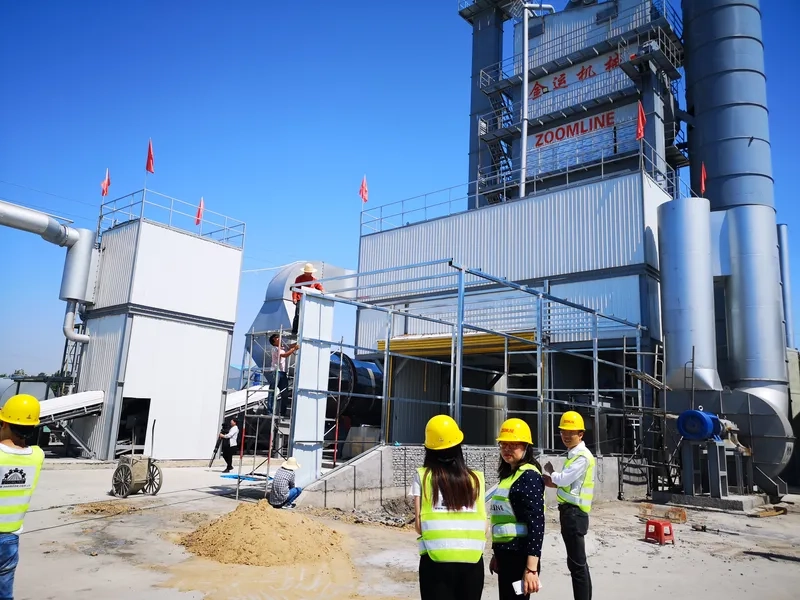
ZOOMLINE machinery has been focusing on the R&D and production of hot mix asphalt mixing plant for many years, and its core technology is at the leading level in the industry: adopting the counter-flow drum design, the heat exchange efficiency is increased 15%, and the fuel consumption is as low as 5.5-7kgt. 7kg/t, far exceeding the industry average; self-developed high-ratio RAP regeneration system, RAP utilization rate can reach more than 50%, with the regenerant automatic adding device, to ensure the stability of the performance of the mixture; intelligent PLC control system equipped with Siemens electrical components, support for remote monitoring, data tracing and automatic proportioning adjustment, easy to operate and high precision; environmental protection, equipped with high-efficiency bag filter, particulate emission concentration is less than 5mg/t, and the emission concentration is less than 5mg/t, which is the highest in the industry. In terms of environmental protection, it is equipped with a high-efficiency baghouse dust collector, with a particulate emission concentration of less than 5mg/m³ and NOx emission in compliance with the Euro V standard, which can meet the requirements of the new regulation in 2026 without additional modification.
(I) Mali ZAP-M160T Mobile Asphalt Mixing Plant Project
In the first half of 2025, ZOOMLINE, with its independent R&D strength and core product advantages, provided two sets of mobile asphalt mixing plants (ZAP-M160 intermittent and ZAP-C20M drum) for a major infrastructure project in Mali, which successfully won the bidding with its high productivity, flexible mobility and strong environmental protection with a dust removal efficiency of over 99%. With high productivity, flexible mobility and strong environmental protection with over 99% dust removal efficiency, the company successfully won the bid. The company demonstrated precise product adaptability, optimized the equipment components for local construction environment and raw material characteristics, completed the production efficiently according to the schedule and passed the customer’s acceptance; in the face of geopolitical tensions resulting in logistical problems, the company ensured the safe delivery of the goods through the efficient coordination of the exclusive logistics tracking team, and then dispatched a professional engineering team to provide the whole process of installation and debugging and operation training, to “customer first”. The service concept of “customer first” ensured the rapid commissioning of the equipment, which fully demonstrated the brand’s comprehensive advantages in technology research and development, performance guarantee and overseas services, and was highly recognized by the customer.
(II) ZAP-C120M Super Mobile Drum Mixing Asphalt Plant Project in Peru
In 2025, ZOOMLINE won the order of Peru road upgrading project by relying on its excellent technology accumulation and rich overseas project experience, and its core flagship product, ZAP-C120M asphalt mixing plant, stands out by virtue of its brand advantages of integration, high efficiency, environmental protection and intelligence. The equipment adopts highly integrated design, which shortens the installation time by more than 40% compared with the traditional equipment, and can be quickly transferred with the high-strength mobile chassis to match the local decentralized construction scenario; the stable production capacity of 120 tons/hour, the dust-removing efficiency of more than 95%, and the recycling technology of 30% of the old asphalt take into account the construction efficiency and environmental protection, and the Intelligent Control System of English and Spanish reduces the difficulty of the operation. The company efficiently completed the production and shipment, closely collaborated with the customer’s construction team to solve technical problems, and completed the installation and commissioning and passed the acceptance in more than 10 days, which not only reflects the brand’s strength in product innovation and geographical suitability, but also helps the Chinese road construction machinery brand to expand its influence in the South American market.
(III) ZAP-C40M Super Mobile Drum Mixing Asphalt Plant Project in Kenya
In January 2025, ZAP-C40M mobile continuous asphalt mixing plant researched and developed by ZOOMLINE was put into operation in Kenya, which fully demonstrated the brand’s product flexibility and technology adaptability. With a rated capacity of 40 tons/hour, the plant is designed for long-distance construction and frequent transfer scenarios. It can be completely transferred by two trailers without additional dismantling, and can be put into operation again in 1-2 days, demonstrating strong mobility and convenience; at the same time, the plant is equipped with Siemens PLC intelligent control system in English and Chinese, and adopts precise metering technology in the systems of cold feed and asphalt supply, with the concentration of emission from the dust removal system lower than 30mg/Nm³. The emission concentration of the dust removal system is less than 30mg/Nm³, combining ease of operation, high efficiency and environmental protection, which perfectly meets the local construction needs and highlights the brand’s core competitiveness in product research and development and technological landing in the segmented scenarios.
has several offices and service stations in Southeast Asia, the Middle East, Africa, and Latin America, realizing a response within 24 hours at home and dispatching staff or remote guidance within 48-72 hours overseas.
Choosing ZOOMLINE is not only buying a piece of equipment, but also obtaining a set of reliable, energy-saving, environmentally friendly and worry-free after-sales long-term production solutions.
All equipment has passed ISO9001 quality system certification and CE certification, and the emission indexes are in line with the global mainstream environmental protection standards. We provide 15 months’ free warranty service, and free replacement of parts and maintenance service for equipment failures caused by non-human factors during the warranty period; we provide complete technical data, emission compliance certificates and quality inspection reports upon delivery of the equipment, and support the customer’s on-site acceptance; as of the end of 2025, our equipment has been certified to be in compliance with the emission standards, and we have been certified to be in compliance with the environmental protection standards. By the end of 2025, our equipment has been exported to more than 50 countries and regions around the world, with a total of 1,000+ projects completed and customer satisfaction of over 95%. Repeated purchases and word-of-mouth recommendations from many customers are the best proof of our quality.
If you are looking for cost-effective, efficient and environmentally friendly hot mix asphalt mixing plant, or want to know more about equipment selection program, price details, welcome to contact us immediately:
– Inquiry: Fill in the form below or send email to [email protected], we will provide accurate quotation and technical solutions within 24 hours.
– Make a video appointment to see our plant: Make an appointment via WhatsApp (+86-18838114766) to visit our production plant and test site in real time
We will customize the most suitable solution for you according to your specific project needs, helping you to reduce costs, improve efficiency and seize the first opportunity in the road construction market in 2026! We will help you to reduce costs, increase efficiency and take the lead in the road construction market in 2026!