
In the field of road construction and maintenance, the choice of bitumen material directly determines the project quality, construction efficiency, environmental protection and comprehensive cost. With the popularization of green construction concept, Bitumen Emulsion , as an alternative to Traditional Bitumen/HMB, is gradually emerging in various projects. In this article, we will comprehensively compare the advantages and disadvantages of the two from the definition, classification, performance differences, application scenarios and equipment suitability and other dimensions, to provide road construction practitioners with accurate selection reference.
Bitumen emulsion is a two-phase system formed through the action of emulsifier, which disperses and stabilizes bitumen particles uniformly in water and can be constructed at room temperature without high-temperature heating. The core principle is to use alkaline soap and other emulsifiers to form a protective layer of charge on the surface of bitumen particles to realize stable integration with water and avoid stratification and precipitation. Compared to diluted asphalt, which relies on solvents, bitumen emulsion is one of the mainstream choices for sustainable construction because it significantly reduces or eliminates high-temperature heating, which is safer and more environmentally friendly.
Traditional Bitumen, also known as Hot Mix Asphalt, needs to be heated to 150-180℃, and at the same time, the aggregate will be heated to 140-160℃ for mixing and mixing, and paving and compaction will be completed at a high temperature. With its mature technical system and excellent pavement durability, it has long dominated the highway, airport runway and other heavy-duty pavement projects, but high energy consumption, high pollution and safety hazards and other issues are increasingly prominent.
The classification of bitumen emulsion needs to be combined with the two core indexes of setup time and surface charge, and different types correspond to different engineering needs, which is also the key of its more flexible compared with traditional bitumen.
Short setting time (a few minutes to 1 hour), suitable for urban road repair, crack sealing and surface treatment projects with high traffic flow, can be quickly molded and open to traffic, reducing the impact of construction on traffic.
Setting time of 1-3 hours, the core of the application of fog sealing layer, grass-roots stabilization and adhesive oil construction, not only to achieve a strong bond with the original pavement, but also for the subsequent process to reserve sufficient operating time, taking into account the efficiency and quality.
The setting time is up to 4-6 hours, mostly used for thin slurry sealing, micro-surface and gravel sealing, especially suitable for rural highways, low-traffic road maintenance, which can significantly improve the anti-skid and waterproofing of the road surface.
Negatively charged particles, excellent adhesion with acidic aggregate, suitable for pavement construction and surface protection in the area of acidic soil and aggregate, with outstanding cost performance.
Particles with a positive charge, and alkaline aggregate compatibility, widely used in soil stabilization, dust control and cold mix asphalt production, bonding strength and curing speed is more advantageous.
Particles are electrically neutral, not suitable for road construction, mainly used in industrial adhesives, coatings and other fields, very little application in road projects.
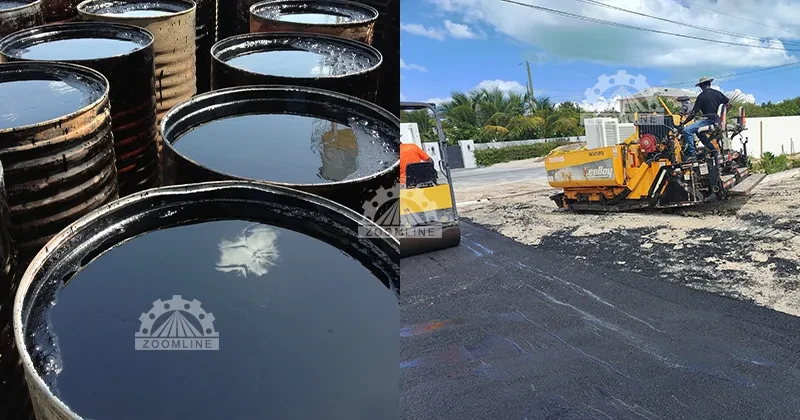
The performance differences between the two are concentrated in construction conditions, environmental protection, safety, cost and durability, etc., which need to be selected according to the project scenario.
Asphalt emulsion can be constructed at room temperature from 20-60℃, without complicated heating equipment, with good fluidity, easy mixing, and strong adaptability to wet aggregate and low temperature environment, and it can work normally even in winter or remote sites. Traditional asphalt needs to rely on high-temperature heating equipment, the construction is restricted by the ambient temperature, and it is difficult to operate at high temperature, and it is easy to cause asphalt aging and segregation of mixture due to improper temperature control.
asphalt emulsion to water as a dispersing medium, no petroleum solvent volatilization, greenhouse gas emissions than the traditional asphalt is lower than 30% -40%, significantly reducing atmospheric pollution; at the same time, room temperature construction to avoid the high temperature scald, fire and other safety risks, to protect the safety of construction personnel. Traditional asphalt high temperature heating process will release a lot of harmful gases, energy consumption is very high (about 40% of the total energy consumption of the project), and high temperature asphalt storage, transportation links there are obvious safety hazards.
asphalt emulsion production, transportation and construction costs are lower than traditional asphalt 15-25%, without insulation equipment, and modular construction can reduce equipment investment; but in the heavy-duty pavement long-term durability is slightly inferior to the traditional asphalt, need to be combined with the appropriate aggregates and construction processes to enhance the service life. Although the durability of traditional asphalt is excellent, but high energy consumption and high emission lead to high comprehensive cost, and the frequency and cost of later maintenance are higher than that of asphalt emulsion project.
asphalt emulsion for storage, transportation conditions require high, need to avoid high temperature, violent vibration and impurities mixed, otherwise easy to delamination and failure; traditional asphalt storage needs thermal insulation tanks, the transport needs special thermal insulation vehicles, although harsh conditions, but the stability is better than the asphalt emulsion, not easy to deteriorate due to external factors.
The two application scene segmentation is closely related to the type of project, traffic volume, environmental conditions, reasonable selection can maximize the value of the project.
Traditional bitumen due to high strength, high durability, mainly used in the pavement bearing capacity requirements of the project, including: highways, highways, paving of the main lane; airport runways, port yards and other heavy-duty areas of the road construction; large bridges pavement construction; high traffic volume of the road surface of the comprehensive renovation project. The pavement structure after its high temperature molding is stable and can withstand long-term heavy load crushing, and its service life can reach 15-20 years.
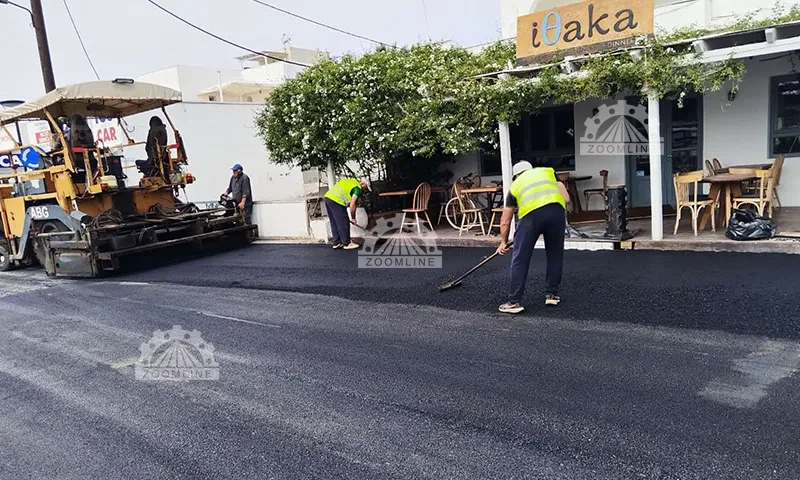
With the advantages of room temperature construction and environmental protection and economy, bitumen emulsion is mostly used in maintenance and small and medium-sized projects, including: daily repair (potholes and cracks) of urban roads and rural highways; cold mix asphalt production in cold areas and remote sites; soil stabilization and road base reinforcement projects; maintenance operations such as pavement fog sealing layer and thin slurry sealing layer; and rapid paving of temporary roads and construction right-of-way. In addition, bitumen emulsion can be compatible with latex, rubber, cement and other water-based binder, suitable for more special engineering needs.
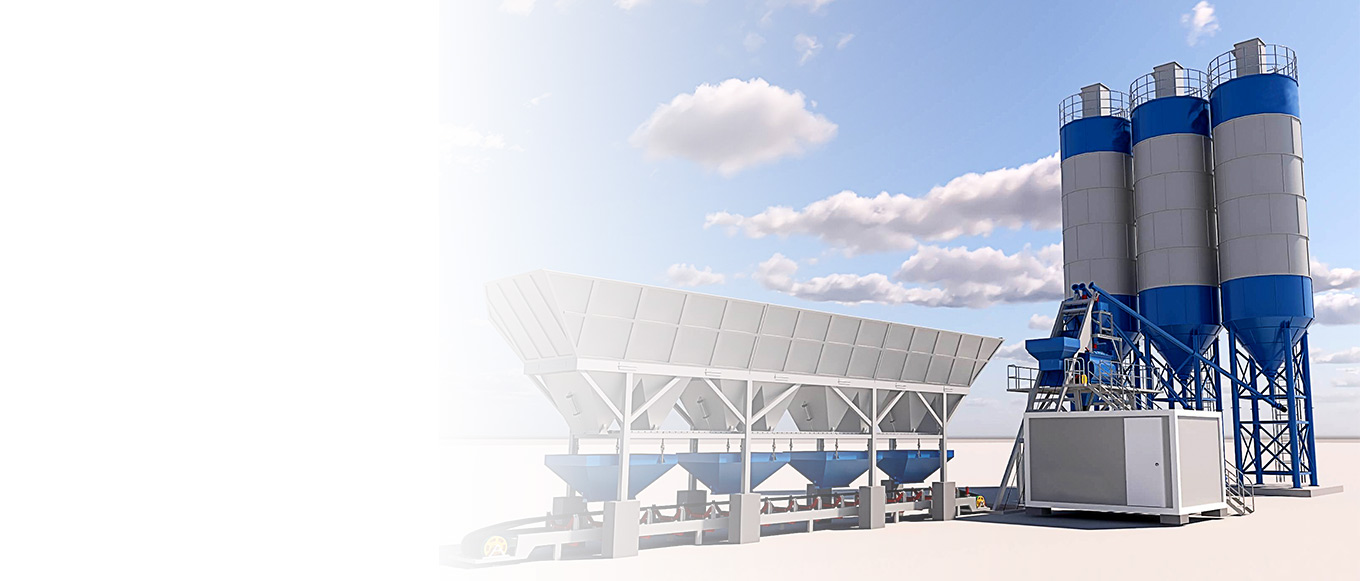
The choice of bitumen emulsion or traditional bitumen, directly affecting the asphalt mixing plant equipment configuration, investment costs and operational flexibility, the existing plant renovation program also needs to be targeted design.
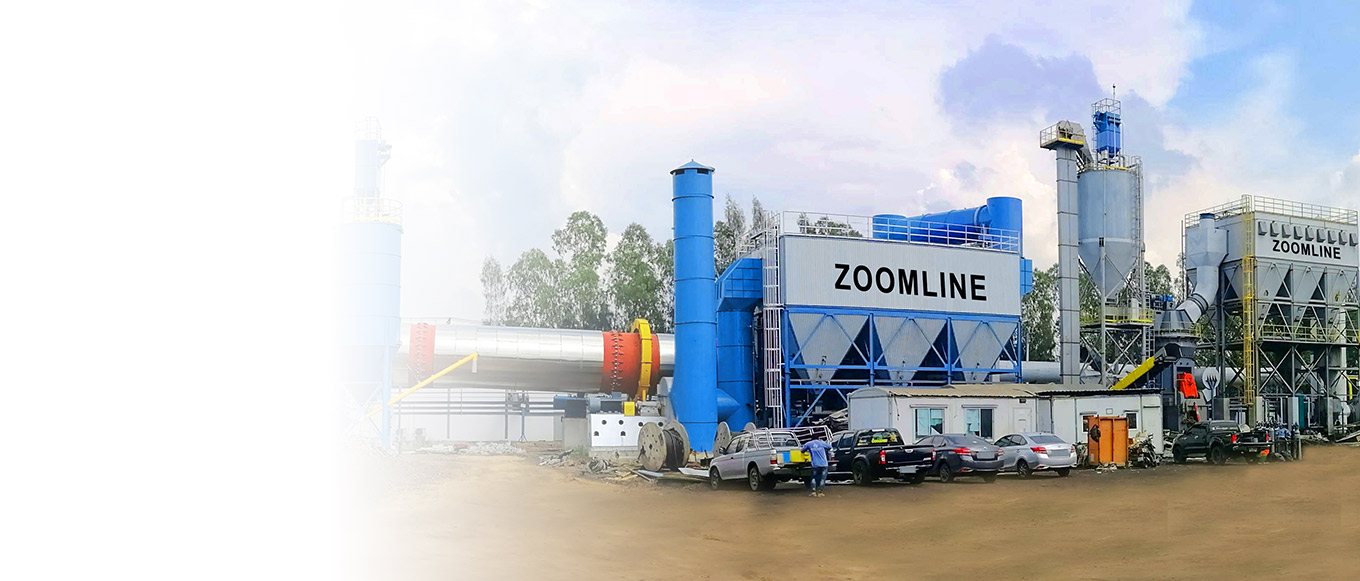
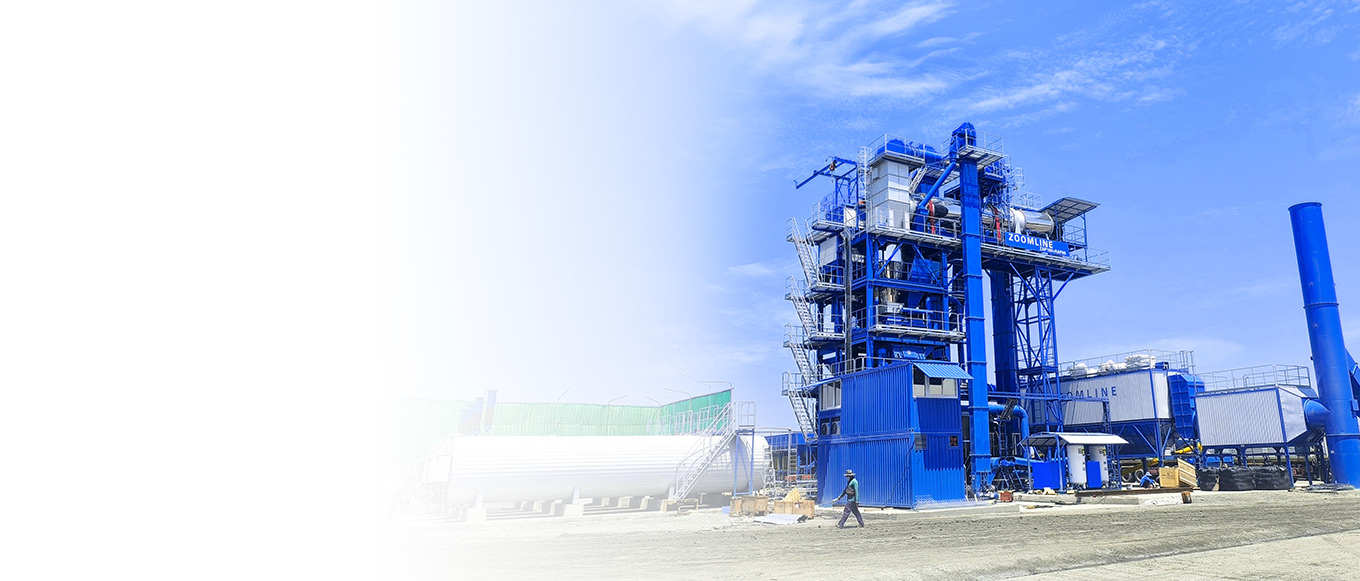
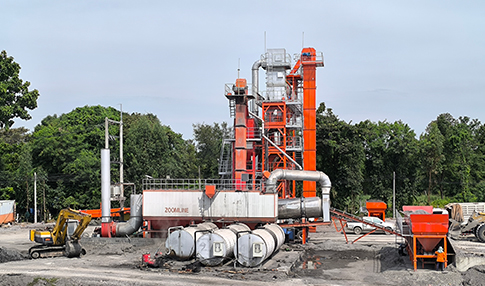
Conventional asphalt mixing plants need to be equipped with specialized high temperature heating systems, insulated storage tanks, precise temperature-controlled mixing units, and complex ventilation and exhaust gas treatment equipment to meet the requirements of environmental protection emissions. This kind of equipment is bulky and fixed, which is suitable for large-scale and long-term stable pavement projects, but with high energy consumption, large floor space, high initial investment and later operation and maintenance costs.
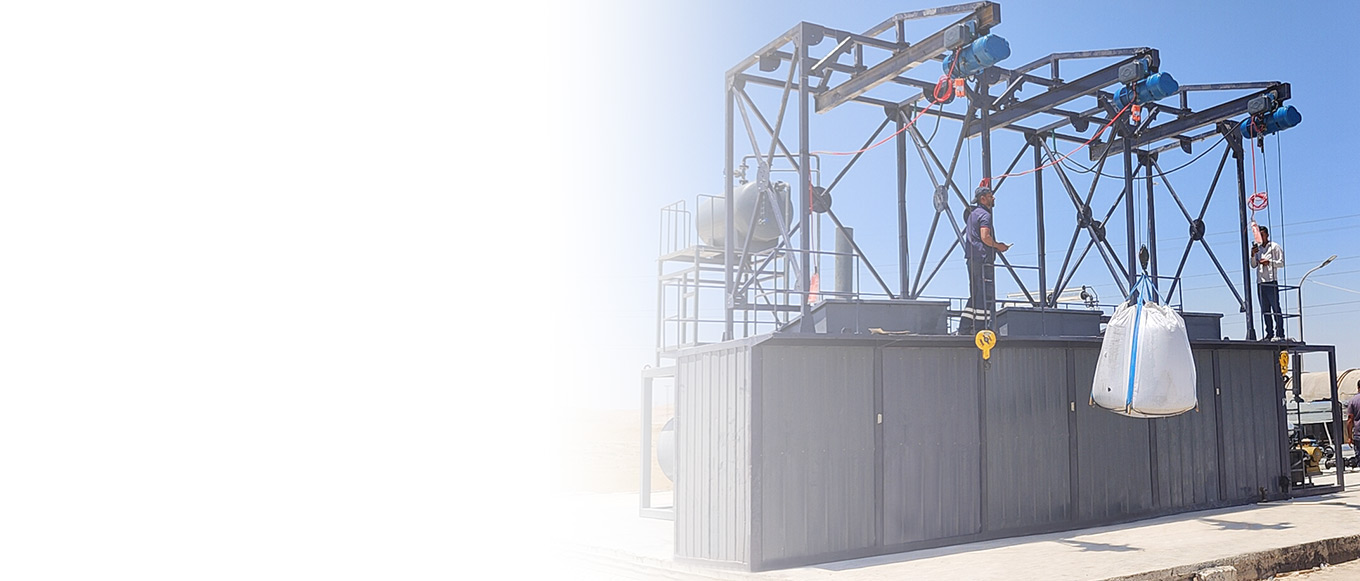
The core of bitumen emulsion mixing equipment includes emulsifier metering and adding system, colloid mill (used for asphalt granule refining), room temperature storage tank and low shear mixer, which does not need high temperature heating device, and the energy consumption is reduced by more than 40% compared with the traditional mixing plant. The modularized equipment is small, movable and easy to install, which is suitable for small and medium-sized projects, remote construction sites and low-temperature environments, and can quickly switch to produce different types of bitumen emulsions with high operational flexibility.
For enterprises equipped with traditional asphalt mixing plants,bitumen emulsion production capacity can be realized through upgrading and transformation, the core transformation includes: the addition of emulsifier injection device, low-temperature mixing unit, ambient storage tanks, and part of the scenario can be integrated with the warm-mix asphalt technology, to achieve the “hot-mix + cold-mix” dual-mode operation. Operation. The cost of the retrofit solution is only 30%-50% of a new emulsion mixing plant, which can not only expand the business scope, but also meet the requirements of environmental protection regulations and extend the service life of the equipment.
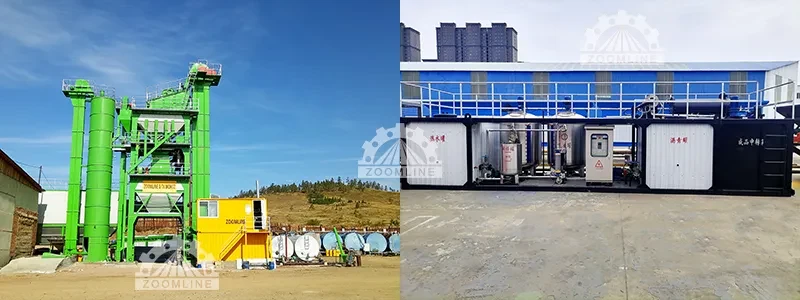
If it is a permanent pavement with heavy load and high traffic volume such as highway, airport runway, etc., traditional bitumen is preferred to ensure long-term durability; if it is a road maintenance, temporary road, cold area or remote site project, emulsified bitumen is preferred to take into account the cost, efficiency and environmental protection
In areas with strict environmental protection policies, the advantages of emulsified bitumen’s low emissions can avoid compliance risks Environmental requirements: in areas with strict environmental policies, the low emission advantages of emulsified bitumen can avoid the risk of compliance;
Small projects, short-term projects or budgetary constraints, the overall cost of emulsified bitumen is more advantageous;
Remote areas, no stable energy supply or need to open the scene quickly, emulsified bitumen is a better choice.
Emulsified bitumen and traditional bitumen are not absolute substitutes, but each has its own strengths and is suitable for different scenarios of road materials. Traditional bitumen, with its heavy-duty durability, will still occupy an important position in the core transportation infrastructure, but emulsified bitumen, with its environmental protection, high efficiency and flexibility, is becoming the core force of the green transformation of road construction. With the continuous upgrading of emulsification technology, its applicability in heavy-duty scenarios are also gradually improved, the future “hot mix + cold mix” synergistic construction mode will become mainstream.
For road construction enterprises, accurately grasp the performance differences between the two materials, combined with the project needs to choose the appropriate program, or through equipment modification to achieve multi-functional fit, in order to maintain competitiveness in the environmental protection policy tends to be more stringent, diversification of engineering needs in the market. Whether it is the innovative application of emulsified bitumen, or traditional bitumen technology optimization, will ultimately serve a more durable, more efficient, more sustainable road infrastructure.